In today's rapidly evolving architectural landscape, the paradigm has decisively shifted towards sustainability, efficiency, and aesthetic excellence. Commercial buildings are no longer merely structures designed for commerce; they are statements of corporate responsibility, technological advancement, and a commitment to a healthier planet. At the forefront of this transformation is the pursuit of
LEED certification
, a globally recognized symbol of sustainability achievement. Achieving LEED status demands a meticulous selection of every component, from foundation to facade, and this is precisely where
Rust Square Line Stone emerges as an unparalleled solution.
Imagine a building that not only operates with minimal environmental impact but also inspires with its robust, natural beauty. This is the vision that
Rust Square Line Stone helps architects and developers realize. It's more than just a building material; it's a testament to innovation in
sustainable architecture
, blending the timeless appeal of natural stone with the cutting-edge performance required for modern, eco-conscious construction. This article will delve into why
Rust Square Line Stone, a flagship product leveraging advanced
MCM technology
, is an indispensable asset for any commercial project aiming for LEED certification and beyond.
Understanding LEED Certification and Its Demands
Before we explore the specific advantages of
Rust Square Line Stone, it's crucial to grasp the comprehensive nature of LEED (Leadership in Energy and Environmental Design) certification. Developed by the U.S. Green Building Council (USGBC), LEED provides a framework for healthy, highly efficient, and cost-saving green buildings. It's a holistic system that considers multiple categories of sustainability throughout a building's lifecycle.
Commercial buildings pursuing LEED certification must demonstrate excellence across various domains, including:
-
Sustainable Sites:
Reducing environmental impact from building location and design.
-
Water Efficiency:
Promoting smarter water usage.
-
Energy and Atmosphere:
Encouraging better building energy performance.
-
Materials and Resources:
Promoting the use of sustainable and recycled materials, and reducing waste.
-
Indoor Environmental Quality:
Enhancing occupant comfort and well-being.
-
Innovation:
Rewarding projects for innovative green building strategies.
-
Regional Priority:
Addressing specific environmental priorities in a project's region.
It is within the "Materials and Resources" and "Energy and Atmosphere" categories, along with contributing significantly to "Indoor Environmental Quality" and "Sustainable Sites," that
Rust Square Line Stone truly shines. The choice of facade material plays an outsized role in a building's overall environmental footprint and operational efficiency. Traditional materials often come with high embodied energy, significant waste, and limited thermal performance.
Rust Square Line Stone offers a revolutionary alternative.
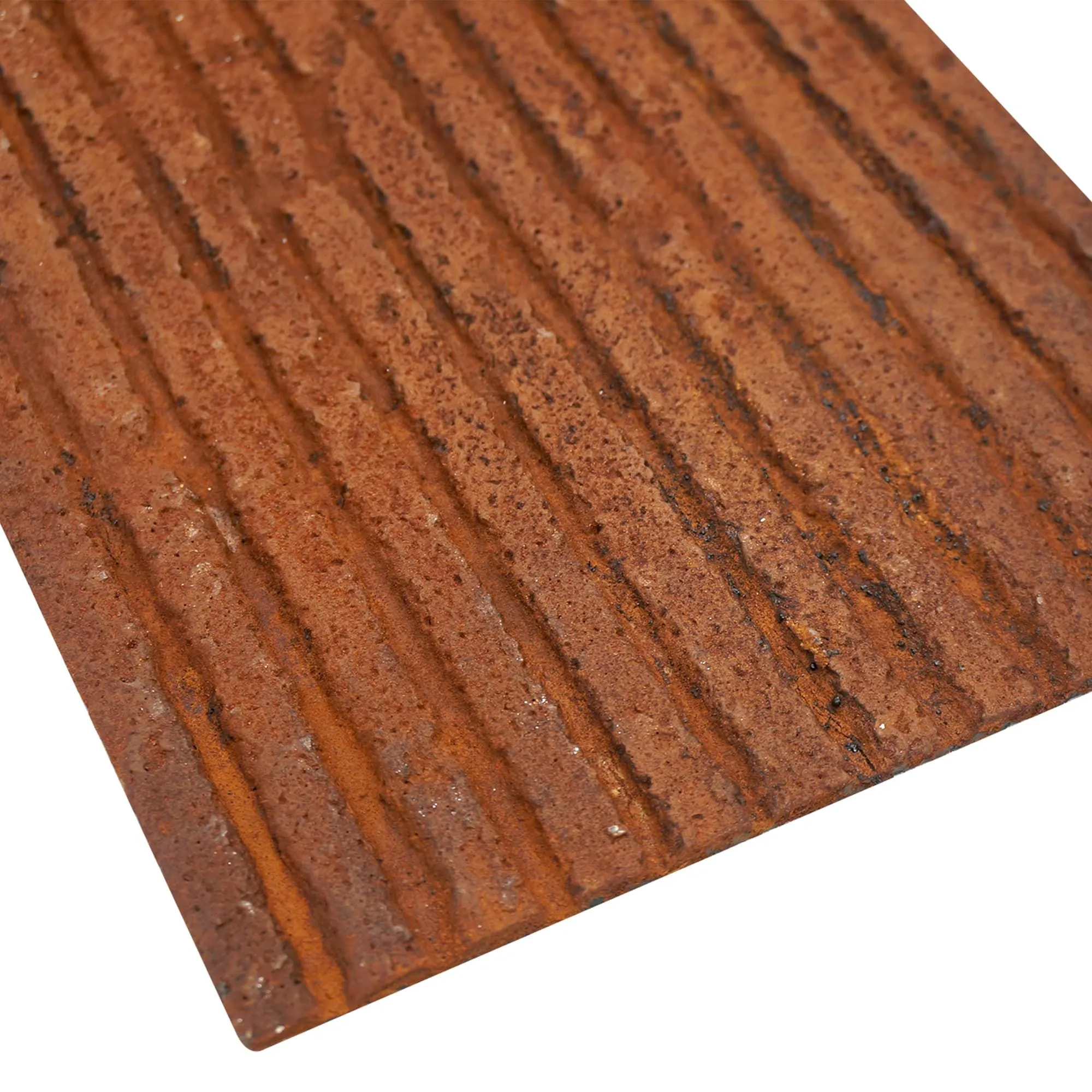
Rust Square Line Stone is not just another architectural finish; it's a sophisticated building material engineered for the demands of the 21st century. Its core lies in advanced
MCM technology
, which stands for Modified Cementitious Material. This innovative approach allows for the creation of materials that mimic the look and feel of natural stone, wood, or other textures, but with vastly superior performance characteristics and a significantly reduced environmental footprint.
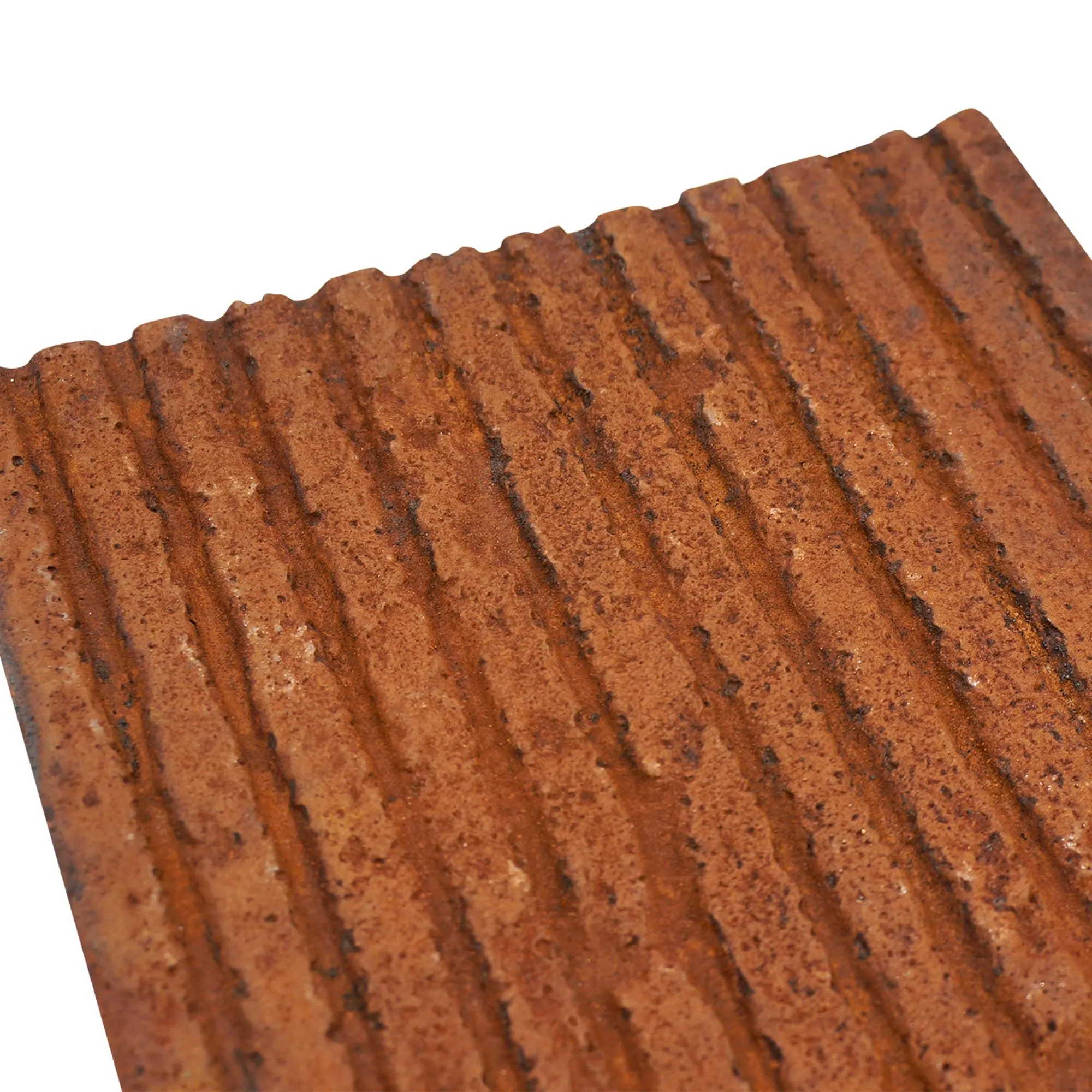
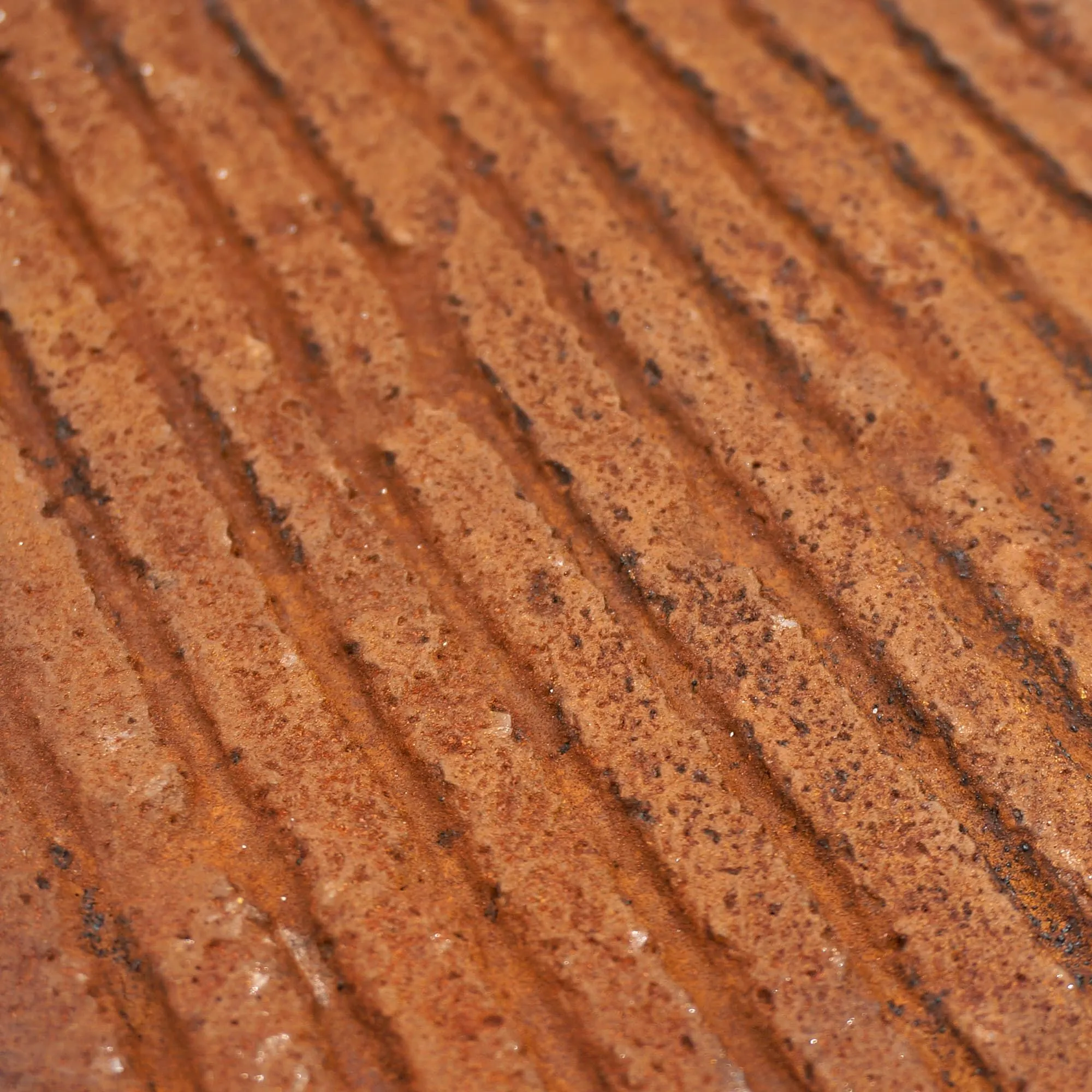
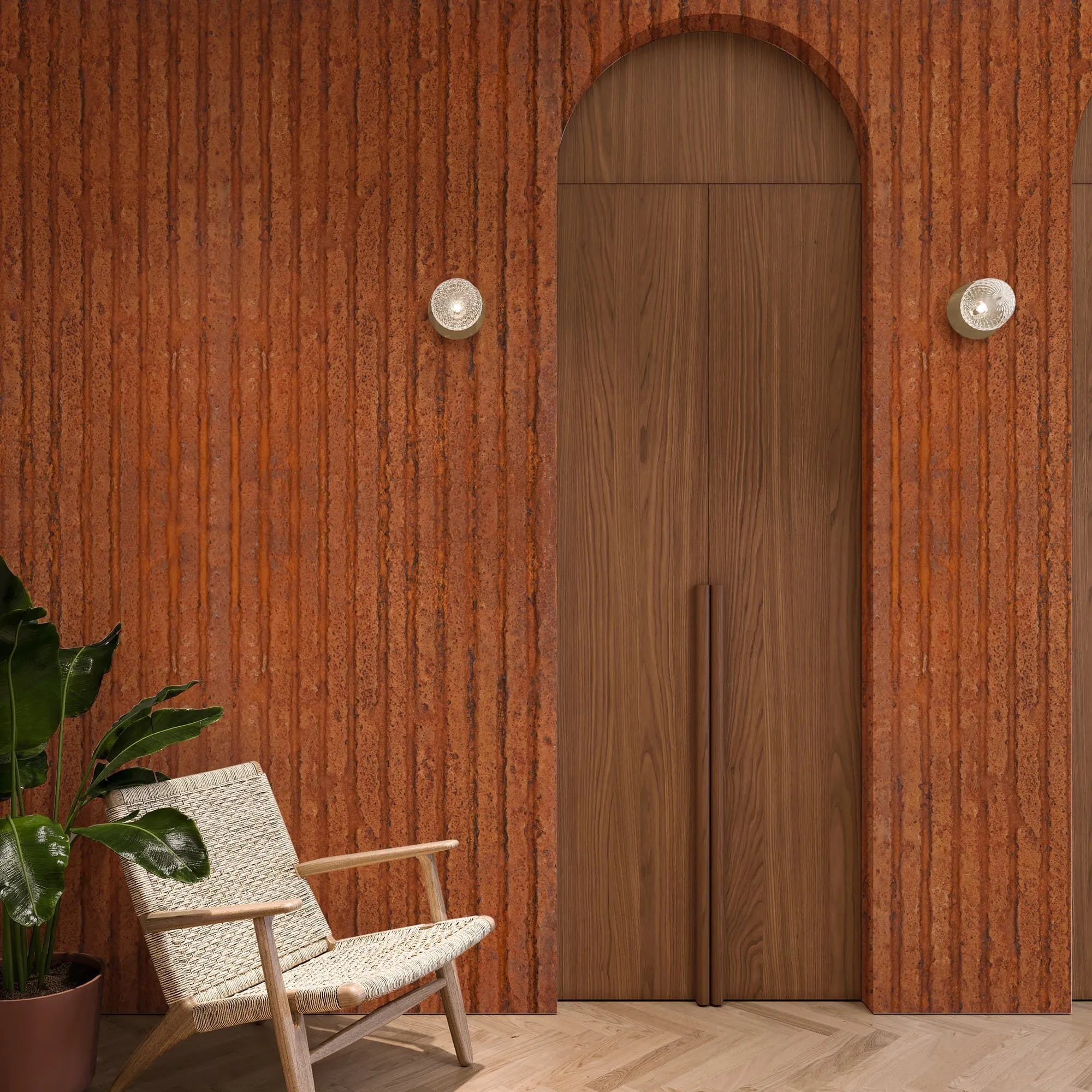
The "Rust Square Line" aesthetic offers a distinctive, rugged elegance that evokes the timeless beauty of weathered rock formations, adding a profound sense of character and gravitas to any commercial facade. The precise square lines provide a modern, structured appeal, balancing the organic rust tones with contemporary design principles. This unique combination makes it highly versatile, suitable for a range of architectural styles, from industrial chic to refined modernism. The subtle variations in color and texture inherent in its design ensure that each installation possesses a unique identity, avoiding the monotonous repetition often associated with synthetic materials.
The Power of MCM Technology: Crafting a Better Material
The secret behind
Rust Square Line Stone's exceptional properties is the proprietary MCM (Modified Cementitious Material) formulation. Unlike traditional natural stone that requires extensive quarrying, transportation, and cutting, MCM products are manufactured using a process that is inherently more sustainable.
-
Reduced Resource Depletion:
MCM materials significantly reduce the reliance on virgin natural resources. Instead, they often incorporate recycled content and natural mineral powders, dramatically lessening the environmental burden associated with quarrying.
-
Lower Embodied Energy:
The manufacturing process for MCM products requires substantially less energy compared to ceramic tiles or natural stone, contributing directly to LEED's "Energy and Atmosphere" category by reducing the embodied energy of the building materials.
-
Lighter Weight, Lower Emissions:
MCM products, including Rust Square Line Stone, are remarkably lightweight. This translates into lower transportation costs and reduced carbon emissions during logistics, as more material can be shipped per load. It also simplifies installation, reducing labor and structural load requirements.
-
Durability and Longevity:
Despite their lighter weight, MCM materials are engineered for extreme durability, resisting fading, cracking, and weathering. This extended lifespan reduces the need for frequent replacement and maintenance, further contributing to a building's overall sustainability profile.
Key Advantages of Rust Square Line Stone for LEED-Certified Projects
1. Exceptional Contribution to Materials and Resources (MR) Credits
LEED's MR category focuses on minimizing the environmental impact of building materials.
Rust Square Line Stone excels here through several pathways:
-
Reduced Raw Material Consumption:
As an MCM product, it uses minimal natural stone, preserving valuable natural resources. Its production involves fine aggregates and polymers, which are often sourced locally or from recycled content.
-
Regional Materials:
Depending on the manufacturing location and project site, Rust Square Line Stone can contribute to regional materials credits by minimizing transportation distances, further reducing carbon footprint.
-
Construction Waste Management:
Due to its flexibility and ease of cutting on-site, waste generation during installation is significantly reduced compared to traditional rigid materials like stone or ceramic, leading to fewer materials sent to landfills.
-
Recycled Content:
Many MCM formulations incorporate pre-consumer or post-consumer recycled content, directly supporting LEED's emphasis on circular economy principles. This aspect of
eco-friendly building solutions
is paramount.
The thoughtful composition of
Rust Square Line Stone underscores a commitment to resource efficiency, making it an exemplary choice for projects targeting high MR credits.
2. Enhancing Energy and Atmosphere (EA) Performance
The building envelope plays a critical role in a building's energy performance.
Rust Square Line Stone contributes to the EA category by:
-
Thermal Mass and Insulation:
While lightweight, MCM materials can be integrated into high-performance wall systems that offer excellent thermal insulation properties. This helps to reduce heat gain in warm climates and heat loss in cool climates, lowering the demand for HVAC systems and thus cutting operational energy consumption.
-
Reduced Heat Island Effect:
Lighter-colored versions of Rust Square Line Stone can have a higher solar reflectance index (SRI), helping to mitigate the urban heat island effect, particularly for roofs or upper facades, which is a consideration under LEED's Sustainable Sites category.
-
Durability for Lifetime Performance:
A facade that lasts longer and requires less maintenance contributes to sustained energy efficiency over the building's lifecycle. The long-term stability of Rust Square Line Stone ensures that the building's envelope maintains its integrity and performance for decades.
By improving the thermal envelope and contributing to reduced energy demand,
Rust Square Line Stone directly supports achieving optimal energy performance and lower utility bills, a key goal of
LEED certification
.
3. Superior Indoor Environmental Quality (IEQ)
A truly sustainable building prioritizes the health and comfort of its occupants.
Rust Square Line Stone contributes positively to IEQ:
-
Low VOC Emissions:
Manufactured with careful consideration for indoor air quality, Rust Square Line Stone typically has very low or zero volatile organic compound (VOC) emissions. This is crucial for avoiding indoor air pollution, a common concern with many traditional building materials, ensuring a healthier environment for occupants.
-
Non-Toxic Composition:
The materials used in MCM production are generally non-toxic and inert, posing no health risks during installation or throughout the building's life.
-
Aesthetic Well-being:
The natural, earthy tones and textures of Rust Square Line Stone create visually pleasing and calming environments. Research suggests that biophilic design elements, such as natural textures and colors, can enhance occupant well-being, productivity, and connection to nature.
By contributing to cleaner indoor air and a more aesthetically pleasing environment,
Rust Square Line Stone helps create spaces where people thrive, aligning perfectly with LEED's IEQ objectives.
4. Design Flexibility and
Customization
for Unique Projects
Modern commercial architecture demands materials that offer both performance and unparalleled design freedom.
Rust Square Line Stone, particularly as an
MCM Flexible Stone product, provides immense versatility:
-
Adaptability to Complex Geometries:
Its inherent flexibility allows it to conform to curved surfaces, intricate angles, and unique architectural features that would be impossible or prohibitively expensive with rigid materials. This opens up a world of design possibilities for innovative commercial structures.
-
Tailored Aesthetics:
The MCM manufacturing process allows for incredible precision in replicating the texture, color, and pattern of natural stone. While "Rust Square Line" offers a specific aesthetic, the underlying MCM technology enables a vast array of finishes and colors, ensuring that each project can achieve its precise design vision. This makes it an ideal choice for
customizable facades
.
-
Lightweight and Easy to Install:
The reduced weight of Rust Square Line Stone not only lessens structural load but also simplifies and speeds up installation. This can lead to shorter construction timelines and reduced labor costs, making projects more efficient and sustainable from a project management perspective.
-
Seamless Integration:
Available in various formats, including large panels (MCM Big Slab Board Series) and more specialized applications (MCM Project Board Series), it integrates seamlessly into different design schemes, from expansive exterior walls to intricate interior details.
This adaptability ensures that architects are not constrained by material limitations but are instead empowered to create iconic, high-performing buildings that stand out while meeting rigorous environmental standards.
5. Durability, Low Maintenance, and Lifecycle Cost Savings
A truly sustainable material must also be durable and cost-effective over its entire lifecycle.
Rust Square Line Stone delivers on both fronts:
-
Exceptional Weather Resistance:
Engineered to withstand harsh environmental conditions, including UV radiation, extreme temperatures, moisture, and pollutants, Rust Square Line Stone maintains its aesthetic and structural integrity for decades without degradation.
-
Fading and Discoloration Resistance:
Unlike some organic materials or paints, the color stability of MCM products is outstanding, ensuring that the rustic charm of Rust Square Line Stone endures without fading or discoloration.
-
Minimal Maintenance Requirements:
Its non-porous surface resists dirt accumulation and staining, requiring only simple cleaning with water and mild detergents. This significantly reduces the need for harsh chemicals or frequent, costly maintenance, lowering operational expenses and environmental impact.
-
Long-Term Value:
The combined benefits of durability, low maintenance, and energy efficiency translate into substantial lifecycle cost savings for building owners. This economic sustainability makes Rust Square Line Stone an attractive investment for commercial properties.
By choosing
Rust Square Line Stone, developers are not just selecting a facade material; they are investing in the long-term resilience, performance, and value of their commercial asset, aligning perfectly with the holistic view of
sustainable construction
.
Comparative Analysis: Rust Square Line Stone vs. Traditional Materials
To truly appreciate the distinct advantages of
Rust Square Line Stone, a comparison with commonly used facade materials is illustrative.
|
Feature/Criterion
|
Rust Square Line Stone (MCM)
|
Natural Stone (e.g., Granite, Travertine)
|
Traditional Concrete Panels
|
Ceramic/Porcelain Tiles
|
|
Embodied Energy
|
Low (Reduced manufacturing energy and transportation)
|
High (Quarrying, cutting, polishing, heavy transport)
|
Medium to High (Cement production is energy-intensive, heavy transport)
|
Medium to High (High-temperature firing, moderate transport)
|
|
Resource Depletion
|
Very Low (Minimal natural stone, often recycled content)
|
High (Depletes finite natural geological resources)
|
Moderate (Sand, gravel, cement production)
|
Moderate (Clay, minerals)
|
|
Weight (per sq. meter)
|
Very Low (e.g., 3-6 kg)
|
Very High (e.g., 30-50 kg+)
|
High (e.g., 20-40 kg+)
|
Medium (e.g., 10-25 kg)
|
|
Flexibility/Curvability
|
Excellent (Highly flexible, conforms to shapes)
|
Poor (Rigid, requires complex cutting for curves)
|
Poor (Rigid, custom molds needed for curves)
|
Poor (Rigid, brittle)
|
|
VOC Emissions
|
Very Low to Zero
|
Generally Zero (unless sealed with high VOC products)
|
Variable (can be low, but sealants may emit VOCs)
|
Generally Zero
|
|
Installation Complexity
|
Low (Lightweight, easy cutting, adhesive application)
|
High (Heavy lifting, specialized tools, mechanical fastening)
|
Medium to High (Heavy, requires robust fastening systems)
|
Medium (Precise alignment, grouting)
|
|
Waste Generation
|
Low (Minimal on-site waste, easily cut)
|
High (Significant off-cuts, brittle during transport/install)
|
Moderate (Demolition waste, difficult to recycle)
|
Moderate (Breakage, cutting waste)
|
|
Maintenance
|
Low (Simple cleaning, highly durable)
|
Medium to High (Sealing, specialized cleaning, susceptibility to etching)
|
Medium (Cleaning, potential for efflorescence, cracking)
|
Low (Simple cleaning, grout maintenance)
|
|
LEED Contribution
|
High (MR, EA, IEQ, SS credits)
|
Limited (Primarily regional materials if local)
|
Moderate (Can contribute to some MR credits)
|
Moderate (Durable, some recycled options)
|
*Note: Values are generalizations and can vary based on specific product formulations, quarry locations, and manufacturing processes.
This comparison clearly illustrates
Rust Square Line Stone's superior performance across nearly all sustainability metrics crucial for LEED certification. Its blend of environmental responsibility, ease of use, and enduring aesthetic appeal positions it as a frontrunner in modern sustainable construction.
Integration with COLORIA GROUP's Expertise: A Global Perspective
Rust Square Line Stone is more than just an innovative product; it is backed by the extensive industry experience and global reach of COLORIA GROUP. As a
one-stop solution provider
in the building materials sector, COLORIA GROUP has decades of experience providing high-quality interior and exterior finishing materials for both residential and commercial projects. This deep expertise ensures that
Rust Square Line Stone is not merely a theoretical concept but a meticulously engineered, field-tested solution delivered with professional support.
COLORIA GROUP's focus on MCM products, including its Big Slab Board Series, Project Board Series, and
Flexible Stone offerings, means that
Rust Square Line Stone benefits from a mature and proven production methodology. Their commitment to
customization
ensures that the specific demands of diverse commercial projects, including those with stringent LEED requirements, can be met with precision and flexibility.
The company's global footprint, notably with agency representation in Saudi Arabia, underscores its capacity to deliver high-performance,
eco-friendly building solutions
to international markets, addressing localized needs and logistical challenges effectively. This global perspective is critical for large-scale commercial developments that often involve complex supply chains and diverse climatic conditions. Choosing
Rust Square Line Stone means partnering with a company that understands the intricacies of global construction and sustainable development.
Realizing the Vision: How Rust Square Line Stone Supports Project Goals
For architects, developers, and project managers embarking on LEED-certified commercial building projects,
Rust Square Line Stone offers tangible benefits that extend beyond mere material specifications:
-
Achieve Higher LEED Ratings:
By contributing across multiple credit categories – Materials & Resources, Energy & Atmosphere, Indoor Environmental Quality, and Sustainable Sites – Rust Square Line Stone provides a strong foundation for attaining higher LEED certification levels, from Certified to Platinum.
-
Enhance Building Value and Marketability:
LEED-certified buildings command higher rents, have lower operating costs, and often qualify for various incentives. A distinct and sustainable facade like Rust Square Line Stone significantly enhances a building's aesthetic appeal and market value, attracting tenants and investors.
-
Future-Proof Your Investment:
With increasing regulatory pressures and a growing demand for green buildings, investing in sustainable materials like Rust Square Line Stone future-proofs your commercial asset against obsolescence and positions it at the forefront of sustainable development.
-
Streamlined Construction Processes:
The lightweight nature and ease of installation of Rust Square Line Stone can lead to faster construction schedules, reduced labor costs, and fewer on-site complexities, contributing to overall project efficiency.
-
Create Iconic, Responsible Architecture:
Architects can leverage the unique aesthetic and versatile nature of Rust Square Line Stone to create commercial buildings that are not only high-performing and environmentally responsible but also visually striking and memorable. Its inherent ability to be customized allows for truly unique architectural expressions.
Conclusion: The Future of Sustainable Facades is Here
The journey towards a more sustainable built environment is a collective endeavor, and the choice of building materials lies at its very heart.
Rust Square Line Stone, powered by innovative
MCM technology
and offered by a reputable leader like COLORIA GROUP, represents a significant leap forward in this journey. It is a material that elegantly bridges the gap between the rustic charm of nature and the rigorous demands of modern,
LEED certification
.
For commercial buildings aiming for the highest standards of sustainability, energy efficiency, and aesthetic distinction,
Rust Square Line Stone is not merely an option; it is the ideal choice. Its ability to dramatically reduce environmental impact, enhance thermal performance, improve indoor air quality, offer unprecedented design flexibility, and ensure long-term durability makes it an indispensable component for any truly green building project. By embracing
Rust Square Line Stone, architects and developers are not just building structures; they are crafting legacies of responsible design, environmental stewardship, and enduring beauty.
Discover how
Rust Square Line Stone can elevate your next commercial project to new heights of sustainability and design excellence.













