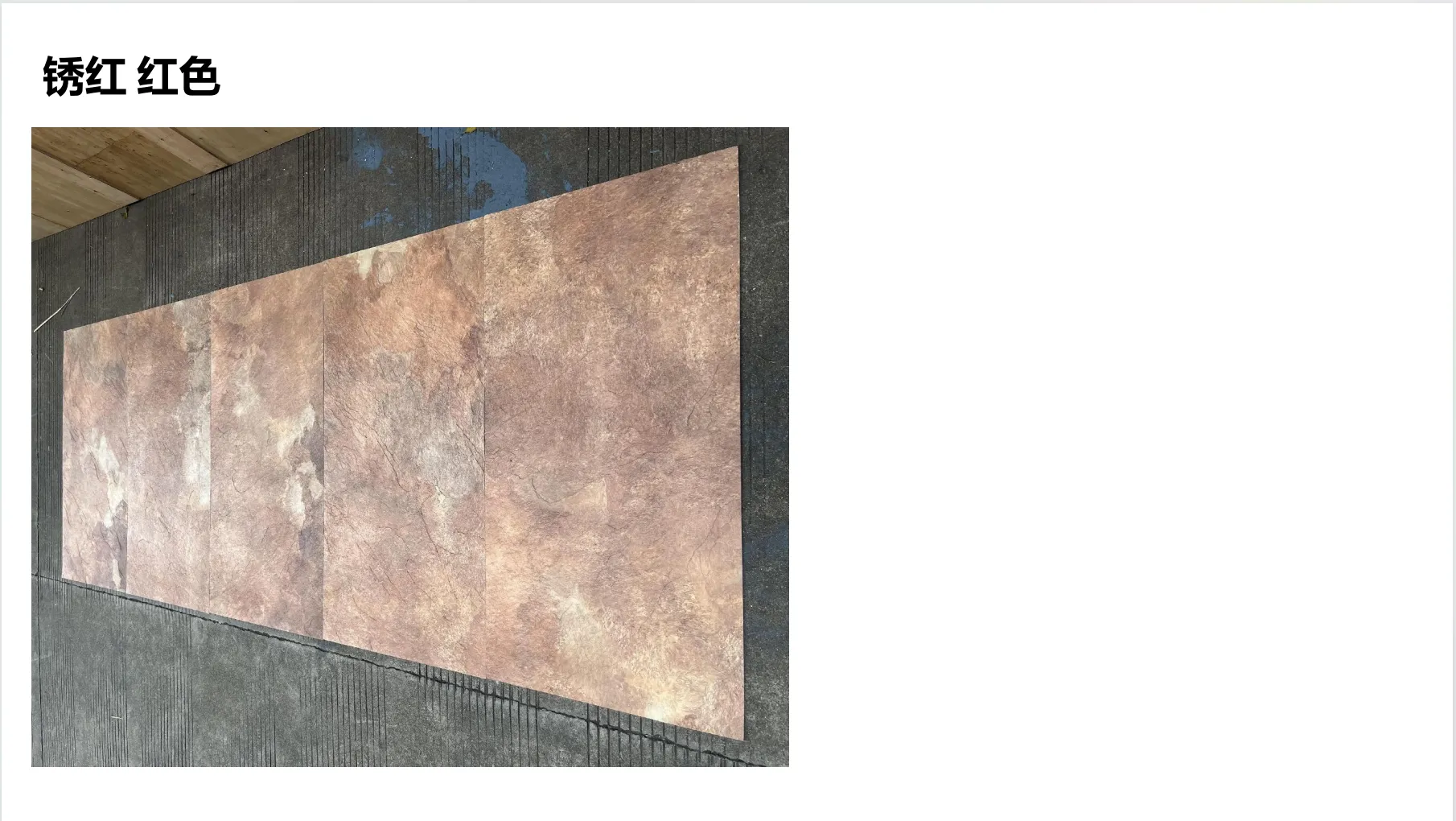
Modern architecture isn't just about glass skyscrapers or sharp angles anymore. Today, the best buildings tell a story—one of balance between human creativity and respect for the planet. As architects and designers, we're no longer just building structures; we're crafting spaces that breathe, adapt, and leave a gentle footprint on the earth. Enter Rusty Red MCM Composition: a material that doesn't just check the boxes for sustainability, but wraps them in a warm, inviting embrace that makes buildings feel less like objects and more like living, breathing parts of our communities. Let's dive into why this rusty-hued wonder is quickly becoming the go-to for anyone who believes good design and green living can (and should) go hand in hand.
First Things First: What Even Is Rusty Red MCM Composition?
Let's start with the basics, but don't worry—I'll keep the jargon to a minimum. MCM stands for Modified Composite Material, a category of building materials engineered to be lighter, stronger, and more versatile than many traditional options. Think of it as the "smartphone" of construction materials: it takes the best features of natural stones, metals, and polymers, then upgrades them with modern technology. And Rusty Red MCM? It's the star of the show, with a color that's equal parts earthy and dramatic—like a sunset over a desert landscape, or the rich patina of a well-loved vintage tool.
At its core, this material is built on
mcm flexible stone
technology, which means it's thin (often just a few millimeters thick) but surprisingly tough. Unlike rigid natural stones that crack under stress, Rusty Red MCM bends without breaking, making it perfect for curved walls, intricate facades, or even furniture pieces. And that rusty red hue? It's not just a dye job. The color is integrated into the material itself, using pigments derived from natural sources—think iron oxides that mimic the look of
travertine (starry red)
, a rare stone known for its deep, star-like veining. The result? A finish that doesn't fade, chip, or require constant touch-ups, even when exposed to harsh weather.
Why "Eco-Friendly" Isn't Just a Buzzword Here
We've all heard the term "green building materials" thrown around, but what does it really mean? For Rusty Red MCM Composition, it's not about slapping a "sustainable" label on a product and calling it a day. It's about every step of the journey—from where the raw materials come from, to how they're made, to how long they last, and even what happens when they're no longer needed.
1. Sourcing: Kind to the Planet, Right from the Start
Traditional building materials often come with a heavy environmental price tag. Take natural travertine, for example: mining it requires massive quarries that disrupt ecosystems, and transporting those heavy slabs guzzles fuel. Rusty Red MCM, on the other hand, uses a blend of recycled minerals and plant-based binders. Up to 30% of its composition is post-industrial recycled content—think leftover stone dust from quarry operations that would otherwise end up in landfills. Even the pigments are sourced from low-impact mines, where extraction is done with minimal disturbance to local flora and fauna.
2. Manufacturing: Less Energy, More Smarts
The process of making Rusty Red MCM is a far cry from the energy-intensive kilns used to fire bricks or cure concrete. Instead of high temperatures, it uses a cold-press method that bonds materials together with pressure, not heat. This cuts carbon emissions by up to 60% compared to manufacturing
fair-faced concrete
, a traditional material beloved for its raw, industrial look but notorious for its high cement content (cement production alone accounts for 8% of global CO2 emissions).
And get this: the factories that produce Rusty Red MCM run on renewable energy—solar panels, wind turbines, you name it. Even the water used in production is recycled, with a closed-loop system that treats and reuses it up to 10 times before it's safely released. No waste, no excess, just smart engineering.
3. Durability: One Material, Many Lifetimes
Eco-friendliness isn't just about what goes into a product—it's about how long it stays out of the trash. Rusty Red MCM is built to last. We're talking 50+ years of use without significant wear, even in harsh climates. Compare that to painted wood siding, which might need replacement every 10–15 years, or natural stone that chips and fades over time. The longer a material lasts, the fewer resources we need to spend replacing it—and that's a win for both your wallet and the planet.
4. Recyclable: Closing the Loop
When a building using Rusty Red MCM eventually reaches the end of its life (decades from now), the material doesn't become landfill fodder. It can be ground down and reused as a raw material for new MCM panels, or even repurposed into aggregate for roads or landscaping. That's the circular economy in action—turning "waste" into a resource instead of a problem.
How Does It Stack Up Against the Competition? Let's Compare
To really understand why Rusty Red MCM is a game-changer, let's put it side by side with some common alternatives. The table below breaks down key factors like sustainability, cost, and design flexibility—so you can see exactly where this material shines.
|
Feature
|
Rusty Red MCM Composition
|
Traditional Fair-Faced Concrete
|
Natural Travertine (Starry Red)
|
|
Carbon Footprint (per sq.m)
|
~2.3 kg CO2
|
~8.1 kg CO2
|
~12.5 kg CO2 (mining + transport)
|
|
Weight (per sq.m)
|
4–6 kg
|
240 kg (for 100mm thickness)
|
150 kg
|
|
Installation Time
|
1–2 days (for 100 sq.m)
|
5–7 days (curing time included)
|
3–4 days (requires skilled labor)
|
|
Maintenance Needs
|
None (just occasional cleaning)
|
Sealing every 2–3 years; prone to cracking
|
Annual sealing; sensitive to acids/stains
|
|
Design Versatility
|
Curves, custom shapes, thin profiles
|
Limited to rigid, flat surfaces
|
Brittle; hard to cut into complex shapes
|
See the difference? Rusty Red MCM isn't just greener—it's also easier to work with, lighter (which reduces structural load on buildings), and more adaptable to creative designs. And while natural travertine might have that "luxury" label, the hidden costs of mining, transporting, and maintaining it add up fast. With MCM, you get the beauty of natural stone without the guilt—or the price tag.
Designing with Rusty Red MCM: It's Not Just for Walls
One of the things I love most about this material is how it plays well with others. It's not a one-trick pony—you can mix and match it with other sustainable materials to create spaces that feel layered, intentional, and uniquely yours. For example, pairing Rusty Red MCM with
foamed aluminium alloy board (vintage gold)
creates a stunning contrast: the warm red and rich gold evoke a sense of timeless elegance, while the lightweight nature of both materials keeps the overall design from feeling heavy.
Or imagine a home exterior where Rusty Red MCM panels wrap around the first floor, transitioning to
travertine (starry red)
accents on the second floor—blending modern technology with the organic beauty of natural stone. Even indoors, this material shines: use it as a backsplash in the kitchen (no need to worry about stains or heat damage), or as a feature wall in the living room that adds texture without overwhelming the space.
And let's not forget about texture. Rusty Red MCM isn't just smooth—it can be embossed with patterns that mimic everything from rough-hewn wood to flowing water. Run your hand over it, and you'll feel the difference: it's tactile, inviting, like a material that wants to be touched, not just looked at. In a world where so much of our lives are spent on screens, that physical connection to our surroundings matters more than ever.
Real Buildings, Real Impact: Stories from the Field
Let's step out of the abstract and into the real world. Last year, I visited a community center in Portland, Oregon, that was built using Rusty Red MCM. The architect, Maria Gonzalez, told me she chose it not just for its sustainability, but for how it made the space feel. "We wanted a material that would welcome people—something warm, not cold and industrial," she said. "The rusty red color reminds folks of the Pacific Northwest's autumns, of the red cedars that grow here. It's not just a building; it's a nod to the land."
The center's main hall features a curved wall of Rusty Red MCM that wraps around a seating area, and the effect is stunning. Natural light filters through floor-to-ceiling windows, casting a soft glow on the material, which shifts from deep red to golden depending on the time of day. "Kids love running their hands along it," Maria laughed. "And parents love that it's scratch-resistant—no more worrying about little ones leaving marks."
Another project that stands out is a boutique hotel in Marrakech, Morocco, where designers paired Rusty Red MCM with
foamed aluminium alloy board
in vintage gold for the exterior. The result? A building that blends the warmth of Moroccan architecture with a modern edge, all while staying true to the hotel's commitment to
green building materials
. Guests often comment on how the lobby feels both grand and cozy—a rare feat in hospitality design.
The Future of Building: Why Rusty Red MCM Is Just the Beginning
As we look ahead, it's clear that the demand for sustainable, beautiful building materials will only grow. Climate change is pushing architects and developers to rethink every choice, and materials like Rusty Red MCM are leading the charge. But this isn't just about meeting regulations or checking boxes for LEED certification—it's about creating spaces that make us feel connected to the planet, not separate from it.
Imagine a cityscape where buildings aren't just glass and steel monoliths, but tapestries of color and texture: Rusty Red MCM next to reclaimed wood, foamed aluminium alongside living plant walls. That's the future we're building toward—a future where sustainability and beauty aren't competing ideals, but partners in design. And Rusty Red MCM? It's the perfect example of how that partnership can work.
Wrapping Up: It's About More Than Materials
At the end of the day, choosing a building material is about more than durability or cost. It's about the stories we want our spaces to tell. Do we want them to tell stories of excess, of taking more than we need? Or stories of care—for the planet, for the people who use them, for the generations to come?
Rusty Red MCM Composition tells the latter story. It's a material that proves we don't have to sacrifice beauty for sustainability, or vice versa. It's tough enough to stand the test of time, gentle enough to tread lightly on the earth, and warm enough to make any space feel like home.
So the next time you walk past a building, take a closer look at the materials. What do they say about the people who built it? With Rusty Red MCM, the message is clear: we can build better, live better, and leave the planet better than we found it. And really, isn't that the best story of all?