
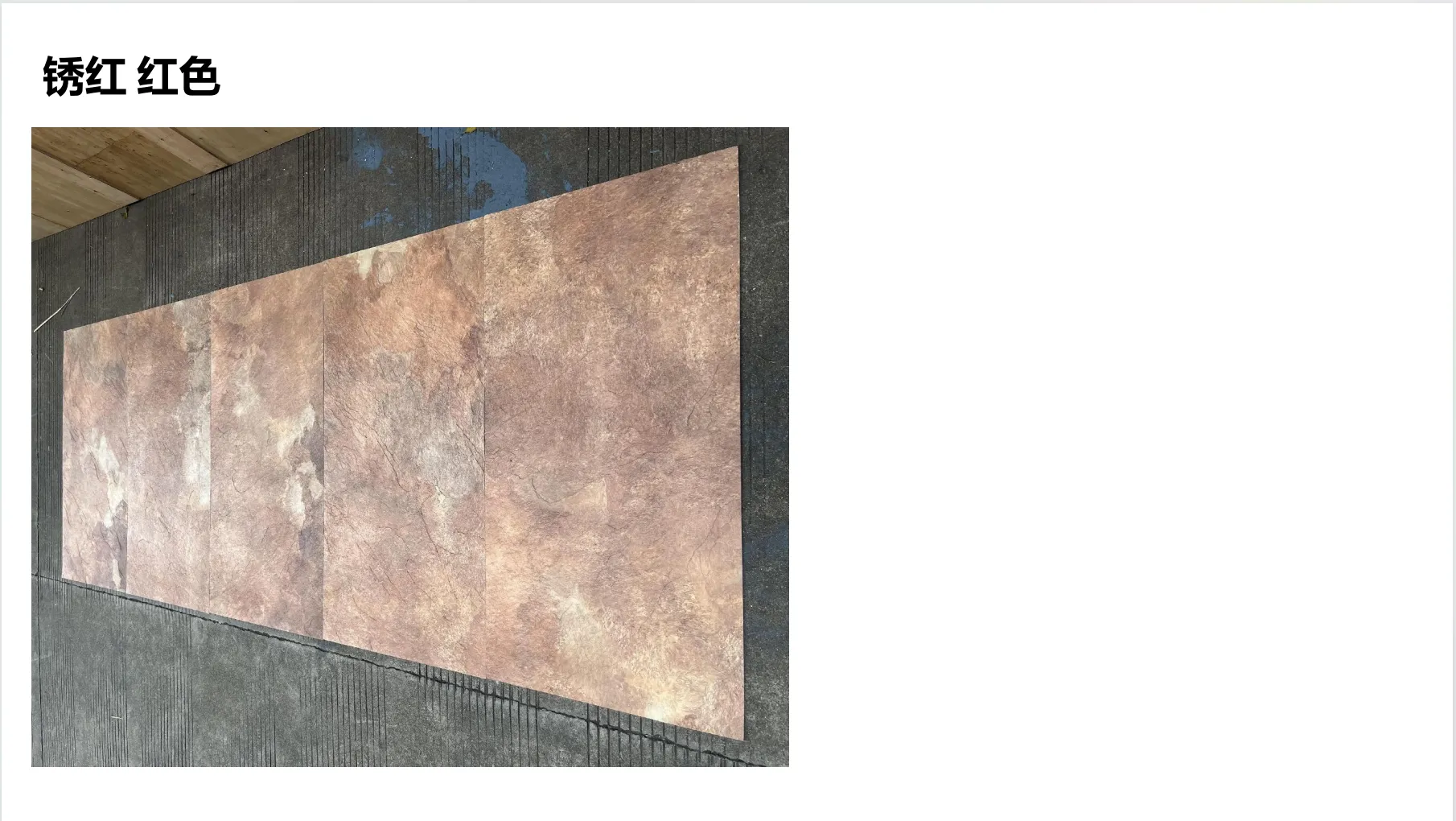
There's something undeniably special about Rusty Red MCM. Maybe it's the way it catches the light, turning a morning kitchen into a cozy retreat or a commercial lobby into a space that feels both modern and timeless. Or perhaps it's the texture—the subtle interplay of rough and smooth that adds depth to walls, countertops, and accent pieces. Whatever drew you to this material, one thing is clear: you want it to stay as vibrant as the day it was installed. Rusty Red MCM isn't just a building material; it's a part of your space's story. And like any good story, it deserves to be preserved, not just for years, but for the memories that will unfold around it.
This guide is for anyone who's fallen for that rich, earthy hue—the one that hints at autumn leaves, sunsets, and the quiet strength of aged metal. Whether your Rusty Red MCM adorns your home's exterior, lines your kitchen backsplash, or serves as a statement wall in your office, we'll walk through simple, human-centered steps to keep it looking its best. No jargon, no complicated tools—just practical advice rooted in the reality of daily life (yes, even those coffee spills and muddy footprints).
Before we dive into maintenance, let's take a moment to appreciate what makes Rusty Red MCM unique. Part of the broader mcm flexible stone family, this material is a marvel of modern engineering—lightweight yet durable, flexible enough to curve around architectural details, and designed to mimic the look of natural stone without the heaviness or maintenance headaches. The "rusty red" shade isn't just a dye; it's a carefully crafted blend of pigments that evoke warmth and character, often with undertones of golden orange or deep terracotta that shift with light.
Unlike natural rusted metal, which can flake or corrode over time, Rusty Red MCM is a modified composite material, built to resist the elements. But that doesn't mean it's invincible. Its beauty lies in its texture—whether matte, semi-polished, or with a subtle grain—and preserving that texture is key to keeping the color vibrant. Think of it like a favorite sweater: with gentle care, it stays soft and vivid; with neglect, it fades and frays.
Maintenance doesn't have to be a chore. In fact, the best way to preserve your Rusty Red MCM is to weave small, consistent habits into your daily routine. These are the kind of tasks that take two minutes but prevent hours of restoration work later.
Dust might seem harmless, but over time, it builds up in the tiny crevices of your MCM's texture, creating a dull film that mutes the rusty red hue. Grab a soft, lint-free cloth (microfiber works wonders) and give the surface a quick wipe-down 2-3 times a week. For vertical surfaces like walls, start at the top and work your way down to avoid pushing dust into already cleaned areas. If you're short on time, a feather duster can work too—just avoid pressing too hard, as even soft bristles can scratch if dragged aggressively.
Life is messy. Coffee drips, sauce splatters, and even the occasional glass of red wine (we've all been there) happen. The golden rule? Act fast. Grab a clean cloth, blot the spill (don't rub—rubbing pushes the liquid deeper into the texture), and then wipe the area with a damp cloth. For extra peace of mind, keep a small spray bottle of water under the sink—misting the cloth first helps lift residue without oversaturating the material.
Pro tip: If the spill is on a horizontal surface (like a countertop), place a paper towel over it for 30 seconds to absorb as much liquid as possible before wiping. This prevents the liquid from seeping into pores and causing discoloration.
It's tempting to reach for a scouring pad when you see a stubborn spot, but resist! Abrasive tools—steel wool, rough sponges, even some "heavy-duty" cleaning cloths—can scratch the surface of your Rusty Red MCM, creating tiny grooves that trap dirt and dull the color. Stick to soft materials: microfiber, cotton, or natural sea sponges. Similarly, skip the harsh chemicals under your sink (bleach, ammonia, acidic cleaners like vinegar) unless you've confirmed they're safe (we'll cover when to use stronger stuff later).
Daily dusting and spill-wiping will keep your Rusty Red MCM looking fresh, but every 2-3 months (or more often if it's in a high-traffic area like a hallway or restaurant lobby), it deserves a deeper clean. This isn't about scrubbing—think of it as a "refresh" to lift embedded grime and restore that just-installed glow.
You'll notice the difference right away: the rusty red hue will look richer, the texture more defined, and the surface will feel smoother to the touch. It's like giving your MCM a spa day—and it deserves it.
Even with the best care, stains happen. A dropped slice of pizza, a spilled glass of red wine, or a rogue ink pen—these are the moments that make you panic, wondering if your beautiful Rusty Red MCM is ruined. Take a breath: most stains can be treated, as long as you act quickly and use the right method. Below is a handy reference for common stains, how to tackle them, and what to avoid.
| Stain Type | Recommended Cleaner | Steps | Precautions |
|---|---|---|---|
| Oil/Grease (food, lotion, makeup) | Baking soda + water (paste) | 1. Blot excess oil with a paper towel. 2. Mix 2 tbsp baking soda with 1 tbsp water to make a thick paste. 3. Apply paste to stain, cover with plastic wrap, and let sit 1-2 hours. 4. Wipe away paste with a damp cloth, then dry. | Don't let the paste dry completely—it can be hard to remove. Avoid using hot water, which can set oil stains. |
| Organic (wine, coffee, juice, grass) | Hydrogen peroxide (3%) | 1. Blot stain with cold water first. 2. Apply a drop of peroxide to a cloth, dab gently on stain. 3. Let sit 5 minutes, then wipe with damp cloth. 4. Dry immediately. | Test peroxide on a hidden area first—it can lighten some dyes. Never use on dark or vibrant colors without testing. |
| Ink (ballpoint, marker) | Rubbing alcohol (isopropyl) | 1. Blot stain with a dry cloth (don't rub—this spreads ink). 2. Dip a cotton swab in alcohol, dab the edge of the stain (work inward to avoid spreading). 3. replace swab as it picks up ink. 4. Wipe with damp cloth, dry. | Use 70% alcohol (higher concentrations can damage the finish). Avoid soaking the area—alcohol can dissolve some adhesives in MCM. |
| Mold/Mildew (humid areas) | Vinegar (white, undiluted) | 1. Mix equal parts vinegar and water in a spray bottle. 2. Spray on mold, let sit 10 minutes. 3. Scrub gently with a soft brush. 4. Wipe with damp cloth, dry thoroughly. | Ensure the area is well-ventilated when using vinegar. Repeat if mold persists, but if it's widespread, check for underlying moisture issues. |
Remember: The key to stain removal is patience. Rushing (or scrubbing too hard) can make the problem worse. If a stain doesn't come out on the first try, repeat the process—most require 2-3 treatments to fully lift.
Think of your Rusty Red MCM like a leather jacket: with proper care, it ages beautifully, but a little protection goes a long way. Sealing is the secret to extending its vibrancy, especially if it's exposed to the elements (outdoor walls, pool areas) or high-traffic indoor spaces (kitchens, bathrooms). Sealants create a barrier that repels water, dirt, and UV rays, preventing fading and discoloration.
Not all sealants are created equal. For mcm flexible stone products like Rusty Red MCM, look for a water-based penetrating sealer. These sealants soak into the material (rather than sitting on top) and won't change the texture or appearance of the surface (no glossy film unless you want one). Avoid solvent-based sealants—they can yellow over time and may react with the pigments in the rusty red color.
Popular options include:
Sealing might seem like an extra step, but it's one of the most effective ways to preserve that "just installed" look. Imagine walking into your space five years from now and seeing the same rich rusty red hue you fell in love with—that's the power of a little prevention.
Your Rusty Red MCM doesn't exist in a vacuum—it's affected by the world around it, especially the weather. What works in dry summer heat might not work in humid monsoon season, and winter's cold and salt can be tough on outdoor installations. Here's how to adjust your care routine with the seasons.
Sunlight is a double-edged sword: it makes your Rusty Red MCM glow, but UV rays can fade the color over time (especially for outdoor installations). If your MCM is in direct sunlight, consider applying a UV-protective sealer (look for "UV-resistant" on the label). For indoor spaces with large windows, use curtains or blinds during peak sun hours (10 AM-4 PM) to reduce exposure.
Humidity can also be a problem, especially in bathrooms or kitchens. Mold and mildew thrive in damp environments, so increase ventilation (open windows, run fans) and wipe down surfaces after use (e.g., after a hot shower, dry the MCM walls with a cloth). If you notice mildew starting, treat it immediately with vinegar (as outlined in the stain guide) to prevent spreading.
Outdoor Rusty Red MCM (like exterior walls or patio floors) faces unique challenges in winter: freezing temperatures, snow, and ice-melting salt. Salt is particularly harmful—it can leave white, crusty deposits that are hard to remove and may etch the surface. If your MCM is near walkways or driveways, sweep snow away promptly and avoid using salt-based ice melters. Instead, use sand for traction—it won't damage the material.
Indoor MCM in winter can suffer from dry air (thanks to heaters), which can make the surface more prone to static and dust buildup. Run a humidifier to keep indoor humidity between 30-50%, and dust more frequently (every other day) to prevent dust from clinging to the surface.
Heavy rain can soak into unsealed MCM, leading to water spots or discoloration. If you live in a rainy climate, make sure outdoor installations are properly sealed (and resealed annually). After a storm, rinse the surface with clean water to remove dirt and debris that may have been carried by rainwater, then dry with a cloth if possible.
Even with perfect care, you might encounter a few hiccups. Here are common issues and how to address them:
Cause: Sun exposure, buildup of dirt/oils, or worn sealant.
Solution: Start with a deep clean (using the method above). If that doesn't work, apply a fresh coat of sealer—this often restores vibrancy by enhancing the material's natural pigments. For sun-faded outdoor MCM, consider a color-enhancing sealer (look for "tintable" or "color-reviving" products).
Cause: Abrasive tools, dragging heavy objects, or pet claws.
Solution: For shallow scratches, try buffing with a soft cloth and a small amount of car wax (non-abrasive, clear). Rub in circular motions for 1-2 minutes, then wipe clean. The wax fills in the scratch and restores shine.
Cause: Dropping sharp objects, heavy impacts.
Solution: Deep scratches may require professional help, especially if they expose the base material. Contact the manufacturer or a stone restoration specialist—they can often repair the scratch with color-matched filler and refinishing.
Cause: Hard water (mineral deposits) left to dry on the surface.
Solution: Mix equal parts water and white vinegar, apply to the spot with a cloth, and let sit for 5 minutes. Wipe with a damp cloth, then dry. For stubborn spots, repeat or use a soft toothbrush to gently scrub the area.
Rusty Red MCM isn't just a building material—it's a canvas for your life. It's the backdrop to morning coffee chats, the first thing guests notice when they walk in, the quiet strength that ties a room together. Maintaining it isn't about perfection; it's about care. It's about taking a minute to wipe a spill, choosing a soft cloth over a scouring pad, and sealing it every few years because you value the way it makes your space feel.
As time passes, your Rusty Red MCM will develop a subtle patina—a softening of the hue, a gentle wear that tells the story of the life lived around it. That patina isn't a flaw; it's character. But with the steps in this guide, that character will be one of warmth and vibrancy, not neglect.
So go ahead—host that dinner party, let the kids play near the accent wall, enjoy the way the sunlight hits that rusty red hue. With a little love and care, your MCM will keep telling its story for years to come. And isn't that the point? To create spaces that grow with us, that get better with time, and that remind us of the beauty in taking care of what matters.
Recommend Products












