
Choosing the right material for your walls—whether you're sprucing up a home exterior, designing a commercial space, or restoring a historic building—isn't just about looks. It's about longevity, practicality, and the daily reality of keeping surfaces intact and attractive. Two materials often pitted against each other in this debate are Rusty Red MCM (a modern composite favorite) and traditional plaster (a centuries-old staple). But how do they really stack up? Let's dive into their durability, maintenance needs, and what makes each unique—so you can make a choice that fits your project's heart and hustle.
First things first: MCM stands for Modified Composite Material, and it's taking the construction world by storm for good reason. At its core, Rusty Red MCM is part of the broader MCM project board series —a line of cladding solutions designed to blend durability with design flexibility. But what exactly is in it?
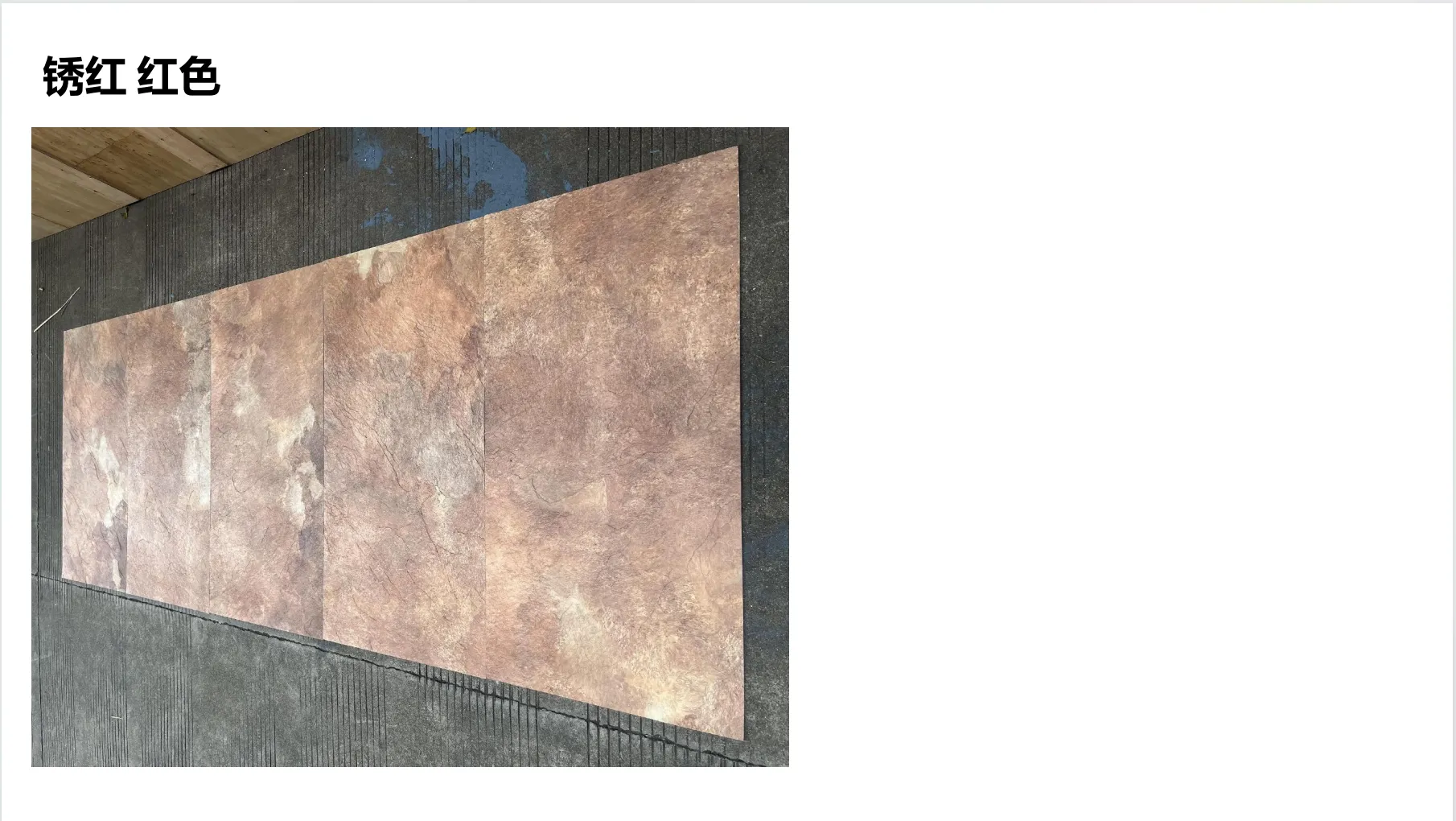
Think of it as a high-tech hybrid: layers of modified composite material panels (a mix of minerals, resins, and fibers) pressed into thin, lightweight sheets, then finished with that eye-catching rusty red hue. Unlike solid stone or metal, it's engineered to be both strong and flexible—hence why it's often grouped under flexible stone cladding panels . This flexibility isn't just about bending; it means the material can handle minor shifts in a building's structure without cracking, a huge plus for long-term stability.
"I first saw Rusty Red MCM on a café renovation downtown," says Maria, a Chicago-based interior designer. "The owner wanted that industrial, weathered look but needed something that could handle the city's harsh winters and summer humidity. Two years later, those walls still look brand-new—no peeling, no fading, just that rich, earthy rust tone that draws people in."
Aesthetically, the rusty red finish mimics the warm, time-worn patina of aged metal or natural stone, but with a consistency you can't get from raw materials. It's available in various textures—from smooth to slightly gritty—and can be cut into panels, tiles, or custom shapes, making it a chameleon for both modern and rustic designs.
Plaster, on the other hand, is the grandparent of wall materials. For centuries, it's been the go-to for creating smooth, soft surfaces in homes, churches, and historic buildings. Made by mixing gypsum, lime, or cement with water and sand, it's applied wet and dries to a hard, solid layer. Its charm lies in its tradition: the way it absorbs light, the subtle imperfections that feel "handmade," and its ability to take paint or wallpaper like a dream.
But let's get real: plaster's legacy doesn't make it invincible. Traditional plaster is porous, which means it soaks up moisture like a sponge. In humid climates or areas with leaky roofs, that moisture can lead to mold, discoloration, or even crumbling. And while it's relatively easy to apply, it's also prone to cracking over time—especially in older buildings where foundations settle or temperatures fluctuate drastically.
When it comes to durability, we're not just talking about "will it last a year"—we're talking decades. Let's break down how Rusty Red MCM and plaster hold up in the scenarios that matter most.
Exterior walls take a beating: UV rays fade colors, rain seeps into cracks, and freezing temperatures expand moisture into ice, which can split materials apart. Here's where MCM shines. Thanks to its composite layers and sealed finish, Rusty Red MCM is built to resist UV damage—no fading, even after years in direct sunlight. Its non-porous surface also repels water, so rain slides off instead of soaking in. In coastal areas, where salt air eats away at metal and stone, MCM's resin coating acts as a barrier, preventing corrosion.
Plaster? Not so much. Unsealed plaster absorbs water like a dry sponge. A heavy rainstorm can leave it waterlogged, leading to soft spots or bubbling paint. Over time, repeated moisture exposure weakens the material, making it prone to flaking or crumbling. And while painted plaster can offer some protection, the paint itself fades under UV light, requiring frequent touch-ups—especially in sunny regions.
Interior or exterior, walls get bumped. Think kids with backpacks, moving furniture, or even hailstones. Rusty Red MCM 's composite core is surprisingly tough. It's scratch-resistant (no more unsightly marks from rogue keys or pet claws) and can handle light impacts without denting. I've seen MCM walls in high-traffic lobbies that still look fresh after years of foot traffic and luggage scuffs.
Plaster, by contrast, is soft. A sharp knock from a chair leg can leave a divot; a dropped tool might chip a chunk right out. Even something as simple as hanging a picture requires careful drilling—overdo it, and you risk cracking the surrounding area. And while small cracks can be patched, they're a constant reminder that plaster needs gentle handling.
| Durability Factor | Rusty Red MCM | Traditional Plaster |
|---|---|---|
| UV Resistance | Excellent – no fading for 15+ years | Poor – paint fades in 2–5 years; unpainted plaster discolors |
| Water Resistance | High – non-porous surface repels moisture | Low – porous; absorbs water, leading to mold/crumbling |
| Impact Strength | High – resists scratches and light dents | Low – prone to chips, cracks, and divots |
| Structural Flexibility | High – handles minor building shifts without cracking | Low – rigid; cracks with structural movement |
| Expected Lifespan (Exterior) | 25–30 years with minimal upkeep | 10–15 years; often needs repairs after 5–7 years |
Let's be honest: no one wants to spend weekends fixing walls. Maintenance is where the rubber meets the road for most homeowners and builders. So how do these two materials stack up in the "hassle factor"?
MCM is a's dream. Dust or dirt? Wipe it down with a damp cloth or soft brush—no harsh chemicals needed. Grease splatters in a kitchen? A little mild soap and water, and it's gone. Even tough stains like wine or oil bead up on the surface, making cleanup a breeze. Because it's non-porous, there's no risk of stains seeping in and becoming permanent.
Plaster? Prepare for more work. Dust sticks to its porous surface, so you'll need to vacuum or dust frequently to avoid buildup. Grease or stains? They can soak in quickly, requiring scrubbing with specialized cleaners (and even then, some stains might linger). And if the plaster is painted, scouring too hard can strip the paint, leaving you with a patchy wall that needs repainting—another time-consuming task.
Even the toughest materials need fixes sometimes. For Rusty Red MCM , repairs are rare, but when they happen, they're straightforward. If a panel gets damaged (say, from a severe impact), you can replace just that panel—no need to redo the entire wall. The color consistency of MCM means the new panel will blend seamlessly with the old, so no one will notice the repair.
Plaster cracks are inevitable. Whether from settling, humidity, or temperature changes, you'll likely spend years patching tiny fissures. And patching isn't just slapping on some plaster mix—you have to sand it smooth, prime it, and repaint it to match the surrounding area. If the damage is severe (like a large hole), you might need to hire a professional to rebuild the section, which can get pricey. Plus, plaster repairs often leave a slight texture difference, so the wall never quite looks "perfect" again.
Plaster might seem cheaper upfront, but let's do the math. A typical plaster wall costs $3–$5 per square foot to install. But over 10 years, you'll spend on repainting ($1–$3 per square foot every 3–5 years), patching ($200–$500 per major repair), and maybe even mold remediation ($500–$2,000 if moisture issues arise). That adds up fast.
MCM has a higher initial cost—around $8–$12 per square foot installed—but it's a set-it-and-forget-it investment. No repainting, no patching, no mold treatments. Over 25 years, MCM ends up being the more cost-effective choice, especially for exteriors or high-traffic areas.
Does this mean MCM is always better? Not necessarily. Plaster has a soft, organic charm that's hard to replicate. If you're restoring a historic home and want to preserve its original character, plaster might be the way to go—just be prepared for the upkeep. It's also a great choice for low-traffic interior walls (like a bedroom) where you can control moisture and avoid impacts.
But for exteriors, commercial spaces, or high-traffic areas (kitchens, hallways, entryways), Rusty Red MCM is the clear winner. Its durability, low maintenance, and design flexibility make it ideal for anyone who wants a wall that looks great and lasts—without the constant hassle of repairs.
At the end of the day, choosing between Rusty Red MCM and plaster isn't just about materials—it's about priorities. Do you value tradition and texture over long-term convenience? Or do you want a wall that can handle whatever life throws at it, year after year, with minimal effort?
For most modern projects, MCM checks all the boxes: durability, style, and peace of mind. It's a material built for the way we live now—busy, messy, and unwilling to compromise on beauty. And that rusty red finish? It's not just a color; it's a statement that your space is built to last.
So, whether you're designing a new home, renovating a storefront, or just updating a room, think beyond the initial cost. Think about the weekends you won't spend repainting, the repairs you won't stress over, and the walls that will still look stunning 20 years from now. Sometimes, investing in quality upfront is the smartest choice you can make.
Recommend Products












