
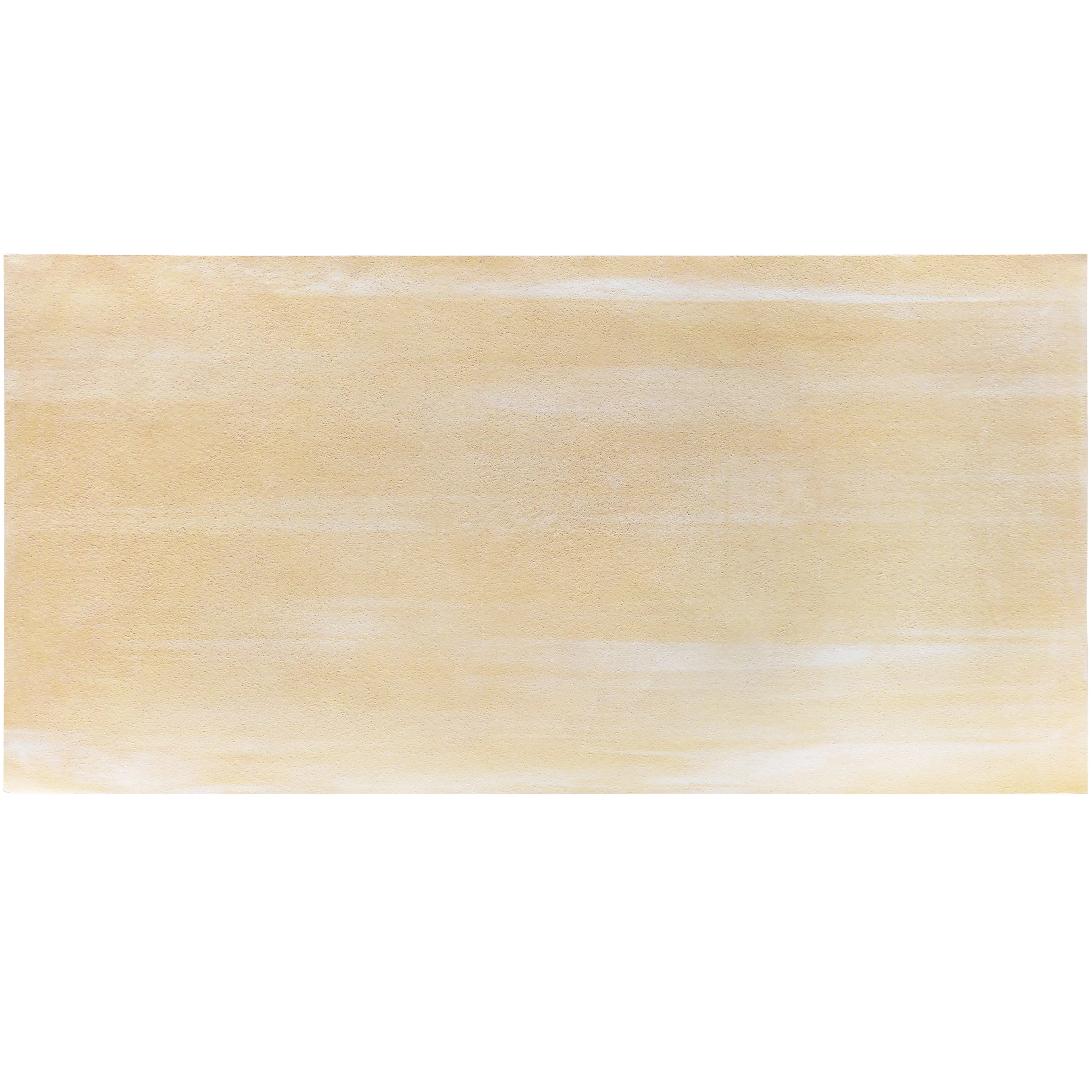
In the world of architecture and design, materials are more than just building blocks—they're storytellers. They shape how we experience spaces, how light plays across walls, and how structures feel against our fingertips. For decades, designers have grappled with a familiar challenge: balancing creativity with practicality. Traditional stone and concrete, while timeless, often limit innovation with their weight, rigidity, and the labor-intensive process of shaping them. But what if there was a material that could mimic the raw beauty of natural stone, bend to the whims of a designer's vision, and simplify construction all at once? Enter COLORIA GROUP's Sandstone Cloude , a standout star in their mcm 3d printing series that's redefining what's possible in modern construction.
Ask any architect about their biggest material headaches, and you'll hear a common refrain: natural stone is stunning but heavy, fragile, and hard to customize. Concrete is durable but often feels cold and industrial. Wood adds warmth but can warp or rot. These trade-offs force compromises—watered-down designs, increased construction timelines, or budgets stretched thin by custom fabrication. "I once spent months trying to source a specific sandstone texture for a client's home," recalls Mia Chen, a residential architect with 15 years of experience. "By the time we found it, the stone was so heavy we had to reinforce the foundation, and the cost doubled. The result was beautiful, but I couldn't help thinking: there has to be a better way."
That "better way" arrived when COLORIA GROUP unveiled their mcm 3d printing series —a lineup of modified composite materials (MCM) designed to merge the best of natural aesthetics with the precision of 3D printing. At the heart of this series is Sandstone Cloude, a material that doesn't just solve problems; it sparks new possibilities.
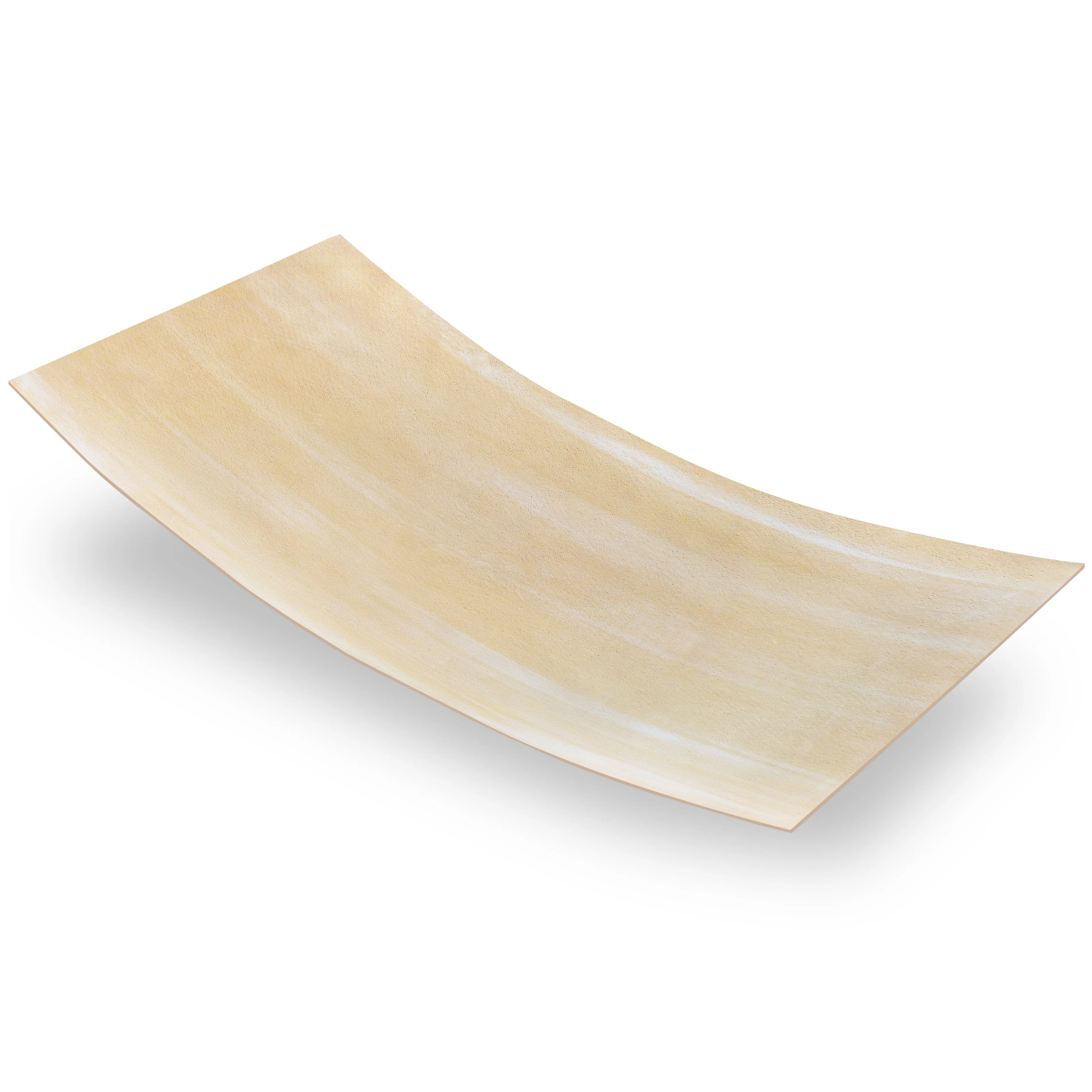
First, let's clarify: MCM stands for Modified Composite Material, a blend of natural minerals, polymers, and fibers engineered for strength, flexibility, and sustainability. Unlike traditional 3D printing materials that often feel plastic or artificial, Sandstone Cloude starts with real stone aggregates—crushed sandstone sourced from sustainable quarries—mixed with a proprietary binding agent that gives it flexible stone properties. The result? A material that looks and feels like hand-hewn sandstone but can bend up to 15 degrees without cracking, weighs 70% less than natural stone, and can be 3D printed into virtually any shape.
Fun fact: A standard 4x8-foot panel of Sandstone Cloude weighs just 12kg, compared to 40kg for natural sandstone of the same size. That means fewer workers needed for installation, less strain on building foundations, and lower transportation emissions—all without sacrificing durability.
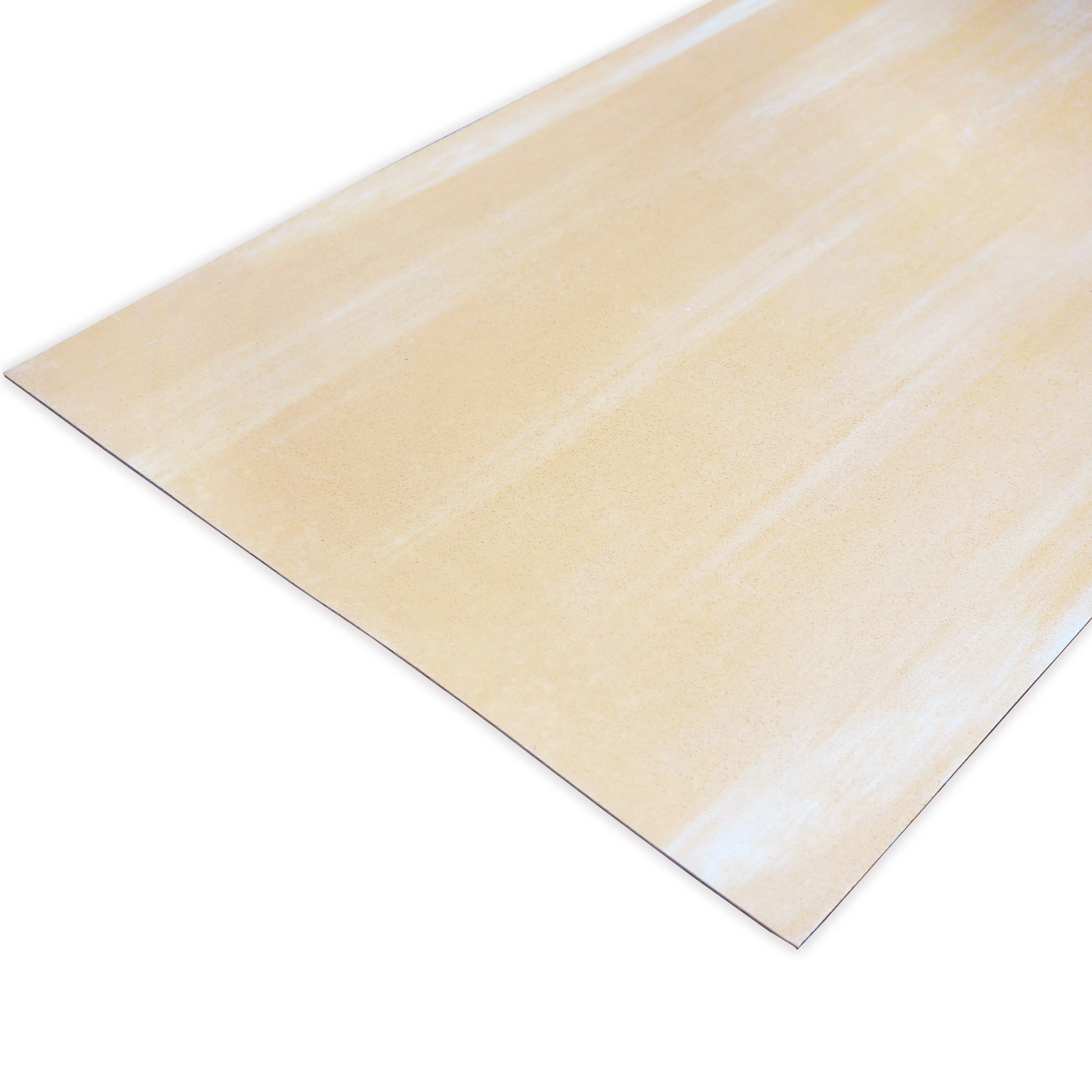
The magic of Sandstone Cloude lies in COLORIA's advanced 3D printing process. Designers start with a digital model—anything from a simple flat panel to an intricate wave panel that undulates like a frozen ocean. The 3D printer then layers the Sandstone Cloude material with pinpoint accuracy, building up the design from the ground up. What's remarkable is the texture: unlike smooth, uniform 3D-printed plastics, Sandstone Cloude retains the organic, slightly rough surface of natural sandstone. Run your hand across it, and you'll feel the same granular texture as a stone plucked from a riverbed—no two panels are identical, thanks to the natural aggregates in the mix.
"We tested over 50 aggregate blends before landing on the perfect one," says Dr. Elena Rodriguez, COLORIA's lead material scientist. "We wanted that 'lived-in' feel of natural stone, but with consistency. Sandstone Cloude has the warmth of something aged by time, but the precision of modern technology. It's like taking a piece of Earth's history and giving it a futuristic upgrade."
Curious how Sandstone Cloude stacks up against the old guard? Let's take a look:
| Feature | Natural Sandstone | Sandstone Cloude (MCM 3D Printing Series) |
|---|---|---|
| Weight (per 4x8ft panel) | 40kg | 12kg |
| Customization | Limited (requires hand-carving or expensive CNC machining) | Unlimited (3D printed to any digital design) |
| Flexibility | Rigid (prone to cracking under stress) | Flexible (bends up to 15° without damage) |
| Installation Time | 2-3 hours per panel (requires heavy lifting equipment) | 30 minutes per panel (light enough for two workers to handle) |
| Sustainability | High carbon footprint (quarrying, transportation, waste) | Low carbon footprint (recycled aggregates, 3D printing reduces waste by 80%) |
It's one thing to talk about specs; it's another to see Sandstone Cloude in action. Let's visit three projects where this material transformed visions into reality.
When the Azure Wave Hotel wanted to embody Bali's coastal spirit, they turned to COLORIA's Sandstone Cloude. The lobby features a 20-foot-tall wave panel wall printed in Sandstone Cloude, its undulating curves mimicking the island's famous surf. "Natural stone would have been impossible here," says project architect Raj Patel. "The wave shape required precision bends, and the lobby's second-floor location couldn't support the weight of real stone. Sandstone Cloude let us print each wave segment on-site, piece them together like a puzzle, and the texture? It catches the morning light and looks like wet sand at low tide. Guests can't stop touching it."
Sustainability was non-negotiable for Greenhaven, a community center focused on eco-friendly living. Their exterior facade uses Sandstone Cloude panels printed with a custom "tree bark" texture, blending into the surrounding forest. "We wanted the building to feel like it grew out of the land," explains project manager James Wilson. "Traditional wood or stone would have required cutting down trees or importing materials. Sandstone Cloude's recycled stone aggregates and lightweight design reduced our carbon footprint by 40%. Plus, the flexible stone panels stand up to Oregon's rain and wind—no warping, no cracking. It's durable, beautiful, and kind to the planet."
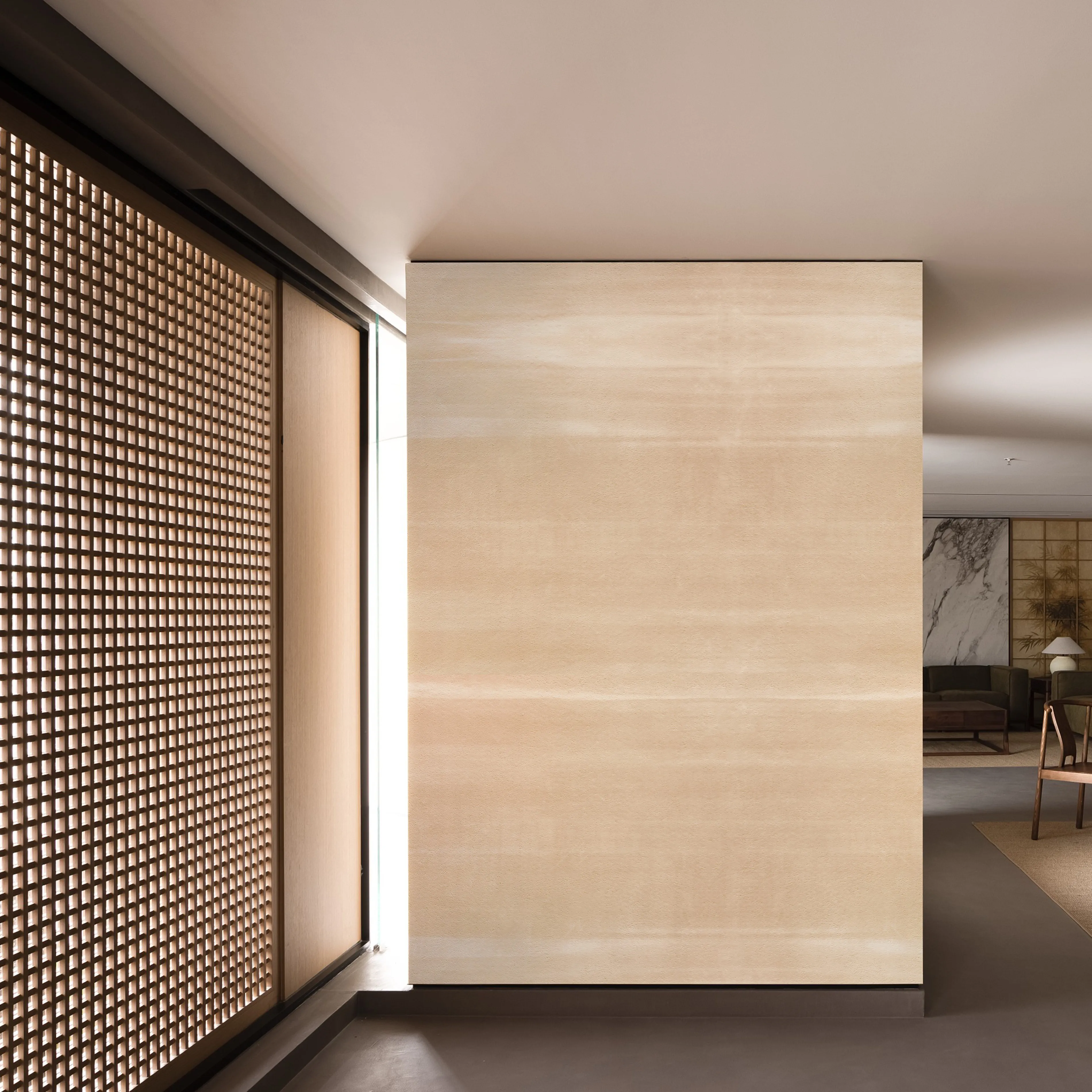
In Tokyo's dense urban landscape, space is precious. The Cloude Residence, a minimalist home in the Shibuya district, uses Sandstone Cloude for its exterior walls and interior feature wall. "The client wanted a home that felt 'calm but not cold,'" says designer Yuki Tanaka. "Sandstone Cloude's warm beige tone and soft texture create a cozy atmosphere, even with large windows. And because it's lightweight, we could add a rooftop garden without reinforcing the structure—something natural stone would have made impossible. The best part? The 3D printing allowed us to embed subtle patterns inspired by Japanese calligraphy into the walls. It's a personal touch you can't get with standard materials."
Sandstone Cloude isn't just about looking good—it's about making construction smarter. Here are a few ways it simplifies the building process:
COLORIA GROUP isn't stopping with Sandstone Cloude. Their mcm 3d printing series includes other innovations, like wave panel designs in different textures and colors, and plans to introduce "smart" panels embedded with sensors for temperature or moisture monitoring. "We're just scratching the surface," says Dr. Rodriguez. "Imagine a hospital wall that can change color to indicate room occupancy, or a school facade that prints seasonal patterns. Sandstone Cloude is the first step toward materials that don't just look alive—they adapt ."
For designers like Mia Chen, the future is exciting. "I used to have to tell clients, 'We can't do that.' Now, with Sandstone Cloude, I get to say, 'Let's try.' It's reignited my love for design—because suddenly, the only limit is imagination."
You might be thinking: "I'm not building a hotel or a home—why should I care about Sandstone Cloude?" Here's the thing: the materials we build with shape our daily lives. They affect how we feel in our homes, offices, and public spaces. A warm, textured wall can turn a sterile waiting room into a calming retreat. A lightweight, durable facade can make housing more affordable by reducing construction costs. And sustainable materials like Sandstone Cloude help protect the planet for future generations.
Sandstone Cloude isn't just a material—it's a reminder that innovation can be beautiful. It's proof that we don't have to choose between nature and technology, between art and practicality. In a world where so much feels rushed and impersonal, it's a material with a human touch—one that invites us to look closer, touch gently, and appreciate the craft of building.
Final thought: The next time you walk past a building, take a moment to notice its walls. Are they cold and uniform, or do they tell a story? Thanks to COLORIA GROUP's mcm 3d printing series and materials like Sandstone Cloude, more and more buildings will soon have stories worth telling—ones of creativity, sustainability, and the endless possibilities of human ingenuity.
Recommend Products












