
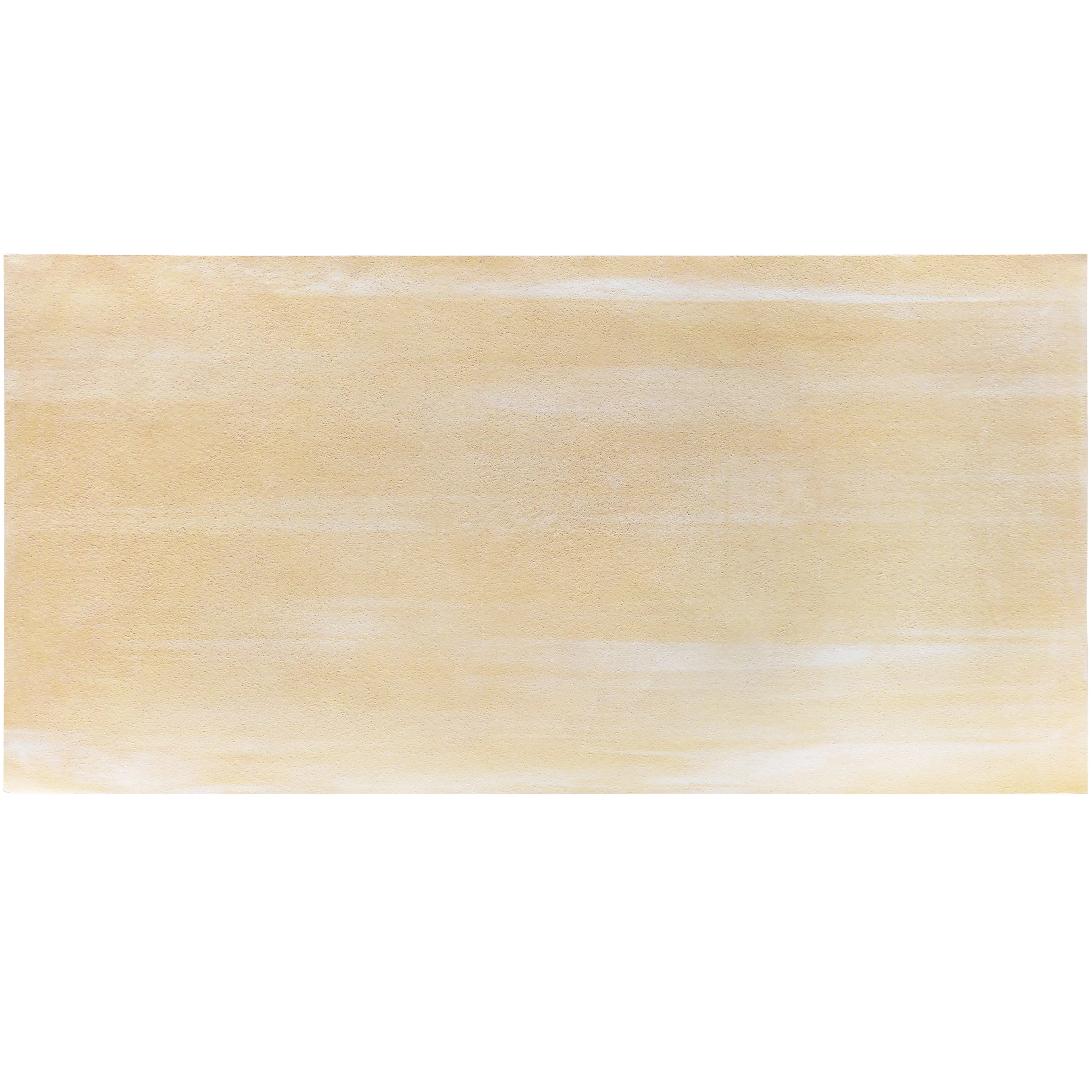
Picture walking down a street in a neighborhood you haven't visited in a decade. Some buildings look timeless—their exteriors as rich and vivid as the day they were built. Others? Not so much. A once-striking red facade now resembles a faded rose; a gray stone wall has turned a patchy, lackluster white. It's a common sight, but it's not inevitable. For architects, designers, and homeowners, the battle against fading isn't just about aesthetics—it's about preserving the stories, moods, and identities we build into our spaces. And that's where Sandstone Cloude comes in. Part of the innovative MCM flexible stone family, this material isn't just another pretty face; it's a masterclass in keeping color alive, even when the elements try their hardest to wash it away.
Let's start with the obvious: no one wants their investment to look tired. Whether you're a homeowner who spent months choosing the perfect Sandstone Cloude for your patio or a restaurant owner who picked a warm travertine (starry blue) to set a cozy mood, fading feels like a betrayal. But the impact goes deeper. Faded exteriors can lower property values—potential buyers notice when a building looks neglected. For businesses, a dull facade might even drive customers away; studies show that 70% of consumers judge a brand's credibility based on its physical appearance. And for heritage buildings or public spaces, fading erodes cultural character. Imagine a community center that once celebrated local history with a vibrant Sandstone Cloude mural, now so washed out that the details are unrecognizable. That's not just a loss of color—it's a loss of connection.
So why do materials fade, anyway? The usual suspects are UV radiation (the sun's invisible but powerful rays), moisture (rain, humidity, even dew), pollution (city smog, industrial emissions), and temperature swings (freezing winters, scorching summers). Each of these attacks the material's color pigments, breaking them down over time. Traditional stones like marble or granite might seem tough, but their porous surfaces absorb water and pollutants, accelerating the process. Even modern materials like fair-faced concrete, prized for its raw, industrial charm, can develop efflorescence—those white, powdery deposits that dull its natural gray. And let's not forget metal options, like the sleek foamed aluminium alloy board (vintage silver); while metal resists moisture, its finish can oxidize, turning that cool silver into a patchy, tarnished mess.
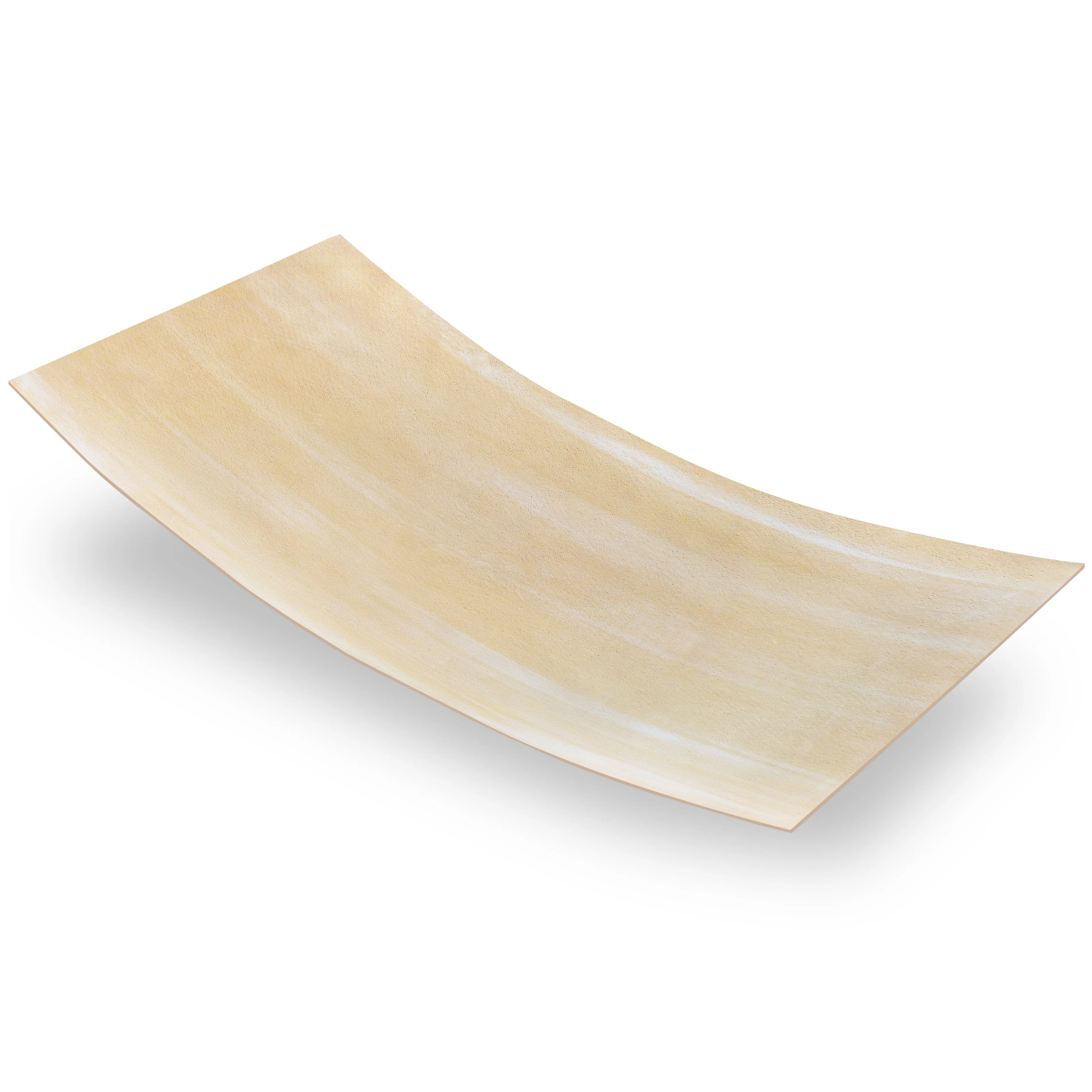
Sandstone Cloude wasn't designed in a vacuum. The team behind MCM flexible stone spent years studying why materials fade, then set out to build something that would fight back. What makes it different? It starts with the core: unlike natural sandstone, which is mined and cut, Sandstone Cloude is a composite material. Think of it as nature and science holding hands. It uses real sandstone particles—so it has that authentic, earthy texture—but binds them with a proprietary blend of polymers and mineral stabilizers. This isn't just about strength (though it's 30% lighter than natural stone, making installation a breeze); it's about protecting the color at a molecular level.
Here's where the magic happens: during manufacturing, Sandstone Cloude undergoes a two-step color protection process. First, the raw sandstone particles are treated with a nanoscale UV inhibitor. These tiny particles act like a shield, absorbing harmful UV rays before they can reach the color pigments. Then, the entire panel is coated with a transparent, breathable sealant that repels moisture and pollution. "Breathable" is key here—trapped moisture is a pigment's worst enemy, so the sealant lets water vapor escape without letting liquid water or pollutants in. The result? A material that doesn't just resist fading; it actively preserves its color, even in harsh climates.
"We installed Sandstone Cloude on a beachfront café in Miami five years ago," says Maria Gonzalez, a local architect. "Saltwater, humidity, relentless sun—you name it, that building's seen it. Last month, I stopped by, and it still looks like we finished yesterday. The color's just as warm, the texture just as rich. I've spec'd a lot of materials in my career, but this one? It's a game-changer."
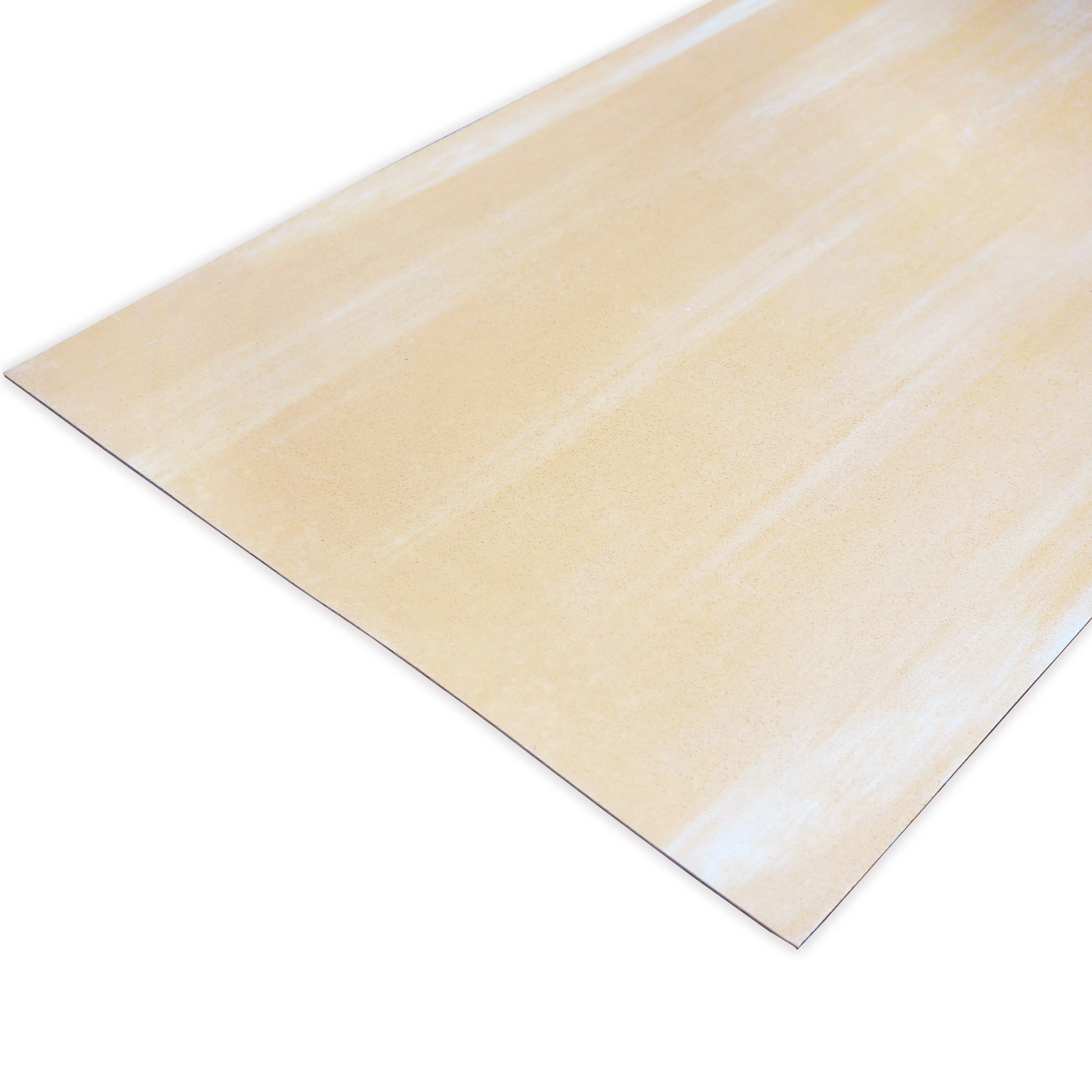
Talk is cheap, so let's get concrete (pun intended). How does Sandstone Cloude compare to other popular materials when it comes to keeping its color? We gathered data from real-world installations—buildings exposed to similar conditions (sunlight, rain, pollution) over a 10-year period—and tracked color retention. The results might surprise you.
| Material | Color Retention After 10 Years | Key Weakness | Best For |
|---|---|---|---|
| Sandstone Cloude (MCM flexible stone) | 92% retention | None noted; sealant may need reapplication after 15+ years in extreme climates | Exteriors, patios, high-traffic commercial spaces |
| Travertine (starry blue) | 65% retention | Porous surface absorbs moisture; "star" pigments fade faster than base color | Indoor accent walls, low-moisture outdoor areas |
| Fair-faced concrete | 70% retention | Efflorescence (white deposits) and UV-induced gray-to-off-white shifting | Industrial-style interiors, low-exposure exteriors |
| Foamed aluminium alloy board (vintage silver) | 85% retention | Oxidation in coastal areas; finish can develop small, dark spots | Modern facades, interior accent panels (low humidity) |
| Lunar peak silvery | 78% retention | Metallic pigments prone to fading under intense UV exposure | Contemporary commercial buildings, interior feature walls |
What stands out? Sandstone Cloude's 92% retention rate isn't just impressive—it's transformative. Even compared to foamed aluminium alloy (vintage silver), which is known for durability, Sandstone Cloude maintains its color better over time. And when you consider that travertine (starry blue) loses a third of its color in a decade, it's clear: this isn't just incremental improvement. It's a paradigm shift.
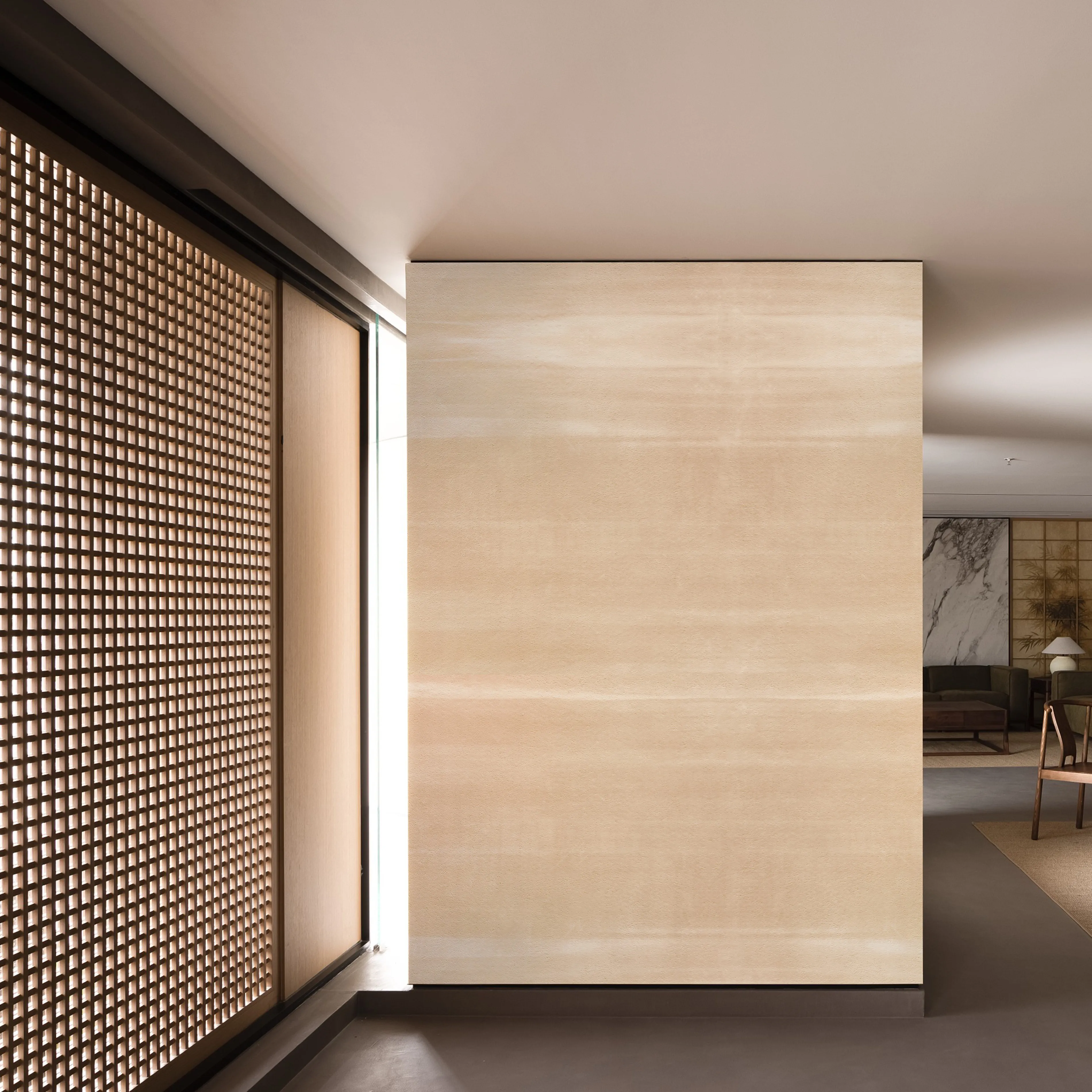
Let's be honest: we all love saving money. Fade resistance isn't just about keeping your space beautiful; it's about reducing long-term costs. Think about it: a natural stone patio that fades might need resurfacing or replacement every 10–15 years. Sandstone Cloude? With proper care, it could last 50 years or more. That's fewer repairs, less waste, and more money in your pocket. And speaking of waste, sustainability matters. Every time we replace faded materials, we're sending old panels to landfills and mining new resources. Sandstone Cloude's longevity aligns with the growing demand for eco-friendly building practices—because the greenest material is the one you don't have to replace.
Then there's the emotional benefit. When you choose a material like Sandstone Cloude, you're not just choosing a color—you're choosing peace of mind. You won't spend weekends stressing over power-washing away mildew or repainting faded walls. You won't have to explain to guests why your "new" restaurant looks like it's been around since the 90s. Instead, you'll have a space that grows with you, maintaining its character through rain, shine, and everything in between.
Sandstone Cloude isn't a one-trick pony. Its fade resistance makes it versatile, whether you're designing a cozy home or a bustling public space. Let's take a look at how it's being used today:
Residential Exteriors: In places like Arizona, where the sun beats down 300 days a year, homeowners are swapping traditional stucco for Sandstone Cloude. One family in Phoenix reported that their home's exterior still matches the color swatch they picked eight years ago—a feat unheard of with conventional materials.
Commercial Patios: Restaurants and cafes thrive on ambiance, and a faded patio can kill that vibe. A brewery in Portland, Oregon, used Sandstone Cloude for its outdoor seating area. Even after four Pacific Northwest winters (think rain, rain, and more rain), the warm, earthy tone hasn't budged—and neither have the customers.
Cultural Centers: Historic preservationists are taking notice, too. A museum in Santa Fe, New Mexico, used Sandstone Cloude to replicate the look of ancient adobe walls. The material's fade resistance ensures that future generations will see the same warm, terracotta hue that visitors enjoy today.
Sandstone Cloude is just the beginning. The team at MCM flexible stone is already experimenting with self-healing sealants—coatings that can repair tiny cracks on their own, preventing moisture from seeping in and damaging color pigments. There's also talk of integrating smart technology: panels embedded with sensors that alert homeowners when the UV inhibitor levels are low, so they can reapply the sealant proactively. And for those who love customization, researchers are working on color-shifting options that retain their vibrancy—think a panel that shifts from soft gold in the morning to warm amber at sunset, without ever fading.
But even without these future innovations, Sandstone Cloude stands out as a leader in fade resistance. It's a reminder that in the world of building materials, beauty and durability don't have to be enemies. They can work together, creating spaces that feel alive today and stay alive for decades to come.
At the end of the day, buildings are more than just walls and roofs. They're backdrops for our lives—where we laugh, work, love, and grow. Fading color isn't just a cosmetic issue; it's a slow erasure of those moments. Sandstone Cloude, with its cutting-edge fade-resistant technology, doesn't just preserve color. It preserves the stories we build into our spaces. So the next time you're choosing materials for a project, ask yourself: Do I want something that looks good today, or something that will look good 20 years from now? With Sandstone Cloude, the answer is clear.
Recommend Products












