
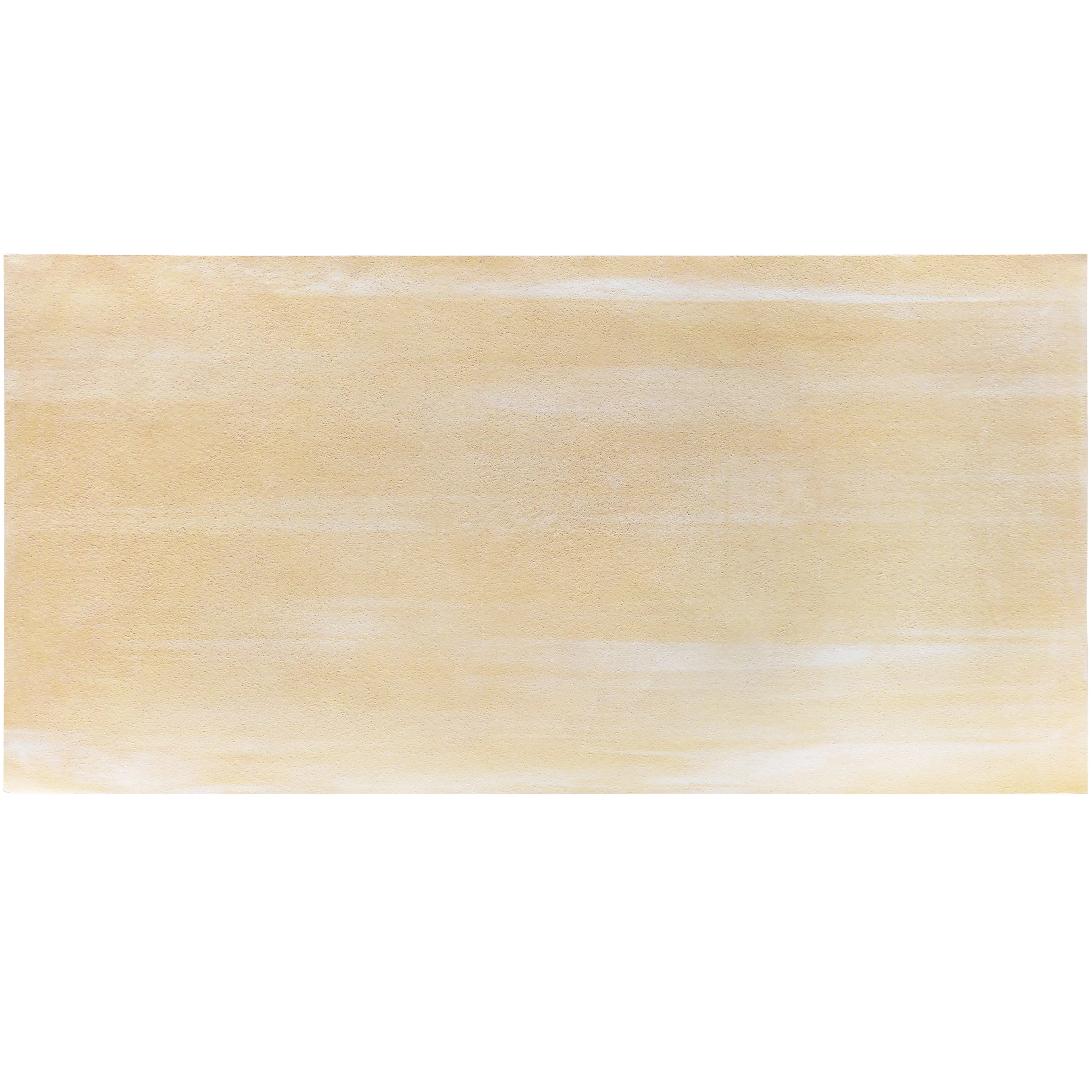
Let's start with a scenario we've all lived through, whether we're architects, contractors, or DIY enthusiasts: standing in a warehouse, staring at samples of building materials, and feeling that familiar knot in your stomach. You're balancing a client's dream of a stunning facade with a budget that feels tighter than a well-sealed window. The options? A rough, industrial slab of fair-faced concrete that screams "modern durability," a stack of mcm flexible stone panels that promise flexibility, and a new contender—Sandstone Cloude—with its soft, layered texture that looks like it was carved from a cloud. The question isn't just "which looks best," but "which makes sense financially ." Because in construction, the wrong material choice doesn't just hurt your budget today—it can haunt you for decades.
Today, we're diving deep into Sandstone Cloude, breaking down its costs from the first invoice to the 20-year mark, and pitting it against traditional standbys like fair-faced concrete and even other innovative options like historical pathfinders stone. By the end, you'll know whether Sandstone Cloude is a splurge or a smart investment—and why "cost" is about so much more than the number on the price tag.
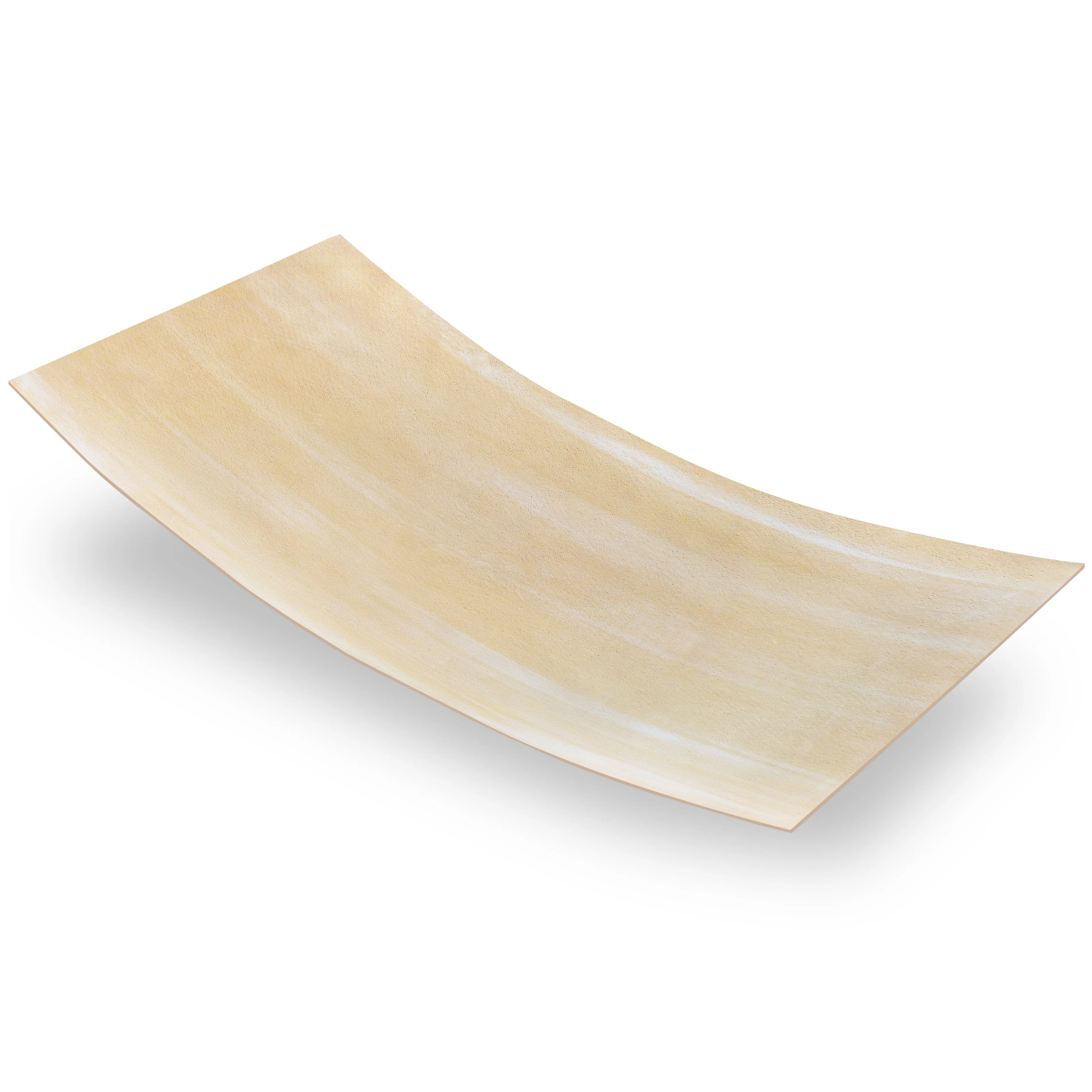
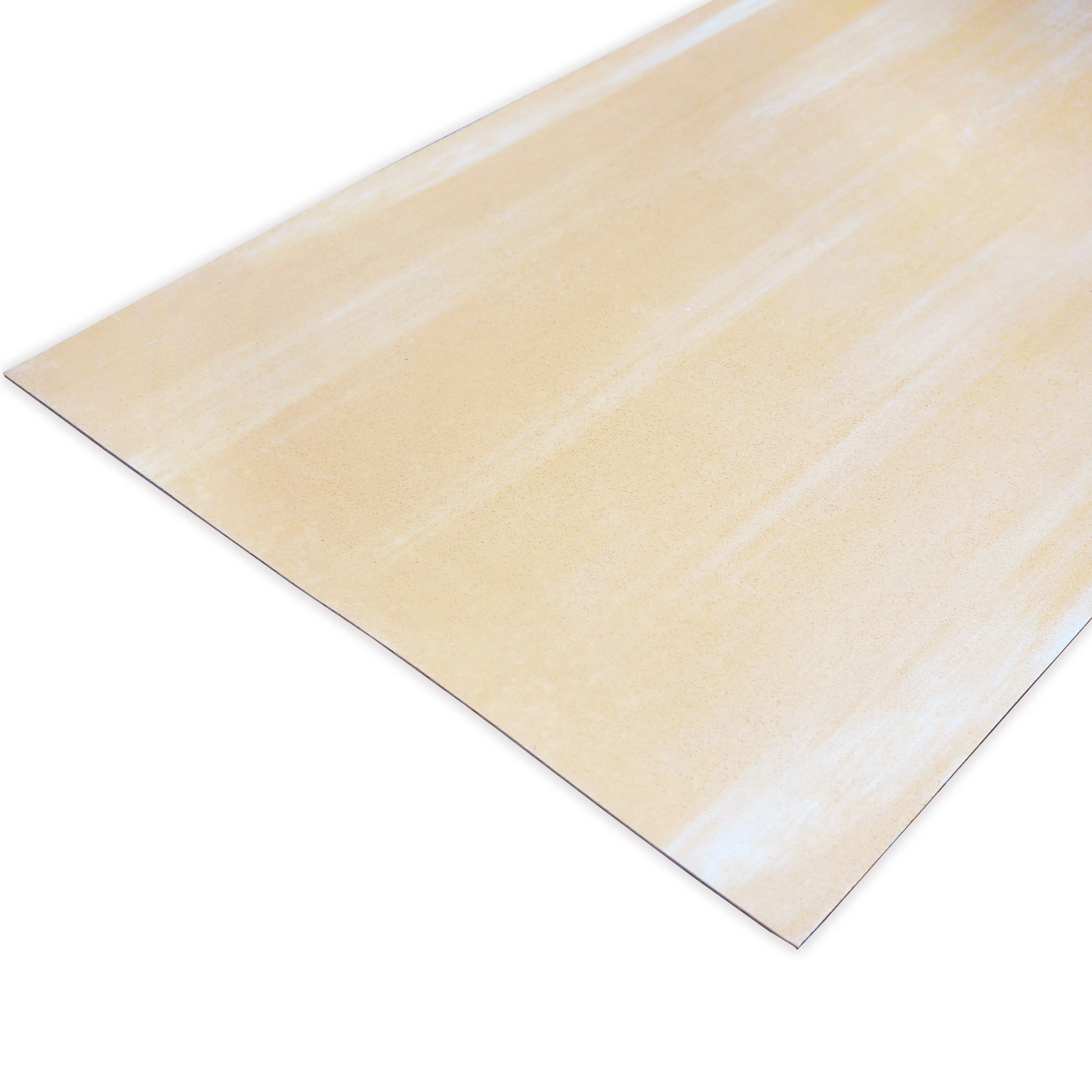
Before we talk dollars and cents, let's get to know the star of the show. Sandstone Cloude isn't your grandparent's stone. It's part of a new generation of modified composite materials (MCM)—think of it as nature and engineering having a baby. It mimics the warm, veined look of natural sandstone but swaps out the heaviness and fragility for something lighter, stronger, and more adaptable. Picture this: the texture of a desert sandstone formation, but in panels that weigh half as much as traditional stone, resist cracks, and don't fade under harsh sunlight. It's the kind of material that makes architects whisper, "Finally," and contractors nod, "That's doable."
But why does this matter for cost? Because when a material is lighter, more durable, and easier to work with, every step of the process—from delivery to installation to upkeep—gets cheaper. And that's where Sandstone Cloude starts to set itself apart from both old-school options like fair-faced concrete and even other MCMs like bamboo mat board.
Let's be real: when you're flipping through supplier catalogs, the first number you check is the "per square foot" price. But any builder who's been in the game for five minutes will tell you that's just the opening scene of the cost movie. The real story unfolds in installation, maintenance, and how long the material lasts before it needs to be replaced. Let's break it down, step by step.
Okay, let's get the tough part out of the way. Sandstone Cloude isn't the cheapest option on the shelf. On average, you'll pay between $12 and $18 per square foot for the material itself, depending on the finish (matte, polished, custom colors) and the supplier. Compare that to fair-faced concrete, which typically runs $8 to $12 per square foot, and you might think, "Why not just go with the concrete?"
But hold that thought. Let's throw another material into the mix: historical pathfinders stone, a popular natural stone option that's beloved for its rustic, aged look. It costs $18 to $25 per square foot—way pricier than Sandstone Cloude. So right off the bat, Sandstone Cloude sits in the middle: more than basic concrete, less than high-end natural stone. But again, initial cost is like judging a book by its cover—you need to read the pages (installation, maintenance, etc.) to get the full story.
Here's where Sandstone Cloude starts to flex its muscles. Let's say you're installing a 1,000-square-foot exterior facade. If you're using fair-faced concrete, you're dealing with heavy slabs that require cranes, formwork, and a crew of 3–4 people to handle. Why? Because concrete is dense—around 150 pounds per cubic foot. Sandstone Cloude? It's 30–50% lighter than traditional sandstone, clocking in at just 70–90 pounds per cubic foot. That might not sound like a big deal until you realize what it does to labor costs.
A typical fair-faced concrete installation crew charges $5–$8 per square foot in labor. Why so much? Because setting up formwork, pouring, and finishing concrete is slow, backbreaking work. Sandstone Cloude, on the other hand, comes in large panels (some as big as 4x8 feet) that two people can carry and install. Labor costs drop to $3–$5 per square foot. Let's do the math for that 1,000-square-foot project:
And that's not even counting the time saved. A Sandstone Cloude facade that would take a crew 3 days to install might take 5 days with concrete. Faster installation means fewer days paying for labor, fewer days renting equipment, and a quicker project turnaround—which clients love (and sometimes pay bonuses for).
Ever owned a car that was cheap to buy but cost a fortune in repairs? Building materials are the same. Let's talk about maintenance—the quiet budget killer. Take natural stone like historical pathfinders stone: it's gorgeous, but it's porous. That means every 2–3 years, you're sealing it to prevent water damage, staining, or mold. A gallon of stone sealer costs $30–$50, and hiring a pro to apply it adds $1–$2 per square foot. Over 20 years, that's $20–$40 per square foot in maintenance alone.
Fair-faced concrete is better, but it's not invincible. It can crack in freeze-thaw climates, and oil stains or algae growth? You'll need specialized cleaners or even patching, which runs $0.50–$1 per square foot annually. Over 20 years, that's $10–$20 per square foot.
Sandstone Cloude? It's engineered with a protective top layer that repels water, UV rays, and stains. No sealing, no special cleaners. Just a quick power wash once a year (which you can do yourself with a garden hose attachment) and you're good. Maintenance costs? Maybe $0.10–$0.20 per square foot annually. Over 20 years, that's $2–$4 per square foot. Let's compare:
| Material | Annual Maintenance Cost (per sq ft) | 20-Year Maintenance Total (per sq ft) |
|---|---|---|
| Sandstone Cloude | $0.15 | $3.00 |
| Fair-Faced Concrete | $0.75 | $15.00 |
| Historical Pathfinders Stone | $1.50 | $30.00 |
Over 1,000 square feet, Sandstone Cloude saves you $12,000 in maintenance costs compared to concrete, and $27,000 compared to historical pathfinders stone. That's a new truck for your crew—or a nice bonus for you.
What happens when a material fails? Let's say your facade starts cracking, fading, or looking shabby. With natural stone, replacing a single damaged panel might mean removing surrounding stones, which can cost $200–$500 per repair. With fair-faced concrete, a large crack could require cutting out a section and re-pouring, which is $300–$800 per repair.
Sandstone Cloude? Its panels are modular, meaning if one gets damaged (say, from a wayward baseball or a storm), you can pop it off and slap a new one on in an hour. A replacement panel costs $15–$20, plus $50–$100 in labor. Over 20 years, even if you need 2–3 repairs, you're looking at $200–$500 total—versus $1,000–$3,000 for concrete or stone.
And let's talk lifespan. Traditional sandstone might last 30–40 years before it needs a full replacement. Fair-faced concrete? 40–50 years if well-maintained. Sandstone Cloude? Manufacturers back it with a 50-year warranty, but real-world tests suggest it could last 60–70 years. That means if you install it today, you might never have to replace it—while your neighbor with concrete is budgeting for a new facade in 2045.
Let's pull it all together. We'll take a 1,000-square-foot project and calculate the total cost over 20 years, including initial material, installation, maintenance, and estimated repairs. Here's how it shakes out:
| Cost Category | Sandstone Cloude | Fair-Faced Concrete | Historical Pathfinders Stone |
|---|---|---|---|
| Initial Material Cost (1,000 sq ft) | $15,000 ($15/sq ft) | $10,000 ($10/sq ft) | $20,000 ($20/sq ft) |
| Installation Labor | $4,000 ($4/sq ft) | $6,500 ($6.50/sq ft) | $7,000 ($7/sq ft) |
| 20-Year Maintenance | $3,000 ($3/sq ft total) | $15,000 ($15/sq ft total) | $30,000 ($30/sq ft total) |
| 20-Year Repairs/Replacements | $500 | $2,500 | $3,000 |
| 20-Year Total Cost | $22,500 | $34,000 | $60,000 |
The numbers don't lie: over 20 years, Sandstone Cloude is $11,500 cheaper than fair-faced concrete and $37,500 cheaper than historical pathfinders stone. That's not chump change—it's a new tool trailer, a marketing campaign, or a nice chunk of profit.
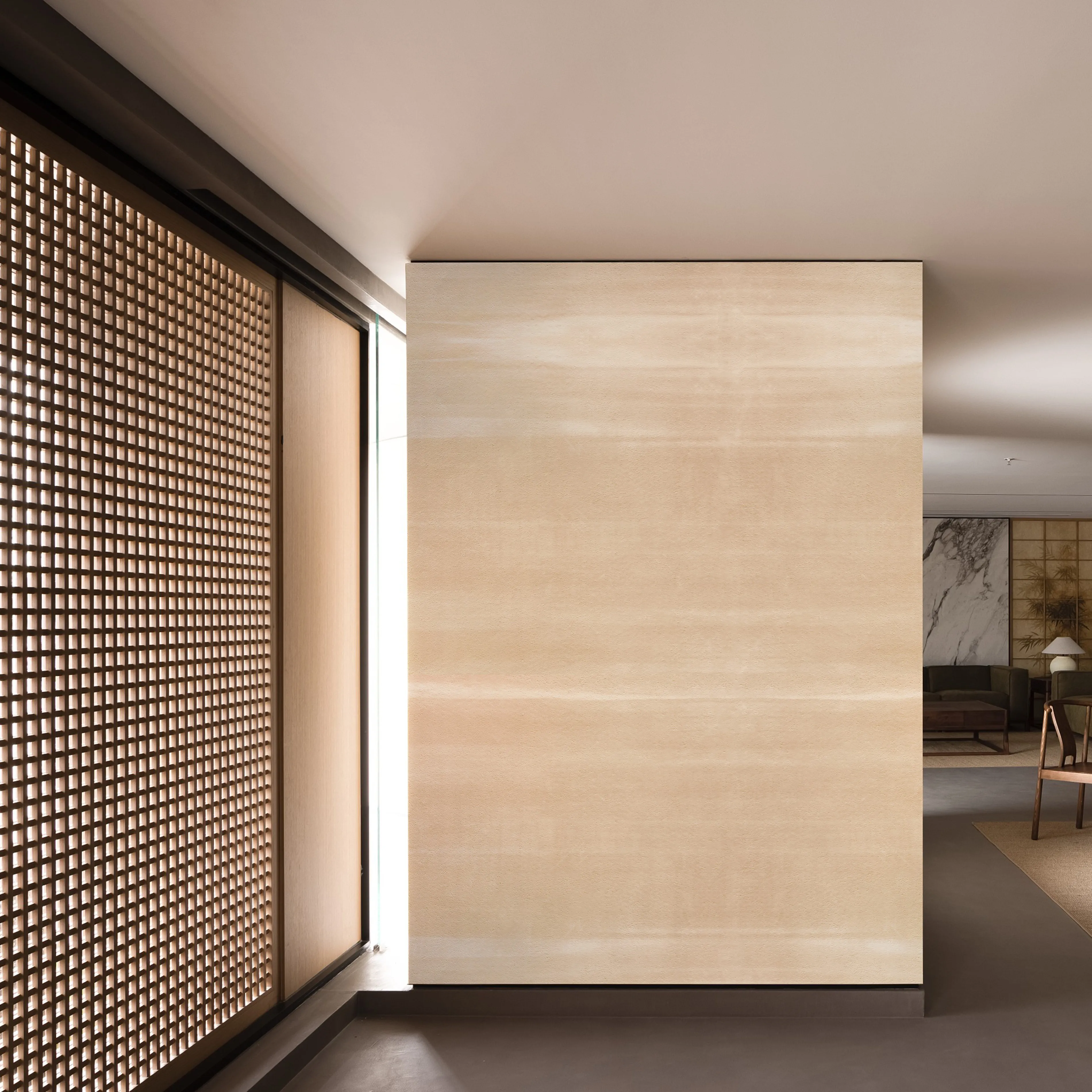
You might be thinking, "Okay, it's cheaper long-term, but does it look good enough?" Let's be honest: in construction, "cost-effective" and "ugly" are often synonyms. But Sandstone Cloude breaks that mold. Its cloud-like veining and soft texture work in modern offices, rustic homes, and even historic renovations. Architects rave about its versatility—you can paint it, cut it into custom shapes, or mix it with other materials like bamboo mat board for a one-of-a-kind look.
Take the Greenview Community Center in Portland, Oregon. They chose Sandstone Cloude for their facade in 2019, and facility manager James Wilson told me, "We wanted something that looked natural but didn't require constant upkeep. Five years later, it still looks like the day it was installed. And when we did our 2024 budget review, we realized we'd saved over $12,000 compared to the concrete option we almost picked. The board was thrilled—we used the savings to add a playground."
Or consider the Riverbank Cafe in Boulder, Colorado. They swapped traditional red brick for Sandstone Cloude to get a warmer, more inviting look. Owner Maria Lopez said, "Customers comment on the stone all the time—it feels cozy, like a mountain lodge. And when we compared the 10-year costs, Sandstone Cloude was $8,000 cheaper than brick. That's a lot of lattes."
Sandstone Cloude isn't a one-size-fits-all solution. If you're working on a tiny project (say, a 100-square-foot backsplash) and you need the cheapest upfront option, fair-faced concrete might still make sense. If you're restoring a historic building that legally requires natural stone, historical pathfinders stone is your only choice.
But for most commercial or large residential projects—think retail stores, office buildings, apartment complexes, or even a spacious home exterior—Sandstone Cloude shines. It's ideal if:
At the end of the day, building materials are like relationships: the ones that cost a little more upfront but treat you well long-term are the keepers. Sandstone Cloude might make you pause at first glance with its $12–$18 per square foot price tag, but when you factor in installation savings, minimal maintenance, and decades of durability, it's not a splurge—it's an investment.
So the next time you're staring at material samples, remember: the cheapest option today might cost you twice as much tomorrow. Sandstone Cloude isn't just a stone—it's a way to build smarter, save more, and create something that looks as good in 2045 as it does in 2025. And in construction, that's the real definition of "value."
Recommend Products












