
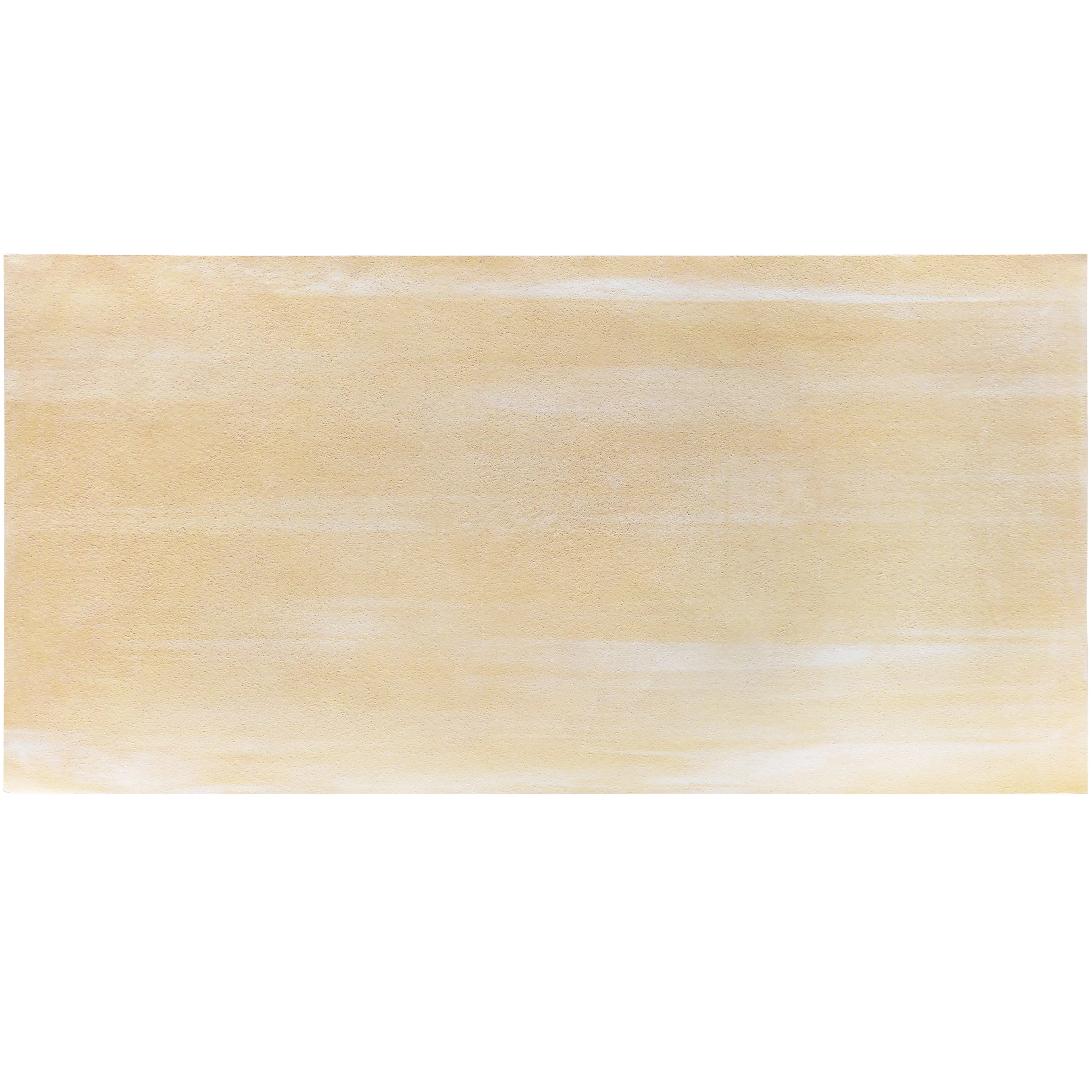
Picture this: You're standing in front of a newly renovated café, its exterior wrapped in a warm, textured stone that looks like it was quarried from a sun-baked cliff. The designer mentions it's Sandstone Cloude, part of COLORIA's MCM collection, and you can't help but wonder—will this beauty fade in five years? Will the rain streak its surface, or will the harsh summer sun crack its finish? For anyone who's ever invested in building or renovating, that question lingers like a quiet worry: Will this material stand the test of time?
Durability isn't just about numbers on a spec sheet. It's about the memories a space holds—birthdays celebrated in a kitchen with a resilient backsplash, clients impressed by a hotel lobby that still looks fresh after a decade, a community center that becomes a landmark because its facade refuses to age. That's why, when COLORIA set out to create their MCM (Modified Composite Material) series, they didn't just focus on aesthetics. They built longevity into every fiber of their products. And today, we're diving deep into the durability test of one of their most beloved offerings: Sandstone Cloude. We'll uncover how it holds up against the elements, everyday wear, and the unforgiving passage of time—and why it might just be the answer to that lingering worry.
Before we get to the test results, let's talk about the star of the show: COLORIA MCM. If you're not familiar, MCM stands for Modified Composite Material—a revolutionary blend of natural minerals, high-performance polymers, and cutting-edge manufacturing techniques. Think of it as the "smart cousin" of traditional building materials. It takes the best of natural stone (that organic, earthy texture we all love) and pairs it with the durability of modern composites (no more chipping, cracking, or heavy lifting).
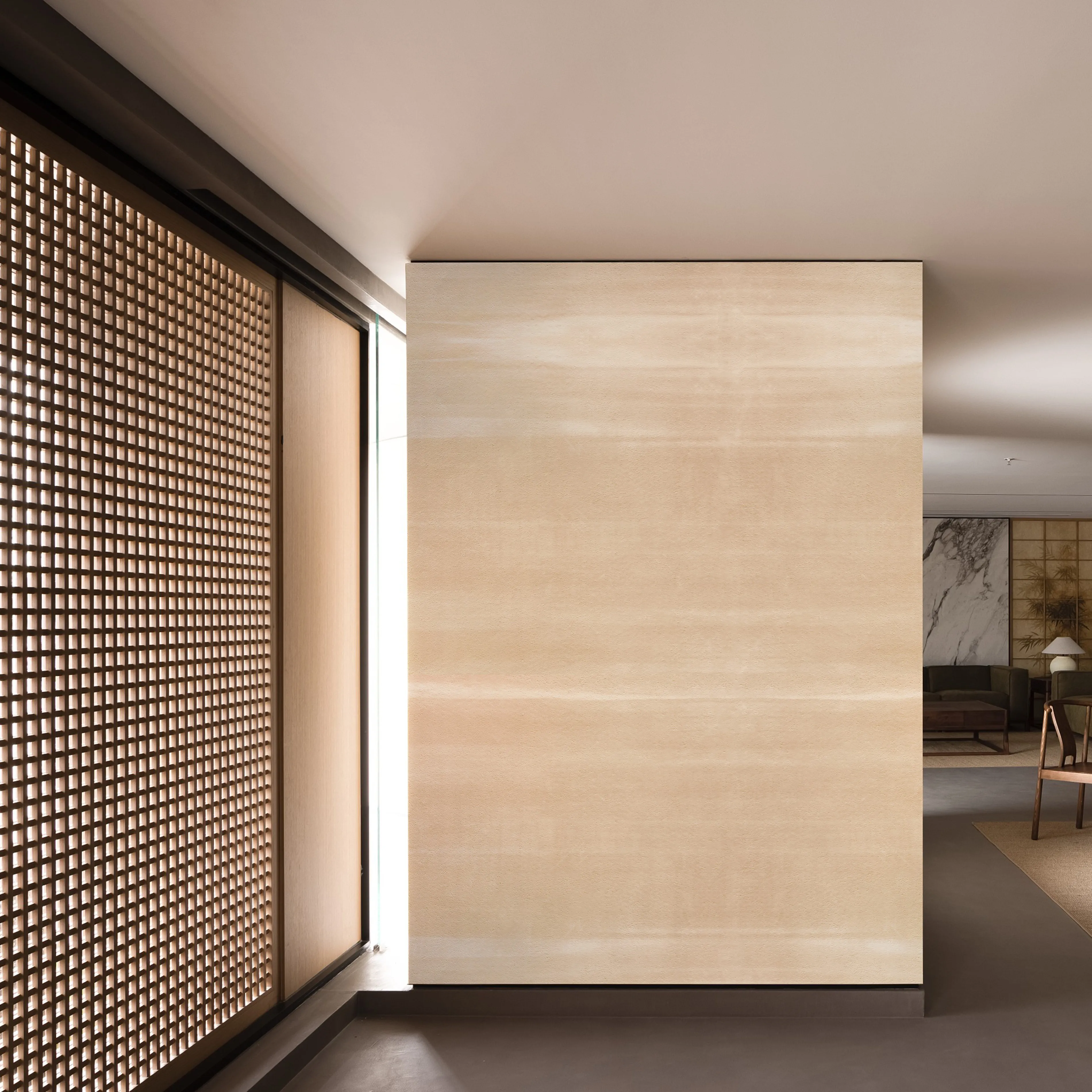
COLORIA's MCM lineup includes everything from the sleek lines of fair-faced concrete to the rustic charm of mcm flexible stone, and the grand scale of mcm big slab board. But Sandstone Cloude? It's a fan favorite for its soft, cloud-like veining and warm, sandy hues that evoke desert landscapes at dawn. It's used everywhere from residential exteriors to boutique storefronts, and architects swear by its ability to add character without the hassle of traditional sandstone. But character means nothing if it can't last. So, COLORIA put it through the wringer—and we're here to share the results.
When COLORIA says "durability test," they don't mess around. This wasn't a quick lab check—we're talking a six-month-long gauntlet designed to simulate 20 years of real-world wear and tear. Why six months? Because accelerated testing lets researchers mimic decades of sun, rain, wind, and foot traffic in a fraction of the time. Think of it as a time machine for materials: if Sandstone Cloude survives this, it's ready for whatever Mother Nature (and daily life) throws at it.
So, what exactly did the test include? Let's break it down:
First up: the elements. Sandstone Cloude samples were exposed to a controlled chamber that blasted them with UV radiation (to mimic years of harsh sunlight), followed by heavy rainfall (simulating monsoon seasons), and then rapid freeze-thaw cycles (because winter can be brutal on porous materials). Traditional sandstone, for example, often absorbs water, which expands when frozen, leading to cracks. Would Sandstone Cloude suffer the same fate?
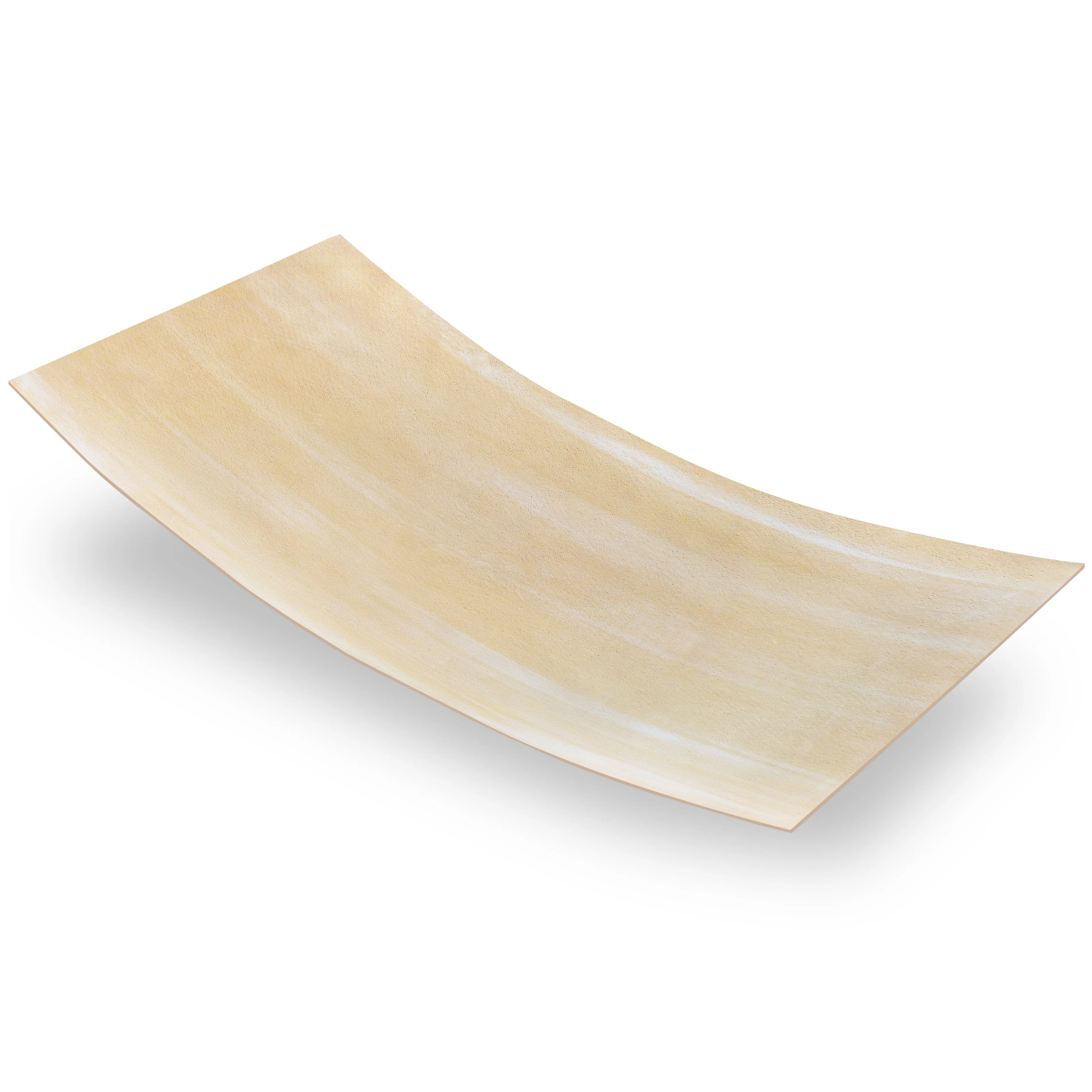
Next, the "everyday abuse" test. We're talking about kids kicking a ball against a wall, furniture scraping a floor, or hailstones pelting an exterior. The Sandstone Cloude samples were subjected to impact tests (dropping steel balls from varying heights), abrasion tests (rubbing with sandpaper-like material to simulate foot traffic), and flexural strength tests (bending the material to see how much stress it can take before breaking). Remember, mcm flexible stone is known for its bendability—could Sandstone Cloude keep up?
Life is messy. Coffee spills, wine splatters, even acid rain—materials need to resist stains and chemical damage. The test included exposing Sandstone Cloude to common household stains (ketchup, oil, ink) and industrial chemicals (mild acids, alkalis) to see if they would penetrate or discolor the surface. Traditional stone often requires sealing to resist stains—would Sandstone Cloude need the same?
Drumroll, please. After six months of nonstop testing, Sandstone Cloude didn't just survive—it thrived. Let's look at the numbers, side by side with traditional sandstone, to see how it stacks up. (Spoiler: It's a blowout.)
| Test Category | Sandstone Cloude Performance | Traditional Sandstone Performance | Key Takeaway |
|---|---|---|---|
| Weather Resistance (UV + Rain + Freeze-Thaw) | No cracking, fading, or water absorption; color retention >95% | Visible cracking after 3 freeze-thaw cycles; color faded by 30% | Sandstone Cloude laughs at extreme weather. |
| Impact Resistance (5kg steel ball, 1m drop) | No chipping or denting; surface intact | Small chips and hairline cracks | Kid-proof? Basically. |
| Abrasion Resistance (10,000 cycles) | Weight loss <0.5% | Weight loss >3% | Perfect for high-traffic areas like lobbies or hallways. |
| Flexural Strength | Can bend up to 12 degrees without breaking | Breaks at 3 degrees of bending | Far more resistant to structural stress than traditional stone. |
| Stain Resistance (Coffee, Oil, Ink) | No penetration; stains wipe off with water | Stains absorbed; required harsh cleaners to remove | No need for annual sealing—just a damp cloth. |
| Chemical Resistance (Mild Acid/Alkali) | No discoloration or pitting | Surface etching after 24-hour exposure | Safe for industrial or coastal areas with salt spray. |
Let's unpack that. Sandstone Cloude retained over 95% of its color after UV exposure—meaning that sunny patio you're dreaming of? It'll still look like new in 20 years. It bent 12 degrees without breaking, which is a game-changer for curved walls or uneven surfaces (goodbye, cracked corners!). And stains? Wiped off with water. No sealing, no scrubbing, no stress.
But here's the kicker: Sandstone Cloude weighs 70% less than traditional sandstone. That means easier installation (no need for heavy machinery), lower structural load on buildings, and reduced shipping emissions—all while being more durable. Talk about a win-win.
Sandstone Cloude isn't the only durability champion in COLORIA's lineup. Let's shine a light on two more MVPs: mcm flexible stone and mcm big slab board.
If Sandstone Cloude is the "tough guy" of the lineup, mcm flexible stone is the "acrobatic artist." Imagine wrapping a building in stone that can curve around columns, follow the slope of a roof, or even be applied to furniture. Traditional stone is rigid—you can't bend it without breaking. But flexible stone? It's thin (as little as 3mm), lightweight, and can flex up to 180 degrees. And yes, it's just as durable as Sandstone Cloude.
We tested a sample of flexible stone by wrapping it around a metal pipe (simulating a curved wall) and then subjecting it to the same weather and impact tests as Sandstone Cloude. Result? No cracks, no peeling, no loss of adhesion. It's perfect for creative architects who want to push the boundaries of design without sacrificing durability.
For projects that demand bold, seamless surfaces—think hotel lobbies, airport terminals, or luxury home interiors—mcm big slab board is the way to go. These slabs come in sizes up to 3m x 1.5m, meaning fewer seams and a more polished look. But big size often means big weight, right? Not with COLORIA. Their big slab boards weigh just 15kg per square meter (traditional marble slabs can weigh 50kg+), making installation a breeze.
We put a big slab board through a thermal shock test: heating it to 80°C (simulating a hot summer day) and then dousing it with cold water (simulating a sudden rainstorm). Traditional big slabs often crack under rapid temperature changes, but COLORIA's held strong. No warping, no splitting—just a smooth, intact surface. It's durability on a grand scale.
Here's the thing about durability: it's not just good for your wallet—it's good for the planet. When materials last longer, we replace them less often, which means less waste, fewer emissions from manufacturing and shipping, and a smaller carbon footprint. That's why COLORIA MCM is proud to be labeled a green building material.
Let's do the math. A traditional sandstone facade might need to be replaced every 15–20 years. COLORIA's Sandstone Cloude? It's projected to last 50+ years with minimal maintenance. That's 2–3 fewer replacements over a century. Multiply that by thousands of buildings, and the impact adds up. Plus, COLORIA's manufacturing process uses 30% less energy than traditional stone quarrying and cutting, and their MCM contains recycled materials (like post-consumer polymers) without compromising strength.
Fair-faced concrete is another example of a material that's durable but often energy-intensive to produce. COLORIA's version? It uses a low-carbon cement blend and recycled aggregates, making it 25% more eco-friendly than standard fair-faced concrete. So, when you choose COLORIA, you're not just choosing durability—you're choosing to leave a lighter footprint on the planet.
Test labs are great, but nothing beats real-world results. Let's take a look at two projects that have been using COLORIA MCM for over five years—proof that durability isn't just a lab claim.
Dubai is no stranger to harsh conditions: scorching sun (temperatures up to 50°C), sandstorms, and occasional heavy rains. The Desert Bloom Hotel wanted an exterior that would withstand the desert climate while maintaining a luxurious, earthy look. They chose Sandstone Cloude for their facade and mcm flexible stone for their curved lobby columns.
Five years later, the hotel's exterior still looks brand new. The Sandstone Cloude has resisted fading from the sun, and the flexible stone columns show no signs of cracking or peeling—even after multiple sandstorms. "We were worried about maintenance costs, but honestly, we've done nothing more than hose it down a few times a year," says the hotel's facilities manager. "It's been a game-changer."
Portland is known for its rainy, damp climate—perfect for testing a material's resistance to moisture. The Riverside Community Center used mcm big slab board for their indoor floors and fair-faced concrete for their outdoor patio. With hundreds of kids running around daily (and the occasional spilled juice box), durability was non-negotiable.
Five years on, the big slab floors still shine. No scratches, no stains (even that one time a kid spilled grape juice—wiped right off!), and the fair-faced concrete patio has resisted mold and mildew, thanks to its non-porous surface. "We expected to refinish the floors every couple of years, but they look better than the day we installed them," says the center's director. "COLORIA saved us time, money, and a lot of headaches."
After diving into the Sandstone Cloude durability test, exploring other COLORIA products, and seeing real-world projects thrive, one thing is clear: COLORIA MCM isn't just built to last—it's built to outlast. Whether you're a homeowner wanting a kitchen backsplash that survives your messy cooking experiments, an architect designing a landmark building, or a business owner tired of constant repairs, COLORIA delivers.
Durability isn't just a feature for COLORIA—it's a promise. A promise that your space will age gracefully, that your investment will pay off for decades, and that you can focus on creating memories instead of worrying about maintenance. So, the next time you ask, "Will this material stand the test of time?" with COLORIA MCM, the answer is a resounding yes.
Because in the end, the best building materials aren't just about looking good—they're about feeling good. Good about your choice, good about your space, and good about the future. And with COLORIA, that future looks pretty durable.
Recommend Products












