
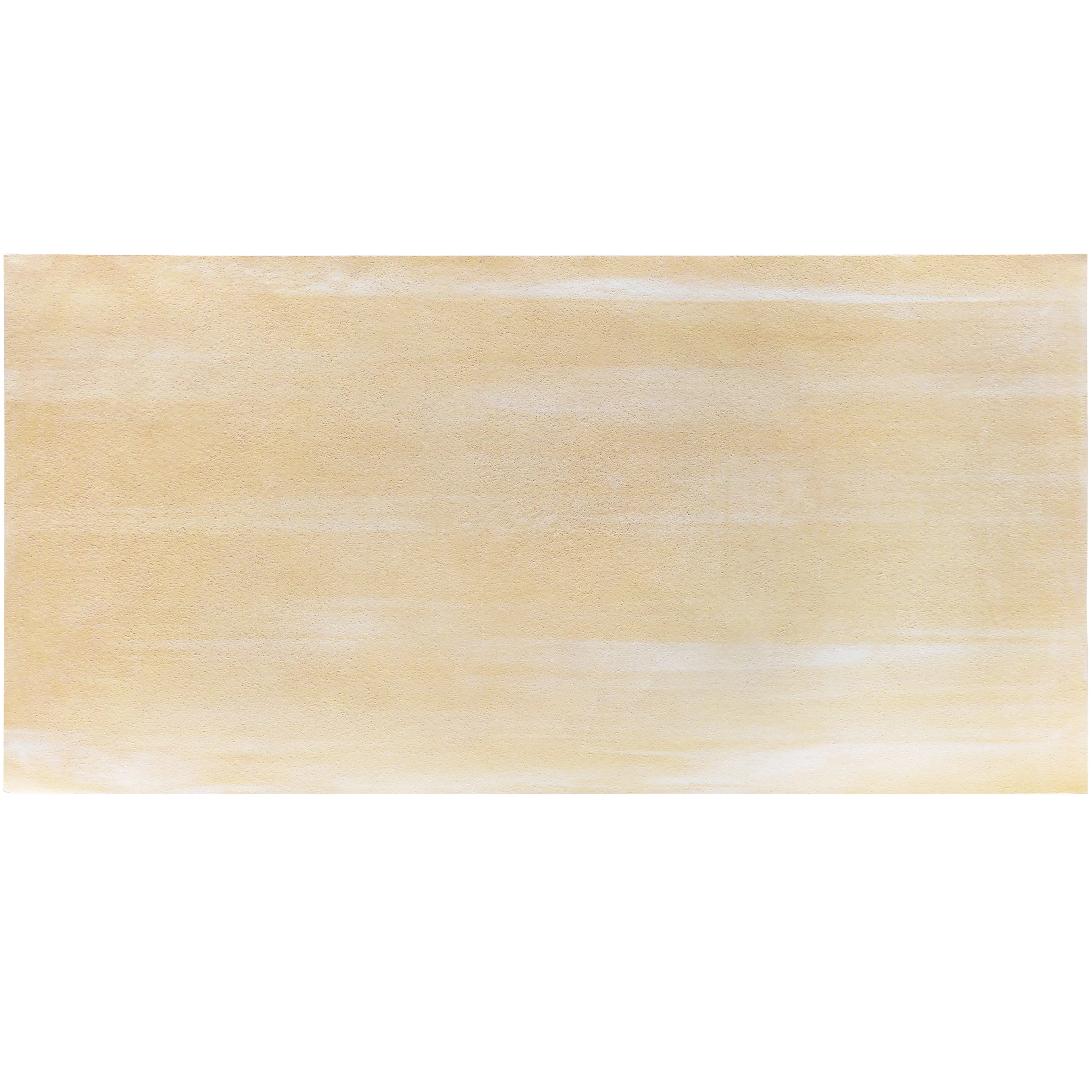
Let's start with a scenario we've all encountered, even if we've never thought much about it. Picture walking through a bustling airport terminal—hundreds of travelers hauling luggage, kids racing ahead, coffee spills, the constant hum of foot traffic. Now look up (or down, or around): the walls, floors, maybe even the ceiling panels. What are they made of? And more importantly, how do they hold up, day in and day out, against that kind of chaos? For architects, designers, and builders tasked with creating commercial spaces that don't just look good but last , the answer to that question is everything. Enter Sandstone Cloude Engineering Board—a material that's quietly revolutionizing heavy-duty commercial construction by blending raw strength with unexpected beauty. Let's dive in.
First things first: Sandstone Cloude isn't your grandma's sandstone. It's a modern engineering marvel, born from the marriage of natural stone aggregates and advanced composite technology. Think of it as nature's resilience amplified by human ingenuity. At its core, it starts with high-quality sandstone particles—sourced from quarries known for their dense, durable stone—blended with a proprietary mix of polymers, fiberglass reinforcements, and mineral binders. The result? A board that's not just hard, but tough —able to bend without breaking, resist impacts, and stand up to the kind of wear that would turn lesser materials into dust.
But here's the kicker: it doesn't look like a "tough" material. The surface, when finished, has this soft, cloud-like texture (hence the name "Cloude")—subtle variations in tone, gentle veining, and a matte finish that feels warm to the touch. It's the kind of material that makes you want to reach out and run your hand over it, even as you know it could probably withstand a wayward shopping cart or a sudden downpour. That duality—strength and beauty—is what makes it a game-changer for commercial spaces, where functionality can't be sacrificed for aesthetics, and vice versa.
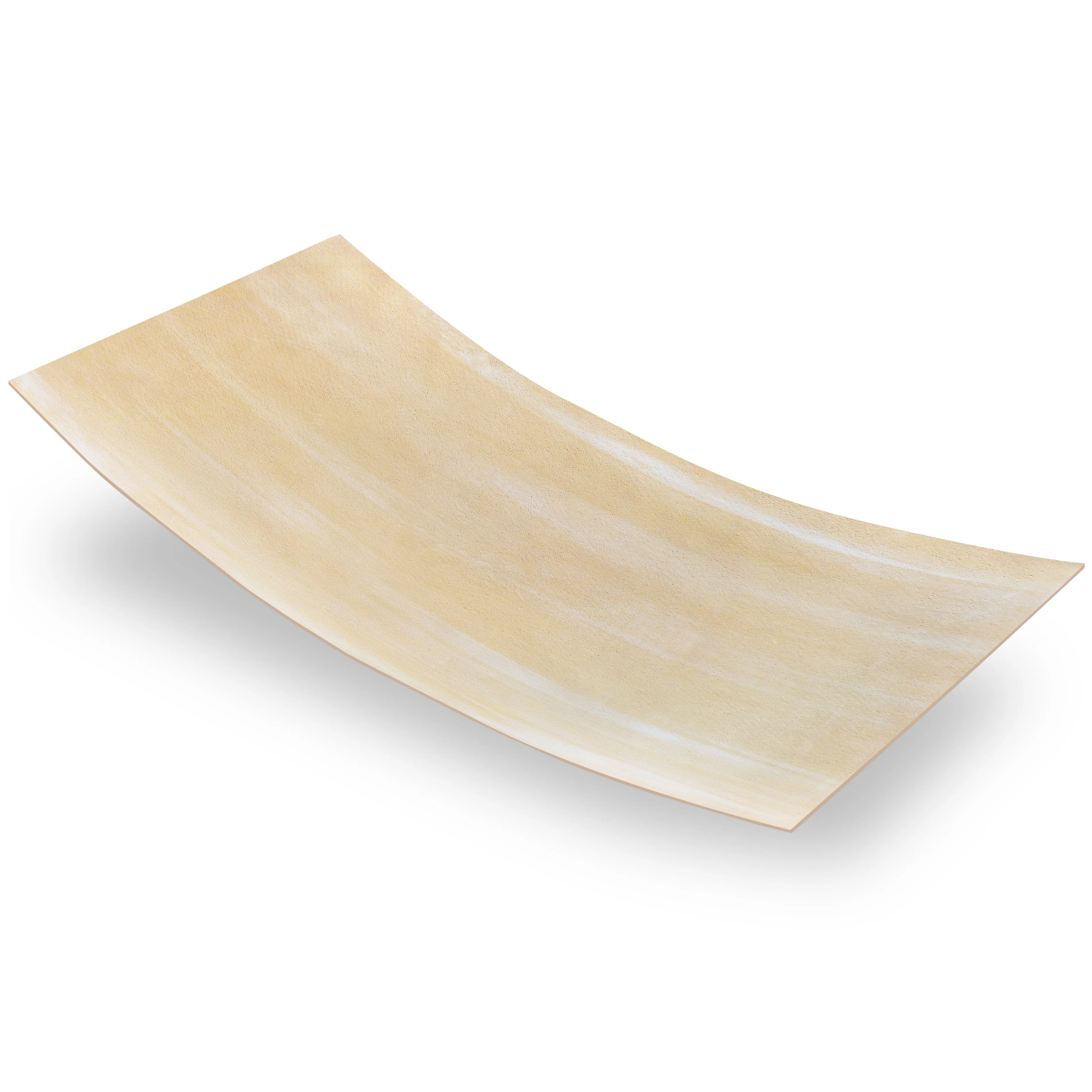
Let's pull back the curtain on how Sandstone Cloude goes from raw stone to the board you'd see on a mall facade or office lobby floor. It all starts with selection. The sandstone aggregates are meticulously sorted—only the densest, most uniform particles make the cut. Any stone with cracks, impurities, or inconsistent hardness gets tossed aside. This isn't just picky; it's essential. The strength of the final product depends on the quality of its building blocks.
Once sorted, the aggregates are crushed into a fine, consistent powder. Then, they're mixed with the polymer binders and fiberglass strands in a high-pressure mixer. This isn't a casual stir; the mixture is blended under intense pressure to ensure every particle is coated, every fiber is evenly distributed. Think of it like making the world's strongest cake batter—except instead of flour and sugar, it's stone and science.
Next, the mixture is poured into molds of various sizes (from large slabs for facades to smaller tiles for flooring) and pressed under hydraulic pressure—we're talking thousands of pounds per square inch. This compaction eliminates air bubbles, creating a dense, uniform structure. Then, it's cured in a controlled environment—temperature, humidity, and time all carefully calibrated to maximize strength. Finally, the boards are finished: sanded, sealed, and treated with a protective coating that enhances their resistance to stains, UV rays, and moisture. The end result? A material that's as reliable as it is refined.
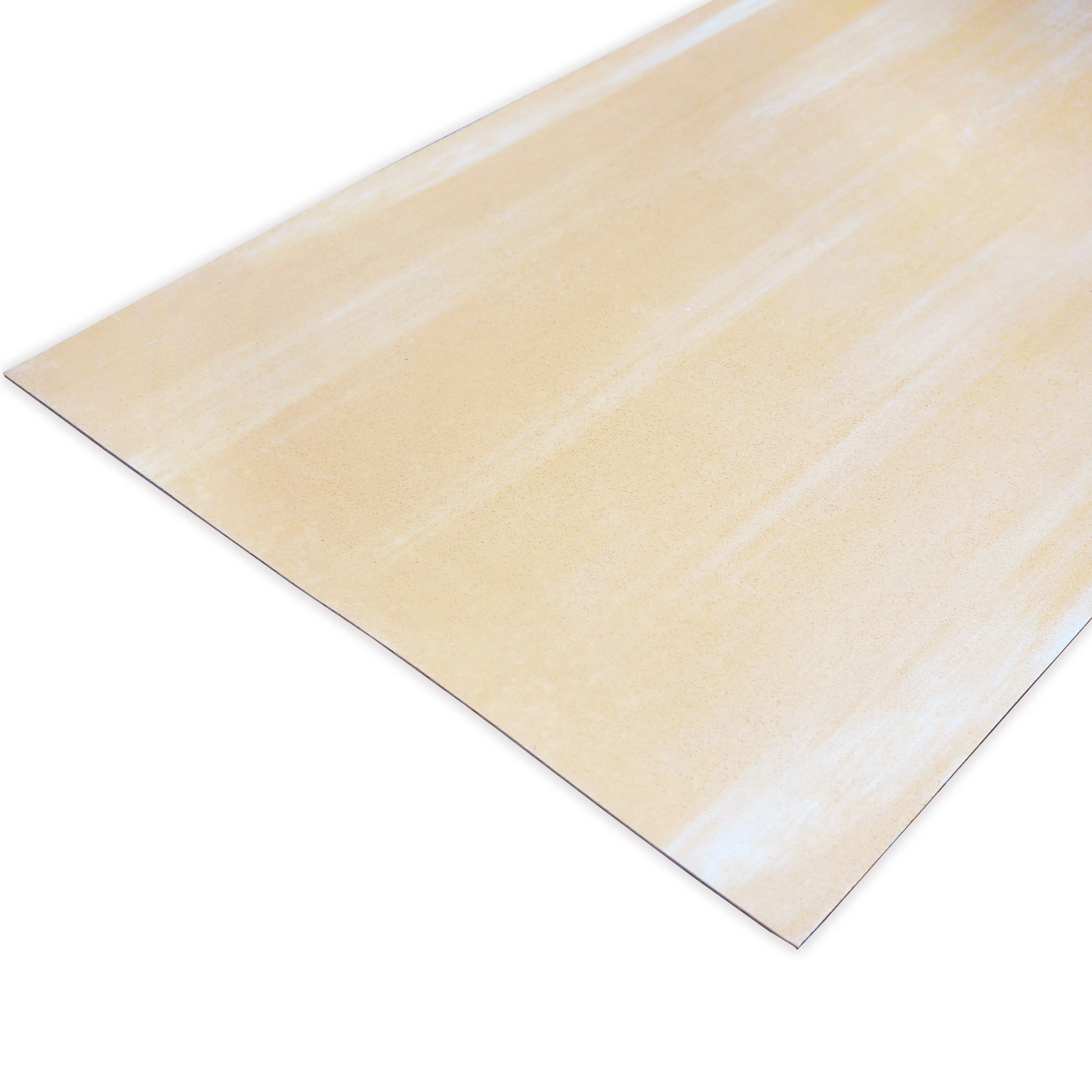
Let's get down to brass tacks: when we say "heavy-duty commercial use," we're talking about spaces that take a beating. Airports, where tens of thousands of people walk daily, dragging suitcases and spilling drinks. Shopping malls, with their constant foot traffic, rolling carts, and occasional rogue skateboarder (we've all seen it). Office buildings, where furniture gets dragged, walls get leaned on, and elevators open and close against lobby panels hundreds of times a day. Sandstone Cloude Engineering Board isn't just designed to survive these environments—it's designed to thrive in them.
Durability That Defies Time : Let's talk numbers. Sandstone Cloude has a compressive strength of around 85 MPa (megapascals)—that's stronger than many traditional concretes and even some granites. For context, a typical office floor needs to handle about 5 MPa of pressure; Sandstone Cloude can take 17 times that. It's also flexurally strong, meaning it can bend under weight without cracking. drop a heavy tool on it during construction? It might scuff, but it won't shatter. Let a rainstorm pound on it for a week? No problem—its water absorption rate is less than 0.5%, so mold and mildew don't stand a chance.
Resistance to the Elements : Commercial buildings don't get to hide from the weather. Sun, rain, snow, extreme temperatures—they face it all. Sandstone Cloude laughs in the face of UV rays; its color doesn't fade, even after years of direct sunlight. It's freeze-thaw resistant, so in colder climates, you won't see cracks from ice expanding in pores. And it's fire-rated too—class A, the highest rating, meaning it won't contribute to flame spread. For a material that's often used in high-traffic, high-visibility areas, that peace of mind is priceless.
Low Maintenance, High Reward : Here's the thing about commercial spaces: no one has time for high-maintenance materials. Sandstone Cloude is a dream in this department. Its sealed surface resists stains, so a spilled soda or coffee wipe right up with a damp cloth. It doesn't need to be resealed every year like some natural stones. And because it's so durable, you won't be replacing panels or tiles every few years. Over time, that translates to lower costs—not just in materials, but in labor and downtime.
Sure, Sandstone Cloude sounds great—but how does it compare to other materials architects and designers often reach for? Let's put it head-to-head with a few popular options: fair-faced concrete (a staple for industrial-chic spaces), foamed aluminium alloy board (vintage silver, a trendy metallic choice), and boulder slab (a heavy, natural stone alternative). We'll break down the key specs that matter most for commercial use.
| Material | Compressive Strength (MPa) | Water Absorption (%) | Fire Rating | Weight (kg/m²) | Aesthetic Versatility |
|---|---|---|---|---|---|
| Sandstone Cloude Engineering Board | 85 | <0.5 | Class A | 22 | High (cloud-like texture, warm tones) |
| Fair-Faced Concrete | 30-40 | 4-8 | Class A | 24 | Low (industrial, uniform gray) |
| Foamed Aluminium Alloy Board (Vintage Silver) | 15-20 | 0 | Class A | 8 | Medium (metallic sheen, limited texture) |
| Boulder Slab | 60-70 | 1-3 | Class A | 35 | High (natural stone, bold veining) |
Looking at the table, a few things jump out. Sandstone Cloude has nearly double the compressive strength of fair-faced concrete and significantly higher than foamed aluminium alloy. It's lighter than boulder slab (which matters for installation and structural load) but just as strong. Its water absorption is lower than even boulder slab, meaning less risk of damage from moisture. And aesthetically? It offers the warmth of natural stone without the weight or maintenance headaches of boulder slab, and far more visual interest than the uniform gray of fair-faced concrete. For commercial projects where both performance and design matter, that's a winning combo.
Enough with the specs—let's talk about where Sandstone Cloude Engineering Board actually gets used. It's not just a lab rat; it's out there, making commercial spaces better. Here are a few examples:
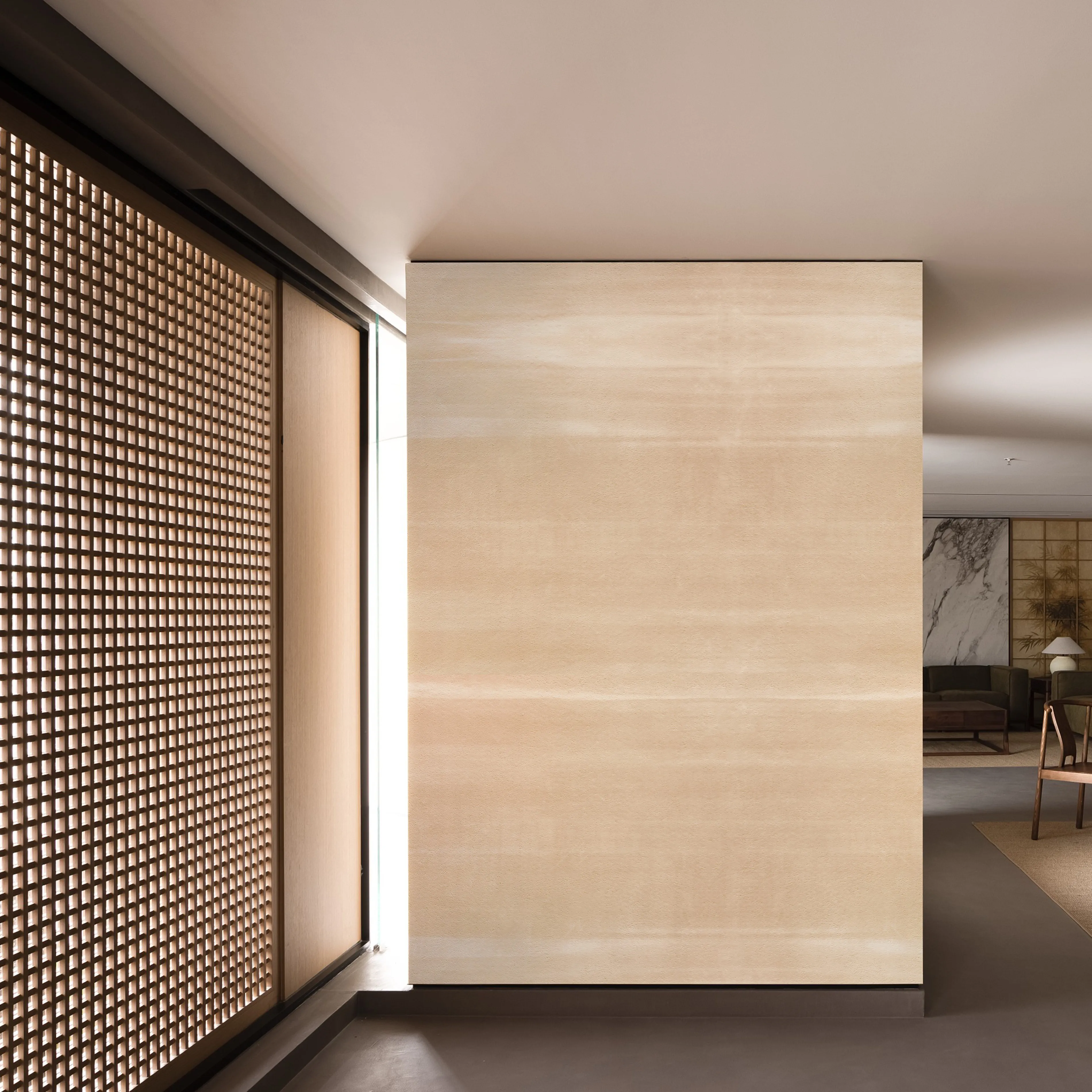
Airport Terminals : Imagine walking through the new wing of a major international airport. The floors are warm, with soft beige and gray tones that feel calm amid the chaos. You drag your suitcase across them, and there's no scuffing, no scratching. The walls are paneled with the same material, their cloud-like texture softening the harsh overhead lights. That's Sandstone Cloude. It's chosen here because it can handle the endless foot traffic, resists the oil and chemical spills from maintenance crews, and looks good doing it—no small feat in a space that's all about first impressions.
Shopping Mall Facades : Malls want to stand out, to draw people in. A facade made of Sandstone Cloude does just that. Its unique texture catches the light differently throughout the day—warm golds at sunrise, soft grays at dusk. And because it's so durable, it doesn't fade or crack from exposure to rain, snow, or harsh sun. Unlike glass, it doesn't show fingerprints or smudges, so the mall always looks fresh. Inside, it's used for food court floors—resistant to ketchup spills, hot grease, and the constant scraping of chairs.
Office Building Lobbies : First impressions matter in business, and a lobby paneled with Sandstone Cloude sends a message: "We're strong, we're reliable, and we care about quality." It stands up to the daily grind—delivery people rushing in with packages, clients leaning against walls while they wait, even the occasional furniture rearrangement. And because it's available in larger slabs, it creates a seamless, high-end look that elevates the entire space.
Hospitality Spaces : Hotels, restaurants, convention centers—these places need to be both beautiful and tough. A hotel lobby with Sandstone Cloude flooring can handle luggage carts, high heels, and the inevitable spilled drink at check-in. A restaurant wall paneled with it won't stain from splattered sauces or show dents from chairs being pushed back. It's the kind of material that lets hospitality businesses focus on guest experience, not constant repairs.
In today's world, "strong" isn't enough—materials also need to be responsible. That's where Sandstone Cloude Engineering Board checks another box: it's a proud member of the green building materials family. Let's break down why:
Reduced Environmental Impact : The manufacturing process uses less energy than traditional stone cutting or concrete production. The sandstone aggregates are sourced from quarries with strict sustainability practices, minimizing habitat disruption. And because the boards are so durable, they don't need to be replaced as often—reducing waste over time. It's a material that thinks long-term, just like we should.
Recyclability and Low Emissions : At the end of its life (which, let's be real, is decades away), Sandstone Cloude can be crushed and reused as aggregate in new construction materials. Unlike some composites that end up in landfills, it doesn't release harmful chemicals when broken down. During manufacturing, it emits minimal volatile organic compounds (VOCs), making it safe for indoor air quality—a big plus for commercial spaces where people spend hours at a time.
Contributing to Green Certifications : For developers and architects chasing LEED, BREEAM, or other green building certifications, Sandstone Cloude is a valuable ally. Its sustainability features, durability, and low maintenance requirements can earn points toward certification, making projects more attractive to eco-conscious investors and tenants.
At the end of the day, commercial spaces are about more than walls and floors—they're about supporting businesses, connecting people, and creating environments that inspire. Sandstone Cloude Engineering Board doesn't just fill a functional role; it enhances these spaces. It's strong enough to handle the chaos of daily life, beautiful enough to make people stop and notice, and sustainable enough to feel good about. For architects and designers, it's a tool that lets them dream big without compromising on practicality. For business owners, it's an investment that pays off in lower maintenance costs, higher tenant satisfaction, and a space that stands the test of time.
So, the next time you walk through a busy airport, a bustling mall, or a sleek office lobby, take a closer look at the materials around you. If it feels both tough and tender, durable and delightful, there's a good chance it's Sandstone Cloude Engineering Board. And if it is, you can rest easy knowing that space is built to last—for the people who use it, for the businesses that thrive in it, and for the planet we all share.
In a world where commercial spaces are under constant pressure to perform, Sandstone Cloude Engineering Board isn't just a material—it's a promise: strength, beauty, and sustainability, all wrapped into one. And that's a promise worth building on.
Recommend Products












