
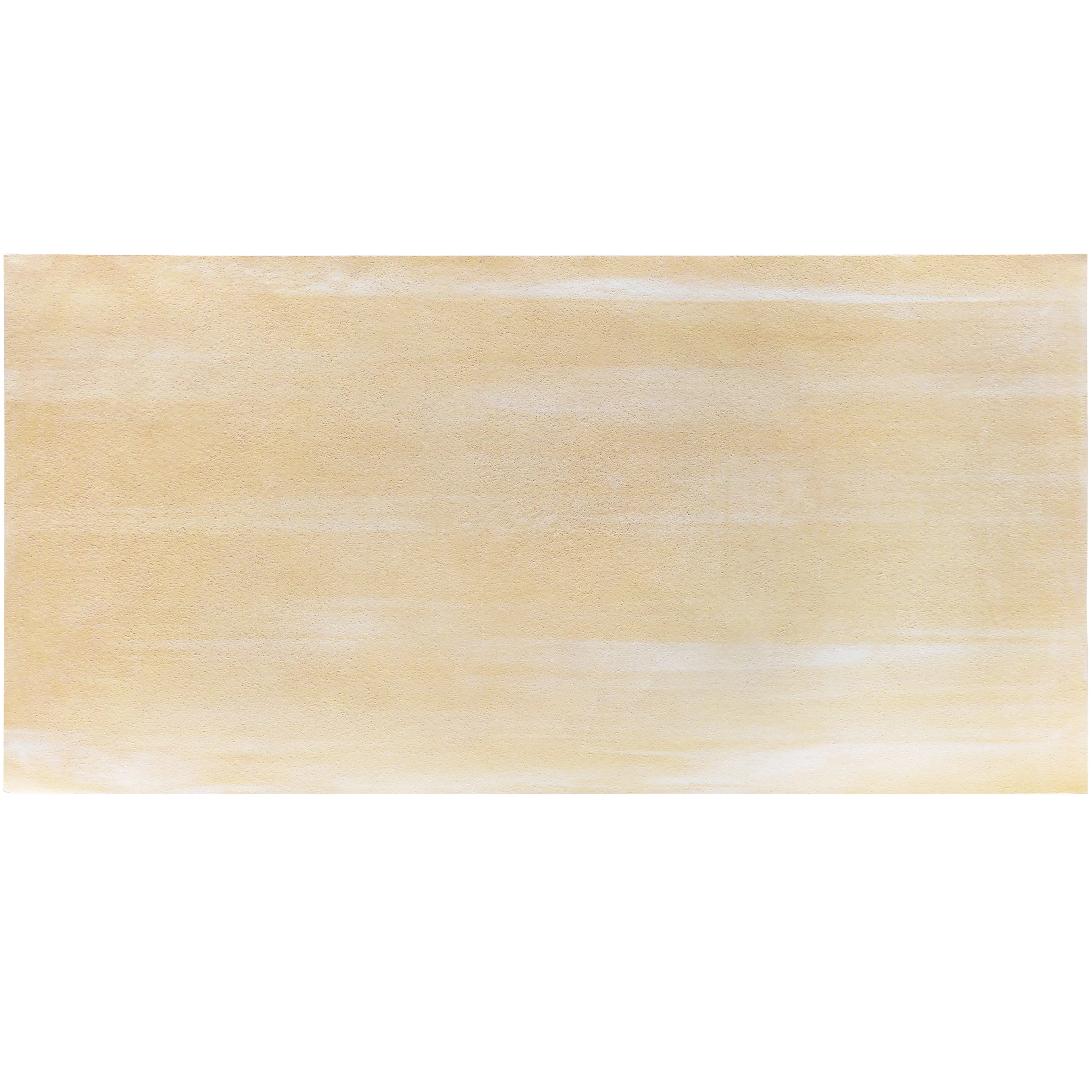
Walk into any bustling commercial space—a sleek downtown office lobby, a vibrant shopping mall, or a busy restaurant—and you're surrounded by design choices that blend aesthetics with functionality. But behind the polished surfaces and modern facades lies a critical priority that can't be overlooked: safety. When it comes to commercial buildings, where hundreds (or even thousands) of people gather daily, the materials used in construction and cladding play a starring role in protecting lives and assets. And at the top of that list? Fire safety. Today, we're diving into one material that's making waves in the industry for its balance of beauty and brawn: Sandstone Cloude. Let's explore why its fire rating matters, how it stacks up against other options, and why architects and developers are increasingly turning to it for peace of mind.
Picture this: It's a Friday evening at a popular urban mall. Families are grabbing dinner, shoppers are hunting for weekend deals, and employees are wrapping up their shifts. Now, imagine a small electrical fire breaks out in a storage room. In seconds, that fire could spread—unless the building's materials are designed to resist it. Commercial buildings aren't just structures; they're ecosystems where safety and functionality must coexist. Fire codes exist for a reason: to minimize risk, slow the spread of flames, and give occupants time to evacuate. And when it comes to exterior and interior cladding, the stakes are even higher. These materials are often the first line of defense against fire, and their performance can mean the difference between a contained incident and a catastrophic event.
For architects, developers, and building owners, choosing the right cladding material isn't just about checking a box on a compliance list. It's about making a promise to the people who use the space every day. That's where fire ratings come in. A material's fire rating tells you how it behaves under fire conditions—how quickly flames spread, how much smoke it produces, and how long it can resist ignition. In short, it's a report card on safety. And in a world where building codes are becoming stricter and public awareness of safety is growing, that report card matters more than ever.
Before we get into Sandstone Cloude specifically, let's break down what a "fire rating" actually entails. Most commonly, fire performance for building materials is measured using standards like ASTM E84 (the Standard Test Method for Surface Burning Characteristics of Building Materials) in the U.S., or EN 13501-1 in Europe. These tests evaluate two key factors: flame spread index (FSI) and smoke development index (SDI). The lower the FSI, the slower flames spread across the material. The lower the SDI, the less toxic smoke is produced—critical for evacuation, as smoke inhalation is often the leading cause of fire-related fatalities.
Materials are then classified into ratings like Class A, B, or C (in ASTM E84) or A1, A2, B, etc. (in EN 13501-1). Class A (or A1/A2) is the highest rating, reserved for materials that are non-combustible or have minimal flame spread. For commercial buildings, especially those with high occupancy or located in dense urban areas, Class A is often the gold standard. It's not just a recommendation; in many cases, it's a legal requirement. So when we talk about Sandstone Cloude's fire rating, we're really talking about its ability to meet these rigorous standards—and exceed them.
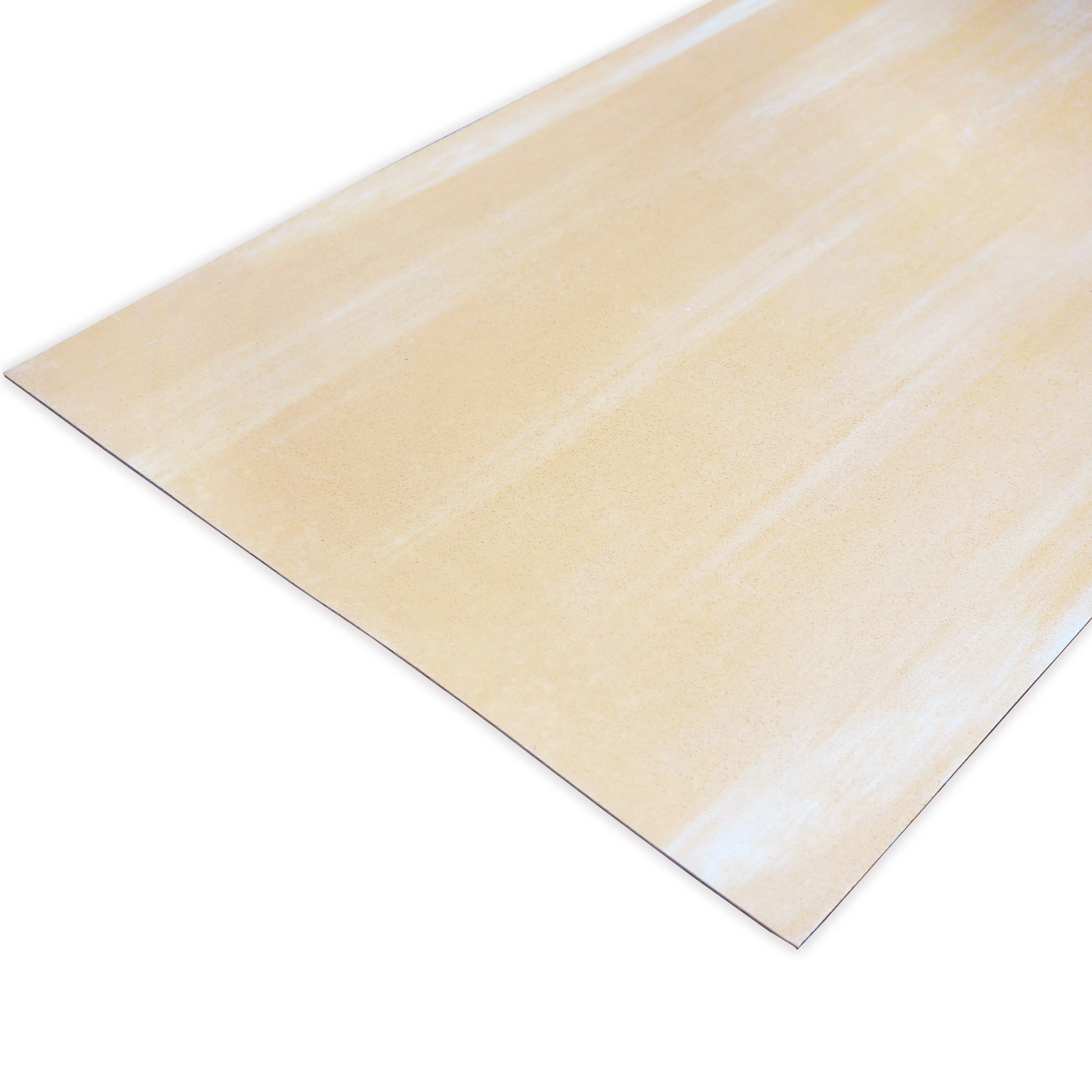
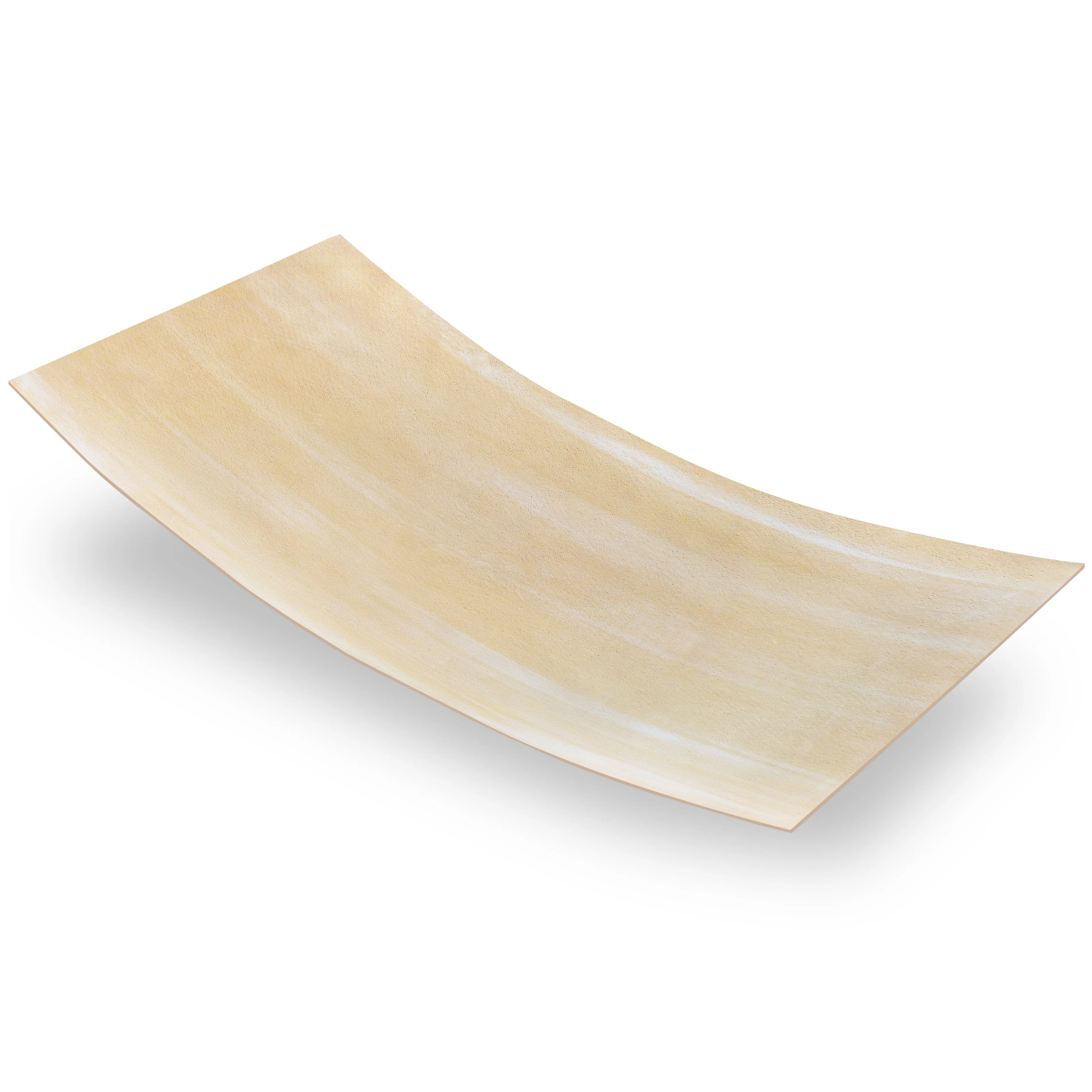
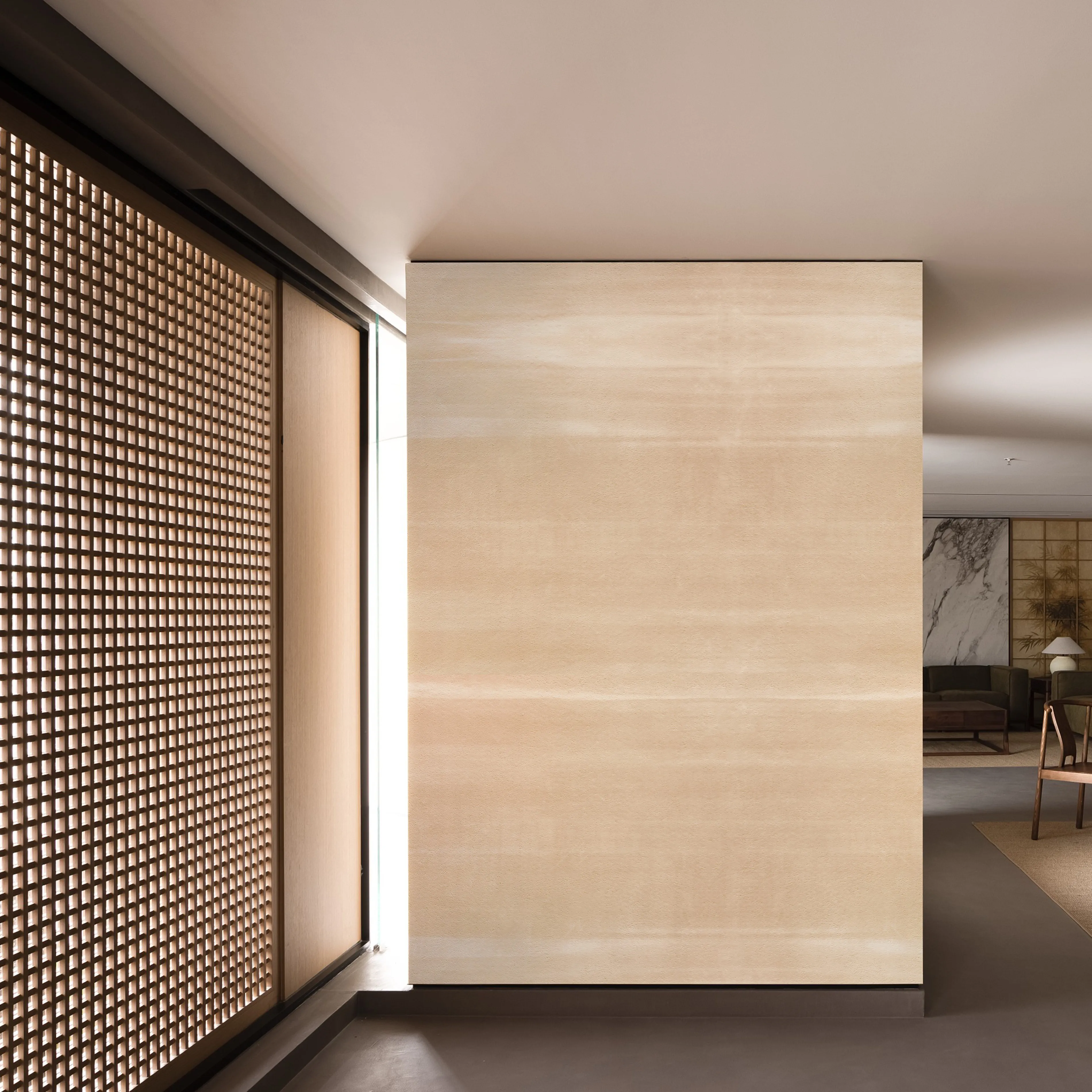
Sandstone Cloude isn't your average cladding material. At first glance, it's easy to be drawn to its natural, earthy aesthetic—think soft, cloud-like veining, warm neutrals, and a texture that feels both organic and refined. It's the kind of material that makes architects light up, as it adds depth and character to facades, accent walls, and interior spaces. But what really sets it apart is what's beneath that beautiful surface: a composition engineered for performance, including fire resistance.
Developed by leading manufacturers in the building materials industry, Sandstone Cloude is a composite material that blends natural minerals with advanced binders, creating a product that's lightweight, durable, and—crucially—fire-resistant. Unlike some natural stones that may crack or spall under high heat, or synthetic claddings that can melt or release toxic fumes, Sandstone Cloude is designed to stand up to the most demanding fire tests. Let's dig into the details of its fire performance.
So, how does Sandstone Cloude perform when put to the test? According to third-party lab results, it consistently meets or exceeds Class A fire ratings under ASTM E84. That means a flame spread index (FSI) of 0-25 and a smoke development index (SDI) of 0-450—numbers that put it in the top tier of fire-resistant materials. To put that in perspective: materials with an FSI over 75 are classified as Class C, which is typically not recommended for high-occupancy commercial spaces. Sandstone Cloude's low FSI means that in the event of a fire, flames will spread slowly across its surface, giving firefighters and occupants precious time. Its low SDI is equally important; minimal smoke production reduces the risk of inhalation injuries and keeps evacuation routes clearer for longer.
But what makes Sandstone Cloude achieve these results? Part of it is the material's composition. Unlike vinyl or wood-based claddings, which are highly combustible, Sandstone Cloude's mineral-rich base is inherently fire-resistant. The binders used in its production are also engineered to resist ignition and slow flame spread. It's a combination of nature and technology—taking the best of natural stone's durability and enhancing it with modern engineering to meet 21st-century safety standards.
To truly appreciate Sandstone Cloude's fire performance, it helps to see how it stacks up against other popular cladding options. Let's take a look at a few common materials, including some you might recognize from building projects: Fair-Faced Concrete, MCM Flexible Stone, and even traditional natural stone.
| Material | Fire Rating (ASTM E84) | Key Fire Performance Features | Best For |
|---|---|---|---|
| Sandstone Cloude | Class A (FSI: 0-25, SDI: 0-450) | Low flame spread, minimal smoke production, heat-resistant core | Exterior facades, interior accent walls, high-rise commercial buildings |
| Fair-Faced Concrete | Class A (FSI: 0-25) | Non-combustible, high heat resistance | Industrial-style interiors, structural elements |
| MCM Flexible Stone | Class A (varies by product, typically FSI: 0-25) | Lightweight, fire-retardant backing, good for curved surfaces | Modern, sleek exteriors, renovation projects |
| Traditional Natural Stone (e.g., marble) | Class A (but may spall under extreme heat) | Non-combustible, but can crack or fragment when exposed to rapid temperature changes | High-end interiors, historic restorations |
As you can see, Sandstone Cloude holds its own against Fair-Faced Concrete and MCM Flexible Stone—both known for their fire resistance. But where it shines is in its versatility. Unlike Fair-Faced Concrete, which has a distinct industrial look, Sandstone Cloude offers the warmth and natural beauty of stone, making it suitable for a wider range of design styles. And compared to MCM Flexible Stone, while both are lightweight, Sandstone Cloude often has a more authentic stone texture, appealing to architects who want that "natural" feel without compromising on safety.
Traditional natural stone, while also Class A, can have drawbacks in fire scenarios. Some stones, like marble, may spall (crack and fragment) when exposed to sudden heat, which can create hazards. Sandstone Cloude, being a composite, avoids this issue—it's designed to maintain its integrity under high temperatures, reducing the risk of falling debris during a fire.
So, where exactly can Sandstone Cloude be used in commercial buildings? The short answer: almost anywhere. Its Class A fire rating makes it suitable for both interior and exterior applications, and its aesthetic versatility means it can adapt to a range of design styles—from modern minimalist offices to rustic-chic restaurants.
Exterior Facades: High-rise office buildings, hotels, and retail centers often use exterior cladding to make a statement. Sandstone Cloude's fire resistance is a game-changer here, especially in urban areas where building codes are strict. Its lightweight nature also makes installation easier and more cost-effective than heavy natural stone, without sacrificing durability.
Interior Accent Walls: Lobbies, conference rooms, and dining areas often feature accent walls to create focal points. Sandstone Cloude's natural texture adds warmth, while its fire rating ensures safety in enclosed spaces. Imagine a hotel lobby with a Sandstone Cloude wall—elegant, inviting, and built to protect.
High-Traffic Areas: Malls, airports, and train stations see constant foot traffic, which means materials need to be both durable and safe. Sandstone Cloude's resistance to scratches, stains, and fire makes it ideal for these busy spaces. It's easy to clean, stands up to wear and tear, and gives peace of mind to building managers.
Historic Renovations: When restoring older commercial buildings, preserving architectural character is key—but so is updating safety standards. Sandstone Cloude can mimic the look of traditional stone (think weathered sandstone or limestone) while meeting modern fire codes. It's a way to honor the past without compromising the future.
In the world of commercial construction, compliance isn't optional—it's essential. Building codes vary by region, but one thing is universal: fire safety standards are getting stricter. For example, in the U.S., the International Building Code (IBC) requires exterior wall assemblies to meet specific fire resistance ratings based on building height and occupancy. In the EU, the Construction Products Regulation (CPR) mandates CE marking for construction materials, including fire performance. Sandstone Cloude isn't just tested to meet these standards; it's engineered with them in mind.
Manufacturers of Sandstone Cloude invest heavily in third-party testing to ensure compliance with global codes. This includes not just ASTM E84 and EN 13501-1, but also standards for thermal resistance, water penetration, and impact resistance. For developers and architects, this means less guesswork. When you specify Sandstone Cloude, you're not just choosing a material—you're choosing a partner in compliance. And that can save time, money, and headaches down the line, from permit approvals to post-construction inspections.
It's also worth noting that Sandstone Cloude aligns with the growing trend toward green building materials. Many versions are low-VOC (volatile organic compounds), recyclable, and sourced from sustainable quarries. For projects aiming for LEED certification or other green building standards, this is a bonus. After all, safety and sustainability don't have to be mutually exclusive—they can work hand in hand.
At the end of the day, the decision to use a material like Sandstone Cloude comes down to balance. Architects want materials that inspire creativity and bring their designs to life. Developers want materials that are durable, cost-effective, and compliant. Building owners want peace of mind. Sandstone Cloude checks all those boxes—and then some.
For architects, the appeal is clear: it offers the aesthetic flexibility to create unique, memorable spaces without sacrificing safety. Whether designing a sleek modern office or a cozy boutique hotel, Sandstone Cloude's range of finishes (from matte to slightly textured) and color options (think soft beiges, warm grays, and subtle earth tones) make it a versatile canvas. It can mimic the look of natural stone, concrete, or even wood—all while delivering Class A fire performance.
For developers, the long-term value is undeniable. Fire-resistant materials like Sandstone Cloude can lower insurance premiums, as insurers often offer discounts for buildings with superior safety features. They also reduce the risk of costly repairs or legal issues in the event of a fire. And because Sandstone Cloude is durable and low-maintenance, it holds up over time, preserving the building's curb appeal and resale value.
Let's take a real-world example: A 10-story retail and office complex in downtown Chicago, completed in 2024. The developer wanted a material that would stand out on the city skyline while meeting Chicago's strict fire codes for high-rises. The architect chose Sandstone Cloude for the exterior facade, citing its Class A fire rating and natural stone aesthetic. "We needed something that felt warm and inviting for the retail spaces on the lower floors but also met the safety requirements for the upper office levels," said the project's lead architect. "Sandstone Cloude gave us both. During testing, it performed better than we expected—low flame spread, minimal smoke—and the installation was seamless. The building now stands as a example of how safety and design can coexist."
As building codes evolve and public demand for safer spaces grows, the future of cladding materials is clear: they need to do more. They need to protect, perform, and inspire. Sandstone Cloude isn't just keeping up with this trend—it's setting it. By combining the timeless beauty of natural stone with cutting-edge fire-resistant engineering, it's redefining what's possible in commercial construction.
Think about it: In 10 years, when we look back at the buildings of today, what will matter most? Not just how they looked, but how they protected the people inside. Sandstone Cloude is a material built for that future—a future where safety isn't an afterthought, but a foundation. It's a reminder that in commercial construction, the best designs aren't just about form and function; they're about trust. Trust that the materials used will stand strong when it matters most.
At the end of the day, choosing Sandstone Cloude for a commercial building isn't just a practical decision—it's a values-based one. It says that the people who use the space matter. That safety isn't something to compromise on for the sake of aesthetics. And that beauty and brawn can, in fact, go hand in hand.
Whether you're an architect sketching the next iconic building, a developer breaking ground on a new project, or a building owner looking to upgrade, remember this: Fire safety isn't a feature—it's a promise. And with Sandstone Cloude, that promise is backed by performance. So the next time you walk into a commercial space, take a closer look at the walls around you. Chances are, if they're clad in Sandstone Cloude, they're not just beautiful—they're built to protect.
Recommend Products












