
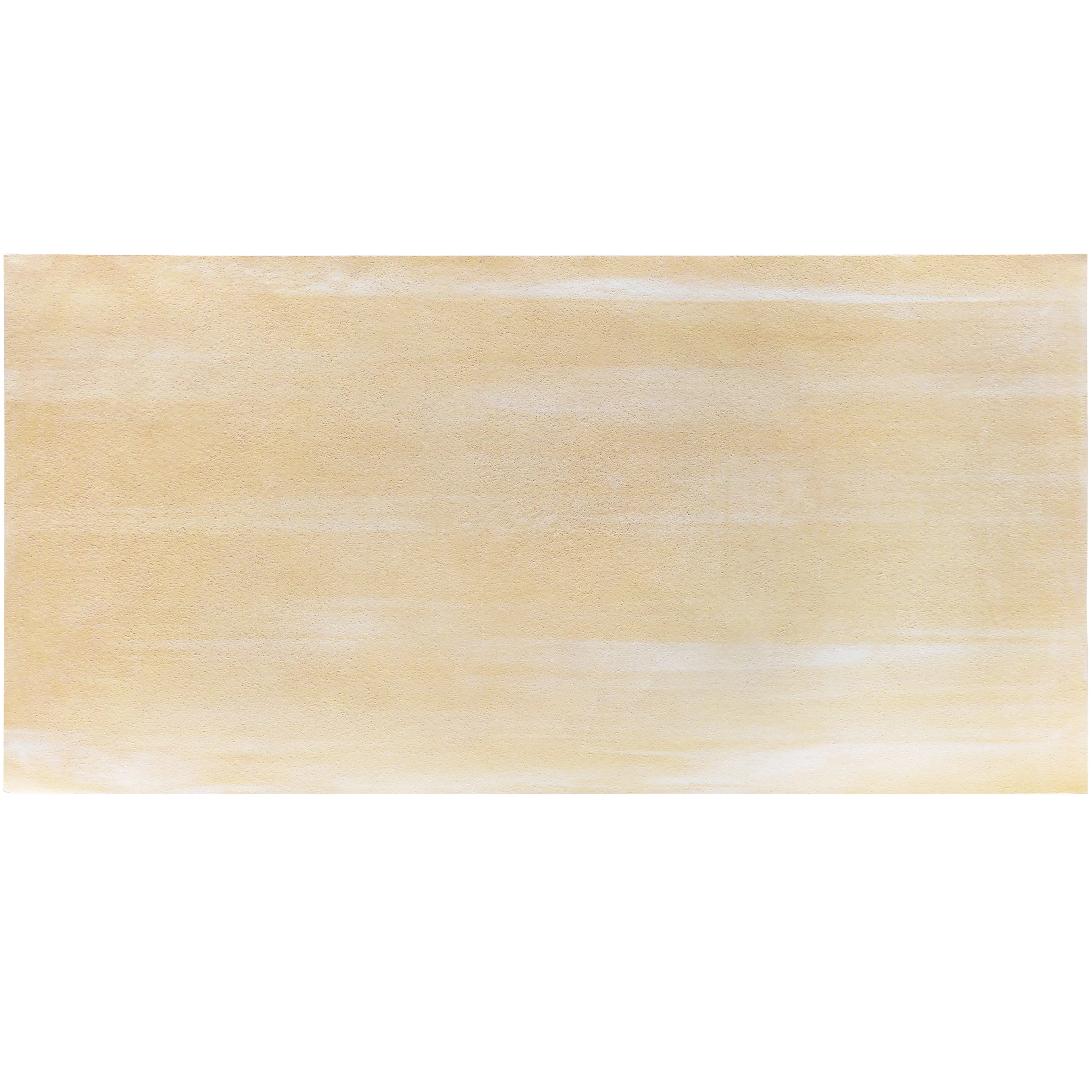
Walk into any school, university, or community learning center, and the first thing that often leaves a lasting impression isn't just the sound of students or the layout of classrooms—it's the building itself. The walls, the facades, the materials that wrap the space—they tell a story. They set the tone for how we feel: safe, inspired, connected. In educational design, cladding isn't just about protecting a building; it's about creating an environment where curiosity thrives, where history and innovation shake hands, and where every corner feels like a canvas for growth. That's where materials like Sandstone Cloude step in—quietly powerful, unapologetically resilient, and rich with the kind of warmth that turns buildings into communities.
Educational institutions are more than just structures; they're living, breathing spaces where young minds form their first ideas about the world. The cladding that covers these buildings plays a silent but critical role. It needs to stand up to the chaos of daily life—scuffles from backpacks, the occasional stray soccer ball, rain, snow, and the relentless Texas sun. It needs to keep students and staff safe, offering slip-resistant surfaces for busy hallways and fire-resistant barriers for peace of mind. And perhaps most importantly, it needs to inspire. A school clad in cold, sterile materials can feel like a place to "get through," not to "grow in." But one wrapped in textures that echo nature, history, or local culture? That becomes a space where learning extends beyond textbooks—where the walls themselves start conversations.
This is where the MCM flexible stone series has made waves in architectural circles. Designed to blend durability with design flexibility, MCM (Modified Composite Material) cladding options like Sandstone Cloude are redefining what's possible for educational spaces. Unlike traditional stone or brick, these materials are lightweight yet tough, easy to install yet built to last. They're a testament to how modern engineering can honor the past while embracing the future—and in schools, that balance is everything.
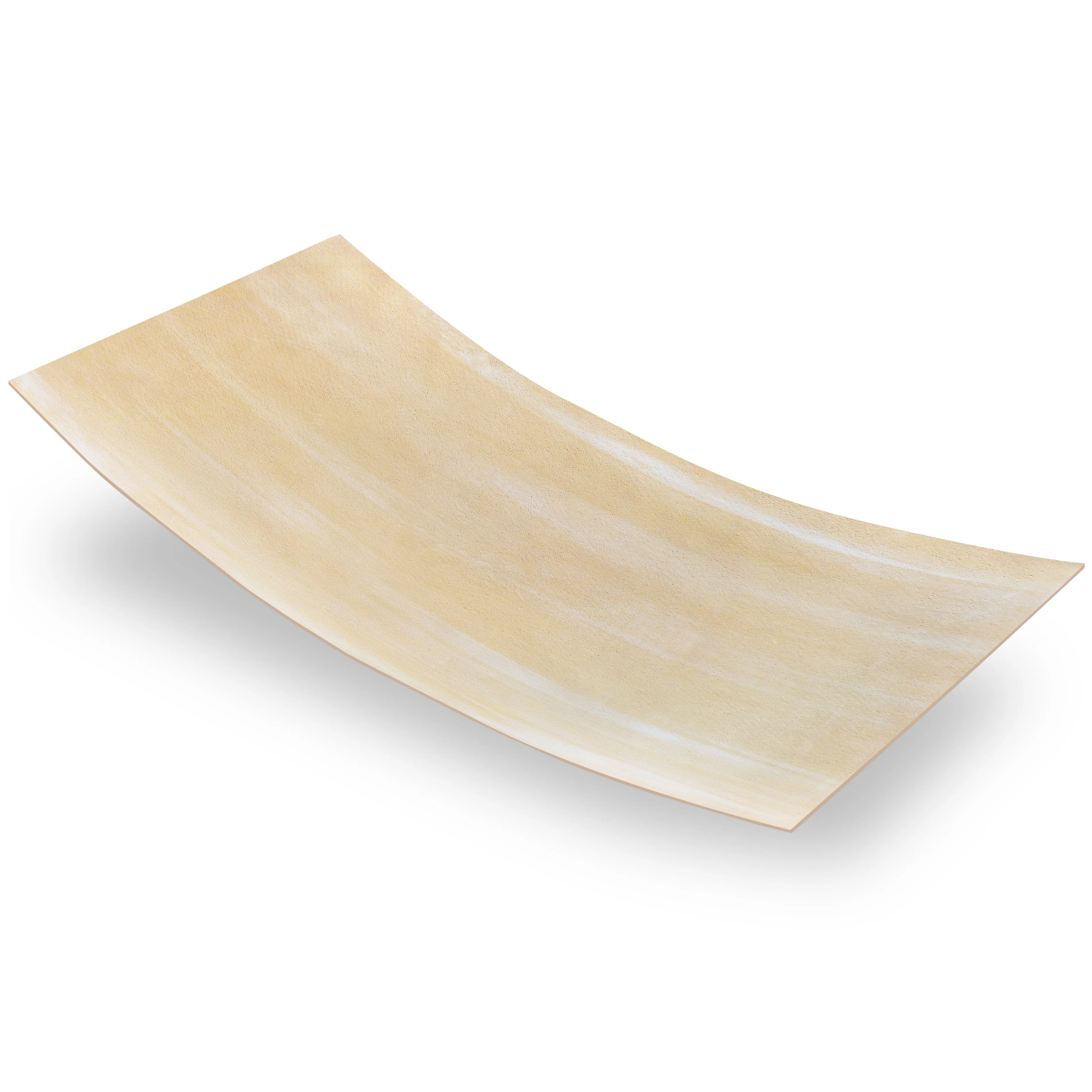
Sandstone Cloude isn't just a cladding material—it's a narrative tool. Its soft, cloud-like texture (hence the name) evokes the calm of a morning sky, while its earthy tones—warm beiges, subtle grays, and hints of terracotta—ground it in nature. Run your hand over it, and you'll feel the gentle ridges, like the surface of a river stone smoothed by time. It's the kind of material that invites touch, that makes students pause and think, "What's this made of? Where does it come from?" And isn't that the heart of education—curiosity?
But beyond its aesthetic appeal, Sandstone Cloude checks every box for safety. Let's start with slip resistance. In a middle school cafeteria, where spills are as common as math homework, a slippery floor is a disaster waiting to happen. Sandstone Cloude's textured surface provides grip even when wet, reducing the risk of falls. Then there's fire safety: rated Class A for flame spread, it meets the strictest building codes, ensuring that in an emergency, the cladding doesn't fuel the danger. And because it's part of the MCM flexible stone series, it's resistant to mold, mildew, and rot—critical in humid climates where traditional wood or even some concretes can degrade over time.
Schools don't just need materials that last a few years—they need ones that last decades. Think about it: a high school built today will see thousands of students pass through its doors, each leaving their mark (literally and figuratively). Sandstone Cloude is up for the challenge. Its composite core resists scratches, dents, and stains, so that even after a decade of use, the walls still look fresh. Unlike natural sandstone, which can crack or erode under freeze-thaw cycles, Sandstone Cloude holds steady, making it ideal for regions with harsh winters. And because it's lightweight, it puts less stress on a building's structure, reducing long-term maintenance costs—a win for budget-strapped school districts.
Take, for example, the Historical pathfinders stone series—a cousin to Sandstone Cloude in the MCM family. Designed to mimic the weathered look of ancient stone paths, it's often used in heritage-focused schools, where connecting students to local history is part of the mission. When paired with Sandstone Cloude, it creates a dialogue between past and present: the rough, timeworn texture of Historical pathfinders stone on the entrance archway, giving way to the soft, modern Sandstone Cloude on the classroom wings. It's a visual story that says, "We honor where we've been, but we're ready for where we're going."
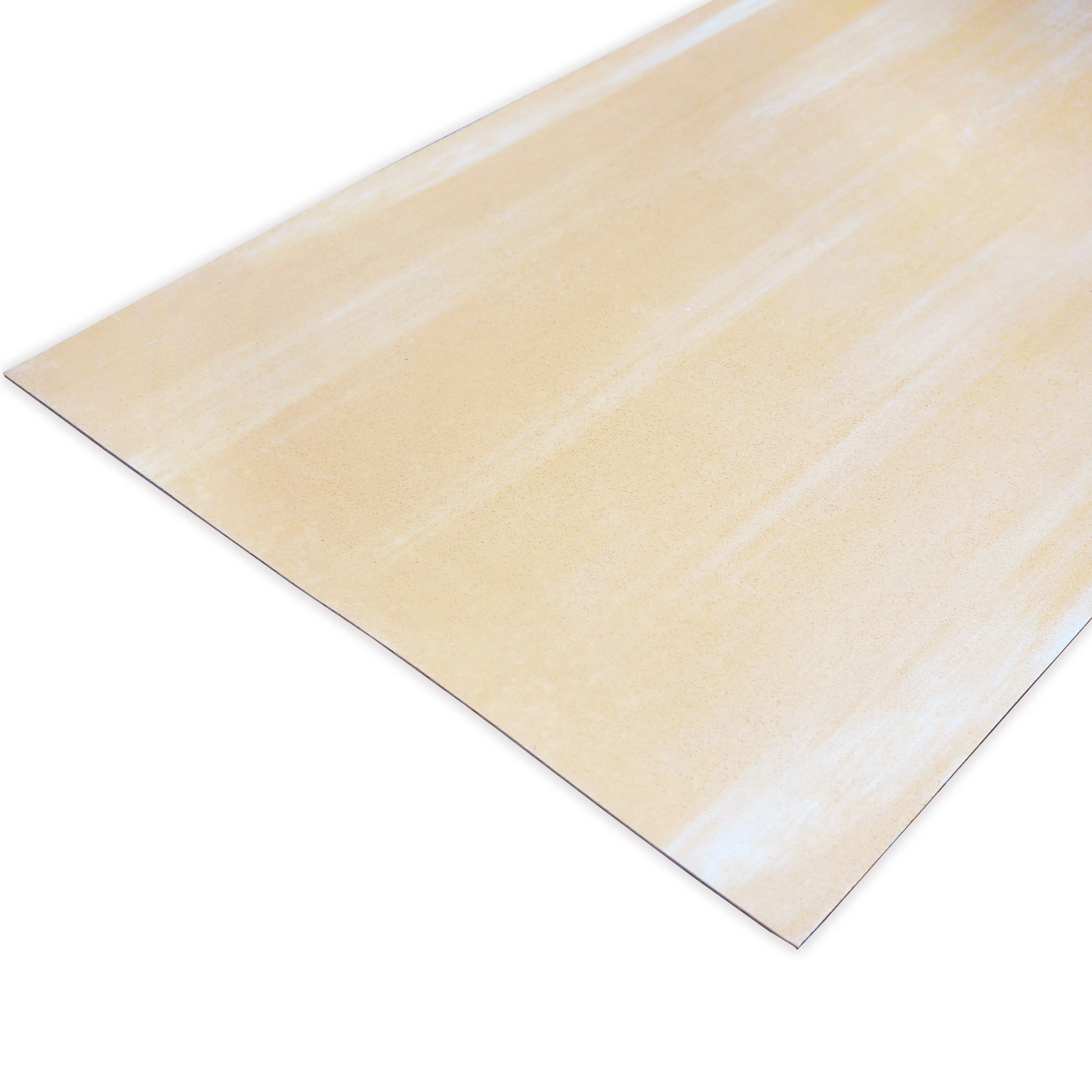
Of course, Sandstone Cloude isn't the only player in the game. Let's take a closer look at how it compares to other popular cladding options for educational spaces, from the industrial chic of fair-faced concrete to the sleek modernity of Lunar peak silvery.
| Material | Durability | Safety Features | Aesthetic Versatility | Maintenance Needs | Best For |
|---|---|---|---|---|---|
| Sandstone Cloude | High (resists scratches, weathering, mold) | Class A fire rating, slip-resistant, low VOC | Blends modern, natural, and traditional styles | Low (hose down with water; occasional mild soap) | Elementary schools, libraries, courtyard spaces |
| Fair-faced concrete | High (durable but prone to staining) | Fire-resistant, but slippery when polished | Industrial, minimalist, modern | Medium (requires sealing every 2-3 years to prevent stains) | University lecture halls, tech-focused high schools |
| Lunar peak silvery | Medium (metallic finish can fade in direct sunlight) | Good fire rating, but less slip-resistant than textured stone | Futuristic, sleek, high-tech | Medium (requires occasional polishing to maintain shine) | Science labs, innovation centers |
| Historical pathfinders stone | High (mimics ancient stone durability) | Slip-resistant, fire-rated | Heritage, rustic, storytelling-focused | Low (textured surface hides minor wear) | Historic school restorations, museums |
What stands out here? Sandstone Cloude's versatility. It doesn't force a design narrative—it adapts to it. Whether you're building a brand-new STEM academy that leans into modern minimalism or restoring a 1920s elementary school with classic red-brick accents, Sandstone Cloude finds its place. Compare that to fair-faced concrete, which, while durable, can feel cold and uninviting in younger learning spaces. Or Lunar peak silvery, which shines in high-tech settings but might feel out of place in a kindergarten classroom.
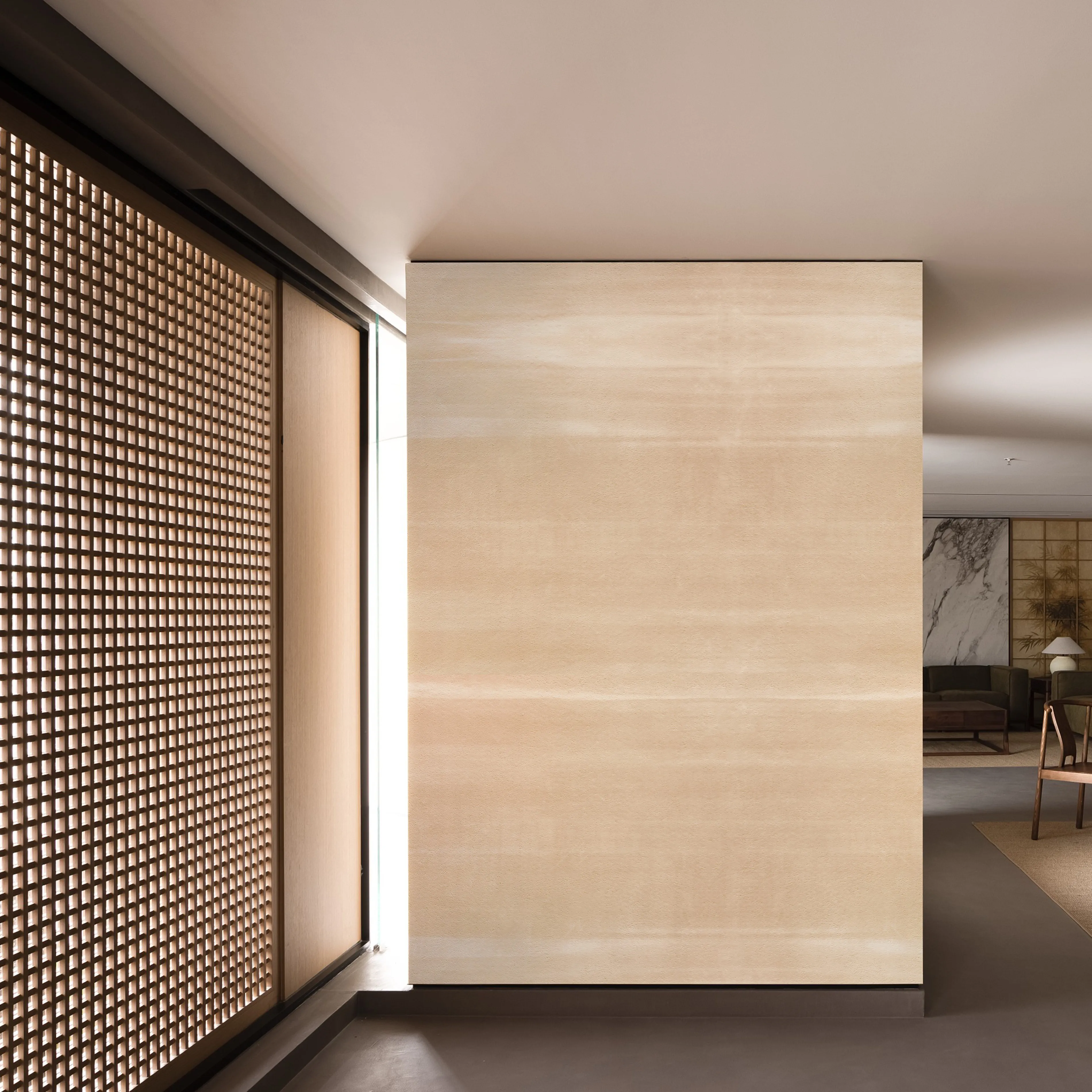
Schools don't have time for complicated construction projects. Summer breaks are short, budgets are tight, and any delays mean disrupting learning. That's another area where Sandstone Cloude shines: installation is a breeze. Thanks to its lightweight design (about 1/5 the weight of natural stone), it can be installed quickly with minimal labor. Unlike traditional stone, which requires heavy machinery and specialized masons, Sandstone Cloude panels are cut to size off-site and mounted with simple brackets—meaning crews can wrap a classroom wing in days, not weeks.
Maintenance? Even easier. Forget about costly sealants or annual pressure washing. A quick rinse with a garden hose once a month keeps Sandstone Cloude looking fresh. Got a stubborn stain from a rogue ketchup packet? A little mild soap and a soft brush do the trick. No harsh chemicals, no fancy equipment—just common sense care. For school facilities teams stretched thin, this is a game-changer. It frees up time and budget for what really matters: fixing broken AC units, stocking art supplies, or upgrading classroom tech.
Let's step into a real-world example: Westfield Elementary, a small school in Austin, Texas, with a big vision. Three years ago, their outdoor courtyard was a forgotten space—overgrown, with cracked concrete and a chain-link fence that screamed "afterthought." The PTA wanted to transform it into a "Nature Classroom," where students could learn about botany, geology, and ecology hands-on. But they needed a cladding material that could handle kids climbing, planting, and exploring, while still feeling like part of the natural world.
Enter Sandstone Cloude. The design team chose a warm beige shade with subtle gray veining, pairing it with Historical pathfinders stone accents along the garden beds. The result? A space where the walls blend seamlessly with the surrounding oak trees and native wildflowers. The Sandstone Cloude panels wrap around the courtyard's perimeter, creating a low, climbable wall (with rounded edges, of course!) where kids sit to sketch butterflies or eat lunch. The textured surface has become a teaching tool: students run their fingers over it and compare it to the bark of the trees, discussing how both "wear" over time but stay strong.
Today, Principal Maria Gonzalez calls it "the heart of the school." "We didn't just build a courtyard—we built a story," she says. "Kids ask about the stone, where it came from, why it looks like clouds. That curiosity spills into the classroom. One second- grader even did a science project on 'how walls can be friends.' That's the magic of materials like Sandstone Cloude—they don't just build buildings. They build connections."
While Sandstone Cloude is a standout choice, the best educational designs often mix materials to create depth and contrast. For example, pairing Sandstone Cloude with fair-faced concrete can balance warmth with modernity. Imagine a high school arts building: Sandstone Cloude on the exterior for curb appeal, fair-faced concrete in the interior studios for a clean, neutral backdrop that lets student artwork take center stage. The contrast is striking but harmonious—like a conversation between old and new.
Or consider Lunar peak silvery, with its cool, metallic sheen, as an accent. A university science building might use Sandstone Cloude for the main facade to keep the space grounded, then add Lunar peak silvery panels above the entrance to highlight the "innovation" theme. It's a subtle nod to the future without feeling cold.
And let's not forget sustainability. Today's students are more eco-conscious than ever, and schools are under pressure to lead by example. Sandstone Cloude, part of the MCM flexible stone series, is made with recycled materials and requires less energy to produce than traditional stone. When paired with other green options like foamed aluminium alloy board (vintage silver)—lightweight, recyclable, and energy-efficient—it creates a cladding system that's as kind to the planet as it is to students.
At the end of the day, cladding is about more than bricks and mortar. It's about investing in the future. When we choose materials like Sandstone Cloude for our schools, we're saying: "We value safety. We value durability. We value beauty. And most of all, we value the students who will grow up here."
Sandstone Cloude doesn't just protect a building—it protects memories. It's the backdrop for first kisses, science fair triumphs, and late-night study sessions. It's the quiet witness to "aha!" moments and tearful goodbyes. In a world where so much feels temporary, it's a reminder that some things are built to last—like the lessons we learn, the connections we make, and the spaces that shape us.
So the next time you walk into a school, take a moment to look at the walls. Are they telling a story? Are they keeping kids safe? Are they inspiring? With Sandstone Cloude, the answer to all three is a resounding "yes." And in education, that's the best kind of investment.
Recommend Products












