Deflection Under Pressure
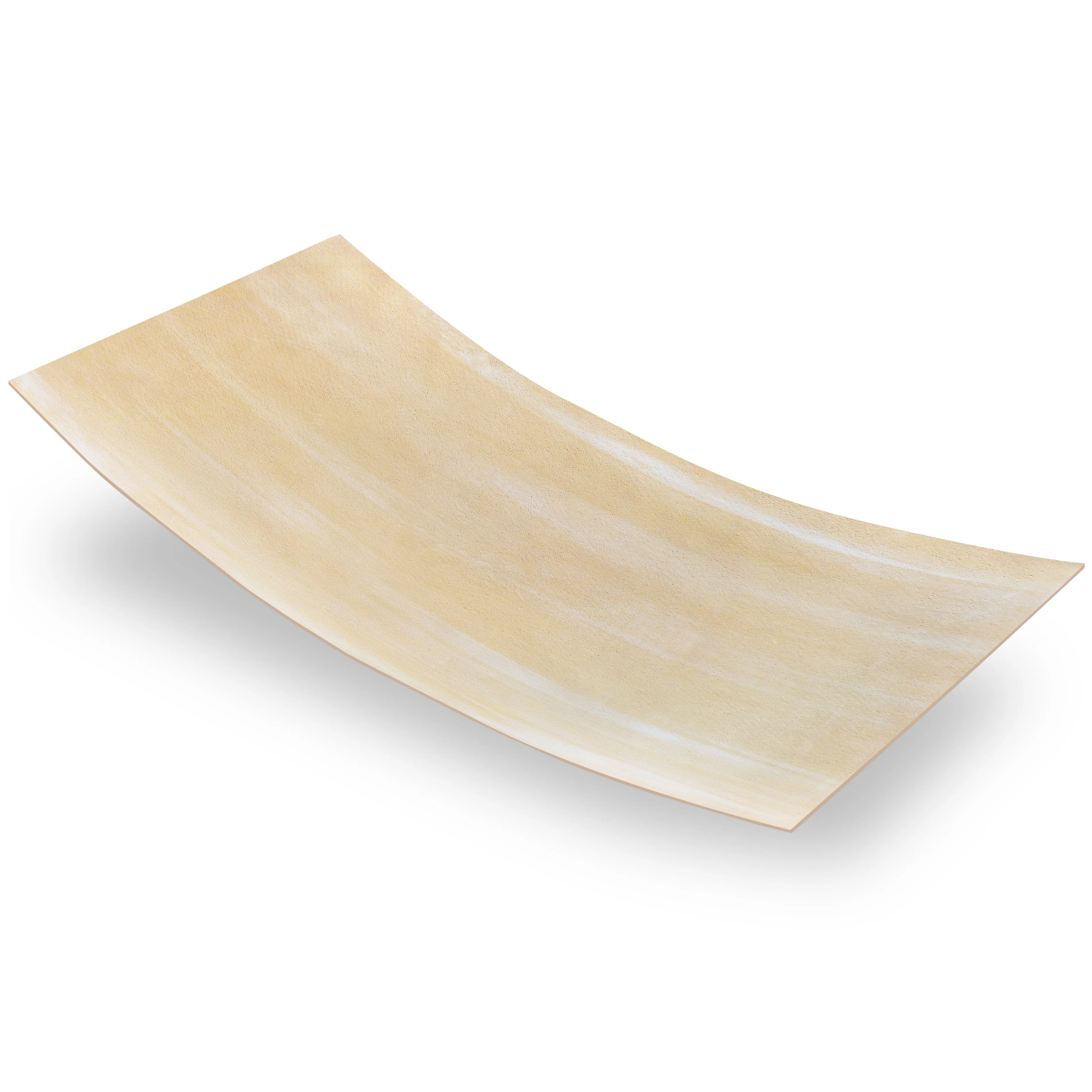
Deflection—the amount a panel bends under wind load—is a double-edged sword. Too little deflection, and the panel might be too rigid (prone to cracking). Too much, and it could flutter or lose shape. Sandstone Cloude hit the sweet spot: At 170 mph, it deflected just 3.2 mm—enough to absorb wind energy without permanent warping. By comparison, the foamed aluminium panel bent 5.1 mm, risking long-term deformation, while fair-faced concrete (stiffer by nature) deflected only 1.8 mm but paid the price with edge cracks.
Adhesion Strength: Staying Put When the Wind Howls
Adhesion loss is the scariest metric—if a panel detaches, it becomes a projectile. Sandstone Cloude's adhesive system held firm, showing 0% loss even at max wind speed. The secret? Its lightweight design reduces the "pull" force on the mounting system, while the flexible backing conforms to the building's surface, creating a stronger bond. Fair-faced concrete, heavy and rigid, lost 5% adhesion—enough to raise red flags for long-term durability. Traditional sandstone, at 65 kg/m², fared worst, with 12% adhesion loss and partial delamination.
Visual Integrity: No Cracks, No Chips, No Compromises
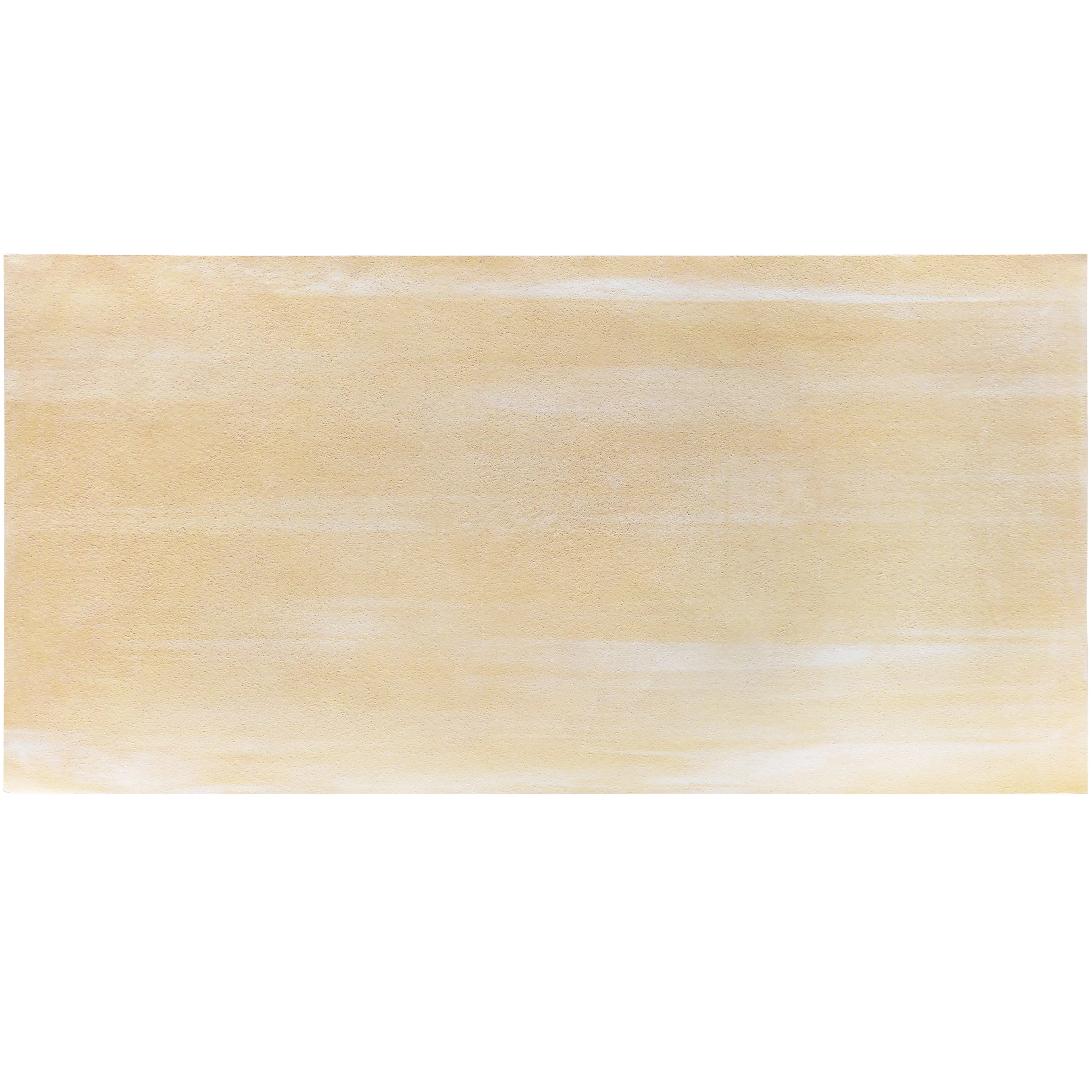
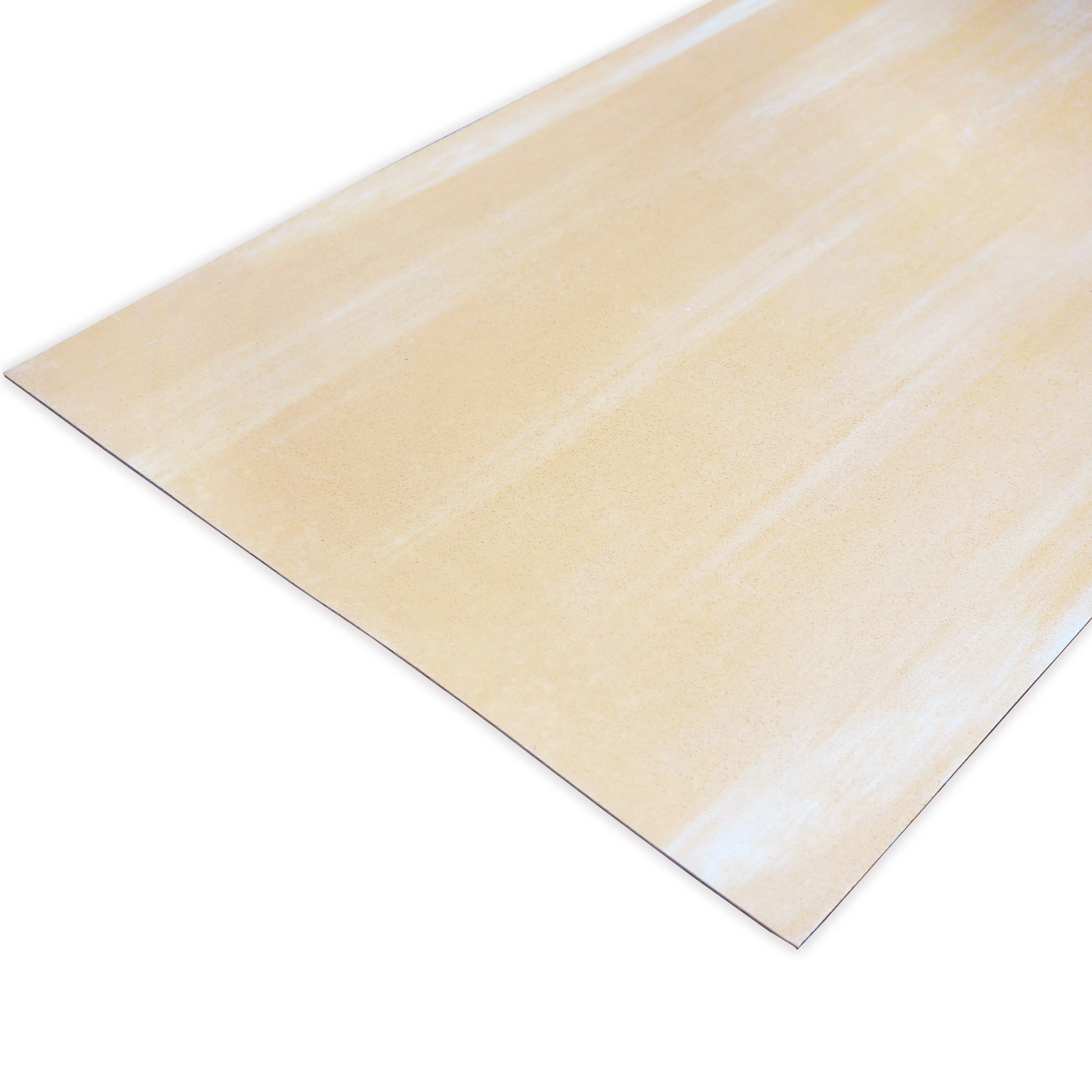
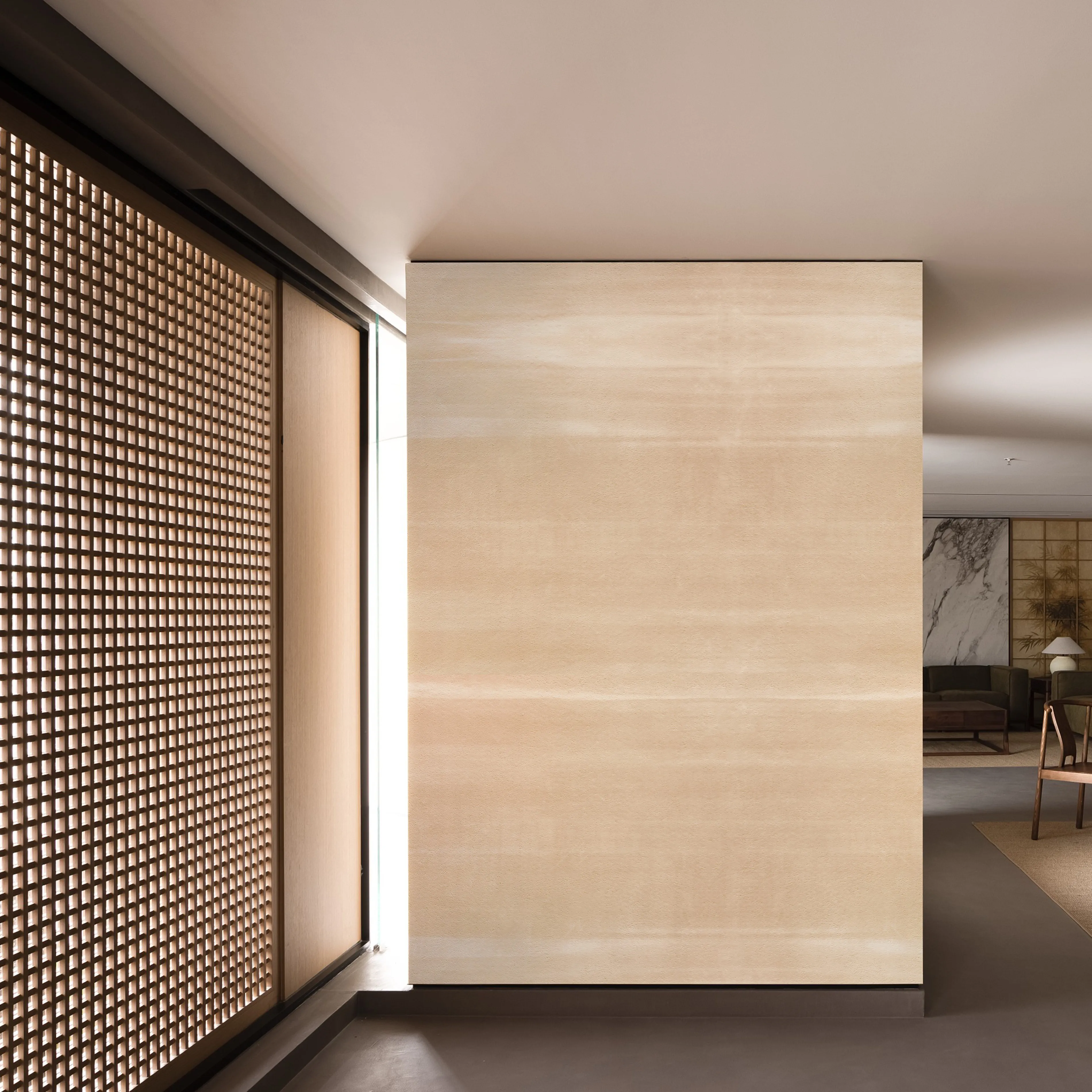
For architects, a material that performs well but looks battered is useless. Sandstone Cloude emerged from the wind tunnel unscathed: no cracks, no chips, no fading. Its textured surface even retained its "cloud-like" softness. The fair-faced concrete panel, while strong, developed tiny cracks at the edges—a sign of hidden stress. The foamed aluminium panel, lightweight but less impact-resistant, dented at the corners. Traditional sandstone? Major cracks snaked across its surface, marring its appearance entirely.