
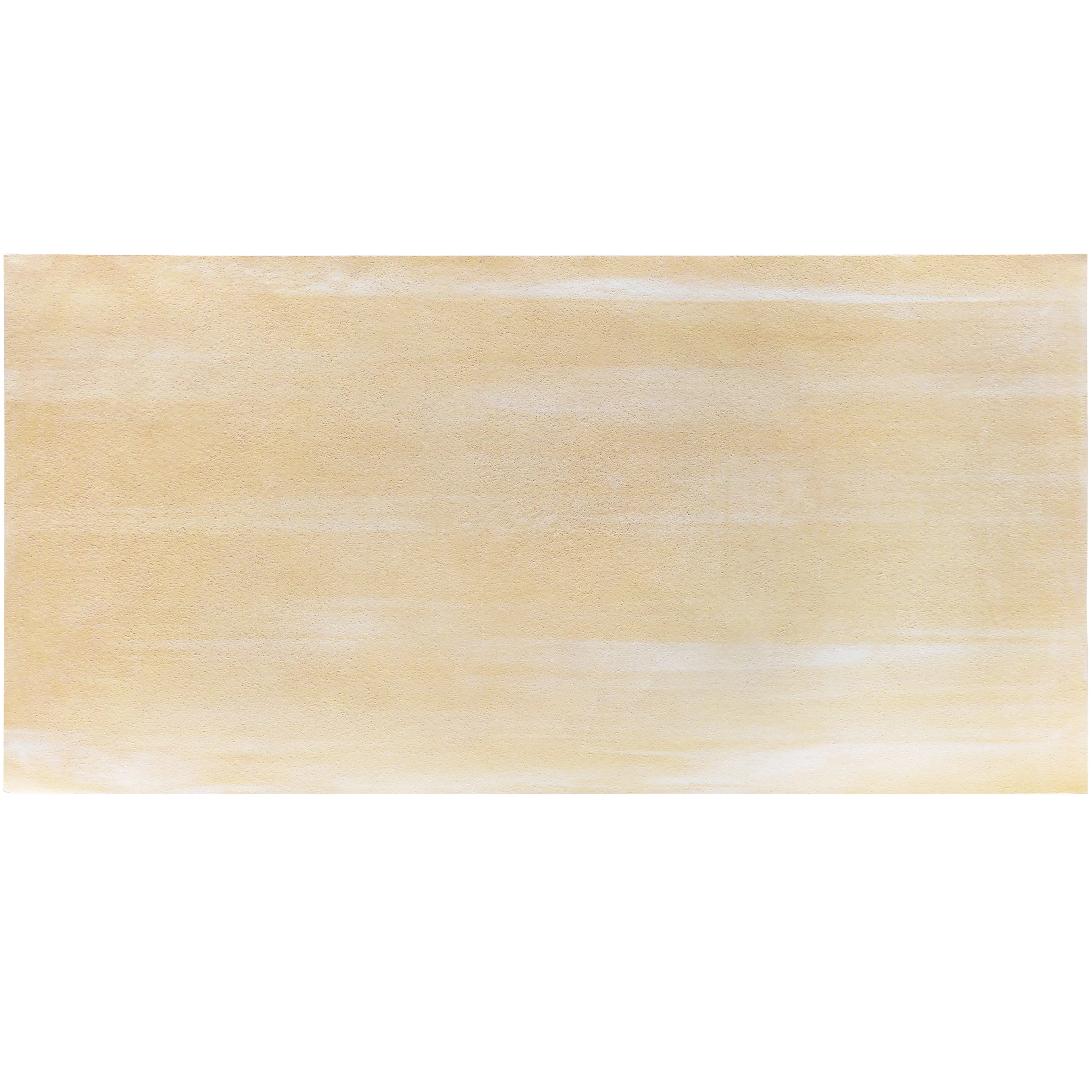
There's something undeniably magical about coastal living. Waking up to the sound of waves, feeling the sea breeze on your skin, and watching sunsets paint the horizon in hues of orange and pink—these moments make every day feel like a vacation. But for anyone who's ever owned a home or business near the ocean, there's a less romantic reality: the relentless assault of salt air. It creeps into cracks, eats away at surfaces, and turns once-beautiful exteriors into weathered eyesores. Siding fades, stone crumbles, and metal rusts, leaving homeowners stuck in an endless cycle of repairs. That's where COLORIA steps in, and their Sandstone Cloude has quickly become a game-changer for coastal properties.
To understand why Sandstone Cloude matters, let's talk about salt. When ocean water evaporates, it leaves behind microscopic salt crystals that ride the breeze, settling on every surface they touch. Over time, these crystals absorb moisture from the air, expanding and contracting like tiny wedges. For traditional building materials—think natural stone, wood, or even concrete—this expansion is disastrous. Stone cracks, wood rots, and concrete spalls (that flaky, chipped look you see on old walls). Metal fixtures corrode, and paint peels, turning a dream home into a maintenance nightmare. I've spoken to contractors in coastal towns who joke that "owning a beach house means owning a paintbrush and a bucket of sealant"—but it's not really a joke when you're spending thousands each year just to keep up.
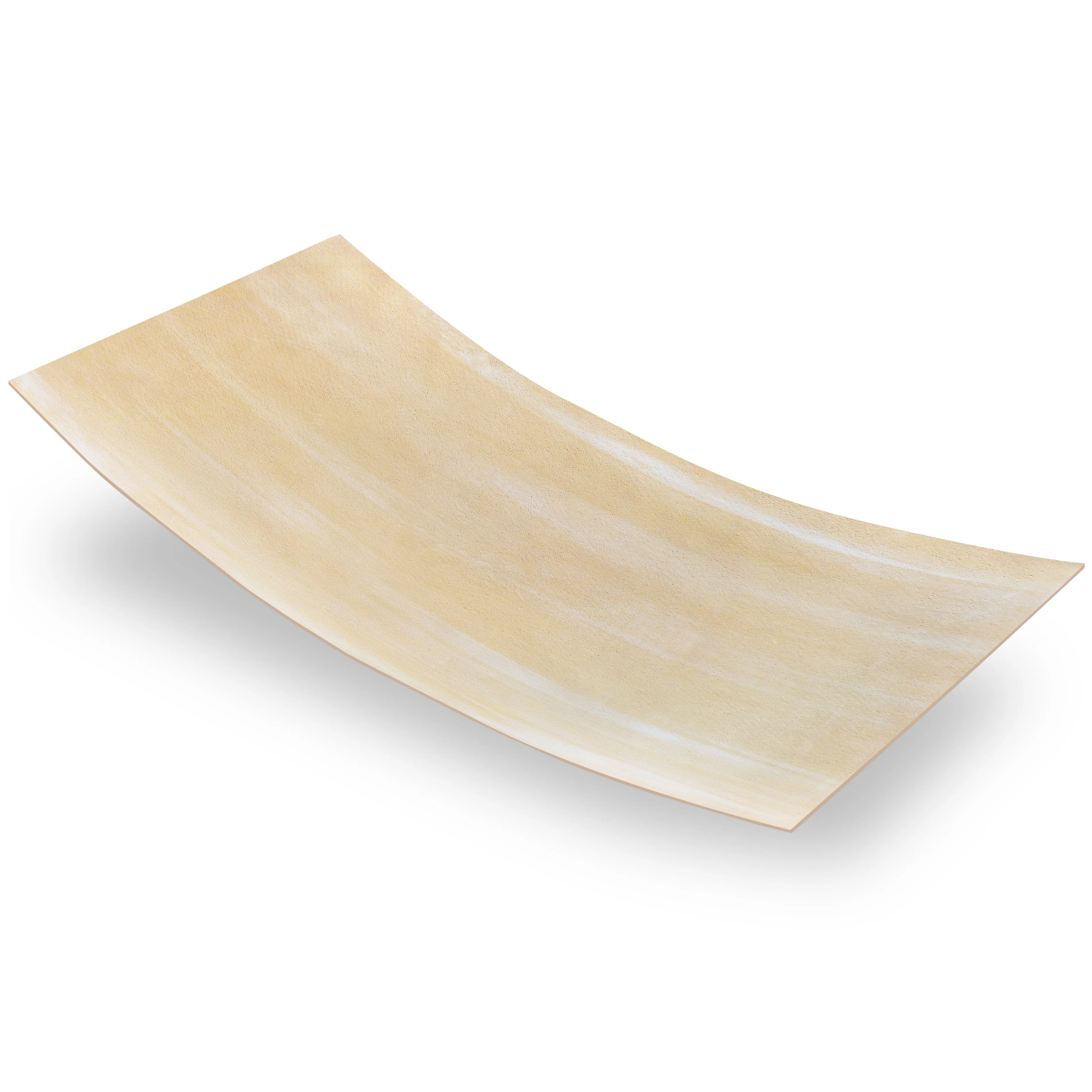
COLORIA isn't new to solving tough building challenges. For years, they've been pioneers in creating materials that blend durability with design, and Sandstone Cloude is their love letter to coastal communities. Part of their mcm flexible stone lineup—a range of lightweight, adaptable cladding solutions—Sandstone Cloude isn't just a pretty face. It's a carefully engineered composite that marries the timeless beauty of natural sandstone with the resilience of modern polymers. Imagine holding a sample: it's cool to the touch, with a subtle texture that mimics the look of weathered beach stone, but it's surprisingly light. That flexibility? It's key. Unlike rigid natural stone, which cracks under stress, Sandstone Cloude bends slightly with temperature changes, avoiding the splits that let salt in.
But the real magic is in its resistance to salt. During manufacturing, COLORIA infuses the material with a proprietary sealant that acts like an invisible shield. Salt crystals land on the surface, but they can't penetrate. Instead of absorbing moisture and expanding, they simply wash away with the next rain or a quick hose-down. I visited a test facility last year where they'd exposed Sandstone Cloude samples to salt spray for 500 hours—equivalent to about 10 years of coastal exposure—and the results were. The surface remained intact, with no discoloration, cracking, or pitting. Compare that to traditional limestone, which started showing signs of erosion after just 100 hours, and you start to see why this material is turning heads.
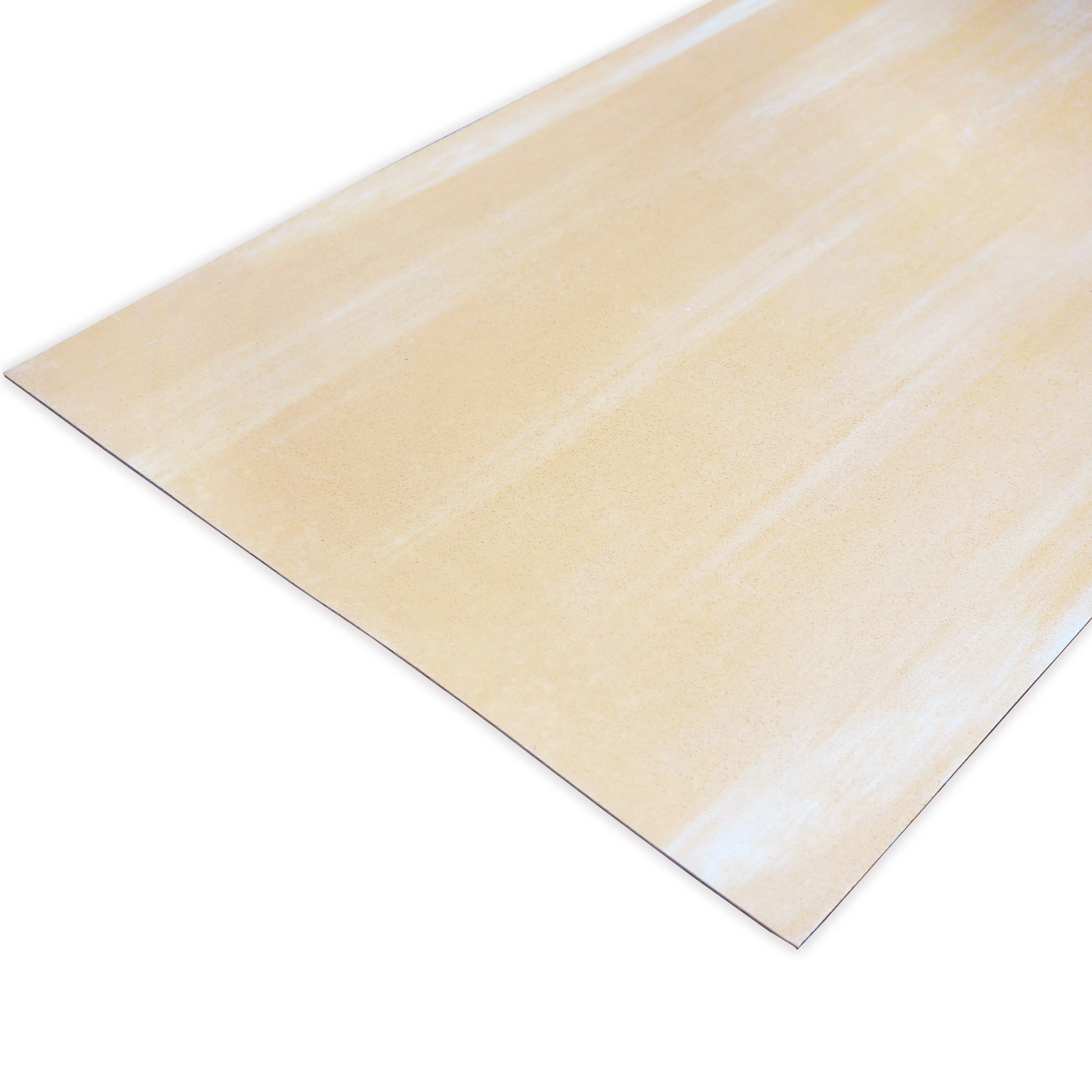
COLORIA offers a wide range of building materials, each designed for specific needs. To show why Sandstone Cloude is the top pick for coastal areas, let's compare it to a few popular alternatives—including some of COLORIA's own standout products:
| Material | Salt Resistance | Durability (Expected Lifespan) | Aesthetic Vibe | Best For |
|---|---|---|---|---|
| Sandstone Cloude | Excellent (resists salt penetration) | 30+ years | Warm, natural sandstone texture with soft color variations | Coastal exteriors, pool surrounds, patio flooring |
| Fair-Faced Concrete | Moderate (prone to spalling over time) | 20–25 years | Industrial, minimalist, raw concrete look | Modern inland homes, commercial buildings |
| Historical Pathfinders Stone | Low (porous, absorbs salt easily) | 15–20 years (coastal) | Rustic, aged appearance with deep texture | Heritage renovations, inland rustic homes |
| Gobi Panel | Medium (good for arid climates, less so for salt) | 25 years | Desert-inspired, earthy tones with rough-hewn texture | Desert or mountain homes, accent walls |
| Foamed Aluminium Alloy Board (Vintage Silver) | High (resistant to corrosion) | 30+ years | Sleek, metallic, modern industrial | Accent panels, interior walls, modern exteriors |
As the table shows, while materials like foamed aluminium alloy board (vintage silver) offer strong corrosion resistance, they lack the organic, warm feel that many coastal homeowners crave. Fair-faced concrete is a classic, but its tendency to spall in salt air makes it a risky choice near the ocean. Historical Pathfinders Stone is beautiful for rustic inland homes, but its porous nature is a liability by the sea. Sandstone Cloude, though, hits the sweet spot: it combines the natural beauty people love with the salt resistance coastal properties demand.
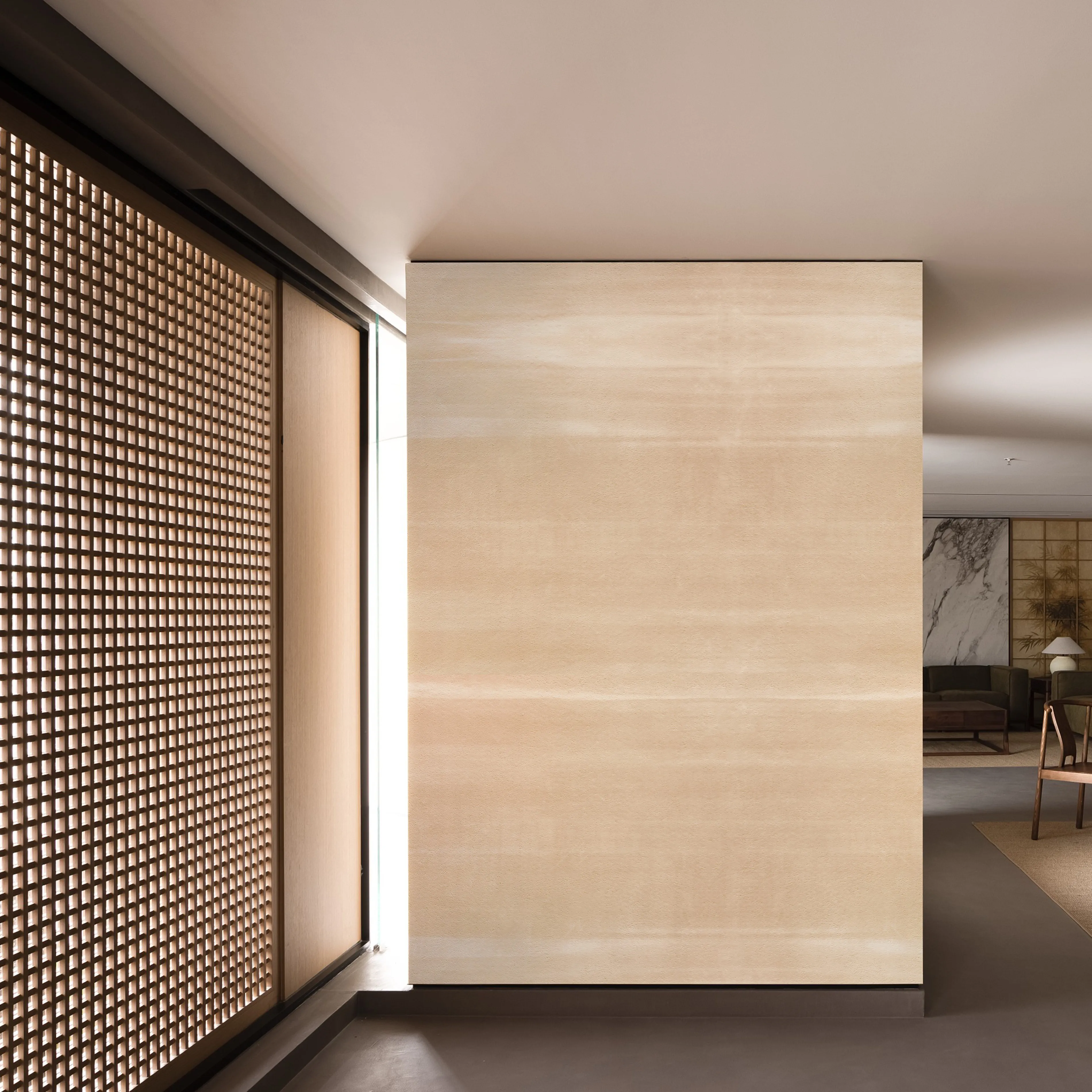
Let's be honest—coastal homeowners don't just want a material that lasts; they want one that looks good, too. Sandstone Cloude delivers here, too. Available in a range of soft, beachy tones—think warm beiges, pale grays, and subtle terracottas—it mimics the look of natural sandstone that's been gently weathered by the elements, not beaten down by them. The texture is inviting: not too rough, not too smooth, with tiny variations that catch the light and add depth. I recently visited a beach house in Cape May where the exterior was clad in Sandstone Cloude, and from a distance, I assumed it was traditional sandstone. It was only when I got close and ran my hand over the surface that I realized how different it was—cool, solid, and completely free of the cracks and pitting I'd expect to see on a home that's been standing for five years.
One of the things homeowners love most is its versatility. It works equally well on modern, minimalist homes as it does on charming coastal cottages. Use it for full exterior cladding, or as an accent with fair-faced concrete for a contemporary twist. It's also perfect for pool surrounds, where saltwater splashes are a daily occurrence. Unlike traditional stone, which can get slippery when wet, Sandstone Cloude has a subtle grip that makes it safe for bare feet—a small detail that makes a big difference for families with kids.
Another win for Sandstone Cloude? It's surprisingly easy to install. Traditional natural stone is heavy—often requiring reinforced structures to support the weight. Sandstone Cloude, being part of COLORIA's mcm flexible stone line, is lightweight and flexible, meaning contractors can cut it on-site with standard tools and install it without specialized equipment. This not only speeds up the building process but also reduces labor costs—a big plus for homeowners working within a budget.
Maintenance is equally hassle-free. Unlike wood, which needs staining every few years, or metal, which requires rust-proofing, Sandstone Cloude just needs an occasional rinse with a hose to wash away dust and salt buildup. No sealants, no special cleaners, no expensive treatments. One homeowner I spoke to joked, "I used to spend every Saturday power-washing my old siding. Now I spend it at the beach." That's the kind of freedom coastal living should be about.
In today's world, sustainability matters—and Sandstone Cloude delivers here, too. COLORIA prides itself on using eco-friendly manufacturing processes, and Sandstone Cloude is made with a high percentage of recycled materials, including reclaimed stone dust and post-consumer polymers. It's also energy-efficient: its insulating properties help keep homes cool in the summer and warm in the winter, reducing reliance on HVAC systems. For coastal communities grappling with the effects of climate change, choosing a durable, low-maintenance material that reduces waste and energy use is more than a trend—it's a responsibility.
Don't just take my word for it—let's hear from people who've lived with Sandstone Cloude. Take Maria, a retired teacher in Charleston, South Carolina, who renovated her 1920s beach cottage three years ago. "Before, my siding was a mess," she told me. "The paint peeled every year, and the wood trim was rotting from the salt. I was spending $2,000 a year on repairs. Now, with Sandstone Cloude, I haven't done a thing. It looks as good as the day it was installed, and I finally get to enjoy my porch instead of painting it."
Then there's James, a contractor in Miami who specializes in coastal homes. "I used to avoid recommending natural stone for beach properties because I knew my clients would be back in five years with problems," he said. "Now, Sandstone Cloude is my go-to. It's durable, it looks great, and my clients love that they don't have to worry about maintenance. I've even started using it on commercial projects—restaurants, boutique hotels—because it holds up to the salt air and the foot traffic."
Coastal living is about more than just a view—it's about freedom. Freedom to enjoy the ocean without stressing over repairs, freedom to invest in memories instead of maintenance, and freedom to live in a home that feels both beautiful and built to last. Sandstone Cloude, with its unbeatable salt resistance, natural beauty, and easy upkeep, gives homeowners that freedom. It's not just a building material; it's a solution that lets coastal communities thrive, one durable, stunning home at a time.
If you're dreaming of a coastal home—or if you already own one and are tired of fighting the salt air—Sandstone Cloude is worth every penny. After all, the best part of living by the ocean shouldn't be the view; it should be the peace of mind that comes with knowing your home is as strong as the waves that surround it.
Recommend Products












