
Walk into most healthcare facilities, and what do you notice first? Too often, it's the cold sheen of plastic, the harsh whiteness of walls, or the sterile echo of empty corridors. These spaces are designed to be clean—and rightfully so—but somewhere along the way, the "human" element got lost. Patients, already anxious about treatment, shouldn't have to feel like they're in a lab. Staff, working long hours to care for others, deserve environments that don't drain their energy. The truth is, healthcare design isn't just about functionality; it's about healing. And healing starts with a space that feels safe, calm, and even a little bit like home.
Designing for healthcare is a tightrope walk. On one side, there are non-negotiable demands: surfaces must resist bacteria, stand up to daily scrubbing with harsh disinfectants, and handle the chaos of rolling beds, wheelchairs, and constant foot traffic. On the other side? The need for warmth. Studies show that patients recover faster in spaces with natural light, soft textures, and colors that mimic the outdoors. But traditional natural materials—like real stone or wood—often fall short here. They're porous, hard to clean, or prone to wear and tear. So, how do you create a space that's both medically sterile and emotionally nurturing?
This is where COLORIA steps in. For over a decade, the brand has been reimagining building materials through the lens of "modified composite materials" (MCM)—a blend of natural minerals and high-performance polymers that marries the best of nature and science. And among their lineup, one material has emerged as a game-changer for healthcare: Sandstone Cloude. But it's not alone. Paired with MCM flexible stone, fair-faced concrete, and thoughtful colorways like Lunar Peak Silvery and Travertine (Starry Blue), COLORIA is helping healthcare spaces feel less like institutions and more like sanctuaries.
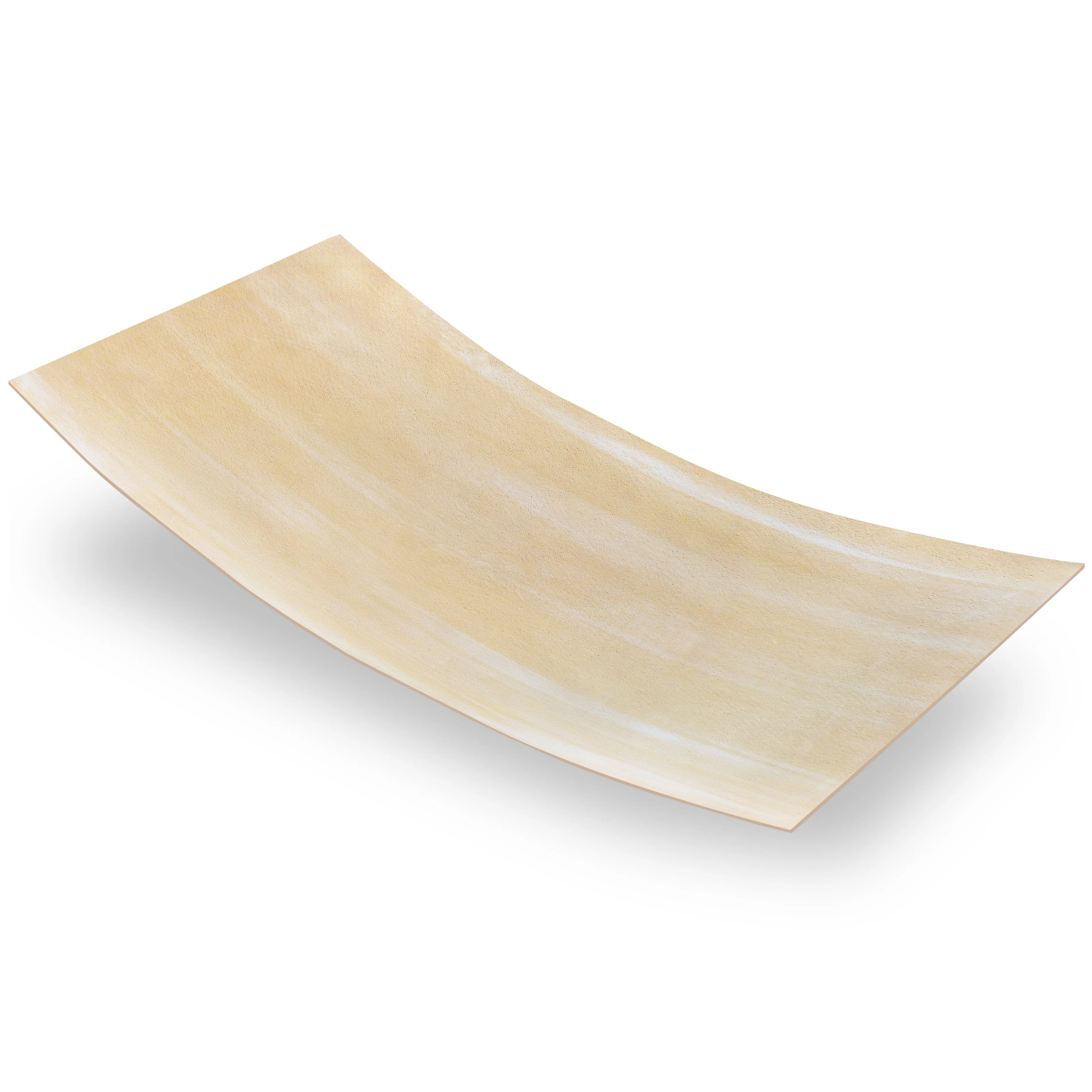
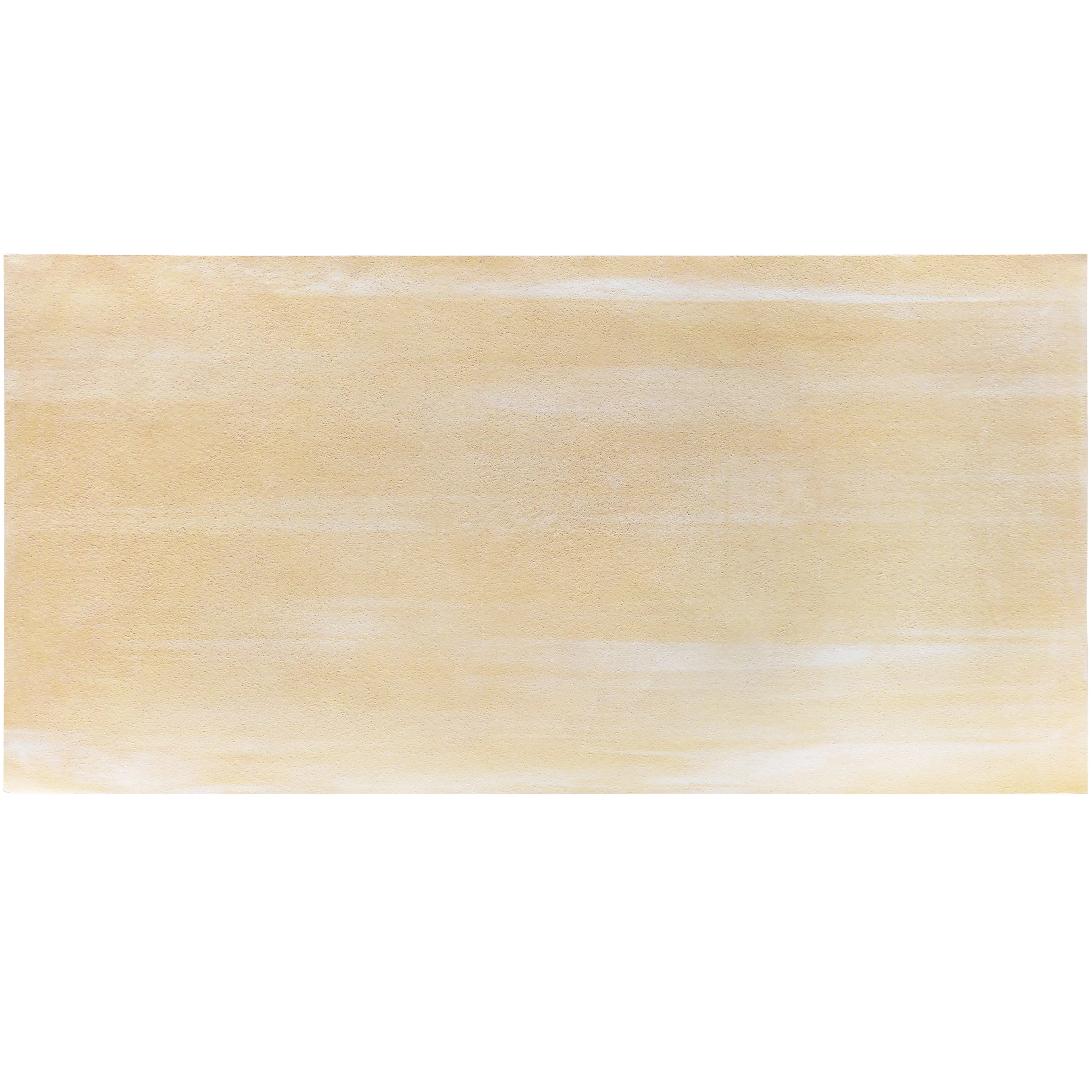
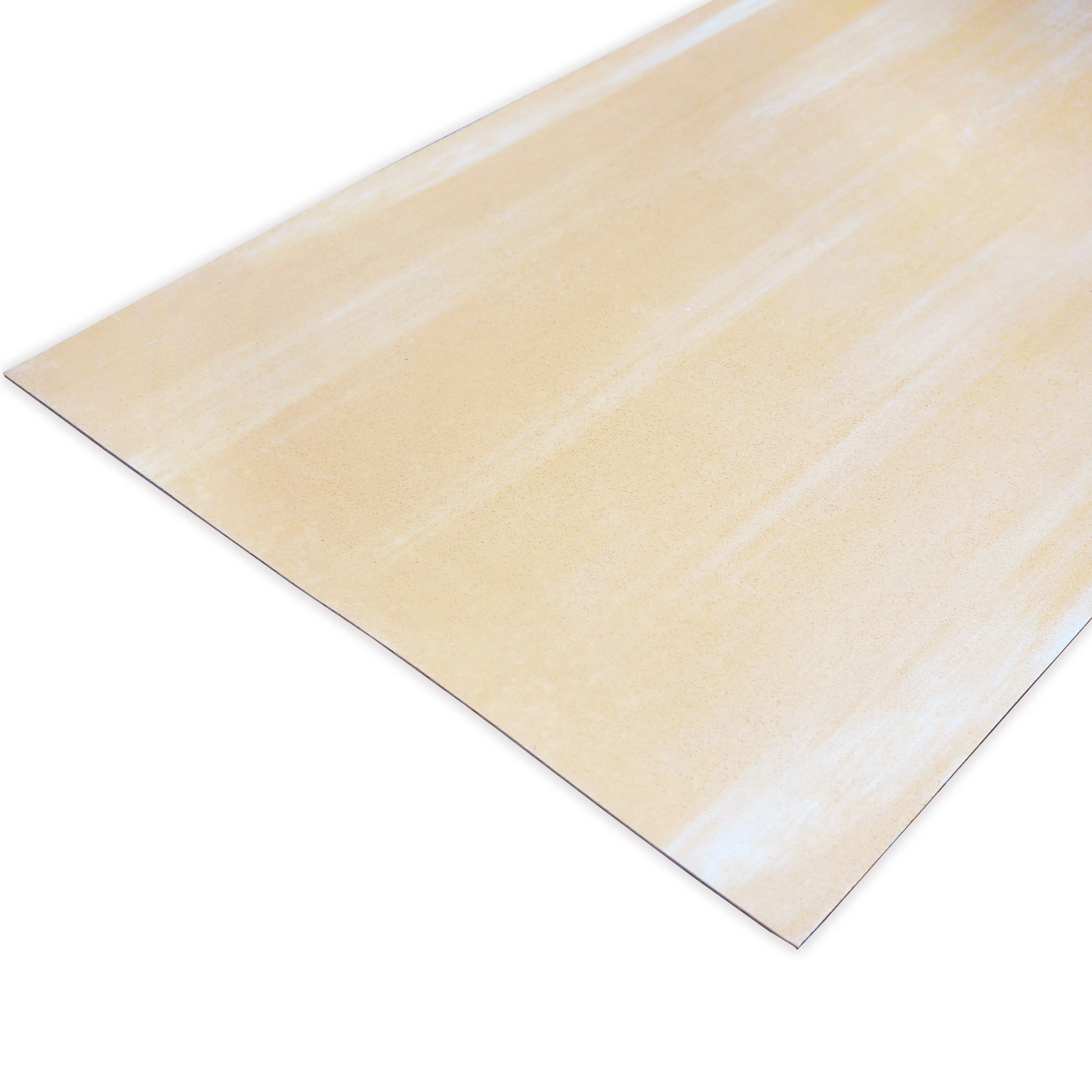
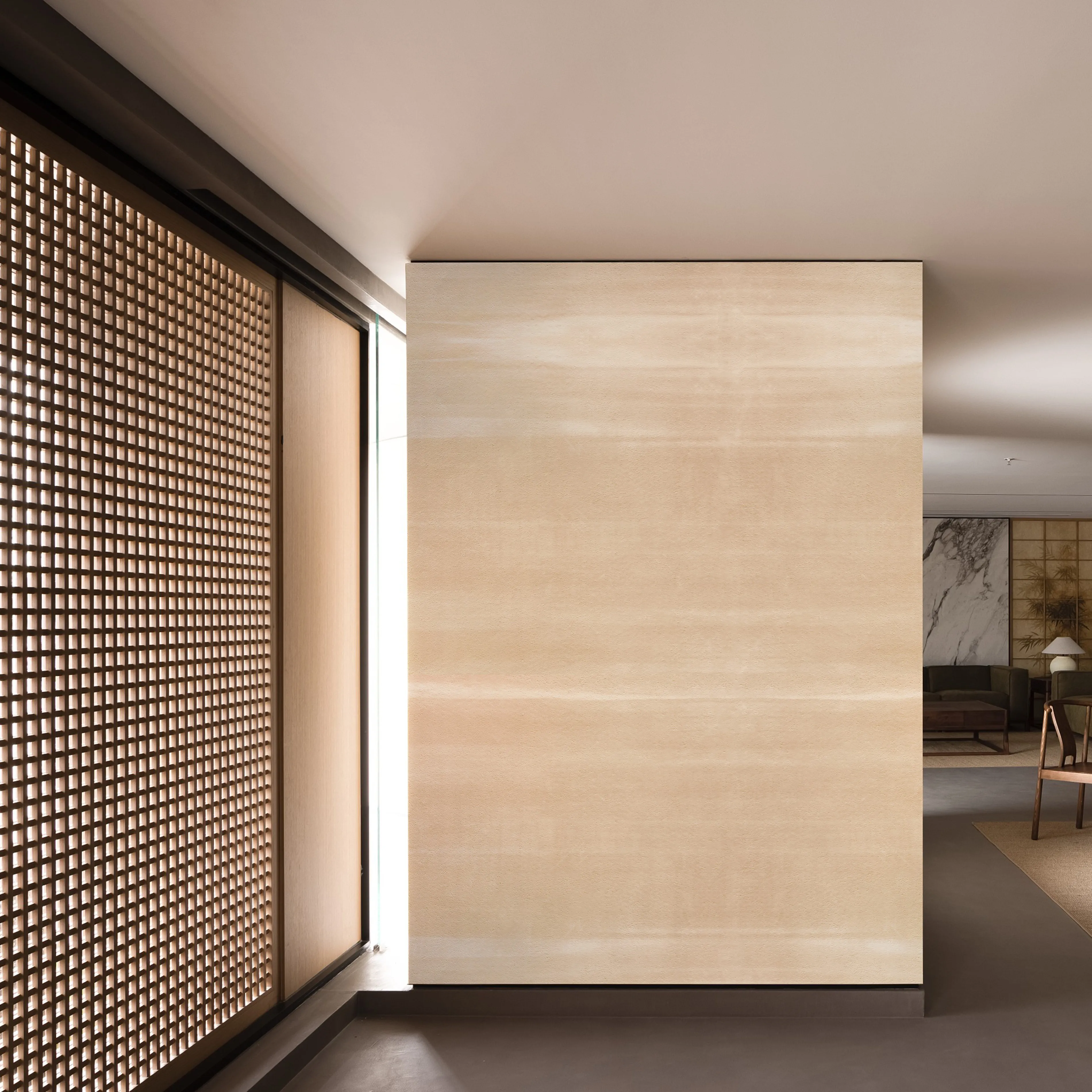
What is Sandstone Cloude, exactly? Imagine running your hand over a surface that looks like it was carved from a sunlit sandstone cliff—soft, warm, with gentle waves in its texture—but instead of feeling gritty or porous, it's smooth, cool, and solid. That's Sandstone Cloude. It's a modified composite material designed to mimic the look of natural sandstone, but with a superpower: it's engineered to thrive in the toughest healthcare environments.
Let's start with the aesthetics. Sandstone Cloude comes in soft, earthy tones—think pale beiges, warm grays, and subtle pink undertones—that immediately soften a room. Unlike the stark white of traditional hospital walls, these hues reflect light gently, reducing glare and creating a sense of calm. In patient rooms, this can lower anxiety levels; in waiting areas, it can make long waits feel less tedious. One pediatric clinic in Chicago, for example, used Sandstone Cloude on the walls of its waiting room, and staff reported that kids were less fussy during check-ins—they'd run their fingers along the texture, distracted by its cloud-like patterns.
But looks are just the start. In healthcare, the real test is hygiene. Sandstone Cloude's secret lies in its non-porous surface. Traditional sandstone is full of tiny pores that trap bacteria, dirt, and moisture—nightmares for infection control. COLORIA's MCM formula eliminates those pores, creating a barrier that resists mold, mildew, and even stubborn germs like MRSA. "We had a nursing home switch to Sandstone Cloude in their shower areas," says Maria Gonzalez, a COLORIA design consultant. "Before, they were scrubbing tile grout for hours to prevent mold. Now, a quick wipe with disinfectant is enough. The staff spends less time cleaning and more time with residents—that's the win."
Durability is another standout feature. Healthcare spaces see a lot of action: wheelchairs scraping walls, IV poles bumping corners, beds being moved. Sandstone Cloude is scratch-resistant and impact-resistant, so it stays looking new even after years of use. And unlike natural stone, which can crack under heavy weight, its composite core gives it flexibility—meaning it can be installed on curved surfaces, like the rounded edges of nurse stations or the walls of physical therapy rooms, where safety (no sharp corners) is critical.
There's a reason hospitals are starting to prioritize materials that feel "natural." Studies have shown that exposure to nature—or even simulations of nature—can lower blood pressure, reduce stress hormones, and speed up recovery. Sandstone Cloude taps into that by evoking the outdoors. Its texture mimics the organic patterns of desert sandstone, and its color palette (inspired by sunrises and desert landscapes) triggers associations with warmth and openness. For patients stuck indoors for weeks, that connection to nature can be profoundly healing.
Take the case of a rehabilitation center in Denver that used Sandstone Cloude in its therapy gym. The space, once lined with cold concrete, now feels like a walk through a canyon. "Patients used to dread therapy sessions—they found the room sterile and depressing," says the center's director, Dr. Leah Patel. "Now, they talk about how the walls 'feel like being outside.' We've seen better attendance and more effort during exercises. It's not just the material—it's the mood it creates."
Sandstone Cloude may be the star, but COLORIA's healthcare toolkit is full of supporting players that address specific needs. Let's break them down:
Hospitals aren't just square rooms—they have niches, curves, and custom shapes (think: the rounded edges of a nurses' station, or the curved walls of a meditation room). MCM flexible stone is designed for these moments. As the name suggests, it's flexible enough to bend around corners or wrap over curved surfaces, all while maintaining the same durability and hygiene as Sandstone Cloude. A children's hospital in Seattle used it to create "hug walls"—curved, padded walls in play areas that kids can lean against or sit next to. Because it's flexible, there are no sharp edges, and because it's MCM, it's easy to wipe clean after juice spills or sticky fingers.
Fair-faced concrete has a reputation for being cold and utilitarian, but COLORIA's version is different. It's treated with a special sealant that softens its texture, giving it a matte, almost velvety finish. In healthcare, it pairs beautifully with Sandstone Cloude—adding contrast without clashing. For example, a cancer treatment center in Boston used fair-faced concrete for the lower half of its walls (where wheelchairs and stretchers often bump) and Sandstone Cloude for the upper half. The result? A space that feels grounded but not heavy, modern but not stark. "It's like pairing a cozy sweater with sturdy boots," says the center's interior designer, James Wei. "Practical, but still inviting."
Lighting is critical in healthcare—too dim, and staff can't work effectively; too bright, and patients feel agitated. Lunar Peak Silvery, a cool, silvery-gray MCM finish, solves this by reflecting light strategically. It's often used in exam rooms or corridors, where its subtle metallic sheen bounces natural and artificial light around, reducing shadows. In a geriatric ward in Toronto, Lunar Peak Silvery was installed above patient beds, and nurses reported that it made checking vital signs easier (no more squinting in dim corners) while patients said the soft glow felt "like moonlight"—soothing during restless nights.
For spaces that need a little whimsy—like pediatric clinics or mental health facilities—Travertine (Starry Blue) is a delight. It mimics the look of travertine stone but with a twist: tiny, iridescent flecks that catch the light, like stars in a blue sky. A child psychologist in Portland used it in her therapy room, and kids often talk about "counting the stars" on the walls during sessions. "It turns a scary conversation into a game," she says. "And because it's MCM, I don't have to worry about crayons or sticky hands ruining it."
| Material | Key Benefit for Healthcare | Hygiene Rating | Best For | Emotional Impact |
|---|---|---|---|---|
| Sandstone Cloude | Non-porous, warm earth tones | ★★★★★ (Resists bacteria, easy to disinfect) | Patient rooms, waiting areas | Calming, grounding, nature-like |
| MCM Flexible Stone | Curved surfaces, no sharp edges | ★★★★★ (Same as Sandstone Cloude) | Playrooms, niche walls, nurse stations | Inviting, safe, playful |
| Fair-Faced Concrete | Durable, matte finish (reduces glare) | ★★★★☆ (Sealed surface, easy to clean) | Corridors, lower walls, therapy rooms | Grounded, modern, sturdy |
| Lunar Peak Silvery | Light-reflective, cool tone | ★★★★★ (Non-porous, scratch-resistant) | Exam rooms, above-bed walls | Soothing, bright, serene |
| Travertine (Starry Blue) | Iridescent "star" flecks, engaging texture | ★★★★★ (Non-porous, stain-resistant) | Pediatric clinics, mental health spaces | Wonder, distraction, joy |
When Greenfield Children's Hospital was renovating its emergency department, the goal was clear: reduce the "scary factor" for kids. The old ED had bright fluorescent lights, white walls, and cold tile floors—all of which made anxious kids (and parents) even more stressed. The design team turned to COLORIA for solutions.
They chose Sandstone Cloude for the main waiting area walls, paired with Travertine (Starry Blue) in the treatment bays. The Sandstone Cloude's warm tones immediately softened the space, while the "starry" treatment bays gave kids something to focus on during procedures. "We had a 7-year-old with a broken arm who kept pointing at the walls and saying, 'Look, Mom, it's outer space!'" recalls Dr. Priya Nair, the ED's medical director. "It made a painful situation a little brighter."
For the hallways, they used MCM flexible stone to create rounded wall corners (safer for kids running around) and Lunar Peak Silvery accents above doorways to reflect light. Staff noticed a difference, too: "Cleaning is so much easier," says nurse manager Lisa Torres. "No more scrubbing grout or worrying about stains. We can wipe down the walls in minutes and get back to the kids."
At the end of the day, healthcare is about people—patients, families, staff. And people thrive in spaces that feel intentional, cared for, and human. COLORIA's materials—Sandstone Cloude, MCM flexible stone, fair-faced concrete, and beyond—don't just check boxes for hygiene and durability. They send a message: "You matter. We've thought about how this space makes you feel."
In a world where healthcare can feel impersonal, that message is revolutionary. It's why more and more hospitals, clinics, and care centers are turning to materials that bridge the gap between science and comfort. Because healing isn't just about medicine—it's about the walls that surround you, the textures you touch, and the light that fills the room. With COLORIA, those walls are starting to feel a little more like home.
Recommend Products












