
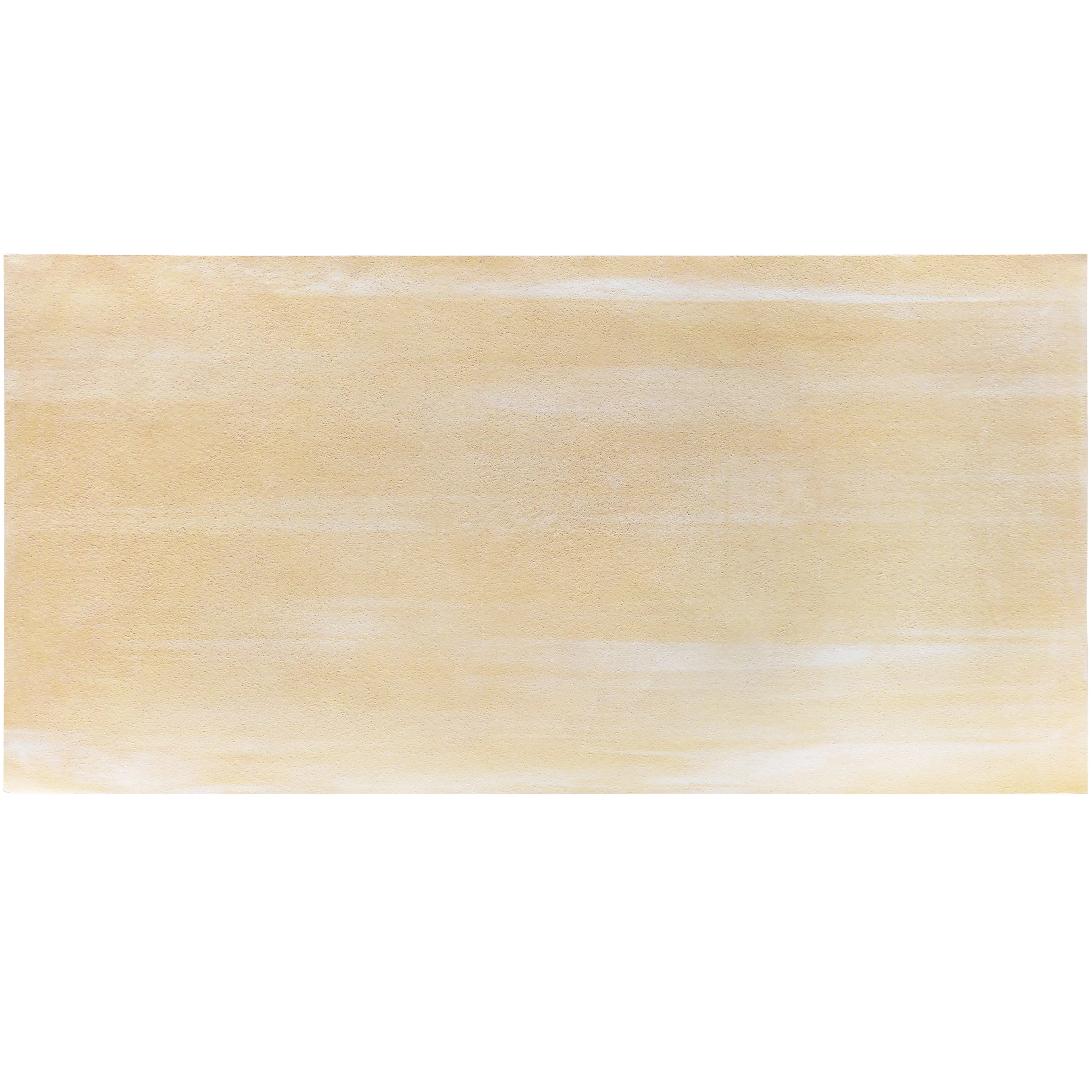
In the heart of the Arabian Peninsula, Saudi Arabia's architectural landscape is undergoing a remarkable transformation. From the sleek, futuristic skylines of Riyadh to the heritage-rich streets of Jeddah, the country is redefining what it means to blend tradition with modernity. Yet behind every iconic structure lies a critical question: what materials can withstand the desert's harsh embrace while honoring the kingdom's cultural roots? Enter COLORIA, a global leader in innovative building materials, whose localized solutions—led by the ethereal Sandstone Cloude —are becoming the cornerstone of Saudi Arabia's construction revolution.
Building in Saudi Arabia is no small feat. The country's climate—scorching summers with temperatures exceeding 50°C, relentless sandstorms, and minimal rainfall—demands materials that are not just durable, but resilient. Add to that the kingdom's Vision 2030 goals, which prioritize sustainability, cultural preservation, and cutting-edge design, and the need for innovative solutions becomes clear. Traditional materials like natural stone often crack under thermal stress, while generic concrete lacks the warmth of Saudi's architectural heritage. For developers and architects, the search for materials that check all these boxes has long felt like chasing a mirage.
That's where COLORIA steps in. With decades of experience adapting materials to regional needs, the brand has crafted a portfolio specifically tailored to Saudi Arabia's unique demands. At the forefront is Sandstone Cloude —a material that captures the soft, weathered beauty of desert sandstone but with the strength to stand up to the elements. "We didn't just create a product; we created a story," says Lina Hassan, COLORIA's Middle East Design Director. "Sandstone Cloude isn't just about building walls—it's about bringing the desert's soul into modern spaces."
| Challenge | Traditional Materials | COLORIA's Solution |
|---|---|---|
| Thermal Resistance | Natural sandstone (prone to cracking in heat) | Sandstone Cloude (engineered to withstand 60°C+ temperatures) |
| Cultural Aesthetics | Generic concrete (cold, impersonal) | Travertine (starry blue) (blends celestial motifs with local color palettes) |
| Sustainability | High-carbon steel (heavy, energy-intensive) | Fair-faced concrete (low embodied carbon, recyclable) |
| Installation Efficiency | Thick natural stone (requires heavy machinery) | MCM flexible stone (lightweight, easy to install on complex surfaces) |
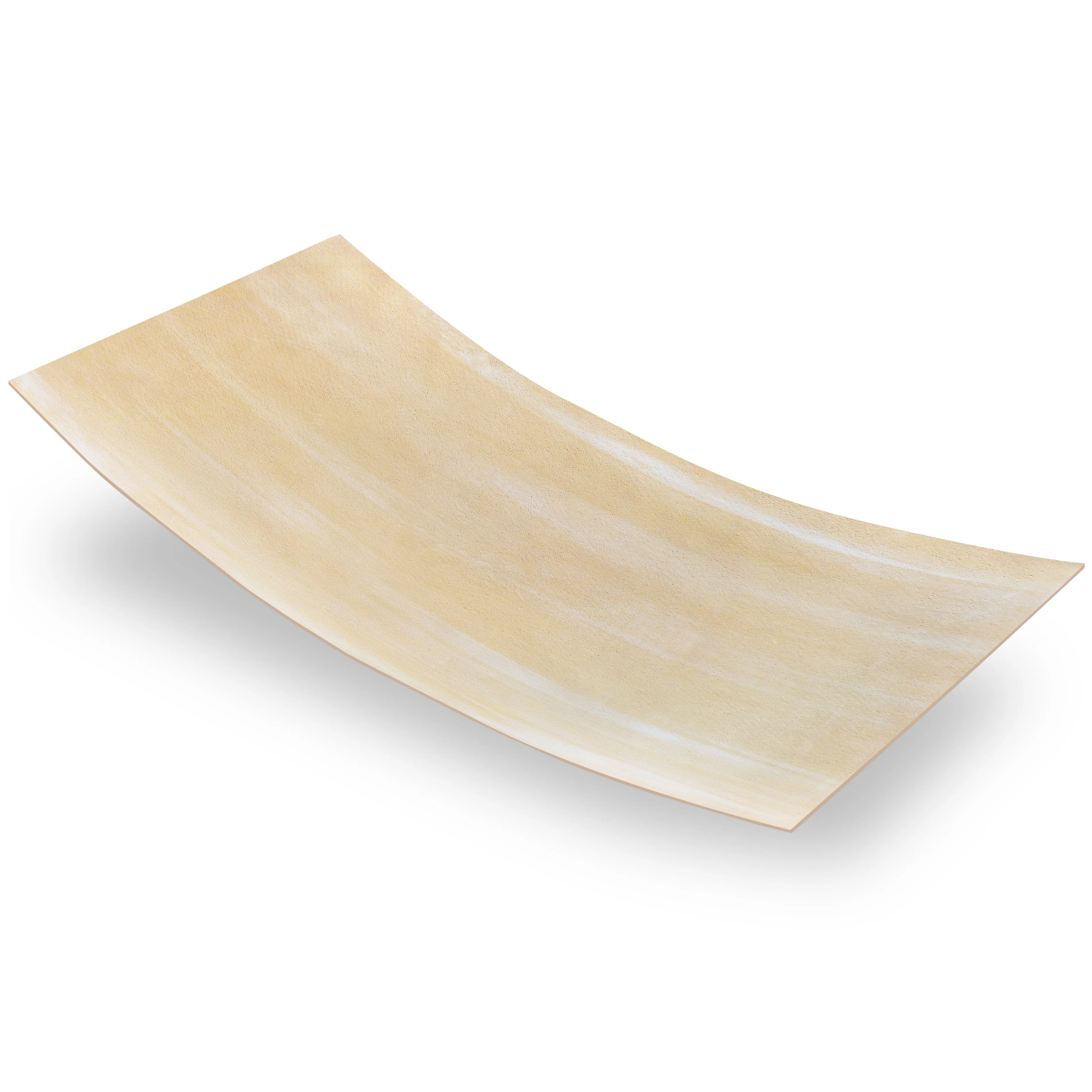
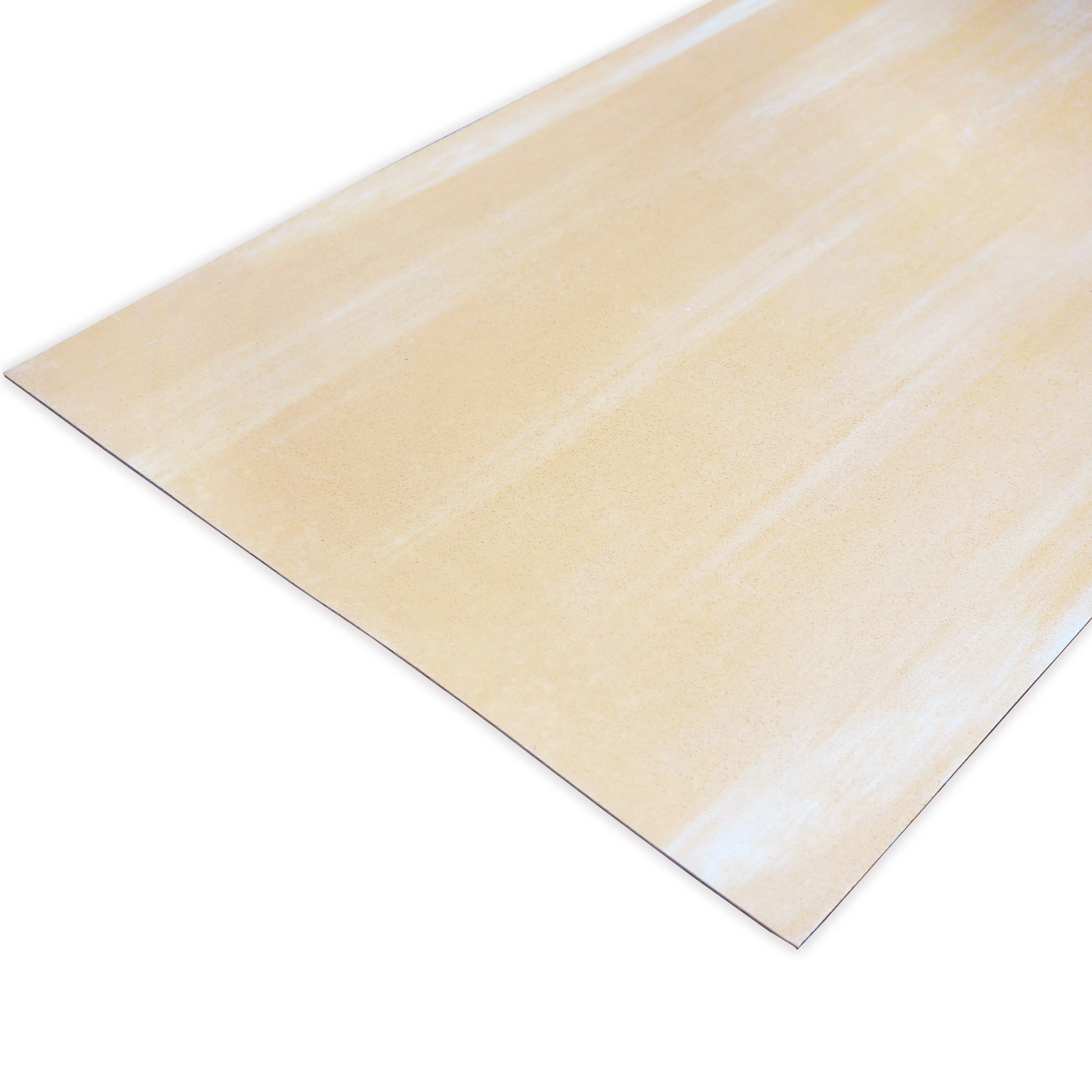
To understand Sandstone Cloude , imagine walking through the Rub' al Khali at dawn. The sand, bathed in golden light, shimmers with a softness that belies its toughness. That's the essence of COLORIA's flagship material. Unlike traditional sandstone, which is mined and cut, Sandstone Cloude is a composite material crafted from recycled sand, natural binders, and a proprietary blend of polymers. The result? A surface that looks and feels like centuries-old desert stone but weighs 60% less, resists fading, and won't crack under thermal expansion.
"We tested it for two years in Riyadh's summer," says Omar Khalid, a civil engineer at a leading Saudi construction firm. "We left panels exposed to direct sunlight, sandblasted them with desert grit, and even simulated flash floods. Sandstone Cloude didn't just survive—it looked better with age, developing a patina that feels authentically Saudi." For projects like the King Abdullah Financial District's latest office tower, this durability has been a game-changer. The tower's exterior, clad in Sandstone Cloude, now glows like a desert dune at sunset, standing out amid the glass and steel without compromising on performance.
But Sandstone Cloude isn't just about resilience—it's about emotion. In Jeddah's Al-Balad district, a historic renovation project used the material to restore a 19th-century merchant's home. "The original sandstone was too fragile to reuse," explains architect Amina Al-Mansoori. "Sandstone Cloude matched the color and texture perfectly, but with modern stability. Now, when you walk through the courtyard, you feel like you're stepping back in time, but the building is safe for another hundred years."
While Sandstone Cloude is the star, COLORIA's Saudi portfolio is rich with supporting players, each addressing a specific need. Take MCM flexible stone , for example—a lightweight, bendable material that's revolutionizing curved architecture. In Riyadh's new opera house, the auditorium's sweeping walls are clad in MCM flexible stone, shaped to enhance acoustics while mimicking the flow of traditional Saudi textiles. "Before, curved surfaces meant custom-cut stone and sky-high costs," says project manager Kareem Ibrahim. "MCM flexible stone bends like fabric, so we could achieve the design we wanted without the hassle."
For projects craving a touch of the extraordinary, there's Travertine (starry blue) . This material, embedded with iridescent particles that catch the light, has become a favorite for luxury hotels. At the Red Sea Resort's beachfront villas, bathrooms feature Travertine (starry blue) walls that glow like the night sky over the Arabian Gulf. "Guests often ask if it's real stone," laughs resort designer Layla Farsi. "It's more than real—it's magical. And because it's COLORIA, we know it won't fade in the sun or stain from saltwater."
Then there's fair-faced concrete —a material that proves industrial can be elegant. In Riyadh's King Saud University campus, the new science center uses fair-faced concrete for its exterior, paired with wooden accents. "It's raw, honest, and sustainable," says university planner Dr. Fahad Al-Zahrani. "COLORIA's version has a smoother finish than traditional concrete, so it doesn't feel cold. Students love studying in the courtyard—they say the concrete absorbs heat, keeping the space cooler even in summer."
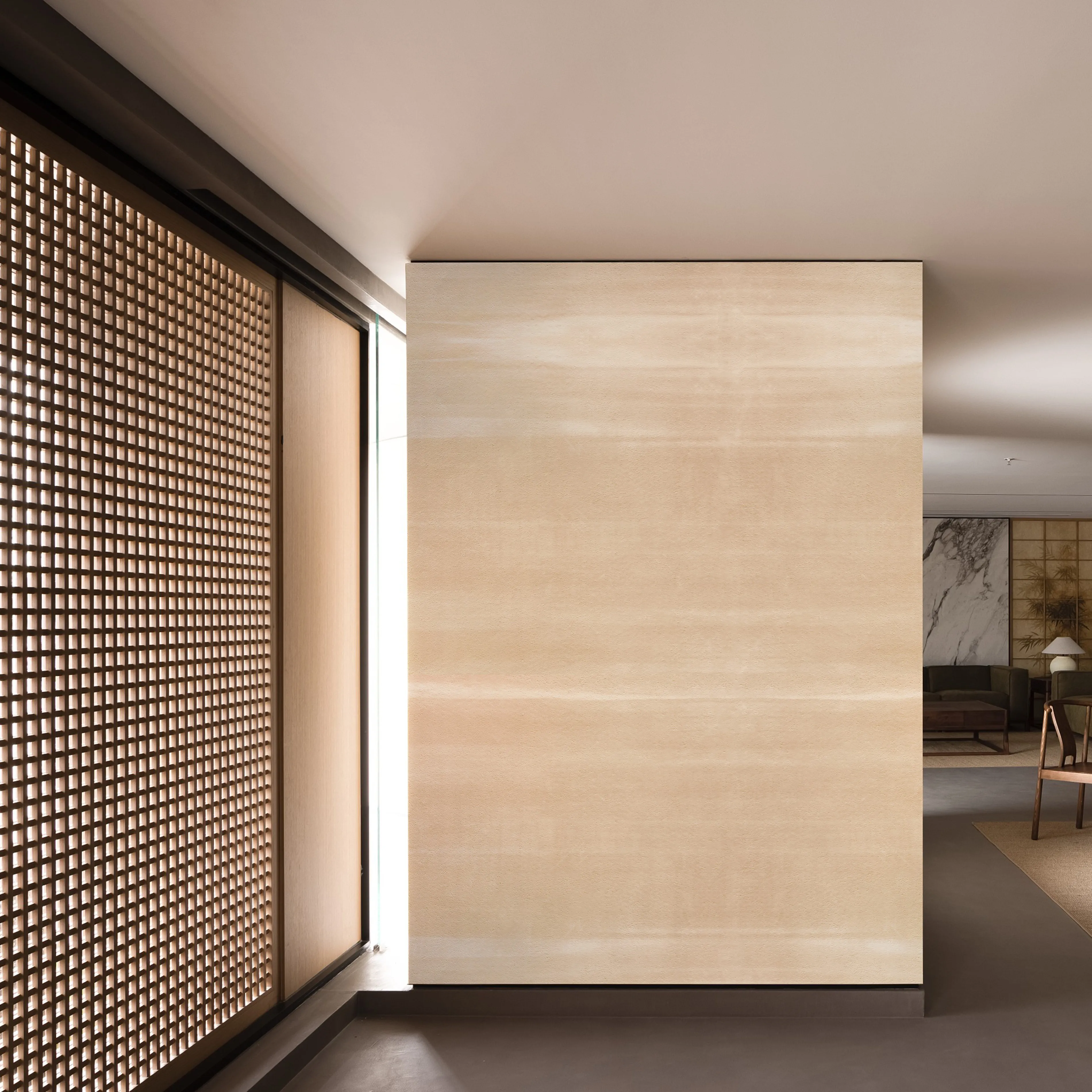
Vision 2030 isn't just about grand architecture—it's about building a sustainable future. COLORIA's materials align with this vision by prioritizing eco-friendly production. Sandstone Cloude, for instance, uses 80% recycled sand, reducing the need for quarrying. MCM flexible stone is 100% recyclable, and fair-faced concrete requires 30% less water to produce than standard concrete. "Sustainability isn't a buzzword for us," says COLORIA's sustainability director, Leila Ahmed. "It's about respecting the desert we call home. We want to leave Saudi Arabia greener than we found it."
This commitment has resonated with developers like Emaar, which chose COLORIA materials for its new eco-friendly residential complex in Dammam. "Our buyers care about the planet," says Emaar's marketing head, Sarah Al-Haj. "When we tell them their homes are clad in recycled materials that save water and reduce carbon emissions, it's not just a selling point—it's a shared value."
As Saudi Arabia continues to grow, COLORIA's role is evolving from material supplier to storyteller. Each product—from the dreamy Sandstone Cloude to the celestial Travertine (starry blue)—is a chapter in the kingdom's architectural narrative, blending the old and new, the tough and the tender. "We don't just sell panels," says Lina Hassan. "We sell the ability to create spaces that make people feel something—pride, nostalgia, wonder. In Saudi Arabia, where buildings are more than structures—they're symbols of progress—that's the greatest impact of all."
So the next time you walk through a new development in Riyadh, or relax in a beachfront villa on the Red Sea, take a closer look at the walls. Chances are, you're touching COLORIA's vision: materials that don't just build buildings, but build a Saudi Arabia that's resilient, beautiful, and unapologetically itself.
Recommend Products












