
Imagine standing at the base of a historic stone building—its thick walls, imposing columns, and the sense of permanence that comes with centuries of endurance. But here's what you might not see: the silent strain those heavy materials place on the structure. For architects and builders today, that strain isn't just a relic of the past; it's a daily hurdle. Traditional building materials like natural stone, brick, or even thick concrete slabs bring undeniable beauty and durability, but they also come with a hidden cost: weight. And that weight? It limits everything from how tall a building can rise to how creative a designer can get with overhangs, curves, or intricate facades.
Think about it: when you stack heavy materials layer after layer, the foundation has to work overtime to support the load. Engineers spend countless hours calculating stress points, reinforcing beams, and sometimes even scaling back ambitious designs—all because the materials themselves are weighing the project down. It's not just about safety, though that's critical. Heavy materials drive up costs too: bigger foundations, stronger support structures, and slower installation times. And in a world where sustainability and efficiency are becoming non-negotiable, carrying that extra weight feels like dragging an anchor.
But what if there was a way to keep the beauty, the texture, and the durability of those classic materials—without the bulk? That's where innovations like Sandstone Cloude come into play. Lightweight, versatile, and surprisingly strong, it's changing the game for how we build. Let's dive into how this material, alongside other modern solutions like MCM flexible stone and foamed aluminium alloy boards, is lifting the weight off construction projects—and opening up a whole new world of possibilities.
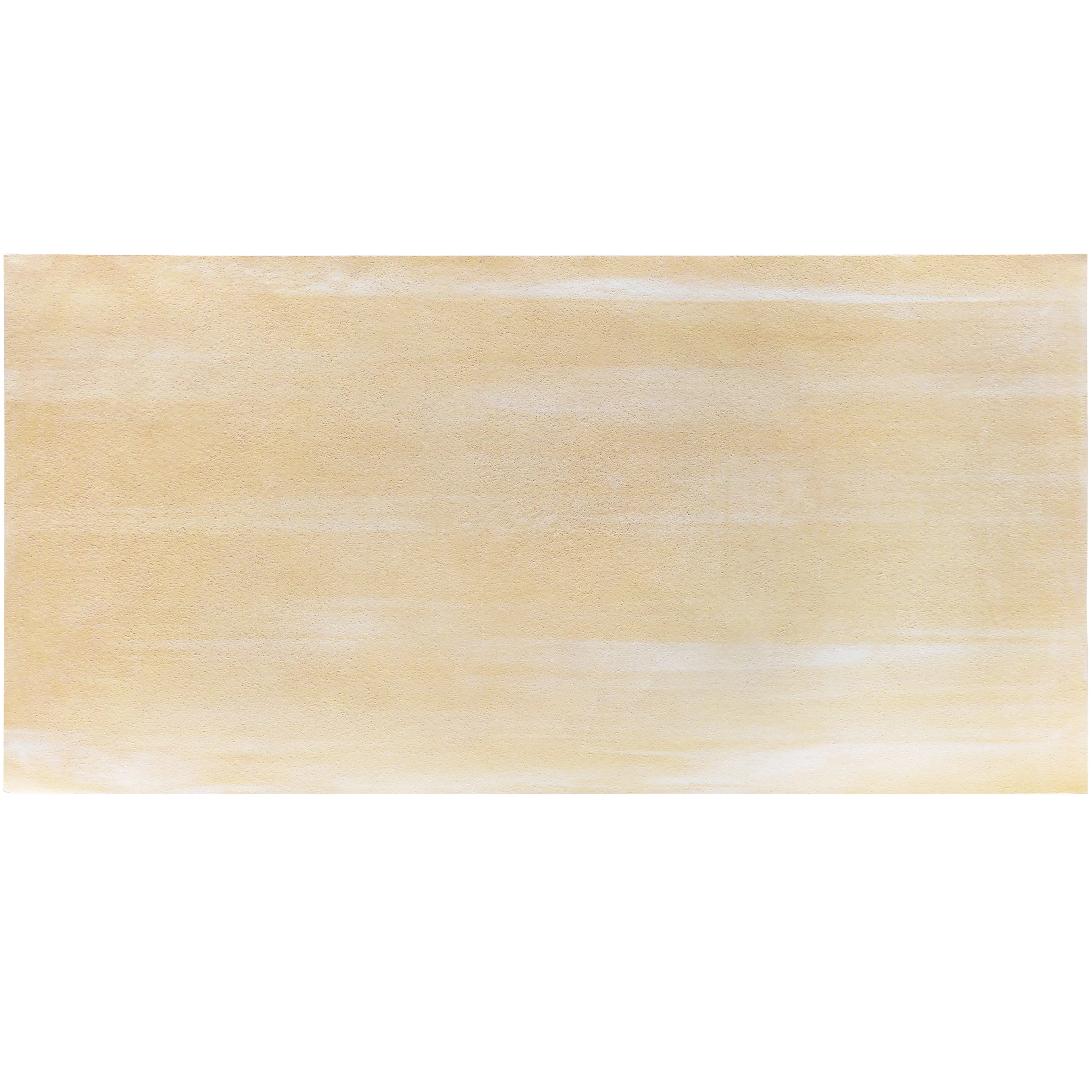
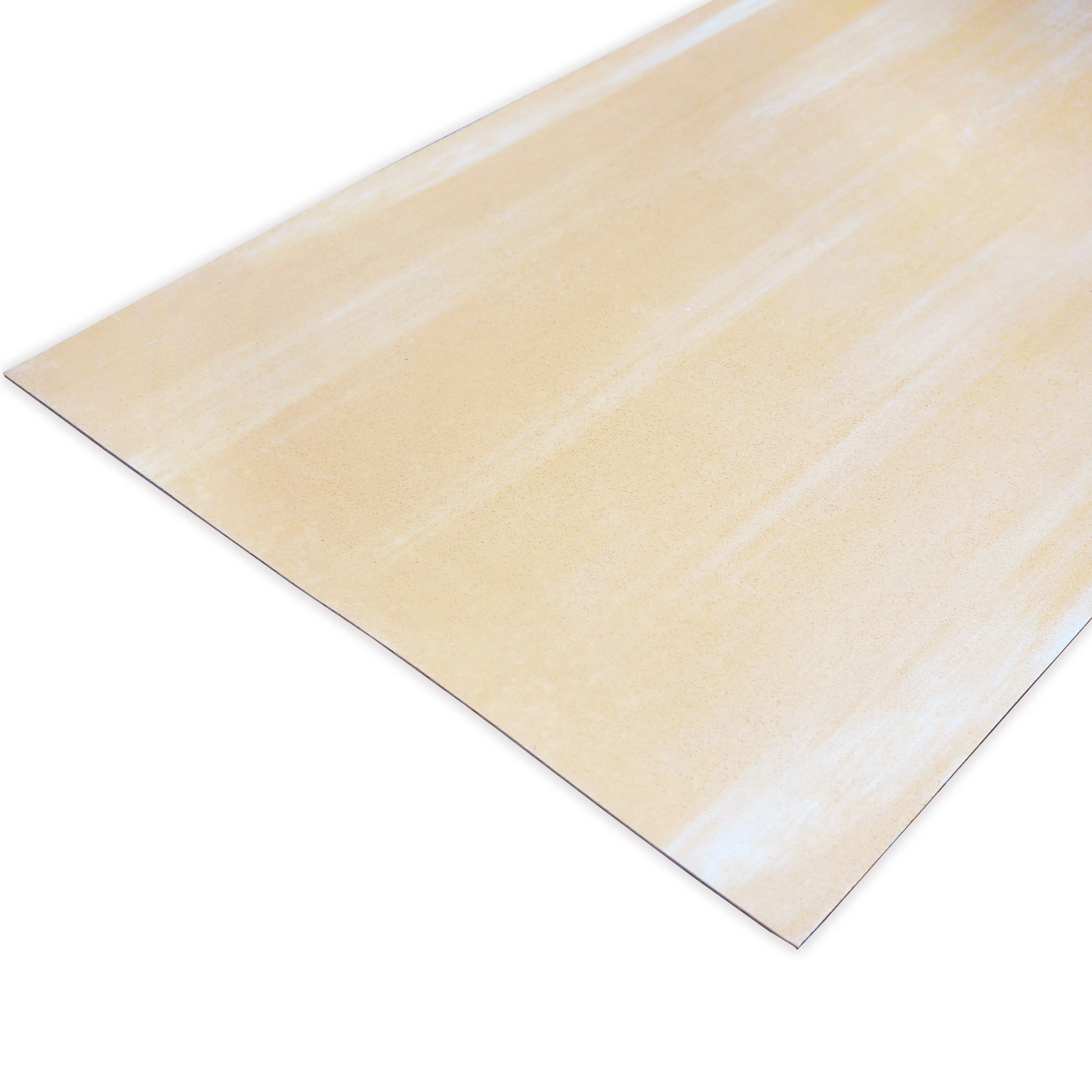
First things first: what exactly is Sandstone Cloude? At first glance, you might mistake it for natural sandstone—with its warm, earthy tones, subtle grain patterns, and that organic, weathered texture that feels like it's been shaped by time. But pick it up, and you'll notice the difference immediately. Where a slab of natural sandstone might leave your arms aching after a few minutes, Sandstone Cloude feels almost… effortless. That's because it's engineered to be up to 70% lighter than traditional sandstone, without skimping on strength or durability.
So how does it pull off that trick? It starts with a clever blend of natural minerals and advanced binding agents. The base is a mix of fine sand particles and polymers, which are compressed and cured to create a material that's dense enough to resist wear and tear but porous enough to shed excess weight. The result? A panel that can mimic the look of natural sandstone—right down to the tiny crevices and color variations—while weighing in at a fraction of the heft. It's like having the best of both worlds: the aesthetic appeal of natural stone, with the practicality of a lightweight, easy-to-handle material.
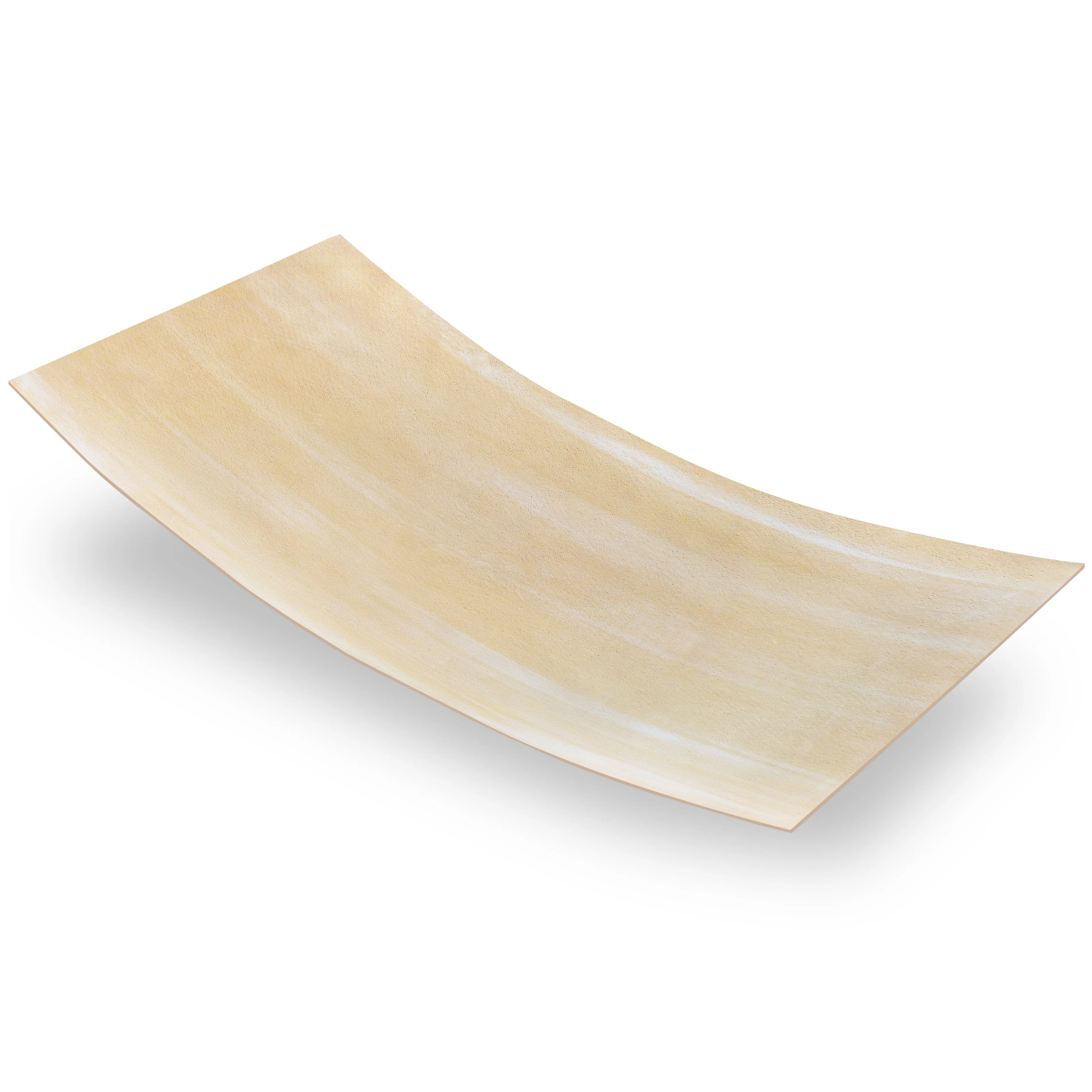
But Sandstone Cloude isn't just about being light. It's also flexible—literally. Unlike rigid natural stone slabs that crack under stress, these panels can bend slightly without breaking, making them ideal for curved surfaces or buildings that might shift subtly over time (hello, earthquake-prone regions). And because they're lightweight, installation is a breeze. Teams can carry panels by hand, cut them on-site with basic tools, and attach them using simple adhesives or mounting systems—no heavy cranes or specialized equipment required. That means faster build times, fewer labor hours, and less risk of on-site accidents from lifting heavy materials.
You might be thinking, "Okay, so it's lighter—so what?" Let's break down why that matters in real, tangible ways. Start with structural safety. When a building's exterior is clad in heavy materials, every storm, every seismic tremor, or even just the settling of the foundation puts extra stress on the structure. Lighter materials like Sandstone Cloude reduce that stress, making buildings more resilient over time. It's like swapping a heavy winter coat for a lightweight, weatherproof jacket—you stay protected, but you're not weighed down.
Then there's cost. Let's say you're building a mid-rise apartment complex. If you use traditional fair-faced concrete panels for the facade, you'll need thicker support beams, reinforced floor slabs, and a deeper foundation to handle the load. Switch to Sandstone Cloude, and suddenly those beams can be slimmer, the foundation can be less robust, and you might even save on steel reinforcements. Those savings add up fast—we're talking tens of thousands of dollars on a single project. And because installation is quicker, you're also cutting down on labor costs and getting the building ready for occupancy sooner. It's a win-win for developers and contractors alike.
Design flexibility is another big one. Architects have long dreamed of pushing boundaries—think cantilevered floors that seem to float, curved facades that flow like water, or intricate patterns that wrap around corners. But heavy materials often turn those dreams into "maybe next time." With Sandstone Cloude, those designs become feasible. Because the panels are lightweight and easy to shape, you can create overhangs that extend farther, add decorative elements without adding stress, or even mix and match textures (like pairing Sandstone Cloude with MCM flexible stone for a layered look) without worrying about overloading the structure. It's like giving designers a new set of crayons—ones that don't break under the pressure of big ideas.
To really see the impact, let's put Sandstone Cloude head-to-head with some common building materials. The table below compares key factors like weight, installation time, cost, and design flexibility. Spoiler: Sandstone Cloude doesn't just hold its own—it shines.
| Material | Weight (kg/m²) | Installation Time (per 100m²) | Approx. Cost (per m²) | Design Flexibility |
|---|---|---|---|---|
| Sandstone Cloude | 8-12 | 8-10 hours | $45-$65 | High (curves, custom cuts, textures) |
| Fair-Faced Concrete | 40-50 | 20-25 hours | $60-$80 | Low (rigid, limited shapes) |
| Natural Sandstone | 25-35 | 15-18 hours | $80-$120 | Medium (heavy, but natural texture) |
| Foamed Aluminium Alloy Board (Vintage Silver) | 6-9 | 6-8 hours | $75-$95 | High (modern, metallic finishes) |
Take fair-faced concrete, for example—a popular choice for its sleek, industrial look. It's durable, but at 40-50 kg per square meter, it's more than three times heavier than Sandstone Cloude. That weight translates to slower installation (20-25 hours for 100m² vs. 8-10 hours with Sandstone Cloude) and higher costs, thanks to the need for stronger support structures. Natural sandstone, while beautiful, is still heavier than Sandstone Cloude and significantly pricier. And then there's foamed aluminium alloy board (vintage silver)—another lightweight option, but with a metallic finish that might not suit every design vision. Sandstone Cloude, by contrast, offers the best of both worlds: low weight, low cost, and a natural, versatile look.
Let's look at a project that brought this all to life: the renovation of Skyline Lofts, a 12-story apartment building in downtown Portland. Built in the 1980s, the building's exterior was clad in heavy brick and concrete, which had started to show signs of wear—cracks in the facade, water damage, and a general heaviness that made the building feel outdated. The owners wanted a refresh: something modern, durable, and energy-efficient. But there was a problem: the building's original structure couldn't handle much additional weight. Adding traditional materials would have required reinforcing the entire frame—a costly, time-consuming process that would have shut down the building for months.
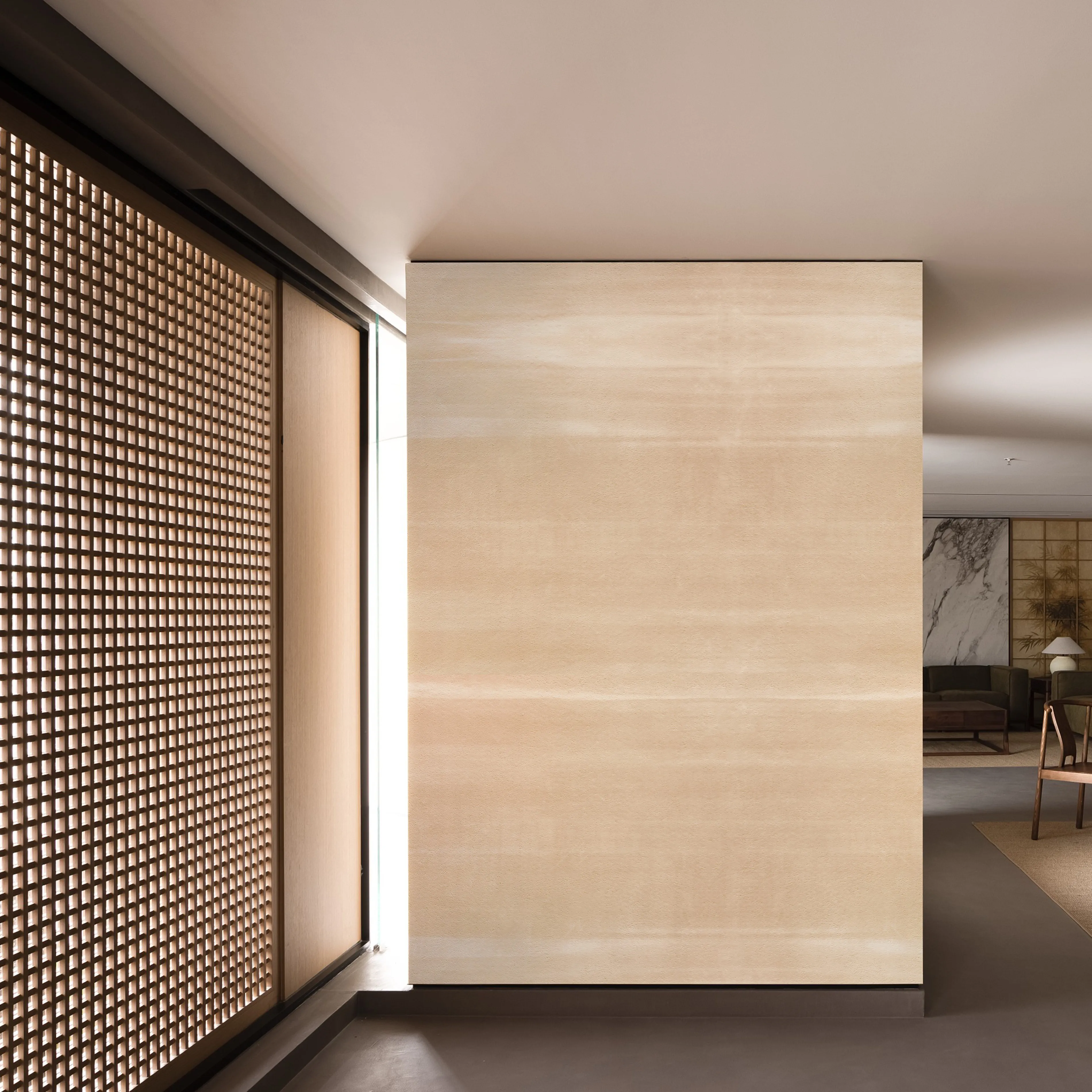
Enter Sandstone Cloude. The design team opted to replace the old brick facade with Sandstone Cloude panels in a warm, taupe hue, paired with accents of MCM flexible stone in a complementary texture. The result? The building's weight load decreased by 40%, eliminating the need for structural reinforcement. Installation took just 10 weeks (down from the projected 16 weeks with traditional materials), and the new facade added insulation, cutting energy costs by 22%. Tenants moved back in sooner, the building looked brighter and more inviting, and the owners saved over $300,000 in construction costs. "It was like giving the building a new lease on life—without breaking the bank," said the project architect.
Another example: a boutique hotel in Bali that wanted to blend modern design with local aesthetics. The architects dreamed of a curved, open-air lobby with a stone-like facade that would blend into the island's natural landscape. But traditional stone was too heavy for the curved structure, and concrete would have felt cold and industrial. Instead, they used Sandstone Cloude panels in a custom "Bali stone" finish, paired with rammed earth board (gradient) for the interior walls. The lightweight panels curved seamlessly, creating the organic, flowing look the designers wanted, while the gradient rammed earth added warmth and texture. Guests often comment on how the lobby "feels like a natural cave, but bright and airy"—all thanks to materials that didn't weigh the vision down.
Sandstone Cloude is a star, but it doesn't have to work alone. The best projects often mix and match lightweight materials to create layered, dynamic designs. Take MCM flexible stone, for instance. Like Sandstone Cloude, it's lightweight and flexible, but it offers a slightly different texture—think more pronounced grain or a matte finish. Pairing the two can add depth to a facade, like using Sandstone Cloude for the main panels and MCM flexible stone for accent walls or trim. It's like combining two shades of paint to create a richer palette.
Then there are foamed aluminium alloy boards, available in finishes like vintage silver or gold. These add a modern, metallic touch—perfect for commercial buildings or high-end retail spaces. Because they're lightweight (even lighter than Sandstone Cloude, at 6-9 kg/m²), they can be used for decorative elements like canopies or signage without adding stress to the structure. Imagine a restaurant with a Sandstone Cloude facade and a foamed aluminium alloy awning in vintage silver—it's industrial meets organic, and it works because both materials are light enough to play well together.
And let's not forget about rammed earth board (gradient). For interiors, this material brings warmth and texture with its subtle color transitions—from soft terracotta to muted sage, or warm beige to deep ochre. Because it's lightweight, it can be used on feature walls, ceilings, or even as room dividers without requiring heavy support. In a home or hotel, pairing rammed earth board (gradient) with Sandstone Cloude floors creates a cohesive, earthy vibe that feels grounded but not heavy.
As we look to the future, one thing is clear: lightweight materials like Sandstone Cloude aren't just a trend—they're the future of construction. Here's why: sustainability. Lighter materials mean less energy used in manufacturing and transportation (since you can ship more panels per truckload). They also reduce the need for carbon-heavy materials like steel and concrete, which are major contributors to global emissions. And because lightweight facades often add insulation, they make buildings more energy-efficient, cutting down on heating and cooling costs over time.
Then there's the rise of modular construction. More and more projects are built off-site, in factories, where panels are prefabricated and then assembled on-site. Lightweight materials like Sandstone Cloude are perfect for this: they're easy to transport, quick to install, and less likely to get damaged in transit. This not only speeds up construction but also reduces waste, since prefabrication allows for precise cutting and minimal on-site scraps.
And let's talk about design. As cities grow denser and land becomes scarcer, buildings are reaching higher than ever. Lightweight materials are the key to unlocking super-tall structures that are both safe and beautiful. Imagine a 50-story tower clad in Sandstone Cloude, with cantilevered gardens and sweeping glass windows—all made possible because the facade isn't weighing the building down. Or imagine disaster-resilient homes in earthquake zones, where lightweight materials reduce the risk of collapse and make rebuilding faster and easier.
At the end of the day, building materials shouldn't limit us—they should empower us. Sandstone Cloude, MCM flexible stone, foamed aluminium alloy boards, and rammed earth board (gradient) are more than just products; they're tools that let architects, builders, and dreamers push beyond the "what if" and into the "what can be." They prove that we don't have to choose between beauty and practicality, between tradition and innovation, or between strength and sustainability.
So the next time you walk past a building—whether it's a sleek new apartment complex, a cozy boutique hotel, or a restored historic landmark—take a closer look. If it feels light, airy, and full of character, there's a good chance lightweight materials are behind it. And as we continue to build a world that's smarter, greener, and more creative, those materials will be right there, lifting us up—without weighing us down.
Recommend Products












