
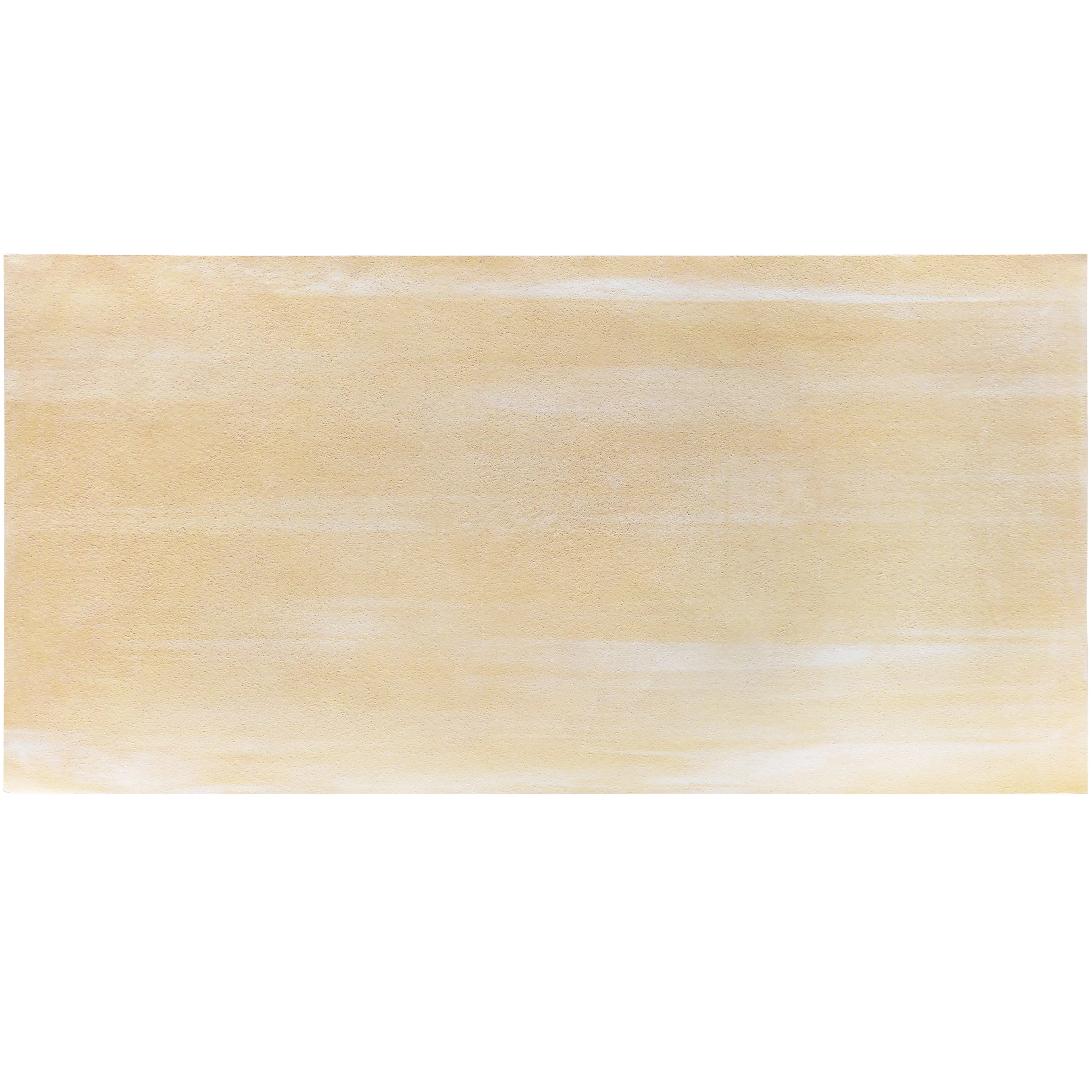
There's something about Sandstone Cloude that feels like bringing a piece of the outdoors inside—soft, earthy tones that mimic sunlit cliffs, subtle textures that invite touch, and a warmth that turns any space into a retreat. As part of COLORIA MCM's lineup of innovative building materials, Sandstone Cloude isn't just a surface; it's a design statement. But like any natural-inspired material, it needs a little love to stay looking its best. Whether you've installed it in your home's accent wall, a restaurant's facade, or a hotel lobby, this guide will walk you through keeping that "just-unboxed" glow for years to come. We'll cover everything from daily habits to long-term care, and even troubleshoot common mishaps. Let's dive in.
First, let's talk about why taking care of your Sandstone Cloude matters. Unlike some synthetic materials that fade or peel quickly, COLORIA MCM products—including Sandstone Cloude—are built to last. They're crafted with modified composite materials that blend durability with natural aesthetics, but even the toughest materials need protection. Dirt, moisture, and everyday wear can slowly dull the surface, making those beautiful cloud-like patterns lose their definition. Think of it like tending to a garden: a little regular care prevents bigger problems down the line. Plus, maintaining Sandstone Cloude isn't just about looks—it's about preserving the investment you've made in your space. A well-cared-for surface can (enhance) the value and appeal of any property, whether residential or commercial.
Pro Tip: Sandstone Cloude is part of COLORIA's MCM flexible stone range, which means it's lighter and more versatile than natural stone but still retains that organic texture. This flexibility makes installation a breeze, but it also means it has unique maintenance needs compared to heavier materials like traditional marble or granite.
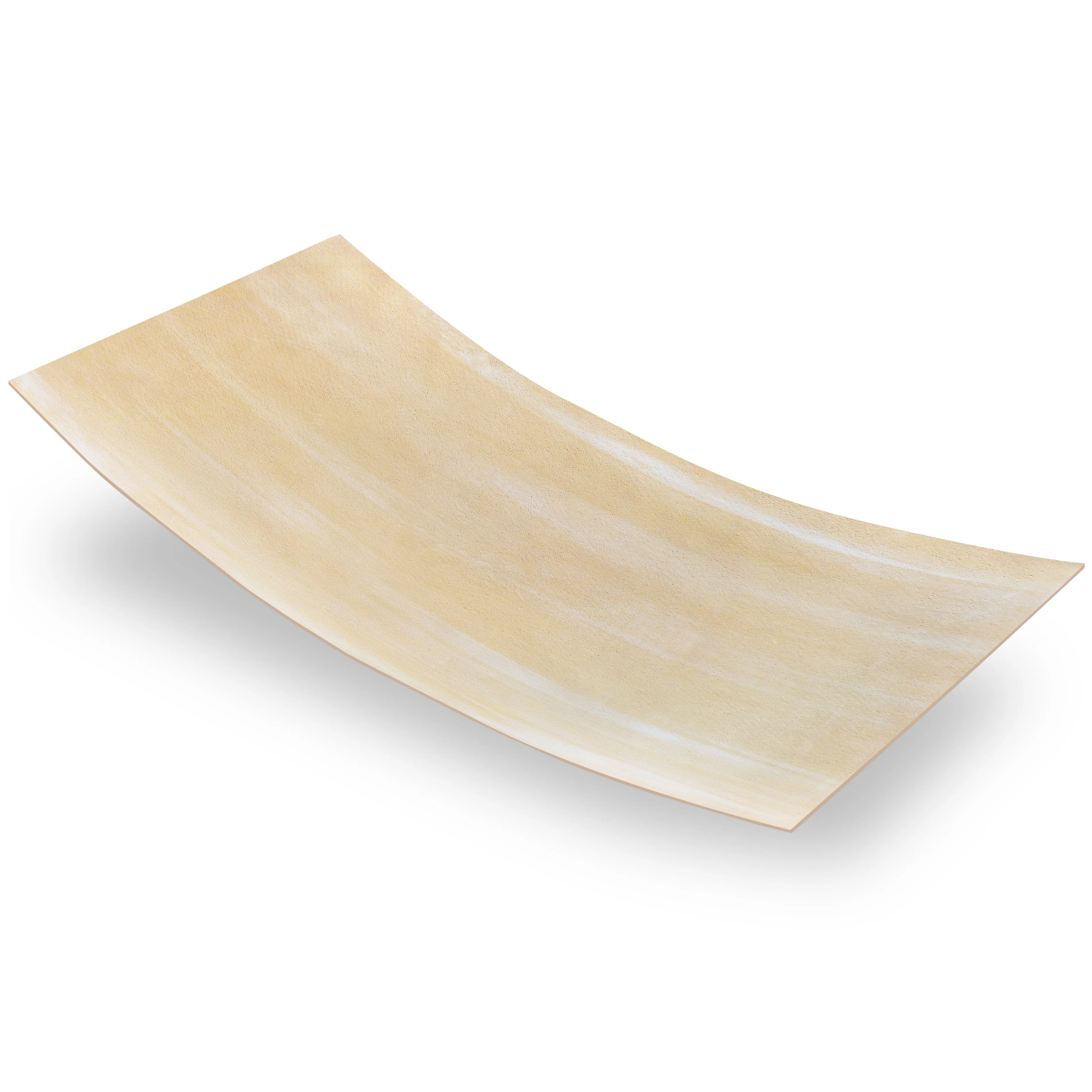
You don't need to spend hours each day maintaining Sandstone Cloude, but a few simple habits will keep it looking fresh. Let's break down the daily and weekly tasks that should be part of your routine.
Dust might seem harmless, but over time, it can settle into Sandstone Cloude's textured surface, creating a dull film. The key here is to dust regularly—ideally once a day for high-traffic areas like entryways or kitchen backsplashes, and 2-3 times a week for less-used spaces like bedroom walls. Use a soft, dry microfiber cloth or a feather duster. Avoid abrasive materials like scouring pads or stiff brushes, which can scratch the surface. Gently wipe in the direction of the texture (you'll notice the subtle grain—following it helps lift dust without pushing it deeper into crevices).
For hard-to-reach areas, like the top of a tall accent wall or the edges of a countertop, a extendable duster with a microfiber head works wonders. If you're dealing with outdoor Sandstone Cloude (yes, it's versatile enough for exteriors!), a soft-bristled broom can sweep away cobwebs and loose dirt before they stick.
Sandstone Cloude is water-resistant, but standing moisture is its enemy. Whether it's a spilled glass of water, a splash from the sink, or rainwater on an outdoor panel, wipe it up as soon as you notice it. Use a clean, absorbent cloth (microfiber again—this material is a maintenance MVP!) and blot the area gently. Rubbing can spread the moisture or push it into the texture. For outdoor installations, make sure there's proper drainage to prevent pooling water, especially after heavy rain. A quick once-over with a squeegee on vertical surfaces (like exterior walls) can help water run off instead of soaking in.
While Sandstone Cloude is scratch-resistant, it's not scratch-proof. Sharp objects, heavy furniture, or even rough cleaning tools can leave marks. If you're using it as a countertop, always use coasters under glasses (especially those with rough bottoms) and trivets under hot pans. For flooring or wall panels, avoid dragging furniture across the surface—lift instead. If you have pets, trim their nails regularly to prevent accidental scratches, especially if they like to rub against walls. Even something as simple as a metal keychain brushing against the surface repeatedly can cause wear over time, so be mindful of high-traffic zones.
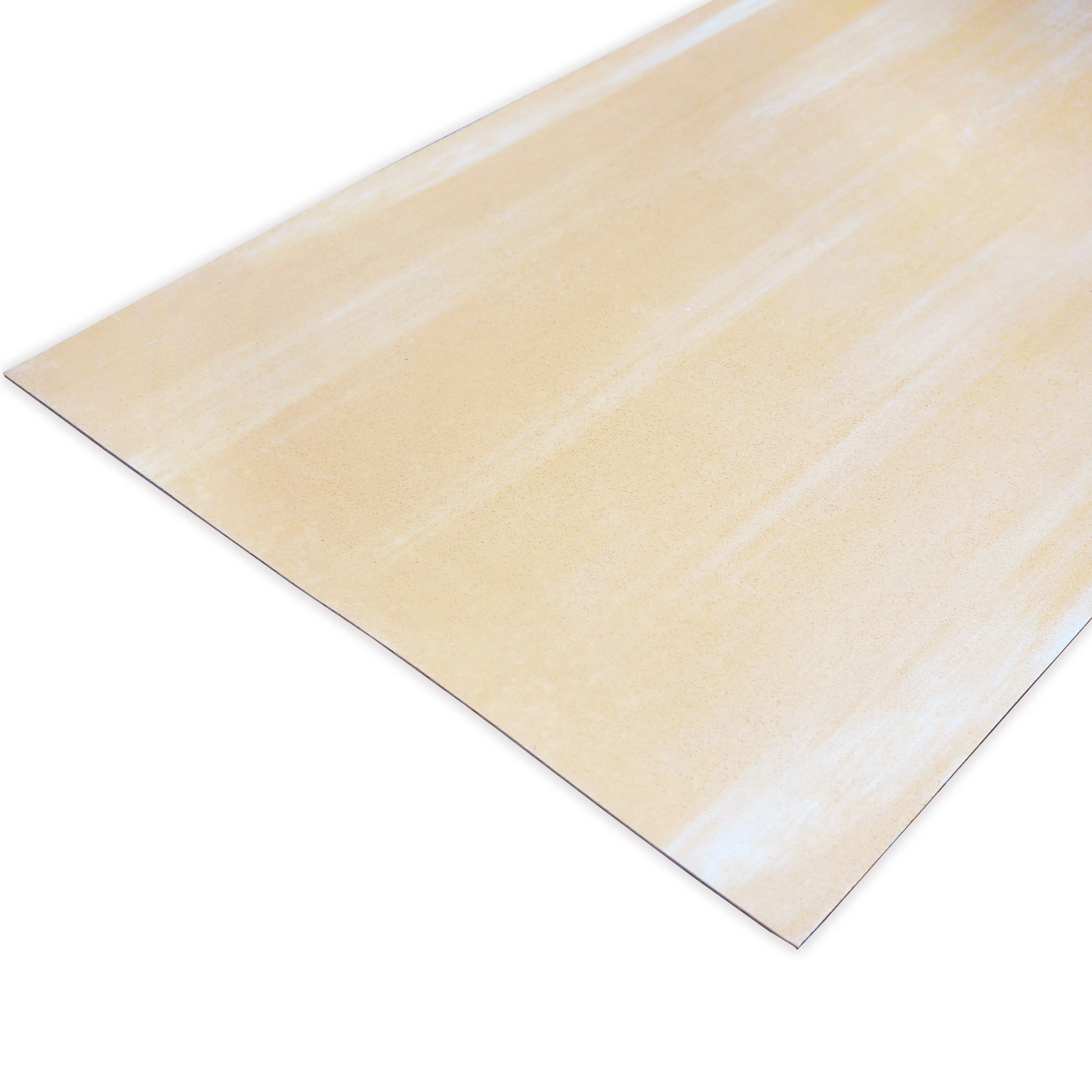
Daily dusting and wiping handle the basics, but every 2-4 weeks (depending on usage), your Sandstone Cloude will need a deeper clean. This removes built-up grime that regular dusting misses and keeps the surface breathable. Here's how to do it right.
You don't need fancy equipment—just a few household items (and some COLORIA-recommended products for extra care):
Start by dusting the surface thoroughly—you don't want to turn dust into mud! Then, mix a small amount of mild dish soap into warm water (about 1 teaspoon per gallon). For vertical surfaces like walls, transfer the solution to a spray bottle and mist lightly—avoid soaking the surface. For floors or countertops, dip your sponge or mop into the solution and wring it out well; it should be damp, not dripping.
Gently wipe the surface in circular motions, focusing on areas with visible grime (like around light switches or near kitchen stoves). The key here is to be gentle—scrubbing too hard can wear away the top layer of the finish. Once you've cleaned the entire area, rinse your sponge or mop with clean water and go over the surface again to remove any soap residue. Soap left behind can attract more dirt, so this step is crucial.
Finally, dry the surface immediately with a clean towel. This prevents water spots, especially in areas with hard water. For large surfaces, work in sections to ensure you don't leave water sitting too long.
Avoid These: Harsh cleaners like bleach, ammonia, vinegar, or abrasive scrubs (think steel wool or scouring powder) are a big no-no. They can strip the protective layer of Sandstone Cloude and discolor the surface. Even some "natural" cleaners with high acidity (like lemon juice) can damage the material over time.
Outdoor installations face extra challenges: rain, pollen, bird droppings, and even algae in humid climates. For these, a slightly stronger approach is needed, but still gentle. Use a soft-bristled brush (like a car wash brush) instead of a sponge, and mix a bit more dish soap into the water (2 teaspoons per gallon). Gently scrub the surface, then rinse thoroughly with a garden hose on a low-pressure setting. Avoid power washers—their high pressure can etch the surface. If you notice mildew (common in shaded areas), mix 1 part hydrogen peroxide with 4 parts water and apply with a spray bottle, let sit for 5 minutes, then rinse. This is safe for Sandstone Cloude and won't discolor it.
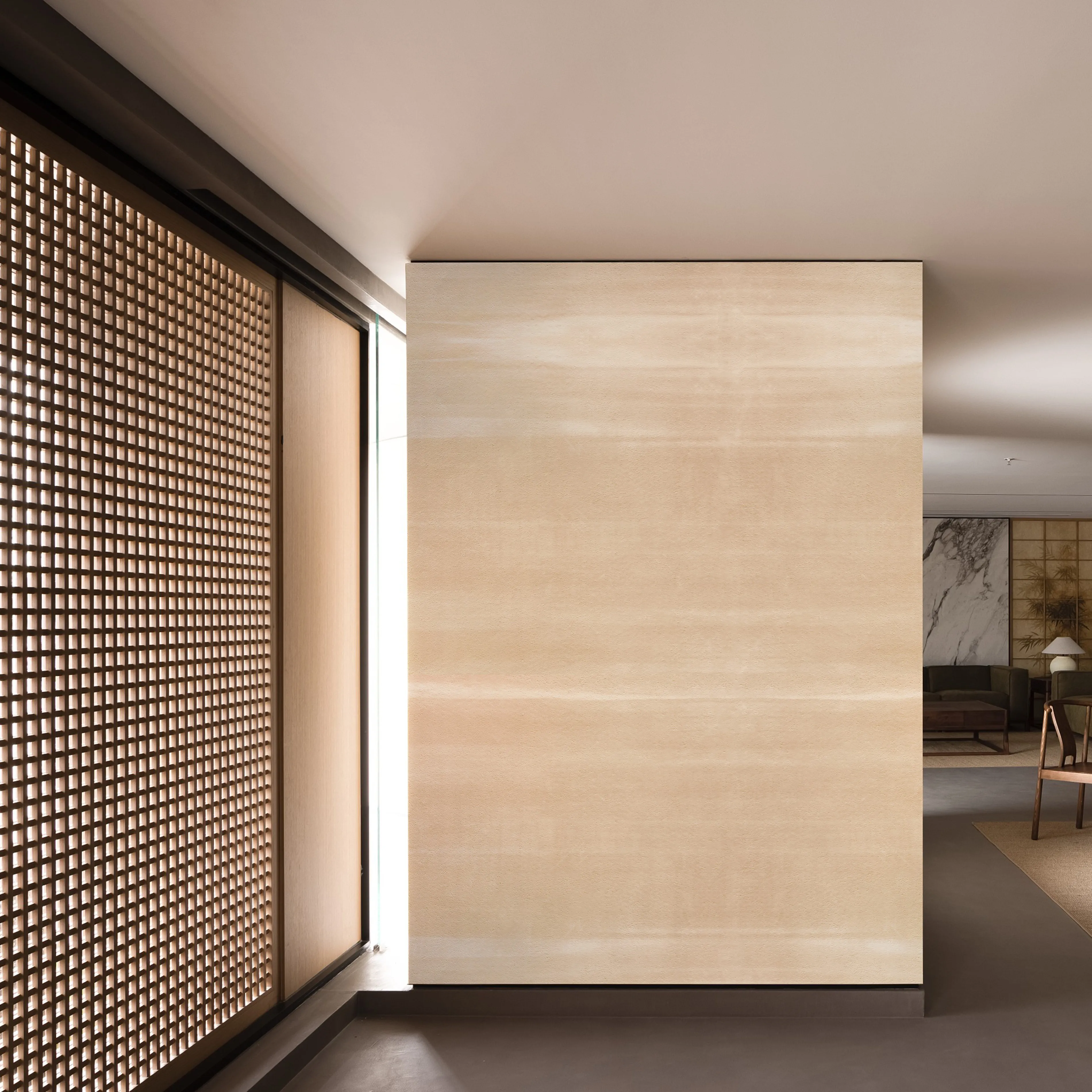
Accidents happen. Whether it's a spilled glass of red wine at a dinner party or cooking oil splattering on the backsplash, knowing how to treat stains quickly can save your Sandstone Cloude from permanent discoloration. The golden rule? Act fast—the longer a stain sits, the harder it is to remove.
| Stain Type | Immediate Action | Deep Treatment (if needed) |
|---|---|---|
| Coffee, Tea, Juice | Blot with a dry cloth to absorb excess liquid. Don't rub! | Mix warm water and mild dish soap, apply with a sponge, rinse, and dry. |
| Oil/Grease (cooking oil, lotion) | Cover the stain with cornstarch or baking soda to absorb oil (let sit 15-20 mins), then brush away. | Apply a small amount of dish soap directly to the area, gently rub with a damp sponge, rinse, and dry. |
| Wine, Tomato Sauce (pigmented stains) | Blot immediately with cold water (hot water can set the stain). | Mix 1 tablespoon hydrogen peroxide with 2 cups water, apply with a cloth, let sit 10 mins, rinse, dry. |
| Mud or Dirt | Let it dry completely, then brush away with a soft brush. | Wipe with warm, soapy water and dry. |
| Ink (ballpoint or marker) | Dab with rubbing alcohol on a cotton ball (test on an inconspicuous area first!) | Repeat until the stain lifts, then rinse with water and dry. |
For stubborn stains that don't budge with these methods, try a poultice. Mix baking soda with a few drops of water to make a thick paste, apply it to the stain, cover with plastic wrap (tape the edges to hold it in place), and let sit overnight. The baking soda will draw the stain out. In the morning, remove the plastic, brush off the paste, and rinse with water. This works well for oil or organic stains.
Daily cleaning and stain treatment are essential, but sealing your Sandstone Cloude every 1-2 years adds an extra layer of protection, especially for high-moisture areas like bathrooms or outdoor patios. Sealing creates a barrier that repels liquids and prevents dirt from embedding into the surface.
First, make sure the surface is completely clean and dry. Any dirt or moisture trapped under the sealer will cause problems later. Use a COLORIA-recommended stone sealer (look for one labeled "penetrating sealer" for best results—these absorb into the material rather than sitting on top). Apply the sealer with a lint-free cloth or a foam brush, working in small sections. Let it sit for 5 minutes, then wipe away any excess with a clean cloth. Avoid puddling, as this can lead to a cloudy finish. Let the sealer dry completely (usually 24 hours) before using the surface. For outdoor areas, do this on a dry, mild day (between 50-80°F) to ensure proper curing.
Different seasons bring different challenges—here's how to adjust your routine:
Even with the best care, you might run into a few hiccups. Here are some common problems and how to solve them:
This is usually caused by soap residue or hard water spots. Mix equal parts water and white vinegar (yes, vinegar is safe here in small amounts!) and wipe the surface with a microfiber cloth, then rinse and dry. If that doesn't work, it might be a buildup of sealer—use a sealer stripper specifically designed for composite materials (test in an inconspicuous area first), then reseal.
Light scratches can often be buffed out with a soft cloth and a small amount of mineral oil. Rub gently in a circular motion, then wipe away excess oil. For deeper scratches, contact COLORIA's customer service—they may recommend a touch-up kit designed for MCM flexible stone.
Sandstone Cloude is installed with adhesives, and extreme moisture or improper installation can cause edges to lift. If this happens, clean the area with rubbing alcohol, let dry, then apply a small amount of construction adhesive (like Loctite PL Premium) under the lifted edge, press firmly, and secure with painter's tape for 24 hours. If the problem persists, consult a professional installer.
Maintaining Sandstone Cloude isn't about perfection—it's about consistency. With a little daily care, regular cleaning, and prompt attention to stains, your COLORIA MCM surface will continue to bring that natural, cloud-like beauty to your space for decades. Remember, this material is designed to age gracefully, but that doesn't mean it should look worn out. By following these tips, you'll ensure that every time someone walks into your home or business, they're struck by the same "wow" factor you felt when it was first installed.
And if you ever have questions, don't hesitate to reach out to COLORIA's support team—they're experts in all things MCM, from Sandstone Cloude to other popular products like wood grain board or lunar peak silvery. After all, the best part of choosing COLORIA MCM is knowing you're not just getting a product—you're getting a partner in creating beautiful, lasting spaces.
So go ahead, host that dinner party, let the kids play, or enjoy your morning coffee with confidence. With the right care, your Sandstone Cloude will stay as stunning as the day it was installed. Here's to many years of beauty ahead!
Recommend Products












