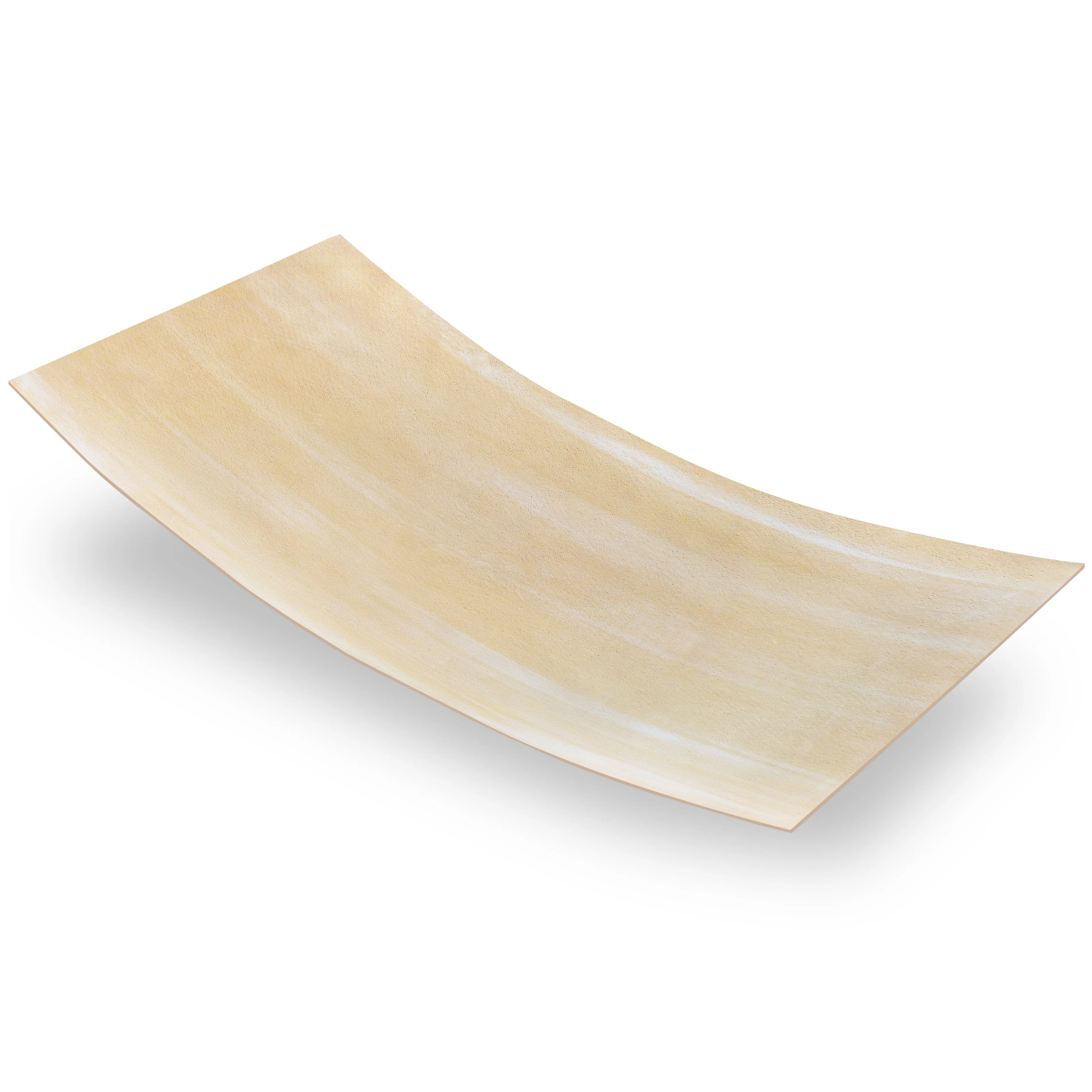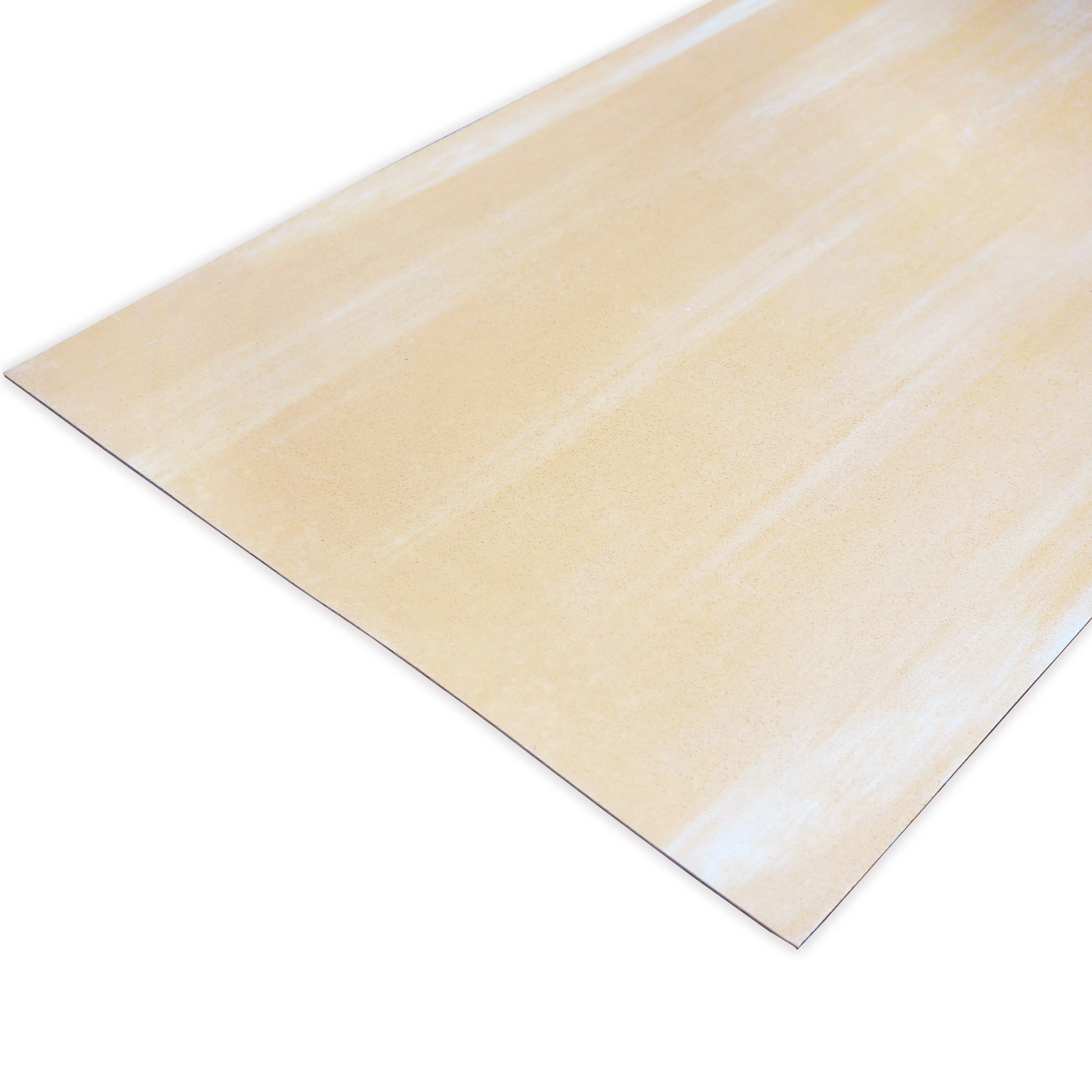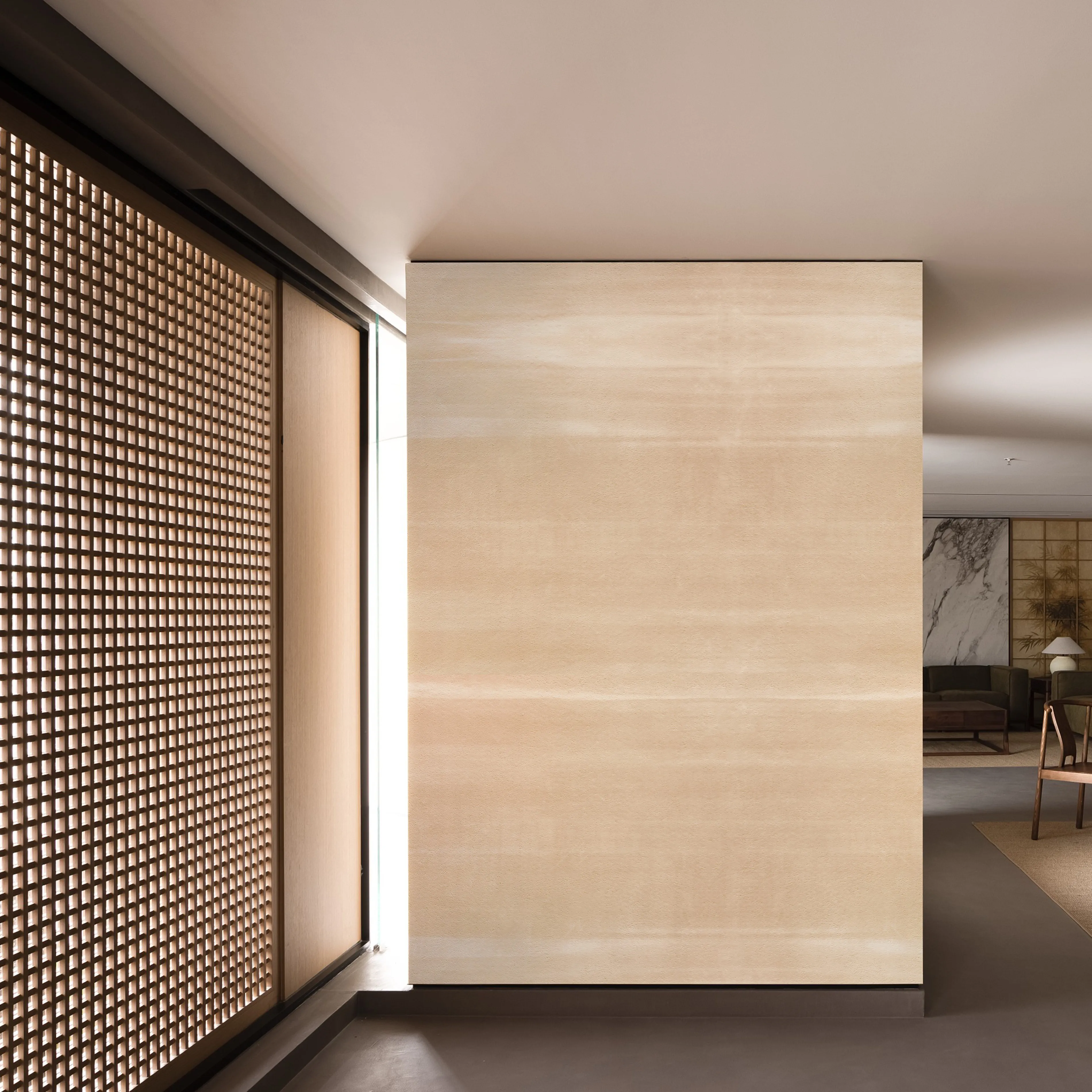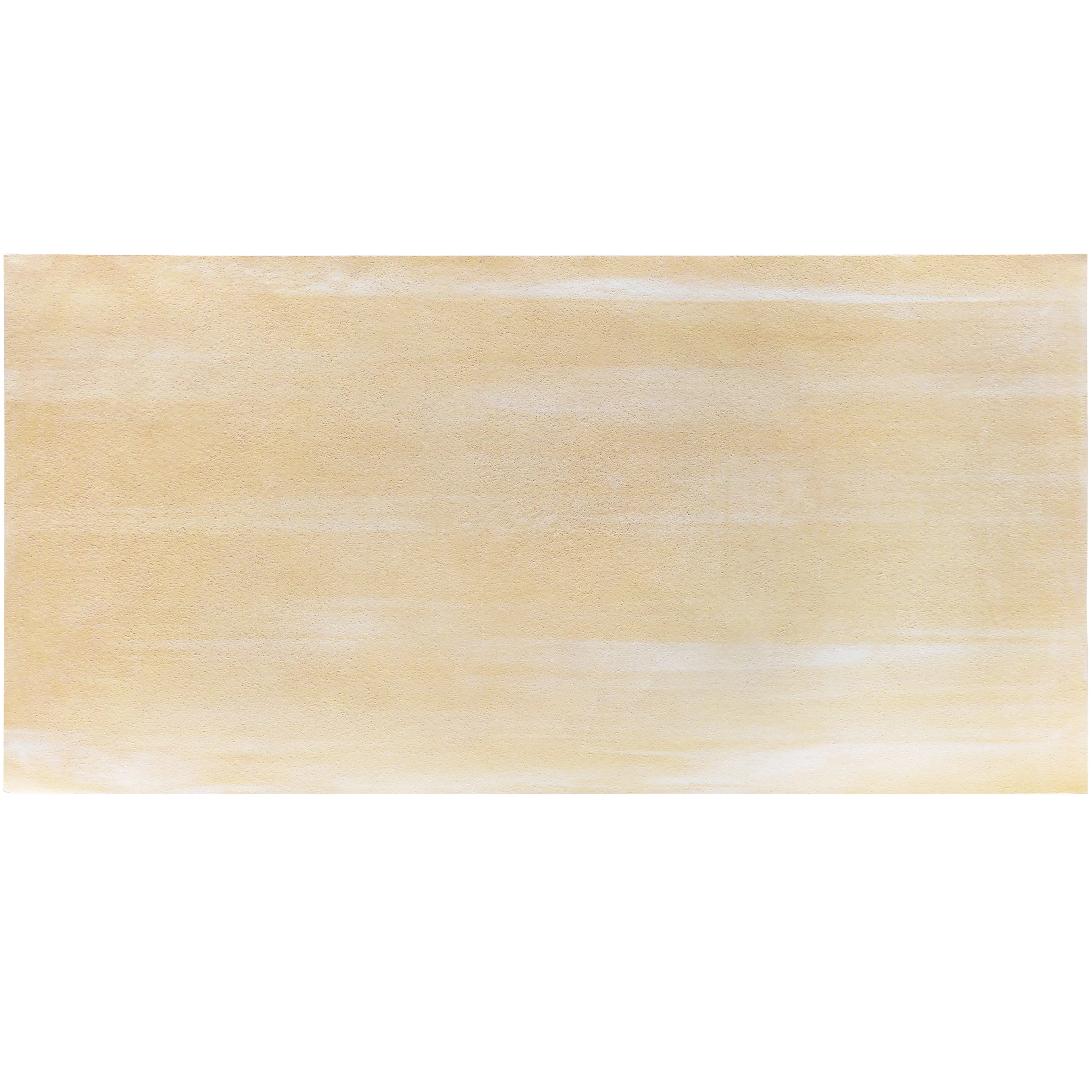
Before a single panel of Sandstone Cloude is lifted, there's work to be done. Think of this phase as laying the groundwork—cutting corners here almost always leads to headaches later. Let's break it down.
Site Assessment: Measuring Twice, Cutting Once
First, your installer will visit the site to take detailed measurements. This isn't just about length and width; it's about understanding the substrate—the surface Sandstone Cloude will adhere to. Is it a drywall in a residential living room? A concrete exterior wall? Or maybe a mix, like fair-faced concrete for the lower half and drywall above? Each substrate has different prep needs. For example, fair-faced concrete might need minimal repair, but drywall with cracks or unevenness will require patching. This step typically takes 1–2 days for small projects (like a 100 sq ft accent wall) and up to a week for large commercial spaces with complex layouts.
Pro tip: If your project pairs Sandstone Cloude with other materials—say, MCM flexible stone for a contrasting border or Lunar Peak silvery accents—bring that up during the site assessment. Your installer can note how these materials interact, ensuring the substrate is prepped to support all of them.
Material Selection: Choosing (and Sourcing) the Right Panels
Sandstone Cloude isn't a one-size-fits-all material. There are variations in veining density, color intensity, and finish—matte, semi-polished, or even a subtle sheen. This is where you'll collaborate with your supplier or designer to pick panels that align with your vision. If you're eyeing custom cuts or rare variants (like the gradient color rammed earth board for a feature wall), sourcing might take longer. Standard Sandstone Cloude panels are usually in stock, but specialty orders can add 2–4 weeks to your timeline. Don't rush this step—falling in love with a sample only to realize it's backordered is a common frustration.
Permits and Approvals: The Paperwork That Protects You
For interior projects, permits might not be necessary unless you're modifying structural elements. But exterior installations? Most cities require permits, especially for commercial buildings. Your contractor should handle this, but it's wise to check in. Permit approval times vary by location—urban areas might take 2–3 weeks, while smaller towns could process it in days. Skipping permits might save time upfront, but fines or forced rework will cost far more later.
Total for Pre-Installation: 1 week (small projects) to 3 weeks (large/commercial projects with permits and custom materials).