Let's start with a scenario we can all relate to: It's the dead of winter, and you're huddled by the heater, watching your energy bill climb higher than the snow outside. Or maybe it's the peak of summer, and your air conditioner is running nonstop just to keep the house from feeling like a sauna. Sound familiar? For homeowners, architects, and builders alike, the quest for materials that keep buildings comfortable
and
affordable has never been more urgent. Enter
Sandstone Cloude—a material that's quietly revolutionizing how we think about thermal insulation in construction. In a world where "going green" isn't just a trend but a necessity, and where energy costs seem to rise with every passing month,
Sandstone Cloude isn't just another building product. It's a solution to a problem we all face: how to build smarter, not just bigger. Let's dive into what makes this material a game-changer, and why it might just be the key to more energy-efficient, sustainable buildings in the years ahead.
Before we get into the nitty-gritty of its thermal superpowers, let's make sure we're all on the same page: What exactly is
Sandstone Cloude? Despite the name, it's not your average backyard sandstone. Think of it as nature's ingenuity meets modern engineering.
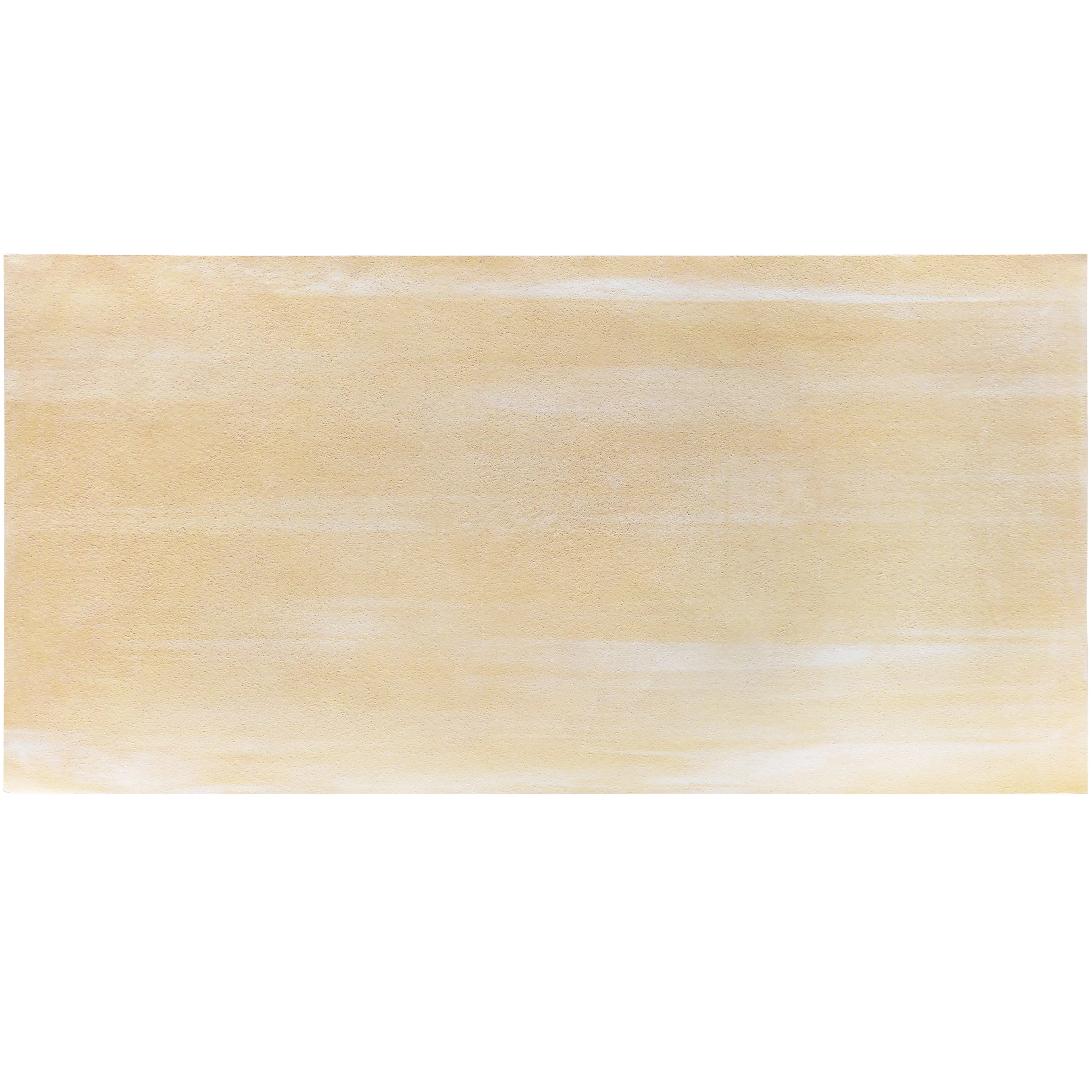
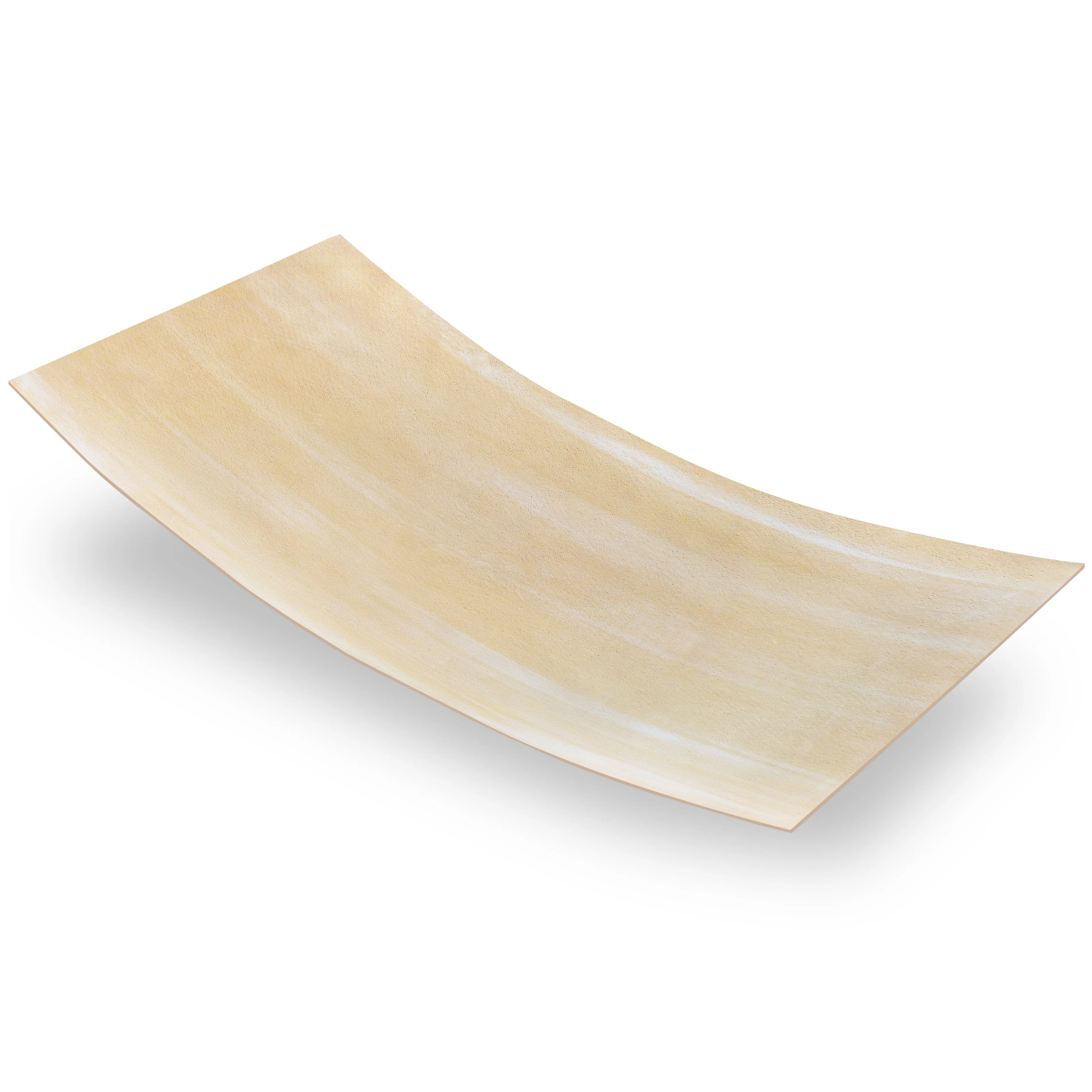
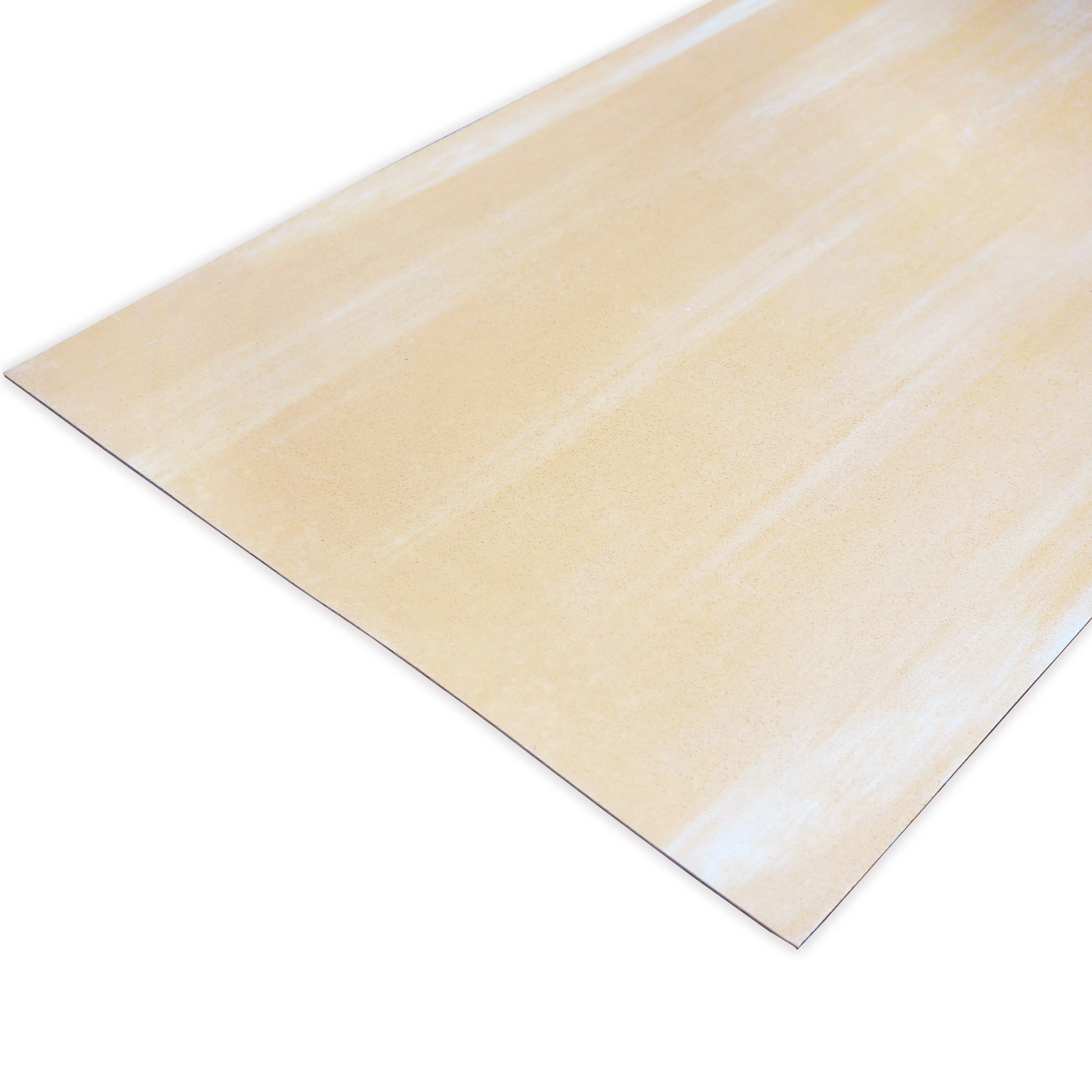
Sandstone Cloude starts with natural sandstone particles—those tiny, porous grains that have been shaped by wind and water over millennia—but it's enhanced with a proprietary blend of binders and additives that amplify its best qualities. The result? A lightweight, durable panel that looks like authentic stone but performs like a high-tech insulation system.
Here's the kicker: Unlike traditional stone cladding, which can be heavy, hard to install, and (let's be honest) not great at keeping heat in or out,
Sandstone Cloude is designed with insulation in mind. Its secret lies in its microstructure. Under a microscope, you'd see millions of tiny air pockets trapped within the material—sort of like a natural foam. These pockets act as barriers to heat flow, slowing down the transfer of warmth from inside to outside (or vice versa, depending on the season). It's like wrapping your building in a cozy blanket made of stone, minus the bulk.
But don't just take my word for it. Manufacturers have spent years testing
Sandstone Cloude in labs and real-world settings, and the results are impressive. Its thermal conductivity—a measure of how well a material transfers heat—is significantly lower than traditional stone products. For context, most natural sandstones have a thermal conductivity of around 1.5 W/(m·K), while
Sandstone Cloude clocks in at just 0.3 W/(m·K). That might sound like a bunch of numbers, but in practical terms, it means your building stays warmer in winter and cooler in summer without cranking up the thermostat or AC.
Why Thermal Insulation Matters (Spoiler: It's Not Just About Comfort)
Let's talk about why thermal insulation is such a big deal these days. Sure, no one likes shivering in their living room or sweating through a meeting in a stuffy office, but the impact goes way beyond comfort. Energy efficiency is the name of the game, and insulation is the MVP. Buildings account for a huge chunk of global energy consumption—around 40% of total energy use, according to the International Energy Agency. A lot of that energy is wasted through poorly insulated walls, roofs, and windows. Think of it this way: If your building's walls are like a sieve for heat, every dollar you spend on heating or cooling is literally leaking out the windows (or walls, in this case).
That's where materials like
Sandstone Cloude come in. By reducing heat transfer, they cut down on the need for constant heating and cooling. Lower energy use means lower utility bills for homeowners and businesses, which is always a win. But it's not just about saving money—it's about saving the planet, too. Less energy consumption translates to fewer greenhouse gas emissions, which is critical in the fight against climate change. Plus, when you use materials that are sustainably sourced (more on that later), you're reducing your building's carbon footprint from the ground up.
And let's not forget about building codes. More and more regions are tightening their energy efficiency standards, requiring buildings to meet strict insulation requirements. In places like Europe, North America, and parts of the Middle East, failing to meet these standards can mean costly delays or even project rejection.
Sandstone Cloude isn't just a nice-to-have—it's becoming a must-have for architects and builders who want to stay compliant and competitive.
How Sandstone Cloude Stacks Up Against the Competition
Okay, so
Sandstone Cloude sounds great—but how does it compare to other building materials? Let's put it head-to-head with some common options, including a few you might recognize from the keyword list:
fair-faced concrete,
travertine (beige), and even
MCM flexible stone, another popular cladding material. To make this easy, I've put together a comparison table. Take a look:
|
Material
|
Thermal Conductivity (W/(m·K))
|
Installation Ease
|
Durability
|
Environmental Impact
|
Cost (per sq. ft.)
|
|
Sandstone Cloude
|
0.3 (Excellent)
|
Lightweight, easy to cut/install
|
Resistant to weathering, cracking
|
Recyclable, low embodied carbon
|
$12–$18
|
|
Fair-Faced Concrete
|
1.7 (Poor)
|
Heavy, requires specialized labor
|
Very durable but prone to thermal cracking
|
High carbon footprint (cement production)
|
$8–$14
|
|
Travertine (Beige)
|
1.2 (Moderate)
|
Heavy, requires skilled installers
|
Durable but porous (needs sealing)
|
Mining impacts, high transportation emissions
|
$15–$25
|
|
MCM Flexible Stone
|
0.5 (Good)
|
Flexible, lightweight, easy to install
|
Less impact-resistant than Sandstone Cloude
|
Recyclable but synthetic binders may off-gas
|
$10–$16
|
Let's break this down. First, thermal conductivity:
Sandstone Cloude's 0.3 W/(m·K) is way lower than
fair-faced concrete (1.7) and
travertine (1.2), and even beats
MCM flexible stone (0.5). That means better insulation, plain and simple. Installation?
Sandstone Cloude is lightweight—about 30% lighter than traditional stone panels—so it's easier to handle and doesn't require extra structural support.
MCM flexible stone is also lightweight, but
Sandstone Cloude edges it out in durability; it's more resistant to dents, scratches, and weathering, which is a big plus for exterior cladding.
Environmental impact is another key area.
Fair-faced concrete gets a bad rap here because cement production is a major source of CO2 emissions.
Travertine, while natural, often involves mining and long-distance transportation, which adds to its carbon footprint.
Sandstone Cloude, on the other hand, uses recycled stone particles and low-VOC binders, making it a greener choice. And when the building eventually comes down? The panels can be crushed and reused as aggregate—no landfill required.
Cost-wise,
Sandstone Cloude is in the middle of the pack, but remember: You're paying for long-term savings. While
fair-faced concrete might be cheaper upfront, the energy bills over time will more than make up the difference.
Travertine, on the other hand, is pricier and offers less insulation, so you're paying more for a material that doesn't deliver on efficiency. When you factor in energy savings,
Sandstone Cloude often ends up being the most cost-effective choice over the building's lifetime.
Numbers and tables are great, but nothing beats real stories. Let's look at a few case studies where
Sandstone Cloude has made a tangible difference. These aren't just lab tests—these are buildings that people live and work in, with energy bills that tell the tale.
Case Study 1: The GreenHaven Residential Complex (Barcelona, Spain)
In 2023, a developer in Barcelona wanted to build a 50-unit apartment complex that was both eco-friendly and comfortable. They chose Sandstone Cloude for the exterior cladding, paired with high-efficiency windows. The result? After one year of occupancy, residents reported an average 32% reduction in heating costs compared to similar buildings in the area. In a city where winter temperatures can dip into the 40s (Fahrenheit), that's a big deal. One tenant, Carlos, a teacher who lives on the third floor, put it this way: "Last winter, I kept my thermostat at 68°F and never felt cold. Before, in my old apartment, I had to crank it to 72°F just to stop shivering—and my bill was twice as high!"
Case Study 2: Desert Bloom Office Park (Dubai, UAE)
Dubai is known for its scorching summers, where temperatures regularly hit 110°F. So when the Desert Bloom Office Park was built in 2022, the architects needed a cladding material that could stand up to the heat and keep AC costs in check. They chose Sandstone Cloude, and the results were eye-opening. The building's energy consumption for cooling was 28% lower than the local average for office buildings of the same size. The facility manager, Fatima, noted: "We were worried about the AC units overworking, but with Sandstone Cloude, the interior stays at a steady 75°F even on the hottest days. Our maintenance costs have dropped, too—no more replacing overworked compressors!"
Case Study 3: Heritage Renovation (Prague, Czech Republic)
Not all projects are new builds. In Prague, a team renovated a 19th-century townhouse, aiming to preserve its historic charm while upgrading its energy efficiency. They couldn't use heavy materials that would strain the old structure, so Sandstone Cloude was the perfect fit. The panels were custom-cut to match the building's original stonework, so no one can tell the difference—but the energy bills sure do. The homeowners, a family of four, saw their heating costs drop by 40% after the renovation. "We wanted to keep the house's character, not turn it into a modern box," said the homeowner, Jana. "Sandstone Cloude let us do both. It looks like the original stone, but now we're not freezing in winter!"
These case studies aren't outliers. From residential to commercial, hot climates to cold,
Sandstone Cloude is proving its worth. And it's not just about energy savings—there's also the comfort factor. Buildings with good insulation have more consistent temperatures, fewer drafts, and even better soundproofing (those air pockets don't just block heat—they block noise, too). Imagine working in an office where you don't have to wear a sweater one day and a tank top the next, or sleeping through the night without being woken by a draft. That's the
Sandstone Cloude difference.
We've talked a lot about energy efficiency, but let's zoom out and look at the bigger picture: sustainability. These days, "
green building materials" aren't just a marketing buzzword—they're a necessity. Buildings are responsible for a huge chunk of global carbon emissions, so choosing materials that minimize environmental impact is more important than ever.
Sandstone Cloude checks this box, and then some.
First, let's talk about embodied carbon. That's the total carbon emitted during a material's lifecycle, from mining to manufacturing to transportation.
Sandstone Cloude has a surprisingly low embodied carbon footprint. Because it uses recycled stone particles and requires less energy to produce than, say, concrete or fired brick, its manufacturing process emits up to 60% less CO2 than traditional stone cladding. Plus, since it's lightweight, transporting it uses less fuel—another win for the planet.
Then there's recyclability. When a building with
Sandstone Cloude cladding reaches the end of its life, the panels can be crushed and reused as aggregate in new construction projects. No waste, no landfill—just a circular lifecycle that keeps materials in use. Compare that to
fair-faced concrete, which is notoriously hard to recycle and often ends up in landfills, or synthetic cladding materials that release toxic chemicals when they break down.
And let's not forget about indoor air quality. Some building materials off-gas volatile organic compounds (VOCs), which can cause headaches, allergies, and other health issues.
Sandstone Cloude is VOC-free, made with natural materials and water-based binders. That means better air inside your building, which is a big deal for anyone with asthma, allergies, or just a desire to breathe easy.
It's no wonder that
Sandstone Cloude is increasingly being specified for LEED, BREEAM, and WELL-certified projects. These green building certifications reward materials that reduce energy use, lower carbon footprints, and improve indoor environments—and
Sandstone Cloude delivers on all three. For architects and developers, that's not just good for the planet—it's good for business. Green buildings often command higher rents, sell faster, and attract more tenants who care about sustainability.
By now, you're probably thinking, "This sounds amazing—but is it right for me?" The short answer: It depends on your project's goals, budget, and location. But in most cases, if energy efficiency, sustainability, and durability are priorities,
Sandstone Cloude is worth considering. Let's break down who should be looking at this material:
Homeowners:
If you're building a new home or renovating an existing one,
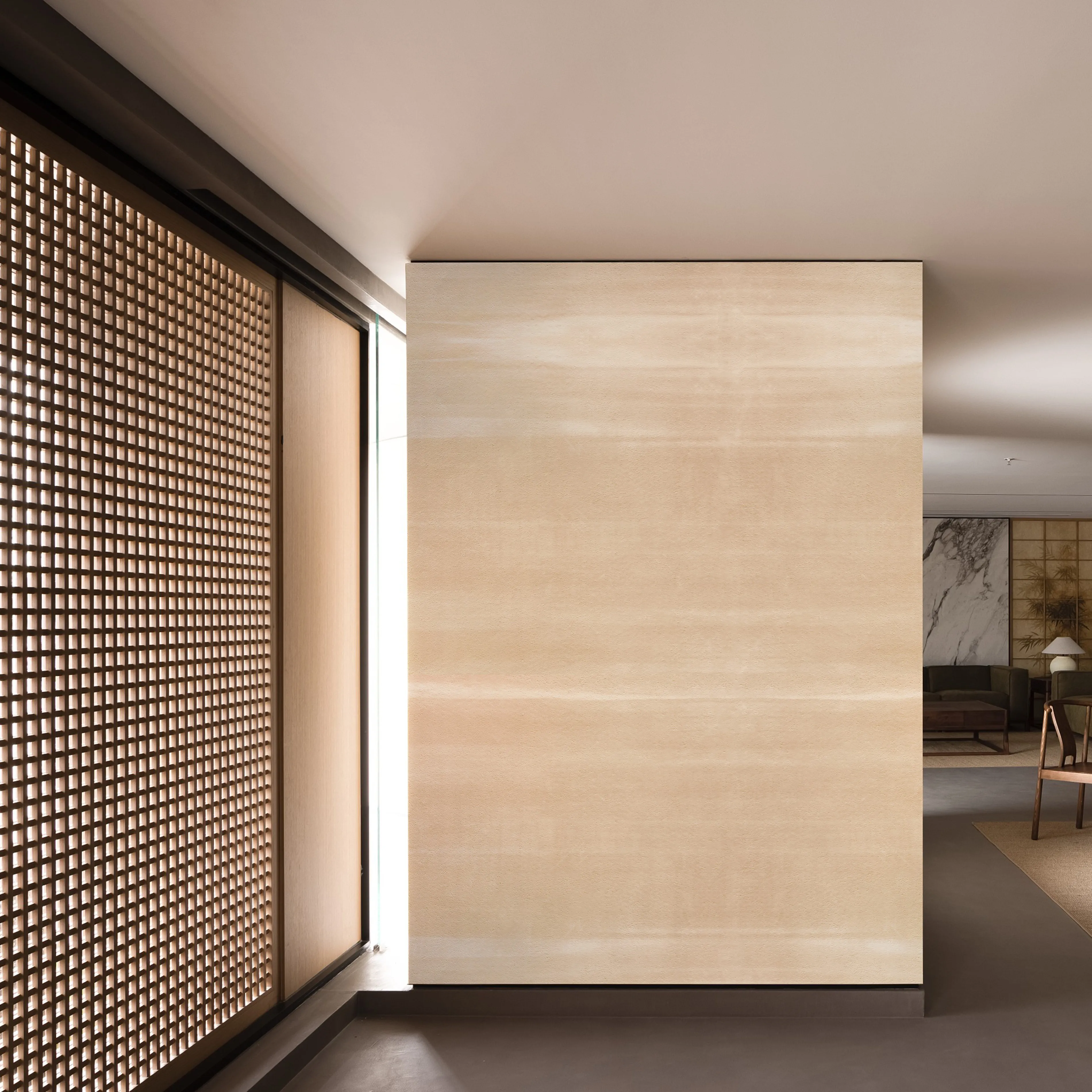
Sandstone Cloude can lower your energy bills for decades. It's especially great for homes in extreme climates—whether you're in a cold area like Canada or a hot region like Arizona. Plus, it adds curb appeal; it looks like real stone, so your home will stand out for all the right reasons.
Architects and Designers:
If you're tired of choosing between aesthetics and performance,
Sandstone Cloude is your new best friend. It's versatile—available in a range of colors and textures, from earthy beiges to modern grays—so it fits almost any design style. And since it's lightweight, it gives you more flexibility with building designs, especially for structures with weight restrictions.
Developers:
For commercial or multi-family projects, the upfront cost of
Sandstone Cloude is offset by lower operating costs and higher tenant satisfaction. Plus, it can help you meet green building certifications, which can make your project more attractive to investors and buyers.
Historical Renovators:
As we saw in the Prague case study,
Sandstone Cloude is ideal for preserving historic buildings. It mimics the look of traditional stone without the weight or insulation drawbacks, so you can keep the past alive while building for the future.
The Future of Building: Why Sandstone Cloude Is Just the Beginning
Sandstone Cloude isn't just a product—it's a sign of where the building industry is headed. As we face the twin challenges of climate change and rising energy costs, materials that do more with less are becoming the norm. We're moving away from "dumb" building materials that just sit there and toward "smart" materials that actively contribute to a building's performance.
Sandstone Cloude is a prime example of that shift.
And the innovation doesn't stop here. Manufacturers are already experimenting with adding even more features to
Sandstone Cloude, like integrated solar reflectivity to bounce sunlight away from buildings in hot climates, or self-cleaning coatings that reduce maintenance. Imagine a building cladding that insulates, looks great, and cleans itself? That's not science fiction—it's the near future.
But even without these future upgrades,
Sandstone Cloude is making waves. It's proof that we don't have to sacrifice comfort, aesthetics, or sustainability to build well. In a world where every decision matters, choosing materials that work
with
the environment (and your wallet) is the way forward.
Let's wrap this up.
Sandstone Cloude isn't just another building material—it's a solution to some of the biggest challenges facing the construction industry today. It keeps buildings warm in winter and cool in summer, slashes energy bills, reduces carbon footprints, and looks great doing it. Whether you're a homeowner, architect, or developer, it's a material that checks all the boxes: performance, sustainability, and beauty.
So the next time you're planning a building project, ask yourself: What if my cladding did more than just look good? What if it actually helped me save money, reduce my environmental impact, and create a more comfortable space? With
Sandstone Cloude, you don't have to wonder—you can build it. The future of energy-efficient building is here, and it's made of stone.