
When it comes to designing a space—whether it's your cozy living room, a bustling café, or a sleek office—the materials you choose for the walls do more than just cover surfaces. They set the mood, tell a story, and even influence how we feel in that environment. Walk into a room with cold, sterile walls, and you might feel disconnected; step into one wrapped in warm, textured stone, and suddenly, it feels like home. In recent years, the debate over wall materials has grown more nuanced, with homeowners and designers alike torn between the timeless appeal of natural elements and the practicality of modern alternatives. Today, we're diving into two standout contenders: Sandstone Cloude and Ceramic Tiles. Both have their loyal fans, but which one truly deserves a spot on your walls? Let's break it down, no jargon, just honest talk about what matters most—beauty, durability, and living with the choice long after the renovation dust settles.
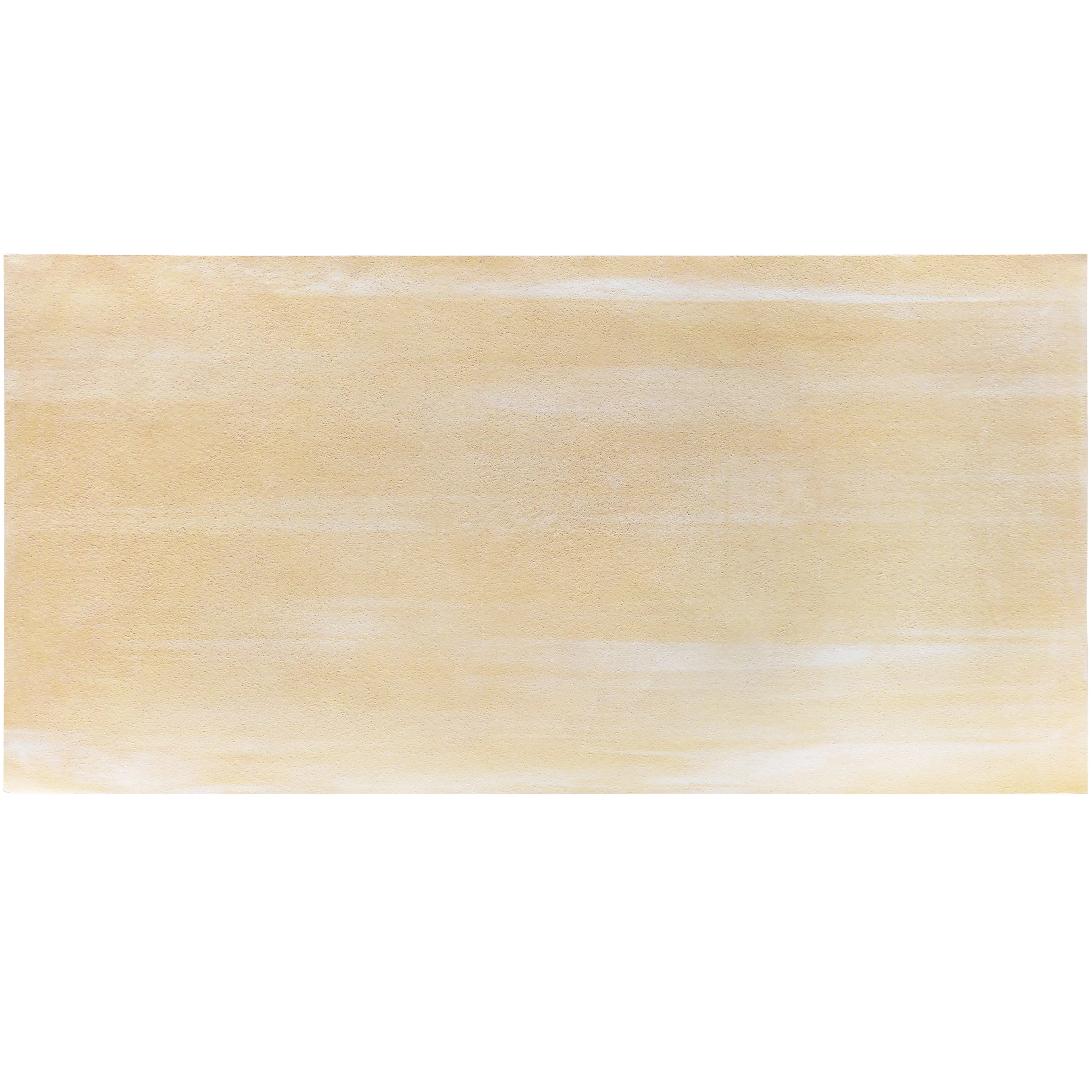
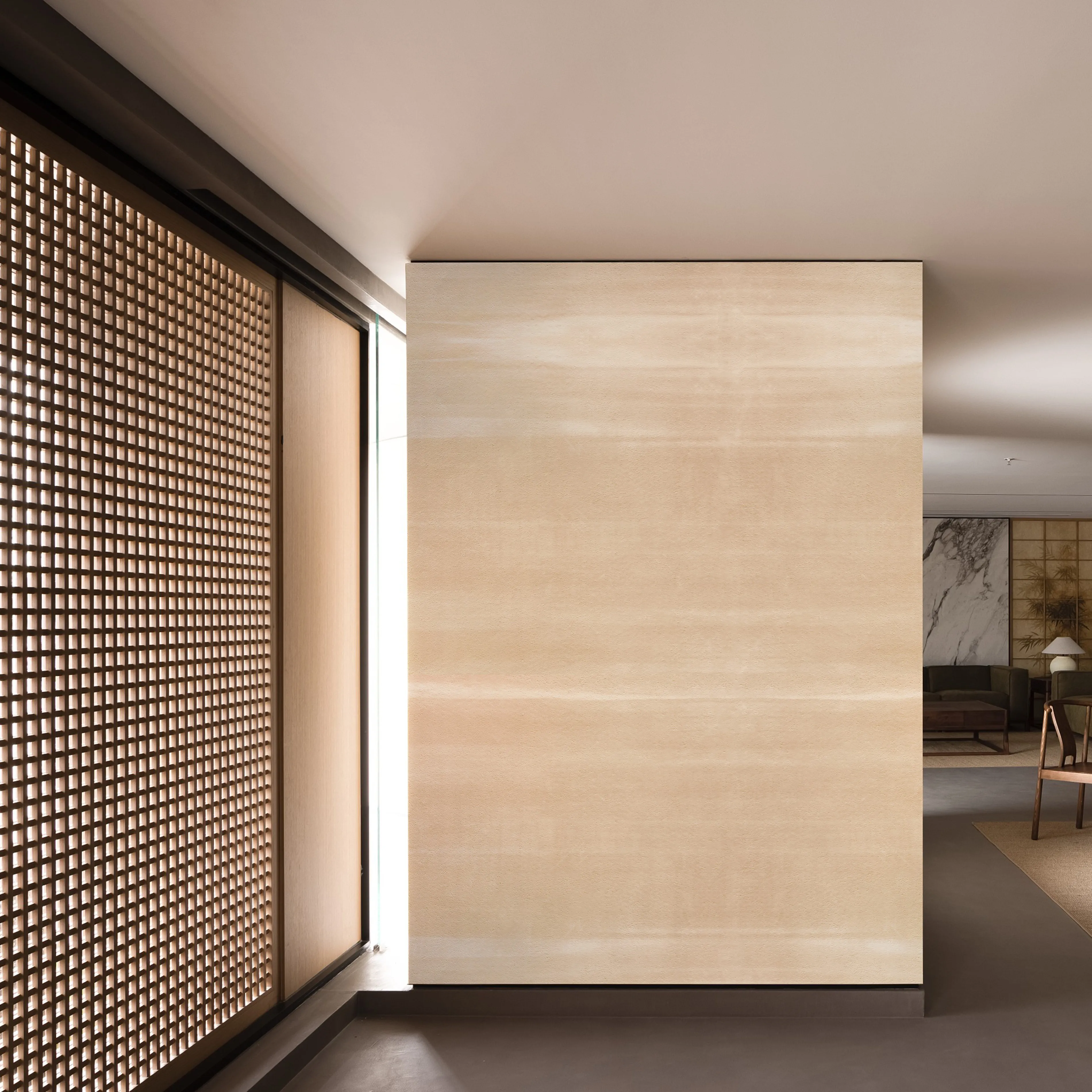
Let's start with the first thing anyone notices: how it looks. In design, aesthetics aren't just about "prettiness"—they're about emotion. Does the wall make you feel calm? Inspired? Grounded? Sandstone Cloude, as the name suggests, carries the soft, weathered charm of stone shaped by time. Run your hand over it, and you'll feel the subtle ridges and valleys, each telling a story of geological formation—like a piece of the earth's crust gently pressed into your wall. It's not uniform, and that's the beauty. One slab might have a swirled pattern of warm beige and soft gray, another a hint of rusty red peeking through, as if the stone itself is blushing. It's the kind of texture that invites you to reach out and touch, turning a wall into a tactile experience.
Compare that to travertine, another natural stone beloved for its earthy allure. Travertine often leans into bold, pitted surfaces and warm, golden hues, but Sandstone Cloude takes a softer approach—more "misty mountain morning" than "sun-baked canyon." It's versatile, too. Pair it with wood grain board accents, and you've got a rustic retreat; mix it with sleek metal fixtures, and suddenly it feels modern and edgy. It doesn't just fill space—it elevates it.
Ceramic Tiles, on the other hand, are the chameleons of the design world. Walk into any tile store, and you'll be met with rows of options: glossy finishes that mimic marble, matte surfaces that echo wood grain board, even bold patterns that shout personality. They're versatile, no doubt. Want a wall that looks like a tropical forest? There's a ceramic tile for that. Prefer something minimalist and monochrome? You've got choices. But here's the thing: that versatility often comes at the cost of organic warmth. Ceramic tiles are man-made, and while their designs can be stunning, they lack the "lived-in" character of natural stone. A ceramic tile might look like wood, but it won't have the subtle variations in grain that make real wood feel alive. It might mimic stone, but the edges are too crisp, the color too consistent—like a perfectly edited photo that loses the magic of the original moment.
That's not to say ceramic tiles can't be beautiful. In a modern kitchen with clean lines, a sleek white ceramic backsplash can feel fresh and airy. In a bathroom, a bold, patterned tile can turn a utilitarian space into a mini oasis. But if you're craving a wall that feels like it has a history—like it's been part of the earth for eons—Sandstone Cloude has a depth that's hard to replicate.
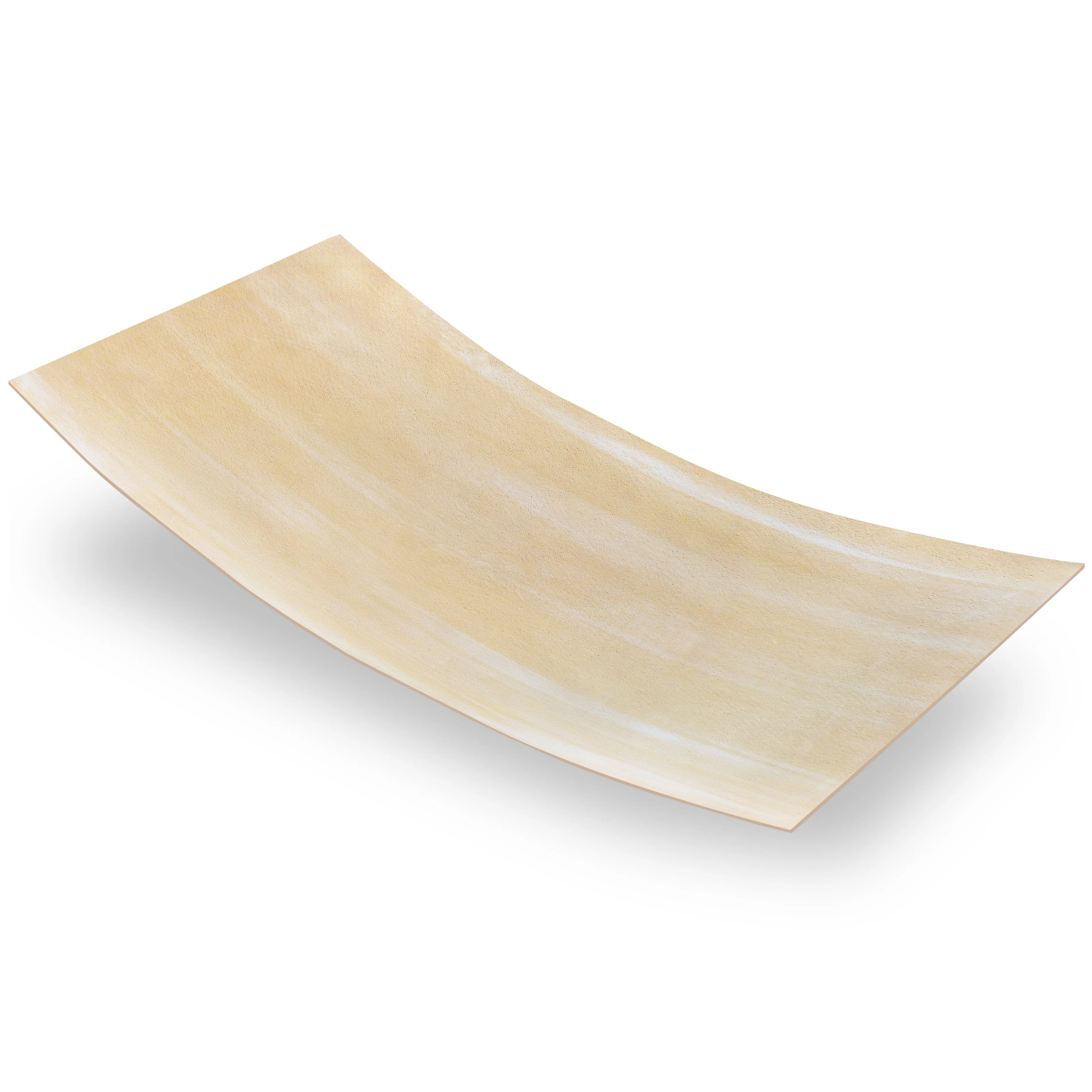
Looks matter, but what good is a beautiful wall if it chips, stains, or fades after a year? Let's talk durability—the unsung hero of wall materials. Sandstone Cloude, despite its soft-sounding name, is surprisingly tough. I've seen it used in high-traffic areas like restaurant lobbies, where it's withstood years of foot traffic, spills, and the occasional chair scrape without showing major wear. Part of this resilience might remind you of mcm flexible stone, a modern material praised for its durability and adaptability—though Sandstone Cloude brings that same toughness with an added layer of natural authenticity. Its density means it resists scratches better than you'd expect, and while it's porous (more on that in maintenance), it holds up well against daily wear and tear. Even in homes with kids and pets—think sticky fingers, flying toys, and the occasional collision with a wayward tricycle—Sandstone Cloude tends to stay looking good for decades.
Ceramic Tiles, meanwhile, are celebrated for their scratch resistance. Drag a chair across a ceramic floor (or wall), and chances are it'll come out unscathed. They're also water-resistant, which makes them a popular choice for bathrooms and kitchens—no need to panic if the shower splashes or the sink overflows. But here's the catch: they're brittle. A heavy object dropped on a ceramic tile wall could lead to cracks or chips, and once a tile is damaged, replacing it can be a hassle—especially if the pattern or color is discontinued. It's like having a favorite shirt with a hole; you can patch it, but it never quite looks the same. And while the tiles themselves are tough, the grout lines between them can be a weak spot. Over time, grout can crack or discolor, making the whole wall look shabby even if the tiles are intact.
So, who wins here? It's a toss-up in some ways. Sandstone Cloude is more resistant to impact (thanks to its natural flexibility), while ceramic tiles have the edge in scratch and water resistance. But if we're talking long-term durability—decades of use without major issues—Sandstone Cloude has a slight edge. It ages like fine wine, developing a subtle patina that adds to its charm, whereas ceramic tiles can start to look dated or worn if not maintained carefully.
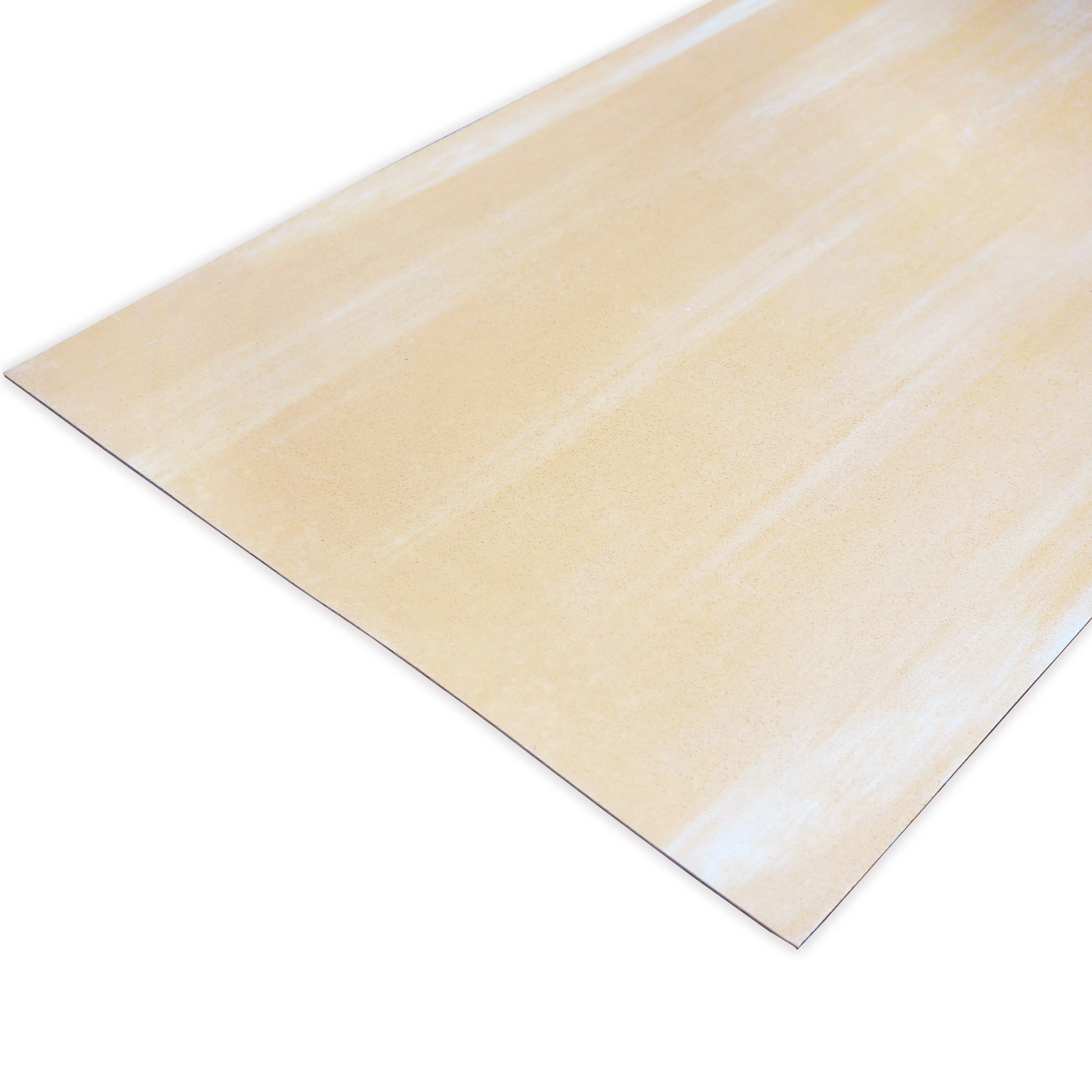
Installing wall materials isn't just about slapping them up; it's about logistics, weight, and how well they play with your space's structure. Let's start with Sandstone Cloude. Surprisingly, it's lighter than you might think. Unlike some natural stones that feel like lifting a boulder, Sandstone Cloude slabs are often thinner (though still sturdy), making them easier to maneuver—even for DIY enthusiasts with a bit of experience. This flexibility (pun intended) is a big plus, especially in older buildings where wall weight can be a concern. You won't need to reinforce your walls just to hang it, which saves time and money. It's a far cry from, say, fair-faced concrete, which, while stunning, requires precise formwork and heavy lifting. With Sandstone Cloude, you can achieve that raw, natural look without the structural stress.
Installation-wise, it's also forgiving. Because each slab is unique, minor gaps or uneven cuts are less noticeable than they would be with uniform ceramic tiles. A skilled installer can blend the slabs seamlessly, creating a wall that looks like it was carved from a single piece of stone. Even if you're new to DIY, with the right tools (a wet saw for cutting, mortar for adhesion), you can tackle a small project—like a fireplace surround—over a weekend. Just be sure to wear gloves; natural stone can be rough on the hands!
Ceramic Tiles, on the other hand, are heavier per square foot, and their rigidity means cutting them to fit around outlets or corners requires specialized tools. A tile cutter or wet saw is a must, and even then, one wrong move can result in a cracked tile—and wasted money. Plus, because they're installed with grout, there's the added step of ensuring even spacing and clean lines. It's doable, but it demands patience and precision. I've heard horror stories from homeowners who tried to DIY ceramic tile walls and ended up with uneven grout lines or tiles that popped loose a few months later. Professional installers, of course, can handle it with ease, but that adds to the cost. And let's not forget weight: if you're installing ceramic tiles on an upper floor or a wall that wasn't built to support heavy materials, you might need to consult a structural engineer first. It's an extra step that Sandstone Cloude often skips.
Winner here? Sandstone Cloude, by a hair. Its lighter weight, flexibility, and forgiving installation make it a better choice for both pros and DIYers—especially if you're working with a space that has structural limitations.
In a world where we're all trying to make greener choices, the environmental impact of building materials matters. Let's start with Sandstone Cloude. As a natural stone, it has a leg up here. Quarried from the earth, it doesn't require the high-temperature firing or chemical treatments that many synthetic materials do. Of course, responsible sourcing is key—look for suppliers who prioritize ethical mining practices to avoid habitat disruption or excessive water use. But overall, it's a material that feels in harmony with nature, not at odds with it. And because it's so durable, it rarely needs to be replaced, reducing waste over time. When it does reach the end of its life (which could be a century from now), it can be crushed and reused as aggregate for roads or landscaping—no toxic chemicals leaching into the soil.
Ceramic Tiles, while durable, have a more complex environmental footprint. The manufacturing process involves mining clay, shaping the tiles, and firing them in kilns at temperatures over 1,000 degrees Celsius—all of which consume significant energy. Some brands are moving toward recycled content in their tiles, which helps, but it's still a more resource-intensive process than harvesting natural stone like Sandstone Cloude. There's also the issue of transportation: ceramic tiles are heavy, so shipping them long distances adds to their carbon footprint. On the flip side, some ceramic tiles are made with low-VOC (volatile organic compound) glazes, which is better for indoor air quality—a small win, but a win nonetheless.
Another factor to consider: maintenance. Sandstone Cloude requires sealing, but many sealers today are water-based and low in VOCs. Ceramic tiles, while easy to clean, often require harsh chemical cleaners for grout, which can be harmful to the environment (and your lungs). It's a trade-off, but when it comes to overall sustainability, Sandstone Cloude has a clearer conscience.
Let's get real—budget is almost always a factor. No one wants to fall in love with a material only to realize it's way out of reach. So, how do Sandstone Cloude and Ceramic Tiles stack up financially? Sandstone Cloude tends to be pricier upfront. You're paying for the uniqueness of natural stone, the labor to quarry it, and the craftsmanship to shape it. Depending on the supplier and the thickness of the slabs, you might be looking at $15–$30 per square foot, not including installation. But here's the flip side: its durability means you're unlikely to replace it anytime soon. Think of it as an investment—like buying a quality sofa that lasts 15 years instead of a cheap one that needs replacing every 3. Over time, that upfront cost evens out.
Ceramic Tiles, by contrast, are often more budget-friendly upfront, with basic options starting as low as $3–$8 per square foot. That initial savings can be tempting, especially for large projects. But remember those potential repair costs? A cracked tile here, a discolored grout line there—over time, those small fixes can add up. And if you ever decide to redo the wall, you'll have to factor in the cost of removing old tiles and disposing of them, which isn't always cheap. Plus, higher-end ceramic tiles (the ones that mimic natural stone or have intricate designs) can cost just as much as Sandstone Cloude, erasing that upfront savings. So, while ceramic tiles might seem like the "cheaper" option, they can end up costing more in the long run—especially if you opt for a mid-range or high-end design.
Installation costs also play a role. Sandstone Cloude, being lighter and easier to handle, might cost less to install—around $5–$10 per square foot for professional labor. Ceramic tiles, with their need for precise cutting and grouting, can run $8–$15 per square foot for installation. So, even if the tiles themselves are cheaper, the labor might eat into those savings. It's all about balancing upfront costs with long-term value, and for many homeowners, Sandstone Cloude's durability makes that higher initial price tag worth it.
No material is entirely maintenance-free, and both Sandstone Cloude and Ceramic Tiles have their own needs. Let's start with Sandstone Cloude. Being a natural stone, it's porous—meaning it can absorb liquids if left unchecked. That's why sealing it once a year (or as recommended by the supplier) is a must. A good stone sealer acts like a protective shield, repelling spills and preventing stains. It's a small step, but it goes a long way in keeping your walls looking fresh. I've seen homeowners skip sealing and regret it when a glass of red wine leaves a permanent mark—don't be that person! Beyond sealing, cleaning is simple: a damp cloth and mild soap will do the trick. Avoid harsh chemicals or abrasive sponges, which can wear away the sealer or scratch the stone. With a little care, your Sandstone Cloude walls will age gracefully, developing a rich patina that only gets better with time.
Ceramic Tiles are generally easier to clean—just wipe them down with a damp cloth and mild soap, and they're good as new. The trouble comes with the grout. Grout lines are magnets for dirt and mildew, especially in humid areas like bathrooms or kitchens. Regular scrubbing with a grout cleaner is necessary to keep them looking white and fresh. Some people opt for epoxy grout, which is more stain-resistant, but it's pricier and harder to install. It's a trade-off: easy tile care, but grout that demands attention. And if a tile does crack? Replacing it requires matching the color and pattern exactly, which can be a nightmare if the tile is discontinued. I once helped a friend replace a single cracked tile in her kitchen, and we spent hours hunting down a match—only to find it cost $20 for one tiny tile. Lesson learned: ceramic tiles are low-maintenance, but grout and repairs can be a hassle.
So, which is easier to maintain? It depends on your tolerance for upkeep. If you don't mind annual sealing and prefer simple cleaning, Sandstone Cloude is a breeze. If you'd rather avoid sealing but don't mind scrubbing grout, ceramic tiles might be your speed. There's no "perfect" option, but knowing what you're signing up for can save you frustration later.
| Aspect | Sandstone Cloude | Ceramic Tiles |
|---|---|---|
| Aesthetics | Natural, textured, with unique variations; warm, earthy charm. | Uniform, versatile designs; can mimic stone/wood but lacks organic warmth. |
| Durability | Highly durable; resists impact and wear; ages gracefully with a patina. | Scratch and water-resistant but brittle; prone to cracking if heavy objects hit. |
| Installation | Lighter, flexible, and forgiving; easier for DIY or pros; lower labor costs. | Heavier, rigid; requires precise cutting and grouting; higher labor costs. |
| Sustainability | Natural, minimally processed; durable (reduces waste); recyclable at end of life. | Energy-intensive manufacturing; some recycled options; heavy transportation footprint. |
| Upfront Cost | Higher ($15–$30/sq ft + $5–$10 installation). | Lower ($3–$8/sq ft basic; $8–$15 installation). |
| Long-Term Cost | Lower (minimal replacement/repair; durable for decades). | Higher (potential grout repairs, tile replacement, disposal costs). |
| Maintenance | Annual sealing; simple soap-and-water cleaning. | Easy tile cleaning; regular grout scrubbing; potential repair hassles. |
At the end of the day, there's no "one-size-fits-all" answer. The choice between Sandstone Cloude and Ceramic Tiles depends on your priorities, your space, and the story you want your walls to tell. If you crave natural beauty, value sustainability, and are willing to invest in a material that will last decades, Sandstone Cloude is a showstopper. It brings warmth, texture, and a sense of history to any room, turning walls into conversation pieces. It's perfect for living rooms, bedrooms, or commercial spaces where ambiance matters most.
If you're on a tight budget, need a material that can handle heavy moisture (like a bathroom), or prefer a wide range of bold, modern designs, ceramic tiles might be the way to go. They're practical, versatile, and easy to clean—just be prepared to stay on top of grout maintenance and potential repairs.
Whichever you choose, remember: your walls are more than just surfaces. They're the backdrop to your life—the place where you hang family photos, where your kids draw with crayons (even if you don't want them to), where you curl up with a book after a long day. So choose something that speaks to you, that makes you smile every time you walk into the room. Whether it's the earthy charm of Sandstone Cloude or the sleek practicality of Ceramic Tiles, the best wall material is the one that feels like home.
Recommend Products












