
Before we compare, let's get to know these materials up close. They're both born from the earth, but their journeys couldn't be more different.
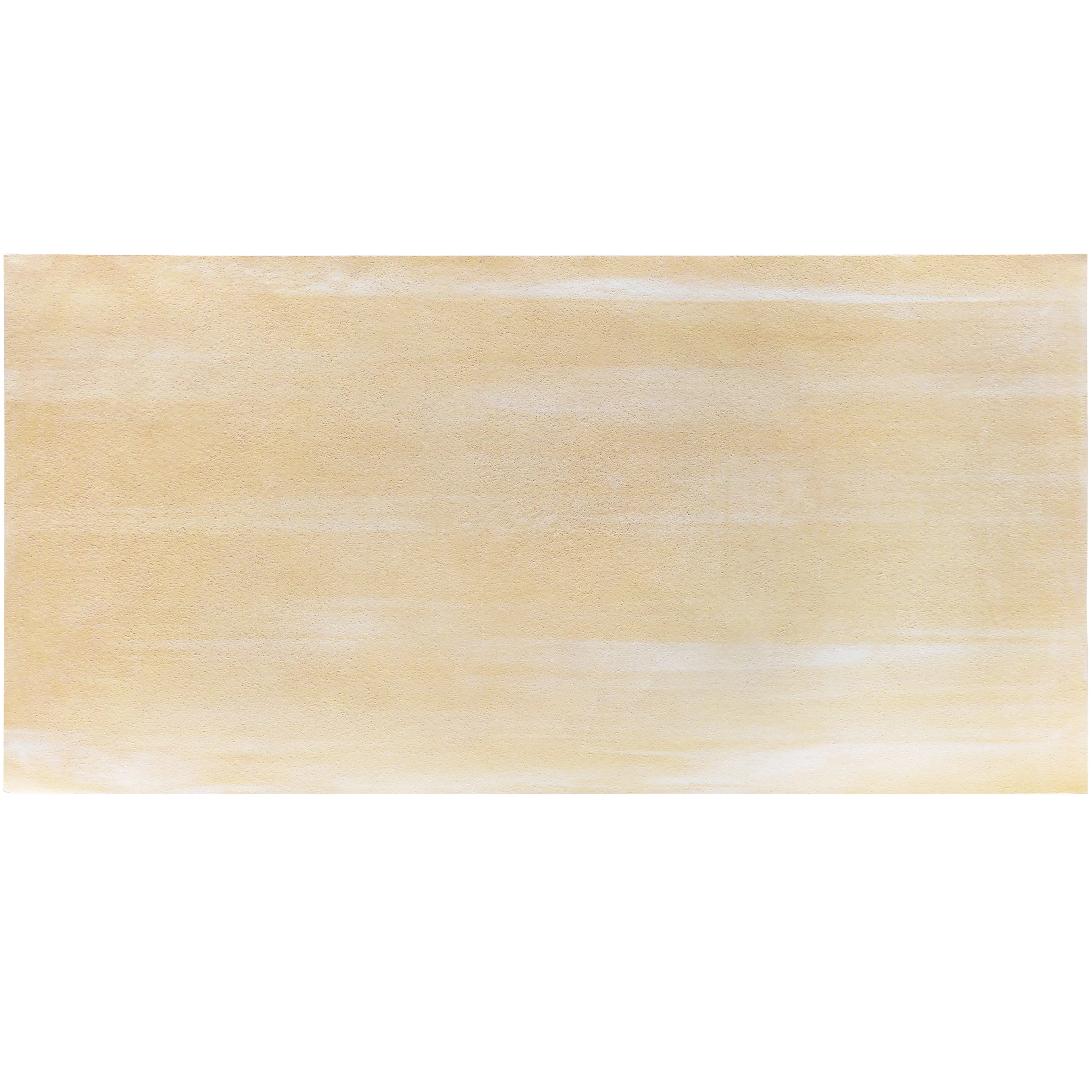
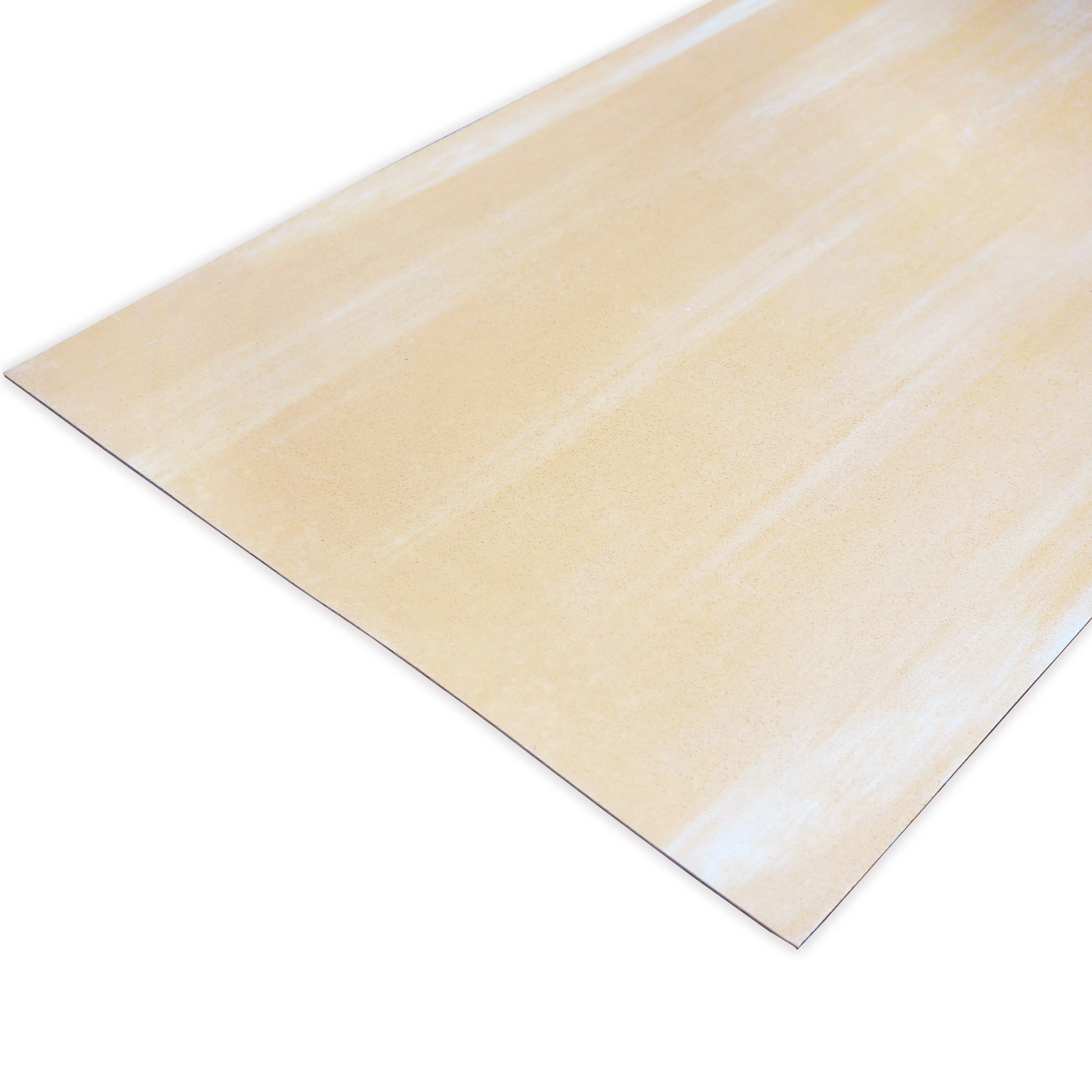
Imagine a stone that looks like someone spilled a jar of sky onto a canvas—that's Sandstone Cloude . Formed over millennia by layers of sediment (sand, minerals, even organic matter) compressed and cemented together, it's a sedimentary rock with a soul. Its name says it all: soft, billowy patterns in whites, beiges, and pale grays mimic clouds drifting across a morning sky. Run your hand over it, and you'll feel a gentle, slightly porous texture—warm, not cold, like a sun-baked desert stone.
What makes Sandstone Cloude special? It's not just about looks. Unlike denser stones, it breathes, making it ideal for interiors where humidity might be a concern. And while it's softer than granite, its layered structure gives it a surprising flexibility—think of it as the yoga instructor of stones, bending without breaking in moderate conditions.
Granite is the tough guy in the room, and it has the credentials to back it up. An igneous rock formed when magma cools slowly beneath the Earth's surface, it's a mosaic of minerals—quartz, feldspar, mica—that lock together like a medieval fortress. The result? A stone so hard, it's been used for centuries in everything from ancient temples to modern skyscrapers.
Walk into a luxury hotel lobby, and you've probably stood on granite without realizing it. Take Granite Portoro , for example—a striking black granite with golden veins that scream opulence. Or Granite Nero Margiua , a deep charcoal stone that adds gravitas to any space. Granite's appeal lies in its uniformity and strength: it resists scratches, heat, and even acid (hello, kitchen countertops!). But all that strength comes with a tradeoff: it's heavy, dense, and unapologetically bold.
| Feature | Sandstone Cloude | Granite (e.g., Granite Portoro) |
|---|---|---|
| Type | Sedimentary (layered sediment) | Igneous (crystalline magma cooling) |
| Texture | Soft, porous, with cloud-like swirls | Hard, dense, crystalline grains |
| Durability | Good for moderate traffic; susceptible to heavy impact | Excellent; resists scratches, heat, and weathering |
| Color Palette | Whites, beiges, pale grays with subtle patterns | Deep blacks, grays, with contrasting veins (e.g., gold in Portoro) |
| Installation | Lighter; may require sealing for exteriors | Heavy; needs strong structural support |
| Best For | Rustic interiors, low-traffic exteriors, accent walls | High-traffic floors, countertops, commercial facades |
When you're building, durability isn't just a checkbox—it's a promise to the future. How do these two stack up when the going gets tough?
Sandstone Cloude is no pushover, but it's not built for battle. Its porous nature means it can absorb water, which in freezing climates might lead to cracking (water expands when it freezes, after all). That said, in mild, dry regions? It thrives. Think of a coastal home in California or a boutique hotel in Tuscany— Sandstone Cloude walls there would age like fine wine, developing a soft patina over time.
For interiors, it's a dream. Low foot traffic areas like bedroom accent walls or fireplace surrounds? Perfect. Just avoid high-moisture spots (like showers) unless you seal it religiously. And if you're worried about dents? A well-placed coat rack or furniture pad will keep it looking fresh for decades.
Granite laughs in the face of wear and tear. Its density makes it water-resistant (no need for constant sealing), and its mineral composition shrugs off scratches from furniture, heat from pots and pans, even the occasional dropped tool. That's why you'll find it in airports, malls, and high-rise lobbies—places where thousands of feet march over it daily, and it still looks polished.
Take Granite Portoro in a luxury hotel bathroom: splashes of water, hair products, even the occasional makeup spill? Granite doesn't care. It's also UV-resistant, so exterior cladding in sunny climates won't fade. The only real enemy? Extreme weight—like a 500-pound sculpture dropped on it. But let's be honest: that's a problem for any material.
Stone isn't just about function—it's about feeling. Do you want your building to whisper "welcome home" or shout "arrive in style"?
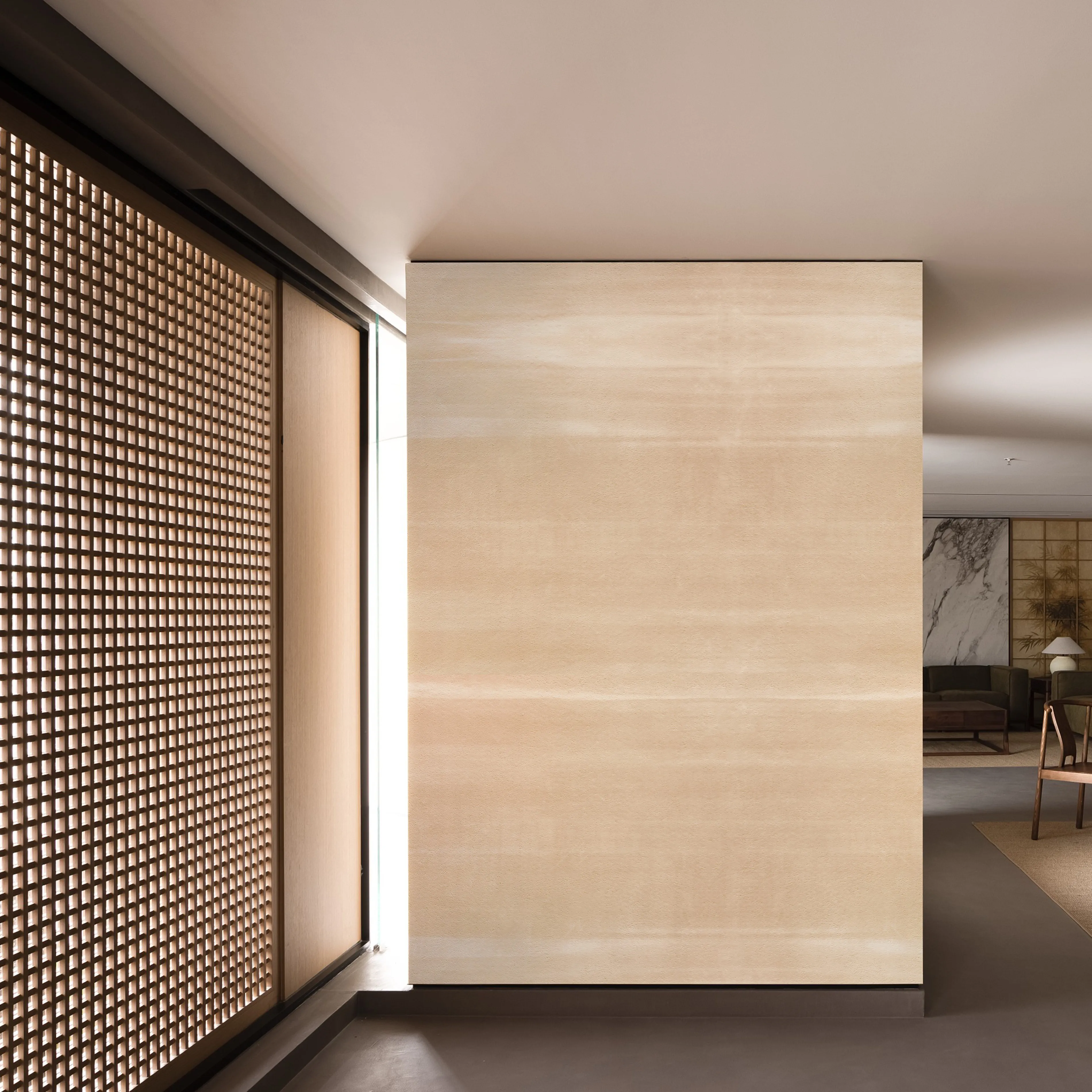
Sandstone Cloude is the storyteller of stones. Its soft, uneven patterns feel organic, like nature itself took a paintbrush. Imagine a café with Sandstone Cloude walls: sunlight filters through windows, casting shadows that make the cloud patterns dance. It pairs beautifully with wood accents and warm lighting, creating spaces that feel inviting, not intimidating.
It's also versatile. Want a modern twist? Pair it with foamed aluminium alloy board (vintage silver) for a mix of soft stone and sleek metal. Or add pops of color with Travertine (Starry Blue) —a cousin stone with star-like flecks—in a feature wall. The result? A space that feels curated, not cookie-cutter.
Granite is the red carpet of stones—unapologetically luxurious. Granite Portoro , with its black base and gold veins, is the epitome of this. Picture a high-end restaurant bar top: the granite catches the light, turning every sip into a moment of indulgence. It's also surprisingly versatile— Granite Nero Margiua (deep gray) adds industrial edge to a loft, while pink granite brings warmth to a boutique hotel lobby.
But here's the thing: granite demands attention. It's not a background player. If you pair it with busy wallpapers or clashing colors, it can feel overwhelming. Keep the rest simple, and let the stone's natural beauty take center stage.
Even the most beautiful stone is useless if it's a nightmare to install. Let's talk practicality.
One of Sandstone Cloude 's biggest perks? It's lightweight. Unlike granite, which can weigh 15-20 pounds per square foot, sandstone clocks in at 10-12 pounds. That means easier transport, fewer workers, and less strain on your building's structure. Installers love it for feature walls—no need for heavy-duty brackets, just standard anchors and a little sealant (to keep out moisture).
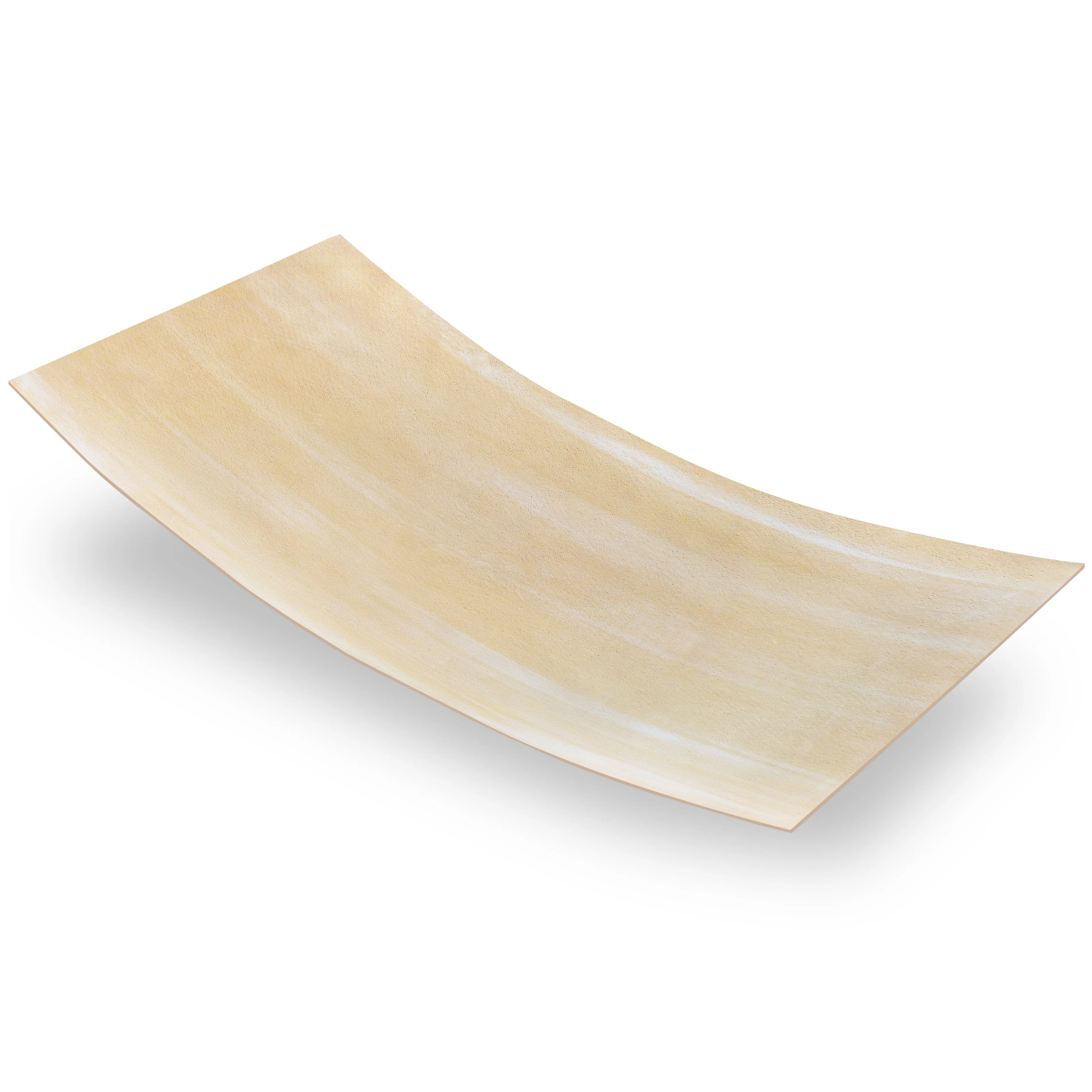
For even more flexibility, consider modern alternatives like MCM Flexible Stone . This engineered material mimics the look of Sandstone Cloude but is as bendable as a vinyl sheet. It's perfect for curved surfaces or projects where weight is a concern—think a spiral staircase wall or a rounded fireplace.
Granite is a workout. A single slab can weigh 500 pounds or more, so you'll need a crane for exterior installations and reinforced floors for interiors. Installers also have to cut it with diamond blades (it's that hard!), which adds time and cost. But here's the payoff: once it's up, it's up. No need for frequent repairs or replacements—granite is a set-it-and-forget-it material.
Pro tip: If you love granite but hate the weight, look into boulder slab (vintage silver) —a thinner, lighter granite variant that still packs the same punch. It's a game-changer for high-rise facades where every pound counts.
At the end of the day, choosing between Sandstone Cloude and granite is about balancing your project's personality with practicality. Want warmth, texture, and a material that feels alive? Go with Sandstone Cloude —it's the perfect choice for cozy homes, boutique hotels, or any space that aims to feel welcoming.
Need something tough, luxurious, and built to handle the chaos of daily life? Granite (especially showstoppers like Granite Portoro ) is your stone. It's the workhorse that never sacrifices style, ideal for commercial spaces, high-traffic floors, or anyone who wants their building to make a statement.
And remember: there's no rule that says you have to pick one! Mix Sandstone Cloude walls with a granite countertop, or pair granite floors with Travertine (Starry Blue) accents. After all, the best buildings are like good stories—they blend different voices to create something unforgettable.
Recommend Products












