
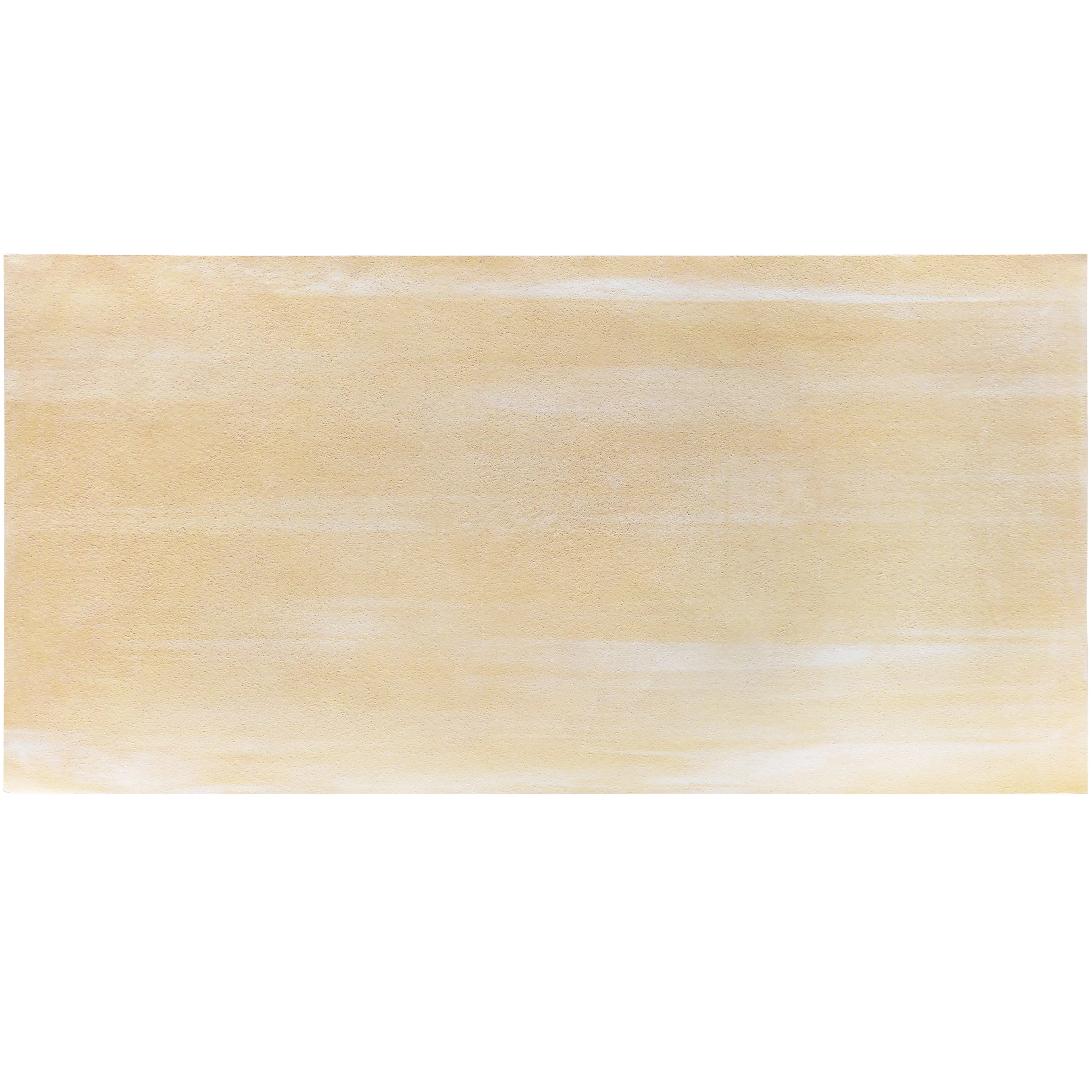
Choosing the right building material is like selecting a narrator for your space—it shapes the story, sets the mood, and leaves a lasting impression. In the world of natural stone and architectural materials, two names often rise to the top for their ability to blend beauty with functionality: Sandstone Cloude and Limestone (beige) . One evokes the softness of a misty morning, the other carries the weight of centuries of craftsmanship. But how do you decide which one belongs in your next project? Let's dive into their stories, strengths, and secrets to help you find the perfect match.
If materials had personalities, Sandstone Cloude would be the dreamer—gentle, versatile, and full of subtle surprises. Quarried from regions where geological forces have woven layers of sediment into soft, cloud-like patterns, this stone lives up to its name. Imagine a canvas where warm ivory and pale taupe merge, swirled with faint streaks of gray that mimic the way clouds stretch across a lazy afternoon sky. It's not just a stone; it's a mood.
What truly sets Sandstone Cloude apart is its texture. Run your hand over its surface, and you'll find a balance of smoothness and depth—like petrified sand dunes frozen in time. The grain is fine but distinct, giving it a tactile quality that invites touch. Unlike some stones that feel cold or impersonal, Sandstone Cloude radiates warmth, making it ideal for spaces where comfort is key: a sunlit kitchen backsplash, a cozy reading nook's accent wall, or an exterior facade that softens the harsh lines of modern architecture.
Durability? Sandstone Cloude holds its own. Formed from compressed sand-sized grains, it's naturally resistant to chipping and cracking, even in regions with fluctuating temperatures. Rain, wind, or snow—this stone takes it all in stride, though it does appreciate a little care. A yearly sealant application will keep its colors vibrant and protect against stains, ensuring it stays as charming as the day it was installed.
Sustainability is another feather in its cap. Many quarries that source Sandstone Cloude prioritize responsible mining practices, minimizing environmental impact by restoring landscapes post-extraction. Plus, its natural composition means it's free from harmful chemicals, making it a safe choice for both indoor and outdoor use. In a world where "green" building matters more than ever, Sandstone Cloude checks that box with ease.
Example: A coastal café in Oregon used Sandstone Cloude for its exterior walls. The stone's soft tones complement the ocean's blues, while its durability stands up to the salty breeze. Inside, the same material lines the counter tops, creating a seamless flow that makes customers feel like they're dining in a beachside cave—warm, sheltered, and utterly at peace.
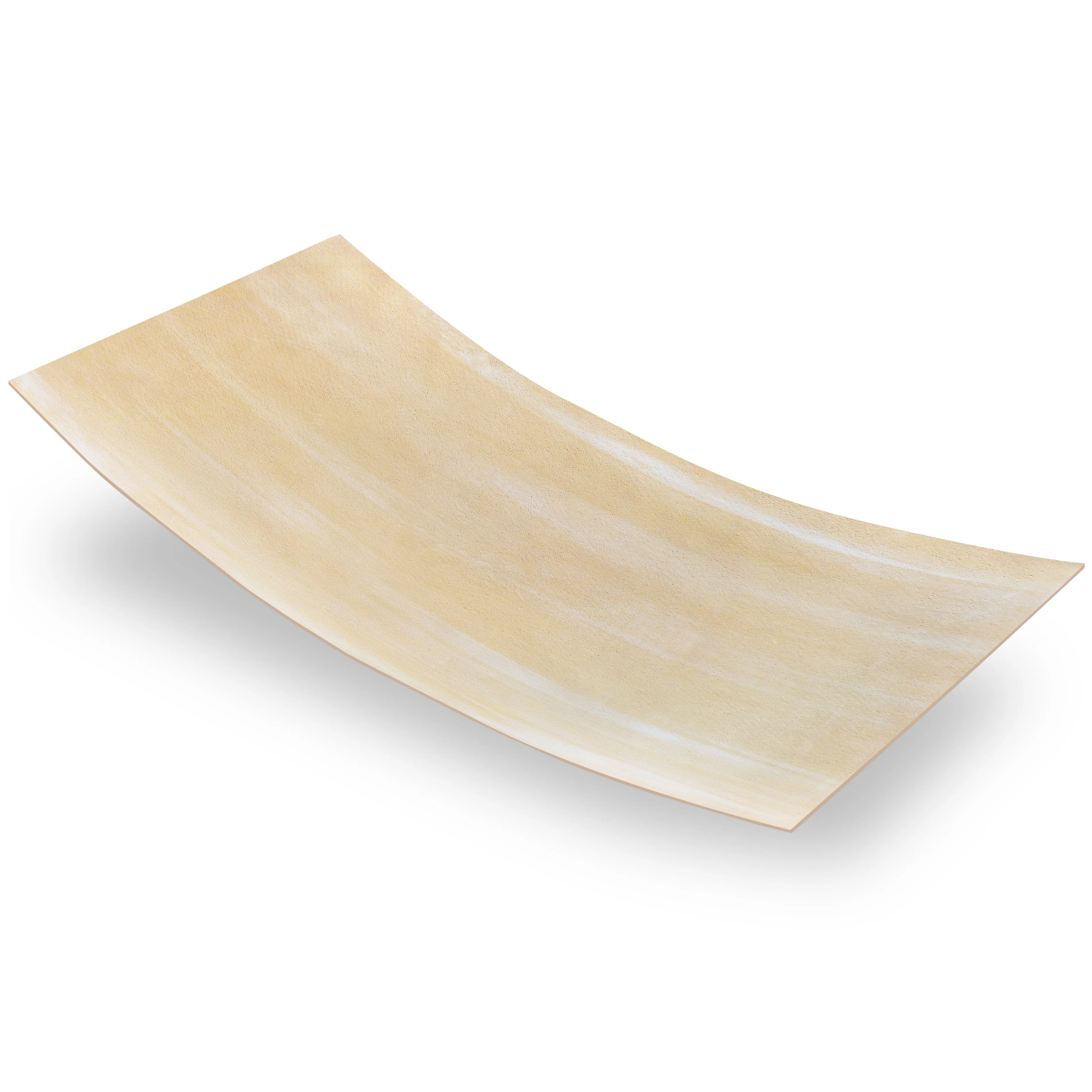
If Sandstone Cloude is the dreamer, Limestone (beige) is the storyteller—wise, enduring, and steeped in history. For millennia, civilizations have turned to limestone to build their legacies: the Great Pyramids, the Parthenon, and countless cathedrals that still stand tall today. There's a reason for that longevity: limestone is more than a material; it's a bridge between past and present.
Limestone (beige), in particular, is the quiet hero of classic design. Its color is a study in warmth—think buttery cream, soft sand, or mellow honey—with natural variations that add depth without overwhelming. Unlike uniform synthetic materials, no two slabs of limestone are identical; each carries unique veining, tiny fossils, or subtle color shifts, making your space feel one-of-a-kind. It's the kind of stone that ages like fine wine, developing a gentle patina over time that only enhances its character.
Texture-wise, limestone (beige) leans into its earthy roots. Some varieties, like travertine (a type of limestone), boast porous surfaces with small, natural pits—relics of the mineral-rich water that formed them. These pores give the stone a tactile, organic feel, as if you're touching a piece of the earth itself. Others are smoother, polished to a soft sheen that reflects light gently, creating an airy, open atmosphere in rooms.
Durability is where limestone (beige) truly shines, but it comes with a caveat. Thanks to its high calcium carbonate content, it's resistant to wear and tear, making it perfect for high-traffic areas like hallways or outdoor patios. However, it is porous, meaning it can absorb liquids and stains if not properly sealed. A good quality sealer applied every 1–2 years will keep it looking fresh, protecting against coffee spills, oil splatters, or rainwater marks.
Example: A 1920s bungalow in the English countryside was restored using Limestone (beige) for its exterior cladding. The homeowners wanted to preserve the home's historical charm while updating its functionality. The stone's warm beige hue complemented the original wooden beams, and its durability ensured the home would stand for another century. Inside, they paired it with travertine floors, creating a seamless transition from old-world elegance to modern comfort.
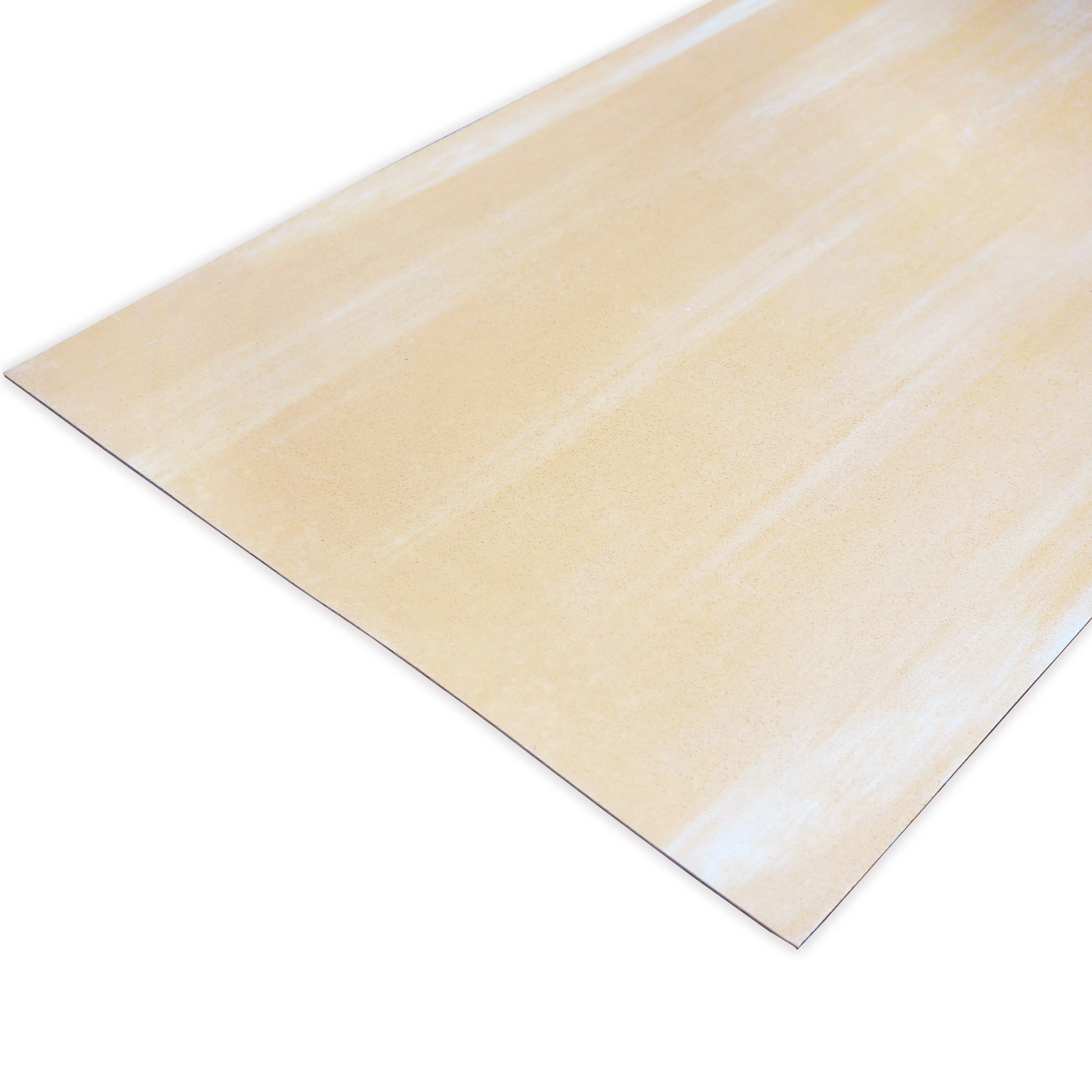
To make the choice clearer, let's break down how Sandstone Cloude and Limestone (beige) stack up in key areas. Think of this as a friendly debate where both contenders bring their A-game—no winners, just different strengths.
| Feature | Sandstone Cloude | Limestone (Beige) |
|---|---|---|
| Appearance | Soft, cloud-like patterns in ivory, taupe, and pale gray; subtle, flowing veining | Warm beige with natural variations; may include fossils or veining (travertine has characteristic pores) |
| Texture | Smooth with fine, even grain; tactile but not overly rough | Varies—can be porous (travertine) or smooth; often has a matte, earthy finish |
| Durability | High resistance to weathering and chipping; ideal for exteriors in moderate climates | Strong and wear-resistant but porous; needs sealing to prevent stains |
| Maintenance | Low to moderate; seal every 2–3 years; avoid harsh chemicals | Moderate; seal every 1–2 years; blot spills immediately to prevent staining |
| Sustainability | Eco-friendly when sourced from responsible quarries; minimal processing | Natural and biodegradable; look for locally quarried options to reduce carbon footprint |
| Best For | Modern, rustic, or coastal designs; accent walls, backsplashes, exterior facades | Classic, heritage, or Mediterranean styles; flooring, countertops, historical restorations |
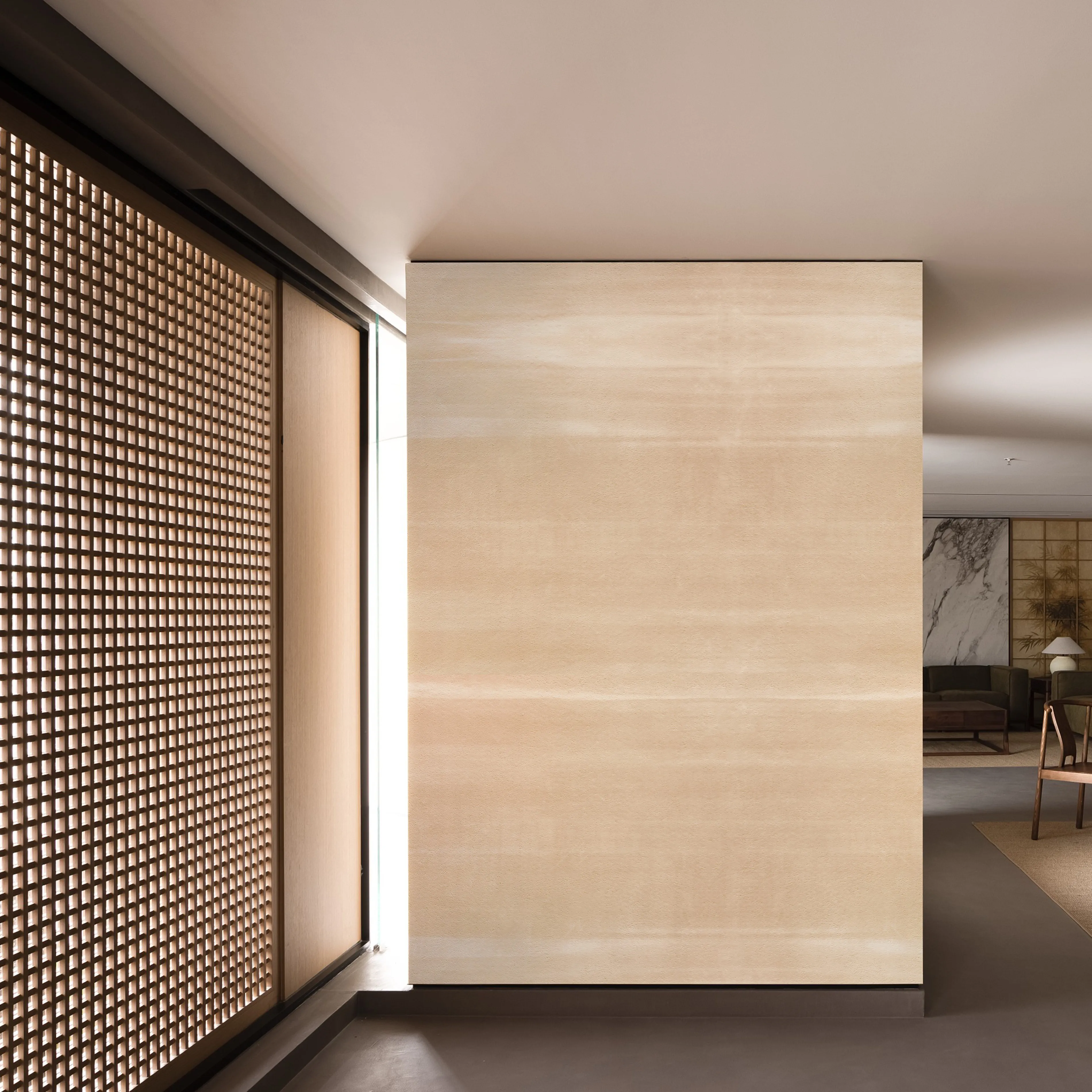
Still on the fence? Let's narrow it down with the factors that matter most for your project. Whether you're designing a home, a café, or a commercial space, these questions will help you align the material with your vision.
Sandstone Cloude is your go-to if you want a space that feels light, airy, and slightly whimsical. Its soft patterns work beautifully in modern homes, beachy retreats, or any design that leans into "calm." Limestone (beige), on the other hand, is all about timelessness. It pairs perfectly with traditional architecture, rustic decor, or spaces that aim to feel grounded and warm. If you're torn, ask: Do I want my space to whisper "serene" or shout "heritage"?
Sandstone Cloude thrives in moderate to dry climates. Its density makes it resistant to moisture, but in extremely rainy or humid areas, regular sealing is a must. Limestone (beige) is more versatile but needs extra care in wet climates—those pores can trap water if not sealed, leading to mold or mildew. If you live in a region with harsh winters, both stones hold up well, but limestone may require more frequent inspections for cracks.
Both materials are natural and eco-friendly, but their sustainability depends on sourcing. Look for suppliers who practice responsible mining—reclaiming quarries, reducing water usage, and minimizing waste. If sustainability is a top priority, you might also consider modern alternatives like MCM Flexible Stone , a lightweight, durable material that mimics natural stone while using fewer resources. MCM Flexible Stone often combines the best of both worlds: the look of Sandstone Cloude or Limestone (beige) with lower environmental impact.
Sandstone Cloude is the low-maintenance friend—it asks for little but gives a lot. A quick seal every 2–3 years and regular cleaning with mild soap and water are all it needs. Limestone (beige) is a bit more high-maintenance, requiring sealing every 1–2 years and immediate attention to spills. If you're a busy homeowner or managing a commercial space with little time for upkeep, Sandstone Cloude might be the more practical choice.
Costs vary based on quality, thickness, and sourcing, but generally, Sandstone Cloude falls into the mid-range category, while Limestone (beige) can range from affordable to luxury (think high-end travertine or rare limestone varieties). MCM Flexible Stone often offers a budget-friendly alternative, with prices lower than natural stone but with similar visual appeal. If you're working with a tight budget, ask suppliers about offcuts or locally sourced options—you might find hidden gems at a fraction of the cost.
Sometimes, the best choice isn't just between two materials—it's about blending them or adding a modern twist. For example, if you love the look of Limestone (beige) but need something more durable for a high-traffic commercial space, consider pairing it with MCM Flexible Stone . MCM materials are engineered to mimic natural stone, offering the same beauty with added benefits like lightweight installation and resistance to scratches and stains. They're also easier to work with, making them a favorite among architects and designers for large-scale projects.
Another option is to mix and match. Imagine a kitchen with Sandstone Cloude countertops (soft, easy to clean) and Limestone (beige) backsplash tiles (warm, textured). The combination creates visual interest while balancing functionality. Or, use Sandstone Cloude for exterior walls and travertine (a type of limestone) for interior floors—seamlessly connecting indoor and outdoor spaces.
At the end of the day, choosing between Sandstone Cloude and Limestone (beige) isn't about picking the "better" material—it's about picking the one that aligns with your project's story. Do you want a space that feels like a soft, sunlit cloud? Go with Sandstone Cloude. Are you building something that honors the past while embracing the future? Limestone (beige) might be your match. And if you're looking for innovation with a nod to nature, don't sleep on MCM Flexible Stone.
Remember, the most beautiful spaces are those that feel authentic to the people who use them. Whether you're designing a home, a café, or a public square, let the material speak to your vision. After all, stone is more than just a building block—it's a legacy in the making.
Recommend Products












