
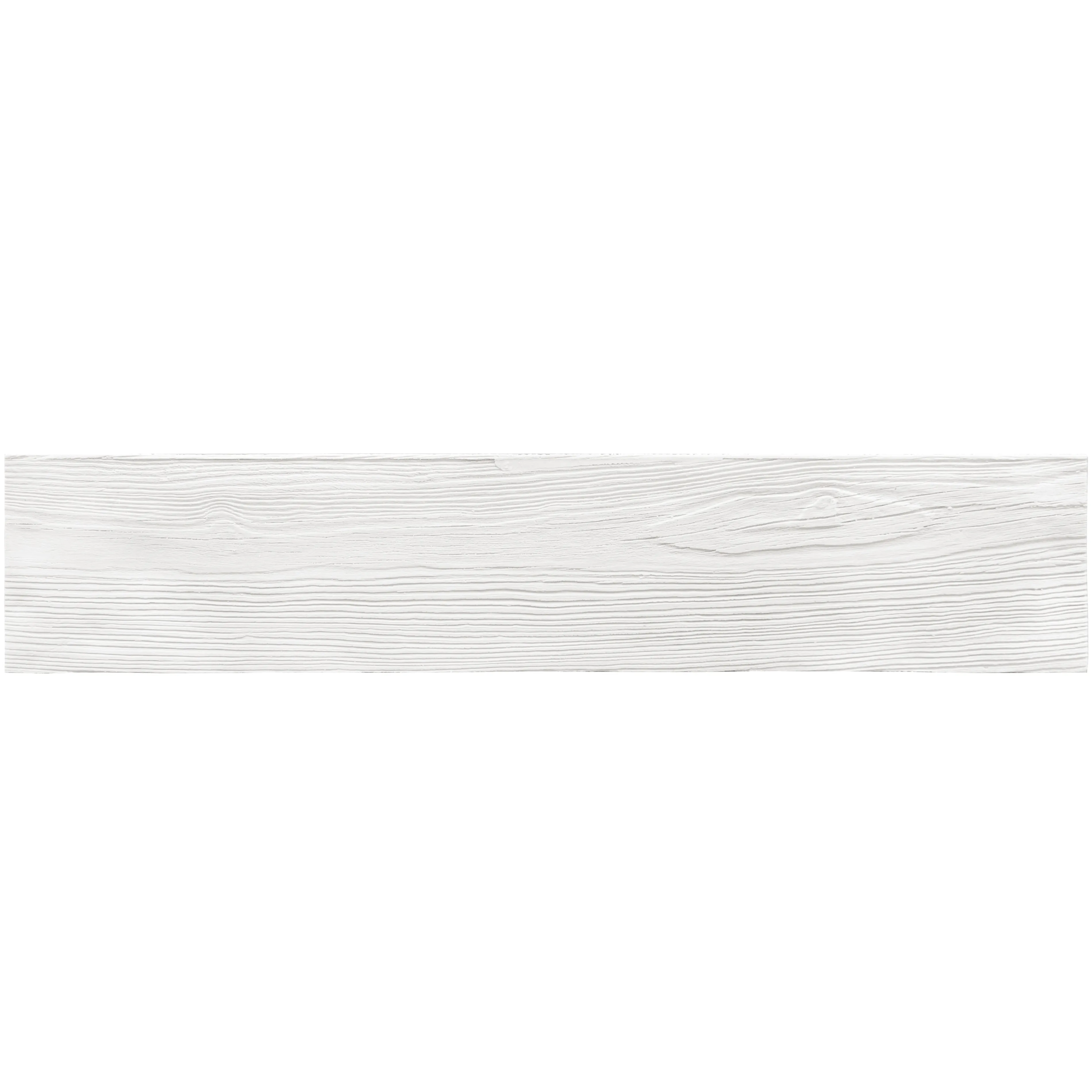
In the heart of the Middle East, Saudi Arabia is undergoing a transformation unlike any other. Cities like Riyadh, Jeddah, and Dammam are sprouting skyscrapers, commercial hubs, and mixed-use developments at a pace that mirrors the kingdom's ambitious Vision 2030 goals. As developers and architects race to shape these skylines, one question looms large: what materials can keep up with Saudi Arabia's unique demands for durability, aesthetics, and innovation in high-rise exteriors? Enter White Wood MCM—a material that's quietly redefining what's possible for commercial buildings in the kingdom.
Saudi Arabia's commercial sector is in the midst of a golden age. From the futuristic NEOM project to Riyadh's King Abdullah Financial District (KAFD), the kingdom is building not just buildings, but symbols of progress. These structures aren't just offices or retail spaces—they're statements. They need to withstand the harsh Saudi climate (think scorching summers with temperatures topping 50°C, relentless UV radiation, and occasional sandstorms), while also captivating the eye of investors, visitors, and locals alike.
But here's the catch: traditional exterior materials often fall short. Natural stone is heavy, driving up structural costs and installation time. Painted concrete fades under the sun, requiring frequent touch-ups. Wood, while aesthetically pleasing, warps and rots in the humidity of coastal cities like Jeddah. Developers and architects have been stuck in a loop: choose durability over beauty, or vice versa. Until now.
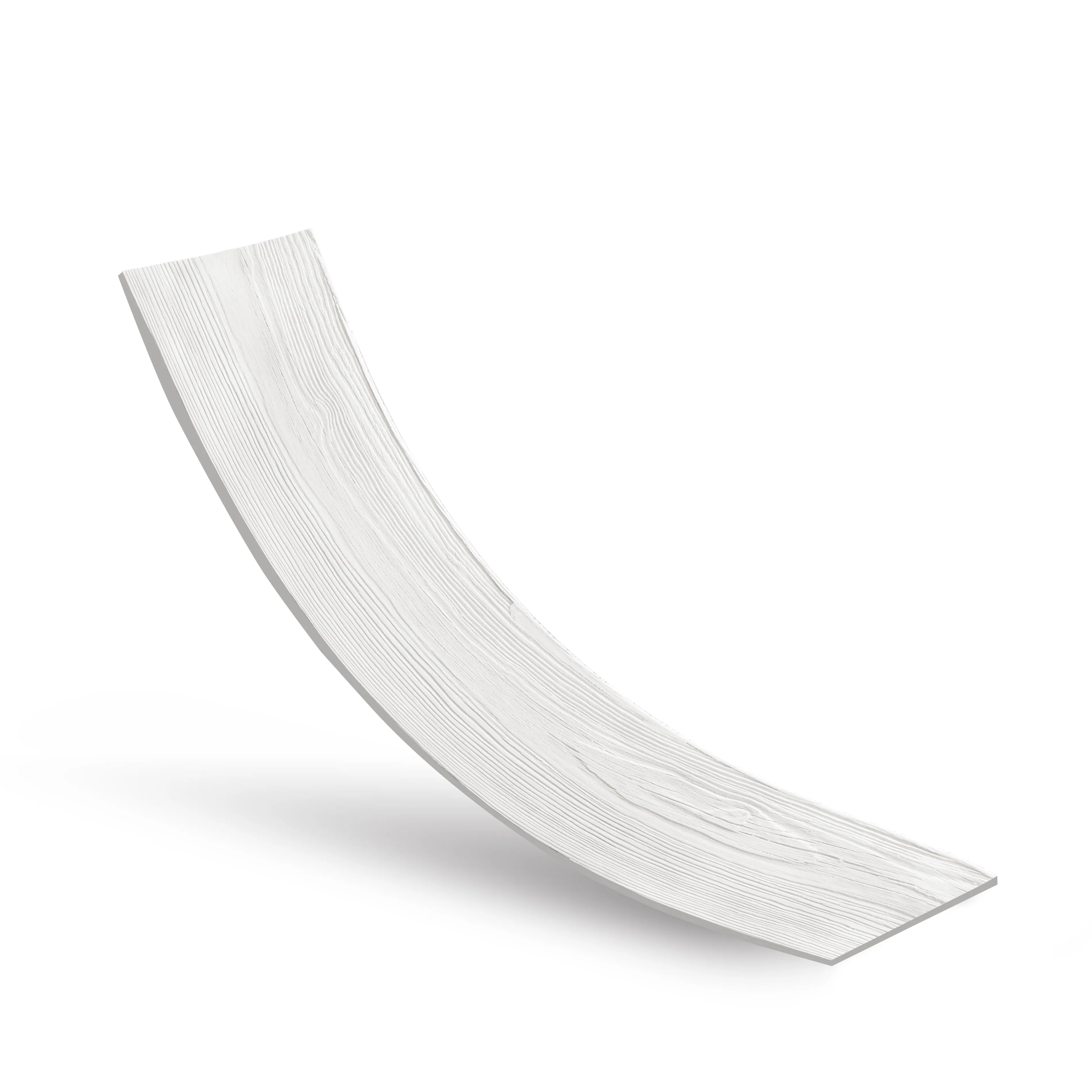
White Wood MCM (Modified Composite Material) isn't just another cladding option—it's a solution tailored to the complexities of Saudi Arabia's commercial landscape. At its core, MCM is a lightweight, flexible material made from a blend of natural minerals and polymers, engineered to mimic the look and feel of premium wood while packing the durability of modern composites. But what makes it stand out in a market flooded with options?
High-rise buildings in Saudi Arabia face a unique challenge: the taller they go, the more critical weight becomes. Excessive load from heavy cladding materials can strain a building's foundation and structure, increasing construction costs and safety risks. White Wood MCM weighs in at just 3-5 kg per square meter—less than half the weight of natural stone and significantly lighter than even fair-faced concrete. This lightness reduces structural stress, allowing architects to design sleeker, more ambitious facades without compromising safety.
But don't let its weight fool you. White Wood MCM is surprisingly tough. Its composite structure resists cracking, chipping, and warping—even when exposed to the extreme temperature swings of Saudi days (blistering heat) and nights (sudden drops). In a country where sandstorms can blast buildings with abrasive particles, this resilience isn't just a bonus; it's a necessity.
Saudi Arabia's architectural identity is a tapestry of old and new. Developers want buildings that feel contemporary but also nod to the kingdom's rich cultural heritage. White Wood MCM excels here. Its wood-like texture evokes the warmth of traditional Saudi craftsmanship—think the intricate wooden latticework of old madrasas or the natural materials of desert villages—while offering a clean, modern finish that fits seamlessly into sleek commercial towers.
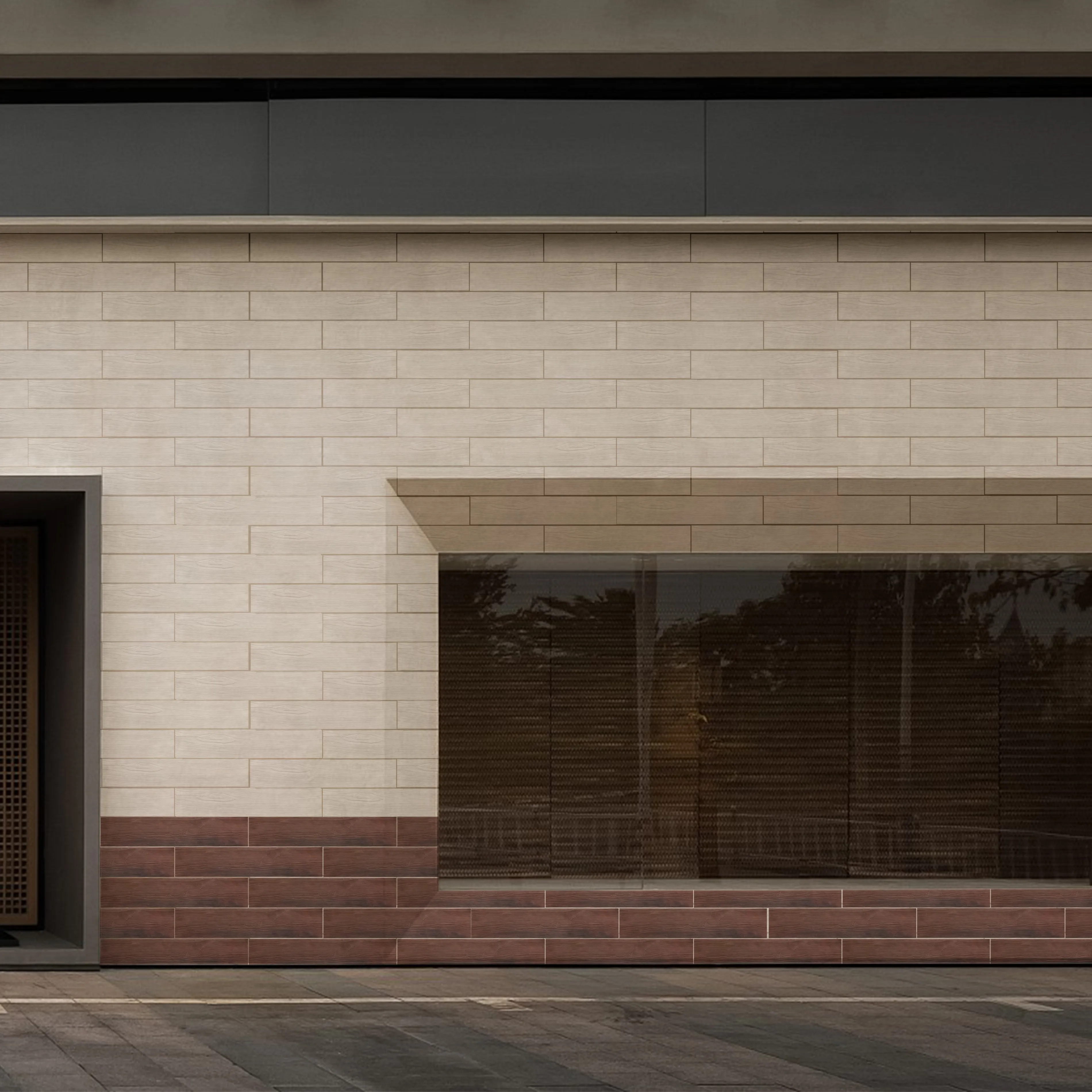
Unlike real wood, White Wood MCM isn't limited to one "look." It can be customized to mimic everything from light oak to dark walnut, with finishes ranging from matte to semi-gloss. This flexibility means it can complement a minimalist glass-and-steel skyscraper in KAFD just as easily as a boutique mall in Jeddah that draws inspiration from Balinese or Moroccan design. For architects aiming to create "timeless" buildings, this adaptability is invaluable.
Let's talk about the elephant in the room: Saudi Arabia's climate. Summer temperatures regularly exceed 45°C, and UV radiation is intense enough to fade paint and weaken organic materials in months. Add in sandstorms that can strip away finishes, and it's clear why exterior materials need to be battle-tested.
White Wood MCM is engineered to thrive here. Its polymer coating acts as a shield against UV rays, preventing color fading even after years of exposure. Unlike natural wood, it doesn't absorb moisture, so it won't swell or rot in the rare but heavy rains of coastal areas. And when sandstorms hit? The material's smooth, non-porous surface makes it easy to clean—no need for expensive power washing or frequent maintenance. For busy facility managers, this translates to lower long-term costs and less downtime.
Sustainability isn't just a buzzword in Saudi Arabia anymore—it's a mandate. With Vision 2030 emphasizing green building practices and carbon neutrality, developers are under pressure to choose materials that reduce environmental impact. White Wood MCM delivers here, too.
Unlike natural stone, which requires extensive quarrying and transportation (adding to carbon emissions), MCM is produced using recycled minerals and low-energy manufacturing processes. It's also 100% recyclable at the end of its lifespan, reducing landfill waste. And because it's lightweight, transporting and installing White Wood MCM requires fewer trucks and less labor, further cutting down on carbon footprints. For projects aiming for LEED or Estidama certifications, this is a major plus.
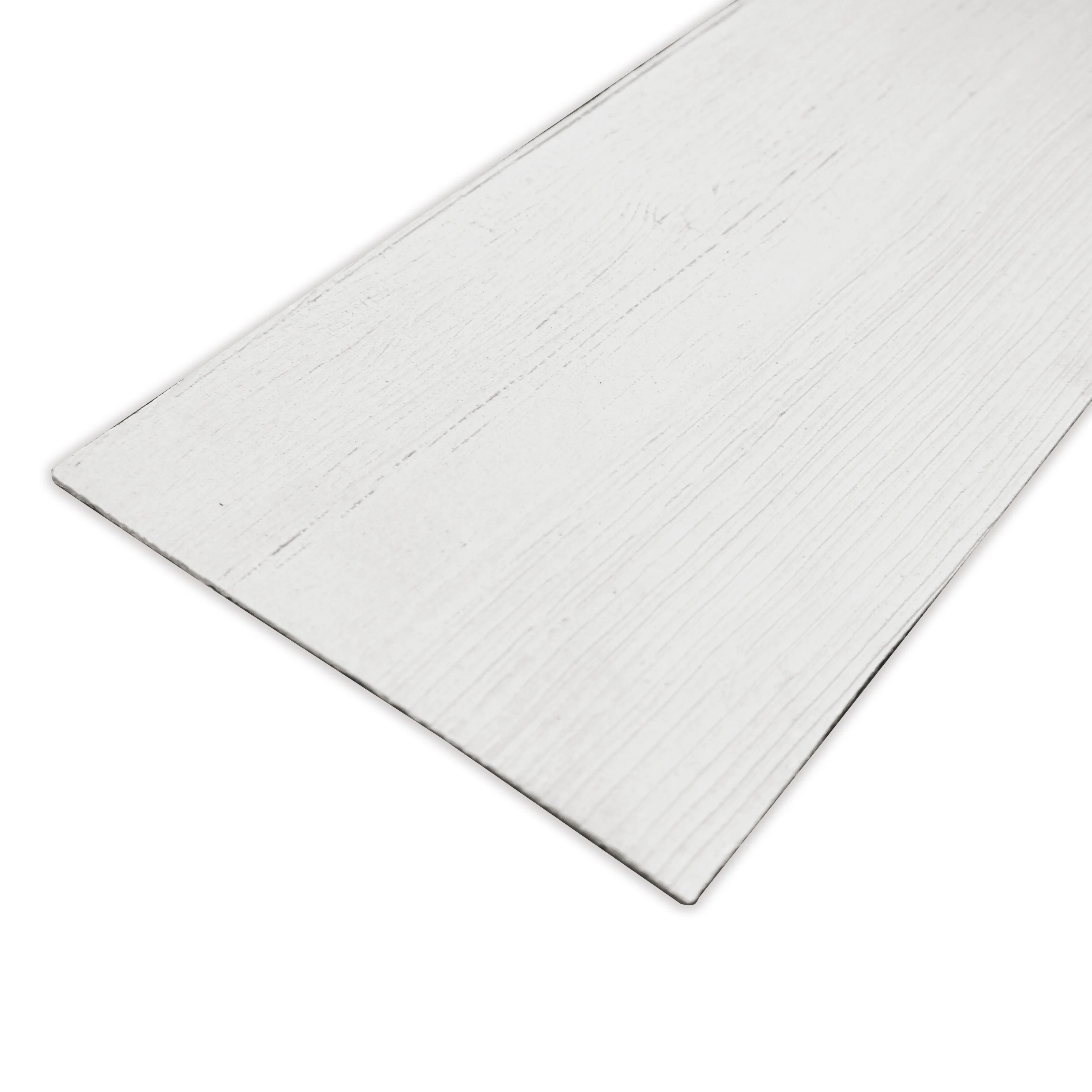
To truly understand White Wood MCM's value, let's compare it to other popular exterior materials in Saudi Arabia. Below is a breakdown of how it measures up against fair-faced concrete, historical pathfinders stone, and lunar peak silvery—a sleek metallic cladding option—across key metrics:
| Material | Weight (kg/m²) | Durability in Saudi Climate | Aesthetic Versatility | Sustainability | Installation Speed |
|---|---|---|---|---|---|
| White Wood MCM | 3-5 | Excellent (UV, sandstorm, heat resistant) | High (custom wood grains, finishes) | High (recyclable, low carbon footprint) | Fast (prefabricated, lightweight) |
| Fair-Faced Concrete | 20-25 | Good (heat resistant, but prone to cracking/fading) | Low (limited color/finish options) | Moderate (high energy to produce) | Slow (on-site casting required) |
| Historical Pathfinders Stone | 25-30 | Good (natural durability), but heavy/porous (sand traps) | Moderate (traditional look only) | Low (quarrying, high transportation emissions) | Slow (heavy, requires skilled labor) |
| Lunar Peak Silvery | 8-10 | Good (UV resistant), but prone to scratching | Moderate (metallic finish only) | Moderate (some recycling, but high production energy) | Moderate (requires precision installation) |
The table tells a clear story: White Wood MCM outperforms alternatives in weight, versatility, sustainability, and installation speed—all critical factors for Saudi Arabia's fast-paced commercial projects.
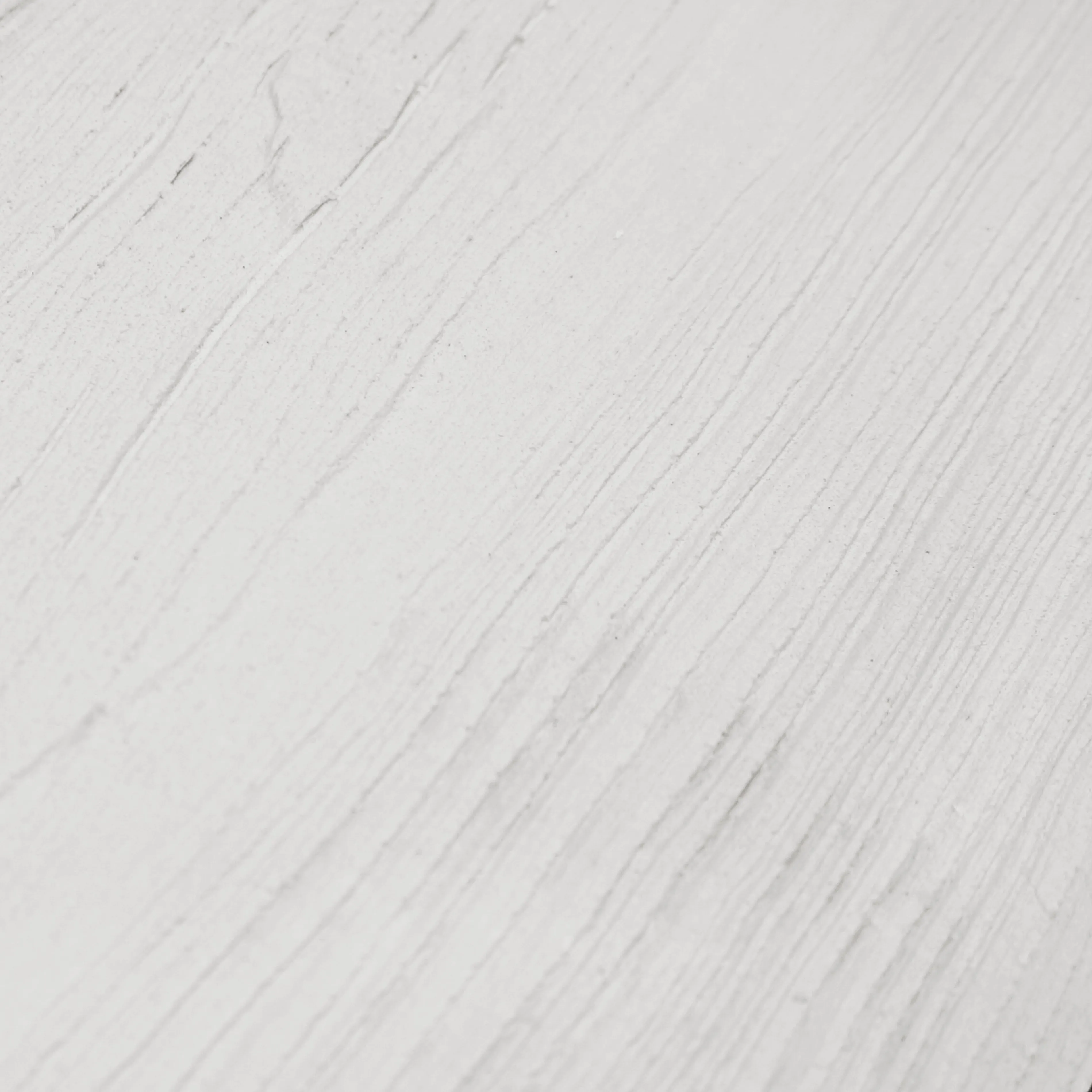
White Wood MCM isn't just theoretical—it's already making waves in commercial projects across Saudi Arabia. Let's paint a picture of how it's being used:
As Saudi Arabia continues to build its future, the demand for innovative, durable, and beautiful exterior materials will only grow. White Wood MCM isn't just keeping up—it's setting the standard. Its unique blend of lightweight strength, aesthetic flexibility, climate resilience, and sustainability makes it more than a cladding material; it's a partner in bringing Saudi's architectural vision to life.
For developers, it means lower costs and faster timelines. For architects, it means limitless creative possibilities. For the people of Saudi Arabia, it means skylines that are not just functional, but inspiring—buildings that tell a story of progress without forgetting their roots.
In the end, White Wood MCM isn't just changing exteriors—it's helping build a Saudi Arabia that's as strong, beautiful, and forward-thinking as its people.
Recommend Products












