Navigating regulations, material standards, and best practices in the Kingdom's evolving built environment
Introduction: Building a Legacy of Safety and Quality
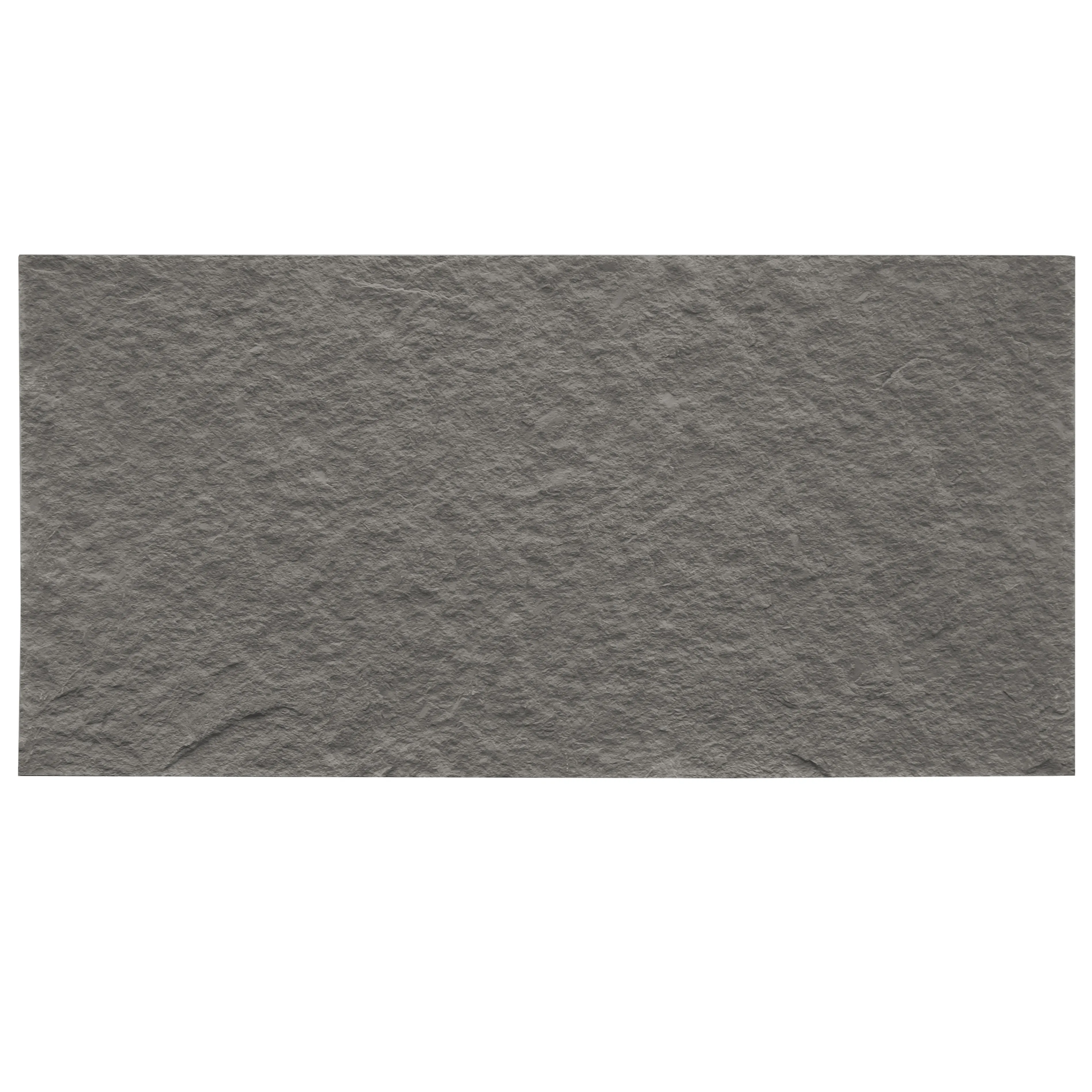
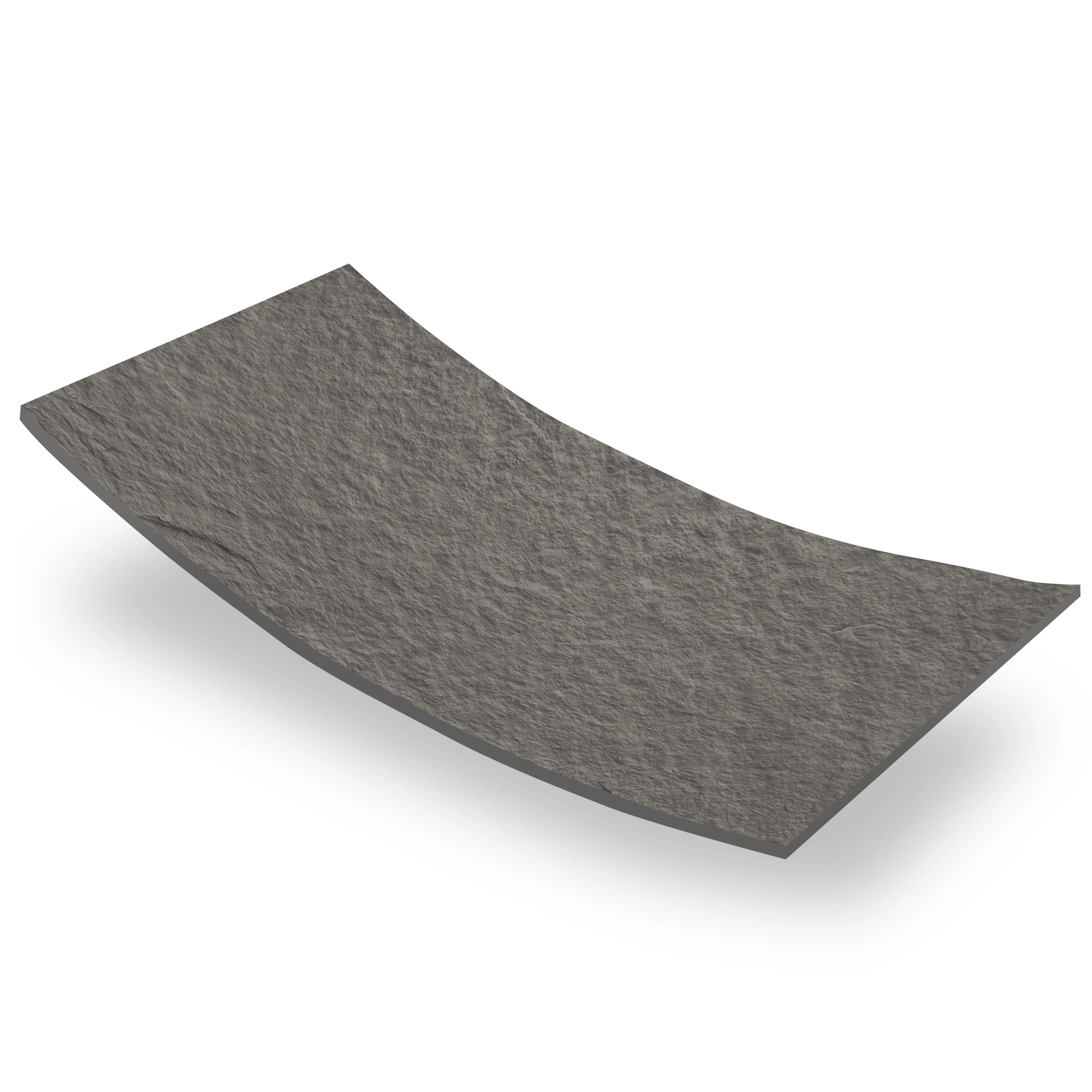
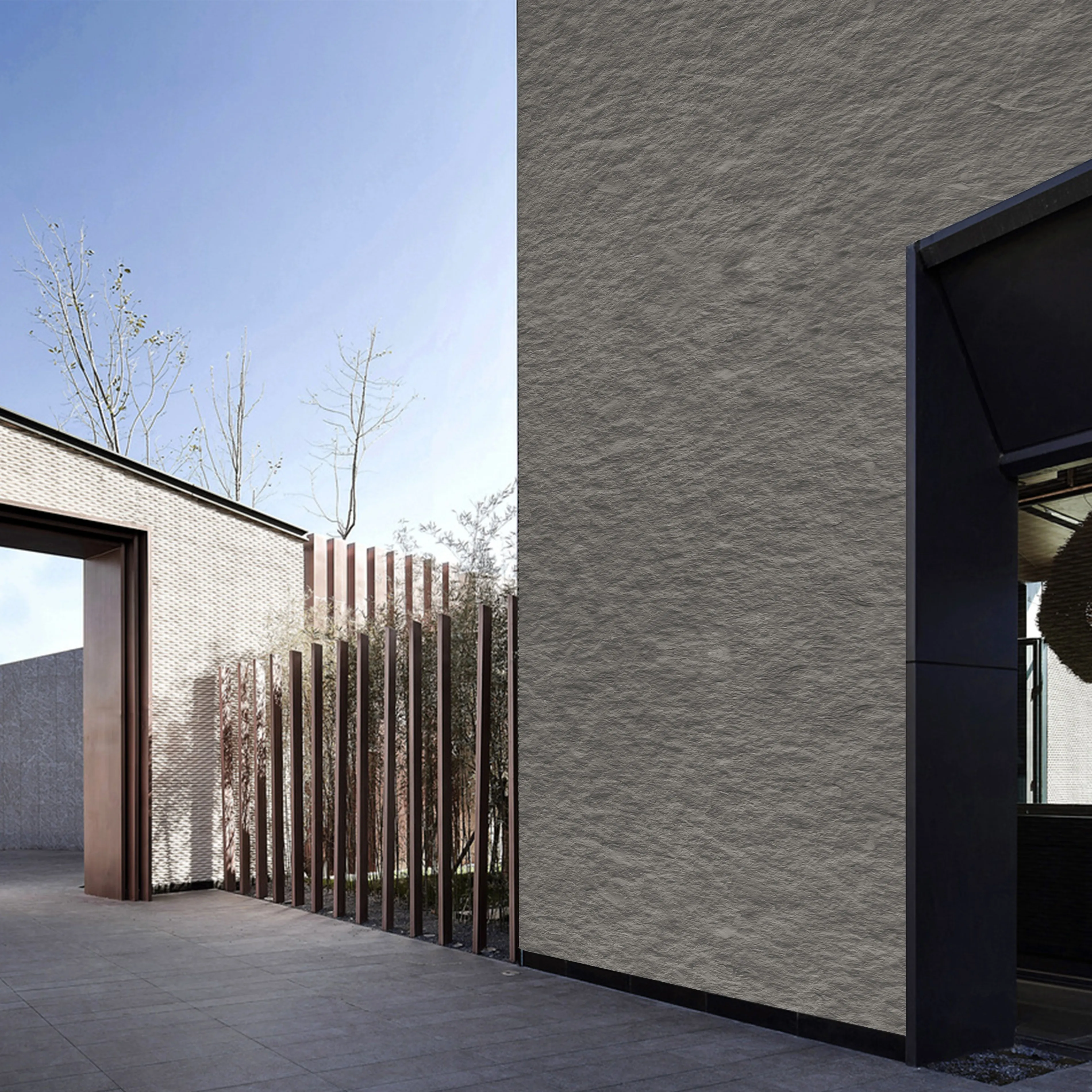
Saudi Arabia's skyline is transforming at an unprecedented pace. From the futuristic towers of Riyadh to the cultural hubs of Jeddah, every structure tells a story of ambition—and behind that story lies a foundation of rigorous construction codes. In this landscape, materials aren't just chosen for aesthetics; they're selected for their ability to withstand the Kingdom's harsh climate, meet strict safety benchmarks, and align with national regulations. Among these materials, rough granite stone (medium grey) has emerged as a staple, prized for its durability, timeless appeal, and versatility. But to truly shine in Saudi Arabia's construction projects, it must first navigate the complex web of compliance standards that govern the industry. This article explores what it takes for rough granite stone (medium grey) to meet Saudi Arabia's construction codes, ensuring projects are not just visually striking, but safe, sustainable, and built to last.
Understanding Saudi Arabia's Construction Code Framework
Before diving into material-specific compliance, it's critical to grasp the broader regulatory landscape. Saudi Arabia's construction codes are primarily governed by the
Saudi Building Code (SBC)
, a comprehensive set of standards developed by the Saudi Standards, Metrology, and Quality Organization (SASO). The SBC draws inspiration from international benchmarks like ASTM International and the International Building Code (IBC) but is tailored to address local needs—most notably, the extreme heat, high humidity, and occasional sandstorms that characterize the Kingdom's climate. For stone materials like rough granite, key sections of the SBC come into play:
SBC 304 (Materials and Workmanship)
,
SBC 307 (Structural Design)
, and
SBC 601 (Fire Safety)
. These sections outline everything from material strength requirements to installation protocols, ensuring that every component of a building contributes to its overall integrity.
Beyond the SBC, projects may also need to comply with
local municipal regulations
(e.g., Riyadh Development Authority or Jeddah Municipality guidelines) and
industry-specific standards
for sectors like healthcare or education. For instance, a hospital using rough granite in its lobby would face stricter hygiene and slip-resistance requirements than a commercial office building. This layered approach to regulation ensures that construction isn't a one-size-fits-all process but a nuanced practice that prioritizes context and safety.
Material Specifications: What Makes Rough Granite (Medium Grey) Compliant?
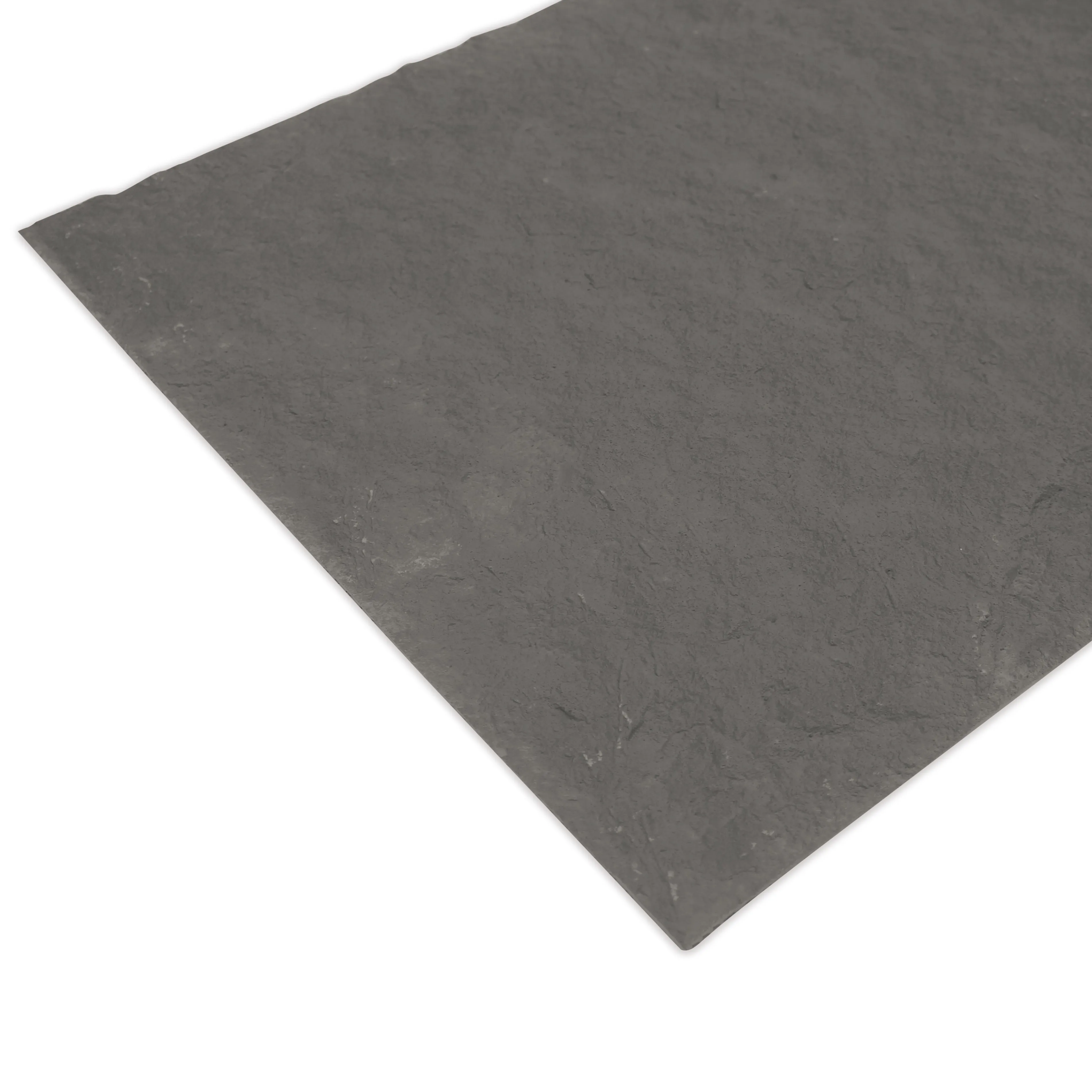
Rough granite stone (medium grey) isn't just a pretty face—it's a workhorse. But to meet Saudi construction codes, its physical and chemical properties must align with SBC 304's strict criteria. Let's break down the key specifications that matter most:
Durability in Extreme Climates:
Saudi Arabia's temperatures can soar above 50°C in summer, while winter nights may dip below 10°C in some regions. Rough granite must withstand these fluctuations without cracking, fading, or degrading. SBC 304 mandates a
compressive strength of at least 170 MPa
and a
water absorption rate below 0.5%
to ensure resistance to thermal expansion and moisture damage—critical in a country where sudden rainstorms can test even the hardiest materials.
Weathering and Corrosion Resistance:
Sandstorms, salt-laden air (especially in coastal areas like Dammam), and UV radiation can take a toll on building materials. Rough granite (medium grey) must undergo accelerated weathering tests, including exposure to sulfur dioxide and freeze-thaw cycles, to demonstrate its ability to maintain structural integrity over decades. SASO-certified labs often conduct these tests, issuing reports that confirm compliance before the material is approved for use.
Slip Resistance:
Safety is paramount, and this extends to surface traction. For interior spaces like shopping malls or exterior walkways, SBC 601 requires a
coefficient of friction (CoF) of 0.6 or higher
when wet. Rough granite's naturally textured surface typically meets this requirement, but manufacturers must provide test data to verify it—especially for polished variants that might be smoother than their "rough" label suggests.
Compliance Testing: From Quarry to Construction Site
Compliance isn't a one-time check; it's a journey that begins at the quarry and continues through installation. For rough granite stone (medium grey), this journey involves multiple stages of testing:
Quarry-Side Testing:
Before extraction, core samples are taken to assess mineral composition, density, and initial strength. Labs analyze these samples for impurities like iron oxides, which could cause discoloration or weakening over time. Only granite that meets the SBC's chemical purity standards moves forward to processing.
Factory Certification:
Once cut and finished, the stone undergoes further testing at certified facilities. This includes
flexural strength tests
(to ensure resistance to bending),
abrasion resistance tests
(using the Los Angeles Abrasion Test), and
thermal shock tests
(exposing samples to rapid temperature changes). Manufacturers must provide a
SASO certificate of conformity
for each batch, confirming that the stone meets all relevant standards.
On-Site Inspections:
Even with factory certification, on-site checks are mandatory. Municipal inspectors may randomly select stones for re-testing, verifying dimensions, thickness (which must align with structural design calculations), and surface treatments. For example, if a project specifies 30mm-thick rough granite for cladding, inspectors will measure samples to ensure consistency—deviations of more than 2mm can lead to rejection, as they compromise structural load-bearing capacity.
|
Compliance Requirement
|
SBC Standard
|
ASTM Equivalent
|
Acceptance Criteria
|
|
Compressive Strength
|
SBC 304.2.1
|
ASTM C170
|
≥170 MPa
|
Water Absorption
|
SBC 304.3.2
|
ASTM C97
|
<0.5%
|
Slip Resistance (Wet)
|
SBC 601.4.3
|
ASTM C1028
|
CoF ≥0.6
|
Thermal Shock Resistance
|
SBC 304.5.7
|
ASTM C1260
|
No cracking after 50 cycles
Installation Guidelines: Ensuring Long-Term Compliance
Even the most compliant material can fail if installed incorrectly. For rough granite stone (medium grey), proper installation is the final step in meeting Saudi construction codes. SBC 307 and local guidelines outline specific protocols to follow:
Substrate Preparation:
The surface onto which the granite is installed must be clean, level, and structurally sound. For exterior cladding, this often involves a
waterproofing membrane
to prevent moisture from seeping into the building envelope—a critical step in avoiding mold growth and structural rot. In coastal areas, the substrate may also require a corrosion-resistant coating to protect against salt spray.
Anchoring Systems:
Granite panels must be secured using approved anchoring methods, such as stainless steel brackets or mechanical fixings. SBC 307 specifies that anchors must have a
pull-out strength of at least 15 kN
to withstand wind loads (which can exceed 100 km/h in desert storms). Contractors must submit engineering calculations proving that the anchoring system can support both the weight of the stone and external forces like wind and seismic activity.
Joint Spacing and Sealants:
Thermal expansion and contraction are inevitable in Saudi Arabia's climate, so proper joint spacing is essential. Gaps between granite slabs should be at least 5mm, filled with a
silicone sealant rated for UV resistance
(to prevent cracking or discoloration from sunlight). The sealant must also be compatible with the granite to avoid chemical reactions that could stain or degrade the stone.
Case Study: Al Faisaliah Center Expansion, Riyadh
The recent expansion of Riyadh's iconic Al Faisaliah Center serves as a model for compliant rough granite use. The project's architects chose medium grey rough granite for the exterior cladding of its new wing, drawn to its ability to complement the existing structure's limestone facade. To ensure compliance, the team worked closely with SASO-certified suppliers, conducting third-party tests on every batch of stone. Key steps included:
- Conducting thermal shock tests at a local lab, exposing samples to 50 cycles of -10°C to 60°C to simulate Riyadh's temperature extremes.
- Using 316-grade stainless steel anchors (rated for coastal environments, though Riyadh is inland, to exceed minimum requirements).
- Installing a drainage system behind the granite panels to channel rainwater away from the building envelope, addressing SBC's moisture management guidelines.
The result? A structure that not only meets but exceeds Saudi construction codes, with the rough granite cladding standing up to two years of desert weather without signs of wear. The project's success underscores how compliance, when prioritized from the start, can enhance both safety and aesthetics.
Integrating Rough Granite with Complementary Materials
In modern construction, materials rarely stand alone. Rough granite stone (medium grey) often pairs with other substrates to create dynamic, code-compliant designs. Two materials commonly used alongside it are
fair-faced concrete
and
wood grain board
—each bringing unique benefits while requiring their own compliance checks.
Fair-Faced Concrete:
This unfinished concrete, valued for its raw, industrial look, complements rough granite's texture beautifully. When used together (e.g., granite cladding with
fair-faced concrete columns), both materials must meet fire safety standards under SBC 601.
Fair-faced concrete, for instance, requires a
fire resistance rating of 2 hours
for load-bearing elements, while granite's natural fire resistance (it doesn't burn or emit toxic fumes) adds an extra layer of safety. The key is ensuring the two materials are chemically compatible—concrete's alkaline nature can sometimes react with granite, so a barrier layer (like a polyethylene sheet) is often used to prevent staining.
Wood Grain Board:
For interior spaces like hotel lobbies or office break rooms,
wood grain board offers warmth that balances rough granite's coolness. However, wood-based materials must comply with SBC's
fire retardancy standards
(Class B or higher) and moisture resistance requirements (especially in humid areas like Jeddah). In the King Abdullah Financial District's latest office tower, designers paired medium grey rough granite flooring with fire-retardant
wood grain board wall panels, treating the wood with a SASO-approved coating to ensure it met smoke development index (SDI) limits below 450.
Future Trends: Sustainability and Compliance
As Saudi Arabia moves toward its Vision 2030 goals, sustainability is becoming an integral part of construction compliance. For rough granite stone (medium grey), this means not just meeting strength and safety standards, but also reducing environmental impact. Quarries are increasingly adopting water recycling systems to minimize waste, while manufacturers are exploring carbon-neutral processing methods. In the coming years, we may see new SBC amendments that reward sustainable practices, such as preferential approval for granite sourced from quarries with ISO 14001 certification. Additionally, digital tools like BIM (Building Information Modeling) are streamlining compliance by allowing architects to simulate how granite will perform under different conditions—from wind loads to temperature changes—before construction even begins.
Conclusion: Building with Confidence
In Saudi Arabia's construction industry, compliance isn't a burden—it's a promise. A promise that the buildings rising across the Kingdom are safe for their occupants, resilient against the elements, and built to endure for generations. For rough granite stone (medium grey), meeting this promise requires a commitment to rigorous testing, careful installation, and a deep understanding of local codes. From the quarry to the construction site, every step must prioritize quality and adherence to standards. As the Kingdom continues to grow, materials like rough granite will play a vital role in shaping its future—but only if they continue to rise to the challenge of compliance. In doing so, they don't just build structures; they build trust.