
In the heart of the Middle East, Saudi Arabia is undergoing a transformation unlike any other. From the futuristic skyline of Riyadh to the coastal elegance of Jeddah, and the heritage-rich streets of Diriyah, the kingdom's construction sector is booming—driven by visionary projects that blend modernity with deep-rooted cultural identity. At the center of this evolution lies a crucial element: the materials that shape these spaces. Enter COLORIA, a name synonymous with innovation, quality, and a keen understanding of how stone and concrete can tell stories. Today, we're diving into one of their most sought-after offerings in Saudi Arabia— lime stone (beige) —and exploring how it, alongside other standout materials like historical pathfinders stone and big axe chiseling stone , is redefining construction in the kingdom. With real photos capturing every texture and hue, let's uncover why COLORIA's materials are becoming the first choice for architects and developers aiming to build spaces that resonate.
Saudi Arabia's construction landscape is a dynamic tapestry of ambition. With initiatives like Vision 2030 driving investments in infrastructure, tourism, and urban development, the demand for materials that can keep pace with innovation while honoring tradition has never been higher. From mega-projects like NEOM and the Red Sea Project to community-focused developments in smaller cities, every structure tells a story—and the right material is the narrative's first sentence. Architects here aren't just building; they're crafting legacies. They seek materials that can withstand the kingdom's harsh climate (think scorching summers and occasional sandstorms) while exuding warmth, character, and a sense of place. This is where COLORIA steps in, offering a portfolio that doesn't just meet technical requirements but speaks to the soul of Saudi design.
COLORIA isn't your average building material provider. With decades of experience, the brand has carved a niche by prioritizing two things: authenticity and adaptability. Their collection, featuring everything from 3D printing series to flexible stone , is designed to cater to the diverse needs of Saudi projects. But what truly sets them apart is their commitment to storytelling. Each material—whether it's the weathered charm of historical pathfinders stone or the sleek modernity of fair-faced concrete —is curated to evoke emotion and connection. For Saudi Arabia, where heritage is a cornerstone of national pride, this approach is invaluable. COLORIA doesn't just supply stone; they supply narratives.
Among COLORIA's star offerings, lime stone (beige) stands out as a favorite for Saudi projects—and it's easy to see why. Imagine a material that mirrors the soft, sun-kissed hues of the kingdom's deserts at dawn, or the warm tones of traditional Najdi architecture. That's lime stone (beige). More than just a color, it's a feeling—one of comfort, stability, and rootedness. But its appeal goes beyond aesthetics.
Let's start with texture. Run your hand over a slab of COLORIA's lime stone (beige), and you'll feel a surface that's both smooth and subtly textured—a result of meticulous craftsmanship that mimics the natural weathering of stone over centuries. It's not overly polished, nor is it rough; it strikes that perfect balance that makes spaces feel lived-in yet refined. In a country where light is abundant, this texture plays with sunlight beautifully, casting gentle shadows that add depth to walls, floors, and facades.
Durability is another key factor. Saudi Arabia's climate demands materials that can handle extreme temperatures, humidity, and occasional sand abrasion. COLORIA's lime stone (beige) is engineered to withstand these challenges, with a density that resists cracking and a composition that doesn't fade under the harsh sun. This makes it ideal for both exterior cladding—think the facade of a luxury hotel in Riyadh—and interior spaces like a boutique café in Jeddah, where foot traffic is heavy.
Versatility is where lime stone (beige) truly shines. It pairs seamlessly with other materials, making it a chameleon in design. Want to create a modern minimalist look? Combine it with fair-faced concrete for a sleek, industrial edge. Aiming for a heritage-inspired space? Pair it with historical pathfinders stone to evoke the feel of ancient Saudi trade routes. It works in commercial projects, where it adds a touch of sophistication, and in residential settings, where it creates cozy, welcoming atmospheres. From high-rise lobbies to private villas, lime stone (beige) adapts, proving that great design materials are as flexible as the visionaries who use them.
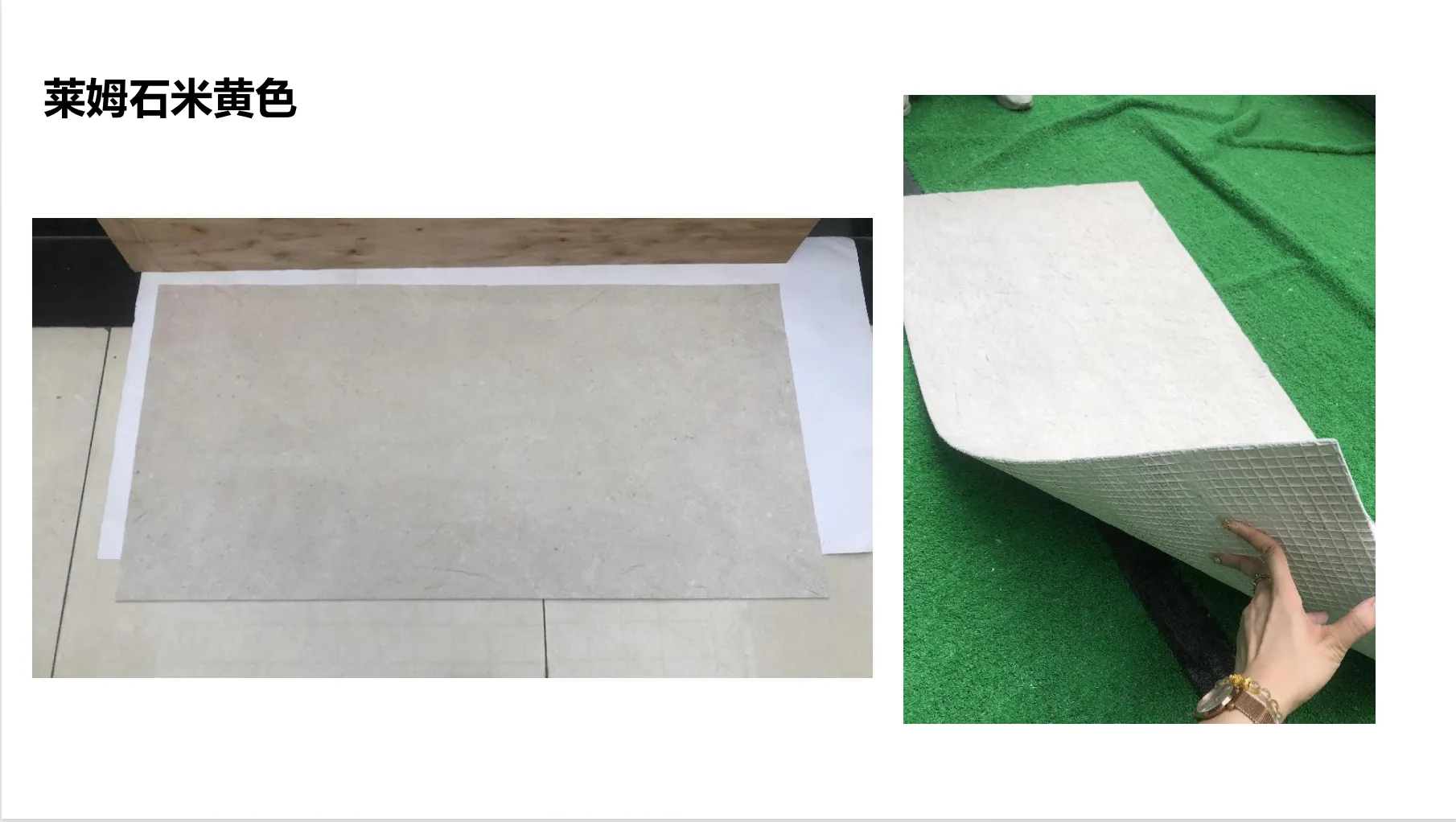
But don't just take our word for it—COLORIA's lime stone real photos tell the story best. These images, captured in real Saudi projects, showcase the material in action: a shopping mall's atrium where lime stone (beige) walls reflect natural light, turning the space into a bright, airy hub; a heritage museum where it serves as a backdrop for ancient artifacts, its neutral tone ensuring the focus remains on the exhibits; a residential courtyard where lime stone (beige) floors stay cool underfoot even on the hottest days. These photos aren't just marketing tools; they're proof that lime stone (beige) isn't just a material—it's a solution.
To truly appreciate lime stone (beige), it helps to see how it stacks up against other materials in COLORIA's lineup. Below is a comparison of key features, designed to help architects and developers make informed choices for their Saudi projects:
| Material | Texture | Best For | Cultural Resonance | Durability |
|---|---|---|---|---|
| Lime Stone (Beige) | Smooth with subtle, natural texture | Exterior cladding, interior floors, heritage projects | Evokes Saudi desert landscapes and traditional architecture | High (resists UV rays, temperature fluctuations) |
| Historical Pathfinders Stone | Rough-hewn, weathered appearance | Heritage sites, cultural centers, museum facades | Honors Saudi Arabia's ancient trade routes and historical landmarks | Very High (mimics natural stone's longevity) |
| Big Axe Chiseling Stone | Deep, pronounced grooves from axe-cutting technique | Feature walls, outdoor plazas, modern-art inspired buildings | Blends traditional craftsmanship with contemporary design | High (textured surface hides wear, adds character over time) |
| Fair-Faced Concrete | Sleek, minimalist, with visible aggregate | Modern commercial buildings, industrial-chic interiors | Represents Saudi's forward-thinking, industrial growth | Excellent (fire-resistant, low maintenance) |
This table highlights why lime stone (beige) is such a versatile choice—it bridges the gap between tradition and modernity, making it suitable for almost any project. But it's when paired with other materials that its true potential shines. For example, in Riyadh's new cultural district, an architect might use lime stone (beige) for the main facade, then accent it with historical pathfinders stone around the entrance to create a visual timeline—inviting visitors to step from the present into the past.
Speaking of historical pathfinders stone , this material is more than just a design choice—it's a tribute to Saudi Arabia's rich heritage. Saudi's history is one of traders, pilgrims, and explorers who traversed vast deserts, leaving behind a legacy of resilience and innovation. Historical pathfinders stone captures that spirit. With its rough-hewn, weathered surface, it looks as though it has stood guard over ancient caravanserais or marked the edges of long-forgotten oases. It's not just stone; it's a conversation starter.
Imagine a museum dedicated to Saudi's maritime history in Jeddah. The exterior, clad in historical pathfinders stone, would immediately transport visitors to a time when dhows sailed the Red Sea, their hulls scraping against similar stone piers. The material's uneven edges and earthy tones tell stories of wind, sand, and time—elements that have shaped Saudi identity for millennia. COLORIA's real photos of historical pathfinders stone in such settings are striking: they show how the stone doesn't just adorn a building; it becomes part of its narrative.
But historical pathfinders stone isn't limited to heritage sites. Modern projects, too, are embracing it as a way to ground contemporary design in cultural roots. A tech campus in Dammam might use it for a feature wall in the lobby, juxtaposing cutting-edge innovation with the timelessness of Saudi's past. It's a reminder that progress doesn't have to mean erasing history—in fact, the most memorable spaces are those that honor both.
For projects that demand bold texture and artistic flair, big axe chiseling stone is COLORIA's answer. This material is a celebration of human craftsmanship—the kind that comes from skilled artisans wielding axes to carve deep, dramatic grooves into stone. The result? A surface that's visually arresting, with shadows and light playing across its peaks and valleys. It's not subtle, and that's the point. Big axe chiseling stone is for spaces that want to make a statement.
Take, for example, a luxury resort in Al Ula, nestled among the region's iconic rock formations. The resort's spa, designed to blend with the natural landscape, might use big axe chiseling stone for its exterior walls. The deep grooves mimic the erosion patterns of the nearby mountains, creating a harmony between man-made and natural beauty. Or consider a contemporary art gallery in Riyadh: the stone's dynamic texture could serve as a backdrop for abstract paintings, the two forms of art—one ancient, one modern—complementing each other.
What's remarkable about COLORIA's big axe chiseling stone is its consistency. Each slab is crafted with precision, ensuring that the texture is uniform enough for large-scale projects but varied enough to feel organic. It's a balance that's hard to achieve, but COLORIA's expertise shines through. Real photos of this stone in commercial lobbies or outdoor amphitheaters show just how transformative it can be—turning a plain wall into a work of art.
Let's step beyond individual materials and explore how COLORIA's offerings come together in real-world Saudi projects. The kingdom's construction needs are diverse, and COLORIA's portfolio rises to the challenge, whether the project is a sprawling commercial complex, a boutique hotel, or a restoration of a historical site.
In cities like Riyadh and Doha, commercial buildings compete for attention—and first impressions matter. COLORIA's materials help these structures stand out while remaining grounded in local aesthetics. A new office tower in Riyadh's King Abdullah Financial District might use fair-faced concrete for its sleek, modern core, then wrap the lower floors in lime stone (beige) to soften the look and add warmth. The lobby, with its high ceilings, could feature a big axe chiseling stone accent wall, immediately conveying strength and creativity to clients and employees alike. Even common areas, like elevators or break rooms, benefit from COLORIA's wood grain board or bamboo mat board —materials that add a touch of nature to otherwise sterile spaces.
Saudi families value homes that are both beautiful and functional, and COLORIA's materials deliver on both fronts. A private villa in Riyadh's diplomatic quarter might use lime stone (beige) for the exterior, creating a welcoming facade that blends with the surrounding gardens. Inside, travertine (starry blue) could line the pool area, its iridescent flecks mimicking the night sky over the desert. For the living room, marble veil white floors add elegance, while rough granite stone (beige) on the fireplace wall adds texture and coziness. These materials don't just look good—they're practical, too. Lime stone (beige) is easy to clean, wood grain board resists scratches, and travertine (starry blue) stays cool underfoot, perfect for Saudi summers.
Some of the most meaningful applications of COLORIA's materials are in projects that honor Saudi heritage. The restoration of a 200-year-old mud brick fort in Najran, for example, might use historical pathfinders stone to repair damaged sections, ensuring the new stone blends seamlessly with the original. A cultural center in Makkah, dedicated to the history of the Hajj, could feature lunar peak golden stone for its domed ceiling, evoking the glow of the Kaaba at sunset. These projects require materials that respect the past while meeting modern structural standards—and COLORIA delivers, with stone that looks authentic but is engineered for longevity.
In an era where sustainability is non-negotiable, COLORIA's commitment to green building materials sets it apart. Saudi Arabia's Vision 2030 emphasizes environmental stewardship, and COLORIA's materials align with this goal. Lime stone (beige), for instance, is sourced from sustainable quarries, and its natural composition means it doesn't emit harmful chemicals. Foamed aluminium alloy board (vintage silver) is lightweight, reducing the need for heavy structural support and cutting down on transportation emissions. Even fair-faced concrete is eco-friendly, as its minimal finish requires less energy to produce than heavily polished alternatives.
But sustainability isn't just about materials—it's about longevity. A building clad in COLORIA's historical pathfinders stone or lime stone (beige) won't need frequent replacement, reducing waste over time. The company also prioritizes recycling, using leftover stone to create mosaic travertine or rust mosaic stone —beautiful, functional materials that give new life to what would otherwise be discarded. For Saudi projects aiming for LEED certification or other green building standards, COLORIA isn't just a supplier; they're a partner in achieving sustainability goals.
No discussion of COLORIA's materials would be complete without mentioning fair-faced concrete —a modern classic that pairs beautifully with lime stone (beige) and other traditional materials. Fair-faced concrete is raw, honest, and unapologetically contemporary. Its smooth, gray surface acts as a neutral canvas, allowing other materials to shine. In a Saudi context, it's the perfect bridge between the old and the new.
Imagine a cultural center in Jeddah where the main hall features fair-faced concrete walls, their cool tones offsetting the warmth of lime stone (beige) columns. The contrast is striking: the concrete speaks to progress and innovation, while the stone nods to tradition. Together, they create a space that feels both forward-thinking and rooted. COLORIA's fair-faced concrete is also incredibly versatile. It can be cast into any shape, making it ideal for curved walls or sculptural elements. Its durability is unmatched, standing up to Saudi's climate with minimal maintenance. And, as mentioned earlier, it's sustainable—making it a favorite for eco-conscious projects.
Saudi Arabia's construction boom is about more than bricks and mortar; it's about building a future that honors the past. COLORIA understands this, and their materials—from the warm embrace of lime stone (beige) to the bold texture of big axe chiseling stone , and the heritage-rich historical pathfinders stone —are tools for crafting these stories. They don't just supply materials; they supply inspiration. Whether it's a skyscraper in Riyadh, a villa in Al Khobar, or a museum in Madinah, COLORIA's stone and concrete transform spaces into experiences—ones that make people feel connected to Saudi Arabia's land, history, and people.
So the next time you walk through a stunning new building in Saudi Arabia, take a moment to look at the walls, the floors, the details. Chances are, you're looking at COLORIA's handiwork—materials that don't just build structures, but build legacies. And in a kingdom with such a bright future, that's the greatest compliment of all.
Recommend Products












