
In the sun-kissed landscape of Saudi Arabia, where ancient sand dunes meet futuristic skylines, a quiet revolution is unfolding in architecture. Cities like Riyadh, Jeddah, and Dammam are no longer just building structures—they're crafting stories. At the heart of this transformation is COLORIA, a name synonymous with materials that bridge tradition and innovation. Today, we turn our lens to one of their most celebrated offerings: rough granite stone. More than just a building material, it's a canvas upon which Saudi Arabia's architectural dreams are etched.
Walk through any modern Saudi development, and you'll likely feel it before you see it: the gritty, earthy texture of rough granite under your fingertips. There's a primal charm to it—a connection to the desert's raw beauty—that polished stones simply can't replicate. For architects and designers in the Kingdom, rough granite isn't just a choice; it's a statement. It speaks of durability, rootedness, and a respect for the land. "Granite has been used here for centuries," says Amal Al-Harthi, a Riyadh-based architect specializing in cultural projects. "But COLORIA's rough variants? They've redefined what it means to blend that heritage with modern design."
Available in three versatile shades—medium grey, dark grey, and beige—COLORIA's rough granite stone adapts to every vision. The dark grey, with its moody depth, brings gravitas to corporate towers. The beige, warm and sunlit, evokes the golden hues of the Arabian desert. The medium grey? A chameleon, equally at home in sleek apartments or bustling marketplaces. But what truly sets it apart is the texture: not too sharp to feel harsh, not too smooth to lose character. It's a balance that turns facades into narratives.
Nestled in Riyadh's burgeoning business district, the King Faisal Commercial Hub stands as a testament to Saudi Arabia's economic ambition. Designed to house multinational corporations and local startups alike, the complex demanded a material that exuded professionalism without feeling cold. Enter COLORIA's rough granite stone (dark grey). "We wanted the facade to say 'strength' and 'stability'—qualities businesses look for in a headquarters," explains lead architect Omar Khalid. "Dark grey rough granite was the obvious choice. Its texture adds warmth to an otherwise sleek design, making the building feel approachable, not intimidating."
The hub's main tower rises 22 stories, its exterior clad in panels of dark grey granite. What strikes visitors first is how the stone interacts with light: at dawn, it glows softly, reflecting the pink sky; at noon, it stands bold against the sun; at dusk, it merges with the twilight, becoming a silhouette of quiet power. Inside, the lobby continues the theme—polished concrete floors contrast with rough granite walls, creating a space that feels both industrial and inviting. "Tenants often comment on how the granite makes the lobby feel 'grounded,'" says building manager Layla Mohammed. "It's a subtle thing, but it matters when you're spending 8+ hours a day here."
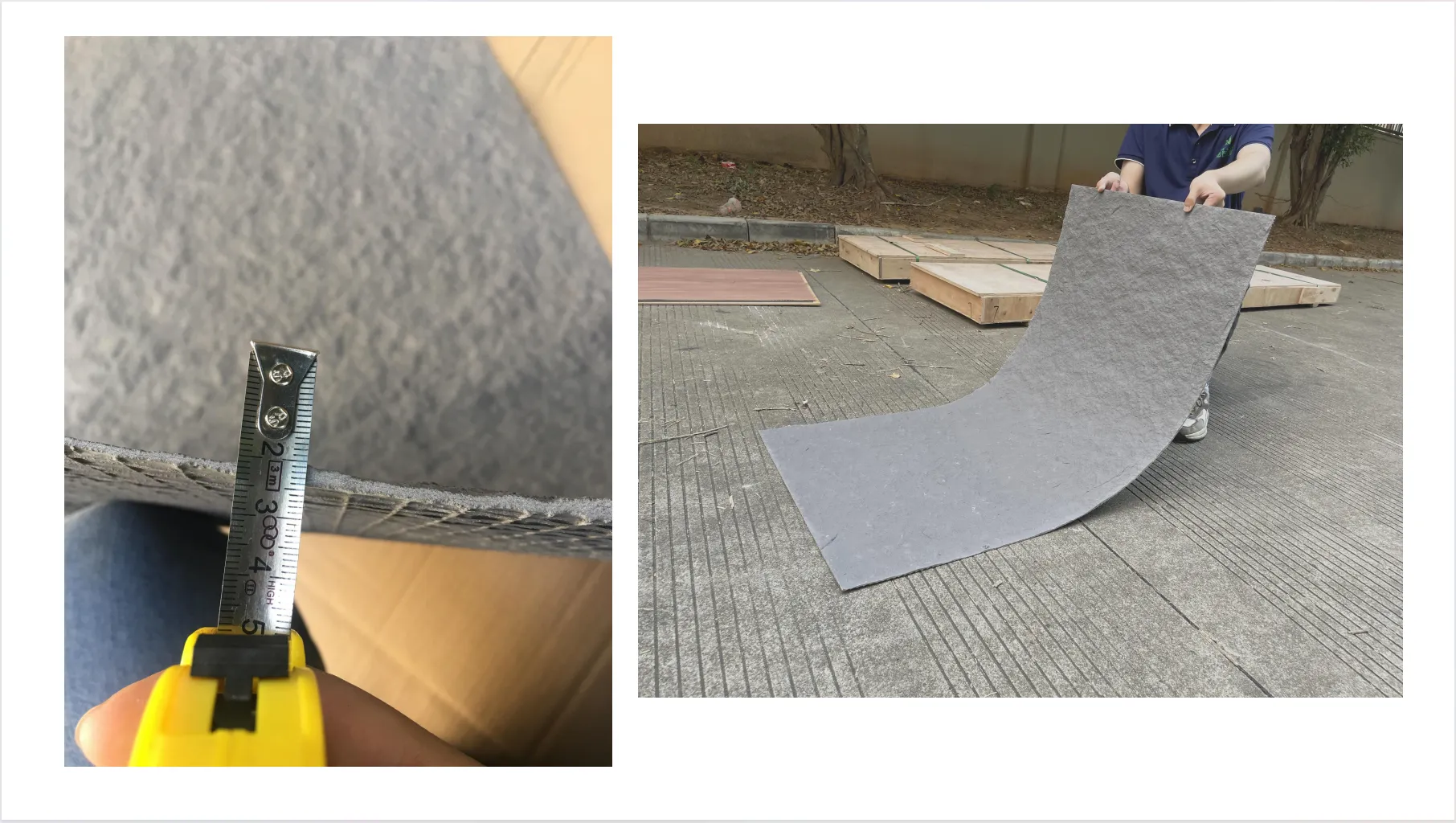
Jeddah's historic Al-Balad district is a maze of coral-stone houses and winding alleys—a living museum of Saudi Arabia's maritime past. When the city decided to build a new heritage museum adjacent to this area, the challenge was clear: honor the old while embracing the new. For lead designer Fatima Al-Zahrani, the solution lay in COLORIA's rough granite stone (beige) and MCM flexible stone. "We needed materials that could tell two stories," she says. "The beige granite anchors us to the desert's warmth, while the MCM flexible stone lets us recreate traditional patterns without the weight of real stone."
The museum's exterior is a masterclass in balance. Beige rough granite forms the base, its texture mimicking the weathered sandstone of Al-Balad's historic homes. Above, MCM flexible stone panels are etched with geometric motifs inspired by Najdi pottery, their lightweight nature reducing the building's structural load. "Traditional stone would have been too heavy for the intricate designs," Fatima notes. "COLORIA's MCM panels are thin, durable, and easy to shape—we could even add 3D elements that protrude slightly, casting shadows that change with the sun. It's like the building is breathing."
Inside, the theme continues. The main hall features a sweeping staircase with beige granite treads, their rough surface ensuring safety even during busy exhibition days. "Children run up and down here, and we've never had a slip," laughs museum curator Hassan Ali. "That's the practical side. But emotionally? When you touch that granite, you feel connected to something old, something real. It makes the artifacts feel more alive."
In Dammam, a city known for its coastal breeze and family-centric culture, the Al-Nour Residential Complex was designed to feel like a community, not just a collection of apartments. For developer Saeed Abdullah, that meant prioritizing comfort and warmth. "People here want homes that feel safe and welcoming," he says. "We didn't want cold, sterile spaces. COLORIA's rough granite stone (medium grey) was perfect—it's tough enough for daily life but has a softness that makes apartments feel like sanctuaries."
The complex comprises 12 low-rise buildings, each wrapped in medium grey rough granite. Unlike the sharp lines of commercial projects, here the stone is arranged in gentle, curved sections, mimicking the rolling dunes outside the city. "We wanted to bring the desert in, but softly," explains landscape architect Lina Farsi. "The medium grey granite has a neutrality that lets the landscaping shine—palm trees, flowering shrubs, and turquoise pools pop against it. It's like living in an oasis."
Inside the apartments, the granite makes a subtle appearance in kitchen backsplashes and bathroom walls. "Homeowners love it because it's low-maintenance," says interior designer Reem Khalid. "No need for constant polishing, just a quick wipe. And the texture? It adds depth to small spaces. A bathroom with beige tiles and medium grey granite feels larger, more dynamic." Even the complex's communal areas—playgrounds, BBQ pits, and a central courtyard—feature granite accents. "The kids love running their hands over the walls," Saeed smiles. "It's a small thing, but when a material can delight both adults and children, you know you've chosen well."
While rough granite steals the spotlight, COLORIA's portfolio is a treasure trove of innovation. Take epoch stone, a recent addition that's making waves in sustainable construction. "Epoch stone is made from recycled industrial waste, but you'd never know it," says COLORIA's product developer, Karim Hassan. "It has the look of aged limestone but the strength of modern composites. We used it in the Jeddah Museum's outdoor amphitheater, and it's held up beautifully against rain and sun."
Then there's century stone, a warm beige material that pays homage to traditional Saudi masonry, and lunar peak silvery, a metallic-hued stone that adds a touch of luxury to interiors. "We had a client in Riyadh who wanted their villa to feel like a desert palace," Karim recalls. "We paired lunar peak silvery with rough granite (beige), and the result was magical—like moonlight on sand."
For those craving something truly unique, COLORIA's 3D printing series offers custom textures, while their flexible stone panels allow for curved surfaces that were once impossible with natural stone. "Innovation isn't about replacing tradition," Karim says. "It's about giving designers the tools to honor it in new ways."
In a country aiming to reach net-zero emissions by 2060, sustainability isn't just a buzzword—it's a mandate. COLORIA takes this responsibility seriously. Their MCM flexible stone, for instance, is 70% lighter than natural stone, reducing the need for heavy steel supports and cutting transportation emissions. "A typical high-rise using MCM panels can save up to 30% on construction time and 20% on energy costs," says environmental engineer Dina Al-Mansoori. "That's a game-changer for large projects."
Rough granite stone, too, has eco-credentials. Sourced from local quarries in the Kingdom, it minimizes carbon footprints from long-distance shipping. "We work with Saudi mining companies to ensure ethical extraction," Dina adds. "No child labor, no deforestation—just responsible sourcing that benefits local communities."
Saudi Arabia's skyline is changing, but its soul remains. In the rough texture of COLORIA's granite, in the warmth of their beige tones, in the innovation of their MCM panels, we see a nation that honors its past while racing toward the future. These aren't just buildings—they're legacies. And as long as there are stories to tell, COLORIA's materials will be there to etch them into stone.
So the next time you walk through Riyadh's streets or gaze at Jeddah's skyline, take a moment to touch the walls. Feel the rough granite beneath your fingers. It's more than a material. It's Saudi Arabia, in stone.
Recommend Products












