

In the heart of one of the world's most ambitious and rapidly transforming regions, the architectural landscape of Saudi Arabia is a testament to vision and innovation. As giga-projects reshape the skyline and urban centers expand, the demand for building materials that can meet the dual challenge of extreme climate and stringent regulation has never been higher. This is where the next generation of materials steps in, not just to build, but to build smarter, safer, and more sustainably.
Constructing a building in Saudi Arabia is far more than a matter of design and assembly. It's a battle against the elements and a commitment to a rigorous set of national standards. Any architect, developer, or contractor working in the region knows that material selection is one of the most critical decisions in a project's lifecycle.
The Saudi climate is unforgiving. Intense, prolonged sunlight bombards buildings with extreme levels of UV radiation and heat. Summer temperatures regularly soar above 45°C (113°F), creating a massive thermal load on building envelopes. This isn't just a comfort issue; it's a huge operational expense, as cooling systems work overtime to maintain habitable indoor temperatures. Furthermore, seasonal sandstorms, carrying abrasive particles at high speeds, can degrade, stain, and damage conventional facade materials over time. Any material chosen for exterior use must therefore possess exceptional durability, colorfastness, and, most importantly, superior thermal insulation properties.
To ensure the safety, sustainability, and longevity of its new built environment, the Kingdom has implemented the comprehensive Saudi Building Code (SBC). This set of regulations is not merely a guideline; it's a mandatory legal framework that governs every aspect of construction. For material suppliers and specifiers, several parts of the code are particularly relevant:
Failing to comply with the SBC isn't an option. It leads to project delays, costly rework, and potential legal penalties. Therefore, the ideal building material for the Saudi market is one that is pre-validated and demonstrably compliant with these stringent codes, providing peace of mind from the design phase through to final inspection.
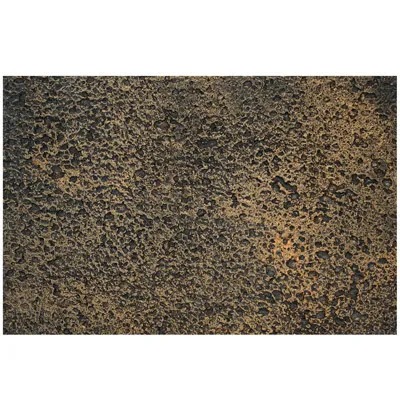
Imagine a material with the strength and sleekness of metal, the lightness of a composite panel, and the insulating and fireproof properties of a specialized core. That is, in essence, Foamed Aluminum Alloy Board. It's an advanced composite material engineered to overcome the very challenges posed by environments like Saudi Arabia.
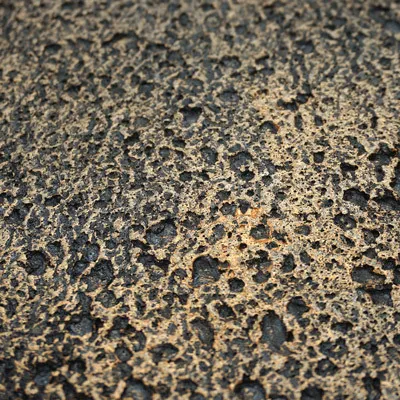
Foamed Aluminum Alloy Board is a sandwich panel. It consists of two outer layers of high-performance aluminum alloy, which provide weather resistance and a premium finish. The magic, however, is in the core. Instead of a polymer or mineral wool, the core is made of foamed aluminum—a rigid, lightweight, and highly porous metallic structure. Think of it as a solid metal sponge. A foaming agent is added to molten aluminum, which then solidifies into a closed-cell or open-cell structure. This process creates a material that is up to 85% air by volume, yet retains remarkable structural integrity.
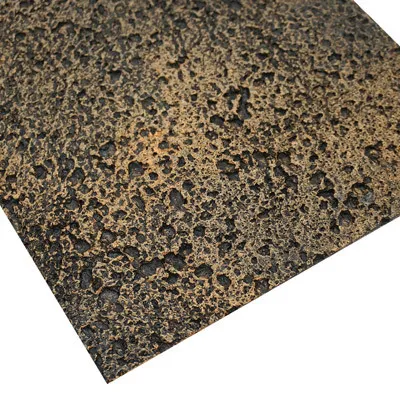
A material's theoretical benefits are only valuable if they translate into real-world compliance. Foamed Aluminum Alloy Board isn't just a good idea; it's a compliant solution that directly addresses the mandates of the Saudi Building Code. Let's break it down.
Fire safety is paramount, especially for the iconic high-rise towers defining modern Saudi cities. The SBC 801 code is strict about the use of non-combustible materials for exterior walls to prevent vertical fire spread, a lesson learned from incidents worldwide. Foamed Aluminum Alloy Board excels here. Being composed entirely of aluminum, it achieves a Class A fire rating, the highest possible classification. It does not contribute to a fire, will not ignite, and, critically, does not produce the dense, toxic smoke associated with many plastic-cored composite panels. This inherent non-combustibility provides architects and safety engineers with the ultimate assurance that their building envelope meets and exceeds the most stringent fire safety requirements.
Saudi Vision 2030 places a strong emphasis on sustainability and reducing the Kingdom's carbon footprint. The SBC 601 for energy conservation is the practical application of this vision in the construction sector. It mandates low U-values (a measure of heat transfer) for the building envelope to reduce reliance on air conditioning.
This is where Foamed Aluminum Alloy Board truly shines. The foamed metallic core is a game-changer for thermal performance. The millions of tiny, trapped air pockets create a formidable barrier to heat conduction. A building clad in these panels will stay significantly cooler, drastically reducing the energy required for cooling. This translates directly into lower electricity bills for the building owner and a smaller environmental impact for the nation.
| Material (Typical Facade Thickness) | Approximate Thermal Conductivity (W/m·K) | Performance Notes for Hot Climates |
|---|---|---|
| Foamed Aluminum Alloy Board | ~0.3 - 0.6 | Excellent insulation. Cellular core acts as a thermal break, significantly reducing heat gain. |
| Solid Aluminum Sheet (3mm) | ~205 | Very poor insulator. A high conductor of heat, requiring extensive backing insulation. |
| Natural Stone (e.g., Granite, 30mm) | ~2.0 - 3.5 | Poor insulator. High thermal mass can store and radiate heat into the building. |
| Precast Concrete Panel (150mm) | ~1.7 | Poor insulator. Heavy and possesses high thermal mass, contributing to heat gain. |
As the table clearly illustrates, Foamed Aluminum Alloy Board offers a level of built-in thermal performance that other monolithic facade materials simply cannot match without the addition of complex and costly secondary insulation systems.
The material's high strength-to-weight ratio offers significant structural advantages. Its lightness reduces the overall dead load on the building's primary structure and foundation, potentially leading to material and cost savings in the structural frame itself. Despite being light, the sandwich panel construction gives it incredible stiffness, allowing it to withstand the high wind loads common in the region, a key consideration under SBC 301. Its robust aluminum surface is also perfectly suited to resist the abrasive effects of sandstorms and the degrading effects of intense UV exposure, ensuring a long-lasting, low-maintenance building exterior that retains its aesthetic appeal for decades.
Having the right material is only half the battle. You need a partner who understands the nuances of the local market, possesses deep technical expertise, and can provide comprehensive support throughout your project. This is the foundation upon which COLORIA GROUP is built.
We are more than just a material supplier; we are a **one-stop solution provider** for high-quality building materials. With decades of industry experience and a dedicated agency right here in Saudi Arabia, we have an intimate understanding of the challenges and opportunities in the Kingdom's construction sector. Our role as a **one-stop solution provider** means we guide you through every step: from initial consultation to help you select the perfect material, to providing technical data for your compliance submissions, to managing customization and ensuring timely delivery to your project site.
Our commitment to innovation extends across our entire product range. While Foamed Aluminum Alloy Board is a premier solution for fire safety and thermal performance, our portfolio is designed to meet every architectural need.
For projects seeking monumental scale and a seamless finish, our **MCM Big Slab Board Series** is an unparalleled choice. These modified cementitious material panels come in exceptionally large formats, minimizing joint lines and creating breathtakingly smooth and modern surfaces for both interiors and exteriors. They offer a sophisticated, minimalist aesthetic that is highly sought after in contemporary design.
Where design calls for the timeless beauty of stone but with modern versatility, we offer our revolutionary **MCM Flexible Stone**. This product provides the authentic look and feel of natural slate, travertine, or sandstone, but in a lightweight, thin, and incredibly flexible sheet. It can be bent around curved walls, columns, and complex architectural features, opening up design possibilities that are impossible with traditional, rigid stone, all while being a green, sustainable alternative.
Our diverse portfolio, from metallic foams to advanced cementitious materials, underscores our core philosophy: to provide architects and developers with a toolbox of high-performance, aesthetically versatile, and environmentally conscious materials to bring their most ambitious visions to life. With COLORIA GROUP, you gain a partner dedicated to quality, compliance, and pushing the boundaries of what's possible in modern construction.
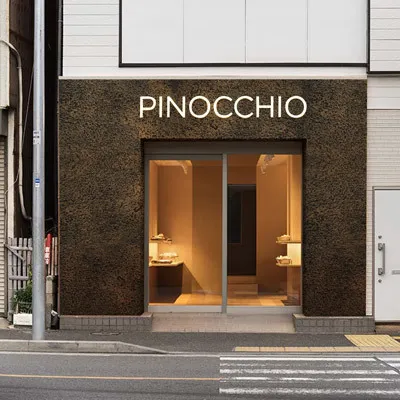
The future of construction in Saudi Arabia is being defined today. It's a future that demands resilience against a harsh climate, unwavering adherence to world-class safety codes, and a commitment to energy efficiency and sustainability.
Foamed Aluminum Alloy Board stands ready to meet this future. It is a material engineered for its environment, offering a synergistic blend of fire safety, thermal insulation, lightweight strength, and design flexibility. It is not just an alternative; for many applications, it is the superior choice.
When you choose this advanced material through COLORIA GROUP, you are choosing more than a product. You are choosing a partnership built on expertise, a commitment to code compliance, and access to a world of innovative solutions designed for the next generation of architecture. Together, we can build structures that are not only visually stunning but are also safer, more efficient, and more durable for the years and decades to come.
Recommend Products












