
Walk through the bustling streets of Riyadh, the coastal avenues of Jeddah, or the emerging business districts of NEOM, and you'll notice a quiet revolution unfolding across Saudi Arabia's architectural landscape. As the kingdom races toward its Vision 2030 goals—transforming cities into global hubs of innovation, sustainability, and cultural pride—one material has risen to the forefront of this transformation: polish concrete. But it's not just any concrete. Today's projects demand more than durability; they crave personality, adaptability, and a connection to Saudi's rich heritage and ambitious future. Enter COLORIA GROUP, a name increasingly synonymous with redefining how we build in the desert kingdom. With a focus on localized innovation, the company is turning global MCM (Modified Composite Material) expertise into solutions that feel uniquely Saudi—materials that don't just withstand the harsh desert climate but celebrate it.
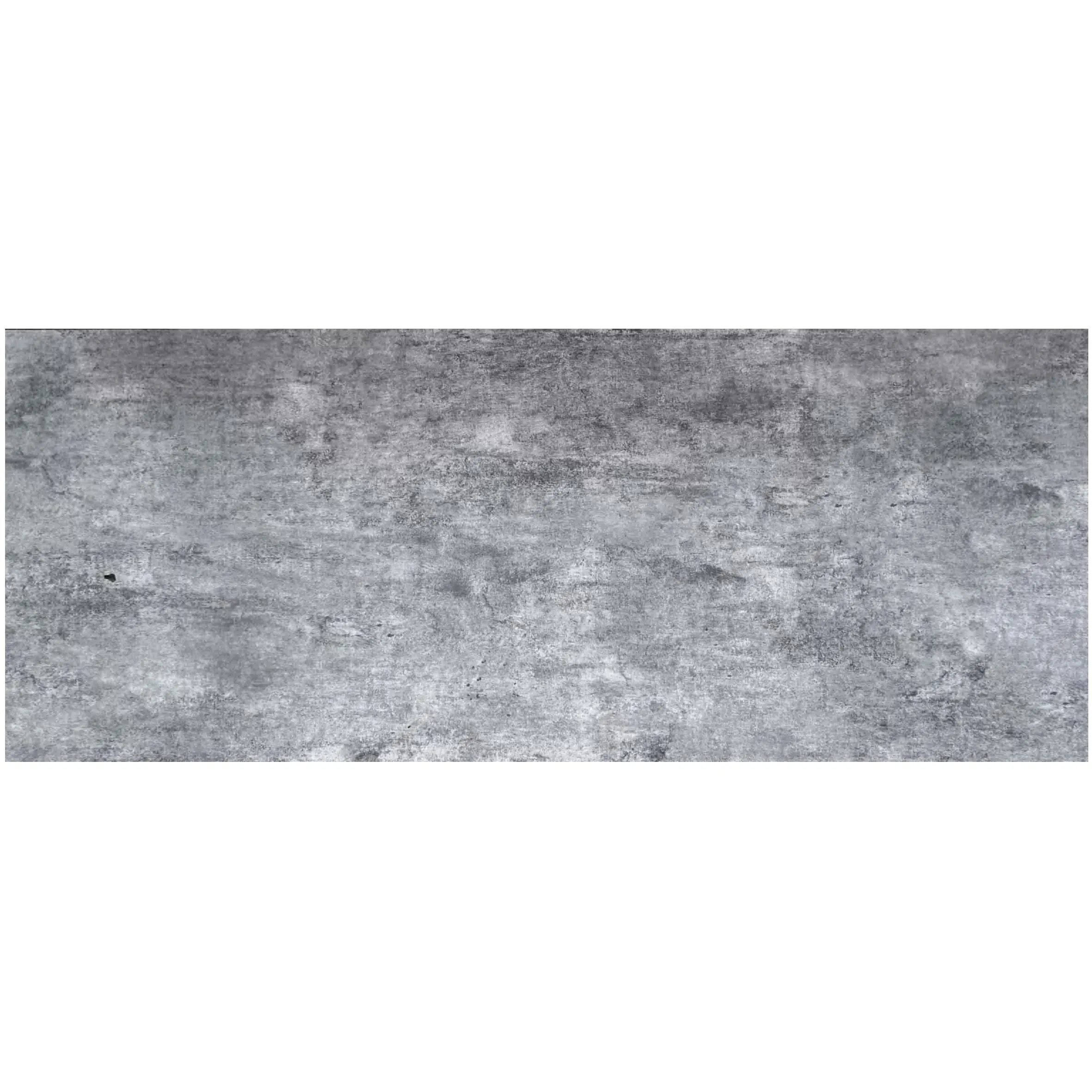
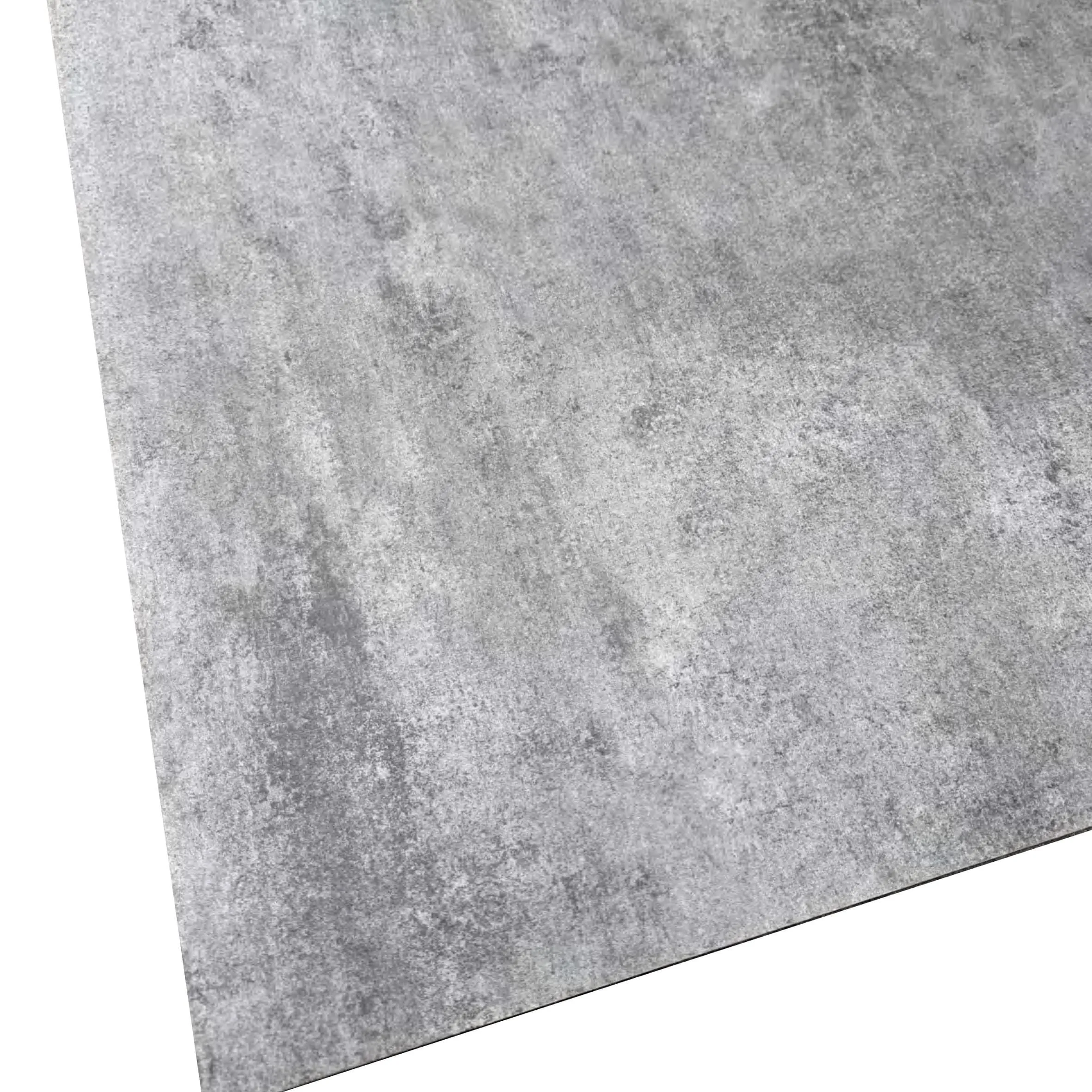
Polish concrete isn't new, but in Saudi Arabia, it's experiencing a renaissance. Gone are the days when concrete was relegated to drab, utilitarian structures. Today, architects and developers are embracing its raw, industrial charm—smoothed to a high sheen, stained with earthy tones, or textured to mimic natural stone—creating spaces that feel both modern and grounded. What's driving this shift? For starters, Saudi's construction boom is no longer just about scale; it's about identity . From luxury hotels in Riyadh to cultural centers in AlUla, projects are seeking materials that reflect the kingdom's dual personality: deeply rooted in tradition yet unapologetically forward-thinking.
Polish concrete checks all these boxes. It's durable enough to withstand Saudi's scorching summers (temperatures regularly exceed 45°C) and sandstorms, requiring minimal maintenance—critical in a region where upkeep costs can escalate quickly. Its neutral palette serves as a versatile canvas for designers, pairing seamlessly with traditional elements like hand-carved wood or vibrant mosaic tiles, or standing alone as a statement of minimalist elegance. And perhaps most importantly, it aligns with Saudi's growing focus on sustainability. Unlike imported marble or granite, which often come with high carbon footprints, polish concrete can be sourced locally, and when paired with MCM technology, it becomes even more eco-friendly—lightweight, reducing transportation emissions, and reusable in some cases.
"We're seeing a demand for materials that tell a story," says Lama Al-Mansoori, a Riyadh-based architect specializing in commercial projects. "Polish concrete, especially when enhanced with MCM variants, lets us do that. It's honest—it doesn't pretend to be something it's not. But it's also adaptable. You can make it look like ancient desert stone or futuristic metal, depending on the project's vision."
While global construction material giants have long eyed Saudi's market, few have managed to crack the code of "localization." COLORIA GROUP, however, has built its reputation on exactly that. Founded a decade ago with a mission to bridge global MCM technology with regional needs, the company has become a trusted partner for architects, contractors, and developers across the kingdom. Their secret? They don't just export products—they collaborate .
"Understanding Saudi Arabia means more than knowing the climate; it means understanding the culture of design," explains Khalid Al-Zahrani, COLORIA's Regional Director for the Middle East. "Our team spends months on the ground, working with local architects and even visiting heritage sites, to understand what resonates here. For example, Saudi clients often prefer warm, earthy tones that echo the desert landscape—think terracottas, sand beiges, and deep rusts. They also value materials that age gracefully, developing a patina over time that adds character. Our MCM offerings are engineered with these preferences in mind."
This localized approach extends to product development. COLORIA's R&D center in Dammam, staffed with Saudi engineers and material scientists, tests every MCM variant under extreme conditions: UV radiation simulating Riyadh's harsh sun, sand abrasion tests to mimic desert storms, and thermal expansion trials to ensure materials don't crack in temperature swings. The result? Products that aren't just "good enough" for Saudi—they're made for Saudi.
Let's dive into the products driving COLORIA's success in Saudi Arabia's polish concrete and MCM market. These aren't just materials—they're tools for storytelling, designed to turn blueprints into spaces that feel alive with purpose.
| Product Name | Key Features | Top Applications | Why It Works in Saudi Arabia |
|---|---|---|---|
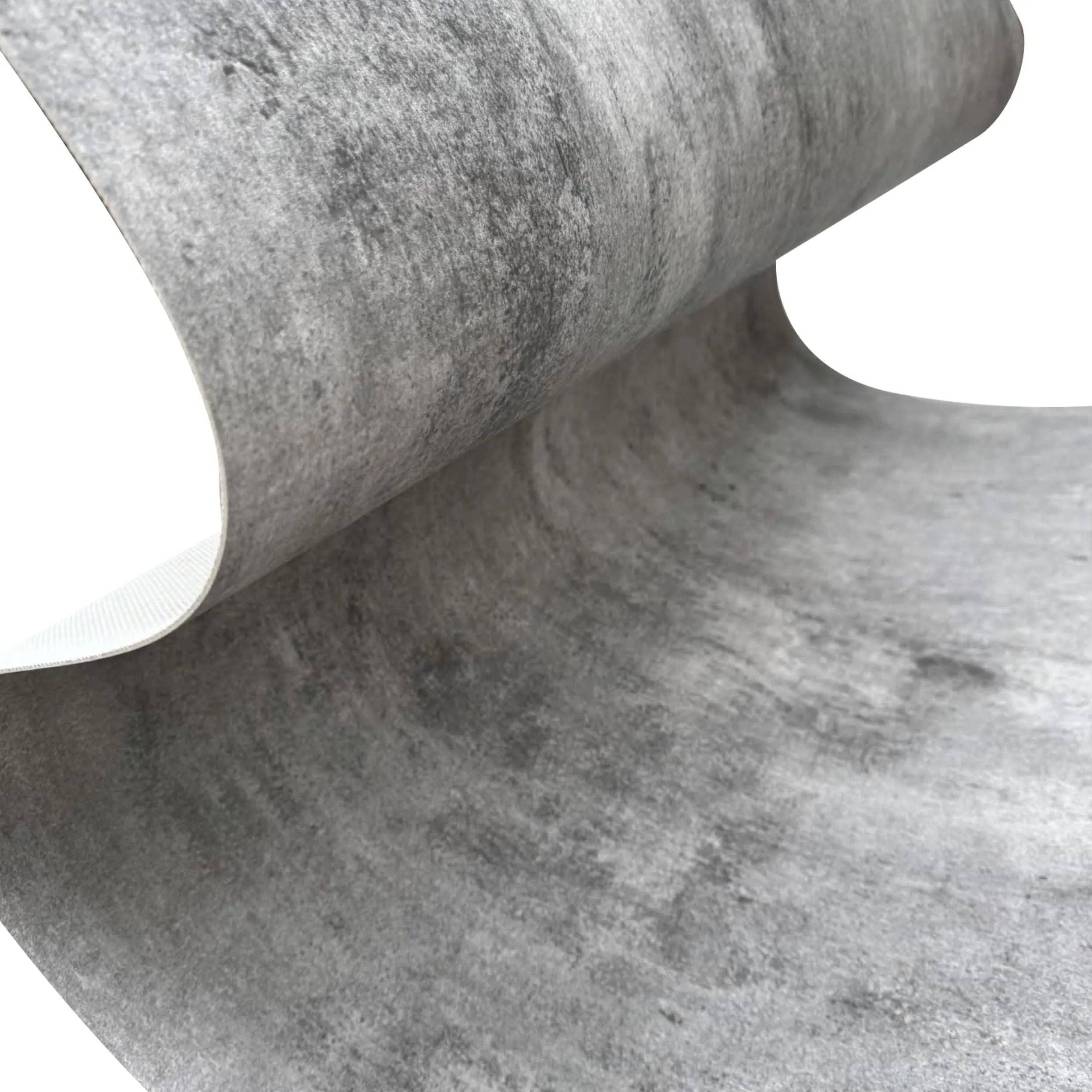
| MCM Flexible Stone | Lightweight (1/5th the weight of natural stone), flexible (bends without cracking), available in 20+ finishes. | Exterior cladding for high-rises, feature walls in hotels, heritage site restorations. | Reduces structural load on buildings; withstands sandstorms without chipping. |
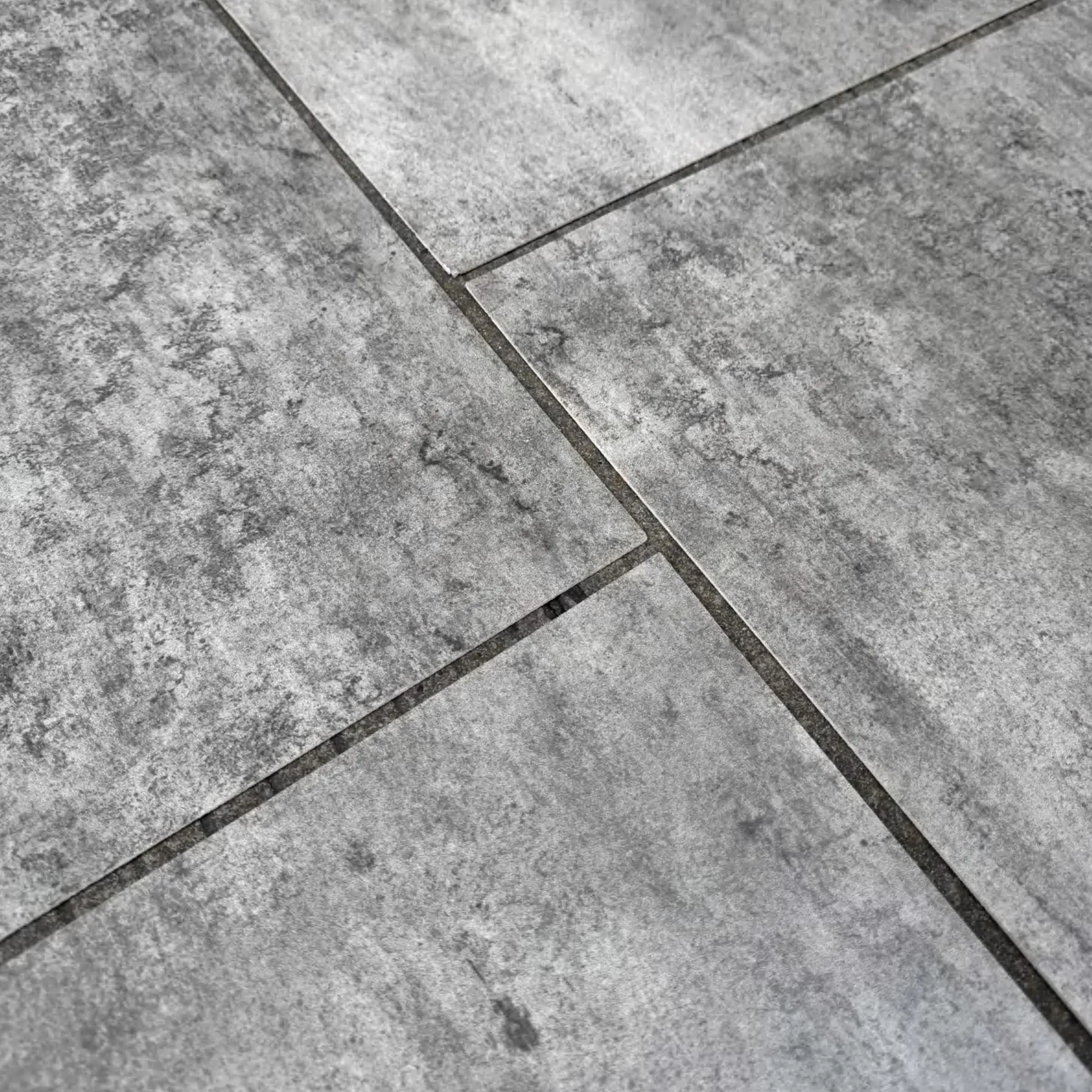
| Polish Concrete | High-gloss finish, stain-resistant, customizable with integral colorants (sand, terracotta, charcoal). | Flooring in malls, lobbies, outdoor plazas, residential driveways. | Reflects sunlight, reducing heat absorption; easy to clean (critical for dusty environments). |
| Travertine (Starry Green) | MCM-cast travertine with embedded "star" flecks of iridescent glass; matte finish with subtle shimmer. | Accent walls in luxury resorts, prayer rooms, cultural centers. | Echoes Saudi's starlit desert nights; green tone symbolizes growth (a key Vision 2030 theme). |
| Lunar Peak Silvery | Metallic silver finish with crater-like texture; fire-resistant, water-proof. | Exterior cladding for tech parks, space-themed museums, modern office buildings. | Silver reflects heat, lowering AC costs; texture hides dust, reducing maintenance. |
| Fair-Faced Concrete | Unfinished, natural texture with visible aggregate; thermal insulation properties. | Low-rise residential buildings, community centers, eco-friendly developments. | Insulates against heat, reducing energy use; raw texture connects to Saudi's Bedouin heritage. |
Take, for example, the Al-Murjan Tower in Jeddah, a 42-story mixed-use skyscraper set to open in 2026. Its exterior will feature COLORIA's MCM flexible stone in a warm sandstone finish, chosen for its ability to withstand coastal humidity (Jeddah's proximity to the Red Sea can accelerate corrosion) and reduce the building's overall weight by 30% compared to natural stone cladding. "That weight reduction meant we could add an extra two floors without compromising structural integrity," says the tower's lead architect, Sarah Ahmed. "And the finish? It blends perfectly with Jeddah's traditional coral-stone architecture, but with a modern twist."
In Riyadh's King Abdullah Financial District (KAFD), COLORIA's polish concrete has become a staple in new office lobbies. The polished terracotta-hued floors of the KAFD Innovation Center, for instance, not only reflect the desert landscape but also stay cool underfoot—even in summer—thanks to COLORIA's proprietary heat-reflective additives. "We wanted a space that felt open and connected to the outdoors," explains project designer Omar Khalid. "The polish concrete floors act like a mirror, bringing in light from the floor-to-ceiling windows and making the space feel larger. Plus, they're incredibly durable—no scuffs from office chairs or foot traffic, even after a year of use."
For heritage projects, COLORIA's travertine (starry green) has emerged as a favorite. The material was used in the restoration of a 19th-century madrasa in Taif, where it replaced damaged natural travertine. "The original stone was brittle and hard to source," says restoration expert Dr. Amal Al-Sayed. "COLORIA's MCM version matched the texture and color perfectly, but it's lighter and more resistant to moisture. The 'starry' flecks even echo the celestial motifs in the madrasa's original tile work—it was like they knew exactly what we needed."
Saudi Arabia's construction market is crowded, with global players like Saint-Gobain and local giants like Saudi Readymix vying for projects. So what sets COLORIA apart? It's their commitment to partnership . Unlike many suppliers who drop off materials and disappear, COLORIA offers end-to-end support—from initial design consultations to on-site installation training. "We don't just sell products; we solve problems," says Al-Zahrani. "If a contractor is struggling with installation in 45°C heat, our team is there the next day with solutions. If an architect wants a custom color, we'll create a sample batch in our Dammam lab and deliver it within a week."
This hands-on approach has earned COLORIA a loyal client base. Take the NEOM Tech District project, where COLORIA supplied over 50,000 sqm of lunar peak silvery cladding. "NEOM has strict sustainability targets—we needed materials with low embodied carbon and high thermal efficiency," says NEOM's Construction Manager, James Wilson. "COLORIA not only met those targets but also helped us optimize the cladding layout to reduce waste by 15%. Their local team even suggested adjusting the installation schedule to avoid the hottest parts of the day, which cut down on worker fatigue and speeded up the project."
Another key differentiator is COLORIA's focus on affordability. While MCM materials are often seen as premium, the company has worked to bring costs down by localizing production. Their factory in Jubail, which opened in 2023, produces 80% of their MCM flexible stone and polish concrete locally, reducing import taxes and transportation costs. "We believe innovative materials shouldn't be a luxury," Al-Zahrani notes. "By producing here, we can offer prices that compete with traditional concrete while delivering better performance."
As Saudi Arabia continues to invest in mega-projects—from the futuristic city of NEOM to the Red Sea Project's luxury resorts—the demand for innovative building materials will only grow. And polish concrete, paired with MCM technology, is poised to play a starring role. "We're already seeing trends shift toward even more customization," predicts Al-Mansoori. "Architects want materials that can be 3D-printed into complex shapes, or embedded with smart technology—like sensors that monitor structural health. COLORIA is already experimenting with 3D-printed MCM panels in their lab, and I think we'll see those in Saudi projects within the next two years."
Sustainability will also remain a driving force. With Saudi aiming to reach net-zero emissions by 2060, materials like COLORIA's fair-faced concrete—made with recycled aggregates and low-carbon cement—will become standard. "The days of choosing between aesthetics and sustainability are over," says Wilson. "Clients now ask for both, and COLORIA is leading the way in delivering that balance."
Perhaps most exciting is the potential for MCM materials to bridge Saudi's past and future. Imagine a museum in AlUla, where ancient Nabataean inscriptions are displayed on walls made of COLORIA's travertine (starry green), or a mosque in Riyadh with a minaret clad in lunar peak silvery, its metallic sheen catching the light like a beacon. These aren't just buildings—they're stories, told through materials that understand where Saudi has been and where it's going.
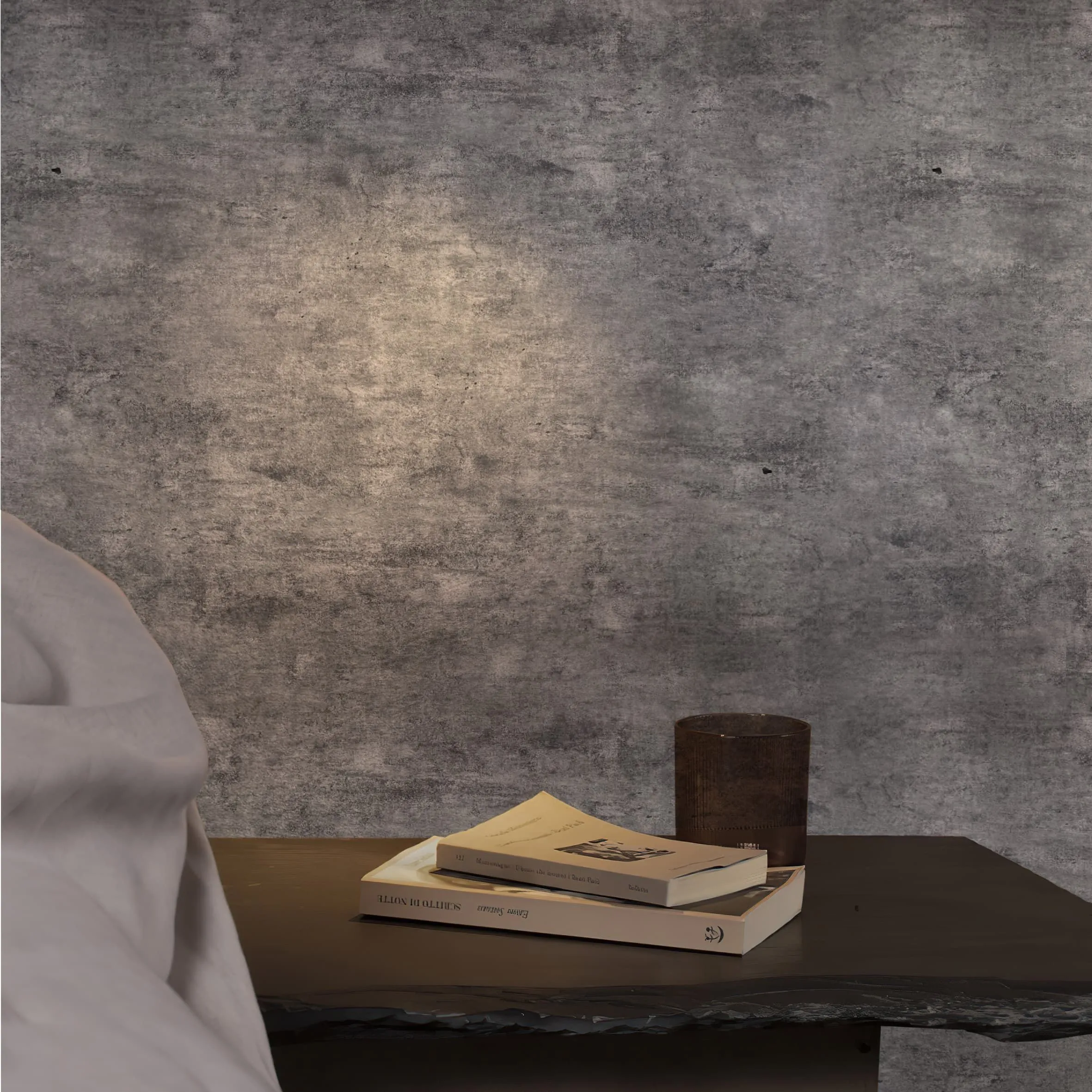
Saudi Arabia's polish concrete trend is more than a passing fad; it's a reflection of a nation in transformation—one that's building not just for today, but for generations to come. In this journey, COLORIA GROUP has emerged as more than a supplier; it's a partner, turning global innovation into local solutions that honor Saudi's heritage, climate, and vision. From the sleek lines of Riyadh's skyscrapers to the quiet beauty of restored heritage sites, COLORIA's MCM offerings are leaving an indelible mark on the kingdom's landscape.
As Al-Zahrani puts it: "We don't just build materials—we build legacies. And in Saudi Arabia, the legacy being built is one of progress, sustainability, and pride. We're proud to be a part of that."
Recommend Products












