
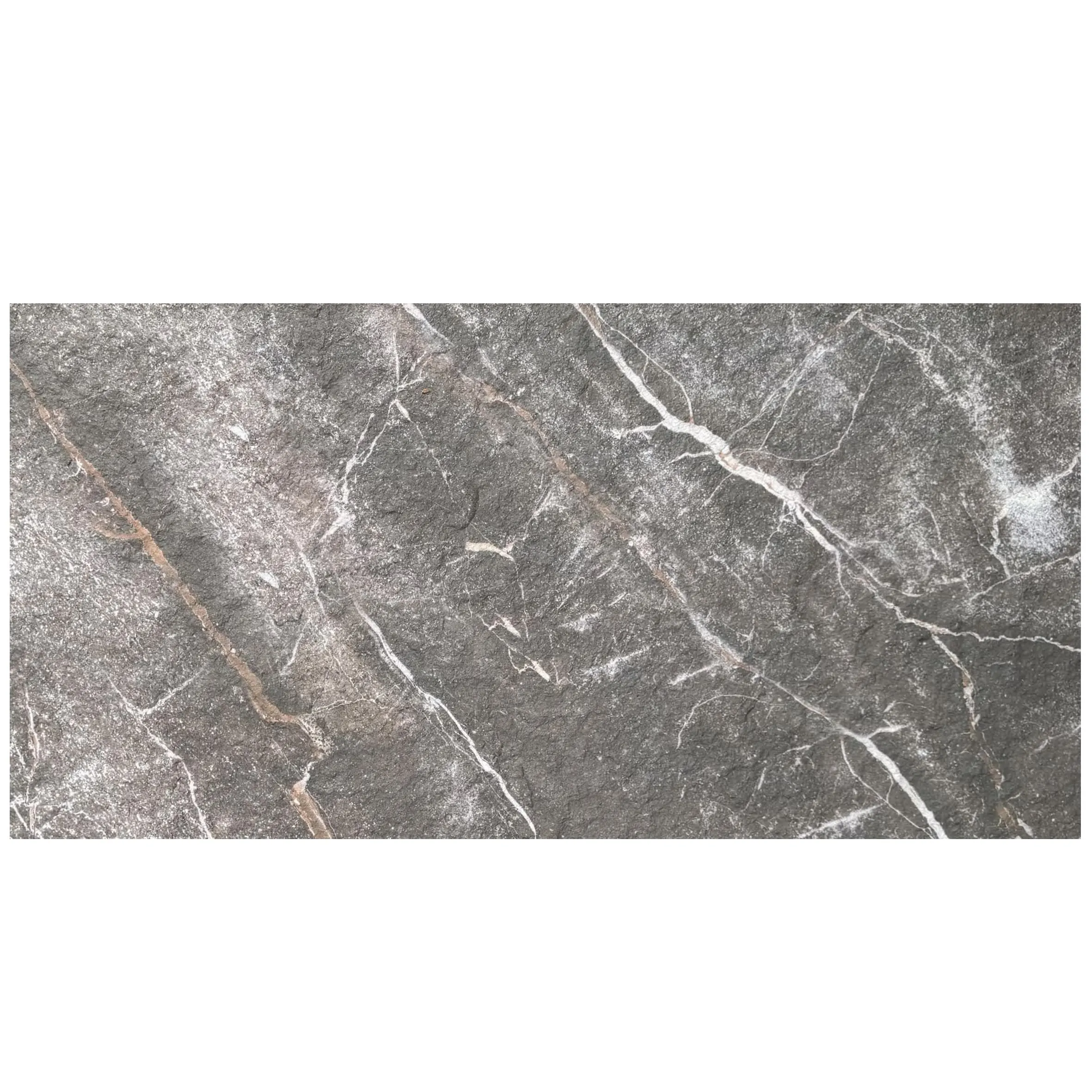
Walk through the heart of Riyadh's financial district or along the waterfront of Jeddah, and you'll notice something striking about Saudi Arabia's architectural identity—it's a love letter to contrast. Sleek glass skyscrapers rise beside traditional mud-brick palaces; minimalist modern homes nestle against desert landscapes that have inspired design for centuries. At the center of this visual dialogue lies a material that has captivated architects, developers, and homeowners alike: Granite Portoro. Its deep, midnight-black base swirled with veins of gold isn't just a stone—it's a statement of luxury, a nod to timelessness, and a bridge between the kingdom's rich heritage and its ambitious future. But in a country where innovation moves as fast as its skyline, a new player has emerged to redefine how we think about premium building materials: MCM, or Modified Composite Material. Let's dive into why Granite Portoro remains a staple, and how MCM products like flexible stone and big slab boards are becoming the go-to choice for the next generation of Saudi architecture.
To understand Saudi Arabia's affinity for Granite Portoro, you first have to look at its appearance. Imagine a slab of stone that looks like the night sky after a meteor shower—deep, inky black interrupted by streaks of warm gold that catch the light like sunlight on desert sand. It's dramatic, opulent, and inherently regal. For a culture that values hospitality and grandeur, it's no wonder this stone has been a fixture in palaces, luxury hotels, and high-end retail spaces for decades. Think of the lobby of a five-star resort in Riyadh: floors polished to a mirror finish, walls clad in Granite Portoro, and gold accents that echo the stone's natural veins—suddenly, the space feels not just luxurious, but rooted in a sense of permanence.
But Granite Portoro's appeal isn't just skin-deep. Historically, it's been prized for its durability. In a country where summer temperatures soar above 45°C and sandstorms can scour surfaces, a stone that resists heat, scratches, and weathering is more than a luxury—it's a necessity. Traditional Saudi architecture, with its thick walls and shaded courtyards, was built to stand against the elements, and Granite Portoro fits that ethos perfectly. It's a material that says, "This space was built to last."
Yet, for all its strengths, traditional Granite Portoro comes with challenges. Quarried from select sites in Italy, these slabs are heavy—often weighing over 150 kg per square meter. Transporting them to remote Saudi locations, like a luxury villa in AlUla or a resort in the Asir Mountains, adds significant logistical hurdles. Installation is another headache: maneuvering these massive slabs requires specialized equipment and skilled labor, driving up costs and project timelines. And while the stone is durable, it's not invincible—porous by nature, it needs regular sealing to prevent staining from oil, water, or the occasional desert downpour. For modern projects aiming for efficiency and flexibility, these limitations have architects asking: Is there a way to keep the beauty of Granite Portoro without the hassle?
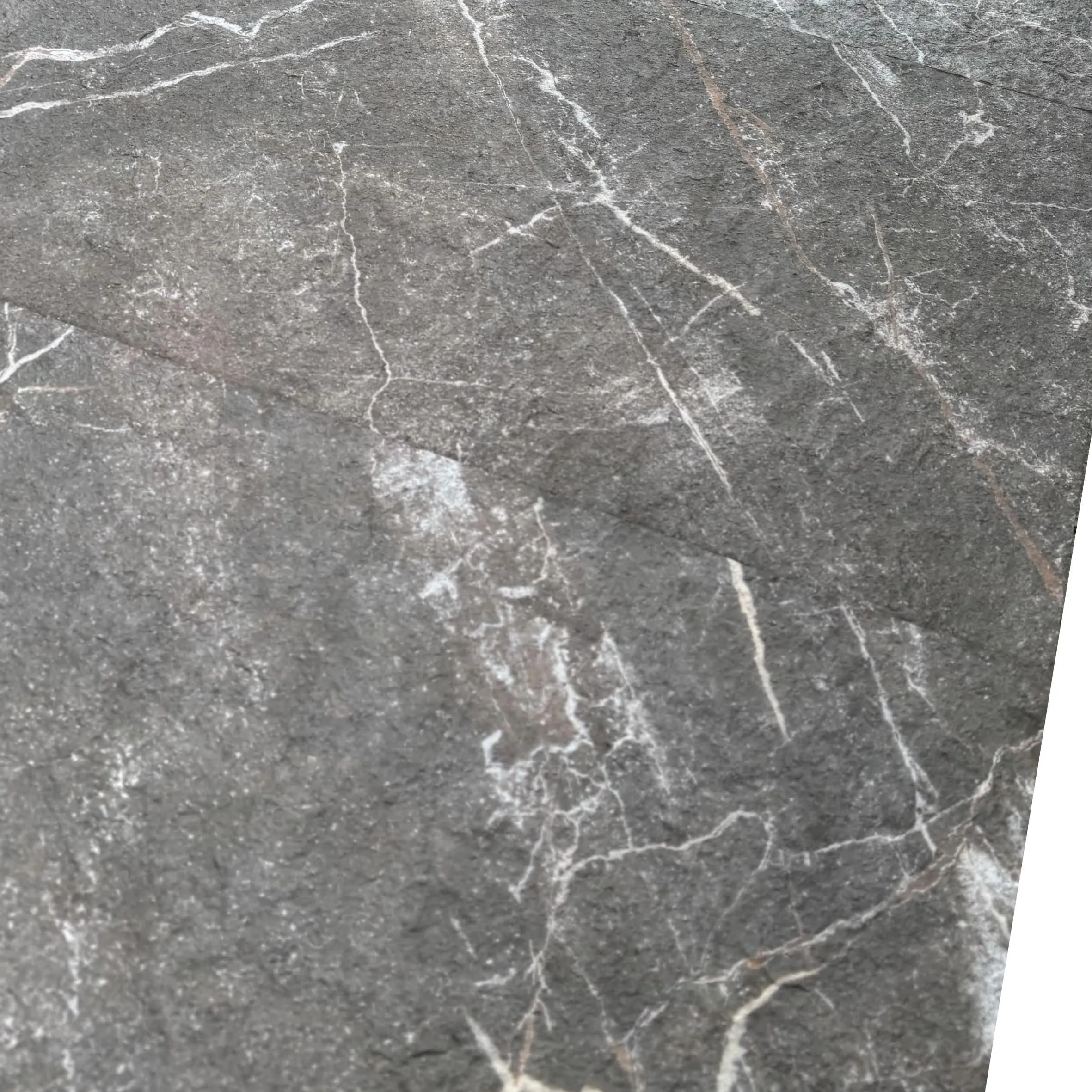
Here's where MCM steps in. Short for Modified Composite Material, MCM is exactly what its name suggests: a clever blend of natural stone (or mineral aggregates) and high-performance polymers, engineered to capture the look and feel of premium materials while solving their biggest pain points. Think of it as traditional stone's smarter, more adaptable cousin—same beauty, but with superpowers.
The magic of MCM lies in its construction. Most MCM products start with a thin layer of natural stone veneer—often just 3-5mm thick—bonded to a lightweight, flexible backing made from fiberglass or polymer resins. The result? A material that's up to 70% lighter than solid stone, yet just as strong. For Saudi Arabia, where building tall and building fast is the norm, this lightweight quality is a game-changer. Suddenly, transporting "Granite Portoro" panels to a 50-story tower in Jeddah isn't a logistical nightmare—it's manageable with standard trucks and lifts. Installing them? A team of two can handle what once required a crane and a crew. It's not just about saving time and money (though that's a big part); it's about unlocking design possibilities that solid stone could never dream of.
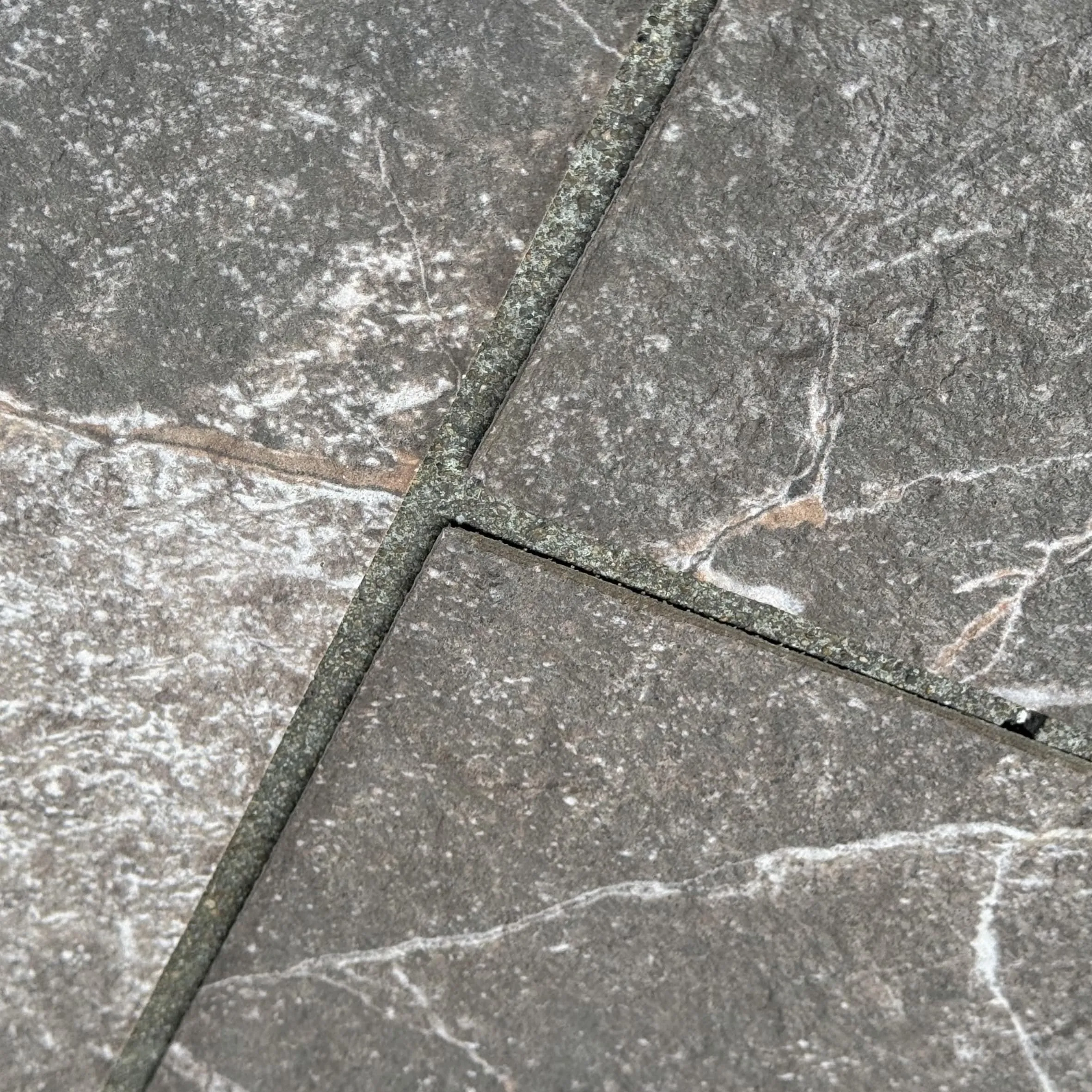
If there's one MCM product that's turning heads in Saudi Arabia, it's MCM flexible stone. Picture this: You're designing a boutique hotel in Riyadh with a curved facade, inspired by the flowing lines of traditional Bedouin tents. You want the exterior to have the richness of Granite Portoro, but solid stone can't bend around curves without cracking. Enter MCM flexible stone. Thanks to its polymer backing, this material can wrap around corners, arch over doorways, or even follow the contours of a circular lobby column—all while maintaining that signature black-and-gold Granite Portoro pattern. It's like dressing a building in luxury fabric instead of rigid armor.
But flexibility isn't just about aesthetics; it's about practicality. Saudi Arabia's desert climate is tough on buildings—expansion and contraction from extreme temperature swings can cause traditional stone to crack or loosen over time. MCM flexible stone, with its ability to "give" slightly, resists this wear and tear, ensuring that facades stay intact for decades. And because it's thinner and lighter, it puts less stress on a building's structure, which is crucial for high-rises where every kilogram counts.
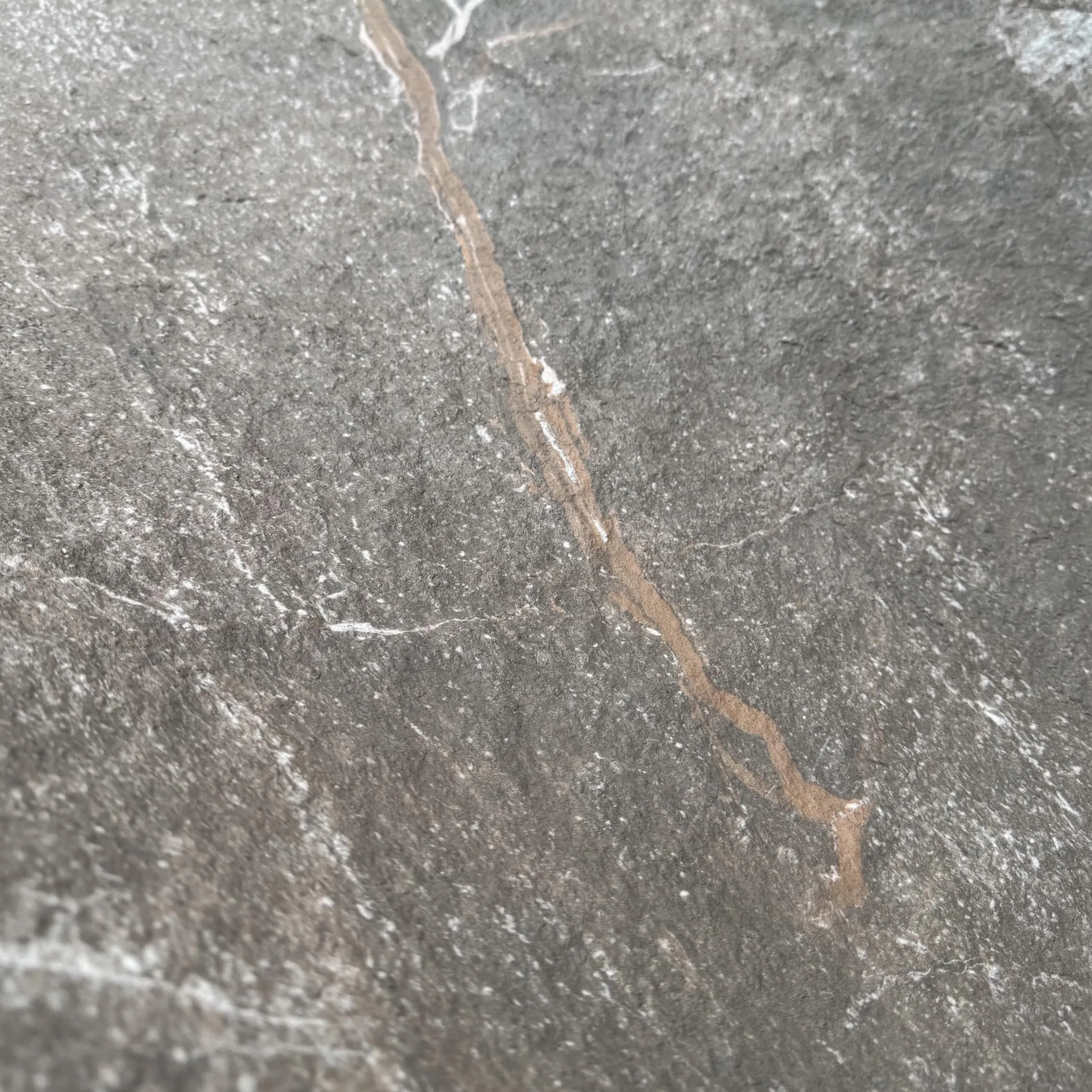
For projects that demand grandeur—think convention centers, airport terminals, or the lobby of a flagship mall—the MCM big slab board series is a revelation. These panels are massive, often stretching up to 1200x2400mm (that's 4x8 feet!) in a single piece. Why does size matter? Fewer seams. Traditional stone installations require grout lines between slabs, which can break up the visual flow and collect dust in Saudi's sandy air. With MCM big slabs, you get a continuous, unbroken surface that feels expansive and luxurious. Imagine walking into a hotel ballroom where the walls are clad in a single, sweeping panel of Granite Portoro-inspired MCM—it's like stepping into a space carved from a single block of stone, minus the weight and cost.
But the big slab series isn't just about Granite Portoro. In Saudi Arabia, where design trends blend modern minimalism with regional warmth, these slabs come in a range of finishes that complement the stone's boldness. Take fair-faced concrete, for example—a finish that's raw, industrial, and surprisingly elegant. Pairing MCM big slabs in fair-faced concrete with Granite Portoro accents creates a striking contrast: the cool, understated concrete balances the stone's drama, resulting in spaces that feel both contemporary and grounded. It's a combination we're seeing more of in Riyadh's new cultural centers, where architects want to honor the past while embracing the future.
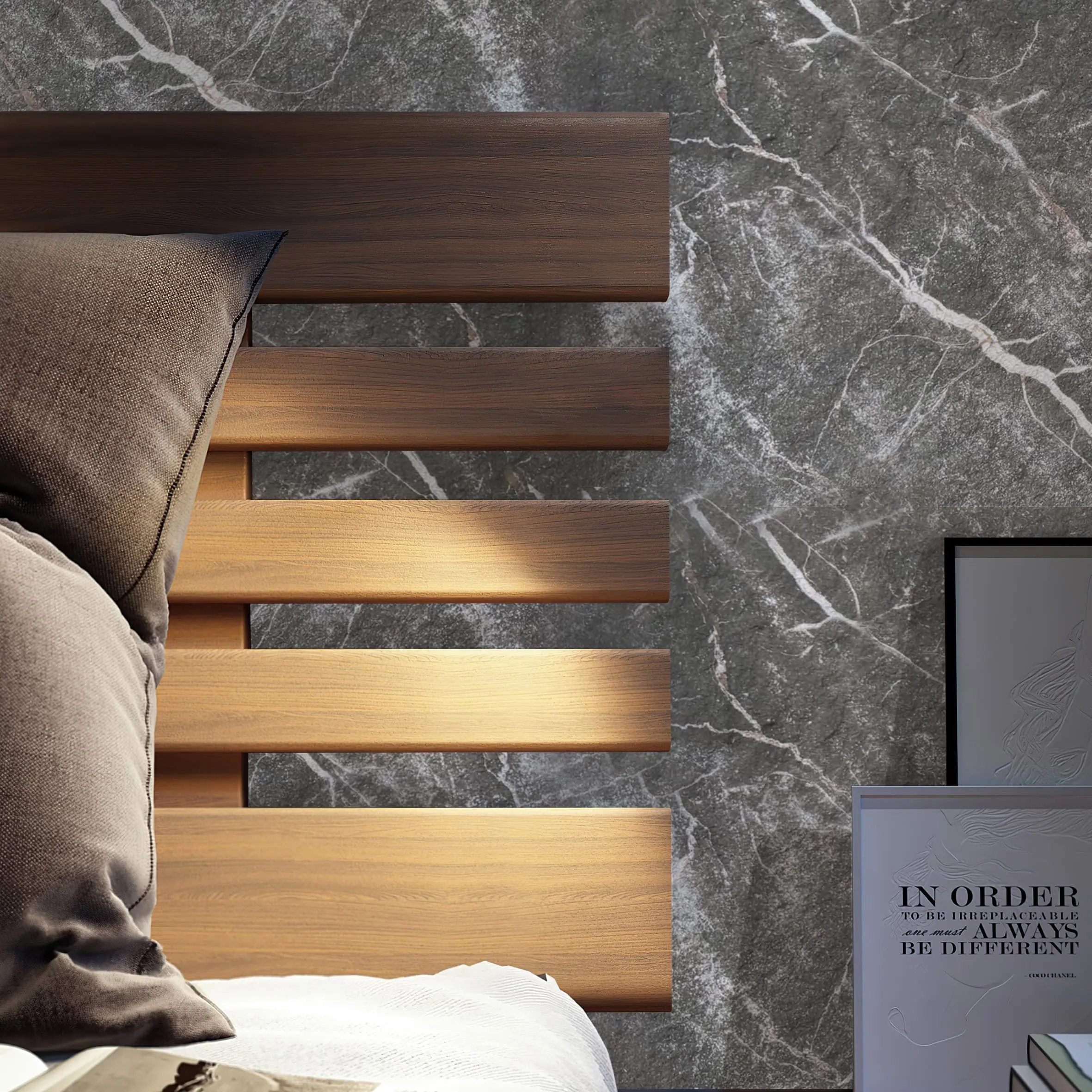
While Granite Portoro holds a special place in Saudi hearts, MCM's versatility means it's not limited to replicating traditional stones. Take the Lunar Peak series—another MCM favorite in the kingdom. Available in silvery, golden, and black finishes, these panels mimic the textured, otherworldly look of moon rock, with a matte surface that shimmers subtly in the desert sun. It's a material that feels both futuristic and connected to the land; after all, Saudi Arabia's deserts have long been compared to lunar landscapes. When used alongside Granite Portoro—say, Lunar Peak Silvery for exterior cladding and Granite Portoro for interior accents—the effect is breathtaking: a building that looks like it's been plucked from the stars and rooted in the earth.
What makes Lunar Peak and other MCM lines so popular? Sustainability. Saudi Arabia's Vision 2030 places a heavy emphasis on eco-friendly construction, and MCM delivers. Because it uses just a thin layer of natural stone, it reduces quarrying waste. Its lightweight nature also cuts down on transportation emissions, and many MCM products are recyclable at the end of their lifespan. For developers aiming to meet green building standards (like LEED or Estidama), MCM isn't just a design choice—it's a sustainability win.
Curious how MCM stacks up against traditional Granite Portoro? Let's break it down:
| Feature | Traditional Granite Portoro | MCM Granite Portoro Veneer |
|---|---|---|
| Weight (per m²) | 150-200 kg | 15-25 kg |
| Thickness | 20-30 mm | 3-8 mm |
| Installation Time (per m²) | 2-3 hours (requires heavy equipment) | 30-45 minutes (hand-installable) |
| Maintenance | Sealing required every 1-2 years; prone to staining | Water-resistant; no sealing needed; easy to clean |
| Sustainability | High quarrying impact; heavy transportation emissions | Low waste; reduced emissions; often recyclable |
So, what does this mean for Saudi Arabia's architectural future? It means more bold designs, fewer compromises, and a new era of sustainable luxury. Take the upcoming NEOM project, a futuristic city being built from the ground up in the Tabuk Province. With its focus on innovation and sustainability, NEOM is the perfect playground for MCM materials. Imagine a residential district where MCM big slab boards in Granite Portoro finish line the interiors, while Lunar Peak Golden panels clad the exteriors, reflecting the desert sun. Or a cultural center with curved walls wrapped in MCM flexible stone, mimicking the look of ancient rock carvings but built to withstand the test of time.
Even in more traditional settings, MCM is making its mark. In the historic district of Jeddah, where preservation meets renewal, developers are using MCM fair-faced concrete panels to restore old buildings. The panels match the texture of the original concrete but are lighter and more durable, ensuring these heritage sites stand for another century. It's a beautiful example of how MCM honors the past while protecting it.
Granite Portoro will always hold a special place in Saudi Arabia's architectural story. Its beauty is timeless, its presence undeniable. But as the kingdom looks to the future—building taller, greener, and more ambitiously than ever—it's clear that MCM is more than a trend; it's a tool for progress. Whether it's the flexibility of MCM flexible stone, the grandeur of MCM big slab boards, or the sustainability of lines like Lunar Peak, these materials are redefining what luxury means in construction: not just about how something looks, but how well it works, how kind it is to the planet, and how freely it lets designers dream.
So the next time you walk through a new development in Riyadh or marvel at a waterfront project in Jeddah, take a closer look. That "Granite Portoro" wall might just be MCM in disguise—lightweight, resilient, and ready to shape Saudi Arabia's skyline for decades to come. And in a country that's always reaching for the stars, that's a material worth celebrating.
Recommend Products












