
Blending Tradition, Modernity, and Unmatched Aesthetics in Contemporary Spaces
In the heart of Saudi Arabia's bustling cities, commercial centers are more than just hubs for shopping and business—they are reflections of the nation's dynamic spirit, where tradition meets innovation. Today, the design of these spaces hinges on one often-overlooked element: the interior wall. No longer just a backdrop, walls have become a canvas for storytelling, a way to evoke emotion, and a tool to create memorable experiences. Enter MCM (Modified Composite Material) products—a game-changer in the world of interior design. Among these, Romanite (large size real photos) stands out, offering a glimpse into how texture, scale, and artistry can transform commercial interiors. Let's dive into the world of MCM materials, exploring how they're redefining Saudi commercial spaces, one wall at a time.
Saudi commercial centers—from luxury malls in Riyadh to boutique hotels in Jeddah—are designed to be more than functional. They're destinations. A well-designed interior wall can set the mood: warm and inviting for a family-friendly mall, sleek and sophisticated for a high-end office lobby, or rooted in heritage for a cultural center. Traditional materials like marble or natural stone, while beautiful, often come with drawbacks: heavy weight, high maintenance, and limited design flexibility. This is where MCM products shine. Lightweight, durable, and endlessly customizable, they bridge the gap between aesthetics and practicality.
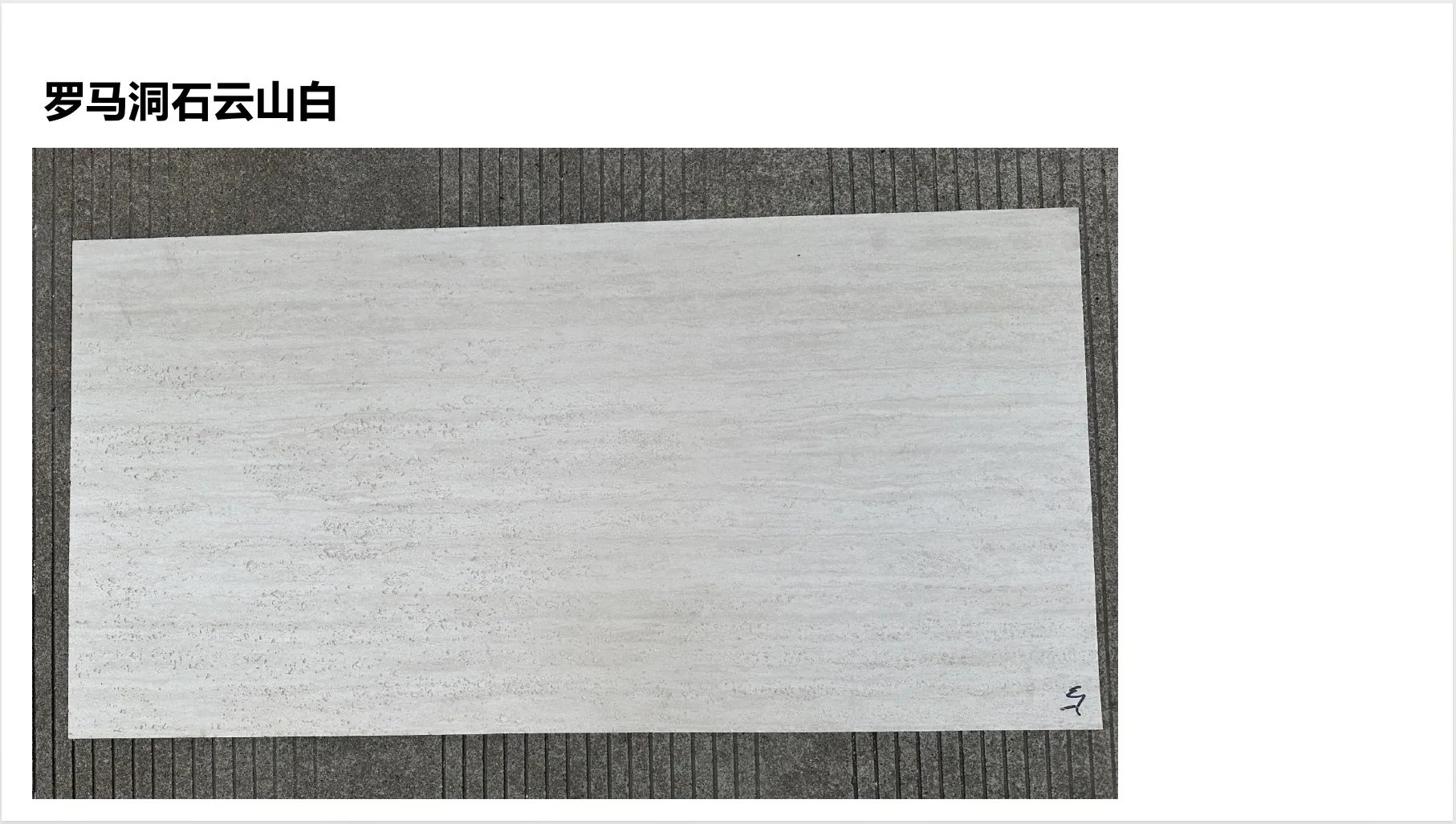
If there's one MCM product that captures the essence of modern Saudi design, it's Romanite . Named for its timeless, almost classical allure, Romanite blends the rugged charm of natural stone with the precision of modern engineering. What truly sets it apart, though, is its large size —a feature that allows designers to create seamless, expansive walls that feel both grand and intimate. When you look at Romanite real photos (large size) , you're not just seeing a material; you're seeing a story. The photos reveal intricate details: subtle veining that mimics the flow of desert winds, earthy tones that echo Saudi Arabia's landscapes, and a texture that invites touch.
Imagine a luxury retail store in Riyadh where the back wall is clad in Romanite's large slabs. The stone-like texture adds depth, while the neutral palette (think warm beiges, soft grays, and hints of gold) complements the store's merchandise. Natural light filters through floor-to-ceiling windows, highlighting the material's nuances—no two slabs are exactly alike, yet they harmonize perfectly. This is the power of Romanite: it turns walls into focal points, making customers pause and appreciate the space as much as the products within.
Romanite may be the star, but MCM's portfolio is rich with other standout series, each tailored to different design needs. Let's explore two that are making waves in Saudi commercial centers:
For spaces that demand curves, corners, or unconventional shapes, MCM flexible stone is a designer's dream. Unlike rigid natural stone, this material bends and adapts, making it ideal for accent walls, column wraps, or even ceiling details. Picture a hotel lobby in Jeddah with a curved reception desk backdrop clad in flexible stone—its texture softens the sharp lines of modern architecture, creating a welcoming vibe. Available in a range of finishes, from rough-hewn to subtly polished, it's a chameleon that fits both traditional and contemporary themes.
When the goal is to create a sense of spaciousness, MCM big slab board series delivers. These extra-large panels minimize grout lines, creating a smooth, uninterrupted surface that feels expansive. In a busy mall food court, for example, big slab boards in light, airy tones can make the space feel larger and more open, even during peak hours. They're also incredibly durable, standing up to the wear and tear of high foot traffic—no chips, no stains, just long-lasting beauty.
To truly appreciate MCM's impact, it helps to compare it with other popular materials. Below is a breakdown of Romanite (large size) alongside two classics: fair-faced concrete and wood grain board .
| Material | Texture & Aesthetics | Key Benefits | Ideal For |
|---|---|---|---|
| Romanite (Large Size) | Stone-like texture with subtle veining; neutral, earthy tones; large slabs for seamless looks. | Lightweight, durable, low maintenance; customizable colors and finishes. | Luxury retail, hotel lobbies, high-end offices. |
| Fair-Faced Concrete | Raw, industrial look with visible aggregate; matte finish in grays and off-whites. | Cost-effective, strong, minimalist appeal. | Modern cafes, co-working spaces, art galleries. |
| Wood Grain Board | Warm, organic wood texture; natural grains in browns, beiges, and grays. | Eco-friendly (no deforestation), resistant to warping and moisture. | Restaurants, boutique hotels, wellness centers. |
In an era where sustainability is non-negotiable, MCM materials stand out for their eco-friendly credentials. Unlike natural stone, which requires extensive quarrying, MCM products are made from recycled and composite materials, reducing environmental impact. They're also energy-efficient to produce and lightweight, which cuts down on transportation emissions during installation. For Saudi commercial centers aiming to align with global green building standards (like LEED or Estidama), MCM materials—including Romanite, flexible stone, and big slabs—are a smart choice. They prove that beauty and responsibility can go hand in hand.
Saudi Arabia's design scene is evolving, and MCM materials are at the forefront of this change. Today's commercial spaces are embracing biophilia —the connection to nature—and MCM products like wood grain board and Romanite (with its earthy tones) fit right in. There's also a trend toward grand scale : large slabs and expansive walls that make a bold statement. In Riyadh's newest malls, you'll find big slab boards paired with strategic lighting to create dramatic, Instagram-worthy backdrops. Meanwhile, in cultural centers, MCM flexible stone is being used to replicate traditional Saudi patterns, blending heritage with modernity.
Another key trend is texture mixing . Designers are combining Romanite's rugged texture with the smoothness of fair-faced concrete or the warmth of wood grain board to add layers of visual interest. The result? Spaces that feel dynamic and lived-in, not sterile. It's a reflection of Saudi culture itself—rich, diverse, and always evolving.
In the world of Saudi commercial design, interior walls are no longer afterthoughts—they're storytellers. And MCM materials, led by standout products like Romanite (large size real photos) , MCM flexible stone , and MCM big slab board series , are the pens with which these stories are written. They offer the perfect blend of beauty, durability, and sustainability, making them ideal for the demands of modern commercial spaces. Whether you're designing a mall, a hotel, or an office, MCM materials transform walls from mere dividers into destinations—spaces that inspire, connect, and leave a lasting impression.
As Saudi Arabia continues to grow and innovate, its commercial centers will need materials that keep pace—materials that honor the past while embracing the future. MCM is more than up to the task. It's not just about building walls; it's about building experiences. And in a country as vibrant as Saudi Arabia, those experiences are sure to be unforgettable.
Recommend Products












