
Walk through the streets of Riyadh or Jeddah these days, and you'll notice something exciting happening—Saudi Arabia's construction scene is booming, and it's not just about tall buildings. Architects and developers here are chasing something bigger: spaces that blend durability with design, tradition with modernity, and most importantly, sustainability with style. But let's be real—finding materials that check all these boxes? It's not always easy. That's where COLORIA GROUP steps in. As a global one-stop solution provider for building materials, they've been quietly transforming how Saudi projects approach everything from wall cladding to, yes, those sleek, high-shine polish concrete floors that everyone's talking about. Let's dive into how their MCM (Modified Cementitious Material) products are becoming the go-to choice for Saudi construction teams.
First off, let's talk about what makes Saudi construction unique. The climate here? Harsh. Think scorching summers, occasional sandstorms, and the need for materials that can stand up to extreme temperatures without losing their charm. Then there's the design ambition—whether it's a luxury hotel in Dammam or a residential complex in Mecca, clients want spaces that feel distinct . Cookie-cutter tiles or generic concrete just won't cut it anymore. And let's not forget sustainability. With Saudi's Vision 2030 pushing for greener cities, developers are under pressure to choose materials that reduce carbon footprints, are recyclable, and don't compromise on quality.
That's the sweet spot COLORIA GROUP has been hitting for decades. With a global footprint and a dedicated presence in Saudi Arabia (their local agency makes sure projects get the support they need, fast), they've built a reputation for understanding these very specific needs. And their secret weapon? MCM materials. These modified cement-based products aren't your granddad's concrete—they're lightweight, flexible, and customizable in ways that make architects' eyes light up. Let's break down how they're tackling one of the biggest trends in Saudi construction right now: polish concrete floors.
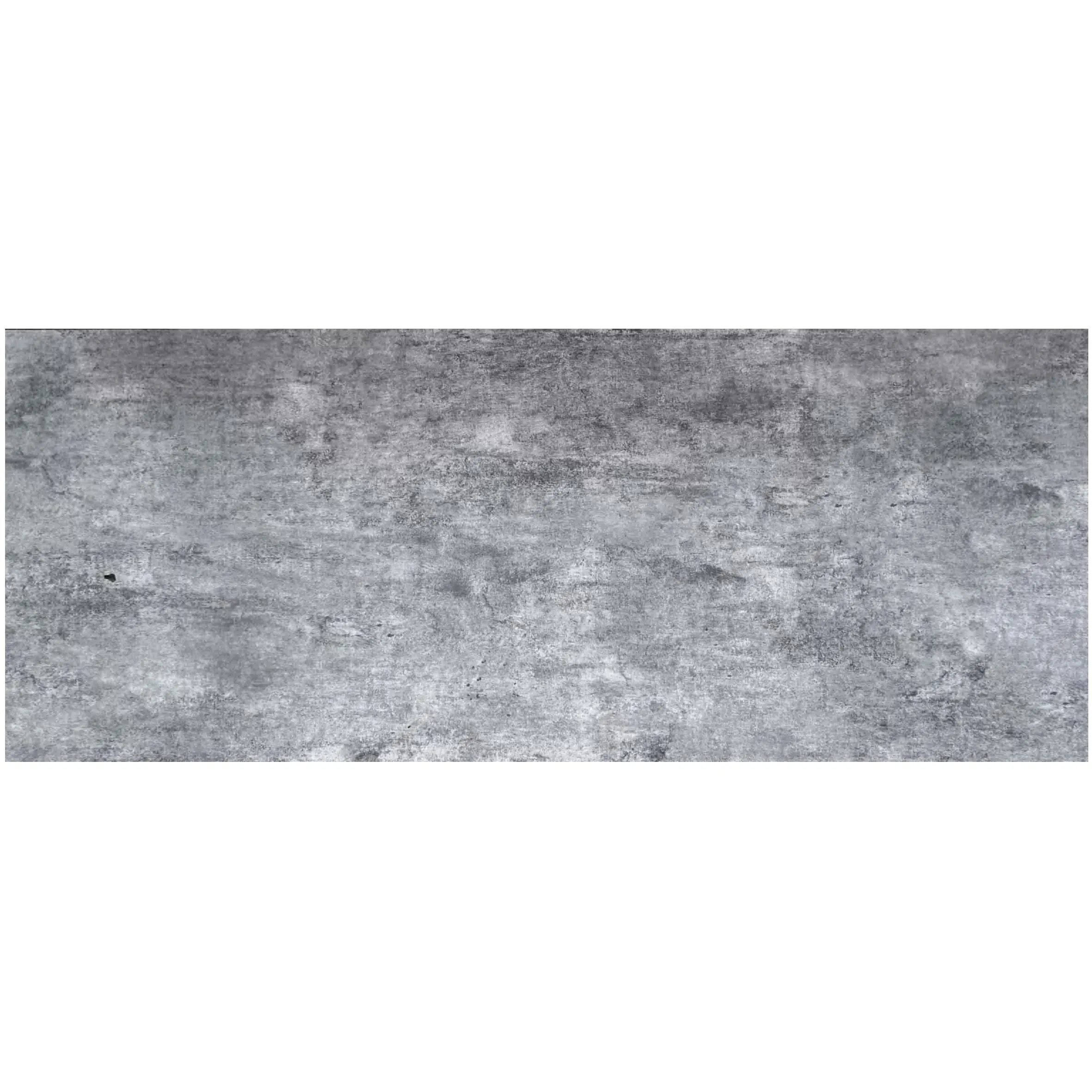
Polish concrete has become a star in Saudi projects, and for good reason. It's durable (perfect for high-traffic areas like malls or office lobbies), low-maintenance (no need for constant waxing or replacement), and has that sleek, modern look that pairs with both minimalist and industrial designs. But here's the thing— not all polish concrete is created equal . Many traditional options are heavy, prone to cracking in temperature swings, or lack the customization needed to make a space truly unique.
COLORIA's MCM-based polish concrete? It's a game-changer. Let's get technical for a second (but don't worry, I'll keep it simple). Their formula uses modified cementitious materials that are lighter than standard concrete, which means easier installation and less stress on building structures—huge plus for high-rises. It's also more resistant to thermal expansion, so those Saudi summer heatwaves? They won't leave your floors looking like a jigsaw puzzle. And the finish? You can choose from matte to high-gloss, with options to add subtle textures or even integrate other MCM elements (we'll get to that later) for a one-of-a-kind look.
| Feature | Traditional Polish Concrete | COLORIA MCM Polish Concrete |
|---|---|---|
| Weight | Heavy (higher structural load) | 30% lighter (easier installation) |
| Thermal Resistance | Prone to cracking in extreme temps | Stable in -20°C to 70°C (ideal for Saudi climate) |
| Customization | Limited (basic colors, smooth finish) | Unlimited (textures, integrated patterns, color matching) |
| Sustainability | High carbon footprint (traditional cement) | Low VOC, recyclable materials (green building certified) |
Take, for example, a recent commercial project in Riyadh—a mixed-use development with retail spaces on the ground floor. The architects wanted a floor that could handle daily foot traffic, resist stains from spilled coffee or shopping bags, and still look Instagram-worthy. COLORIA's polish concrete came through: they opted for a medium-gloss finish with subtle aggregate exposure, giving it a natural, earthy feel that complemented the wooden accents in the stores. Six months later, the floors still look brand new, even with thousands of visitors passing through daily. That's the kind of reliability Saudi projects need.
Polish concrete might be the headline here, but COLORIA's MCM lineup has more tricks up its sleeve. Let's talk about two products that are stealing the show in Saudi designs: MCM Flexible Stone and the MCM 3D Printing Series . These aren't just materials—they're tools that let architects turn wild ideas into reality.
Imagine a curved wall in a luxury hotel lobby, covered in what looks like natural stone but bends like fabric. That's MCM Flexible Stone in action. Traditional stone cladding is heavy, rigid, and a nightmare to install on anything other than flat surfaces. But COLORIA's Flexible Stone? It's thin (as little as 3mm), lightweight, and can flex up to 90 degrees—perfect for those bold, organic shapes that modern Saudi architecture loves.
One of the most popular choices in Saudi? Travertine (Starry Green) . Picture this: a conference center in Jeddah with feature walls clad in this stone. The surface has a subtle, star-like sparkle (hence "Starry Green") that catches the light from the floor-to-ceiling windows, creating a calming, almost magical atmosphere. And because it's flexible, the designers could wrap it around the curved edges of the room, making the space feel more open and connected. Plus, it's water-resistant and easy to clean—ideal for high-traffic public areas.
3D printing isn't just for small trinkets anymore—it's revolutionizing construction, and COLORIA is leading the charge with their MCM 3D Printing Series. Here's why Saudi developers are obsessed: you can create any shape, no matter how complex, without the waste of traditional manufacturing. Want a facade that looks like a sand dune, with undulating waves that mimic the Saudi desert? 3D printing makes it possible, and with MCM materials, it's durable enough to withstand the elements.
A recent example? A cultural center in Medina that wanted to honor local heritage with a facade inspired by traditional Najdi architecture. The intricate geometric patterns would have been nearly impossible (and insanely expensive) to carve by hand. COLORIA's 3D printers, using MCM composite materials, built the panels on-site, layer by layer, matching the exact texture and color the architects envisioned. The result? A building that feels both ancient and futuristic, a true celebration of Saudi identity.
Let's not forget the little details that make a project unforgettable. Lunar Peak Silvery is one of those materials that architects and interior designers in Saudi can't stop talking about. It's part of COLORIA's MCM Project Board Series, and it's all about texture and light.
Imagine a restaurant in Riyadh with a bar counter made from Lunar Peak Silvery. The surface has a matte, metallic sheen that looks like moonlight on stone—cool, elegant, and totally unique. It pairs beautifully with warm wood tones and soft lighting, creating a cozy yet upscale vibe. And because it's part of the MCM family, it's scratch-resistant (goodbye, water rings from glasses!) and heat-resistant (no worries about hot plates damaging the surface). It's the kind of material that makes guests lean in and say, "What is this? It's stunning."
Saudi's Vision 2030 isn't just about economic growth—it's about building a greener, more sustainable country. That's where COLORIA's MCM materials really shine. Let's break down why they're a favorite among eco-conscious developers:
One Riyadh-based developer put it best: "We're not just building buildings—we're building legacies. COLORIA's materials let us do that without compromising on design or the planet."
Here's the thing about construction in Saudi—timelines are tight, and coordination between suppliers can be a headache. That's why COLORIA's "one-stop solution" model is a lifesaver. From initial design to material selection, production, and on-site support, they handle it all. Their local Saudi agency means you're not dealing with time zones or language barriers—just a team that understands the local market, the climate, and the unique challenges of building here.
Whether you're a small contractor working on a boutique hotel or a mega-developer behind a new skyscraper, COLORIA treats every project like it's their most important. They'll even help with custom color matching (remember that Starry Green Travertine?) or prototype 3D-printed panels before full production, so you know exactly what you're getting. It's that personal touch that turns clients into long-term partners.
At the end of the day, construction isn't just about bricks and mortar (or concrete and stone). It's about creating spaces where people live, work, connect, and make memories. COLORIA GROUP gets that. Their MCM materials—from the sleek polish concrete floors that ground a space to the flexible stone walls that shape it—aren't just products. They're the building blocks of stories: a family gathering in a home with Lunar Peak Silvery accents, a business deal sealed in a lobby with Starry Green Travertine walls, a community coming together in a 3D-printed cultural center that honors their heritage.
For Saudi construction projects ready to go beyond the ordinary, COLORIA isn't just a supplier—they're a partner in innovation. So the next time you walk into a stunning new building in Saudi Arabia, take a closer look at the floors, the walls, the little details. Chances are, COLORIA's MCM magic is behind it.
Recommend Products












