
In the heart of Riyadh, where modern skyscrapers rise beside historic mud-brick structures, the choice of building materials isn't just about aesthetics—it's about survival. Saudi Arabia's construction industry operates under some of the most rigorous standards in the world, shaped by scorching summers, sudden sandstorms, and a commitment to building for generations. Among the materials gaining traction for its ability to balance durability, sustainability, and design flexibility is Poly Wood Board . But what does it take for this innovative material to meet Saudi Arabia's strict compliance requirements? Let's walk through the details, from the desert heat to the drawing board.
Saudi Arabia's climate is unforgiving: temperatures soar above 45°C in summer, humidity spikes along the coast, and sand-laden winds test the resilience of every surface. Add to that the kingdom's ambitious Vision 2030 goals—prioritizing sustainability, safety, and long-term infrastructure—and it's clear why building materials can't cut corners. Compliance here isn't just a box to tick; it's a promise that a structure will stand strong for decades, protect its occupants, and minimize environmental impact.
For materials like Poly Wood Board, compliance means meeting standards set by bodies like the Saudi Standards, Metrology and Quality Organization (SASO), as well as international benchmarks for fire resistance, thermal stability, and eco-friendliness. It's about ensuring that when you run your hand along a wall panel in a Jeddah shopping mall or a Riyadh school, that panel won't warp in the heat, emit harmful fumes, or degrade after a few seasons of sandstorms.
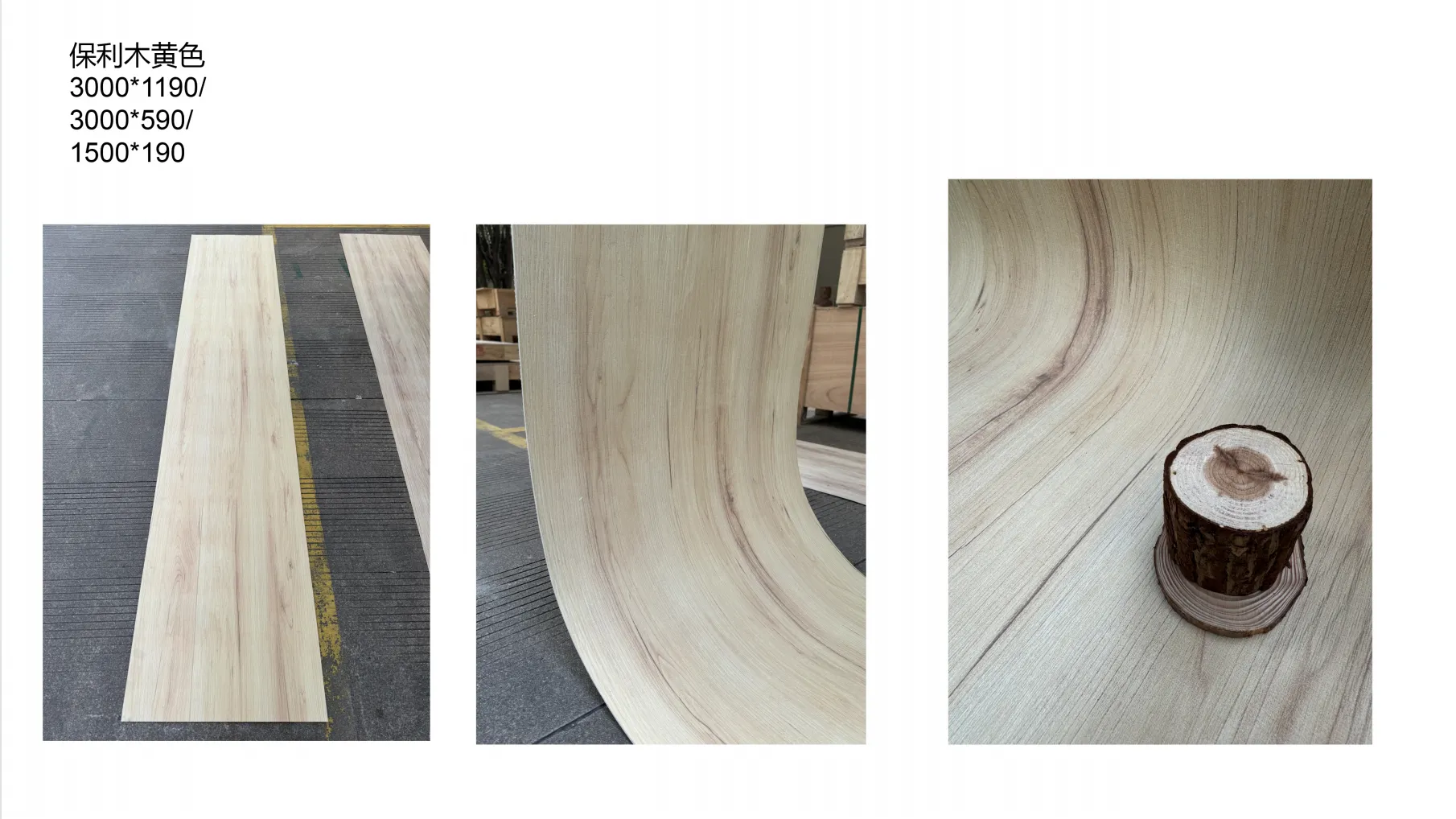
At first glance, Poly Wood Board might remind you of traditional timber—warm, textured, with the organic grain that makes wood a timeless choice. But look closer, and you'll realize it's something entirely different. Crafted from a blend of recycled wood fibers and high-density polyethylene (HDPE), this material marries the best of natural aesthetics with the durability of modern polymers. It's lightweight, resistant to rot and pests, and—crucially for Saudi Arabia—designed to withstand extreme temperature fluctuations.
But what makes Poly Wood Board stand out in a market flooded with options like Fair-Faced Concrete or Wood Grain Board ? For starters, its sustainability credentials. Made with up to 70% recycled materials, it aligns with Saudi's push for Green Building Materials , reducing reliance on virgin timber and cutting down on construction waste. Then there's its versatility: it can be cut, shaped, and installed like wood but requires minimal maintenance—no painting, sealing, or termite treatments. In a country where water is precious, that low upkeep is a game-changer.
To earn its place on Saudi construction sites, Poly Wood Board must pass a series of rigorous tests. Let's break down the most critical compliance checkpoints:
In Riyadh's summer, surface temperatures can exceed 70°C—enough to warp lesser materials. Poly Wood Board undergoes accelerated aging tests, where samples are exposed to temperatures ranging from -20°C to 80°C for weeks on end. The goal? To ensure no cracking, warping, or discoloration. SASO's standard SASO 2870:2018 (for plastic-based building materials) sets strict limits on dimensional change, and Poly Wood Board typically stays well within the 2% threshold, even after prolonged heat exposure.
Saudi building codes (like the National Building Code of Saudi Arabia, NBCSA) mandate that interior and exterior materials meet specific fire ratings. Poly Wood Board is treated with flame retardants to achieve a Class B or higher fire rating, meaning it resists ignition and slows the spread of flames. Independent labs test it using ISO 5660-1 protocols, measuring heat release and smoke production. For high-traffic areas like hospitals or schools, this compliance isn't just a requirement—it's a lifeline.
While Saudi Arabia is known for its arid deserts, coastal cities like Jeddah face high humidity, and occasional rainstorms can bring unexpected moisture. Poly Wood Board's polymer core repels water, preventing swelling or rot—a stark contrast to traditional wood, which can absorb up to 20% of its weight in water. Tests per ASTM D570 (Standard Test Method for Water Absorption of Plastics) show Poly Wood Board absorbs less than 1%, making it ideal for both indoor and outdoor use, from poolside cabanas to bathroom walls.
Vision 2030's focus on sustainability means materials must meet low-VOC (volatile organic compound) emissions standards. Poly Wood Board is free from formaldehyde and other harmful chemicals, earning certifications like GREENGUARD Gold for indoor air quality. Additionally, its recycled content helps projects qualify for LEED (Leadership in Energy and Environmental Design) points, a growing priority for developers aiming to align with Saudi's green building initiatives.
How does Poly Wood Board stack up against other popular materials in Saudi Arabia? Let's take a closer look with a side-by-side comparison:
| Material | Thermal Stability (ΔT Resistance) | Fire Rating | Moisture Absorption | Recycled Content | Maintenance Needs |
|---|---|---|---|---|---|
| Poly Wood Board | -20°C to 80°C (≤1% dimensional change) | Class B (ASTM E84) | <1% (ASTM D570) | Up to 70% | Minimal (no sealing/painting) |
| Fair-Faced Concrete | Excellent (but heavy, prone to cracking) | Class A (non-combustible) | 3-5% (porous, requires sealing) | 0-5% (recycled aggregates) | Regular sealing; prone to staining |
| Wood Grain Board (PVC-based) | -10°C to 60°C (3-5% dimensional change) | Class C (limited flame resistance) | 2-3% (prone to warping in humidity) | 0-10% | Occasional cleaning; fades in UV light |
| Lunar Peak Silvery (Ceramic Composite) | Excellent (heat-resistant glaze) | Class A | <0.5% (non-porous) | 0% | Low (but brittle, hard to repair) |
As the table shows, Poly Wood Board holds its own against heavier materials like Fair-Faced Concrete, offering better sustainability and lower maintenance, while outperforming PVC-based Wood Grain Board in thermal and moisture resistance. Even compared to premium options like Lunar Peak Silvery (a ceramic composite with a sleek metallic finish), it offers a warmer, more organic aesthetic without sacrificing durability.
Compliance is one thing; real-world performance is another. Let's look at two recent Saudi projects where Poly Wood Board has proven its mettle:
When the Riyadh Green School set out to build a campus aligned with Vision 2030's sustainability goals, they needed exterior cladding that could handle the city's heat while keeping maintenance costs low. Poly Wood Board was chosen for the classroom exteriors and outdoor playground structures. After two years, inspections showed no signs of warping or fading, even on south-facing walls exposed to direct sunlight. The material's sound-dampening properties also surprised the school administration—reducing noise from playgrounds and nearby traffic, creating a calmer learning environment.
Along Jeddah's corniche, where humidity and salt spray test coastal structures, the city's new waterfront promenade features Poly Wood Board benches and decking. Unlike traditional wood, which would require annual sealing, these installations have held up for three years with only occasional pressure washing. Local residents praise their warm, natural look, which blends seamlessly with the promenade's landscaping, proving that compliance and aesthetics can go hand in hand.
As Saudi Arabia continues to urbanize, materials like Poly Wood Board are poised to play a bigger role. With ongoing innovations—like adding UV stabilizers for even better sun resistance or integrating antimicrobial additives for healthcare settings—the material is evolving to meet new challenges. Architects and developers are also exploring creative uses: combining Poly Wood Board with Lunar Peak Silvery panels for a modern, mixed-texture facade, or using it in modular construction to speed up building timelines.
But perhaps the most exciting trend is the growing demand for materials that tell a story. Poly Wood Board's recycled origins resonate with a generation of Saudi designers eager to build sustainably, while its wood-like texture connects to the kingdom's heritage of mud and timber architecture. It's not just a building material—it's a bridge between past and future, compliance and creativity.
In Saudi Arabia's fast-paced construction industry, compliance isn't just a technicality—it's the foundation of trust. Poly Wood Board, with its blend of durability, sustainability, and design flexibility, has proven it can meet the kingdom's strict standards, from Riyadh's deserts to Jeddah's coasts. Whether you're building a school, a shopping mall, or a private villa, choosing materials that prioritize compliance means investing in a structure that will stand strong for years to come—one that honors Saudi's past while building its future.
So the next time you pass a construction site in Riyadh, take a moment to look at the materials being lifted into place. If you spot that warm, textured surface that looks like wood but feels surprisingly solid, chances are it's Poly Wood Board—quietly meeting standards, one panel at a time.
Recommend Products












