
Step into a modern Saudi retail center today, and you'll notice something different: walls that breathe history, facades that shimmer with subtle metallic hues, and textures that invite touch. Gone are the days of sterile, cookie-cutter shopping spaces. In cities like Riyadh, Jeddah, and Dammam, retail is evolving into an experience—one where architecture and materials tell a story as compelling as the products on display. At the heart of this transformation lies a quiet revolution in building materials, led by brands like MCM. Their collections, from the earthy warmth of Milan Travertine to the cutting-edge precision of the MCM 3D printing series , are redefining what Saudi retail spaces can feel like. Let's dive into how these materials are turning shopping centers into destinations, where every texture, color, and finish is a deliberate choice to connect with shoppers on a deeper level.
Saudi Arabia's retail landscape has always been dynamic, but recent years have seen a shift that goes beyond just bigger malls or fancier stores. Today's shoppers—whether locals, expats, or tourists—crave more than transactions. They seek spaces that reflect their values: a blend of cultural pride, global sophistication, and a hint of luxury. Retail developers and architects are responding by designing environments that feel intentional . Walls aren't just barriers; they're canvases. Facades aren't just exteriors; they're first impressions. And here's where MCM's materials shine: they don't just cover surfaces—they communicate .
Consider the climate in Saudi Arabia: harsh sunlight, occasional sandstorms, and a need for durability that doesn't compromise on beauty. Materials must stand up to the elements while maintaining their aesthetic appeal. MCM's range addresses this dual challenge, but what truly sets them apart is their ability to infuse emotion into durability. Take, for example, travertine (starry green) —a variant of Milan Travertine that carries the organic, pitted texture of natural stone but with flecks of iridescent green that catch the light like desert stars at dusk. It's a material that feels rooted in the earth but glimmers with a touch of magic—perfect for a retail center that wants to feel grounded yet aspirational.
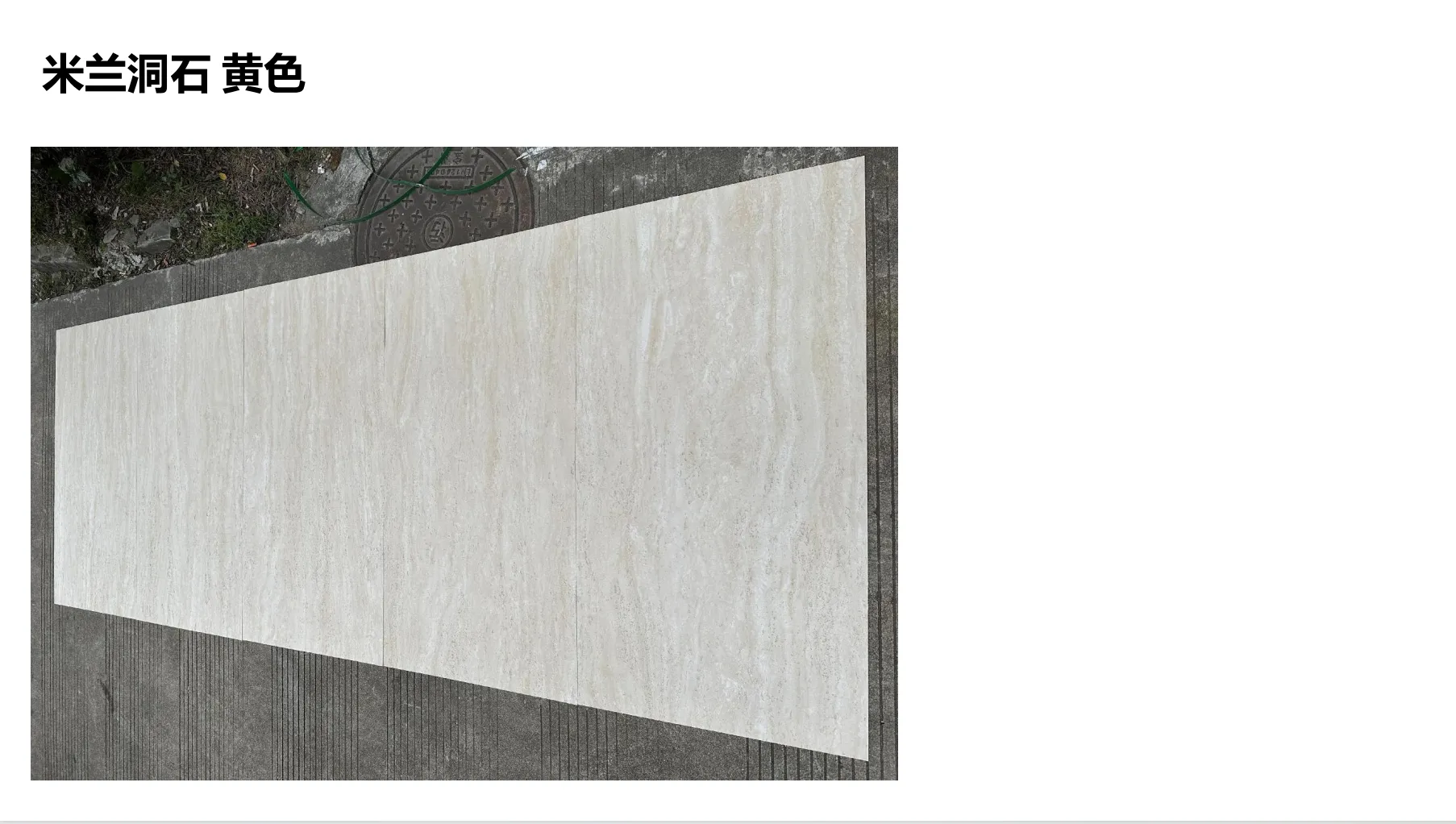
Travertine has long been a staple in luxury architecture, prized for its warm, porous texture and timeless elegance. But MCM's Milan Travertine takes this classic material and gives it a modern twist—one that resonates deeply with Saudi design sensibilities. What makes it even more powerful is the role of Milan Travertine real photos in the design process. For architects and clients, seeing a material on a screen or in a sample swatch is one thing; seeing it in real photos —captured in different lighting, paired with other materials, and installed in actual spaces—is transformative.
Imagine a retail facade clad in Milan Travertine (vintage gold). The real photos reveal how the gold undertones warm up under the midday Saudi sun, softening the building's edges and making it feel welcoming. In the evening, when lit from below, the same material takes on a honeyed glow, turning the storefront into a beacon. These photos aren't just marketing tools—they're bridges between imagination and reality. An architect can point to a real photo of travertine (starry red) and say, "This is how the entrance will feel during Ramadan: vibrant, celebratory, and deeply connected to our culture." A client can look at images of travertine (beige) paired with fair-faced concrete and instantly visualize the calm, minimalist interior of a high-end boutique.
But Milan Travertine isn't just about color variants. It's about texture. Run your hand over a slab, and you'll feel the natural pits and ridges—evidence of its formation from mineral-rich hot springs. This tactile quality is crucial in retail design, where sensory engagement drives memory. Shoppers might not consciously notice the texture of a wall, but it leaves an impression: this space is authentic, it's crafted, it's real . In a world of digital overload, that authenticity is priceless.
If Milan Travertine is the heart of MCM's offering, the MCM 3D printing series is its innovative soul. 3D printing technology has revolutionized manufacturing, but in architecture, its impact is just beginning to be felt—especially in Saudi Arabia, where designers are eager to blend global tech with local culture. MCM's 3D printing series allows for the creation of complex, custom textures and patterns that would be impossible with traditional manufacturing. Think wave panels that mimic the undulating dunes of the Rub' al Khali desert, or geometric mosaic travertine arrangements that echo traditional Saudi tile work but with a modern, abstract twist.
What's exciting about this series is its flexibility. A retail center in Riyadh might opt for bold, angular 3D-printed square line stone panels to reflect the city's futuristic skyline, while a boutique in Jeddah could choose flowing ripple board (white) designs that evoke the Red Sea's gentle waves. These aren't just decorative elements—they're stories. They say, "We see you. We celebrate where you come from." And because 3D printing allows for precise replication, architects can ensure that even large-scale facades maintain consistency, creating a cohesive narrative across the entire space.
Durability remains a priority here, too. MCM's 3D-printed materials are engineered to withstand Saudi Arabia's climate, with UV-resistant coatings and reinforced structures that prevent cracking or fading. But again, it's the emotional layer that stands out. A 3D-printed star gravel panel, for example, isn't just a wall—it's a conversation starter. Shoppers might pause, lean in, and trace the tiny, raised "grains" with their fingers, sparking a moment of connection with the space. In retail, those moments turn casual visitors into loyal customers.
While Milan Travertine and the 3D printing series take center stage, MCM's broader range of materials plays supporting roles that elevate the entire design. These complementary options add depth, contrast, and personality, ensuring that retail spaces don't feel one-note. Let's explore a few that are making waves in Saudi retail design:
Lunar Peak Silvery : For a touch of modern minimalism, this material is hard to beat. Its smooth, metallic surface shimmers with a cool, silvery hue that feels both sleek and otherworldly—like moonlight on desert sand. It pairs beautifully with the warmth of Milan Travertine, creating a balance of light and shadow. Imagine a retail facade where Lunar Peak Silvery panels frame sections of starry green travertine: the contrast is striking, drawing the eye and creating visual interest.
Foamed Aluminium Alloy Board (Vintage Gold) : Luxury retail spaces in Saudi Arabia often seek a hint of opulence, and this material delivers. With its rich, aged gold finish, it adds a sense of timeless elegance without feeling gaudy. Used as accent panels or trim, it elevates the entire design—think of it as the jewelry of the facade. In a high-end fashion mall, for instance, foamed aluminium alloy board (vintage gold) could line the entrance archways, welcoming shoppers with a subtle glow that says, "This is a place worth exploring."
Rammed Earth Board (Gradient) : For retail centers aiming to connect with Saudi Arabia's agricultural heritage or Bedouin roots, rammed earth is a powerful choice. MCM's gradient variant takes this traditional material—made from compacted soil, sand, and gravel—and adds a modern twist with shifting hues, from soft terracotta to deep ochre. It's a material that feels alive, as if the earth itself is part of the building. Walk past a wall of rammed earth board (gradient), and you'll feel a connection to the land—a grounding presence in the midst of bustling retail activity.
| Material | Aesthetic Contribution | Retail Application |
|---|---|---|
| Milan Travertine (Starry Green) | Organic, pitted texture with iridescent green flecks; warm and earthy yet magical. | Main facades, interior accent walls in family-friendly malls or cultural retail zones. |
| MCM 3D Printing Series (Wave Panels) | Custom, flowing patterns mimicking desert dunes; dynamic and story-driven. | Entrance canopies, feature walls in food courts or entertainment areas. |
| Lunar Peak Silvery | Sleek, metallic surface with cool, silvery shimmer; modern and minimalist. | Ceiling panels, elevator lobbies, or facade accents in tech or luxury retail spaces. |
| Foamed Aluminium Alloy Board (Vintage Gold) | Aged gold finish with subtle texture; opulent yet understated. | Accent trim, archways, or display niches in high-end fashion or jewelry stores. |
| Rammed Earth Board (Gradient) | Compressed soil with shifting terracotta-to-ochre hues; rustic and heritage-rich. | Interior walls in cafes, bookstores, or traditional craft retail sections. |
In the world of architecture and design, there's a gap between concept and execution. A swatch of material might look perfect in a lab, but under Saudi sunlight, its color could shift, or its texture might not read as intended. This is where real photos become invaluable. MCM's commitment to providing high-quality, context-rich real photos of their materials—whether travertine real photos , weaving real photos , or rough granite real pictures —bridges that gap. These photos aren't just snapshots; they're taken in various lighting conditions, at different times of day, and paired with other materials to show how they'll interact in a real space.
For example, a client considering travertine (vintage black) for a facade might worry it will look too dark and imposing under the harsh Saudi sun. But a real photo taken at noon shows how the material's subtle surface texture reflects light, softening its appearance and creating depth. Another photo, taken at sunset, reveals how the black shifts to a warm charcoal, blending beautifully with the sky. These images don't just sell the material—they build trust. They say, "We've tested this. We know how it will perform. And we want you to see it, too."
Real photos also help with collaboration. When architects, clients, and contractors can all look at the same image of foamed aluminium alloy board (vintage silver) installed on a similar retail project, they're on the same page. There's no room for misinterpretation—no "I thought it would be shinier" or "I didn't realize the texture was so pronounced." This clarity speeds up the design process and ensures that the final result matches everyone's vision.
As Saudi Arabia continues to invest in tourism and entertainment—with projects like NEOM, Qiddiya, and the Red Sea Project—retail design will only become more important. These spaces won't just serve local communities; they'll welcome the world. MCM's materials are poised to play a key role in this global showcase, offering a palette that is both globally sophisticated and locally resonant. We can expect to see more experimentation: combining 3D art concrete board with traditional masonry stone , or pairing ethereal shadow travertine with foamed aluminium alloy board (metal) for a contrast of soft and hard.
But at the core of this evolution will remain the human element. Retail spaces will continue to prioritize emotion, connection, and experience. MCM's materials—with their focus on texture, color, and storytelling—are perfectly suited to this mission. Whether it's the warm embrace of Milan Travertine, the custom creativity of 3D printing, or the sleek elegance of Lunar Peak, these materials don't just build walls—they build memories.
So the next time you step into a modern Saudi retail center, take a moment to look around. Notice the walls, the facades, the textures under your fingers. Chances are, you're experiencing the work of brands like MCM—materials that turn buildings into stories, and shopping into something far more meaningful. In the end, that's the magic of great retail design: it doesn't just sell products. It sells feeling. And with MCM's help, Saudi Arabia's retail spaces are selling feeling better than ever.
Recommend Products












