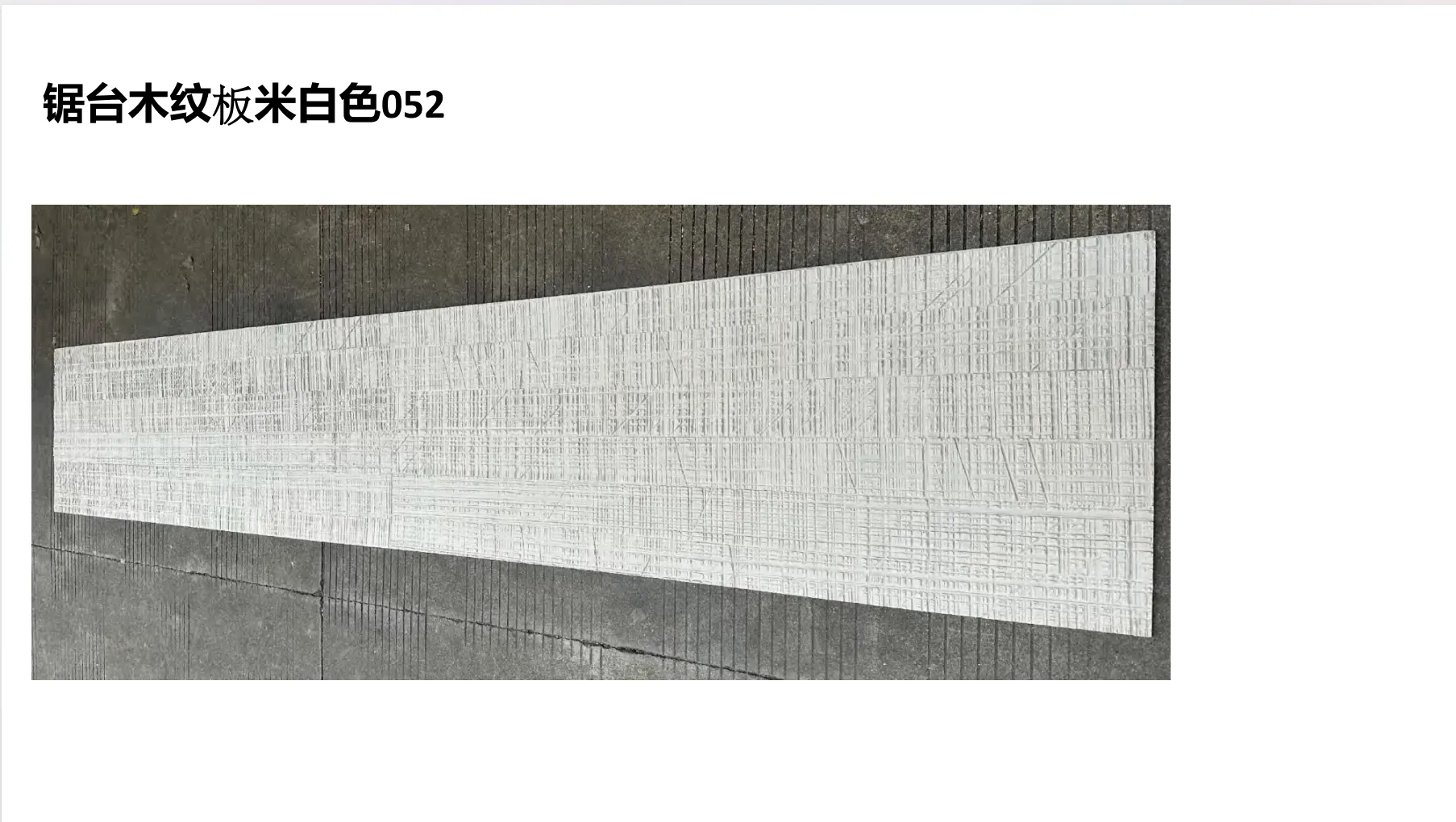
The Hidden Cost of Traditional Sawing Wood Boards
Walk into any home improvement store or flip through a design magazine, and you'll likely encounter the warm, inviting texture of
sawing wood boards. For decades, they've been a staple in construction and interior design—used for flooring, wall paneling, furniture, and even exterior cladding. Their natural grain, earthy tones, and timeless appeal make them a go-to choice for creating spaces that feel cozy and connected to nature. But beneath that rustic charm lies a less idyllic reality: the environmental toll of producing traditional
sawing wood boards is staggering, and it's time we talk about it.
To understand the impact, let's start at the source: trees. Every
sawing wood board begins with logging, a process that contributes to deforestation—one of the leading drivers of climate change. According to the United Nations, an estimated 10 million hectares of forests are lost each year, and while not all logging is for wood boards, the demand for timber products plays a significant role. Old-growth forests, which are critical for biodiversity and carbon sequestration, are often targeted, disrupting ecosystems and displacing wildlife. Even "sustainable" logging practices, while better, can still fragment habitats and take decades to regenerate.
Then there's the manufacturing process. Once trees are cut down, they're transported to mills, where they're stripped of bark, sawn into boards, and treated with chemicals to prevent rot, pests, and mold. These treatments—often containing formaldehyde, pesticides, or heavy metals—can leach into soil and waterways, harming both human health and the environment. What's more,
sawing wood is inefficient: up to 30% of a tree's volume is wasted as sawdust, bark, or off-cuts, much of which ends up in landfills instead of being recycled.
Finally, there's the issue of durability. Traditional wood boards are prone to warping, cracking, and fading when exposed to moisture, sunlight, or temperature fluctuations. This means they need frequent replacement—creating a cycle of resource extraction and waste that's hard to break. For homeowners and businesses, this translates to higher long-term costs; for the planet, it's a never-ending drain on finite resources.
MCM: A Sustainable Alternative That Doesn't Compromise on Beauty
Enter Modified Composite Material, or MCM—a category of innovative building materials designed to mimic the look and feel of natural wood (and other materials like stone or metal) while drastically reducing environmental impact. MCM products are engineered using a blend of recycled polymers, natural minerals, and reinforcing fibers, resulting in materials that are lightweight, durable, and eco-friendly. They're not just a "green" trend; they're a practical solution to the sustainability crisis in construction.
What makes MCM stand out? Unlike traditional wood boards, MCM doesn't require cutting down trees. Instead, it leverages recycled materials and abundant minerals, reducing reliance on virgin resources. It's also highly durable, resistant to moisture, pests, and UV rays, meaning it lasts longer and needs less frequent replacement. And because it's lightweight, transporting and installing MCM uses less energy than hauling heavy wood planks—lowering carbon emissions across the supply chain.
In the following sections, we'll dive into how specific MCM products—like
MCM flexible stone, wood concrete board, and foamed aluminium alloy board—are revolutionizing the industry. But first, let's take a closer look at why the shift from traditional wood to MCM matters for the planet, for builders, and for anyone who wants to create beautiful spaces without guilt.
MCM Materials Spotlight: Where Sustainability Meets Design
MCM flexible stone is a game-changer for designers who crave the look of natural stone but need something lightweight and adaptable. Made from a mix of natural stone powder and recycled polymers, it's thin (often less than 3mm thick) and bendable, making it ideal for curved surfaces, accent walls, or even furniture. Unlike real stone, which requires heavy machinery to quarry and cut,
MCM flexible stone uses minimal resources and produces little waste during manufacturing. And with finishes ranging from rough-hewn to polished, it can mimic everything from
travertine (starry green) to
slate veil white—all without harming a single quarry.
Wood Concrete Board: The Warmth of Wood, the Strength of Concrete
For those who love the look of
sawing wood but want something more durable, wood concrete board is the answer. This MCM product blends wood fibers (often recycled from sawmill waste) with cement and polymers, creating a material that has the natural grain of wood but the toughness of concrete. It's water-resistant, fire-retardant, and won't warp or splinter—perfect for high-traffic areas like kitchens, bathrooms, or outdoor patios. What's more, it's made using byproducts that would otherwise go to waste, turning "trash" into a high-performance building material. Whether you opt for wood concrete board (light grey) or wood concrete board (dark grey), you're choosing a product that reduces deforestation and extends the life of your space.
Foamed Aluminium Alloy Board: Sleek, Strong, and Sustainable
Foamed aluminium alloy board is proof that sustainability can be sleek and modern. This MCM material is created by injecting gas into molten aluminium, resulting in a lightweight, rigid panel with a unique cellular structure. It's 70% lighter than solid aluminium but just as strong, making it ideal for exterior cladding, ceiling panels, or decorative accents. Available in finishes like vintage silver, vintage gold, and metal, it adds a contemporary edge to any design. Best of all, aluminium is 100% recyclable, and foamed aluminium alloy board uses less raw material than traditional aluminium panels—cutting down on mining and energy use. It's a material that looks to the future while respecting the past.
Rammed Earth Board: Timeless Texture, Modern Sustainability
Rammed earth has been used in construction for centuries, valued for its thermal mass and earthy appearance. Today, MCM has reimagined this ancient material with rammed earth board—engineered to be lighter, more durable, and easier to install than traditional rammed earth. Made from compressed soil, sand, and a small amount of binder, rammed earth board comes in a range of hues, from rammed earth board (matcha green) to rammed earth board (gradient), capturing the organic beauty of natural earth without the need for large-scale excavation. It's breathable, energy-efficient, and 100% biodegradable at the end of its life, making it a favorite for eco-conscious builders and designers.
Travertine (Vintage Series): Classic Elegance, Zero Quarrying
Travertine is beloved for its porous, fossil-like texture and warm tones, but quarrying it can scar landscapes and deplete water resources. MCM's
travertine (vintage silver),
travertine (vintage gold), and
travertine (vintage black) offer a sustainable alternative. These products are made by recreating
travertine's unique texture using recycled stone powder and polymers, resulting in panels that look and feel like the real thing—without the environmental cost. Whether used for flooring, backsplashes, or feature walls, they bring the timeless elegance of
travertine to any space while protecting natural stone reserves for future generations.
Traditional Wood vs. MCM: A Side-by-Side Comparison
To truly understand the impact of choosing MCM over traditional
sawing wood boards, let's compare them across key environmental and practical metrics:
|
Metric
|
Traditional Sawing Wood Boards
|
MCM Materials (e.g., Wood Concrete Board, Foamed Aluminium)
|
|
Resource Use
|
Requires logging of trees; relies on virgin resources.
|
Uses recycled materials (e.g., wood fibers, stone powder, aluminium) and abundant minerals; no tree cutting.
|
|
Carbon Footprint
|
High: Emissions from logging, transportation, and chemical treatments.
|
Low: Recycled inputs reduce emissions; lightweight design cuts transport energy use.
|
|
Durability
|
Prone to warping, rot, and pests; needs replacement every 5–15 years.
|
Resistant to moisture, pests, and UV rays; lasts 20–50+ years with minimal maintenance.
|
|
Waste Production
|
High: 30% of tree volume wasted as sawdust/off-cuts; old boards end up in landfills.
|
Low: Minimal waste during manufacturing; many MCM products are recyclable at end-of-life.
|
|
Toxicity
|
Often treated with formaldehyde, pesticides, or heavy metals.
|
Free from harmful chemicals; low-VOC (volatile organic compound) emissions.
|
How MCM Manufacturing Prioritizes the Planet
MCM's sustainability isn't just about the materials themselves—it's also about how they're made. Unlike traditional wood mills, which often rely on fossil fuels and generate large amounts of waste, MCM manufacturers prioritize eco-friendly practices at every step.
For starters, many MCM facilities use renewable energy, like solar or wind power, to run their production lines. They also prioritize water conservation: whereas wood treatment requires large volumes of water for washing and chemical mixing, MCM manufacturing uses closed-loop water systems that recycle and reuse water, minimizing waste.
Waste reduction is another key focus. Byproducts from MCM production—like excess stone powder or polymer scraps—are often repurposed into new products or used as fuel for energy generation. Some manufacturers even partner with local recycling programs to source raw materials, turning plastic bottles, aluminum cans, and construction debris into high-quality building materials.
Perhaps most importantly, MCM production doesn't contribute to deforestation or habitat destruction. By using recycled and mineral-based inputs, it reduces the need to extract virgin resources, helping to preserve forests, quarries, and ecosystems. For example, choosing foamed aluminium alloy board (vintage silver) over aluminium siding made from mined ore saves energy and reduces greenhouse gas emissions by up to 95%, according to the Aluminium Association.
MCM in Action: Real-World Applications
MCM materials aren't just theoretical—they're already being used to create stunning, sustainable spaces around the world. Let's look at a few examples:
Residential Renovation:
A family in Portland, Oregon, recently renovated their kitchen using wood concrete board (light grey) for the countertops and backsplash. They wanted the warmth of wood but needed something durable enough for a busy household with kids and pets. The result? A space that looks like it's wrapped in reclaimed wood, but with zero deforestation and a surface that's heat-resistant, scratch-proof, and easy to clean.
Commercial Office:
A tech startup in San Francisco chose
MCM flexible stone (
travertine starry blue) for their lobby walls. The panels mimic the look of natural
travertine, creating a calming, earthy atmosphere for employees and clients. Because
MCM flexible stone is lightweight, installation was faster and cheaper than using real stone, and the startup earned LEED certification points for using sustainable materials.
Outdoor Restaurant:
A beachfront restaurant in Bali opted for rammed earth board (gradient) for its exterior cladding. The material's natural, earthy tones blend seamlessly with the tropical surroundings, and its resistance to saltwater and humidity means it won't degrade in the harsh coastal climate. Unlike wood, which would need constant sealing and replacement, the rammed earth board is low-maintenance—freeing up the restaurant's budget for other sustainability initiatives, like solar panels.
The Future of Building: Why MCM Is Here to Stay
As awareness of environmental issues grows, so does demand for sustainable building materials. MCM is poised to lead this shift, thanks to its unique combination of eco-friendliness, durability, and design flexibility. Builders and designers are increasingly choosing MCM not just because it's "green," but because it solves practical problems: it's lighter, easier to install, and more cost-effective over time than traditional materials.
Innovations in MCM technology are also expanding its possibilities. New finishes, like the starry series (
travertine starry red,
travertine starry orange,
travertine starry blue), offer even more design options, while advances in manufacturing are making MCM more affordable and accessible. As the industry grows, we can expect to see MCM used in everything from high-rise facades to tiny homes—proving that sustainability and style can go hand in hand.
For homeowners, businesses, and designers, the choice is clear: traditional
sawing wood boards come with a hidden cost to the planet, but MCM offers a way to create beautiful, functional spaces without sacrificing sustainability. By choosing
MCM flexible stone, wood concrete board, foamed aluminium alloy board, or any of the other innovative MCM products, you're not just building a space—you're building a better future.
So the next time you're planning a renovation or construction project, ask yourself: Do I want to contribute to deforestation, or do I want to choose a material that respects the planet? With MCM, you don't have to choose between beauty and sustainability. You can have both.