
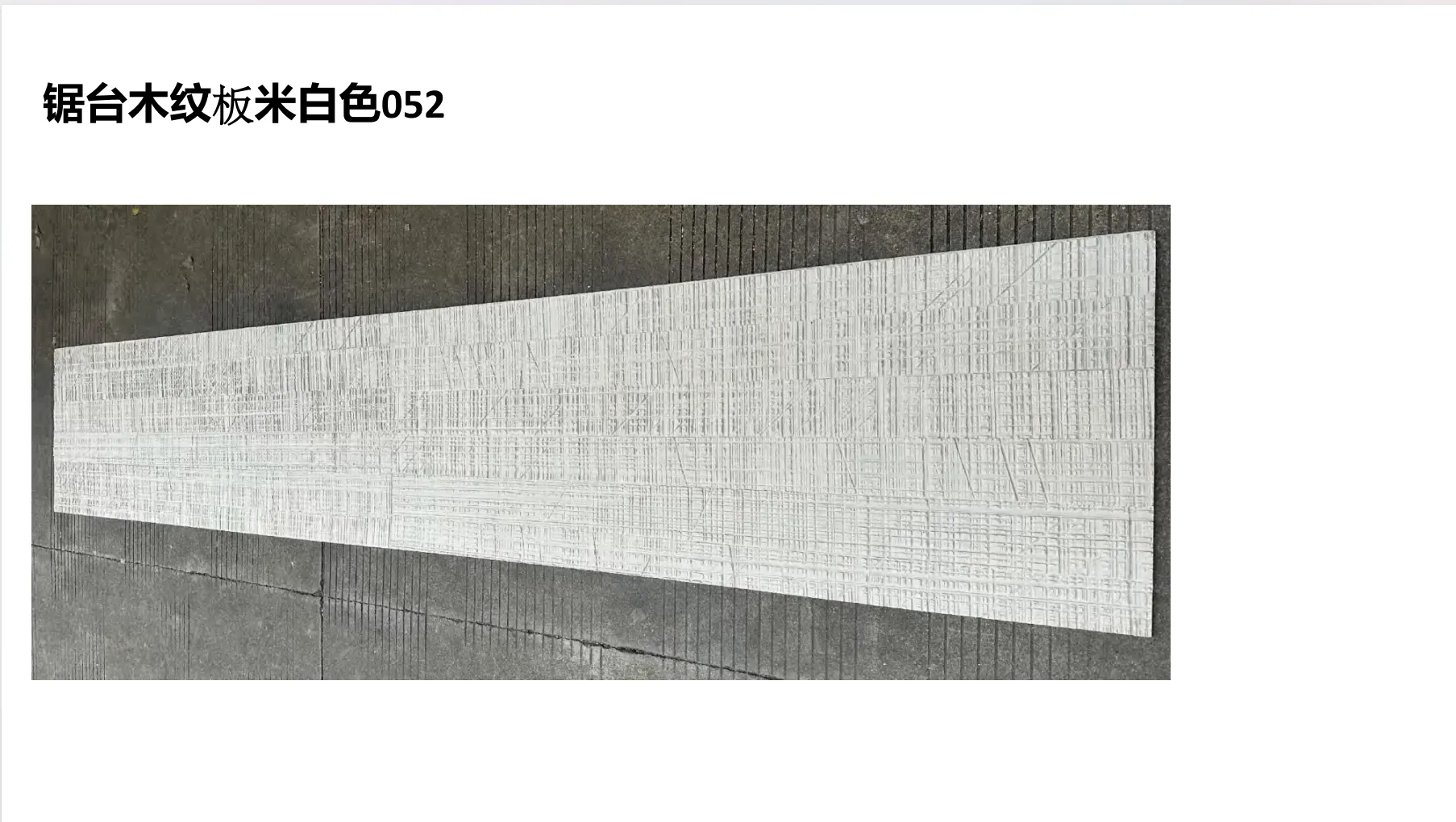
Choosing the right building material for your space is more than just a design decision—it's a commitment. It's about balancing aesthetics with practicality, immediate appeal with long-term resilience. For decades, homeowners and designers alike have grappled with this balance, often torn between the warmth of traditional materials and the efficiency of modern innovations. Today, we're diving into two popular options: the timeless charm of sawing wood boards and the cutting-edge durability of MCM flexible stone. Let's unpack their maintenance costs, longevity, and why one might just outshine the other in the long run.
There's something undeniably romantic about sawing wood boards. The way sunlight filters through their grain, the subtle warmth they add to a room, the tactile satisfaction of running a hand over their smooth, natural texture—they feel like a connection to the past. It's no wonder they've been a staple in homes, cafes, and boutique shops for generations. Whether used as wall cladding, flooring, or accent panels, sawing wood boards bring a sense of organic beauty that's hard to replicate with synthetic materials.
But here's the thing about love letters: they don't always account for the messy, everyday realities. While sawing wood boards start off stunning, their upkeep tells a different story. Let's talk about that story—the one that involves more than just admiration, but time, money, and constant vigilance.
Let's say you've just installed sawing wood boards in your home's entryway. The first year, they look perfect. The second year, you notice a faint water stain near the door—probably from a rainy day. By the third year, that stain has turned into a small patch of rot. You call a contractor, who charges $300 to replace the damaged boards. Then, you remember: wood needs sealing. You'd forgotten to reseal them after the first year, so now you're paying $200 for a professional to strip, clean, and reseal the entire surface. Sound familiar?
Wood is a living material, even after it's cut. It absorbs moisture, swells in humidity, shrinks in dry air, and becomes a feast for termites or mold if left unchecked. For sawing wood boards, maintenance isn't optional—it's a recurring chore. Here's a breakdown of what you're really signing up for:
Over a decade, these costs add up. What started as a $2,000 initial investment in sawing wood boards could balloon to $5,000 or more in maintenance—without even accounting for full replacement, which might be necessary after 15–20 years if the wood deteriorates beyond repair.
What if there was a material that offered the visual appeal of natural textures—without the endless upkeep? That's where MCM flexible stone comes in. Short for Modified Composite Material, MCM is a revolutionary building material designed to mimic the look of stone, wood, or concrete, but with a flexibility and durability that traditional materials can't match.
MCM flexible stone is made from a blend of natural minerals and polymers, compressed into thin, lightweight panels. It's water-resistant, UV-stable, and impervious to pests. Unlike wood, it doesn't swell, shrink, or rot. And here's the kicker: it requires almost no maintenance. No sealing, no sanding, no termite treatments. Just an occasional wipe with a damp cloth to keep it looking fresh.
But MCM isn't just about low maintenance—it's about longevity. Most MCM panels come with a 50-year warranty, meaning they'll outlast not just your sawing wood boards, but possibly even your home's next renovation. And because it's lightweight, installation is faster and cheaper than traditional stone or wood, offsetting any slightly higher initial cost.
Numbers tell the truth better than words. Let's compare the total costs of a 100 sq ft installation for both sawing wood boards and MCM flexible stone over 10 years. We'll include initial installation, maintenance, and repairs to see which option truly saves you money in the long run.
| Cost Category | Sawing Wood Boards | MCM Flexible Stone |
|---|---|---|
| Initial Installation | $2,000 | $2,500 (slightly higher due to material quality) |
| Annual Sealing (5 treatments over 10 years) | $1,250 ($250/treatment) | $0 (no sealing required) |
| Repairs (rot, stains, pest damage) | $1,500 (3 repairs at $500 each) | $100 (minimal touch-ups for minor scratches) |
| Refinishing (1 treatment at year 7) | $600 | $0 (no refinishing needed) |
| Total 10-Year Cost | $5,350 | $2,600 |
The difference is staggering: over 10 years, MCM flexible stone costs less than half of what sawing wood boards would set you back. And remember, MCM's 50-year warranty means this savings gap only grows wider over time. While your wood boards might need full replacement by year 15, your MCM panels will still be going strong.
Cost is a big factor, but MCM's appeal goes beyond dollars and cents. It's about peace of mind. Imagine never having to schedule a sealing appointment, or worry about a leak turning into a rot problem. Imagine coming home from vacation to find your entryway looking just as good as when you left—no warped boards, no faded spots, no surprises.
MCM is also a green building material , making it a win for the planet, too. Unlike wood, it doesn't require deforestation, and its manufacturing process uses recycled materials and low energy. For eco-conscious homeowners and businesses, this is a huge plus—you're not just saving money, you're reducing your carbon footprint.
And let's not forget versatility. MCM flexible stone comes in a range of textures and colors, from the rustic charm of wood grain to the sleekness of polished concrete. Whether you're going for a cozy cabin vibe or a modern industrial look, there's an MCM style to match. It's flexible enough to bend around curves, lightweight enough for ceilings or accent walls, and durable enough for outdoor spaces like patios or pool surrounds—places where wood would quickly fail.
Take Maria, a café owner in Portland, who renovated her outdoor seating area five years ago. She initially chose sawing wood boards for their warm, inviting look. But within two years, rain and Oregon's damp climate had left the wood warped and discolored. "I was spending $400 every spring to sand and seal the boards, and by summer, they'd already start looking shabby," she recalls. "It was like throwing money away."
Three years ago, Maria switched to MCM flexible stone in a wood-grain finish. "Best decision ever," she says. "I haven't touched it since installation. It looks brand-new, even after rainstorms. My customers still comment on how 'cozy' the seating area feels, but I don't lose sleep over maintenance anymore."
Or consider Mark, a homeowner in Arizona, who replaced his wood siding with MCM panels. "Wood in the desert is a disaster," he laughs. "The sun bleached it in a year, and the dry air made it crack. Now, with MCM, I don't have to repaint or repair anything. It handles the heat and UV rays like a champ."
Sawing wood boards have their place—there's no denying their timeless beauty. But when it comes to building materials, beauty shouldn't come with a lifetime of hassle and hidden costs. MCM flexible stone offers the best of both worlds: the aesthetic appeal we crave, with the durability and low maintenance we need.
Whether you're designing a home, a business, or an outdoor space, the choice is clear: pay now for MCM and save later, or pay endlessly for wood and never truly relax. MCM isn't just a material—it's an investment in peace of mind, sustainability, and a future where your building materials work for you, not against you.
So, the next time you're drawn to the charm of wood, ask yourself: is this charm worth a lifetime of upkeep? With MCM flexible stone, you'll never have to wonder.
Recommend Products












