
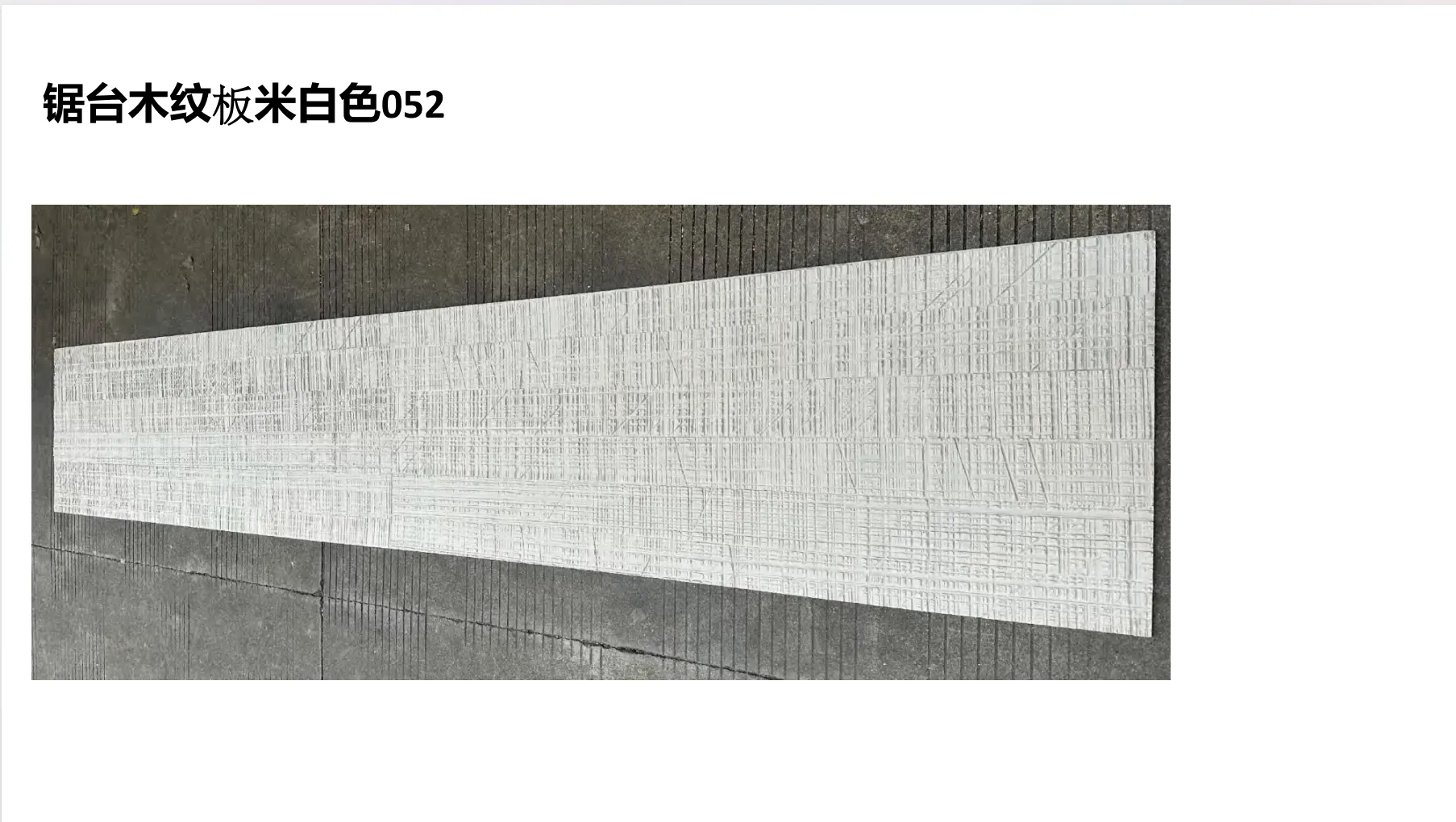
How Modern Materials Are Redefining Durability and Beauty Under the Sun
Walk through any neighborhood, and you'll notice it—the faded red of a once-vibrant wooden fence, the bleached gray of a deck that once glowed with honeyed tones, the patchy paint on a facade that once turned heads. Sunlight, that life-giving force we all crave, can be a merciless adversary to the materials that clothe our homes and outdoor spaces. For architects, designers, and homeowners alike, choosing materials that stand up to UV rays isn't just about practicality—it's about preserving the stories and emotions tied to those spaces.
Imagine investing in a backyard patio where you plan to host summer barbecues, watch sunsets, and let your kids play. You pick a material that feels warm, inviting, and perfectly aligned with your vision. But after a year or two, that vision starts to fade—literally. The color dulls, the texture weathers, and what was once a source of pride becomes a reminder of constant upkeep. This is the reality for many who opt for traditional materials like sawing wood board, a classic choice beloved for its natural charm but often left vulnerable to the sun's harsh effects.
Enter MCM flexible stone—a modern innovation that's changing the game. Short for Modified Composite Material, MCM blends the aesthetic appeal of natural stone with the durability of engineered composites, promising not just beauty, but longevity. In this article, we'll dive into the world of sun-exposed surfaces, comparing the tried-and-true sawing wood board with the cutting-edge MCM flexible stone, and explore why color retention has become a defining factor in material selection.
Sawing wood board has been a staple in construction and design for centuries, and it's easy to see why. There's an inherent warmth to wood—its grain patterns, varying hues, and tactile quality make it feel alive, like a piece of nature brought into our built environments. Whether it's a cedar siding that smells of forests, a teak deck that ages into a silvery patina, or a pine fence that adds rustic charm, wood speaks to our desire for connection to the natural world.
But that connection comes with a trade-off, especially when wood is exposed to direct sunlight. UV rays break down the lignin in wood, the compound that gives it strength and color. Over time, this breakdown causes the wood to fade—rich browns turn to pale grays, warm reds mellow into washed-out pinks, and deep blacks become ashen. It's not just about color, either: prolonged sun exposure dries out the wood, leading to cracks, warping, and splinters. What started as a smooth, inviting surface can quickly become a maintenance nightmare.
Take the example of a homeowner in Arizona, where summer temperatures soar and the sun beats down relentlessly. They installed a sawing wood board patio with ipe, a dense, tropical hardwood known for its durability. At first, the deep, chocolate-brown planks looked stunning against the desert landscape. But within two years, the color had faded to a uneven gray, and the edges of the boards had started to split. To restore it, they had to sand down the entire surface, apply multiple coats of UV-resistant stain, and seal it—only to repeat the process every 12–18 months. "I loved the look, but the upkeep was exhausting," they admitted. "It felt like I was pouring money into a surface that would just fade again."
This is the crux of the issue with sawing wood board in sun-exposed areas: its beauty is fleeting without constant intervention. While treatments like stains, sealants, and paints can slow the fading process, they're temporary fixes. And each application means time, money, and the inconvenience of closing off the space during maintenance. For many, the question becomes: Is the natural charm worth the ongoing effort?
If sawing wood board represents tradition, MCM flexible stone is the future of exterior design. Born from the need to combine aesthetics with resilience, MCM is a composite material made by bonding natural stone particles (like travertine, granite, or marble) with a lightweight, flexible backing. The result? A material that looks and feels like natural stone but is thinner, lighter, and far more durable—especially when it comes to withstanding the sun's wrath.
At the heart of MCM's color retention is its manufacturing process. Unlike wood, which relies on organic compounds that break down under UV light, MCM's pigments are integrated directly into the composite matrix. This means the color runs through the material, not just on the surface. Even if the top layer is slightly worn (a rare occurrence, given MCM's resistance to scratching and impact), the color remains consistent. It's like comparing a painted wooden fence to a solid-colored plastic one—one fades because the color is superficial, the other holds because the color is inherent.
Take travertine (vintage silver) , a popular MCM variant. With its soft, metallic sheen and subtle veining, it mimics the look of aged travertine stone, but with none of the porosity or fading issues of natural travertine. Installed on a south-facing facade in Florida, where UV index levels are consistently high, this MCM panel retains its silvery luster year after year. Architects who've used it report that clients are often shocked by how little the color changes, even after five or more years of sun exposure.
Then there's lunar peak silvery , another MCM standout. Inspired by the moon's cratered surface, it features a textured, metallic finish that catches the light beautifully. What's remarkable is how that finish holds up: unlike metallic paints on wood, which chip and fade, lunar peak silvery's color is part of the composite itself. A commercial project in Texas used it for an outdoor seating area, and after three years of blistering summers, the panels still look as crisp and reflective as the day they were installed. "We expected some fading, but there's barely a difference," the project manager noted. "It's saved us from having to repaint or replace anything—something we definitely can't say about the wooden benches nearby."
MCM's resistance to sun damage isn't just about color, though. Its flexible backing allows it to expand and contract with temperature changes, preventing cracks that can let moisture in (another enemy of color retention). It's also impervious to mold, mildew, and pests—issues that plague wood and can exacerbate fading by weakening the material. When you combine all these factors, MCM becomes more than just a color-retentive material; it's a low-maintenance, long-lasting solution for sun-exposed spaces.
To truly understand the difference between sawing wood board and MCM flexible stone in sun-exposed areas, let's break down their performance across key categories:
| Category | Sawing Wood Board | MCM Flexible Stone |
|---|---|---|
| Color Retention | Poor to moderate. Fades within 1–3 years without treatment; requires regular staining/sealing to maintain color. | Excellent. Color is integrated into the composite matrix; resists fading for 10+ years under direct sun. |
| Maintenance | High. Sanding, staining, and sealing every 1–2 years; repairs for cracks/warping. | Low. Occasional cleaning with soap and water; no sealing or refinishing needed. |
| Durability | Moderate. Prone to warping, cracking, and splintering from sun/ moisture; lifespan of 5–15 years with heavy maintenance. | Exceptional. Resistant to UV, moisture, mold, and impact; lifespan of 20+ years with minimal upkeep. |
| Aesthetic Range | Limited to natural wood tones (browns, reds, grays) with grain patterns. | Extensive. Mimics stone, metal, wood, and more (e.g., travertine, lunar peak silvery, fair-faced concrete). |
| Cost Over Time | High. Lower upfront cost, but ongoing maintenance expenses add up significantly. | Moderate to high upfront, but minimal long-term costs; better value over 5+ years. |
The table tells a clear story: while sawing wood board has its nostalgic appeal, MCM flexible stone outperforms it in nearly every category that matters for sun-exposed areas. But what does this look like in real-world applications?
MCM flexible stone isn't just a theoretical improvement—it's transforming spaces across the globe. Let's look at a few examples where MCM has replaced sawing wood board (or been chosen over it) to stunning effect.
The Coastal Retreat in California : A family in Malibu wanted to revamp their oceanfront deck, which had previously been clad in teak wood. The teak had faded to a grayish hue within two years, and the salt air haded the deterioration. They opted for MCM flexible stone in travertine (vintage gold) , a warm, golden-toned option that mimics the look of aged travertine. Five years later, the deck still glows with that same golden hue, unaffected by the sun, salt, or rain. "We used to spend weekends sanding and sealing the teak," the homeowner said. "Now, we just hose it down occasionally and enjoy the view. It's like having a permanent vacation home deck—no work, all relaxation."
The Commercial Plaza in Dubai : A shopping center in downtown Dubai needed an exterior cladding material that could withstand the intense desert sun (temperatures often exceed 100°F) and still look inviting. They initially considered sawing wood board for its warm aesthetic but worried about fading and maintenance costs. Instead, they chose lunar peak golden MCM panels. The panels' metallic, golden finish complements the desert landscape, and after three years of blistering sun, there's no visible fading. "Our tenants love it—customers comment on how fresh the plaza looks, even in the hottest months," the property manager noted. "And we've saved thousands on maintenance compared to what we would have spent on wood."
The Urban Rooftop in Chicago : A restaurant in Chicago wanted to create an outdoor dining area on its rooftop, exposed to both harsh winters and summer sun. Wood was ruled out due to its tendency to warp in moisture and fade in the sun. Instead, they installed MCM flexible stone in fair-faced concrete finish, a sleek, modern option that pairs well with the restaurant's industrial design. The material has held up through snow, rain, and intense summer UV rays, maintaining its neutral gray color and smooth texture. "Our guests love dining outside, and we don't have to worry about the surface looking worn out," the chef said. "It's durable, beautiful, and lets us focus on the food, not the upkeep."
These stories highlight a common theme: MCM flexible stone isn't just about durability—it's about reclaiming time and joy. When you don't have to constantly maintain a surface, you get to enjoy the space itself. Whether it's a family gathering on the patio or a customer lingering at a restaurant, MCM creates environments that stay beautiful, so the people in them can stay present.
Sawing wood board will always hold a special place in design history. Its natural warmth and organic texture are timeless, and for indoor spaces or shaded outdoor areas with minimal sun exposure, it can still be a wonderful choice. But when it comes to sun-exposed areas—where the sun's rays are unforgiving and color retention is non-negotiable—MCM flexible stone is in a league of its own.
MCM offers the best of both worlds: the aesthetic richness of natural materials (like the depth of travertine, the warmth of lunar peak silvery, or the modernity of fair-faced concrete) with the durability of engineered composites. It's a material that understands our desire for beauty but refuses to compromise on practicality. In a world where we're all short on time, MCM gives us back the moments we'd otherwise spend maintaining fading wood—moments better spent enjoying the spaces we've created.
So, the next time you're choosing materials for a sun-exposed area, ask yourself: Do I want a surface that fades with time, or one that grows more beloved as the years pass? For most, the answer is clear. MCM flexible stone isn't just a material—it's a promise: beauty that endures, so your memories can too.
Recommend Products












