
In the world of modern construction, the choice of building materials isn't just about aesthetics or durability anymore. Today, it's a statement—about values, responsibility, and the future we're building. As architects, contractors, and homeowners increasingly lean into eco-conscious design, one question keeps surfacing: How do we know if a material is truly "green"? The answer often lies in environmental certifications—those little stamps of approval that promise a product meets rigorous sustainability standards. But not all certifications are created equal, and not all materials tell the same story.
Take two popular contenders in the building materials arena: Sawing Wood Board and MCM Flexible Stone. On the surface, they might seem worlds apart—one rooted in natural timber, the other in cutting-edge composite technology. But dig deeper, and you'll find both vying for the title of "sustainable choice." In this article, we're breaking down their environmental journeys, decoding the certifications that back them up, and helping you understand which might align better with your project's green goals. Whether you're designing a cozy home office or a sprawling commercial complex, let's navigate the world of eco-labels, raw materials, and real-world impact together.
There's something undeniably warm about wood. It's been a building staple for centuries, prized for its strength, versatility, and organic beauty. Sawing Wood Board, as the name suggests, refers to panels crafted by sawing raw timber into thin, flat sheets—think of it as the backbone of everything from rustic accent walls to sleek cabinetry. But in an era of deforestation and climate concerns, the sustainability of wood-based materials hinges on one critical factor: how the wood is sourced .
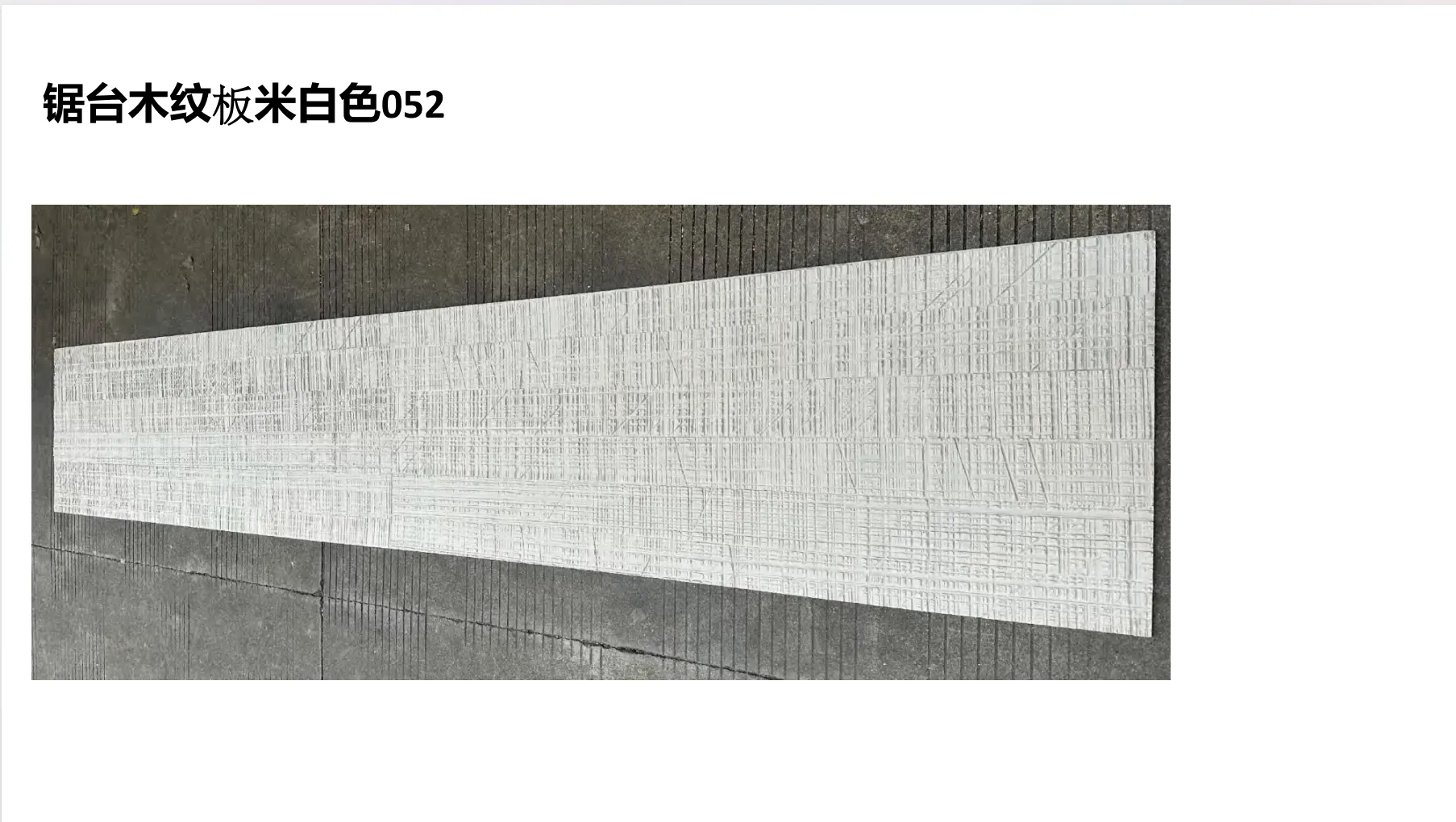
Sawing Wood Board is typically made from solid wood planks that are cut (or "sawn") into uniform thicknesses. The process can vary—some boards are rough-sawn for a textured, industrial look, while others are sanded smooth for a polished finish. A close cousin you might encounter is wood grain board , which mimics the natural patterns of timber (like oak, pine, or walnut) but may be engineered with layers of wood veneer for added stability. Both share a core appeal: they bring the outdoors in, adding warmth and character to any space.
But here's the catch: wood is a renewable resource, but only if harvested responsibly. When trees are cut down faster than they're replanted, it leads to habitat loss, soil erosion, and increased carbon emissions (since trees absorb CO2). That's where environmental certifications step in—they act as a guardrail, ensuring the wood in your Sawing Wood Board comes from forests managed with long-term sustainability in mind.
Let's start with the positives. Wood is biodegradable, which means at the end of its life, it won't linger in landfills like plastic or synthetic materials. It also has a relatively low embodied energy compared to materials like concrete or steel—embodied energy is the total energy used to extract, process, and transport a product. For wood, that energy is often lower because trees grow using sunlight and water, not fossil fuels.
But the negatives are hard to ignore. Unsustainable logging practices—like clear-cutting old-growth forests or harvesting from protected areas—destroy ecosystems and contribute to climate change. According to the United Nations, deforestation accounts for about 10% of global greenhouse gas emissions. Even "sustainable" logging can have downsides: machinery used in felling and transporting timber burns fuel, and processing wood (like drying it) often relies on fossil fuels. Plus, wood is prone to moisture damage, rot, and pests, which means it may need frequent replacement—adding to its lifecycle impact.
So how do you separate responsible wood from the rest? Look for these key certifications:
The FSC is widely regarded as the gold standard for responsible forestry. To earn an FSC label, a forest must meet strict criteria: no illegal logging, protection of endangered species and indigenous lands, fair wages for workers, and a commitment to replanting. When you see "FSC Certified" on a Sawing Wood Board, it means the wood can be traced back to a forest that's managed for the long haul—not just stripped for profit.
For example, if a tree is cut down, the FSC requires that another is planted in its place. It also prohibits logging in old-growth forests or areas critical to wildlife. This isn't just good for the planet; it's good for communities too. Many FSC-certified forests are managed by local groups who depend on them for livelihoods, ensuring the land remains productive for generations.
PEFC is another major player in forest certification, with a focus on regional standards. Unlike the FSC, which has a single global set of rules, PEFC works with national organizations to create guidelines tailored to local ecosystems. For instance, a forest in Canada might have different sustainability needs than one in Brazil, and PEFC adapts accordingly. While some critics argue this makes PEFC less strict than FSC, it's still a step up from uncertified wood, as it requires third-party audits and adherence to basic sustainability principles.
Not all certifications are about sourcing—some focus on health and safety. CARB compliance, for example, ensures that wood boards (especially composite or engineered ones) emit low levels of formaldehyde, a toxic chemical found in some adhesives used to bond wood layers. High formaldehyde levels can off-gas into indoor air, causing respiratory issues. For homeowners or businesses prioritizing indoor air quality, CARB certification is a must.
Sawing Wood Board shines in spaces where natural beauty is a priority. Think residential interiors: living room walls, kitchen backsplashes, or bedroom furniture. Its warmth pairs well with modern, minimalist designs, adding texture without overwhelming a space. Wood grain board, in particular, is a favorite for mimicking high-end hardwoods at a lower cost, making it accessible for budget-conscious projects.
But there are limits. Wood is porous, so it's not ideal for high-moisture areas like bathrooms or outdoor decks (unless treated with chemicals, which can negate sustainability benefits). It also expands and contracts with humidity, which can lead to warping over time. For these reasons, many builders reserve Sawing Wood Board for dry, indoor use—where its aesthetic value outweighs its practical drawbacks.
If Sawing Wood Board is the classic, MCM Flexible Stone is the innovator. Short for "Modified Composite Material," MCM is a relatively new player in the building materials game, but it's quickly gaining traction for one big reason: it offers the look of natural stone or wood with a fraction of the environmental footprint. Lightweight, durable, and endlessly customizable, MCM Flexible Stone is redefining what "sustainable construction" can look like.
MCM Flexible Stone is a composite material made by blending natural stone particles (like marble, granite, or limestone) with polymers and reinforcing fibers. The result? A thin, flexible panel that can bend without breaking—unlike traditional stone, which is heavy and brittle. It's often used as cladding for exteriors or interiors, mimicking the texture of materials like travertine, slate, or even rusted metal, but at a fraction of the weight (typically 3-5 kg per square meter, compared to 20+ kg for natural stone).
But what makes MCM stand out isn't just its flexibility—it's its sustainability. Many MCM products incorporate recycled materials, like post-consumer plastic or waste stone from quarries that would otherwise end up in landfills. Plus, its lightweight nature reduces transportation costs and emissions (since you can ship more panels per truck), and its durability means less frequent replacement over time.
Traditional stone extraction is notoriously resource-intensive. Quarrying involves heavy machinery, massive energy use, and habitat destruction—imagine bulldozers tearing into a mountainside to extract marble slabs. MCM, by contrast, uses recycled stone particles (leftover from quarrying or construction waste), diverting waste from landfills and reducing the need for new mining. Some manufacturers even source stone from abandoned quarries, breathing new life into neglected sites.
Then there's the manufacturing process. MCM production typically requires less energy than firing bricks or cutting natural stone. The polymers used are often low-VOC (volatile organic compounds), meaning they emit fewer harmful chemicals into the air during production. And because MCM panels are thin and lightweight, installing them requires less structural support—reducing the need for steel or concrete in a building's frame, which further cuts down on embodied carbon.
Perhaps the biggest win? MCM's longevity. Unlike wood, which may need replacement every 10-15 years, MCM can last 50+ years with minimal maintenance. Less replacement means less waste, fewer raw materials, and lower lifecycle emissions. For commercial buildings or high-traffic areas, this durability translates to long-term sustainability.
MCM Flexible Stone's sustainability claims are backed by some of the most respected certifications in the industry. Let's break down the ones you'll encounter:
LEED is the most widely recognized green building certification in the world, awarded by the U.S. Green Building Council (USGBC). MCM often contributes to LEED points in several categories: Materials and Resources (for using recycled content), Indoor Environmental Quality (for low-VOC emissions), and Innovation in Design (for its lightweight, energy-saving properties). For example, a commercial project using MCM cladding might earn points for reducing transportation emissions or diverting construction waste—all of which add up to a higher LEED rating (Certified, Silver, Gold, or Platinum).
Like CARB for wood, GREENGUARD certification focuses on indoor air quality. It ensures that MCM panels emit minimal volatile organic compounds (VOCs), which can cause headaches, allergies, or long-term health issues. This is especially important for schools, hospitals, or offices—spaces where people spend hours each day. A GREENGUARD label means you can trust the material won't compromise air quality, even in tightly sealed buildings.
ISO 14001 isn't a product certification—it's a standard for how companies manage their environmental impact. Manufacturers with ISO 14001 certification have systems in place to reduce waste, conserve energy, and minimize pollution throughout the production process. When you choose MCM from an ISO 14001-certified company, you're supporting a brand that's committed to sustainability beyond just the final product.
While not a formal certification, many MCM products are labeled as "green building materials" by industry organizations. This designation is reserved for materials that meet criteria like recycled content, low embodied energy, and recyclability. It's a quick way to spot products that align with eco-friendly goals—though it's always best to dig deeper into specific certifications for full transparency.
MCM's flexibility and durability make it a chameleon in the construction world. Externally, it's used for building facades, transforming plain concrete walls into textured masterpieces that mimic natural stone or rusted metal. Its lightweight nature is a game-changer for high-rise buildings, where heavy cladding can strain structural integrity. Internally, it's perfect for feature walls, backsplashes, or even furniture—offering the look of marble or travertine without the cost or weight.
One standout use case? Historic renovations. Because MCM is thin and flexible, it can be applied over existing surfaces (like old brick or concrete), preserving the original structure while updating the aesthetic. This reduces demolition waste—a huge plus for sustainability. It's also resistant to fire, water, and pests, making it ideal for harsh climates (think coastal areas with salt spray or humid regions prone to mold).
To truly understand how these materials stack up, let's put them head-to-head. The table below breaks down their raw materials, environmental impact, certifications, and practical uses—so you can see which aligns best with your project's needs.
| Category | Sawing Wood Board | MCM Flexible Stone |
|---|---|---|
| Raw Materials | Solid timber (often softwood or hardwood) or wood veneers for wood grain board. May include adhesives (for engineered variants). | Recycled stone particles (marble, granite, limestone), polymers, reinforcing fibers. May include post-consumer plastic or waste stone. |
| Manufacturing Process | Sawing, sanding, and (for engineered boards) bonding layers with adhesives. Energy use tied to logging, transportation, and drying. | Blending stone particles with polymers, pressing into thin sheets, curing. Lower energy use; relies on recycled inputs to reduce mining. |
| Key Environmental Certifications | FSC, PEFC (sourcing); CARB (formaldehyde emissions). | LEED (green building points); GREENGUARD (indoor air quality); ISO 14001 (manufacturing practices). |
| Recyclability | Biodegradable at end of life; can be composted or chipped for mulch. Engineered boards with adhesives may be harder to recycle. | Some MCM panels are recyclable (stone particles can be repurposed); polymers may require specialized recycling facilities. |
| Durability & Lifespan | 5-15 years (indoor, dry conditions). Prone to warping, rot, and pests without treatment. | 50+ years (indoor/outdoor). Resistant to water, fire, pests, and UV damage. |
| Transportation Emissions | Moderate to high: solid wood is heavy, requiring more fuel per shipment. | Low: lightweight panels mean more product per truck, reducing emissions. |
| Best For | Dry indoor spaces (residential accent walls, furniture, cabinetry). Aesthetic focus over extreme durability. | Exteriors (facades, cladding), high-moisture areas, historic renovations, commercial buildings. Balancing durability and sustainability. |
At this point, you might be thinking, "Do I really need to care about certifications? Can't I just trust the manufacturer's word?" The short answer: no. In an industry where "greenwashing" (making false or exaggerated sustainability claims) is all too common, certifications are your best defense. They're third-party audits—independent checks that a product lives up to its eco-friendly promises. Here's why they matter:
Certifications cut through the marketing jargon. A manufacturer can claim their wood is "sustainably sourced," but an FSC label means an independent organization has verified that the forest it came from is managed responsibly. Similarly, a GREENGUARD certification for MCM isn't just a sticker—it's proof that the product has been tested for low chemical emissions in a lab. For busy builders or homeowners, certifications save time: you don't have to research every brand's supply chain; you can rely on the label.
Many regions (like the EU, California, or Canada) have strict regulations on building materials—especially around formaldehyde emissions, fire safety, or deforestation. Using certified products helps ensure your project meets local laws, avoiding fines or delays. For example, in parts of Europe, selling uncertified wood from illegal logging is a criminal offense. Certifications like FSC or PEFC act as a shield, proving your materials are above board.
Eco-conscious buyers are willing to pay more for sustainable buildings. A home or commercial space with LEED certification, for example, can command higher resale values or rental rates. Using certified materials like MCM Flexible Stone or FSC-certified Sawing Wood Board isn't just good for the planet—it's good for your bottom line. It signals to clients, tenants, or buyers that you've invested in quality and responsibility.
Sustainable materials often cost more upfront, but they pay off over time. MCM Flexible Stone, for instance, may be pricier than traditional drywall, but its 50-year lifespan means you won't need to replace it for decades. Similarly, FSC-certified wood may cost a bit more than uncertified options, but it's less likely to warp or rot (thanks to responsible harvesting and drying practices), reducing maintenance costs. Certifications often correlate with higher quality—so you're not just paying for sustainability; you're paying for durability.
There's no one-size-fits-all answer—Sawing Wood Board and MCM Flexible Stone each have their strengths. If you're prioritizing natural warmth and have a project in a dry, indoor space (like a home office or living room), Sawing Wood Board (especially FSC-certified) is a timeless, eco-friendly choice. Just be mindful of its limitations in moisture-prone areas and factor in potential replacement costs over time.
For versatility, durability, and minimal environmental impact—especially for exteriors, high-traffic areas, or projects aiming for LEED certification—MCM Flexible Stone is hard to beat. Its ability to mimic natural materials while using recycled inputs and reducing transportation emissions makes it a standout in the green building world.
At the end of the day, the "best" material depends on your values: Do you prioritize natural aesthetics, or are you focused on long-term durability and minimal carbon footprint? Either way, one thing is clear: environmental certifications are non-negotiable. They're the bridge between good intentions and real-world impact—ensuring that the buildings we create today don't come at the expense of tomorrow's planet.
So whether you're drawn to the rustic charm of Sawing Wood Board or the innovative sustainability of MCM Flexible Stone, remember: the most sustainable choice is the one that's backed by proof. Look for the labels, ask the tough questions, and build with confidence—knowing your project is part of the solution, not the problem.
Recommend Products












