
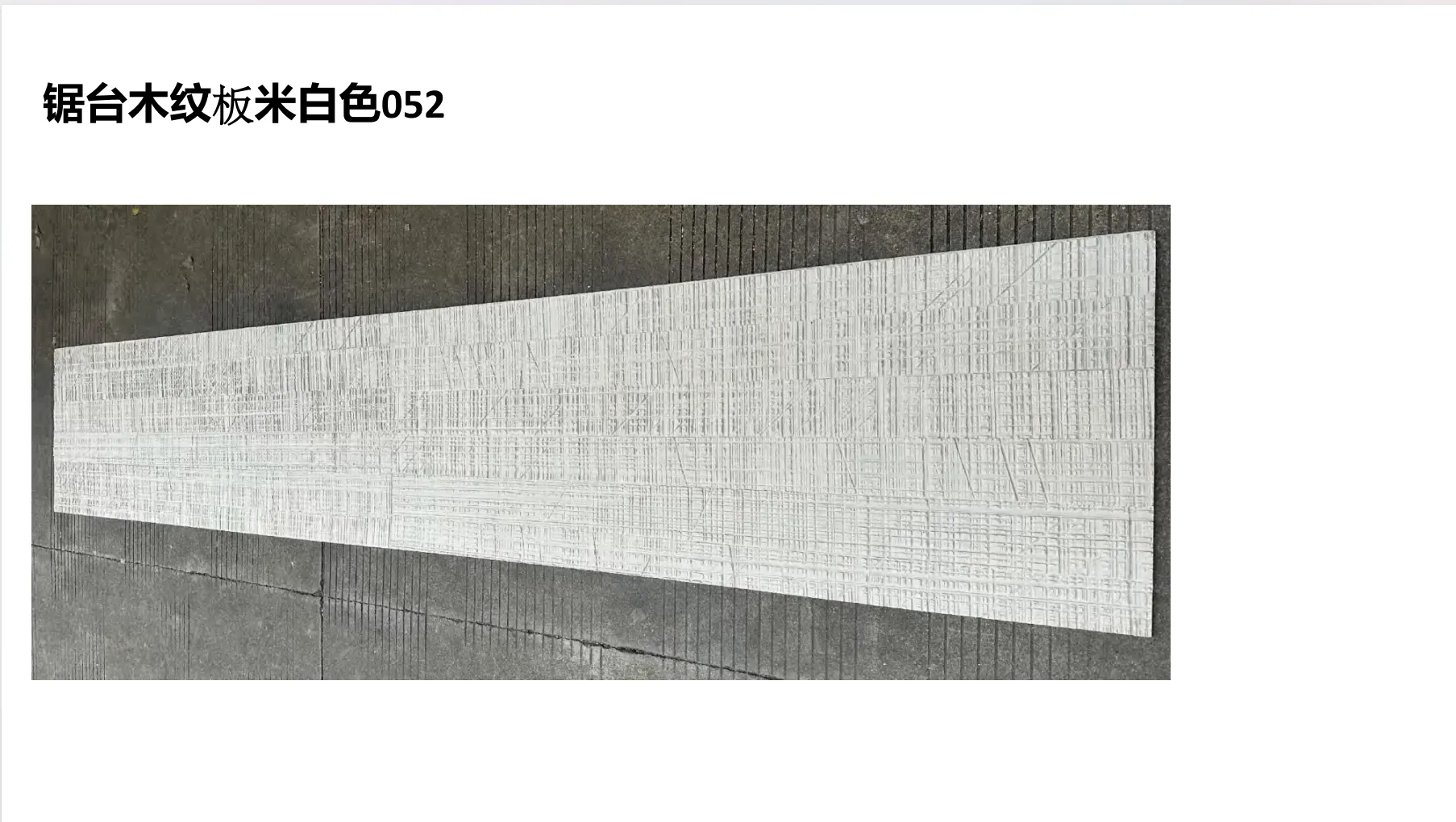
Building materials are the silent storytellers of our spaces. They shape the way we feel in a room, influence the functionality of a building, and even reflect our personal or brand identity. In the world of architecture and design, two materials have been making waves for their unique blend of aesthetics and practicality: the timeless sawing wood board and the innovative MCM (Modified Composite Material) . Today, we're diving deep into what sets these two apart—from their origins and characteristics to their applications and how they can transform your next project.
There's something inherently comforting about wood. It's a material that connects us to nature, carrying the history of the tree it came from in every knot, grain, and imperfection. Sawing wood board is as traditional as it gets: it's created by sawing logs into flat boards, preserving the wood's natural structure and organic beauty. Unlike engineered wood products, which often combine wood fibers with adhesives, sawing wood board is a celebration of raw, unadulterated timber.
Imagine the texture of a hand-sawn oak board: rough around the edges, with deep grain lines that tell a story of growth. Sawing wood board retains these natural features, making each piece one-of-a-kind. Whether it's the warm honey tones of pine, the rich depth of walnut, or the subtle striations of maple, the material brings an unmatched warmth to any space. It's not just a building material—it's a sensory experience. Run your hand over its surface, and you'll feel the slight ridges of the saw marks, the smoothness of polished areas, and the organic irregularities that make no two boards exactly alike.
Sawing wood board shines in interior spaces. It's a favorite for flooring, wall paneling, ceilings, and furniture, where its natural aesthetic creates a cozy, inviting atmosphere. In a home office, a desk made from sawing wood board adds a touch of earthiness that softens the sterility of technology. In a restaurant, wood-paneled walls evoke a sense of intimacy, making guests feel right at home.
But wood, by nature, is a living material—even after it's cut. It expands and contracts with humidity, which means it's prone to warping or cracking if not properly maintained. Exterior use requires careful sealing to resist rain, UV rays, and pests, and even then, it may need regular refinishing to keep its luster. For high-moisture areas like bathrooms or outdoor decks, sawing wood board often takes a backseat to more durable alternatives.
If sawing wood board is the cozy blanket of building materials, MCM (Modified Composite Material) is the sleek, high-performance jacket. MCM is a product of modern engineering, designed to combine the best of natural minerals with the durability of polymers. The result? A lightweight, flexible material that can mimic the look of stone, metal, or even wood—without the drawbacks of traditional options. One of its most popular forms is MCM flexible stone , a game-changer for architects and designers who crave stone's beauty but need something easier to work with.
MCM starts with natural minerals (like stone powder or sand) mixed with polymers and fibers, then compressed into thin, flexible sheets. This composition gives it superpowers: it's lightweight (often 70% lighter than natural stone), resistant to moisture, fire, and UV rays, and can bend without breaking. Imagine wrapping a curved wall in stone—that's possible with MCM flexible stone, whereas natural stone would be too heavy and rigid. It's a material built for innovation, allowing designs that were once impossible.
But MCM isn't limited to stone looks. It can mimic metals, too. Take foamed aluminium alloy board (vintage silver) , for example—a MCM variant that replicates the sleek, industrial vibe of aged aluminum. It's perfect for modern facades or accent walls, adding a touch of metallic elegance without the weight or cost of real aluminum panels. And when it comes to stone-inspired designs, MCM gets creative: travertine (starry blue) is a stunning example, capturing the porous texture of natural travertine but with a whimsical twist—tiny blue flecks that look like stars scattered across a midnight sky. It's nature, reimagined.
MCM's versatility makes it a star in both interior and exterior applications. Externally, it's used for cladding buildings, creating striking facades that stand up to harsh weather. Internally, it shines as feature walls, backsplashes, or even furniture surfaces. Unlike fair-faced concrete (a material known for its raw, industrial look but heavy weight), MCM offers similar aesthetic edge without the structural load. Its lightweight nature also makes installation a breeze—no need for heavy machinery or reinforced structures, saving time and labor costs.
The downside? MCM lacks the organic warmth of real wood. While it can mimic wood grain, it doesn't have the same tactile depth or natural variation. For spaces that prioritize "authenticity" above all else, MCM might feel too "manufactured." Additionally, some lower-quality MCM products can fade or scratch over time, so investing in a reputable brand is key.
To truly understand how sawing wood board and MCM stack up, let's break down their key differences in a side-by-side comparison:
| Aspect | Sawing Wood Board | MCM (e.g., MCM Flexible Stone, Foamed Aluminium Alloy Board) |
|---|---|---|
| Material Composition | 100% natural wood, sawn from logs. | Blend of natural minerals (stone, sand), polymers, and fibers. |
| Weight | Moderate to heavy (depends on wood type); solid and dense. | Lightweight (5-8 kg/m² on average); up to 70% lighter than natural stone. |
| Flexibility | Rigid; can crack if bent or stressed. | Highly flexible; can bend up to 90 degrees without breaking (ideal for curves). |
| Durability | Prone to warping, rotting, and insect damage (needs sealing/finishing). | Moisture-resistant, UV-resistant, fire-retardant, and scratch-resistant (low maintenance). |
| Aesthetic Options | Warm, organic, natural grain patterns; limited to wood tones and textures. | Endless: mimics stone (e.g., travertine (starry blue) ), metal (e.g., foamed aluminium alloy board (vintage silver) ), concrete, and more. |
| Installation | Requires skilled labor; may need acclimation to environment to prevent warping. | Easy to install (adhesive or mechanical fixing); no acclimation needed. |
| Maintenance | High: regular sealing, sanding, and refinishing to prevent damage. | Low: wipe clean with water; no sealing or refinishing required. |
| Sustainability | Eco-friendly if sourced from FSC-certified forests; biodegradable but requires reforestation. | Depends on brand; some use recycled materials; may not be biodegradable but has long lifespan (reduces replacement needs). |
| Cost | Varies widely (affordable softwoods to pricey hardwoods); higher long-term maintenance costs. | Higher upfront cost than basic wood; lower long-term costs due to low maintenance. |
So, when should you reach for sawing wood board, and when is MCM the better choice? It all comes down to your project's goals, environment, and aesthetic vision.
At the end of the day, sawing wood board and MCM aren't rivals—they're complementary. Sawing wood board brings warmth, history, and organic beauty to spaces that crave authenticity. MCM brings innovation, durability, and design freedom to projects that push boundaries. The best designs often blend the two: imagine a living room with sawing wood board floors and a MCM flexible stone accent wall, or a restaurant with a wooden bar top and MCM foamed aluminium alloy board (vintage silver) ceilings. It's the marriage of old and new, nature and technology.
So, whether you're building a home, designing a commercial space, or just dreaming up your next renovation, consider what matters most: the story you want to tell, the environment you're working with, and the legacy you want your space to leave. Both materials have the power to transform—you just have to decide which one (or both!) will write your project's next chapter.
Recommend Products












