

In the world of architecture, few things capture the eye quite like a perfectly executed curve. Straight lines give us structure and order, but curves provide flow, elegance, and a touch of the organic. Semicircle boards, used to create stunning arched facades, flowing interior walls, and unique design features, are a testament to this principle. They break the monotony of the box, inviting a sense of movement and sophistication. But as any seasoned builder or architect knows, realizing this beautiful vision is fraught with challenges, especially when Mother Nature decides not to cooperate.
Installing any building material requires precision, but installing curved panels in extreme weather—be it the blistering heat of a desert, the biting cold of a northern winter, or the relentless downpour of a tropical monsoon—is a true test of skill, planning, and most importantly, material science. Traditional materials often shrink, expand, warp, or fail to cure properly under these conditions, turning an architectural dream into a costly nightmare. This is where innovation steps in. The success of a modern construction project hinges on choosing materials that are not just beautiful, but are engineered to perform flawlessly, no matter the climate. This article is your comprehensive guide to mastering semicircle board installation in the toughest environments, leveraging the power of advanced materials to ensure your architectural curves remain perfect for decades to come.
Why the fascination with semicircle boards? In an era of minimalist design, these curved elements offer a powerful counterpoint. They can soften a harsh exterior, create a welcoming entryway, or guide the eye through an interior space with grace. They feel natural, echoing forms we see in the environment, from rolling hills to the arc of the horizon. This aesthetic appeal has made them a favorite among designers aiming to create memorable and human-centric buildings.
Every material, on a microscopic level, is in a constant state of flux. When temperature rises, molecules gain energy and move apart, causing the material to expand. When it gets cold, they slow down and move closer, causing it to contract. This phenomenon is known as thermal expansion and contraction. Moisture plays a similar role. Porous materials absorb water, swell up, and then shrink as they dry.
For a flat wall, these movements can be managed with expansion joints. But for a precisely crafted semicircle, any unexpected dimension change is disastrous. A board that expands too much in the heat can buckle and pop off the wall. A board that shrinks excessively in the cold can pull apart at the seams, creating ugly gaps that let in water and pests. A board installed in the rain might never allow its adhesive to cure, leading to a complete installation failure. The curve itself adds stress to the material, and when you compound that with climate-induced stress, you have a recipe for failure if you're using the wrong product.
For centuries, builders have worked with materials like wood, quarried stone, and concrete. While beautiful, they have inherent limitations for curved applications in extreme climates:
These challenges highlight a clear need for a new generation of material—one that combines the aesthetic flexibility to form perfect curves with the scientific resilience to withstand any climate.
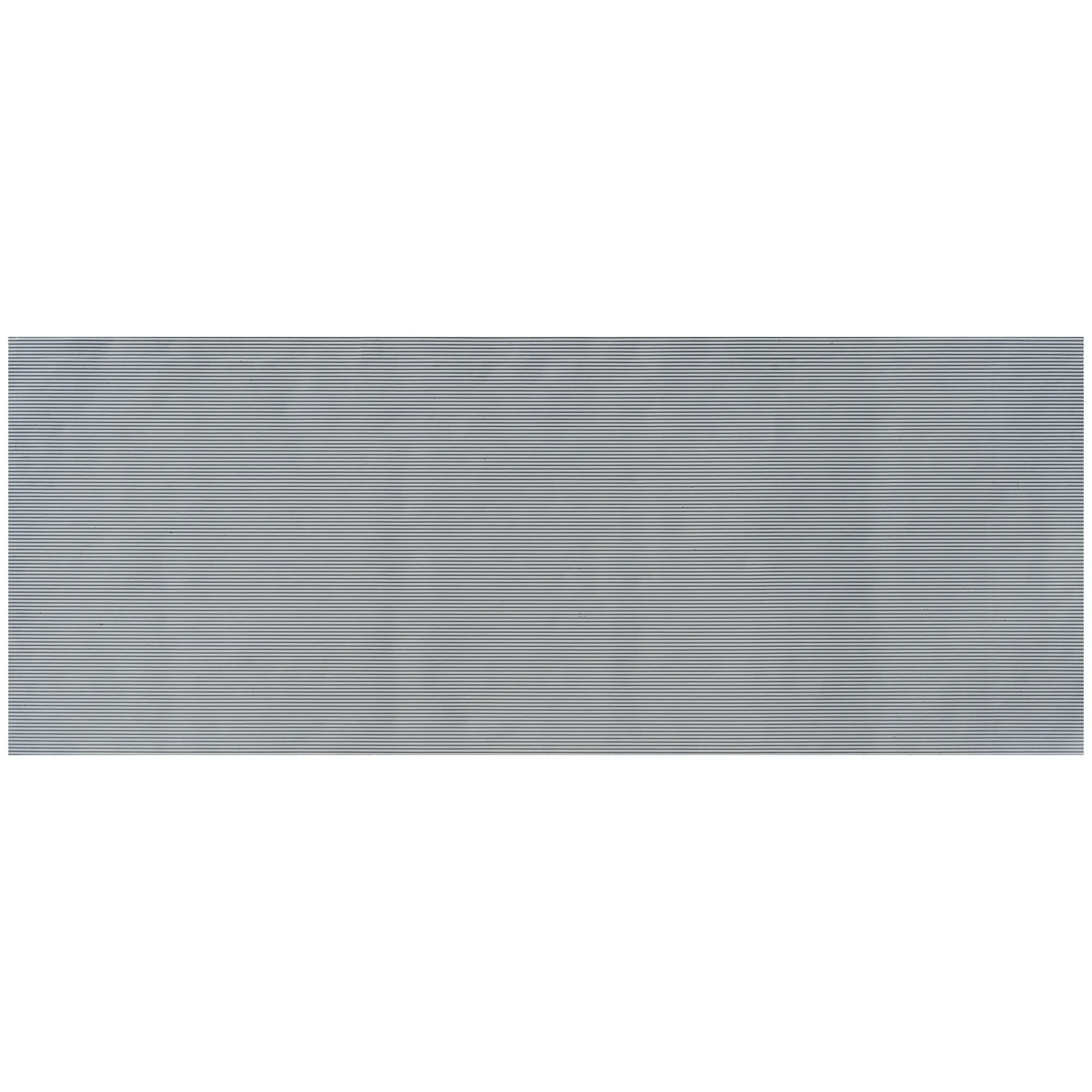
Enter Modified Cementitious Material, or MCM. This is the breakthrough the architectural world has been waiting for. At its core, MCM is an innovative material technology that takes natural components like clay, sand, and mineral powders and, through a specialized process of modification and low-temperature firing, transforms them into a new class of building material. The result is a product that is lightweight, flexible, and astonishingly durable.
As a one-stop solution provider with decades of experience, we at COLORIA GROUP have harnessed the power of MCM to create a range of products specifically designed to overcome the limitations of traditional materials. Our MCM series isn't just a product; it's a complete system that empowers architects and builders to push creative boundaries without worrying about environmental constraints.
MCM technology offers the best of all worlds: the beauty of natural textures like stone, wood, and brick, combined with engineered performance that makes it perfect for challenging applications like semicircle boards in any climate.
Understanding that different projects have different needs, we've developed a diverse portfolio of MCM products. When it comes to creating stunning and resilient curves, our series offers unparalleled options:
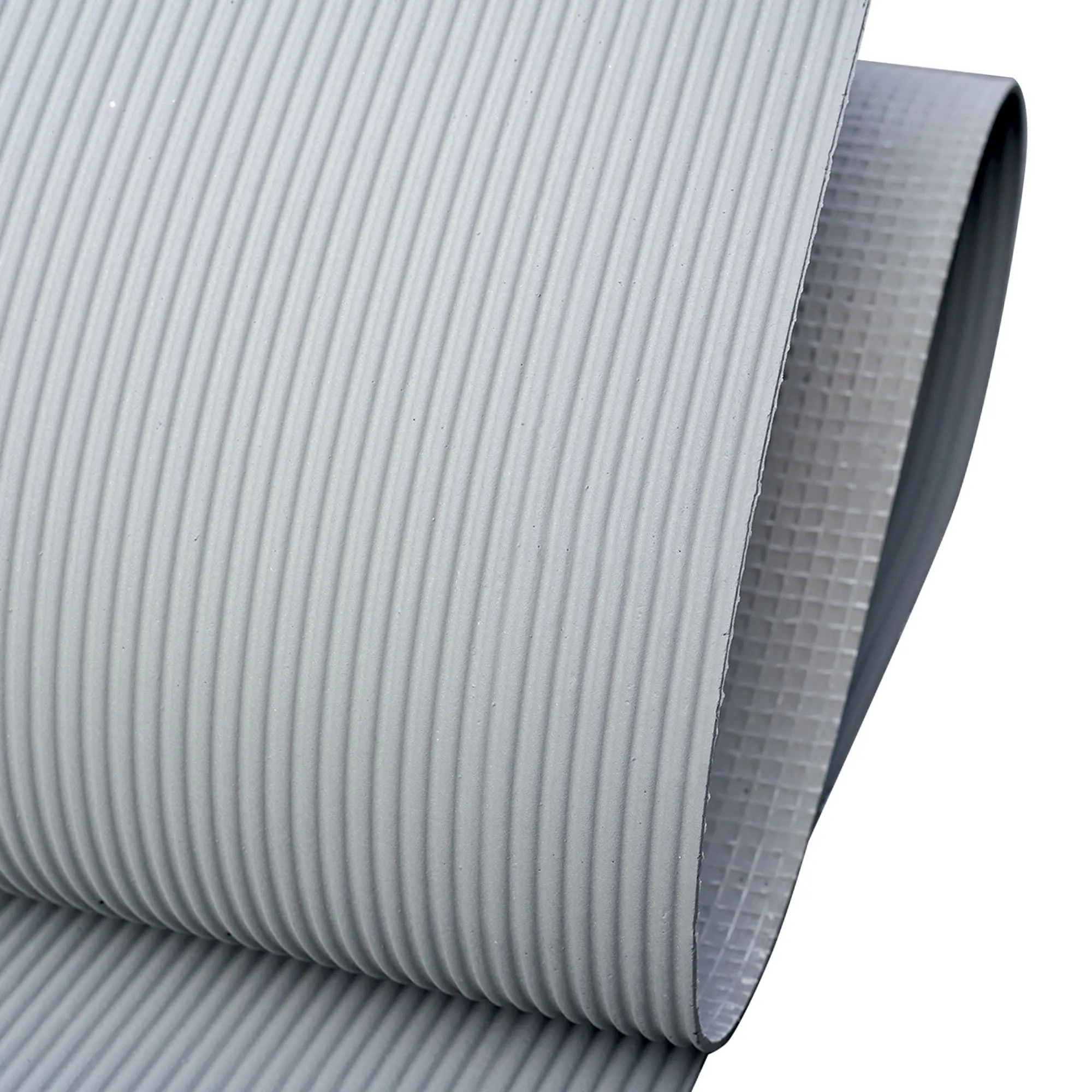
Picture this: A construction site in a desert region. The sun is relentless, and surface temperatures on a wall can easily exceed 60°C (140°F). Adhesives flash-dry the moment they touch the substrate, materials expand visibly in the heat, and workers struggle with fatigue and dehydration. Installing a precise semicircle board here seems like an impossible task. However, with the right material—like COLORIA GROUP's MCM—and the right technique, it's entirely achievable.
Our approach is built on a foundation of material science and practical, on-the-ground experience from our global operations, including those in demanding markets like Saudi Arabia.
1. Material Selection is Key: Our `MCM Flexible Stone` and `MCM Project Board Series` are ideal for hot climates. They have a very low coefficient of thermal expansion, meaning they move far less than traditional materials. Their composition also gives them excellent UV resistance, so their color won't fade or degrade under the intense sun.
2. Smart Preparation:
3. Adhesive and Application Technique:
4. Curing and Protection: Once the boards are installed, the curing process is vital. In extreme heat, the adhesive can dry on the surface but remain uncured underneath. If possible, shield the newly installed wall from direct sunlight for 24-48 hours using shade cloths. This allows for a more even and thorough cure. Avoid any heavy impacts or stress on the wall for at least 72 hours.
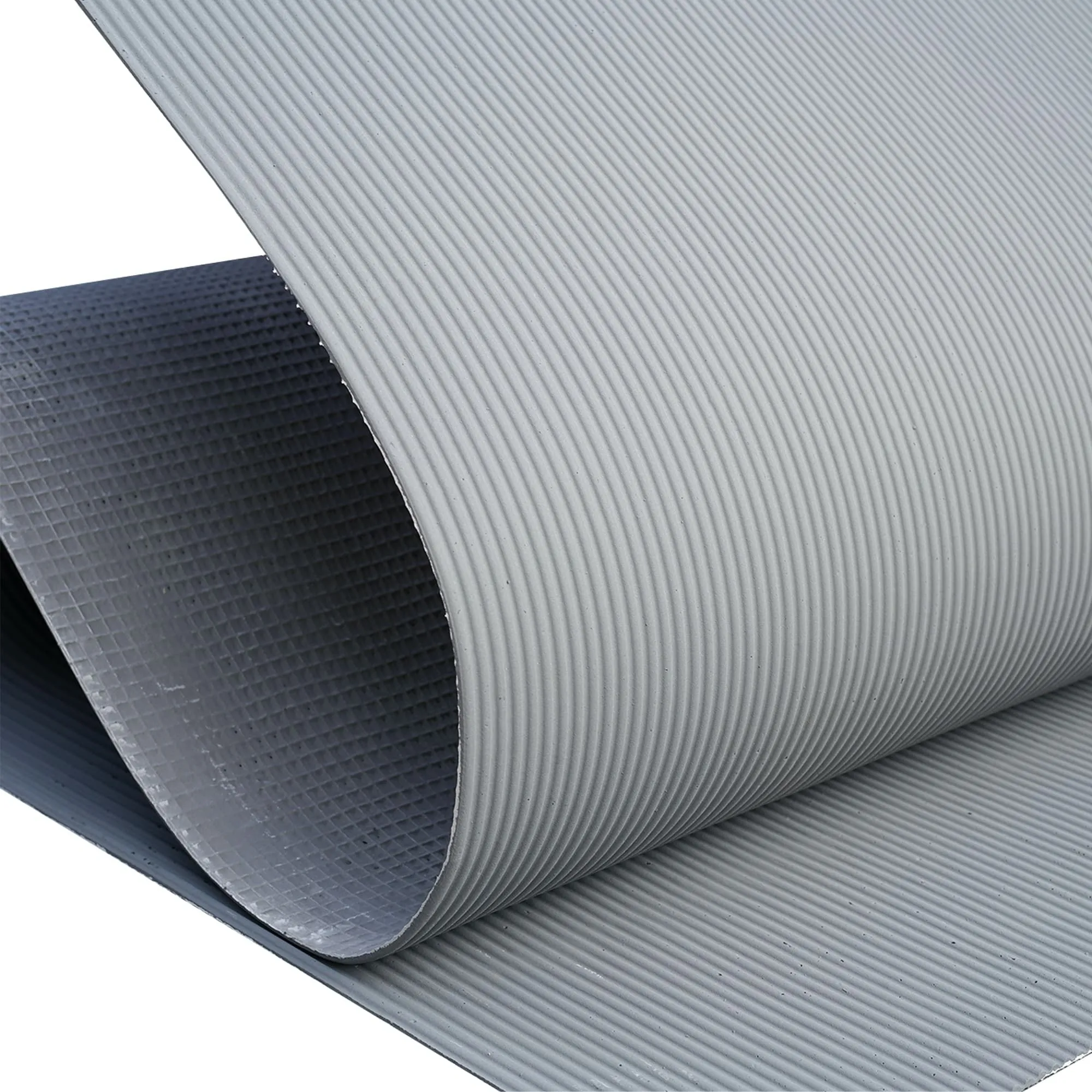
Now, let's journey to the opposite extreme: a winter construction site where the temperature plummets below freezing. Here, the challenges are a mirror image of the heat. Materials become brittle, adhesives refuse to cure, and ice becomes the enemy. A beautiful semicircle board can be ruined before it's even properly attached if the cold is not respected.
The inherent properties of COLORIA GROUP's MCM products provide a significant advantage in the cold. Their formulation gives them excellent freeze-thaw stability. Unlike concrete or some ceramics that can spall and degrade after repeated freeze-thaw cycles, our MCM boards, including the impressive `MCM Big Slab Board Series`, maintain their structural integrity and appearance.
1. Create a Controlled Environment:
2. Substrate Preparation is Critical:
3. The Right Products and Techniques:
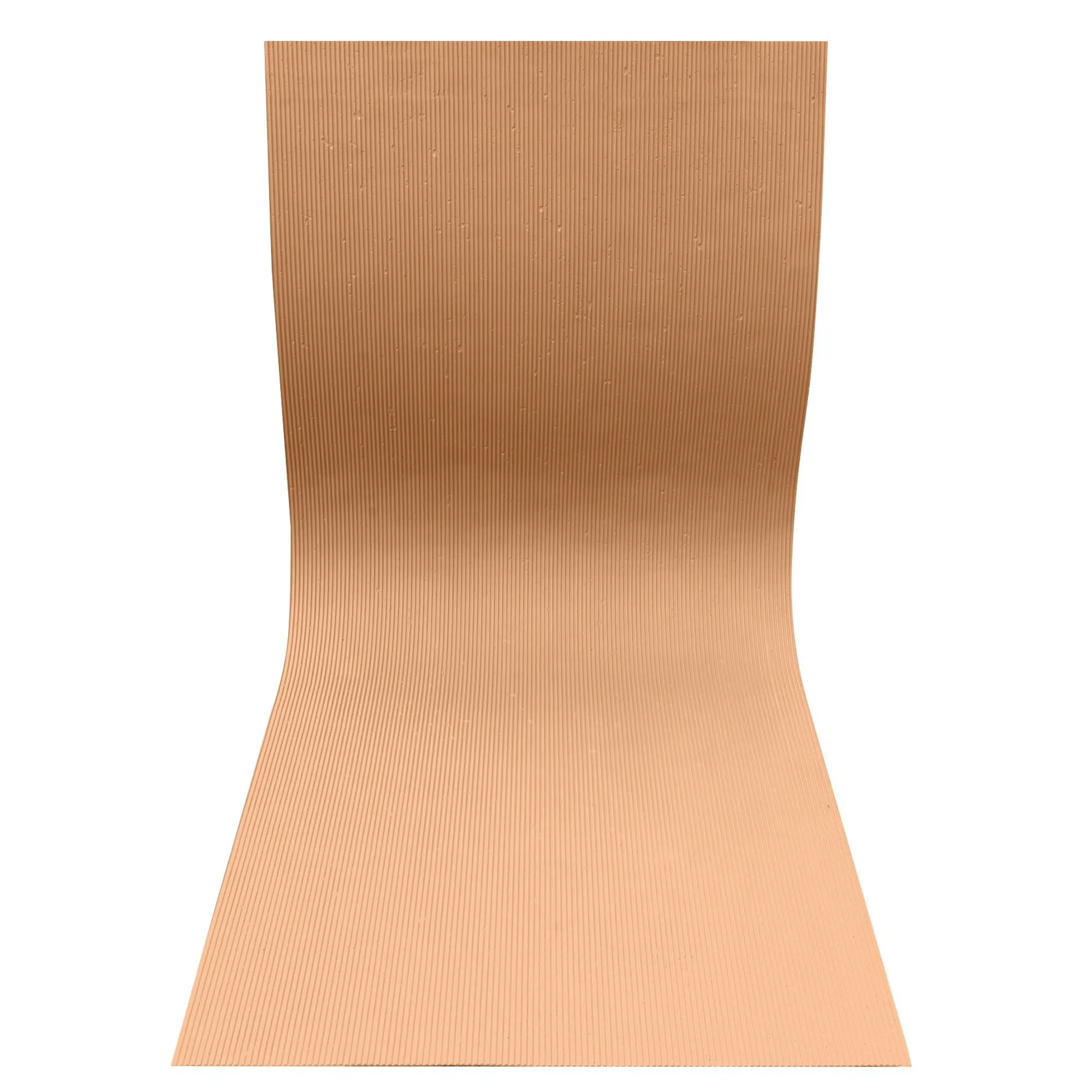
Finally, we tackle the challenge of high humidity and rain. In these climates, water is the constant adversary. It saturates substrates, washes away fresh mortar, and creates the perfect breeding ground for mold and mildew. A successful installation here is all about moisture management and choosing a material that is inherently water-resistant.
COLORIA GROUP's MCM products are a game-changer in wet environments. Their low-porosity, water-resistant nature means the boards themselves won't absorb water, swell, or degrade. This is a fundamental advantage over materials like wood or GRC. Our `MCM 3D Printing Series` can even be designed with custom textures that actively channel water away from joints, further enhancing performance.
1. Waterproofing is Non-Negotiable:
2. Planning and Protection:
3. Adhesives and Grouting for Humidity:
| Consideration | Hot Climate | Cold Climate | Rainy/Humid Climate |
|---|---|---|---|
| Primary Goal | Control rapid drying & expansion | Prevent freezing & brittleness | Manage moisture & ensure cure |
| Ideal MCM Product | MCM Flexible Stone, MCM Project Board Series (UV resistant) | MCM Big Slab Board Series (Freeze-thaw stable) | MCM 3D Printing Series, MCM Flexible Stone (Water resistant) |
| Substrate Prep | Cool surface with light mist; ensure dust-free | Heat substrate above 5°C; ensure 100% dry and frost-free | Apply waterproofing membrane; verify dryness with a meter |
| Adhesive Choice | Extended open-time, polymer-modified | Cold-weather rated, polymer-fortified | Rapid-setting, water-resistant |
| Work Environment | Work in cooler parts of the day; use shade cloths | Use heated enclosures; maintain temp 24/7 during cure | Plan around dry weather windows; have tarps ready |
| Post-Installation Care | Shade wall to allow even curing | Maintain heat for extended curing period (7-14 days) | Protect from rain for at least 48-72 hours |
Creating architectural beauty with semicircle boards is no longer a gamble against the elements. The success of such an installation in hot, cold, or rainy climates isn't about fighting Mother Nature, but about working intelligently with her. It comes down to a simple, powerful formula: the right technique combined with the right advanced material.
The era of being limited by the heavy, brittle, and vulnerable materials of the past is over. With the advent of innovative solutions like COLORIA GROUP's comprehensive MCM product lines—from the versatile `MCM Flexible Stone` to the robust `MCM Project Board Series`—architects and builders are now empowered. They can design and construct elegant, flowing curves with the confidence that they will perform flawlessly, whether under the scorching Saudi sun, through a Canadian winter, or in the midst of a Southeast Asian monsoon. As a dedicated one-stop solution provider, our mission is to supply the materials and expertise that turn the most ambitious architectural visions into enduring, climate-defying realities. The future of design is curved, and with the right tools, it's a future we can build anywhere.
Recommend Products











