In today's fast-paced architectural and design world, choosing the right
building materials
can make all the difference, not just in aesthetics, but also in project longevity, budget, and environmental footprint. For decades, Aluminum Composite Panels (ACPs) have been a go-to choice for external cladding and interior finishes, celebrated for their sleek appearance and relative ease of installation. However, as technology evolves and the demand for more sustainable, flexible, and high-performance solutions grows, a new contender has emerged: the Semicircle Board, often a manifestation of advanced
MCM (Modified Cementitious Material)
technology.
Here at COLORIA GROUP, we've been at the forefront of this material revolution, seeing firsthand how innovative solutions can redefine what's possible. Our focus on
MCM (Modified Cementitious Material)
has allowed us to develop products that not only compete with traditional options but often surpass them, particularly in areas where design flexibility, sustainability, and robust performance are paramount. We understand that architects, developers, and builders are constantly weighing their options, looking for the perfect balance. That's why we're taking a deep dive into comparing Semicircle Boards (specifically, those powered by our cutting-edge MCM technology) with Aluminum Composite Panels, focusing on three critical aspects: cost, weight, and durability.
This isn't just about picking a winner; it's about understanding the nuances of each material so you can make an informed decision for your next residential or commercial project. We want to empower you with the knowledge to select materials that truly align with your project's vision and long-term goals. Let's unpack the details.
Decoding the Costs: Semicircle Board (MCM) vs. ACP
When budgeting for a construction project, cost is almost always the first consideration. However, it's crucial to look beyond the initial purchase price and consider the total cost of ownership, which includes installation, maintenance, and potential replacement over time. This holistic view often reveals a different story than a simple per-square-meter comparison.
1. Initial Material Cost
-
Aluminum Composite Panels (ACP):
Historically, ACPs have been perceived as a cost-effective choice. Their manufacturing process is quite streamlined, making the raw panels relatively affordable. Prices can vary widely based on the aluminum alloy quality, core material (polyethylene or fire-rated mineral core), and surface finishes. For standard colors and finishes, ACP can seem very competitive initially. However, specialized colors, textures, or custom sizes can quickly drive up the cost.
-
Semicircle Board (MCM):
When it comes to
MCM (Modified Cementitious Material)
, the initial material cost can be comparable to, or sometimes slightly higher than, basic ACP. This is because MCM involves advanced manufacturing techniques that combine natural minerals with polymer additives, resulting in a highly engineered material. However, this initial investment often pays off when you consider the customizability and aesthetic versatility that MCM offers. For projects requiring unique textures, colors, or intricate designs—like the namesake "Semicircle Board" for curved architectural elements—MCM can provide a more cost-effective solution than trying to replicate such complex aesthetics with custom-fabricated ACP. Furthermore, COLORIA GROUP's direct supply chain, being a
one-stop solution provider
, often allows for competitive pricing, streamlining the procurement process and potentially reducing markups associated with multiple intermediaries.
The key takeaway here is that while ACP might win on paper for the most basic applications, the inherent value and possibilities of MCM, especially when considering its unique visual appeal and performance characteristics, often justify its price point, positioning it as a smart long-term investment.
2. Installation Costs
This is where the plot often thickens. The cost of labor and specialized equipment can significantly impact the overall project budget.
-
Aluminum Composite Panels (ACP):
ACP installation typically requires a skilled workforce capable of precise cutting, routing, and fastening. While large flat panels are relatively straightforward, creating curves, intricate angles, or bespoke shapes with ACP usually involves specialized fabrication techniques off-site or complex on-site manipulation, which adds to both labor costs and material waste. Sub-frame systems and waterproofing details are also critical and can be labor-intensive.
-
Semicircle Board (MCM):
One of the shining advantages of
MCM (Modified Cementitious Material)
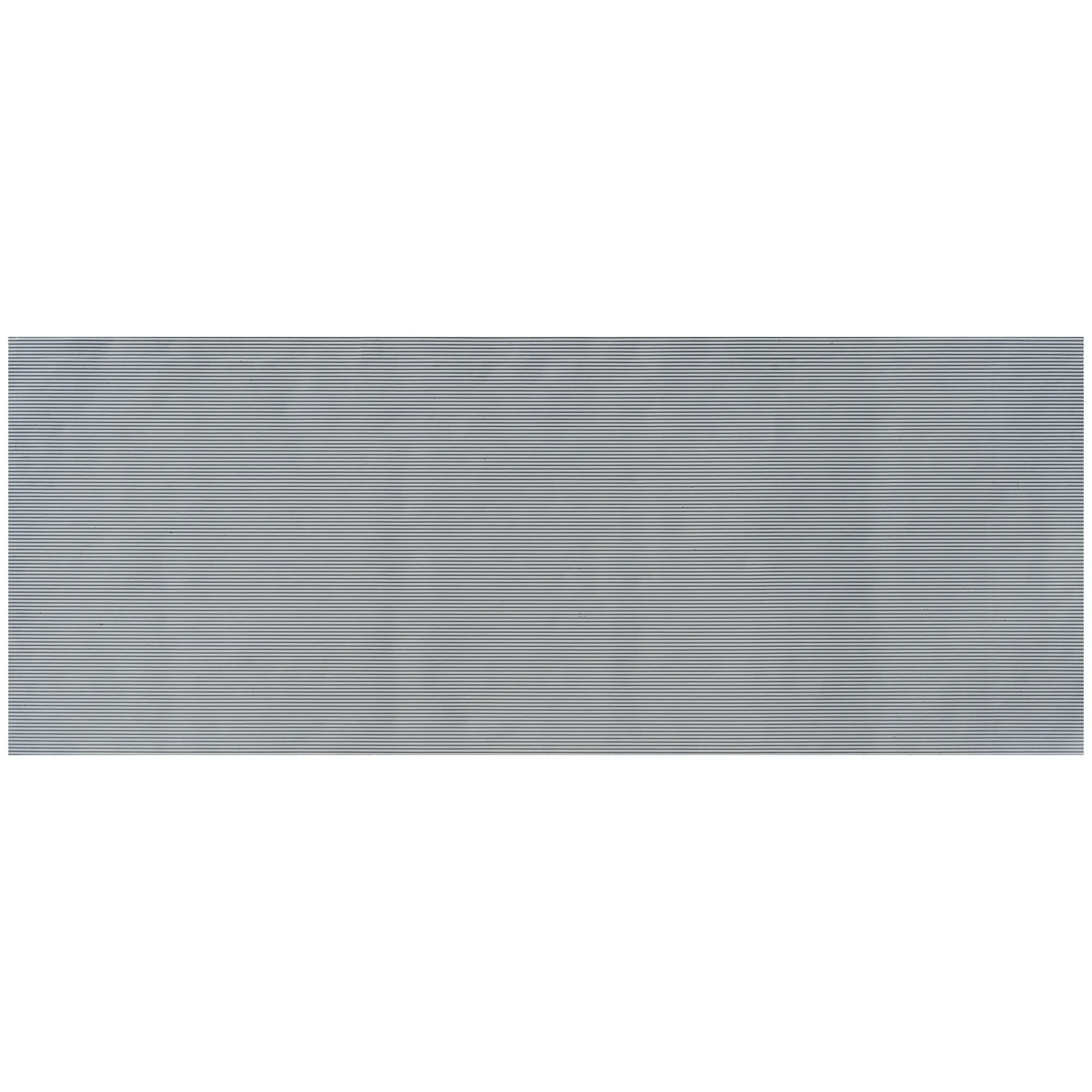
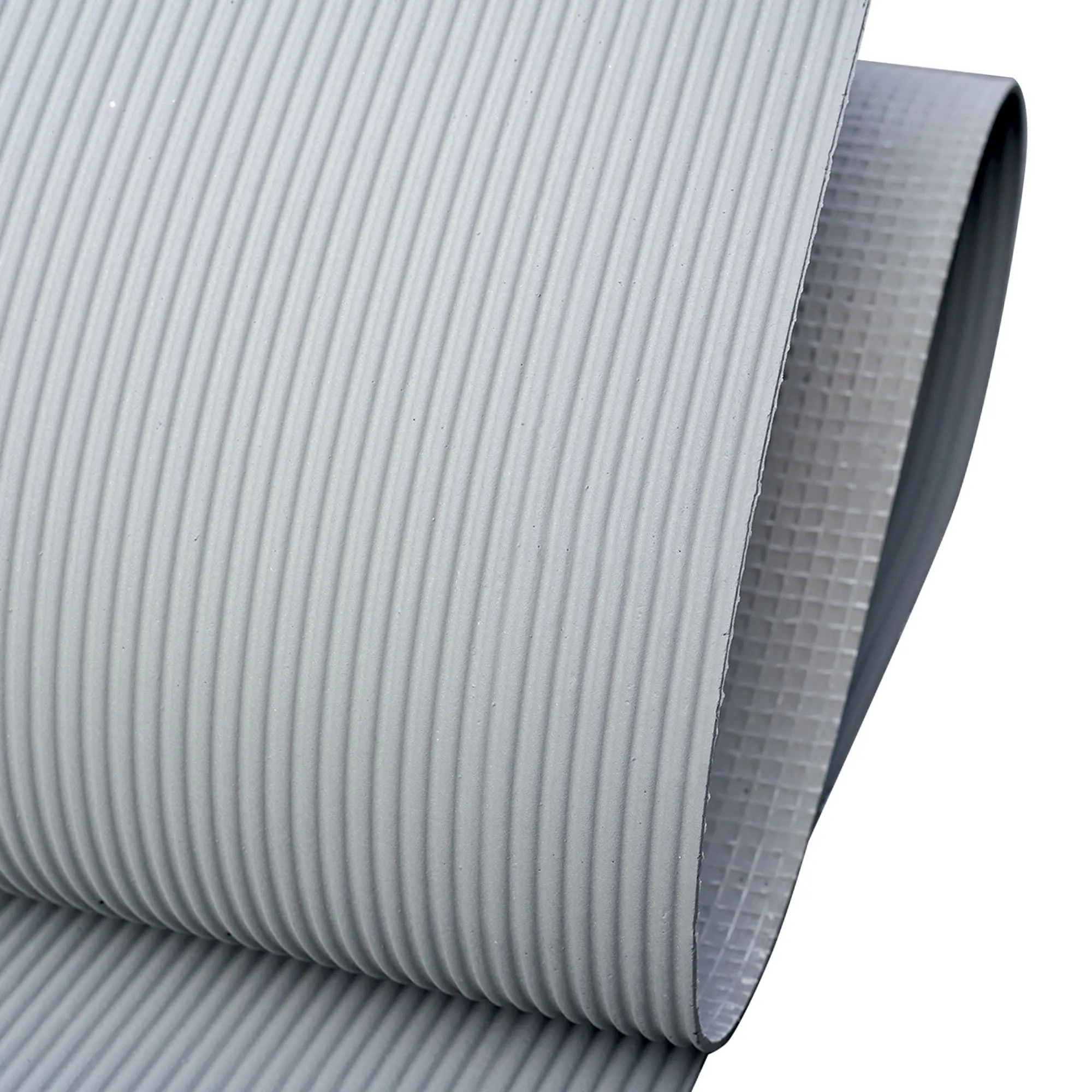
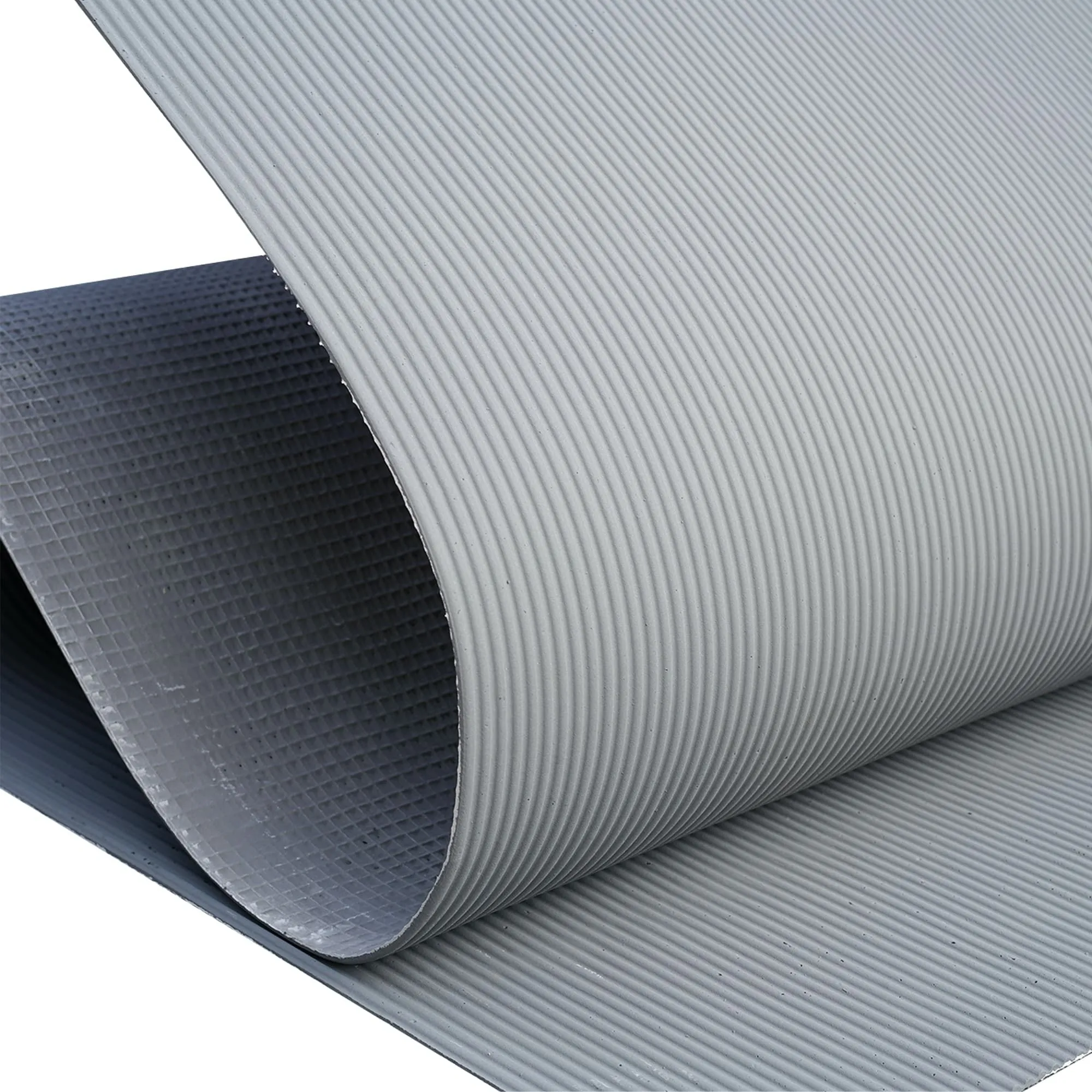
, particularly our flexible ranges like the MCM Flexible Stone, is its ease of installation. MCM is often much lighter and more flexible than traditional alternatives, allowing for quicker and less labor-intensive application. For projects utilizing "Semicircle Board" designs, the inherent flexibility of MCM means complex curves can be achieved without the need for extensive pre-fabrication or specialized tools, significantly reducing installation time and associated labor costs. This translates directly into savings on the project timeline and budget. Imagine applying a material that conforms to contours rather than needing to be bent and welded into shape – it's a game-changer for speed and efficiency.
3. Maintenance and Lifecycle Costs
A material might be cheap to buy and install, but if it requires constant maintenance or early replacement, its long-term cost can skyrocket.
-
Aluminum Composite Panels (ACP):
ACPs are generally low maintenance, requiring periodic cleaning to remove dirt and grime. However, their metallic finish can be prone to scratches or dents, which are difficult and costly to repair seamlessly. Fading or chalking can occur over time, especially with lower-quality coatings, necessitating repainting or even panel replacement. Damage from impacts can also compromise the panel's integrity and aesthetic, leading to expensive repairs.
-
Semicircle Board (MCM):
MCM (Modified Cementitious Material)
excels here. Its robust composition makes it highly resistant to scratching, fading, and impact. The material's inherent colorfastness and UV resistance mean it retains its aesthetic appeal for decades with minimal maintenance, usually just requiring simple cleaning. Furthermore, because MCM often mimics natural materials like stone or brick, minor blemishes are often less noticeable or can be more easily blended, offering superior durability without demanding constant upkeep. This low-maintenance profile significantly reduces lifecycle costs, making it a very economical choice in the long run. Our commitment to providing a
one-stop solution provider
means we also offer guidance on proper care, ensuring the longevity of our products.
Cost Summary:
While ACP might offer a lower entry point for very basic, flat applications, the Semicircle Board (MCM) often provides superior long-term value due to easier installation, reduced labor, and significantly lower maintenance requirements. For designs requiring
customization
or intricate shapes, MCM's advantages in installation efficiency quickly make it the more cost-effective choice.
Weight Matters: Structural Implications and Installation Ease
The weight of
building materials
is a critical factor influencing structural design, foundation requirements, shipping costs, and installation logistics. Lighter materials can lead to significant savings across the entire project.
1. Material Density and Structural Load
-
Aluminum Composite Panels (ACP):
ACPs are considered lightweight compared to traditional cladding materials like solid metal sheets or stone. A typical ACP panel weighs around 5-8 kg per square meter, depending on thickness and core material. This relatively light weight reduces the dead load on the building structure, which can translate to lighter framing and foundations, offering some cost savings in the structural phase.
-
Semicircle Board (MCM):
This is where
MCM (Modified Cementitious Material)
truly shines. Due to its innovative composition, MCM products, including those used for Semicircle Boards, are exceptionally lightweight. Many MCM products weigh significantly less than ACP, often in the range of 3-6 kg per square meter, and sometimes even less for thinner applications like Flexible Stone. This substantial reduction in weight has cascading benefits:
-
Reduced Structural Load:
A lighter facade means less stress on the building's structural frame and foundation. This can lead to smaller, less expensive structural components, resulting in considerable cost savings on the overall build.
-
Easier Handling and Installation:
Lighter panels are much easier to transport, lift, and maneuver on-site. This speeds up the installation process and reduces the need for heavy machinery, further cutting down on labor costs and project timelines. Installers can handle larger sections more safely and efficiently.
-
Shipping and Logistics:
Reduced weight also translates directly into lower shipping costs, especially for projects involving international supply chains, like COLORIA GROUP's global reach, including our operations in Saudi Arabia. More material can be transported per shipment, optimizing logistics.
2. Impact on Installation Logistics
Beyond the structural benefits, the weight of a material directly impacts the practicalities of getting it onto the building.
-
Aluminum Composite Panels (ACP):
While lighter than many traditional materials, ACP still requires careful handling to avoid bending or warping, especially for larger panels. Cutting and routing often generate aluminum dust, requiring proper ventilation and cleanup. Installation typically involves a sub-frame system to ensure flatness and secure attachment.
-
Semicircle Board (MCM):
The extreme lightness and flexibility of many
MCM (Modified Cementitious Material)
products simplify installation immensely. Panels can often be cut with standard tools, and their flexibility means they can accommodate minor surface irregularities or be applied directly to curved surfaces without complex fabrication. This reduces waste, accelerates installation, and makes the process cleaner and safer for workers. The ability to work with a material that can adapt to the building's contours is a significant advantage, particularly when striving for unique designs or a specific aesthetic.
Weight Summary:
Semicircle Board (MCM) offers a distinct advantage in terms of weight, leading to lighter structural requirements, reduced shipping costs, and faster, more efficient installation. This aspect alone can yield substantial savings and project efficiencies, making it an attractive choice for modern construction.
Durability: Longevity, Resilience, and Environmental Impact
Durability isn't just about how long a material lasts; it encompasses its resistance to environmental factors, impact, fire, and its overall lifecycle impact. This is where the long-term value and sustainability of a
building materials
truly come into play.
1. Weather Resistance and Lifespan
-
Aluminum Composite Panels (ACP):
ACPs generally perform well in various weather conditions. Their aluminum skin offers good corrosion resistance. However, the lifespan of ACP is heavily dependent on the quality of its coating (PVDF coatings typically offer better UV and weather resistance than Polyester). Over time, lower-grade coatings can chalk, fade, or delaminate. The polyethylene core in non-fire-rated ACPs can also degrade under prolonged UV exposure if exposed. Expected lifespan typically ranges from 10-20 years, depending on quality and environmental conditions.
-
Semicircle Board (MCM):
MCM (Modified Cementitious Material)
is engineered for exceptional durability and longevity. It is inherently UV-stable, highly resistant to fading, and impervious to water, frost, and extreme temperature fluctuations. Its mineral-based composition ensures a stable, long-lasting finish that won't delaminate or corrode. Many MCM products boast lifespans exceeding 30-50 years, often with a warranty reflecting this resilience. Our MCM Big Slab Board Series, for instance, offers robust protection that stands the test of time, reducing the need for costly replacements and ensuring a pristine facade for decades.
2. Impact Resistance and Structural Integrity
-
Aluminum Composite Panels (ACP):
While somewhat rigid, ACPs can be susceptible to dents from significant impacts. Once dented, the aluminum skin is difficult to repair without noticeable imperfections, often requiring full panel replacement. The composite nature, with a core sandwiched between aluminum sheets, means that severe impact can also compromise the structural integrity of the panel.
-
Semicircle Board (MCM):
MCM (Modified Cementitious Material)
offers superior impact resistance. Its unique flexible and dense structure makes it far more resilient against impacts than traditional brittle materials. For example, our MCM Flexible Stone offers a degree of elasticity that allows it to absorb impacts without cracking or denting, maintaining its aesthetic and structural integrity. This resilience is particularly valuable in high-traffic areas or environments prone to accidental damage, ensuring the facade remains pristine with less need for repair.
3. Fire Safety
Fire safety is a non-negotiable aspect of modern
building materials
, especially for external cladding.
-
Aluminum Composite Panels (ACP):
Standard ACPs with a polyethylene (PE) core have been a significant concern regarding fire safety, often contributing to rapid flame spread in past building fires. While fire-rated ACPs (FR-ACP) with mineral-filled cores are available and meet stricter fire codes, they are more expensive and still have limitations depending on local regulations and specific project requirements.
-
Semicircle Board (MCM):
MCM (Modified Cementitious Material)
products typically exhibit excellent fire-resistant properties. Being largely composed of mineral-based materials, they are inherently non-combustible or have very high fire ratings. This provides a significant safety advantage, offering peace of mind to developers and occupants. Our MCM Project Board Series, for example, is specifically designed to meet rigorous safety standards, ensuring that fire resistance is a core feature, not an expensive add-on.
4. Environmental Impact and Sustainability
As the world moves towards sustainable construction, the environmental footprint of materials is increasingly important.
-
Aluminum Composite Panels (ACP):
While aluminum is recyclable, the composite nature of ACPs makes recycling complex and costly. Separating the aluminum skin from the polyethylene core is difficult, meaning much of the waste ends up in landfills. The production of aluminum is also energy-intensive.
-
Semicircle Board (MCM):
This is arguably one of the strongest suits of
MCM (Modified Cementitious Material)
. MCM is typically made from natural minerals, recycled materials, and water-based polymers, making it an incredibly eco-friendly choice. The manufacturing process is low-carbon and often consumes significantly less energy than traditional alternatives. Furthermore, MCM is often recyclable or can be safely disposed of without leaching harmful chemicals. Its longevity also contributes to sustainability by reducing the frequency of replacement and waste. At COLORIA GROUP, our products embody
green environmental protection
, aligning perfectly with modern sustainable building practices and contributing to healthier indoor and outdoor environments.
Durability Summary:
Semicircle Board (MCM) clearly outperforms ACP in terms of long-term durability, impact resistance, and fire safety. Its exceptional lifespan and
green environmental protection
credentials make it a superior choice for projects prioritizing sustainability and robust performance.
Beyond the Metrics: Aesthetic Versatility and COLORIA GROUP's
One-Stop Solution
While cost, weight, and durability are foundational considerations, the aesthetic possibilities and support infrastructure are equally vital for realizing an architectural vision.
Aesthetic Freedom and
Customization
Modern architecture demands flexibility and the ability to create unique, inspiring spaces.
-
Aluminum Composite Panels (ACP):
ACP offers a sleek, modern look with a wide range of colors and metallic finishes. However, achieving complex textures or mimicking natural materials convincingly can be challenging and often looks artificial. Forming curves and complex 3D shapes requires significant fabrication, which can be limiting and costly.
-
Semicircle Board (MCM):
This is where the true artistic potential of
MCM (Modified Cementitious Material)
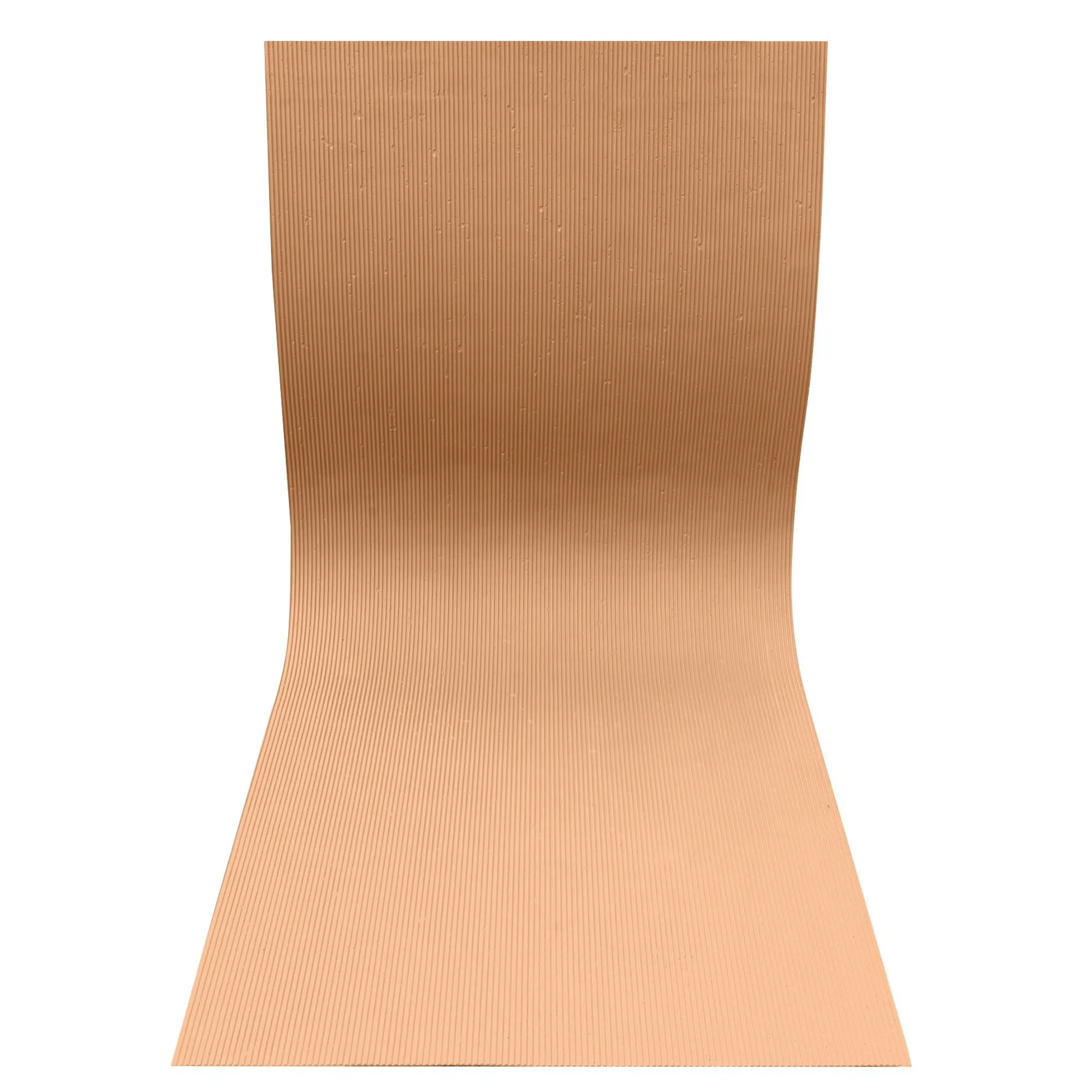
shines. MCM can replicate the look and feel of virtually any natural material—stone, wood, brick, leather, fabric—with astonishing realism, often surpassing the visual authenticity of nature itself. The inherent flexibility allows for seamless application on curved surfaces, making designs like the "Semicircle Board" not just possible, but easy and cost-effective. Our MCM 3D Printing Series even pushes the boundaries further, allowing for intricate three-dimensional patterns and textures that are simply impossible with ACP. This level of
customization
means architects and designers have unparalleled freedom to bring their most imaginative concepts to life. You can achieve bespoke finishes and forms that distinguish your project from the rest, creating truly impactful spaces.
The COLORIA GROUP Advantage: Your
One-Stop Solution Provider
Choosing COLORIA GROUP means more than just selecting a superior product; it means partnering with a company that understands the intricacies of the
building materials
industry inside and out. With decades of industry experience and a global presence, including a robust agency in Saudi Arabia, we are uniquely positioned to support your project from conception to completion.
-
Comprehensive Product Range:
From our MCM Big Slab Board Series designed for grand facades to the utilitarian MCM Project Board Series and the incredibly adaptable MCM Flexible Stone, we offer a diverse portfolio that caters to every design requirement and budget. Our expertise in
MCM (Modified Cementitious Material)
is unmatched.
-
Global Reach, Local Expertise:
Our international footprint ensures consistent quality and supply, while our local presence in key markets provides tailored support and understanding of specific regional needs and regulations. This dual approach means you get the best of both worlds.
-
Commitment to
Customization
and Innovation:
We don't believe in one-size-fits-all. Our team works closely with clients to understand their unique visions and leverage our MCM technology to deliver bespoke solutions. Whether it's a specific color, texture, or an unconventional shape like a "Semicircle Board," we thrive on challenging the status quo and bringing innovative designs to fruition.
-
Unwavering Focus on Sustainability:
Our dedication to
green environmental protection
isn't just a marketing slogan; it's embedded in our product development and manufacturing processes. We provide materials that are not only high-performing but also contribute positively to environmental stewardship.
Conclusion: Making the Informed Choice
In the enduring debate between modern
building materials
, both Semicircle Board (MCM) and Aluminum Composite Panels (ACP) have their place. ACPs offer a foundational solution for basic, flat surfaces with a clean look. However, when you dig deeper into the total cost of ownership, the implications of material weight, and the critical factors of long-term durability and sustainability, the advantages of advanced
MCM (Modified Cementitious Material)
technology become strikingly clear.
For projects demanding true
customization
, exceptional aesthetic flexibility, superior resilience against the elements and impacts, and a genuine commitment to
green environmental protection
, the Semicircle Board, powered by COLORIA GROUP's MCM, emerges as the definitive superior choice. Its lighter weight contributes to structural efficiency and ease of installation, while its unparalleled durability ensures decades of beauty and performance with minimal upkeep.
At COLORIA GROUP, we pride ourselves on being more than just a supplier; we are a
one-stop solution provider
dedicated to bringing your architectural visions to life with innovative, high-quality, and sustainable materials. We invite you to explore the possibilities that MCM can unlock for your next project, transforming concepts into enduring realities.
|
Feature
|
Semicircle Board (MCM by COLORIA GROUP)
|
Aluminum Composite Panels (ACP)
|
|
Initial Material Cost
|
Comparable to slightly higher than basic ACP; competitive for custom designs.
|
Often lower for basic, standard panels; higher for specialized finishes/fire-rated.
|
|
Installation Cost
|
Lower due to lighter weight, flexibility, and ease of cutting/shaping; quicker installation.
|
Higher for complex shapes, requiring specialized fabrication/routing; slower for intricate designs.
|
|
Maintenance Cost
|
Very low; highly resistant to fading, scratches, impact; simple cleaning.
|
Low for cleaning, but costly for dent/scratch repair; potential for fading/chalking over time.
|
|
Overall Lifecycle Cost
|
Generally lower due to minimal maintenance and exceptional longevity.
|
Can be higher due to potential for repairs, replacement, or re-coating over time.
|
|
Weight (per sq. meter)
|
Extremely lightweight (3-6 kg); significantly reduces structural load.
|
Lightweight (5-8 kg); good, but heavier than MCM.
|
|
Structural Impact
|
Minimizes dead load; allows for lighter, more cost-effective structural elements.
|
Reduces dead load compared to traditional materials, but less than MCM.
|
|
Installation Logistics
|
Easier handling, faster installation, less heavy machinery, less waste.
|
Requires skilled labor for precise cuts and framing; complex shapes add time/cost.
|
|
Weather Resistance
|
Excellent; UV-stable, frost-proof, water-resistant; stable aesthetic for decades.
|
Good, but dependent on coating quality; can fade/chalk over time.
|
|
Impact Resistance
|
Superior; flexible and robust, highly resistant to dents and cracks.
|
Susceptible to dents and scratches; difficult to repair seamlessly.
|
|
Fire Safety
|
Excellent; inherently non-combustible or high fire ratings.
|
Standard PE core is a fire risk; FR-ACPs are safer but cost more.
|
|
Lifespan
|
30-50+ years, often with long warranties.
|
10-20 years for standard quality, up to 30 for high-end PVDF.
|
|
Environmental Impact
|
Highly sustainable; made from natural minerals, low energy production, recyclable.
|
Recycling is complex; production is energy-intensive for aluminum.
|
|
Aesthetic Versatility
|
Unmatched; replicates natural materials realistically, highly customizable for shape (e.g., semicircles), color, and texture.
|
Sleek, modern look; limited in replicating natural textures; complex shapes require significant fabrication.
|













