

When you're embarking on a new construction project, whether it's a cozy home renovation or a grand commercial development, one of the most critical decisions revolves around material selection. The choices you make for your interior and exterior finishes don't just dictate the aesthetics; they profoundly impact the project's durability, maintenance, environmental footprint, and ultimately, its long-term value . For decades, ceramic tiles have been a go-to option, admired for their versatility and traditional appeal. However, the architectural and building materials landscape is constantly evolving, and innovative solutions like COLORIA GROUP's Modified Cementitious Material (MCM) products are redefining industry standards. Today, we're diving deep into a head-to-head comparison: COLORIA GROUP's cutting-edge MCM solutions versus conventional ceramic tiles. Which one genuinely offers superior long-term value for your investment?
As a global leader and one-stop solution provider in architectural materials, COLORIA GROUP brings decades of industry expertise to the table, particularly excelling in offering high-quality interior and exterior decoration materials. Our focus is squarely on innovation, sustainability, and performance, with our MCM product lines leading the charge. This article will help you understand why choosing the right material isn't just about initial cost but about a much broader spectrum of benefits that compound over time.
Ceramic tiles are a mixture of clay, sand, and other natural materials, fired at high temperatures to create a hard, durable surface. They come in glazed and unglazed varieties, offering a wide range of colors, patterns, and sizes. Traditionally used for floors, walls, and sometimes countertops, they are known for their water resistance and relative ease of cleaning.
Modified Cementitious Material (MCM) , a flagship offering from COLORIA GROUP, represents a significant leap in building material technology. It's an eco-friendly composite material made primarily from inorganic mineral powders, combined with various polymers and additives. Through advanced manufacturing processes, MCM can mimic the look and feel of natural stone, wood, brick, leather, and even metal, all while maintaining superior performance characteristics. Our core MCM product series include:
These products are primarily used for interior and exterior wall decoration, offering customization and green environmental protection as core attributes.
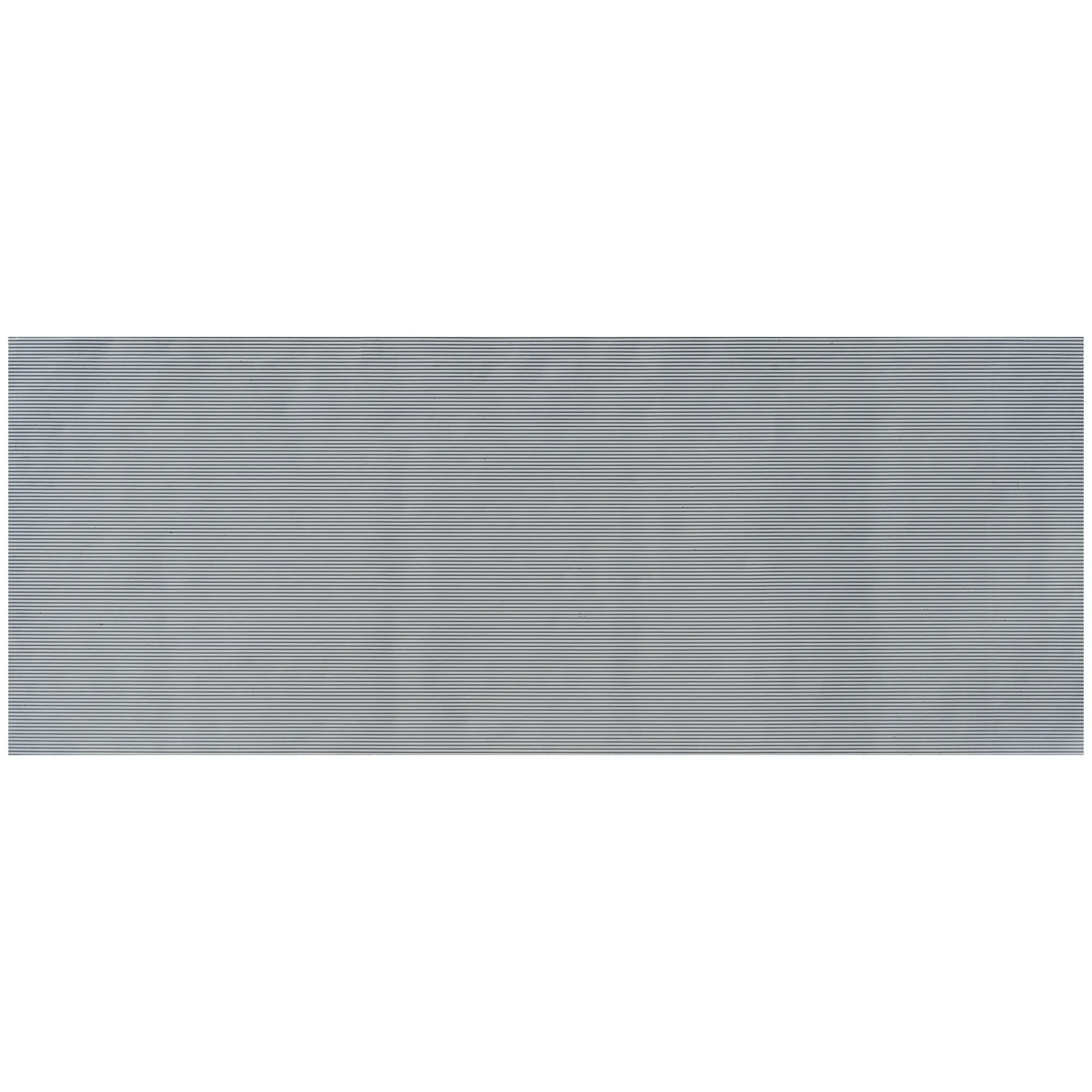
To truly assess long-term value, we need to look beyond the initial purchase price and consider a multitude of factors, including installation, maintenance, durability, environmental impact, design flexibility, and overall cost of ownership.
Ceramic Tiles: The installation of ceramic tiles is notoriously labor-intensive and time-consuming. It typically involves preparing the substrate, mixing and applying adhesive (thin-set mortar), carefully laying each tile, ensuring proper spacing with spacers, and then meticulously grouting the joints. This process requires skilled labor, leading to higher installation costs. Furthermore, tiles are fragile, and breakage during transport or installation can add to expenses and project delays. The weight of ceramic tiles also adds to structural considerations, sometimes requiring additional reinforcement, especially for large format tiles or specific applications. Any inconsistencies in the substrate can lead to uneven surfaces, potentially necessitating more extensive subfloor preparation, which again contributes to increased time and cost. The curing time for mortars and grouts also means extended project timelines before the surface can be used or further work can proceed.
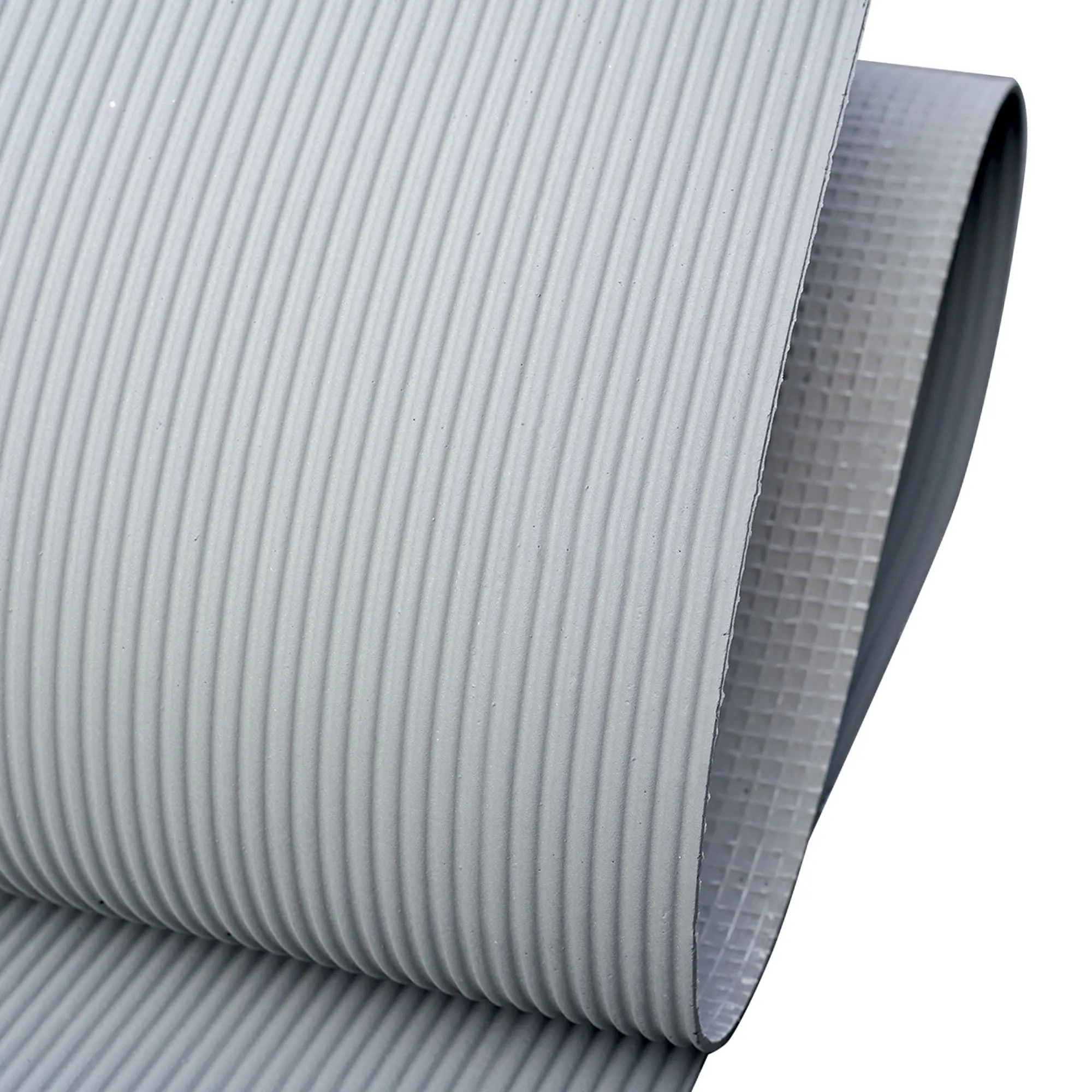
COLORIA GROUP's MCM Solutions: Here's where MCM truly shines. Our MCM products, particularly the MCM Flexible Stone and MCM Project Board Series , are incredibly lightweight and flexible. This characteristic dramatically simplifies transport and handling. Installation is often a dry process, requiring only a specialized adhesive and basic tools, eliminating the need for wet mortar, extensive grouting, and heavy machinery. The flexibility of MCM materials allows them to adhere seamlessly to various substrates, even slightly irregular ones, reducing the need for extensive surface preparation. The installation time is significantly reduced, often by 50% or more compared to traditional tiles, directly translating to lower labor costs and faster project completion. This efficiency is a massive advantage for commercial projects where time is money. For example, applying a large area of MCM Big Slab Board can be completed much faster than installing multiple smaller ceramic tiles to cover the same area, minimizing disruption and accelerating occupancy.
Ceramic Tiles: While durable against wear and tear in ideal conditions, ceramic tiles are prone to chipping and cracking upon impact, especially at the edges or if heavy objects are dropped. The grout lines, a necessary component of ceramic tile installation, are often the weakest point, susceptible to staining, mold growth, and degradation over time, requiring regular sealing and cleaning. Replacing a damaged tile can be a complex and often visible repair, impacting the overall aesthetic uniformity of the surface. Furthermore, freeze-thaw cycles can cause damage to outdoor ceramic tile installations if not specifically rated for exterior use, leading to expansion and contraction issues.
COLORIA GROUP's MCM Solutions: Engineered for resilience, MCM products boast superior resistance to impact, abrasion, and scratching. Their inherent flexibility allows them to absorb shocks without cracking, a common issue with rigid ceramic tiles. MCM materials are also highly resistant to UV radiation, fading, and extreme weather conditions, making them ideal for both interior and exterior applications, even in harsh climates like those found in regions where our partner agencies operate, such as Saudi Arabia. Unlike grout lines, MCM often allows for seamless or near-seamless installations, eliminating the primary vulnerability points found in ceramic tiling. This significantly reduces maintenance needs and ensures a pristine appearance for much longer. The material's color is often integrated throughout, meaning minor scratches are less noticeable, contributing to its sustained aesthetic appeal over decades.
Ceramic Tiles: Maintenance for ceramic tiles primarily involves routine cleaning of the tile surface and, more significantly, the grout lines. Grout is porous and can easily absorb dirt, grease, and moisture, leading to discoloration, mildew, and bacterial growth. Regular scrubbing, special grout cleaners, and periodic resealing are often necessary to keep tiled surfaces looking presentable. In high-traffic areas, grout deterioration can accelerate, requiring costly regrouting or even complete re-tiling over time. This continuous effort and the associated product costs add up over the lifespan of the installation.
COLORIA GROUP's MCM Solutions: The low maintenance nature of MCM is a key factor in its long-term value. Our MCM products are designed to be non-porous and highly resistant to stains and dirt. A simple wipe-down with water and mild detergent is typically all that's needed to maintain their pristine condition. With minimal or no grout lines, the Achilles' heel of ceramic tiles is effectively eliminated. This means no tedious grout cleaning, no worry about mildew, and no need for frequent resealing. The cost savings in cleaning products, labor, and time over the years are substantial, making MCM an economically savvy choice for both residential and commercial settings. Its inherent anti-bacterial properties further contribute to a healthier environment with less effort.
Ceramic Tiles: The production of ceramic tiles is an energy-intensive process, involving high-temperature kilns which consume significant amounts of natural gas or electricity, leading to a substantial carbon footprint. Raw material extraction can also be environmentally impactful. Disposal of ceramic waste, both from production and demolition, often ends up in landfills, as recycling options are limited and energy-intensive. While durable, their end-of-life cycle management presents challenges.
COLORIA GROUP's MCM Solutions: Sustainability is at the core of COLORIA GROUP's mission, and our MCM products exemplify this commitment. They are manufactured using a low-temperature, low-energy process, significantly reducing their carbon footprint compared to traditional ceramics. The raw materials are often abundant inorganic minerals, and the production process generates minimal waste. MCM is also a lightweight material, reducing transportation energy and emissions. Furthermore, MCM products are often recyclable at the end of their long lifespan, contributing to a circular economy. Their green environmental protection characteristics mean they are free from harmful substances like formaldehyde, ensuring healthier indoor air quality. Choosing MCM aligns your project with modern sustainability goals and offers peace of mind regarding its ecological footprint.
Ceramic Tiles: Ceramic tiles offer a good range of colors, patterns, and sizes. However, they are inherently limited by their rigid, flat form. Customization typically involves cutting standard tiles into specific shapes, which can lead to waste and design constraints. While digital printing has expanded design options, creating complex textures or mimicking very specific natural materials with true fidelity can be challenging and expensive.
COLORIA GROUP's MCM Solutions: This is an area where MCM truly excels, offering unparalleled design freedom. Thanks to its innovative composition and manufacturing capabilities, MCM can replicate virtually any texture and appearance. Our MCM Big Slab Board Series offers grand, expansive visuals, while MCM Flexible Stone provides the authentic look and feel of natural stone without its weight or rigidity. The MCM 3D Printing Series pushes boundaries even further, allowing for intricate, custom three-dimensional patterns and bespoke designs that are simply impossible with traditional ceramic tiles. Whether you envision the warmth of aged wood, the sleekness of polished concrete, the ruggedness of natural rock, or a completely unique artistic creation, MCM can bring your vision to life. This customization capability allows architects and designers to unleash their creativity without compromise, creating truly unique and personalized spaces.
Ceramic Tiles: While generally safe, ceramic tiles can become extremely slippery when wet, posing a fall risk, especially in bathrooms, kitchens, and outdoor areas. Anti-slip treatments are available but can alter the tile's appearance or wear off over time. The hard surface also offers no sound absorption, contributing to noise reverberation in rooms.
COLORIA GROUP's MCM Solutions: MCM offers inherent safety advantages. Many MCM surfaces have a natural texture that provides better grip, reducing slip hazards. Its slightly resilient nature can also contribute to a more comfortable walking surface compared to hard ceramics. Furthermore, MCM is often fire-retardant, adding an extra layer of safety to your buildings. As mentioned earlier, the materials are free from harmful VOCs and toxins, promoting healthier indoor air quality, which is increasingly important for occupant well-being.
| Feature | COLORIA GROUP's MCM Solutions | Ceramic Tiles |
|---|---|---|
| Installation | Fast, lightweight, flexible, low labor cost, minimal wet work, adheres to various substrates. | Labor-intensive, heavy, rigid, high skill required, extensive grouting, substrate preparation critical. |
| Durability | High resistance to impact, abrasion, cracking, UV, and weather; long-lasting aesthetic. | Durable, but prone to chipping/cracking on impact; grout lines are vulnerable; freeze-thaw issues for non-rated types. |
| Maintenance | Very low; easy to clean, no grout lines to maintain, resistant to stains and mildew. | Moderate to high; regular grout cleaning, sealing, and potential re-grouting. |
| Environmental Impact | Low-energy production, lightweight (less transport impact), often recyclable, eco-friendly, low VOCs. | High-energy production, heavy (more transport impact), limited recycling, raw material extraction. |
| Design Flexibility | Exceptional; mimics diverse materials, 3D textures, vast customization, flexible shapes. | Good range, but limited by rigid form; less ability for complex textures or custom shapes. |
| Weight | Extremely lightweight, reduces structural load. | Heavy, requires robust sub-structures, increases transport costs. |
| Cost Over Time | Higher initial material cost possible, but significantly lower installation, maintenance, and replacement costs lead to superior long-term value. | Lower initial material cost often, but higher installation, maintenance, and potential replacement costs increase long-term expenditure. |
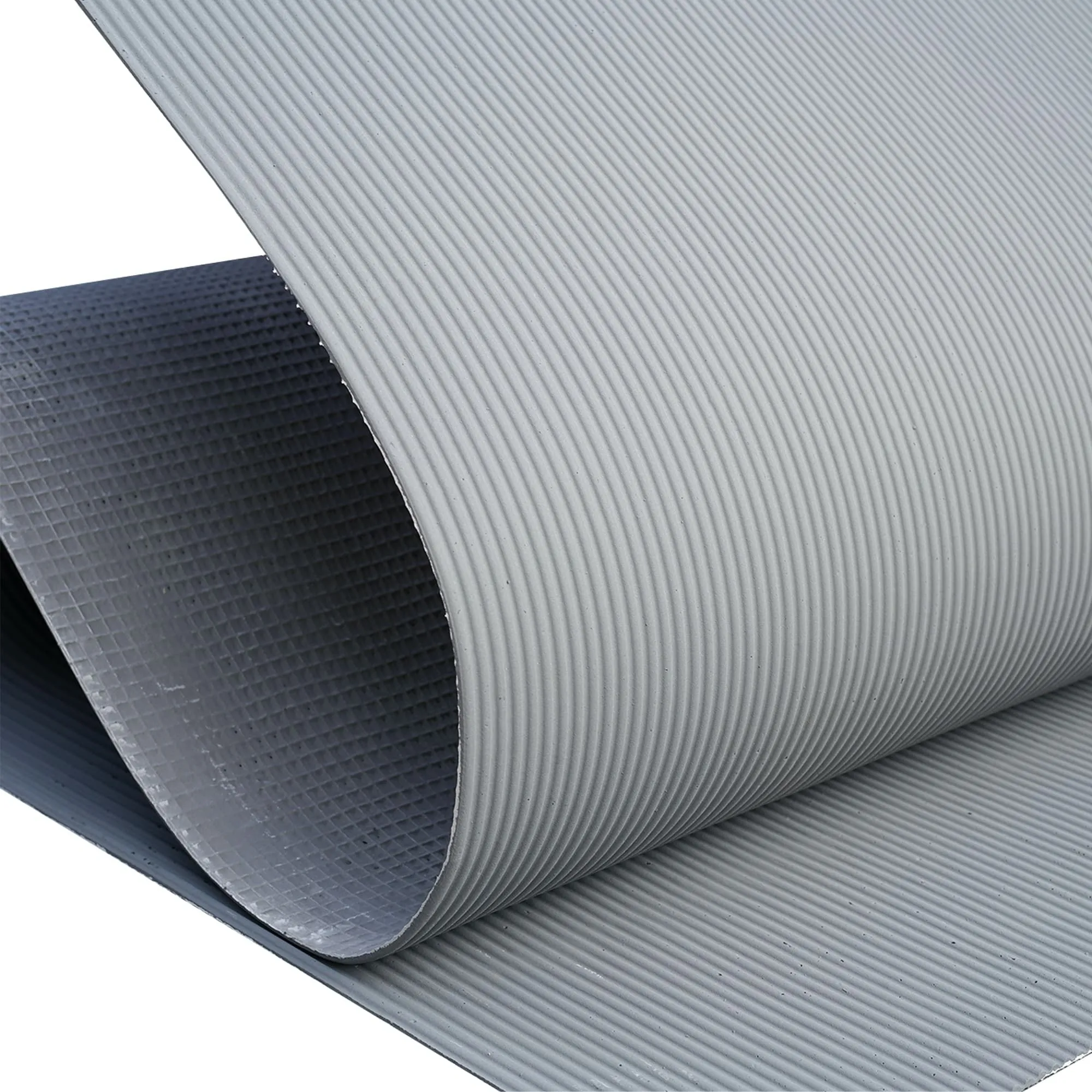
When we talk about long-term value in construction materials, it's not simply about the price tag you see upfront. It's about a holistic evaluation that encompasses the entire lifecycle of the material:
"In today's fast-paced construction world, choosing a material isn't just about how it looks, but how it performs, how long it lasts, and how it impacts our planet. Our MCM solutions are designed to deliver on all fronts, providing not just beauty but enduring value that traditional materials often struggle to match."
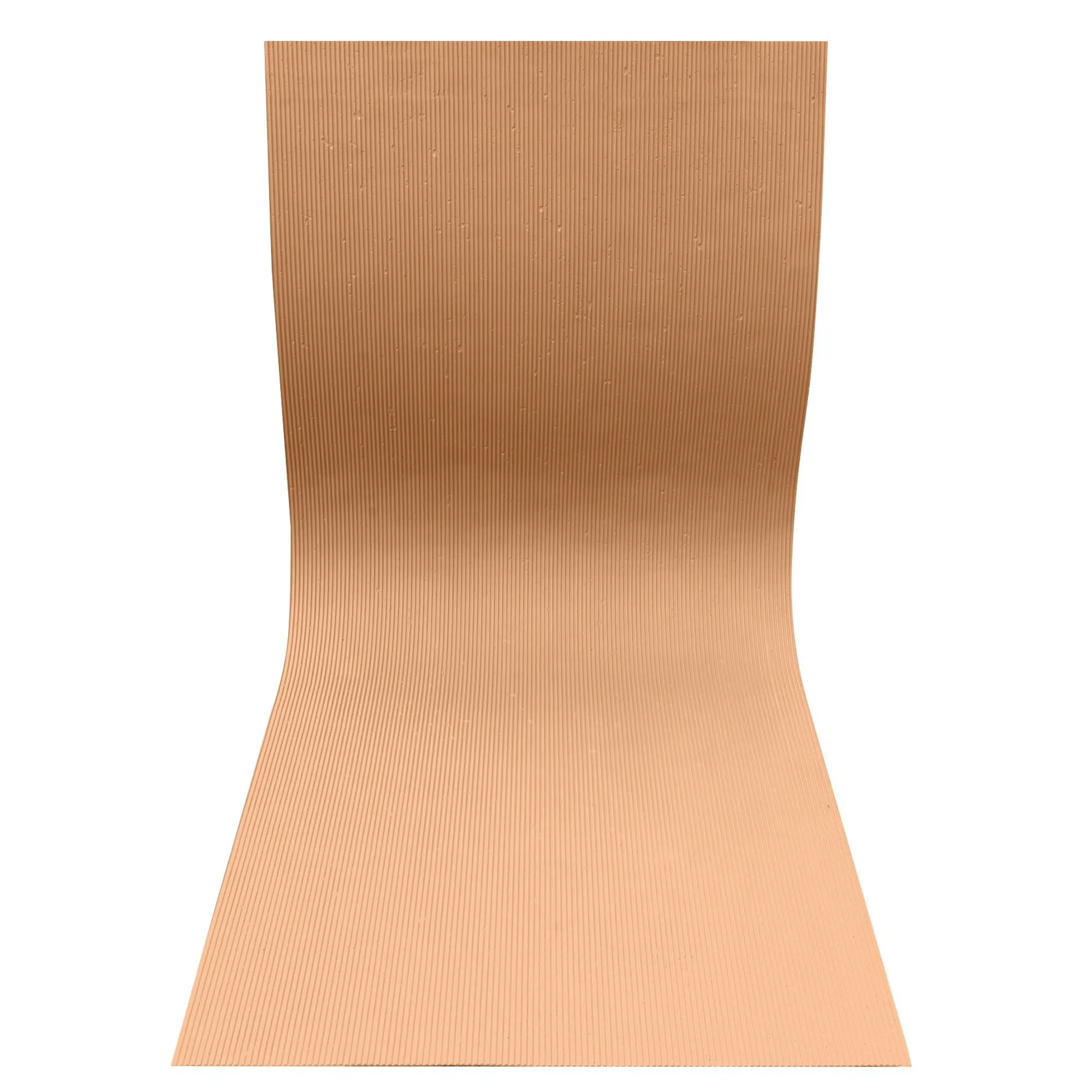
At COLORIA GROUP, we understand the complexities of modern construction. We're not just selling materials; we're offering comprehensive solutions backed by decades of experience and a commitment to innovation. Our global presence, including dedicated agencies in strategic markets like Saudi Arabia, ensures that our high-quality MCM product series are accessible and supported wherever your projects take you.
We believe that true long-term value comes from materials that are:
This comprehensive approach to material excellence defines COLORIA GROUP. When you choose our MCM solutions, you're not just selecting a finish; you're investing in the longevity, sustainability, and unparalleled aesthetic appeal of your architectural endeavors. You're opting for a material that evolves with architectural demands, offering performance that ceramic tiles, despite their long history, simply cannot match in the contemporary context.
Ready to elevate your next project with materials that offer genuine long-term value and sustainable performance? Discover the difference COLORIA GROUP's MCM solutions can make.
Recommend Products











