

In the ever-evolving landscape of architecture and design, the choices we make today reverberate for generations. From the grandest structures to the smallest interior details, every material selection carries a weight—not just in terms of aesthetics and performance, but increasingly, in its environmental footprint and ethical implications. As conscientious builders, developers, and designers, we're all seeking solutions that merge beauty with responsibility. This deep dive aims to unravel the complexities surrounding two distinct material choices for facades and interiors: traditional limestone and innovative alternatives like the 'Semicircle Board,' a representative of advanced Modified Cementitious Material (MCM) technologies offered by pioneers like COLORIA GROUP . Our focus will be on their environmental impact and the ethics behind their sourcing and production.
The global construction industry is at a crossroads. With a growing awareness of climate change, resource depletion, and social equity, there's an undeniable push towards more sustainable practices. This isn't just a trend; it's becoming a fundamental requirement, driven by consumer demand, regulatory pressure, and a collective conscience. Projects today aren't just judged on their structural integrity or visual appeal, but also on their lifecycle assessment, energy efficiency, and embodied carbon.
This shift has amplified the importance of material science, prompting a re-evaluation of age-old staples and a vigorous pursuit of innovative, greener alternatives. Companies like COLORIA GROUP have emerged as key players in this transition, positioning themselves as a leading one-stop solution provider for sophisticated, eco-conscious building materials.
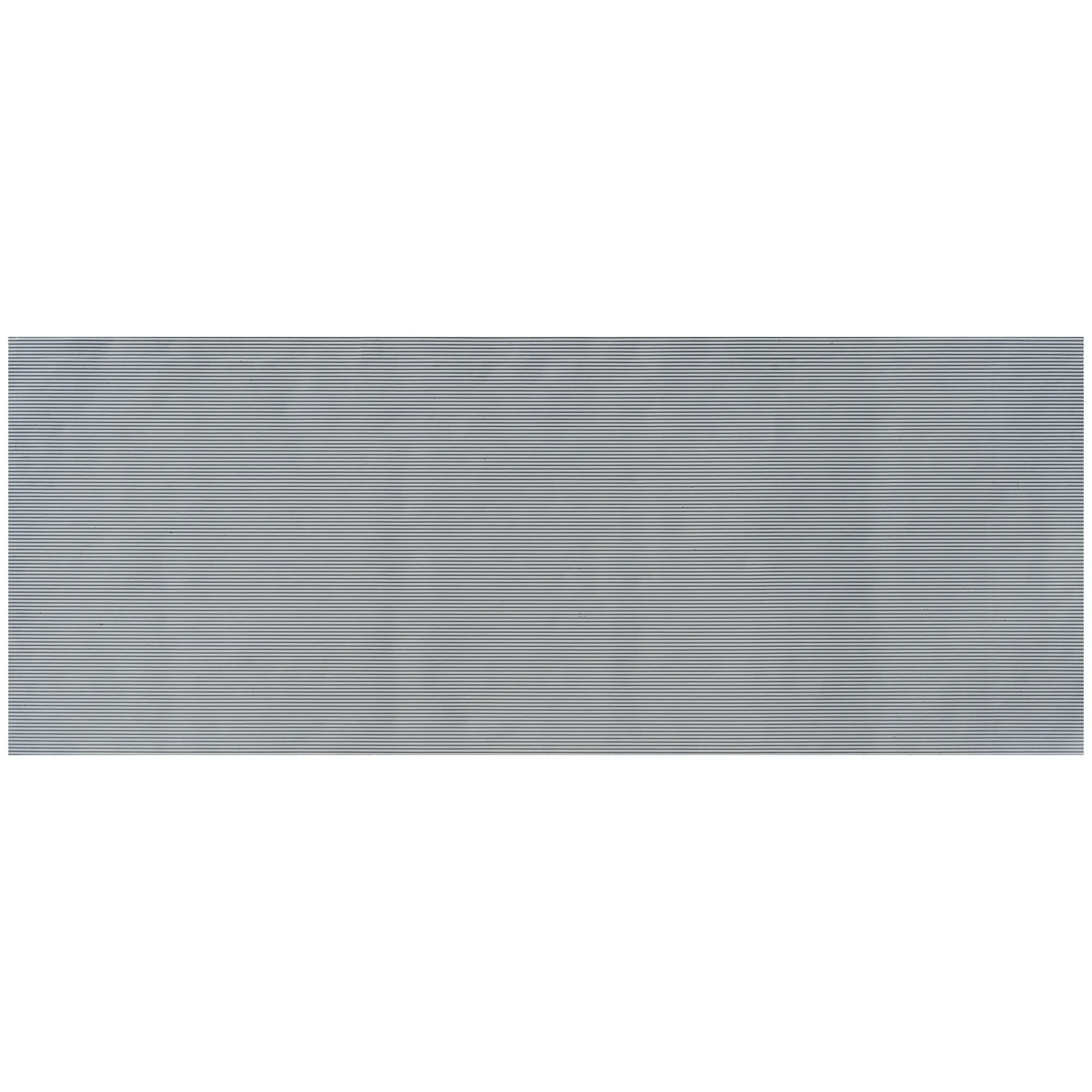
Limestone has graced human structures for millennia. From the pyramids of Giza to Roman temples and grand cathedrals, its enduring beauty, strength, and versatility have made it a cornerstone of architectural history. As a natural stone, it embodies a sense of permanence and grandeur that is hard to replicate. But what are the contemporary challenges associated with its use?
Beyond the purely environmental aspects, the ethical dimensions of sourcing natural stone are increasingly scrutinized.
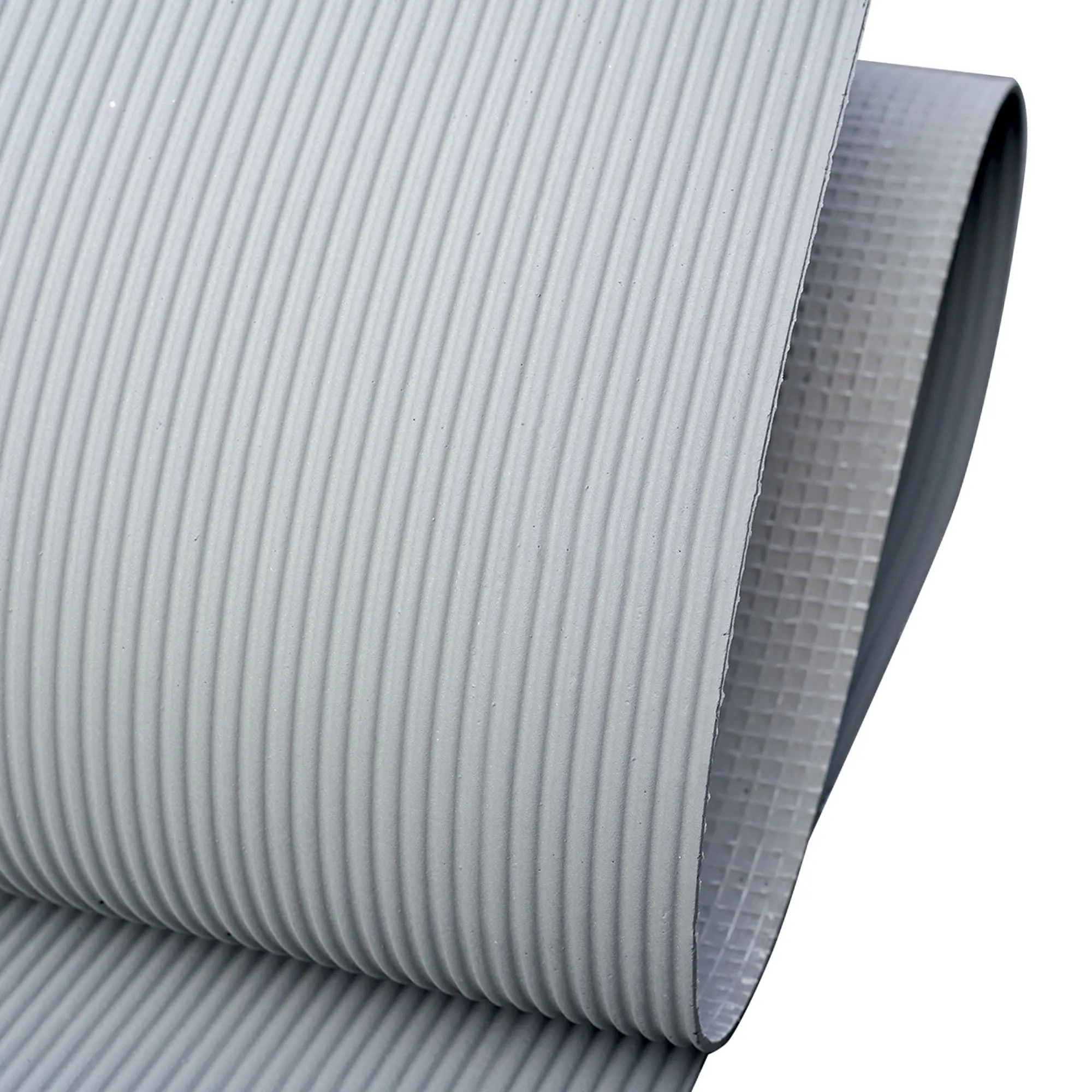
Now, let's turn our attention to the 'Semicircle Board,' a conceptual representation of the advanced MCM (Modified Cementitious Material) products pioneered by COLORIA GROUP . MCM materials are a class of engineered composites that aim to replicate the look and feel of natural materials like stone, wood, and brick, but with significantly enhanced environmental and performance attributes. They represent a paradigm shift in the manufacturing of building facades and interior finishes.
COLORIA GROUP 's MCM offerings, which include their MCM Big Slab Board Series , MCM Project Board Series , MCM 3D Printing Series , and MCM Flexible Stone , are designed to address the very challenges that traditional materials like limestone present. The "Semicircle Board" could be seen as an example of their customizable design capabilities, allowing for unique architectural expressions.
The ethical advantages of MCM products often stem directly from their manufacturing process and material composition.
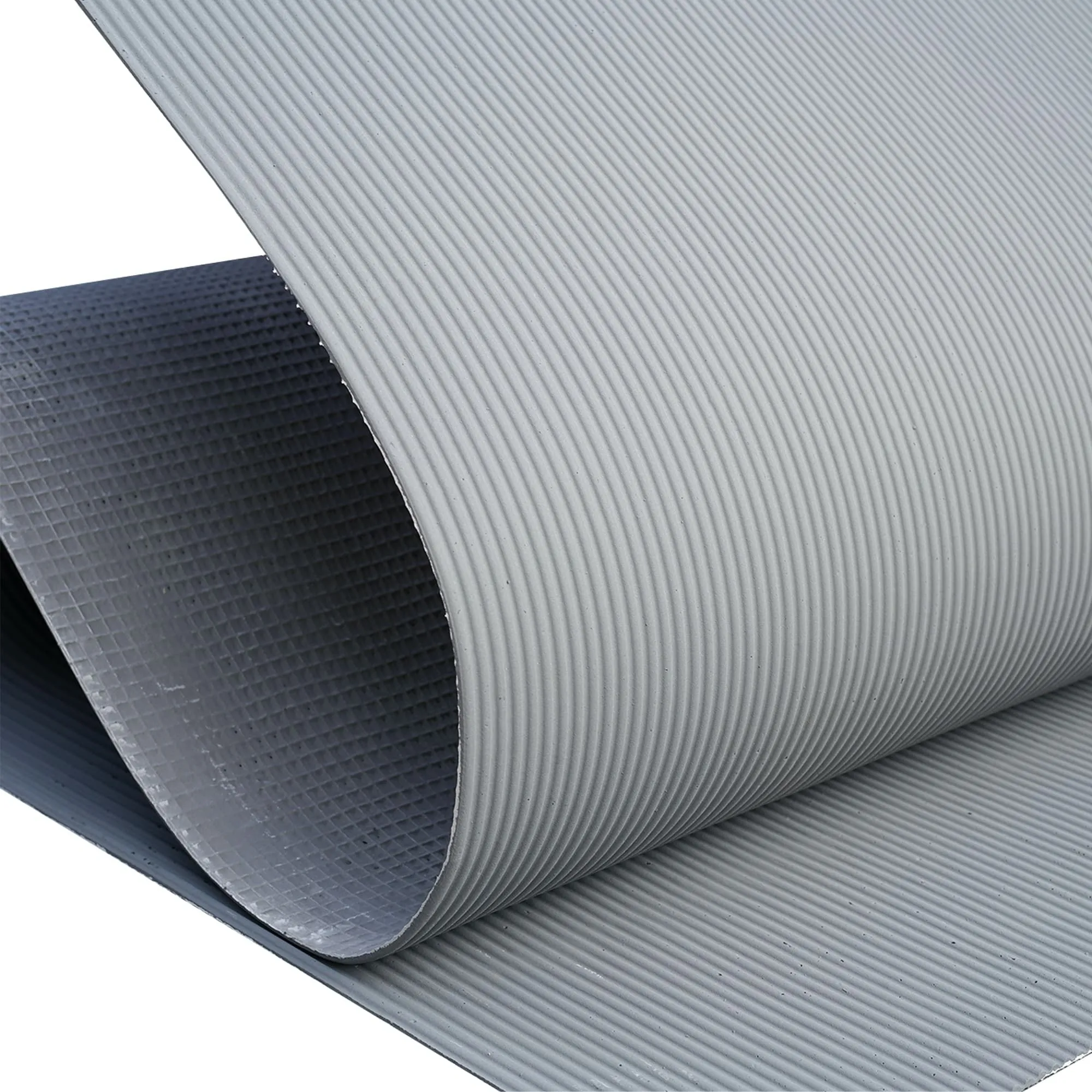
To make an informed decision, let's directly compare the two materials across key environmental and ethical parameters. This table highlights the significant differentiators, providing a clearer picture of why innovative materials are gaining traction.
| Feature/Parameter | Limestone (Traditional) | MCM Semicircle Board (COLORIA GROUP) |
|---|---|---|
| Raw Material Source | Quarried natural rock (finite resource) | Natural mineral powders, clay, recycled materials (abundant, often recycled content) |
| Extraction Impact | Significant land degradation, habitat destruction, soil erosion, high energy for quarrying | Minimal extraction impact, avoids quarrying, uses industrial byproducts or common earth minerals |
| Manufacturing Energy | High energy for cutting, shaping, polishing, heavy machinery operation | Low-temperature processing (below 200°C), significantly lower energy consumption |
| Water Consumption | Moderate to high, for quarrying, dust suppression, cooling | Minimal water usage in production process |
| Waste Generation | High waste percentage from quarrying and cutting | Low waste production, potential for incorporating recycled content |
| Transportation Impact | High due to weight and often long-distance shipping; higher carbon footprint | Low due to lightweight nature; significantly reduced fuel consumption and emissions |
| Labor Ethics | Potential for exploitation, unsafe conditions in unregulated quarries; challenging to monitor global supply chains | Controlled factory environments, adherence to international labor standards; greater transparency |
| Certifications/Transparency | Challenging for raw stone from diverse global sources | Typically carries various environmental and quality certifications (e.g., LEED, CE, ASTM), high transparency |
| Versatility & Customization | Limited by natural stone's inherent properties and shapes; heavy to manipulate | Highly customizable in terms of shape, texture, color, size; adaptable for various architectural designs like 'Semicircle Board' |
| Performance Attributes | Durable, unique aesthetics, but heavy, often porous, requires sealing | Durable, flexible, breathable, waterproof, fire-retardant, anti-fouling, lightweight, low-maintenance |
| Cost Implications (Lifecycle) | Higher installation costs due to weight, higher transport, some maintenance | Lower installation costs, reduced transport costs, minimal maintenance requirements; competitive lifecycle cost |
The comparison vividly illustrates the systemic advantages of advanced materials like MCM. While limestone holds an undeniable aesthetic charm and historical significance, the contemporary pressures of environmental stewardship and ethical sourcing increasingly push us towards more responsible alternatives.
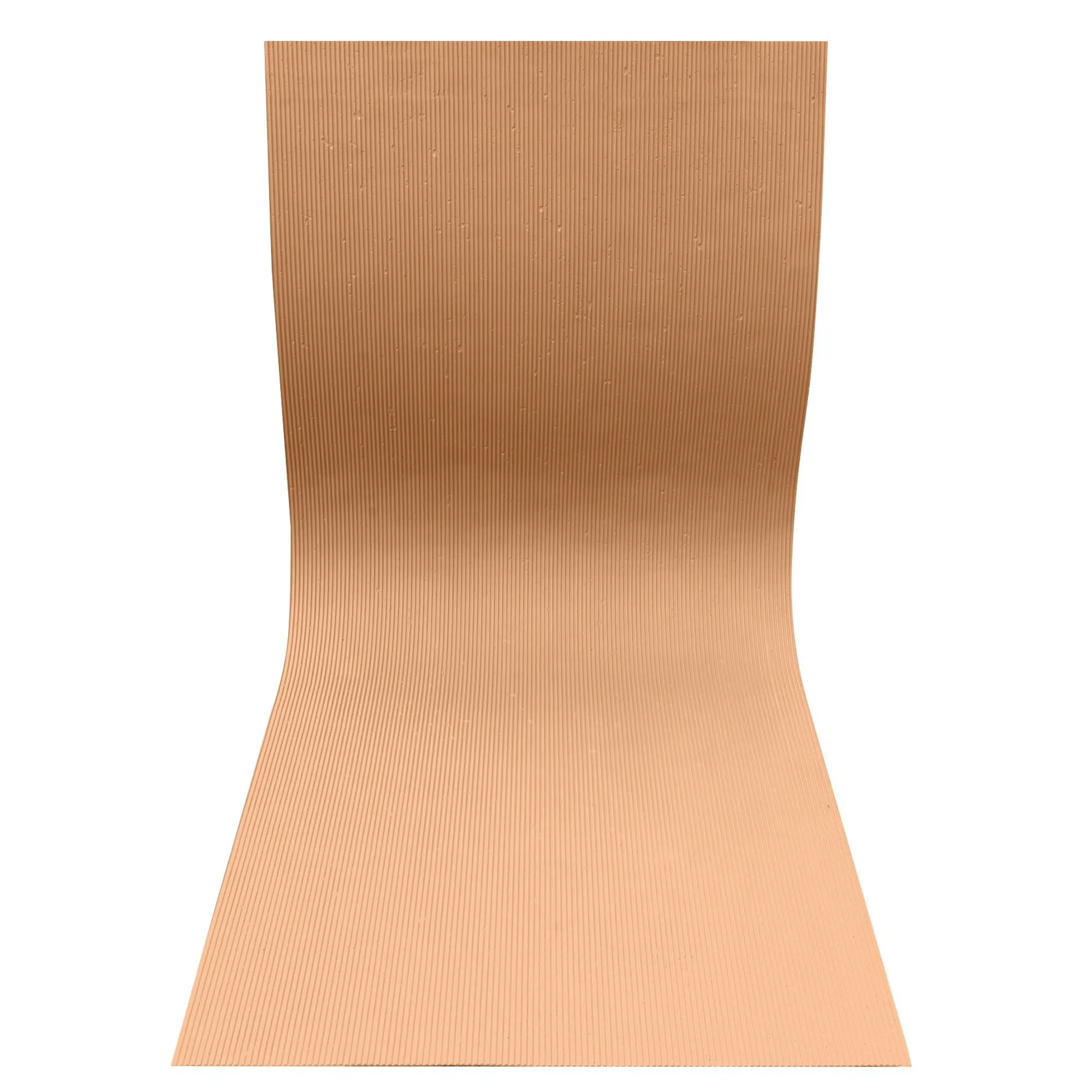
Choosing a material isn't just about its direct impact; it's about the ripple effect it creates across the entire value chain and into the future. When a developer or architect specifies MCM products from a reliable partner like COLORIA GROUP , they are not just selecting a facade material; they are making a statement about their commitment to a more sustainable future.
The lightweight and flexible nature of MCM opens up new possibilities for design. It allows for creative freedom, enabling architects to realize complex shapes, intricate textures, and diverse finishes that might be impractical or impossible with heavy natural stone. The 'Semicircle Board' concept itself speaks to this versatility – imagine curving facades or bespoke interior elements that seamlessly integrate without the structural burden. This capacity for customizable design, combined with excellent performance, makes MCM a preferred choice for projects demanding both innovation and sustainability.
Beyond initial installation, the long-term maintenance and durability of a material contribute significantly to its overall environmental and economic impact. MCM products are renowned for their resistance to fading, cracking, and pollution, requiring minimal maintenance over their extended lifespan. This reduces the need for harsh cleaning chemicals, costly repairs, and premature replacement, thereby lowering the building's operational carbon footprint and saving resources in the long run. This aligns perfectly with the principles of green environmental protection .
COLORIA GROUP 's presence in the global market , including a strong foothold with agencies in Saudi Arabia, underscores their ability to deliver these advanced solutions worldwide. This global reach, however, is paired with a commitment to local considerations—understanding regional design preferences, climatic challenges, and regulatory frameworks. Their extensive experience ensures that projects, whether residential or commercial, receive tailored support and high-quality materials, wherever they are in the world.
"In an era where every design decision is scrutinized for its impact, selecting materials that embody environmental responsibility and ethical sourcing is not just a preference, but a professional imperative. The transition from traditional, resource-intensive options to innovative, sustainable alternatives like COLORIA GROUP's MCM materials marks a critical step forward for the global construction industry."
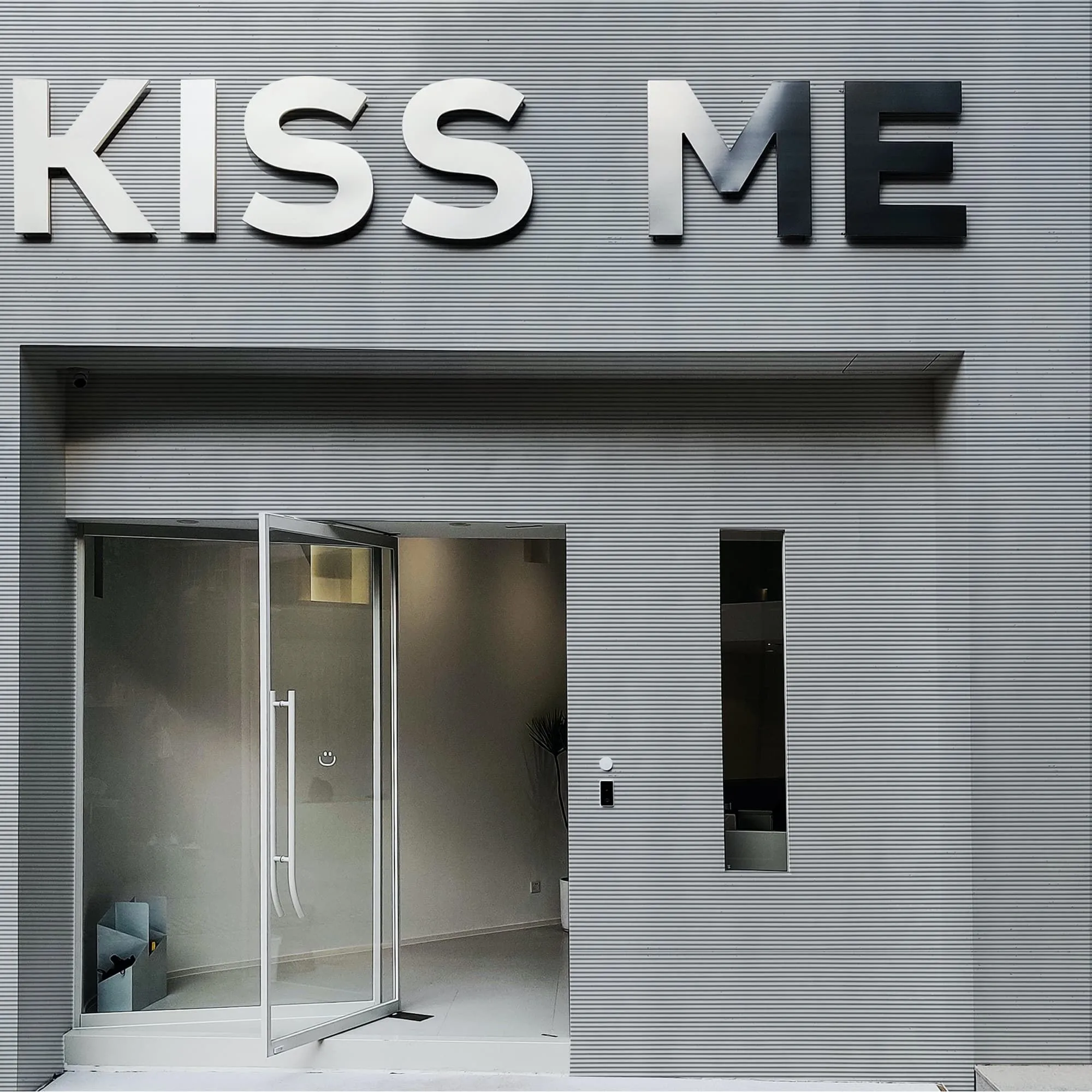
The debate between traditional materials like limestone and modern innovations such as the MCM Semicircle Board highlights a fundamental shift in how we approach construction. While limestone offers historical charm and natural aesthetics, its environmental and ethical footprint—stemming from quarrying, energy-intensive processing, and transportation—presents significant challenges in our current climate-conscious world.
On the other hand, MCM products, epitomized by the COLORIA GROUP 's diverse range, offer a compelling alternative. Their low-impact production, minimal resource depletion, reduced transportation burden, and superior performance characteristics align perfectly with the principles of green environmental protection . As a one-stop solution provider , COLORIA GROUP not only offers these innovative materials but also provides the expertise and service to integrate them seamlessly into residential and commercial projects globally, from the initial concept to the final installation. Their commitment to customizable solutions ensures that architectural vision is never compromised.
As the construction industry continues its journey towards greater sustainability, the choice of materials will play a pivotal role. By embracing advanced, ethically sourced, and environmentally friendly options like MCM (Modified Cementitious Material) , we can collectively build structures that are not only beautiful and functional but also responsible stewards of our planet and its people. It's about building a legacy that future generations will thank us for, not just admire.
Recommend Products











