

In the dynamic world of architecture and construction, choosing the right material for exterior and interior finishes can make or break a project. Architects, designers, and developers are constantly seeking materials that not only meet aesthetic demands but also offer practical benefits like ease of installation, durability, and sustainability. Today, we're diving deep into a fascinating comparison: the innovative MCM (Modified Cementitious Material) Semicircle Board, as championed by COLORIA GROUP, versus the traditional workhorse, precast concrete. We'll explore how these materials stack up, particularly focusing on their installation ease and the boundless opportunities they present for design flexibility.
COLORIA GROUP stands as a leading one-stop solution provider in the architectural materials domain, boasting decades of industry experience. Our mission is to equip residential and commercial projects with high-quality interior and exterior finishing materials and comprehensive support services. With a global footprint and a significant presence, including an agency in Saudi Arabia, we are deeply committed to pioneering advancements in construction materials. Our core offering revolves around the revolutionary MCM series products , which include diverse applications like the MCM Big Slab Board Series, MCM Project Board Series, MCM 3D Printing Series, and MCM Flexible Stone. These materials are primarily utilized for building interior and exterior wall decoration, with a strong emphasis on customization and green environmental protection .
Before we pit them against each other, let's properly introduce our main contender: the MCM Semicircle Board. While "semicircle board" might sound like a specific shape, it represents the versatile and customizable nature of our MCM Big Slab Board Series and MCM Project Board Series . Imagine a material that marries the aesthetic appeal of natural stone, wood, or even concrete, with unparalleled flexibility, lightweight properties, and eco-friendliness. That's essentially what Modified Cementitious Material brings to the table.
MCM is crafted from natural mineral powders, quartz sand, and other natural aggregates, mixed with a polymer binder and processed through a specialized low-temperature baking and forming technology. This results in a material that is incredibly light, thin, yet remarkably durable. It can be engineered to mimic almost any texture and shape, opening up a universe of design possibilities – including various geometric forms like semicircles, providing a soft yet modern aesthetic.
On the other side, we have precast concrete. This material is a staple in construction, known for its strength, durability, and ability to be manufactured off-site in controlled environments. Precast concrete panels are cast in a factory, transported to the construction site, and then erected. This method offers consistency in quality and can significantly speed up the construction timeline compared to pouring concrete on-site. It's often used for structural elements, facades, and large-scale architectural features, offering a robust and long-lasting solution.
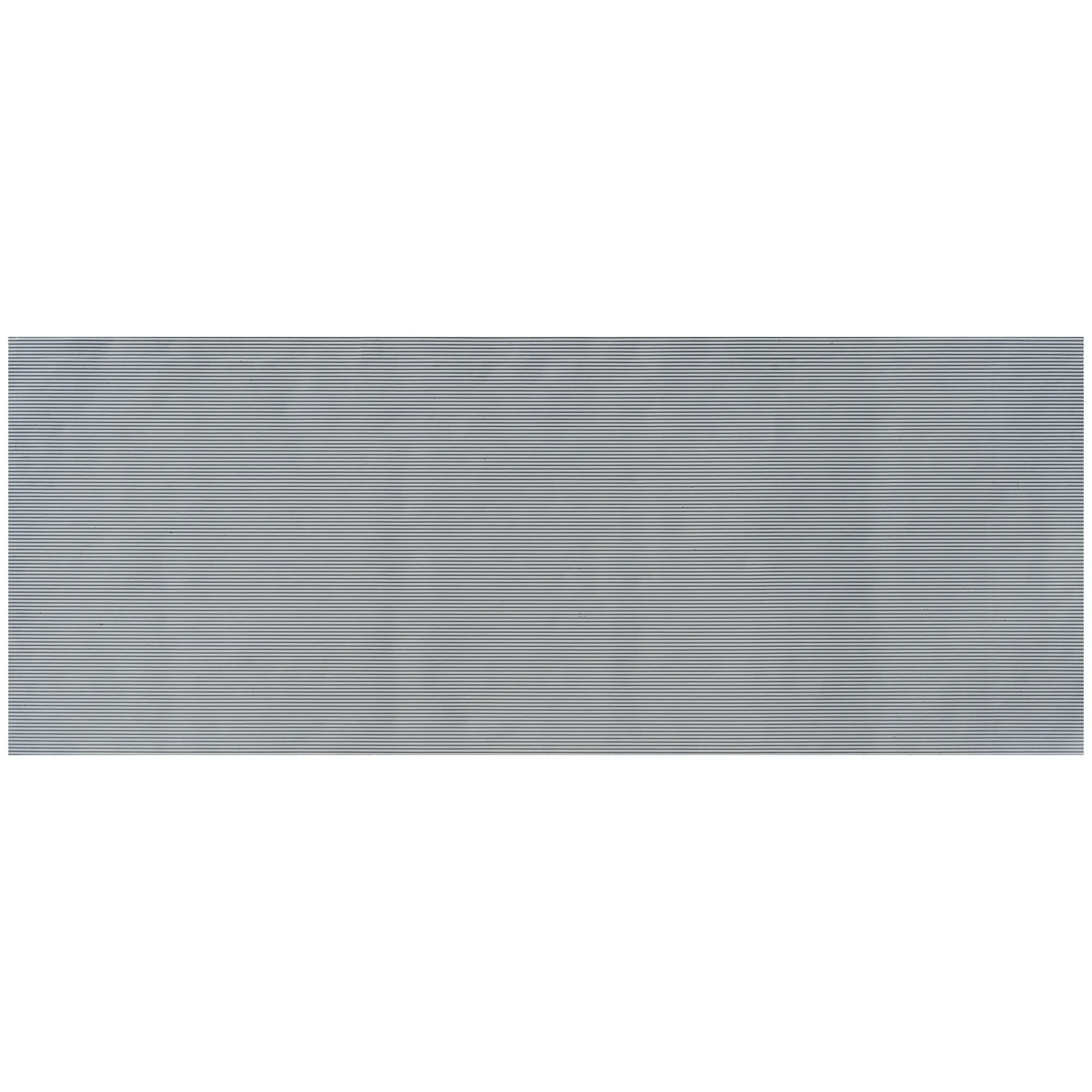
When it comes to construction projects, time is money, and ease of installation directly impacts both project timelines and budgets. Let's compare how the MCM Semicircle Board and precast concrete fare in this crucial aspect.
Consider a renovation project where an existing facade needs a modern update. Applying an MCM Semicircle Board veneer can be done quickly, with minimal noise and disruption, making it an ideal choice for occupied buildings or projects with tight schedules.
In terms of pure installation ease, speed, and cost-effectiveness for façade finishes, the MCM Semicircle Board, representing COLORIA GROUP's versatile MCM products, clearly holds an advantage over precast concrete. Its lightweight nature, flexibility, and simpler application methods translate into faster project completion, reduced labor, and fewer logistical hurdles, making it a compelling choice for a wide array of projects.
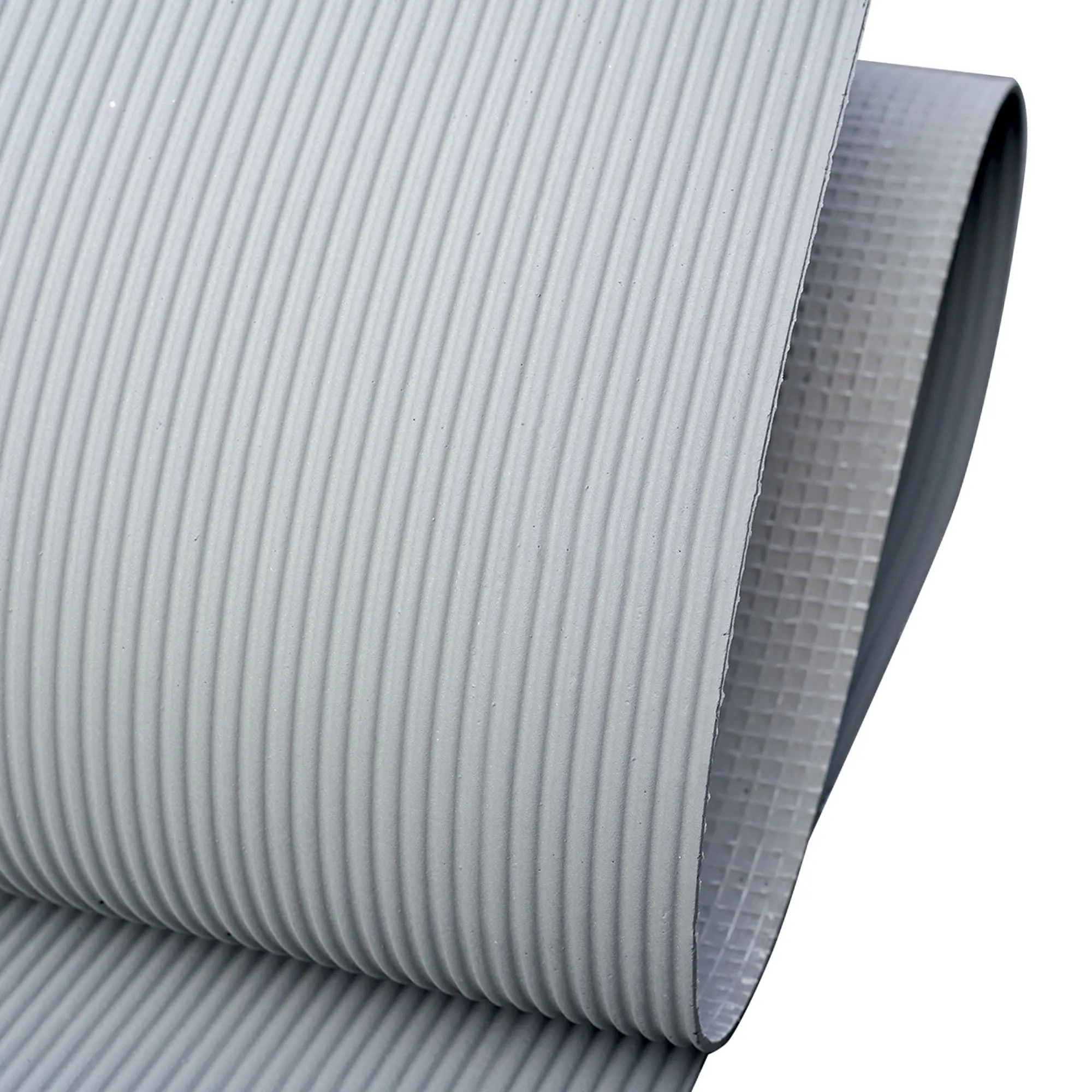
Beyond the practicalities of installation, the aesthetic potential and ability to realize unique architectural visions are paramount. Here, both materials offer distinct advantages, but MCM pushes the boundaries further, especially with customization at its core.
For projects demanding ultimate design freedom, intricate detailing, a vast array of finishes, and the ability to replicate diverse natural materials, the MCM Semicircle Board and COLORIA GROUP's broader MCM series are the undisputed champions. While precast concrete offers a robust and specific aesthetic, MCM's inherent adaptability and customization capabilities empower architects to push the boundaries of their creativity without compromising on performance or sustainability.
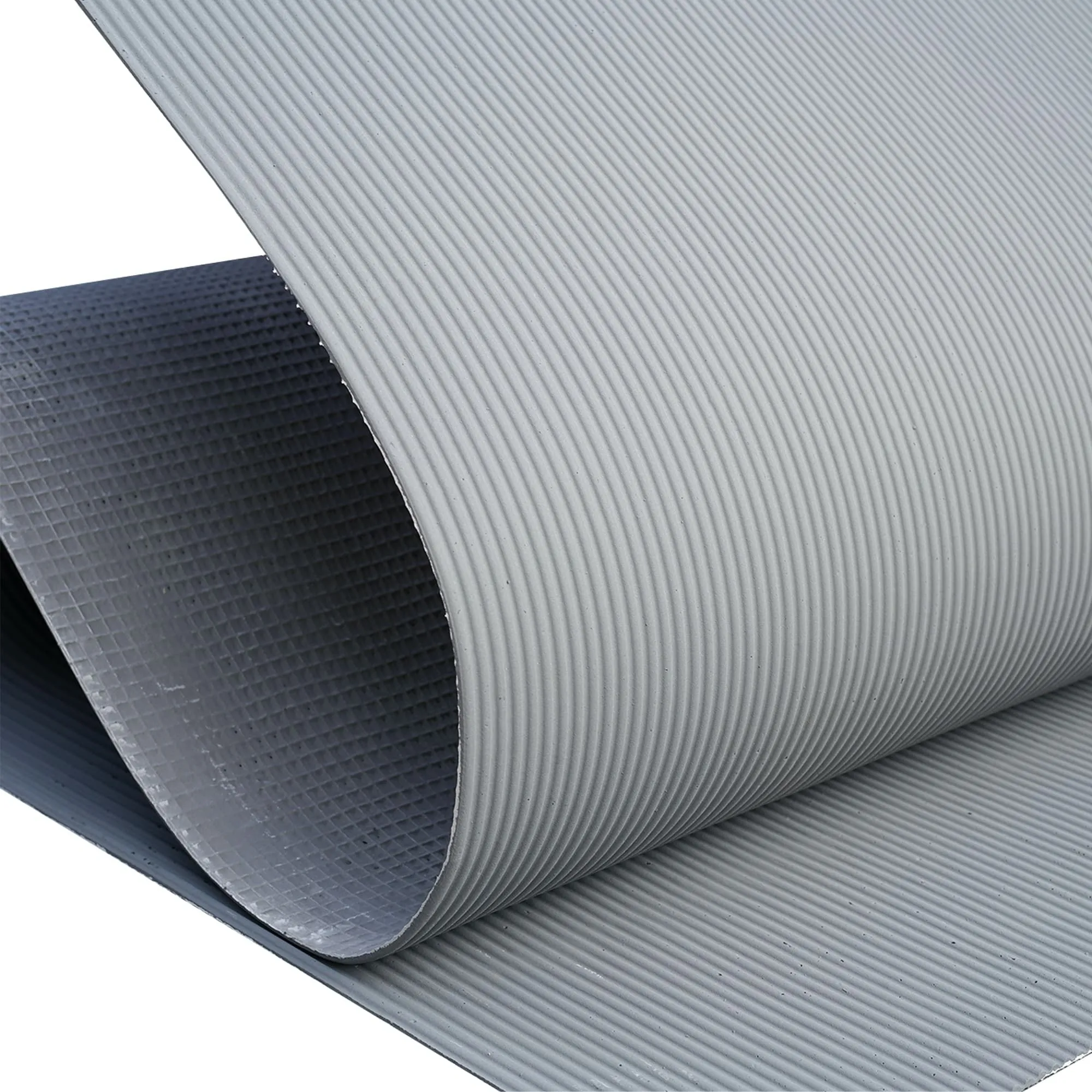
While the "Semicircle Board vs. Precast Concrete" comparison highlights crucial aspects, it's important to understand the broader value proposition that COLORIA GROUP's MCM (Modified Cementitious Material) brings to the table for any architectural project. Our position as a one-stop solution provider isn't just about offering a material; it's about delivering a complete, high-performance package.
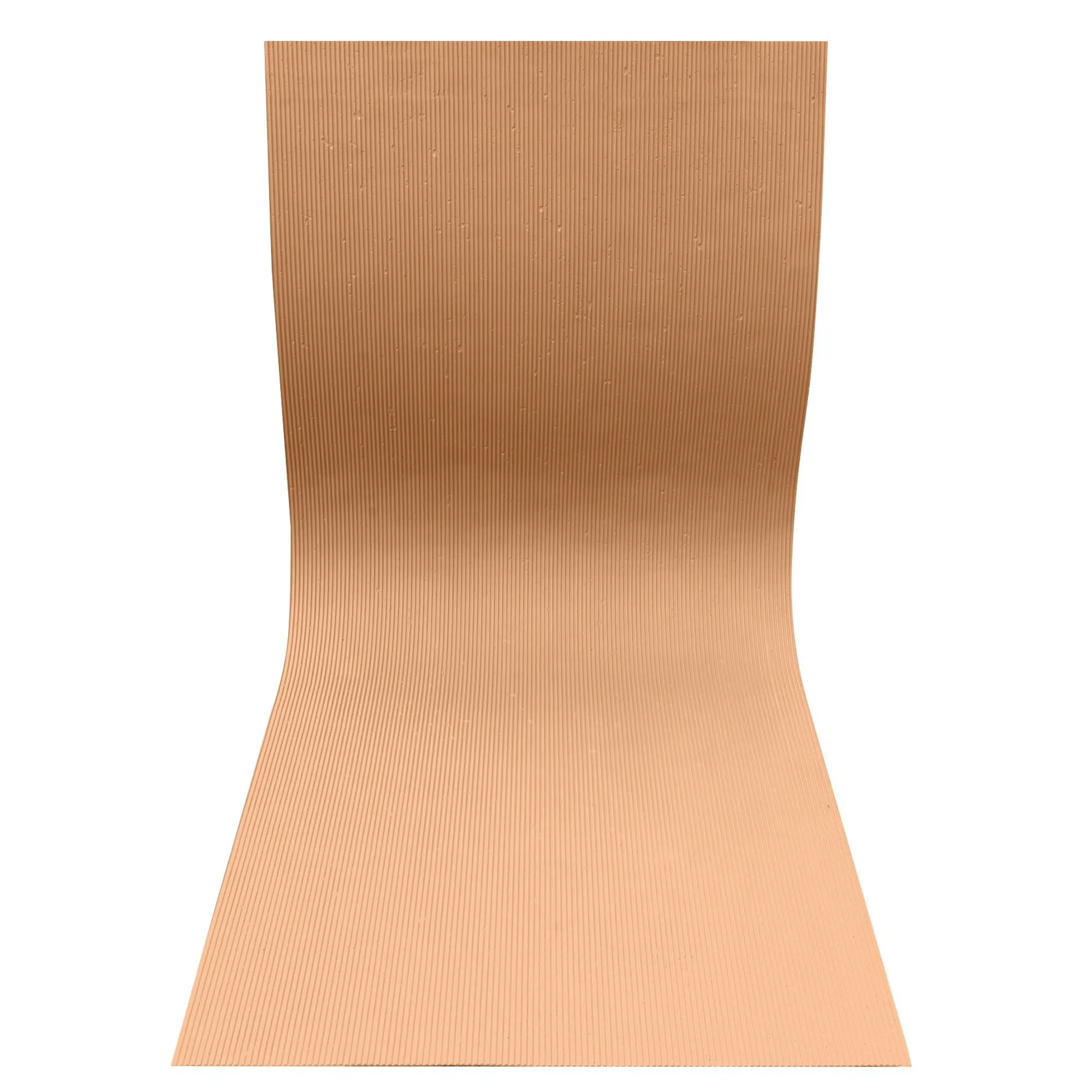
Imagine a luxury residential complex aiming for a sophisticated natural stone facade but needing to manage weight and installation timelines. COLORIA GROUP's MCM Big Slab Board Series, mimicking large-format marble, can be easily installed, creating a stunning visual impact without the structural challenges of real stone. For a commercial tower in Riyadh, our MCM Project Board Series, perhaps in a custom semicircle pattern, offers both the modern aesthetic and the resilience needed for the desert climate.
For interior spaces, particularly where curves and unique features are desired, the ease with which our MCM products, including MCM Flexible Stone , can be applied to create seamless, visually engaging surfaces is invaluable. Think of a hotel lobby with a gently curving reception desk clad in a rich, leather-textured MCM, or a restaurant featuring a feature wall with intricate 3D printed MCM elements from our MCM 3D Printing Series , all achieving complex designs with surprising simplicity.
Even in the realm of high-performance architectural solutions, where traditional materials might falter, MCM excels. Its ability to perform consistently in diverse environmental conditions, from arid deserts to humid coastal regions, is a testament to the advanced engineering behind our products.
At COLORIA GROUP, we don't just provide materials; we provide solutions that are at the forefront of innovation. Our continuous research and development in MCM (Modified Cementitious Material) technology ensure that our products not only meet current industry standards but also anticipate future architectural needs. The emphasis on customization and green environmental protection isn't just a trend for us; it's a fundamental commitment embedded in every product we offer, from the MCM Big Slab Board Series to the artistic MCM 3D Printing Series.
As a dedicated one-stop solution provider , we understand the complexities of modern construction projects. That's why our offerings extend beyond just materials to include comprehensive technical support, design consultation, and logistics planning. Whether your project is a sprawling commercial complex or a bespoke residential dwelling, our expertise, honed over decades, ensures a seamless journey from concept to completion.
The comparison between the MCM Semicircle Board (representing the versatile applications of our MCM product lines) and precast concrete reveals a clear trajectory in architectural material innovation. While precast concrete remains a valuable and robust option for specific applications, the agility, design freedom, and sustainability credentials of MCM position it as a superior choice for the evolving demands of modern architecture.
To summarize the key differences, here's a table comparing the MCM Semicircle Board (and broader MCM characteristics) with Precast Concrete:
| Feature | COLORIA GROUP's MCM (e.g., Semicircle Board) | Precast Concrete |
|---|---|---|
| Material Composition | Natural mineral powders, quartz sand, polymer binder (low-temp processed) | Cement, aggregates (sand, gravel), water, additives (factory cast) |
| Weight | Extremely lightweight (1/10th - 1/20th of concrete) | Heavy, requires significant structural support |
| Installation Method | Adhesive-based, simple tools, fast, low labor, dry process | Crane lifting, mechanical fasteners, welding, complex rigging, slow |
| On-site Modifications | Easy to cut, shape, and adjust with standard tools | Difficult, messy, requires specialized cutting equipment, limited flexibility |
| Design Flexibility | High customization : Replicates diverse natural textures (stone, wood, leather), intricate shapes (e.g., Semicircle Board), 3D patterns, vast color range | Good for monolithic forms, limited textures via molds, integral color options, difficult for intricate or curved shapes |
| Aesthetic Range | Versatile, mimics almost any material, modern to traditional | Industrial, robust, monolithic, specific concrete aesthetic |
| Sustainability / Eco-friendliness | High: Low energy consumption, reduced emissions, natural minerals, often recyclable, contributes to green environmental protection | Moderate: Energy-intensive production, heavy transportation impact, can be recycled (crushed) |
| Structural Impact | Minimal, reduces foundation and structural costs | Significant, requires robust structural design and foundations |
| Maintenance | Low, resistant to fading, cracking, and weathering | Moderate, can show efflorescence, requires sealing, may spall over time |
| Best For | Façade cladding, interior feature walls, renovations, complex designs, sustainable projects where customization and quick installation are key | Structural elements, large panel facades, industrial aesthetics, projects prioritizing sheer mass and structural integration |
The ongoing evolution of building materials presents exciting opportunities for architects and developers. While precast concrete has long served as a reliable and robust solution, the advent of innovative materials like COLORIA GROUP's MCM (Modified Cementitious Material) , exemplified by our versatile MCM Big Slab Board and Project Board Series (including custom forms like the "Semicircle Board"), offers compelling advantages that are hard to ignore.
From significantly enhanced installation ease and speed to virtually limitless design customization and a strong commitment to green environmental protection , MCM stands out as a forward-thinking choice. As a one-stop solution provider with decades of expertise, COLORIA GROUP is dedicated to empowering your projects with materials that are not only beautiful and durable but also efficient, economical, and environmentally responsible.
For your next project, whether it demands the elegance of MCM Flexible Stone or the innovative geometries of a bespoke MCM Semicircle Board, consider the transformative potential of COLORIA GROUP's MCM. It's not just a material; it's a strategic advantage in achieving architectural excellence.
Recommend Products











