

Choosing the right material for architectural finishes, especially for interior and exterior walls, is a monumental decision for any construction project. It's not just about aesthetics anymore; factors like environmental impact, long-term durability, ease of installation, and even customizability play pivotal roles. Today, we're diving deep into a comparison between two common choices, often considered for their distinct properties: "Semicircle Board" (a term we'll use to refer to advanced, high-performance paneling solutions like COLORIA GROUP's MCM Big Slab Board Series) and the widely known PVC panels. We'll explore their respective strengths and weaknesses, focusing intently on their environmental footprints and how well they stand the test of time.
In an era where sustainable building practices are not just preferred but often mandated, understanding the ecological implications of materials is paramount. Similarly, the longevity and resilience of chosen materials directly impact a project's life cycle cost and its overall value. This comprehensive comparison aims to equip homeowners, architects, designers, and builders with the insights needed to make informed choices that align with both their aesthetic visions and their commitment to sustainability and enduring quality. Let's peel back the layers and examine what these materials truly bring to the table.
When we talk about "Semicircle Board" in this context, we're specifically referring to high-performance, often eco-friendly, and versatile panel materials that represent the forefront of modern architectural finishes. A prime example, and one we are particularly proud of at COLORIA GROUP, is our **MCM (Modified Cementitious Material) Big Slab Board Series**. These are not your average, run-of-the-mill panels. MCM products are engineered from natural inorganic minerals and a small amount of polymer, processed with patented technology. This results in a material that is incredibly flexible, thin, lightweight, and exceptionally durable.
The name "Semicircle Board" might evoke imagery of specific shapes, but here it metaphorically represents a departure from traditional, rigid, and often environmentally taxing materials. It signifies a category of products that offer design flexibility and superior performance. Our MCM Big Slab Boards, for instance, can be cut, shaped, and applied to various surfaces, including curved ones, offering an aesthetic freedom that rigid materials simply cannot match. They are essentially advanced, **flexible stone** or tile alternatives that mimic a wide array of natural textures, from wood grains to stone and brick, with astonishing realism.
Polyvinyl Chloride (PVC) panels, on the other hand, are a synthetic material derived from petrochemicals. They have been a popular choice in various building applications for decades, largely due to their cost-effectiveness and perceived ease of maintenance. PVC panels are typically manufactured by extruding molten PVC into various shapes and sizes, often with a hollow core for insulation and reduced material use. They are commonly seen in false ceilings, wall cladding, and sometimes as a replacement for tiles in bathrooms and kitchens.
Now that we have a foundational understanding of both materials, let's delve into the core of our comparison: their environmental impact and durability.
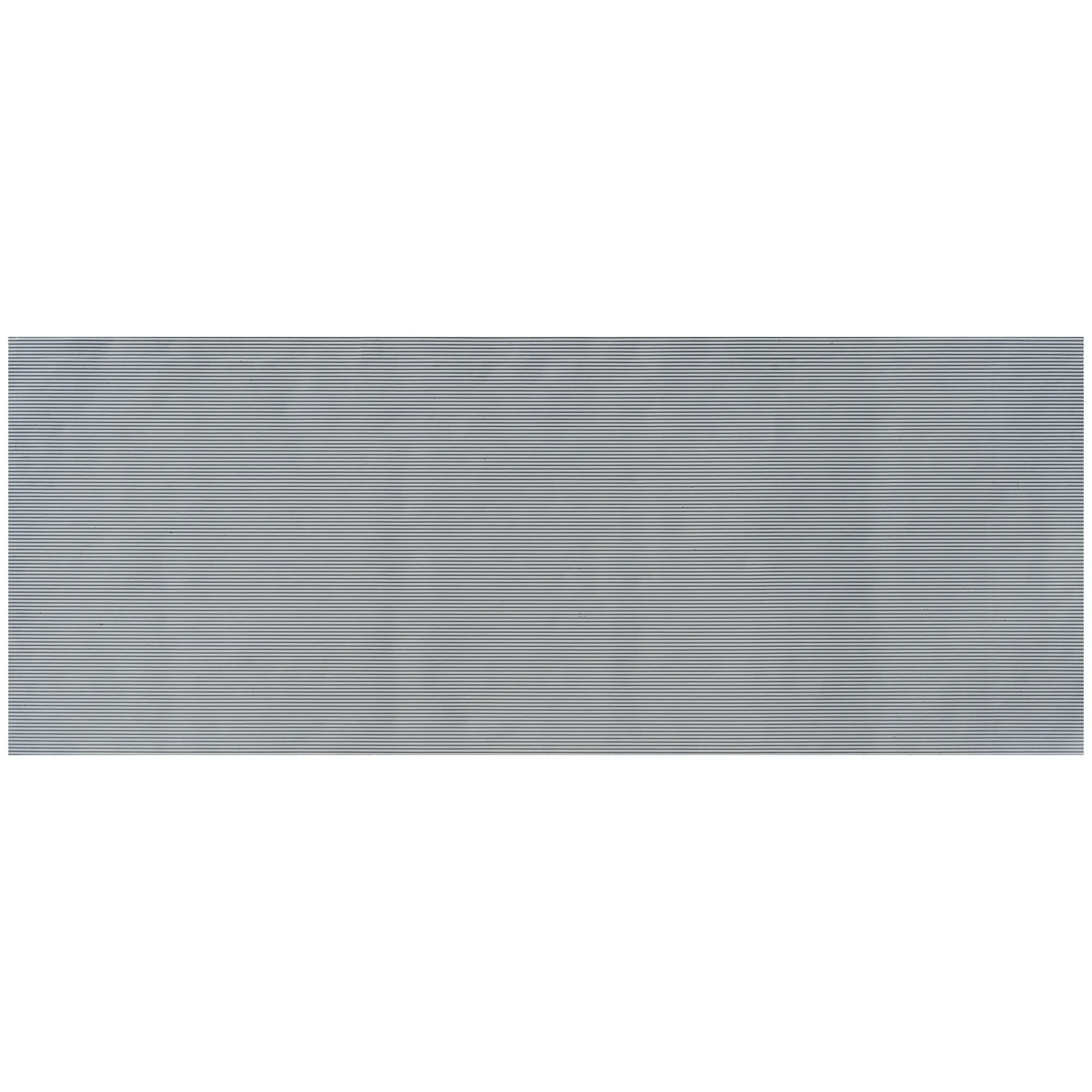
The environmental footprint of building materials is a critical consideration in modern construction. From raw material extraction to manufacturing, transportation, use, and eventual disposal, each stage contributes to a material's overall ecological impact. Let's compare Semicircle Board (represented by MCM products) and PVC panels through this sustainability lens.
Semicircle Board (MCM Products): COLORIA GROUP's MCM products are exemplary in this regard. They are made predominantly from natural, abundant, and often recycled inorganic minerals such as clay, sand, and other mineral aggregates. The small amount of polymer used acts as a binder, and continuous research is focused on making these binders even more eco-friendly. This reliance on readily available natural resources, rather than finite petrochemicals, significantly reduces their impact on resource depletion.
PVC Panels: PVC is derived from petroleum and natural gas, both finite fossil fuels. The extraction and processing of these raw materials have significant environmental costs, including habitat destruction, energy consumption, and greenhouse gas emissions. While PVC production does use less petroleum than some other plastics, it is still a petroleum-dependent product, tying its environmental fate to the fossil fuel industry.
Semicircle Board (MCM Products): The manufacturing process for MCM materials is remarkably energy-efficient. Unlike traditional ceramics or bricks that require firing at extremely high temperatures (over 1000°C), MCM products are cured at much lower temperatures (around 100-150°C). This drastically reduces energy consumption and, consequently, greenhouse gas emissions during production. Furthermore, the process often allows for the incorporation of recycled content, closing the loop on material usage.
"Our commitment at COLORIA GROUP to green innovation is evident in our MCM manufacturing. By curing at lower temperatures, we significantly cut down energy use, reflecting our dedication to a more sustainable future for building materials."
PVC Panels: The production of PVC involves an energy-intensive process of polymerization. While advancements have been made to improve efficiency, it still requires considerable energy. More importantly, the production of chlorine, a key component in PVC, is an energy-intensive process that can lead to the release of toxic byproducts.
Semicircle Board (MCM Products): A significant advantage of MCM products is their extremely low VOC (Volatile Organic Compound) emissions. Since they are primarily mineral-based and cured at low temperatures, they do not off-gas harmful chemicals into the indoor or outdoor environment. This makes them an excellent choice for promoting healthy indoor air quality, contributing to the well-being of occupants. Their breathable nature also helps regulate moisture, preventing mold growth.
PVC Panels: PVC, especially during manufacturing and installation, can release VOCs and other hazardous air pollutants. Over time, PVC products can continue to off-gas plasticizers (like phthalates) and other additives, which are a concern for indoor air quality and human health. The incineration of PVC panels at the end of their life can also release highly toxic dioxins and furans, posing significant environmental and health risks.
Semicircle Board (MCM Products): Due to their mineral composition, MCM products are largely inert and non-toxic. They can often be crushed and returned to the earth as aggregate or fill material, completing a cradle-to-cradle cycle. While recycling infrastructure for MCM is still developing in some regions, their natural composition means they do not pose the same long-term environmental hazards as synthetic materials. Their durability also means less frequent replacement, reducing waste generation in the first place.
PVC Panels: Recycling PVC is challenging. While technically recyclable, the process is complex and often costly, meaning a vast majority of PVC waste ends up in landfills or is incinerated. As mentioned, incineration releases dangerous chemicals, and in landfills, PVC can leach harmful substances into the soil and groundwater over time, persisting for centuries without breaking down. This presents a significant challenge for waste management and environmental protection.
It becomes clear that materials like COLORIA GROUP's **MCM Project Board Series** stand out as a much more environmentally responsible choice. Their commitment to using natural resources, energy-efficient production, low emissions, and a benign end-of-life profile positions them at the forefront of sustainable building materials. PVC, while offering some practical benefits, carries a heavier ecological burden across its entire lifecycle, from resource extraction to disposal.
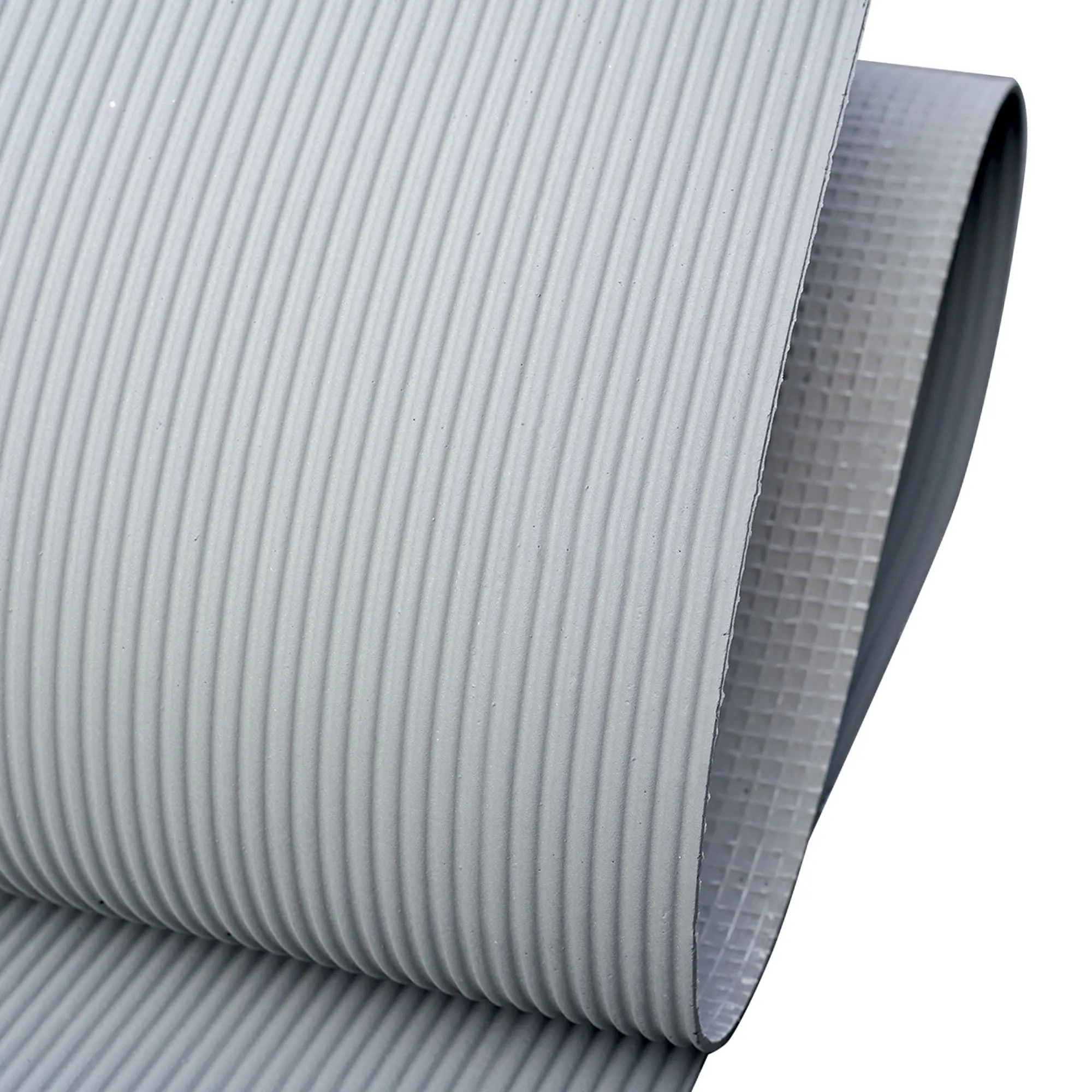
Durability is not just about a material's ability to withstand physical impact; it encompasses its resistance to weather, UV radiation, moisture, temperature fluctuations, and biological growth. A durable material means lower maintenance, fewer replacements, and ultimately, a better return on investment over the lifespan of a building. Let's compare how Semicircle Board (MCM products) and PVC panels fare in this crucial aspect.
Semicircle Board (MCM Products): Despite their flexibility and thinness, MCM products possess impressive tensile strength and impact resistance. The unique manufacturing process creates a material that can absorb stress without cracking, unlike brittle ceramic or traditional concrete. This makes them highly resistant to chipping, scratching, and general wear and tear, especially important in high-traffic commercial areas or projects demanding robust finishes. Their inherent flexibility also helps them accommodate minor structural movements without damage.
PVC Panels: PVC panels are relatively soft compared to MCM. While they can withstand minor impacts without shattering, they are prone to scratching, denting, and can become brittle over time, especially when exposed to UV radiation. They don't offer the same level of structural integrity or resistance to repeated physical stresses as MCM materials.
Semicircle Board (MCM Products): This is where MCM products truly shine, particularly for exterior applications. Materials like our MCM Big Slab Board Series are specifically engineered for superior weather resistance. They are:
The decade-long experience of COLORIA GROUP, especially our presence with agencies in Saudi Arabia, demonstrates the robustness of our materials in extreme conditions, from intense heat to varying moisture levels.
PVC Panels: While PVC is waterproof, its performance in exterior applications, particularly under direct sunlight, is less impressive over the long term. Standard PVC panels are susceptible to UV degradation, which can lead to:
Semicircle Board (MCM Products): As mentioned, MCM materials are waterproof and breathable. This combination is highly effective in preventing moisture penetration while allowing any trapped moisture in the wall cavity to escape. Their inorganic nature means they do not provide a food source for mold or mildew, making them naturally resistant to biological growth. This is a significant advantage for both hygiene and the long-term structural integrity of a building.
PVC Panels: PVC is inherently waterproof, which is a major reason for its use in bathrooms and damp environments. However, while the panel itself doesn't absorb water, if moisture gets behind the panels due to improper installation or seal failure, it can create an environment conducive to mold and mildew growth on the substrate or within the wall cavity. The seams and edges are particularly vulnerable points.
Semicircle Board (MCM Products): Due to their superior durability and resistance to environmental factors, MCM products require minimal maintenance. A simple wash with water and mild detergent is usually sufficient to keep them looking new. Their long lifespan (often exceeding 50 years with proper installation) translates to lower lifecycle costs and less frequent need for replacement or repair, reinforcing their sustainable profile.
PVC Panels: PVC panels are generally considered low maintenance, easy to wipe clean. However, their susceptibility to UV degradation, scratching, and potential for brittleness means they may require replacement or repair sooner than MCM. Their average lifespan, especially in areas with direct sunlight, is considerably shorter than that of high-quality MCM products, often ranging from 10 to 20 years depending on quality and exposure.
A note on Customization: Durability isn't just about enduring the elements; it's also about enduring aesthetic trends. COLORIA GROUP's **MCM 3D Printing Series** pushes the boundaries of customization. Imagine having a highly durable material that can be printed with any design, texture, or image, allowing for truly unique and lasting architectural statements. This fusion of durability and infinite design possibilities is a game-changer for projects demanding both resilience and distinctiveness.
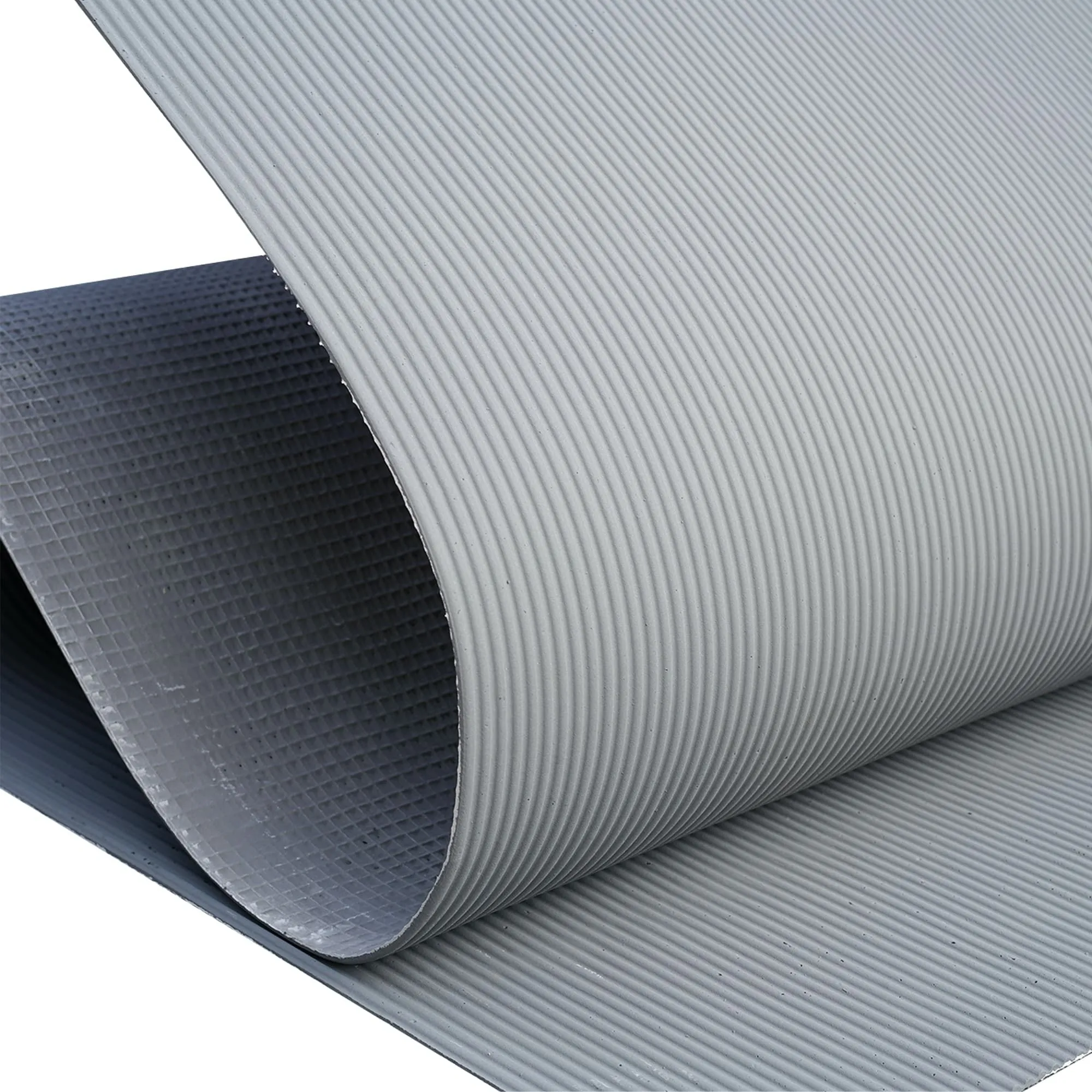
Understanding the inherent properties of Semicircle Board (MCM) and PVC panels allows us to better grasp their optimal application scenarios. While both can be used for wall cladding, their performance characteristics dictate where they excel and where they might fall short.
For interiors, both materials offer aesthetic possibilities. PVC panels are often chosen for budget-sensitive projects or areas where water resistance is the primary concern, such as bathrooms, laundries, or utility rooms. Their lightweight nature and ease of cutting make for quick installation. However, the aesthetic range, especially for high-end or bespoke designs, is limited, and the concern about VOCs and off-gassing persists for indoor environments.
MCM products, on the other hand, elevate interior design to an art form. Their ability to mimic natural materials with stunning realism – think **flexible stone** veneers, rich wood textures, or industrial concrete finishes – provides unparalleled versatility. Because they are thin and light, they can be applied over existing surfaces without significant structural modification. Critically, their zero-VOC nature ensures healthy indoor air quality, making them ideal for homes, hospitals, schools, and offices. The ability to create seamless, large-format surfaces with the MCM Big Slab Board Series or intricate, custom patterns with the MCM 3D Printing Series offers a design freedom that PVC simply cannot match.
This is where the divergence in performance becomes most apparent. For exterior facades, durability against the elements is non-negotiable. Here, MCM products like those from COLORIA GROUP are the clear victor. Their exceptional UV stability, weather resistance (rain, snow, heat, cold), breathability, and non-combustibility make them a superior choice for protecting and beautifying building exteriors. They maintain their appearance and structural integrity for decades, enduring harsh climates with minimal degradation.
PVC panels are generally not recommended for long-term exterior use in exposed conditions, especially for critical facade applications. While some exterior-grade PVC cladding exists, it often comes with caveats regarding UV degradation, expansion/contraction issues, and a shorter lifespan compared to more robust materials. The risk of warping, discoloration, and brittleness under prolonged sun and temperature fluctuations makes them a less reliable choice for demanding exterior projects, leading to higher maintenance and replacement costs over time.
For large-scale commercial projects, whether it's a towering skyscraper or a bustling retail complex, the demand for longevity, high performance, and often, specific certifications (like fire ratings or environmental standards) is immense. This is where the reliability and advanced properties of MCM products truly meet the stringent requirements of **MCM Project Board Series** applications. They offer consistent quality, engineering support, and a track record of performance in diverse global markets, including challenging climates like Saudi Arabia where COLORIA GROUP has established agencies.
Residential projects, while sometimes having smaller budgets, increasingly prioritize sustainability and long-term value. Homeowners are becoming more aware of indoor air quality and the lifecycle costs of materials. For those seeking premium, healthy, and durable finishes that will enhance their home's value for decades, MCM products are an excellent investment. PVC panels might find a niche in very specific, low-cost residential renovations or utility areas, but they generally fall short for main living spaces or exterior facades where quality and endurance are key.
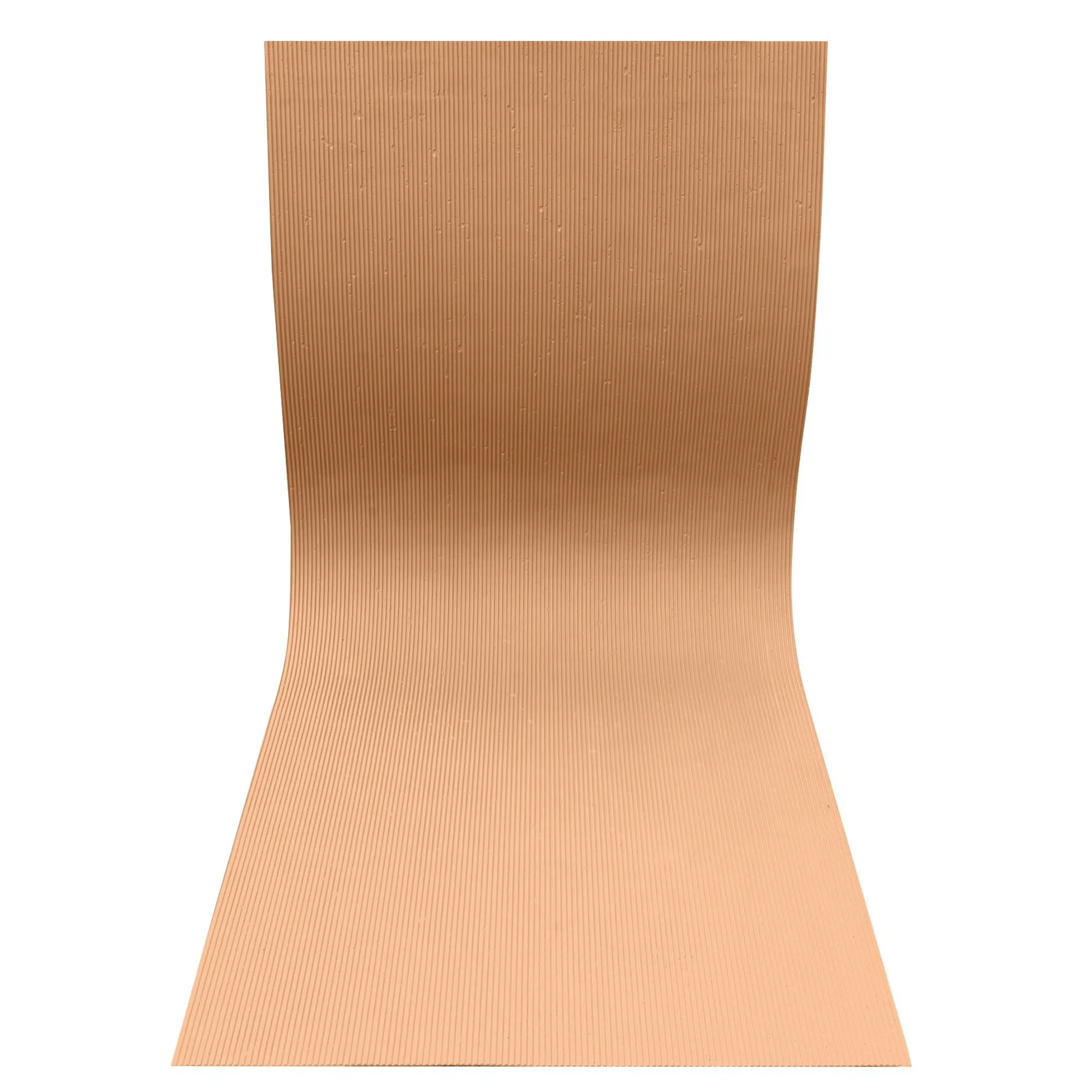
When evaluating materials, it's easy to focus solely on the upfront purchase price. However, a truly insightful assessment considers the total cost of ownership over the material's entire lifespan, known as lifecycle cost.
PVC Panels: Generally, PVC panels boast a lower initial material cost compared to high-performance composite materials. Their lightweight nature and ease of cutting can also translate to slightly lower installation labor costs for basic applications. This is often their primary appeal for budget-constrained projects.
Semicircle Board (MCM Products): MCM products, especially sophisticated options like the MCM Big Slab Board Series or those offering **MCM 3D Printing Series** capabilities, may have a higher initial material cost per square meter. However, their ease of handling, lighter weight (compared to traditional stone or ceramic), and flexible nature can sometimes streamline installation, offsetting some of the material cost difference. The precision and thinness allow for efficient application methods.
This is where the tide turns significantly. PVC Panels: Due to their susceptibility to UV degradation, scratching, and potential brittleness, PVC panels might require more frequent maintenance, repairs, or even full replacement over a building's lifespan, especially in exposed exterior settings. These costs, both in terms of materials and labor, accumulate over time, making the initial savings diminish. Semicircle Board (MCM Products): With their exceptional durability, weather resistance, and colorfastness, MCM products from COLORIA GROUP demand minimal maintenance. Their extended lifespan means replacements are rare, significantly reducing long-term costs. The investment in a high-quality MCM material pays dividends over decades, not just in sustained aesthetic appeal but also in reduced financial outlay for upkeep and repair.
The choice of facade material can also subtly influence a building's energy consumption. Some MCM systems, when properly installed with appropriate insulation, can contribute to the thermal performance of a building by forming part of a well-sealed envelope. While neither material is primarily an insulator, the integrity and longevity of the facade contribute to maintaining thermal performance over time. A facade material that degrades quickly (like PVC under UV) can compromise the building envelope, leading to increased heating and cooling costs down the line.
To provide a clear overview, let's summarize the key distinctions between these two materials across the criteria we've discussed.
| Feature | Semicircle Board (MCM Products - e.g., COLORIA GROUP) | PVC Panels |
|---|---|---|
| Composition | Semicircle Board (MCM Products)"> Natural inorganic minerals, small polymer content. | Polyvinyl Chloride (petrochemical-based), plasticizers, stabilizers. |
| Environmental Impact (Raw Materials) | Semicircle Board (MCM Products)"> Low resource depletion (abundant minerals), often includes recycled content. | Petroleum-dependent (finite resource), higher resource depletion. |
| Environmental Impact (Manufacturing) | Semicircle Board (MCM Products)"> Low-temperature curing (energy-efficient), minimal emissions. | Energy-intensive extrusion, potential for toxic byproducts (e.g., chlorine production). |
| Indoor Air Quality (VOCs) | Semicircle Board (MCM Products)"> Extremely low to zero VOCs, breathable. | Can off-gas VOCs and plasticizers, potential health concerns. |
| End-of-Life | Semicircle Board (MCM Products)"> Largely inert, can be recycled as aggregate, minimal environmental hazard. | Difficult to recycle, often landfilled or incinerated (releasing dioxins), persistent pollutant. |
| Physical Durability | Semicircle Board (MCM Products)"> High tensile strength, impact resistance, flexible, resistant to chipping/scratching. | Relatively soft, prone to scratching, denting, can become brittle. |
| UV Resistance | Semicircle Board (MCM Products)"> Excellent UV stability, colorfastness, minimal fading or degradation. | Poor UV resistance, prone to fading, discoloration, and embrittlement over time. |
| Weather Resistance | Semicircle Board (MCM Products)"> Superior performance in diverse climates (freeze-thaw, moisture, heat). | Waterproof but susceptible to temperature-induced expansion/contraction, warping. |
| Fire Performance | Semicircle Board (MCM Products)"> Inherently non-combustible or highly fire-retardant. | Flammable (though self-extinguishing in some forms), produces toxic smoke when burned. |
| Maintenance | Semicircle Board (MCM Products)"> Very low maintenance, simple cleaning. | Low maintenance for basic cleaning, but may require more frequent repair/replacement. |
| Lifespan | Semicircle Board (MCM Products)"> Long (50+ years), excellent long-term value. | Medium (10-20 years), shorter in exposed conditions. |
| Aesthetic Versatility | Semicircle Board (MCM Products)"> High, wide range of natural textures, colors, and custom designs (including 3D printing). | Moderate, limited by patterns and colors, can appear less premium. |
| Ideal Applications | Semicircle Board (MCM Products)"> High-end residential, commercial, exterior facades, interior feature walls, custom designs. | Budget-friendly interior cladding (bathrooms, utility rooms), temporary solutions. |
After a thorough examination of Semicircle Board (represented by COLORIA GROUP's cutting-edge MCM products) and traditional PVC panels, the disparities in environmental impact and durability become strikingly evident. While PVC panels offer an initial low-cost entry point and basic water resistance, their long-term environmental consequences and comparatively limited durability make them a less sustainable and ultimately less valuable choice for modern construction.
COLORIA GROUP's MCM materials, encompassing series like the MCM Big Slab Board Series, MCM Project Board Series, and the innovative MCM 3D Printing Series, represent a significant leap forward in architectural materials. Their commitment to sustainability, from the use of natural minerals and energy-efficient manufacturing to their benign end-of-life profile, aligns perfectly with the growing demand for green building solutions. Moreover, their exceptional durability across a spectrum of challenges – UV radiation, extreme weather, physical impact, and biological growth – ensures that an investment in MCM is an investment in longevity and enduring beauty.
For projects seeking not just a surface covering, but a high-performance, environmentally responsible, and aesthetically versatile solution that will stand the test of time, materials like COLORIA GROUP's **MCM (Modified Cementitious Material) products** emerge as the unequivocally superior choice. They offer a one-stop solution for both internal and external renovation needs, providing customized and green features that are hard to beat. The decades of industry experience and global reach, exemplified by our operations in places like Saudi Arabia, underscore our capability to deliver excellence consistently. Choosing MCM means choosing a future-proof material that contributes positively to both your project and the planet.
Recommend Products











