

For centuries, terracotta has been a staple in architecture, lending its earthy charm and robust character to buildings across diverse cultures and climates. Its warmth, natural texture, and historical resonance are undeniable. Yet, as we step into an era demanding greater sustainability, design versatility, and efficient construction, architects and developers are increasingly seeking materials that can honor tradition while pushing the boundaries of innovation. This is where COLORIA GROUP, a leading one-stop solution provider in architectural materials, introduces a compelling alternative: advanced MCM (Modified Cementitious Material) products, exemplified by the transformative potential of what we might call 'Semicircle Boards' – custom-shaped panels derived from our extensive MCM Big Slab and Project Board Series.
Our company, COLORIA GROUP, with decades of industry experience, has been at the forefront of developing high-quality internal and external finishing materials and services for both residential and commercial projects globally, with a significant presence in markets like Saudi Arabia. We understand the delicate balance between preserving architectural heritage and embracing the future. Our core product lines, especially the MCM series, are engineered to offer unparalleled design freedom, environmental responsibility, and long-term performance, making them a formidable contender to traditional materials like terracotta, particularly when considering complex shapes or large-scale applications.
Terracotta, meaning "baked earth," has a rich history dating back thousands of years. From ancient Chinese armies to Roman infrastructure and European cathedrals, its use is deeply embedded in human civilization. Its appeal lies in several key aspects:
However, these benefits often come with certain limitations in modern construction. The weight, fragility during transport and installation, limited size options, and potential for inconsistent coloration across batches can pose challenges for large-scale, high-efficiency projects. Moreover, achieving intricate or non-standard shapes, such as large, flowing curves or sophisticated Semicircle Board designs, can be prohibitively expensive and labor-intensive with traditional terracotta.
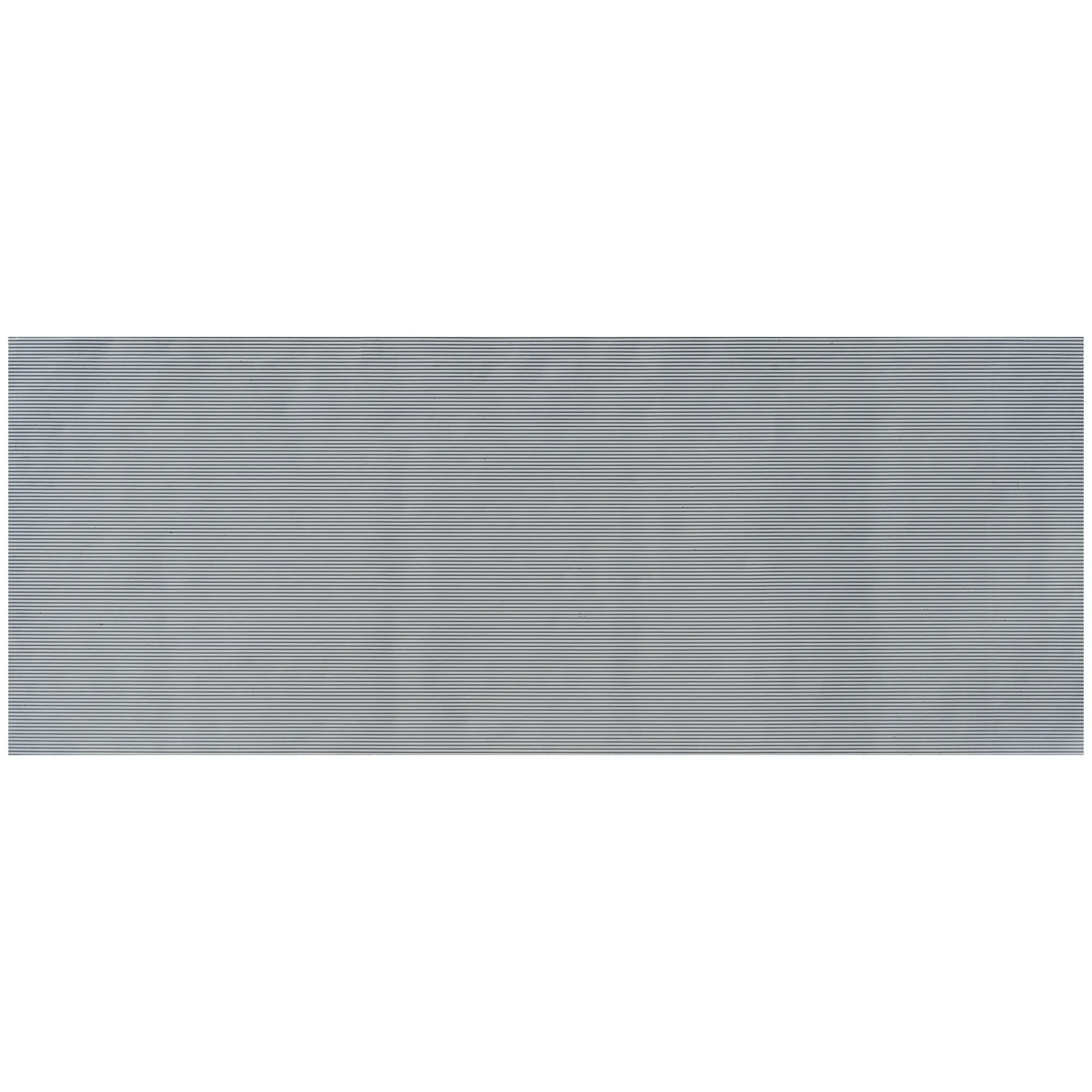
COLORIA GROUP's commitment to innovation is best encapsulated by our flagship MCM materials. These aren't just an alternative; they represent a significant advancement in material science, offering a new palette for architectural expression. Modified Cementitious Material is a revolutionary compound that redefines what's possible for both internal and external wall decoration. Our expertise as a comprehensive one-stop solution provider ensures that these materials are not only cutting-edge but also seamlessly integrated into your project's lifecycle.
What makes MCM stand out? It's a blend of natural minerals, inorganic binders, and polymers, processed through advanced manufacturing techniques. This results in a material that is incredibly lightweight, flexible, and yet exceptionally durable. Crucially, it offers unprecedented freedom in design and application, directly addressing many of the challenges associated with traditional materials like terracotta.
Imagine an architectural vision that calls for sweeping curves, intricate patterns, or large, bold shapes like a Semicircle Board, not just as an accent but as a fundamental design element across a vast facade. With traditional terracotta, such designs would require extensive custom molding, complex firing processes, and careful assembly of numerous smaller, often irregular pieces. The cost, time, and potential for imperfection would escalate dramatically.
This is precisely where COLORIA GROUP's MCM materials shine. Our MCM Big Slab Board Series and MCM Project Board Series are not limited by the inherent constraints of clay. They can be manufactured in significantly larger formats and, more importantly, are amenable to precise cutting and shaping. This means that a 'Semicircle Board' isn't a custom-molded anomaly but a direct cut from a larger MCM slab, produced with efficiency and consistency. The flexibility of MCM allows for:
The ability to precisely fabricate elements like a Semicircle Board from large MCM sheets fundamentally changes the design equation. Architects are no longer constrained by material limitations but empowered by a material that adapts to their most imaginative concepts. This capability for customizable designs positions MCM as a superior choice for modernizing architectural traditions while meeting contemporary aesthetic and functional demands.
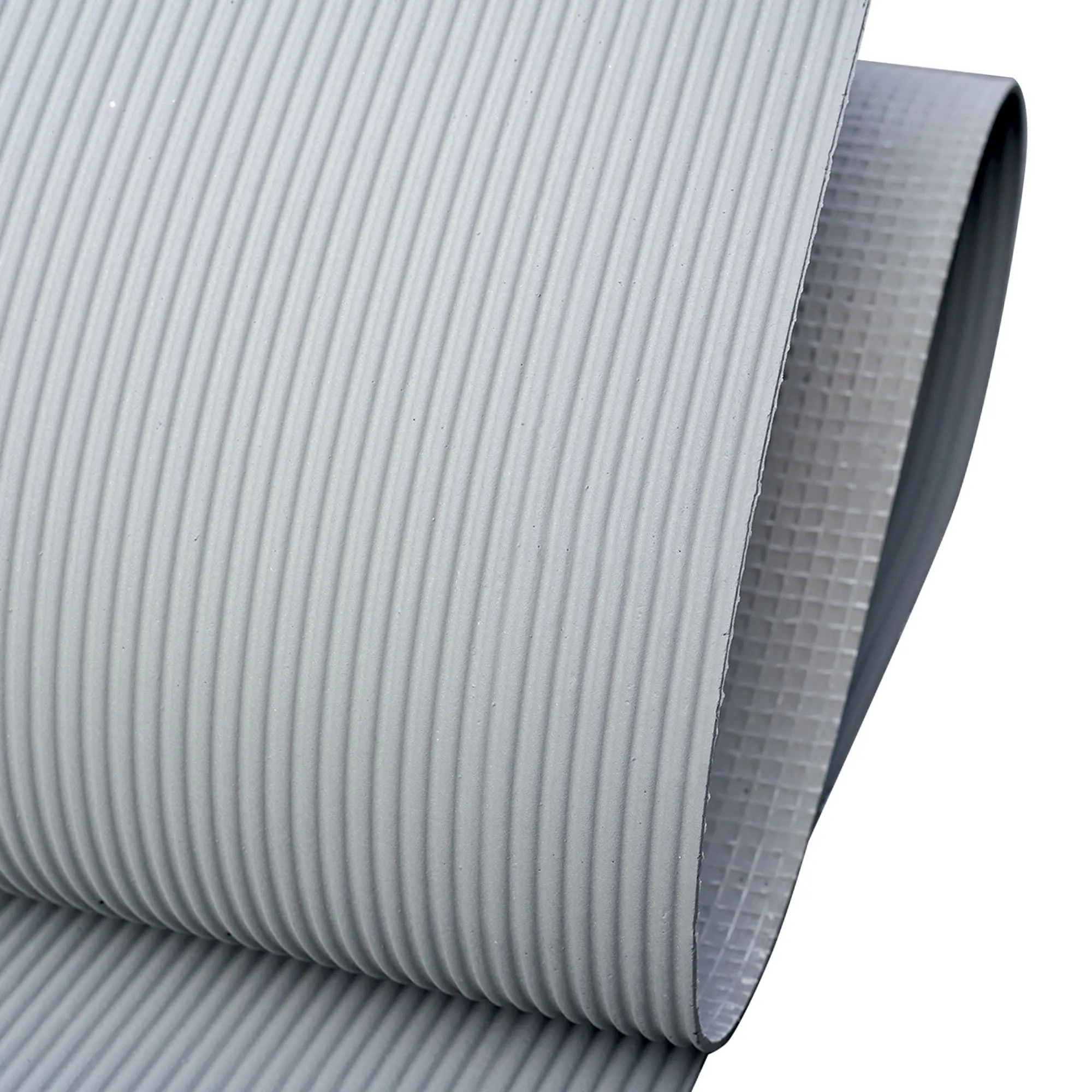
To truly appreciate the advantages of MCM, let's look at a head-to-head comparison with terracotta across several critical aspects relevant to today's construction environment.
| Feature | Traditional Terracotta | COLORIA GROUP's MCM Materials (e.g., Semicircle Board derived from Big Slab/Project Board Series) |
|---|---|---|
| Weight | Heavy, requiring robust substructures and increasing transport costs. | Extremely lightweight (significantly lighter than terracotta), reducing structural load, transport costs, and installation effort. |
| Flexibility/Formability | Rigid; complex curves or shapes require specialized molding, leading to higher costs and limited sizes. Fragile during transport. | Highly flexible (especially MCM Flexible Stone) and easily cut/shaped into custom forms (e.g., Semicircle Boards) from large slabs, enabling diverse and intricate designs. Durable and less prone to breakage. |
| Installation | Labor-intensive, often requiring specialized tools and techniques. Slower due to weight and smaller unit sizes. | Faster and easier installation due to lightweight nature and larger panel sizes, reducing labor costs and project timelines. Can often be directly adhered. |
| Design Versatility | Limited by traditional manufacturing processes and material properties. Primarily earthy tones. | Exceptional. Can mimic various textures (stone, wood, leather) and be custom-colored. Unlimited possibilities for custom shapes (Semicircle Boards, 3D textures via MCM 3D Printing Series). |
| Durability & Performance | Good weather resistance, but can be brittle, susceptible to cracks from impact, and may show efflorescence. | Excellent resistance to weathering, UV, fire, water, and impact. Maintains color and integrity over time. Long-lasting, high performance. |
| Sustainability | Made from natural clay, but firing is energy-intensive. Quarrying can impact local environments. Recyclability can be complex. | Green environmental protection is a core feature. Made from natural minerals, using low-energy, low-carbon production processes. Reduces waste, often recyclable, contributes to LEED points. |
| Cost (overall) | Material cost can be moderate, but installation, custom shaping, and structural requirements can drive up total project cost significantly. | Competitive material cost. Significantly lower installation and structural costs due to lightweight and ease of handling. Customization is more efficient and affordable. |
| Maintenance | Can require sealing to prevent moisture absorption and staining. Regular cleaning to remove dirt/mildew from porous surface. | Low maintenance. Non-porous surface resists dirt and mildew, easy to clean, generally does not require sealing. |
| Safety | Heavy, can pose handling risks. Fragile, potential for falling fragments if damaged. | Lightweight, safer to handle. Flexible nature makes it less prone to catastrophic failure from impact. A safer choice for large-scale facades. |
While we've highlighted the ability to create innovative forms like the Semicircle Board, COLORIA GROUP's MCM offerings extend far beyond. Our complete suite of MCM materials provides holistic architectural solutions:
This comprehensive range underscores our position as a one-stop solution provider. We don't just offer a material; we offer a versatile toolkit for architects to realize their boldest visions.
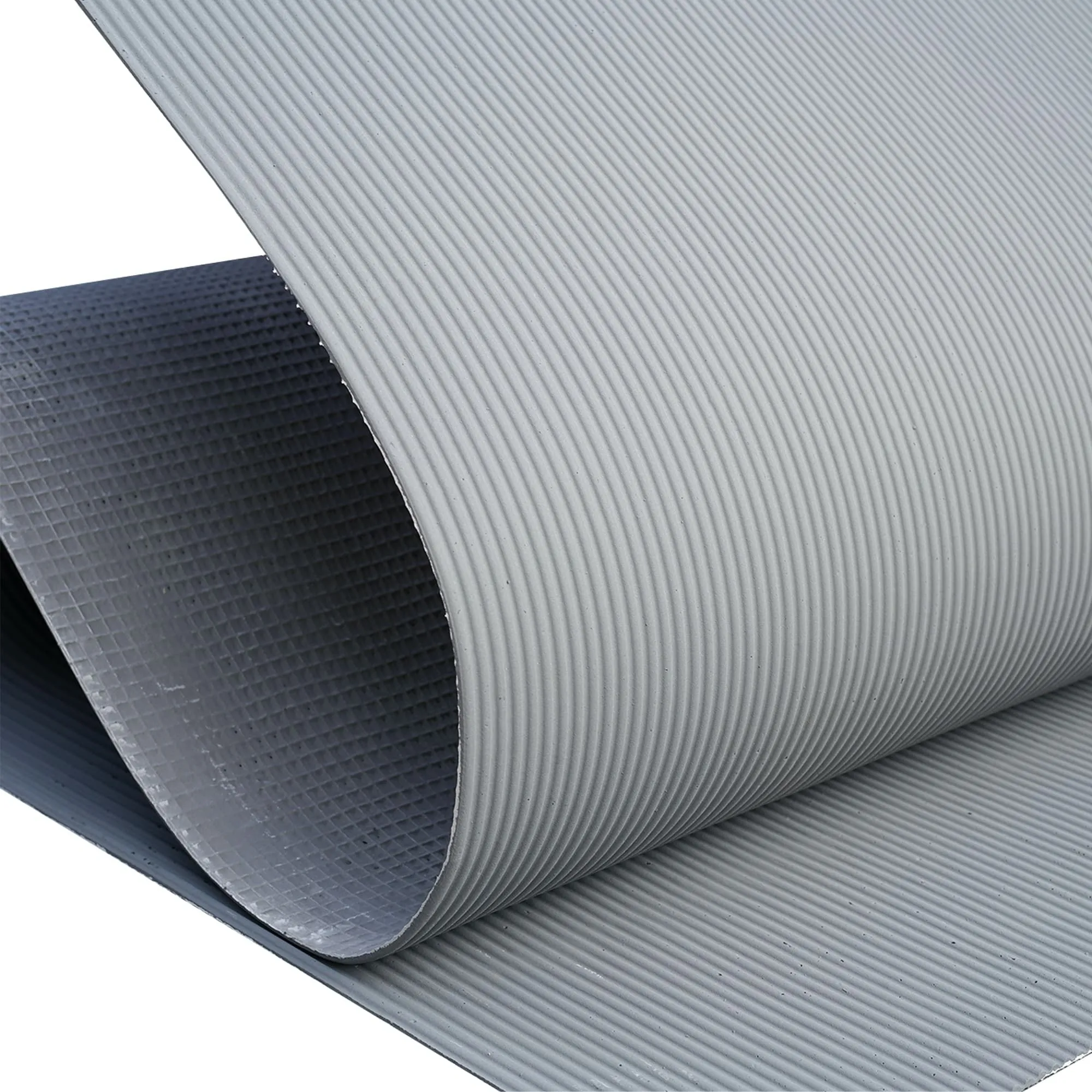
In today's world, sustainability isn't just a buzzword; it's a fundamental responsibility. The production of traditional terracotta, while using natural clay, involves high-temperature firing processes that consume significant energy and contribute to carbon emissions. COLORIA GROUP's MCM materials are designed with green environmental protection at their core.
COLORIA GROUP's MCM materials are produced using a low-temperature, low-carbon manufacturing process. This significantly reduces energy consumption and greenhouse gas emissions compared to conventional building materials. They are also composed of natural mineral powders and inorganic materials, making them non-toxic and environmentally friendly throughout their lifecycle. Their lightweight nature further reduces the carbon footprint associated with transportation. This commitment to sustainable building practices makes MCM an ideal choice for environmentally conscious projects seeking to achieve high green building certifications.
By choosing our MCM products, including any Semicircle Board or other custom forms, you are not just selecting an aesthetically pleasing and high-performing material; you are making a conscious decision to contribute to a healthier planet. This aligns perfectly with modern architectural solutions that prioritize both form and ecological impact.
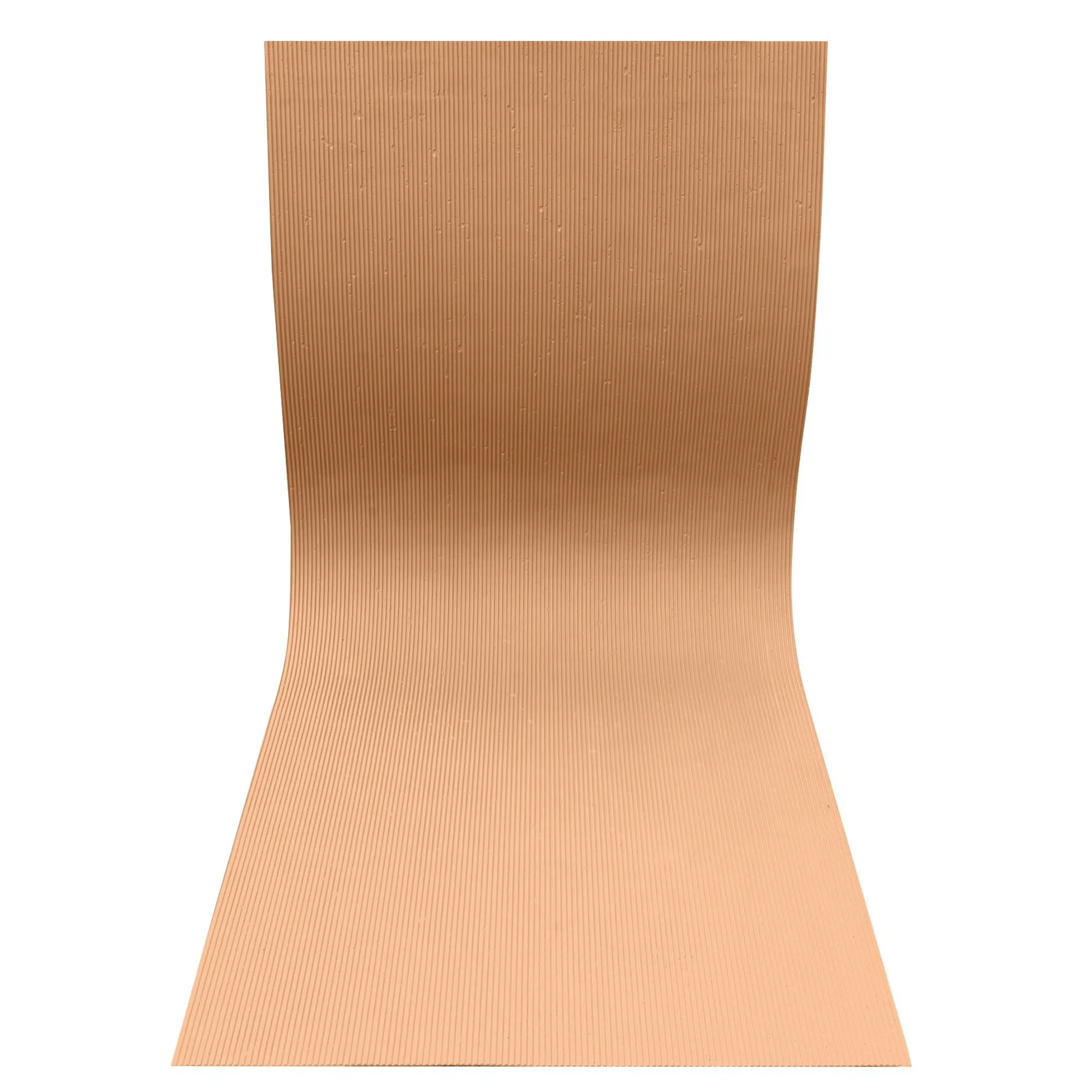
Our journey as a specialized one-stop solution provider in architectural materials spans decades. This extensive experience isn't just a number; it represents a deep understanding of the industry's evolving needs, a robust network of expertise, and a proven track record of delivering excellence.
This blend of experience, global capability, and product innovation positions COLORIA GROUP as the ideal partner for projects aiming to modernize architectural traditions with sustainable, versatile, and high-performance materials. Whether you're designing a contemporary masterpiece or revitalizing a historical structure, our MCM materials offer the perfect balance of tradition and innovation.
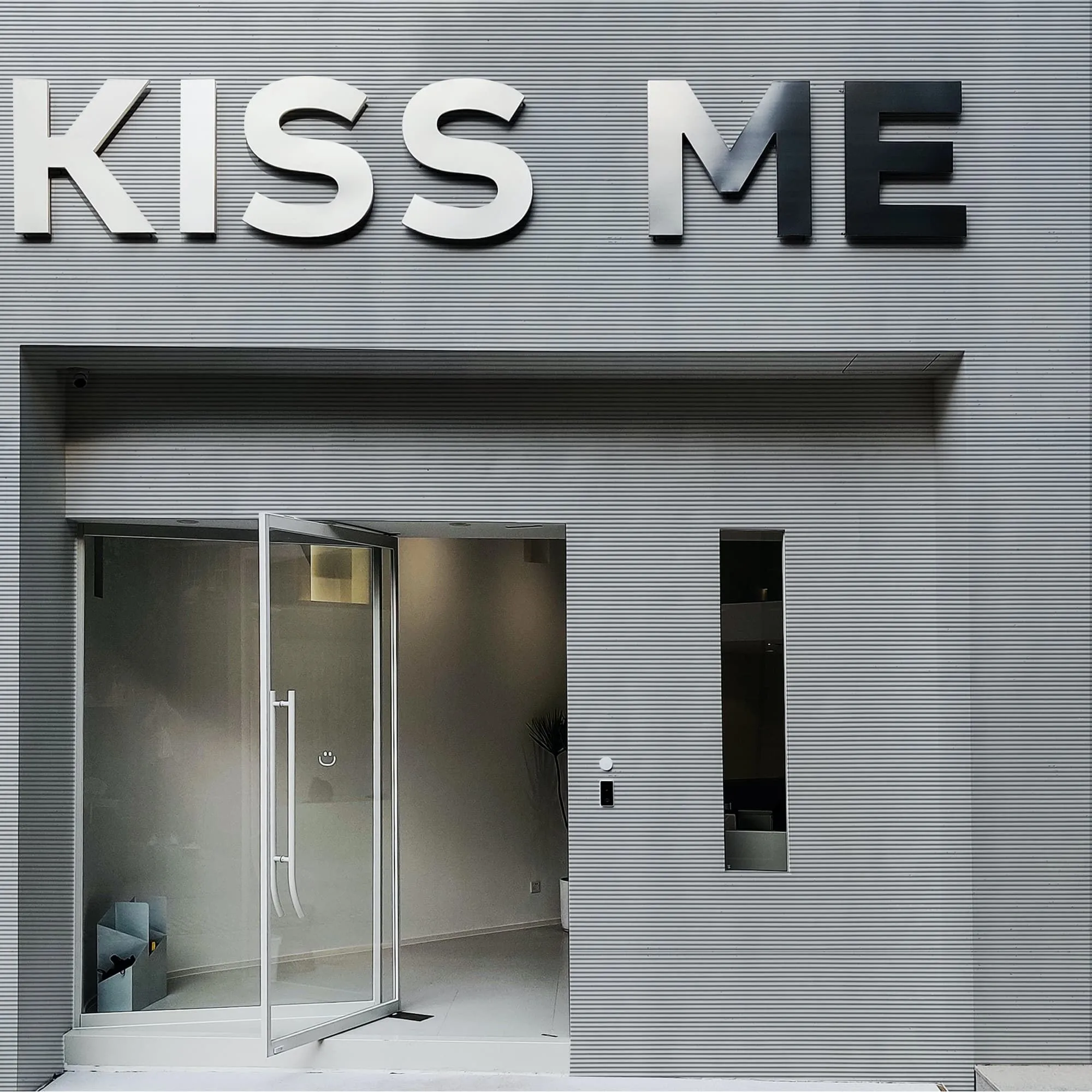
To illustrate the transformative power of COLORIA GROUP's MCM materials, let's consider a few hypothetical (but entirely feasible) project scenarios where MCM outperforms terracotta, particularly in achieving complex or modern aesthetic goals.
Challenge: A new museum requires a vast external facade with sweeping, convex, and concave curves, punctuated by large, seamlessly integrated semicircular window frames and wall panels. The architect desires a warm, earthy tone reminiscent of terracotta but demands perfect consistency and minimal joints.
MCM Solution: COLORIA GROUP's MCM Big Slab Board Series, custom-cut into large Semicircle Boards and other curved panels. The lightweight nature of MCM dramatically reduced the load on the complex steel substructure. Its flexibility allowed for precise adherence to the building's contours, achieving a monolithic yet dynamic appearance. The consistent color across all panels ensured the desired aesthetic, something almost impossible with traditional terracotta for such a large, complex project. The project timeline was significantly shortened due to faster installation.
Challenge: A developer aims for a high-rise residential complex to achieve LEED Platinum certification, requiring materials with low environmental impact, excellent thermal performance, and a unique facade texture. They initially considered terracotta for its natural feel but were concerned about its weight, cost of installation at height, and the environmental footprint of production.
MCM Solution: Leveraging COLORIA GROUP's MCM Project Board Series with a custom-developed porous texture mimicking natural earth, combined with elements from the MCM 3D Printing Series for unique relief patterns. The material's inherent green environmental protection qualities, including low energy consumption in manufacturing and reduced transportation weight, contributed significantly to the LEED score. The lightweight panels were installed efficiently at great heights, reducing scaffolding time and safety risks. The aesthetic achieved was a modern interpretation of natural warmth, but with superior performance and eco-credentials.
Challenge: A historical building with original terracotta elements required extensive restoration and expansion. The client wanted to preserve the historical aesthetic in the new sections while ensuring the new materials were durable, seamlessly integrated, and met modern building codes. Matching the aged terracotta tone and texture was crucial.
MCM Solution: COLORIA GROUP's MCM Flexible Stone, meticulously color-matched and textured to replicate the aged terracotta. For new, decorative arched windows, custom Semicircle Boards were precisely cut from MCM Project Boards, ensuring perfect symmetry and integration with the historical design. The flexibility of MCM Flexible Stone was instrumental in wrapping existing curved columns in the expansion, providing a flawless transition from old to new. The lightweight nature meant no additional structural reinforcement was needed for the expansion, a significant cost saving.
Challenge: A flagship retail store desired an interior that exuded organic elegance, featuring flowing, curved walls and bespoke display elements with a natural, tactile finish. Traditional ceramic or terracotta tiles were too rigid, heavy, and limited in form.
MCM Solution: Our MCM Flexible Stone was the ideal choice. Its incredible pliability allowed it to be applied effortlessly onto complex curved surfaces, creating continuous, seamless organic forms that were impossible with traditional materials. For custom circular branding elements and feature walls, precision-cut Semicircle Boards and other custom shapes from the MCM Big Slab Board Series were used, showcasing the brand's modernity. The material's ability to mimic natural stone textures provided the desired luxurious yet earthy aesthetic, creating a truly immersive shopping experience.
The comparison between traditional terracotta and COLORIA GROUP's advanced MCM materials, particularly when considering specific design elements like a 'Semicircle Board', reveals a clear trajectory in modern architecture. While terracotta will always hold a revered place for its historical significance and natural charm, the demands of contemporary construction—for efficiency, versatility, sustainability, and innovative design—increasingly favor materials that offer more.
COLORIA GROUP's MCM materials are not merely substitutes; they are evolutions. They empower architects and developers to transcend the limitations of the past, to envision and create structures that are not only beautiful and functional but also responsible and future-proof. Our position as a one-stop solution provider ensures that from concept to completion, you have a partner dedicated to bringing your architectural visions to life with unparalleled quality and innovation.
As the architectural world continues to seek materials that can blend aesthetics with performance, tradition with innovation, COLORIA GROUP stands ready. Our commitment to cutting-edge research and development, combined with our global experience and comprehensive product lines, makes us the ideal choice for projects that aim to define the next generation of architectural excellence. We invite you to explore the boundless possibilities that MCM materials offer and discover how COLORIA GROUP can help you modernize architectural traditions, one innovative 'Semicircle Board' at a time.
In conclusion, the debate between materials like terracotta and COLORIA GROUP's MCM is not about replacing history, but about enriching the future. It's about selecting the right tool for the job – and for the evolving complexities of modern design, customization, and environmental responsibility, our advanced MCM materials, with their incredible versatility and performance, represent a compelling and often superior choice for today's and tomorrow's iconic structures.
Recommend Products











