
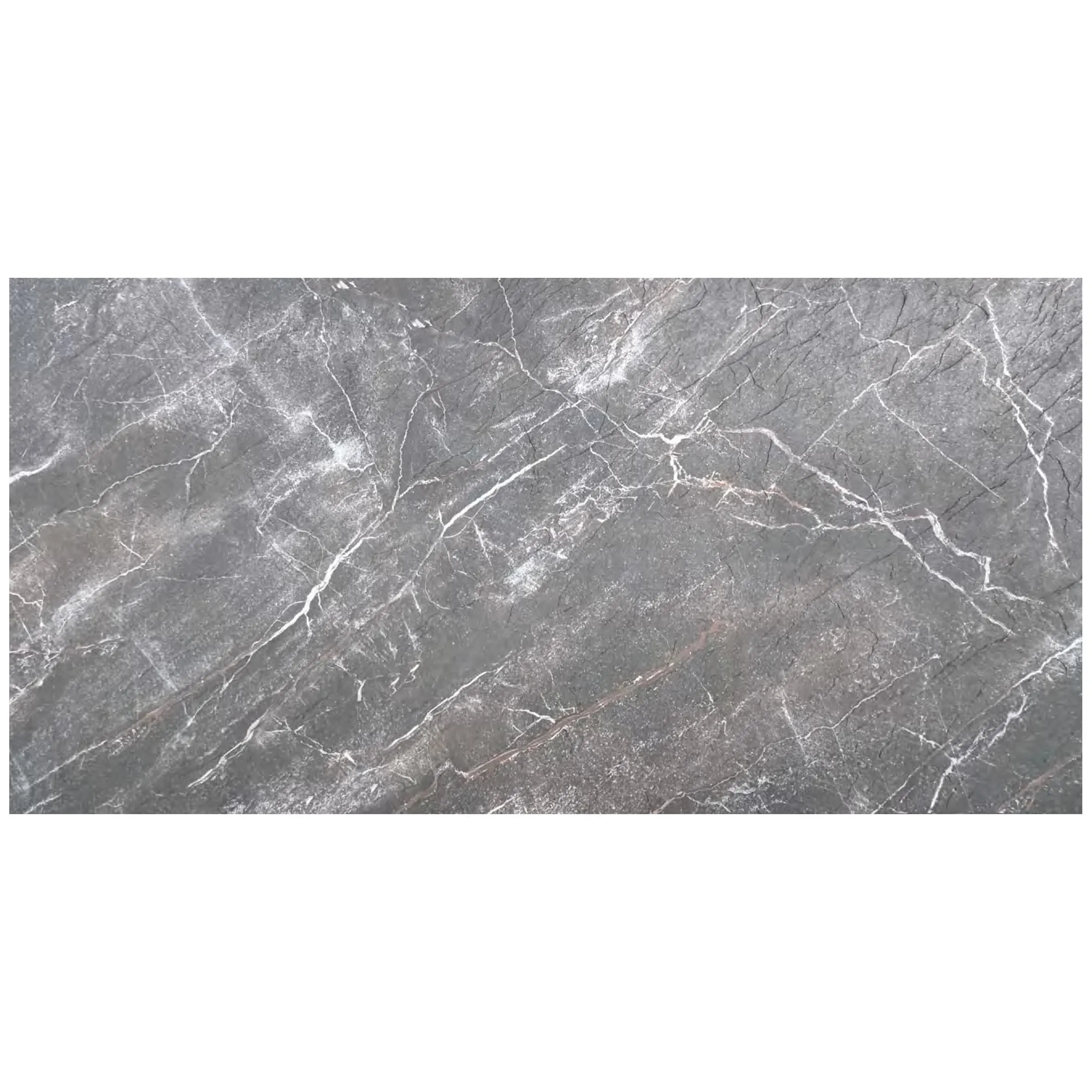
To truly understand Slate Portoro, you have to start with the senses. Close your eyes and picture it: a deep, midnight-hued stone, not quite black, not quite charcoal, with veins that range from creamy ivory to burnished gold, as if a painter flicked a brush loaded with sunlight across its surface. It's dramatic, yes, but never overwhelming. There's a balance here—a tension between boldness and subtlety—that makes it infinitely versatile.
Unlike some polished marbles that feel cold or sterile, Slate Portoro has a tactile quality that invites touch. Run your palm over it, and you'll notice a slight matte texture, not glossy enough to show every fingerprint, but smooth enough to feel refined. It's the kind of surface that ages gracefully, too; over time, it develops a soft patina that only deepens its character, like a well-loved leather chair or a vintage book with dog-eared pages.
Geologically, Slate Portoro is a metamorphic rock, formed over millennia by heat and pressure deep within the earth. This slow, natural process gives it unparalleled durability—something that matters just as much in a busy hotel lobby as it does on a home's exterior wall. But for designers like Maria, its real magic lies in its ability to tell a story. "Every vein, every variation in color, is a reminder of the earth's history," she says. "When you use Slate Portoro, you're not just building a wall—you're bringing a piece of the planet's journey into a space."
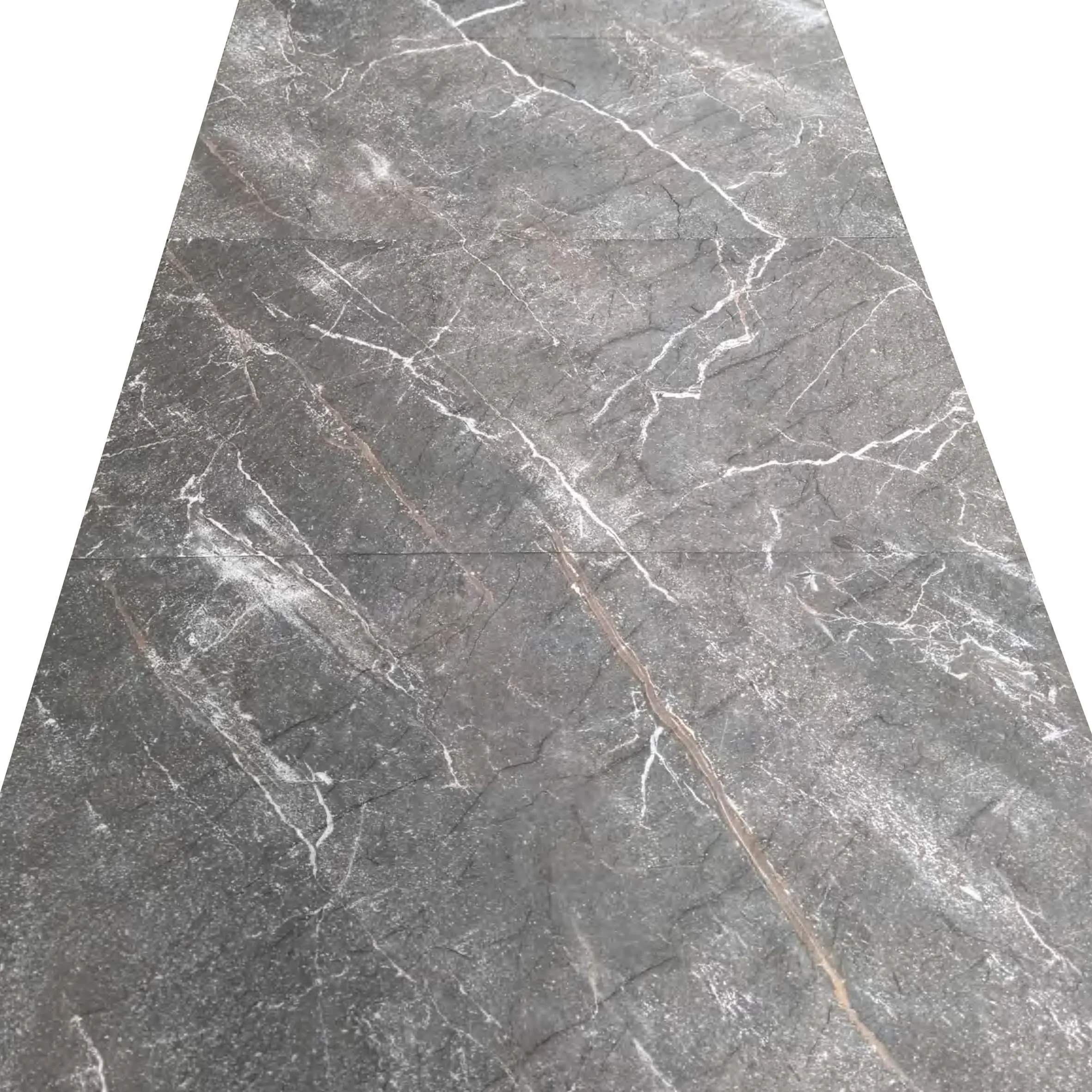
Luxury hotels thrive on creating moments of awe, and Slate Portoro has become a favorite tool for designers aiming to do just that. Let's step into a few spaces where this stone shines brightest.
The lobby of the Azure Heights Hotel, where Maria stood earlier, uses Slate Portoro in two ways: as floor tiles (large, 24x24 inch slabs) and as a feature wall behind the reception desk. The flooring anchors the space, its dark color making the soaring ceilings feel more intimate, while the reception wall adds depth, with those golden veins catching the light from the chandeliers above. "Guests often pause here," says the hotel's general manager, James. "They'll run a hand over the wall or take a photo, and I know it's because the stone feels… intentional. It's not just pretty—it feels meaningful."
In another example, the Milan Grand Hotel uses Slate Portoro to frame its grand staircase. The stone wraps around the base of each step, its texture providing grip while its color contrasts beautifully with the light marble steps above. "It's a practical choice, too," James adds. "With hundreds of guests passing through daily, we needed something that could handle the traffic. Slate Portoro doesn't scratch easily, and it cleans up beautifully—no harsh chemicals required."
Moving beyond lobbies, Slate Portoro finds its way into hotel suites and restaurants, where the goal is to balance opulence with comfort. At the Seaside Retreat Hotel in Bali, the presidential suite features a Slate Portoro accent wall behind the bed. "We wanted the suite to feel like a private sanctuary," explains designer Lila. "The stone's dark color makes the room feel cozy at night, but during the day, when the curtains are open, the sunlight hits those golden veins and suddenly the space feels bright and alive. It's like having two rooms in one."
In hotel restaurants, Slate Portoro often appears as a backsplash or bar front. At The Cellar, a fine-dining restaurant in Paris, the bar is clad in Slate Portoro, paired with warm wooden shelves and soft pendant lighting. "The stone adds a touch of drama, but it's not intimidating," says head chef Pierre. "Guests lean against it while waiting for a table, and they always comment on how 'solid' it feels—like the bar is something that's been there for decades, even though the restaurant just opened. It gives the space a sense of permanence."
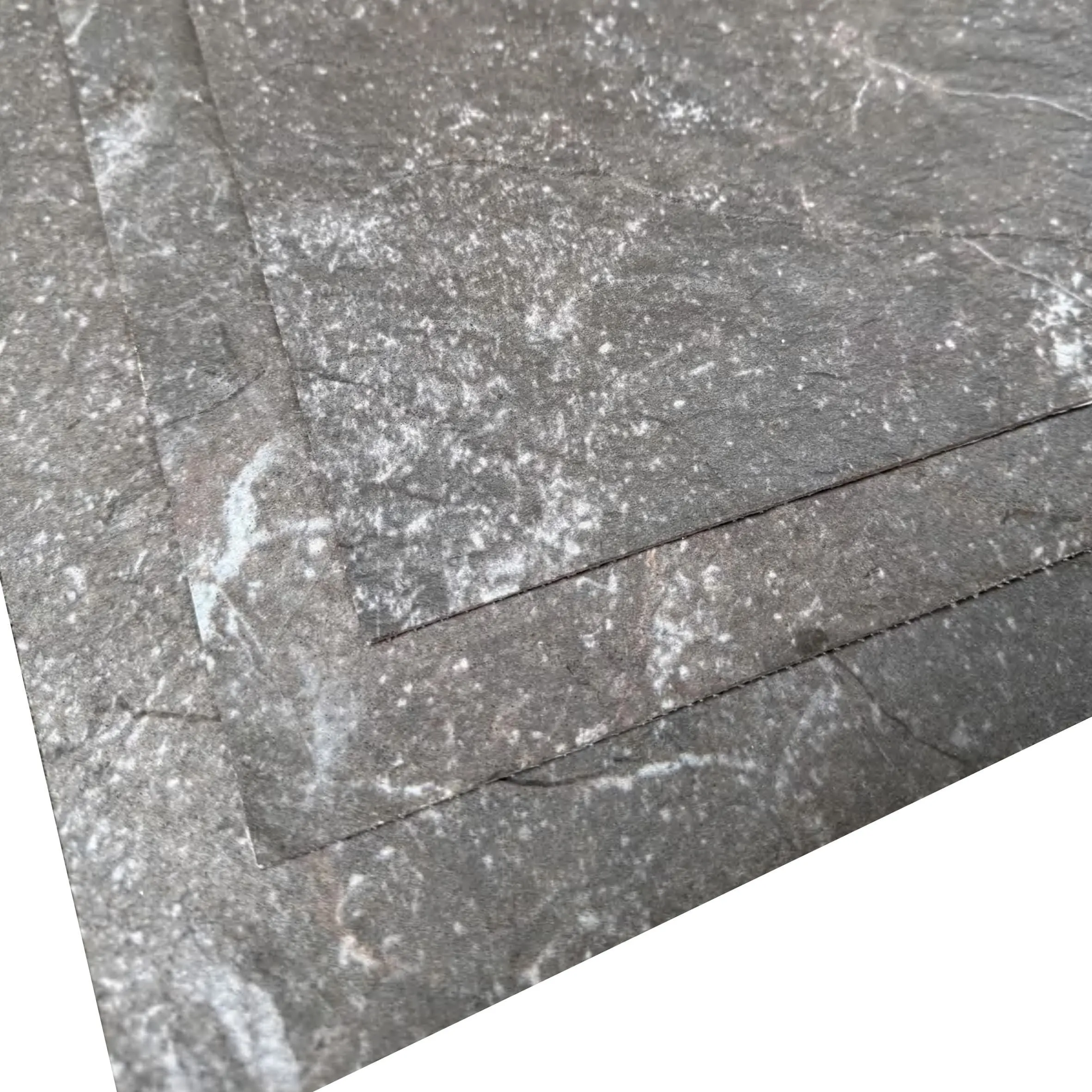
For years, Slate Portoro was largely the domain of luxury hotels and high-end commercial spaces. But lately, homeowners have been craving that same sense of timeless elegance in their own homes—and designers are answering the call by incorporating Slate Portoro into residential exteriors and interiors.
Take the home of Sarah and David, a couple in Portland who wanted their modernist house to stand out but not feel ostentatious. "We loved the look of the hotels we stayed in on our honeymoon," Sarah says. "But we didn't want our home to look like a hotel. We wanted something that felt personal." Their solution? A Slate Portoro feature wall on the front facade, flanked by warm wooden siding and large windows. "The stone is the star, but it doesn't compete with the landscaping or the natural light," David adds. "People walk by and stop to look—not because it's flashy, but because it feels… intentional. Like we put thought into every inch."
Another popular trend is using Slate Portoro for outdoor kitchens or patio walls. In California, where indoor-outdoor living is a way of life, many homeowners are pairing the stone with travertine (starry blue) for a striking contrast. "Travertine (starry blue) has these beautiful, subtle blue-gray tones with tiny flecks that look like stars," explains landscape designer Marco. "Next to Slate Portoro's deep richness, it creates a palette that feels both earthy and celestial. It's perfect for evening gatherings—when the outdoor lights come on, the two stones play off each other, making the patio feel like a private oasis."
Inside the home, Slate Portoro is often used as a focal point in living rooms, home offices, or master bathrooms. Jennifer, a freelance writer in Chicago, transformed her home office with a Slate Portoro wall behind her desk. "I work from home, so I wanted a space that felt inspiring but calm," she says. "The stone wall is my 'mood booster.' On tough days, I'll stare at those golden veins and imagine them as rivers of sunlight. It sounds silly, but it works. And when clients video call, they always comment on how 'professional' and 'put-together' my space looks—little do they know, it just makes me happy."
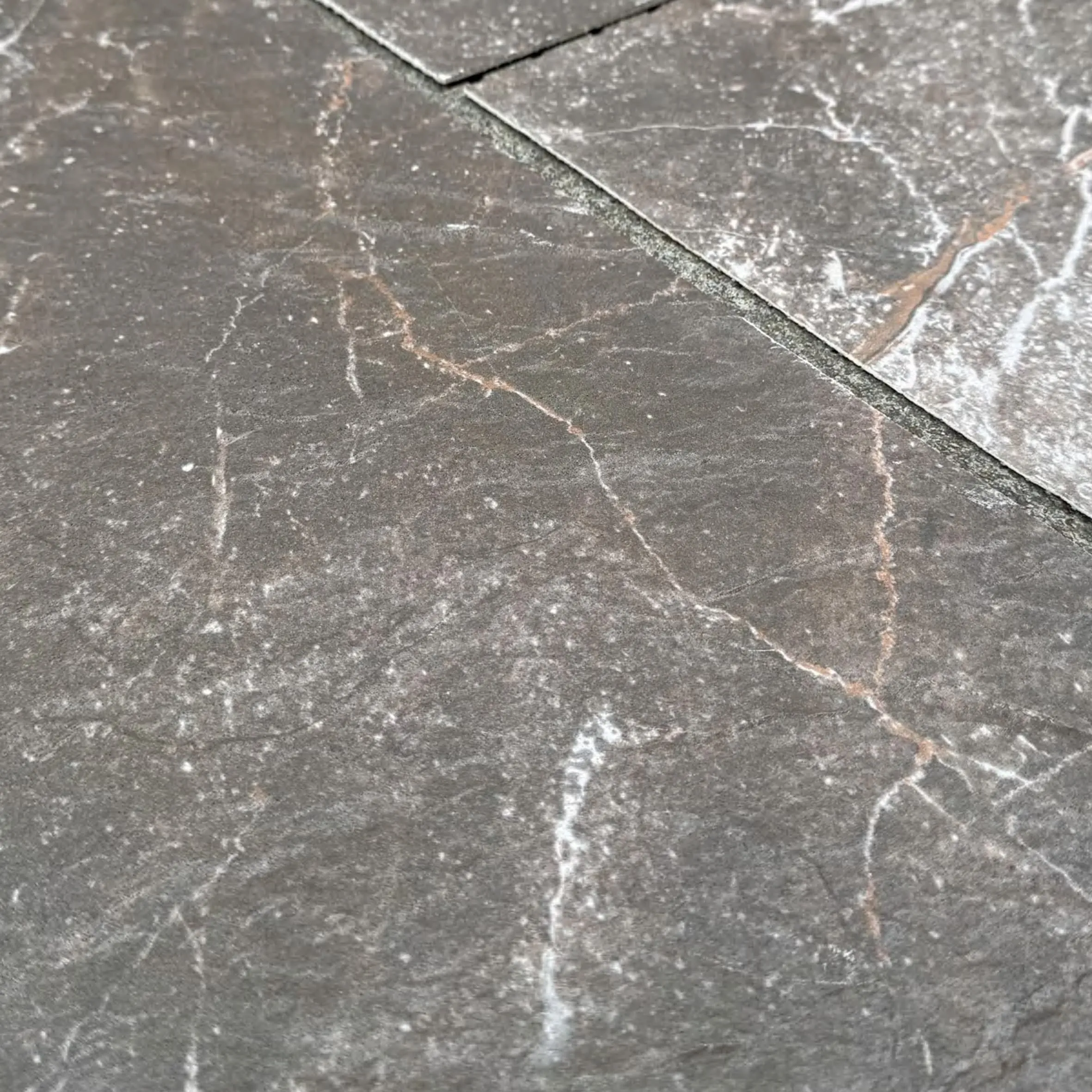
Even the most stunning material shines brighter when paired with the right companions. Slate Portoro is no exception, and designers often mix it with other materials to create layered, textured spaces. Here are a few of its most harmonious pairings:
| Material | Aesthetic Vibe | Best For | Mood Created |
|---|---|---|---|
| Slate Portoro | Deep, moody, with golden/ivory veins | Lobbies, feature walls, exteriors | Dramatic yet grounded; timeless elegance |
| Travertine (Starry Blue) | Soft blue-gray with subtle "starry" flecks | Outdoor patios, bathroom walls | Calm, serene; brings the outdoors in |
| Wood Grain Board | Warm, natural wood tones with visible grain | Hotel suites, residential interiors | Cozy, inviting; balances stone's coolness |
| Fair-Faced Concrete | Raw, industrial, with subtle texture | Modern restaurants, home offices | Edgy yet sophisticated; contrasts with stone's warmth |
| Travertine (Starry Orange) | Vibrant orange with star-like flecks | Accent walls, fireplace surrounds | Energetic yet warm; adds a pop of color without clashing |
For example, in the Azure Heights Hotel's restaurant, Slate Portoro walls are paired with wood grain board ceilings and travertine (starry blue) flooring. "The wood adds warmth, the travertine softens the space, and the Slate Portoro ties it all together with a touch of drama," Maria explains. "It's like a symphony—each instrument has its own part, but together, they create something beautiful."
Another winning combination is Slate Portoro with fair-faced concrete, a raw, industrial material that adds edge to the stone's elegance. "We used this pairing in a tech startup's office," says designer Raj. "The concrete keeps things modern and fresh, while the Slate Portoro adds a sense of permanence—like the company is built to last."
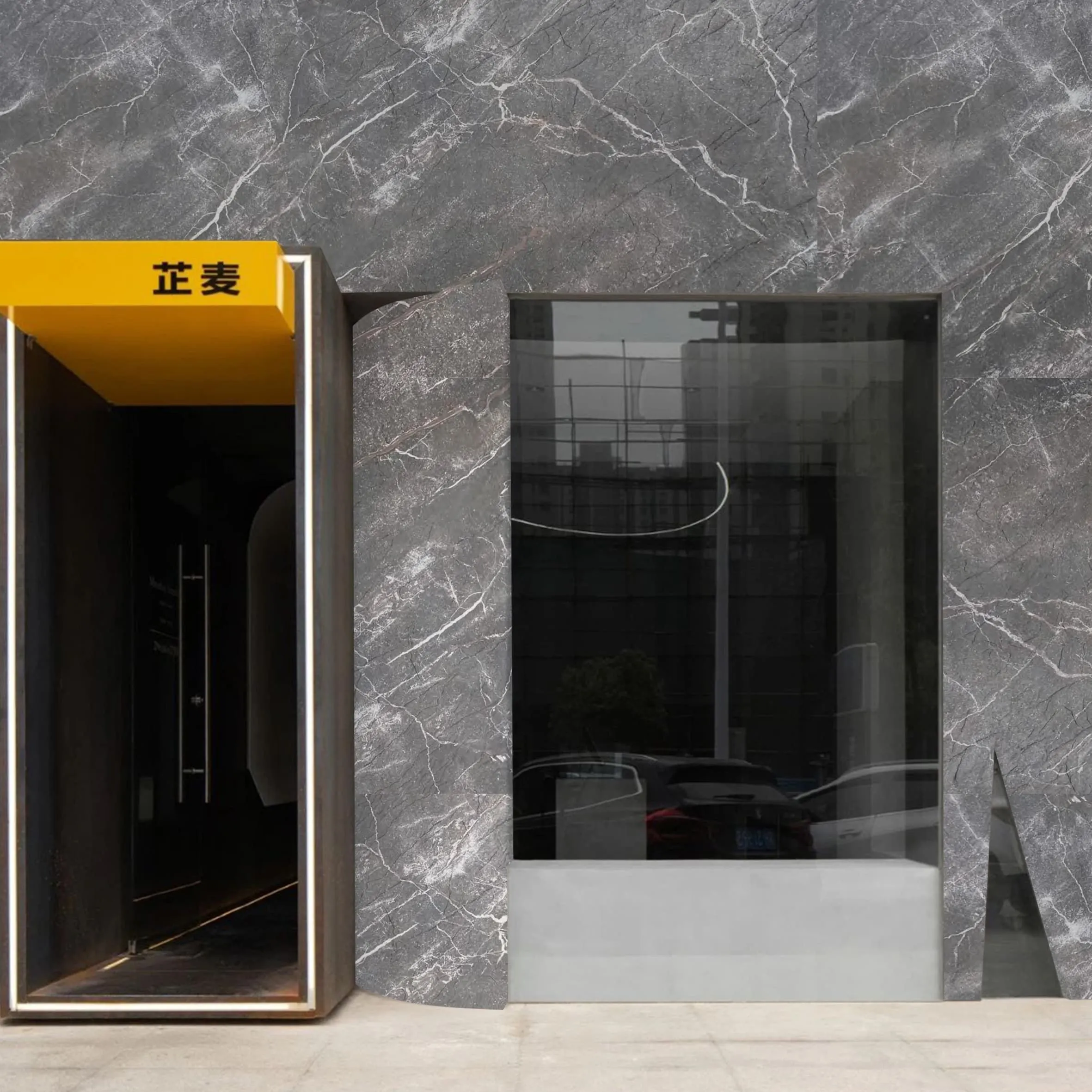
In a world of fast trends and disposable design, there's something deeply reassuring about a material that's built to last. Slate Portoro is not just beautiful—it's sustainable, too. Quarried using eco-friendly practices, it requires minimal processing, and its durability means it won't need to be replaced for decades, if ever. "When you choose Slate Portoro, you're making a choice for the planet," Maria says. "It's a material that respects the earth's resources while giving back in the form of timeless beauty."
But perhaps its greatest strength is its timelessness. Unlike trendy materials that feel dated after a few years, Slate Portoro has a classic appeal that transcends fads. "I've worked on projects where Slate Portoro was installed 20 years ago, and it still looks as stunning as the day it was put in," Maria adds. "That's the mark of a truly great material—it grows with the space, adapting to new decor and changing tastes, but never losing its core beauty."
As we wrap up our journey through the world of Slate Portoro, it's clear that this stone is more than just a building material. It's a storyteller—a material that carries the earth's history in its veins, adapts to the needs of its space, and creates moments of connection for everyone who encounters it. Whether it's welcoming guests in a luxury hotel lobby or making a house feel like a home, Slate Portoro reminds us that the best design isn't just about how something looks—it's about how it makes us feel.
So the next time you walk into a space and feel an sense of calm, elegance, or warmth, take a closer look. Maybe, just maybe, you'll find yourself running your hand along a wall of Slate Portoro— and suddenly, you'll understand the story it's trying to tell.
Recommend Products












