
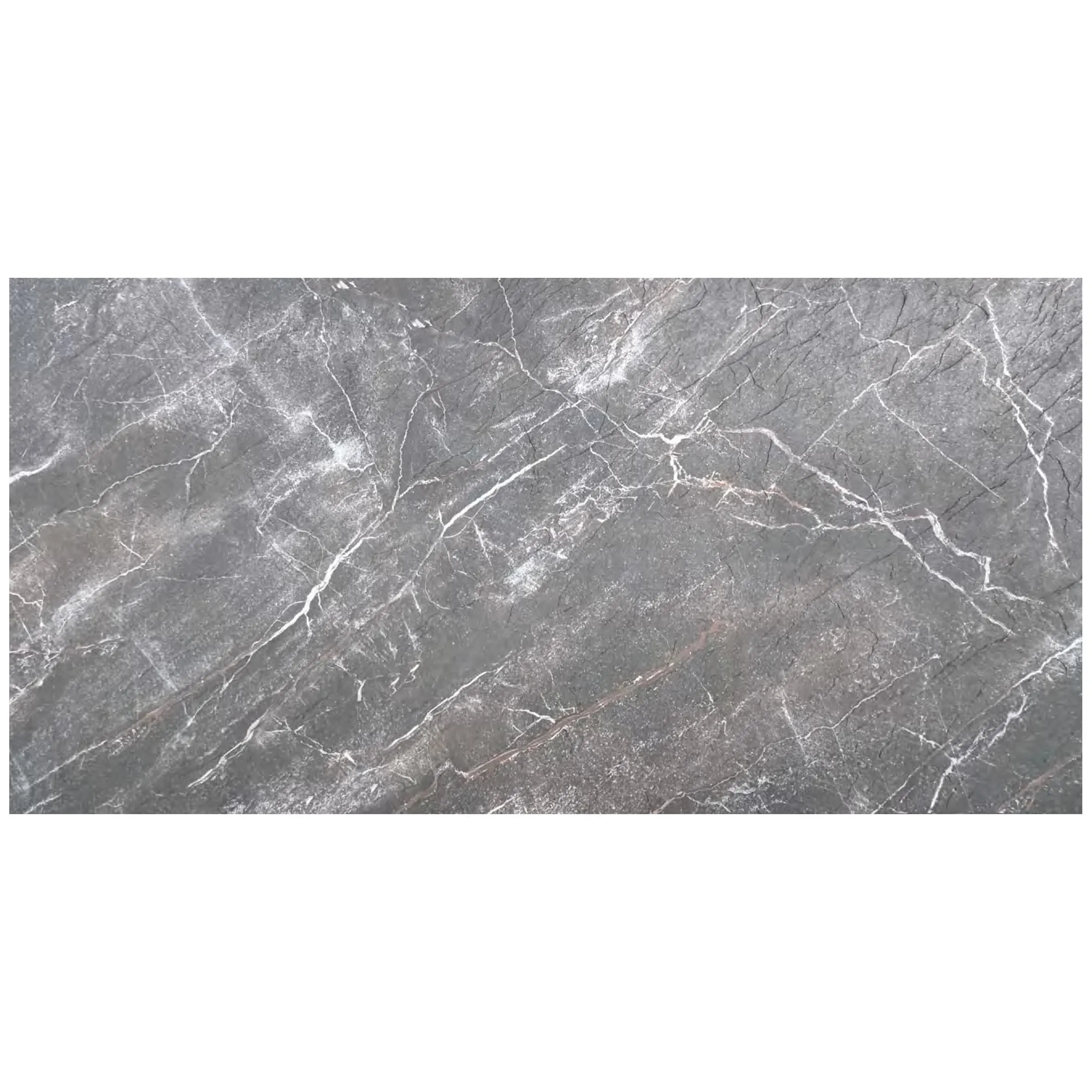
For architects and interior designers, few materials evoke luxury and timelessness quite like natural stone. Slate Portoro, with its deep, moody hues and striking veining, has long been a favorite for high-end projects—from boutique hotel lobbies to upscale residential feature walls. But in recent years, a growing challenge has emerged: sourcing authentic Slate Portoro has become increasingly difficult. Quarries are depleting, extraction costs are soaring, and the logistical hurdles of transporting heavy stone slabs are creating delays and budget overruns. For many creatives, the dream of incorporating this iconic stone is colliding with the reality of scarcity. Fortunately, a new generation of materials is stepping in to bridge the gap: MCM (Modified Composite Material) solutions, including MCM flexible stone and MCM big slab board series , are redefining what's possible in stone-inspired design—without the sourcing struggles.
Slate Portoro's allure lies in its uniqueness. Formed over millions of years by geological processes, each slab is one-of-a-kind, boasting rich black backgrounds swirled with gold or white veins. But this uniqueness is also its Achilles' heel. True Slate Portoro is quarried in limited regions, and decades of extraction have left many deposits depleted. Today, even when suppliers can locate viable stone, the costs are prohibitive: extraction requires heavy machinery and skilled labor, and the stone's density makes transportation a logistical nightmare. A single 2cm-thick slab can weigh over 50kg, driving up shipping fees and requiring reinforced structural support during installation.
Installation itself presents another set of challenges. The stone's weight demands specialized labor and equipment, increasing project timelines. Worse, natural stone is prone to cracking during transit or installation, leading to wasted material and costly replacements. For designers working on tight deadlines or with sustainability goals, the environmental impact of quarrying—deforestation, habitat disruption, and carbon emissions from transportation—adds another layer of concern. In short, Slate Portoro's beauty has become overshadowed by its practical limitations.
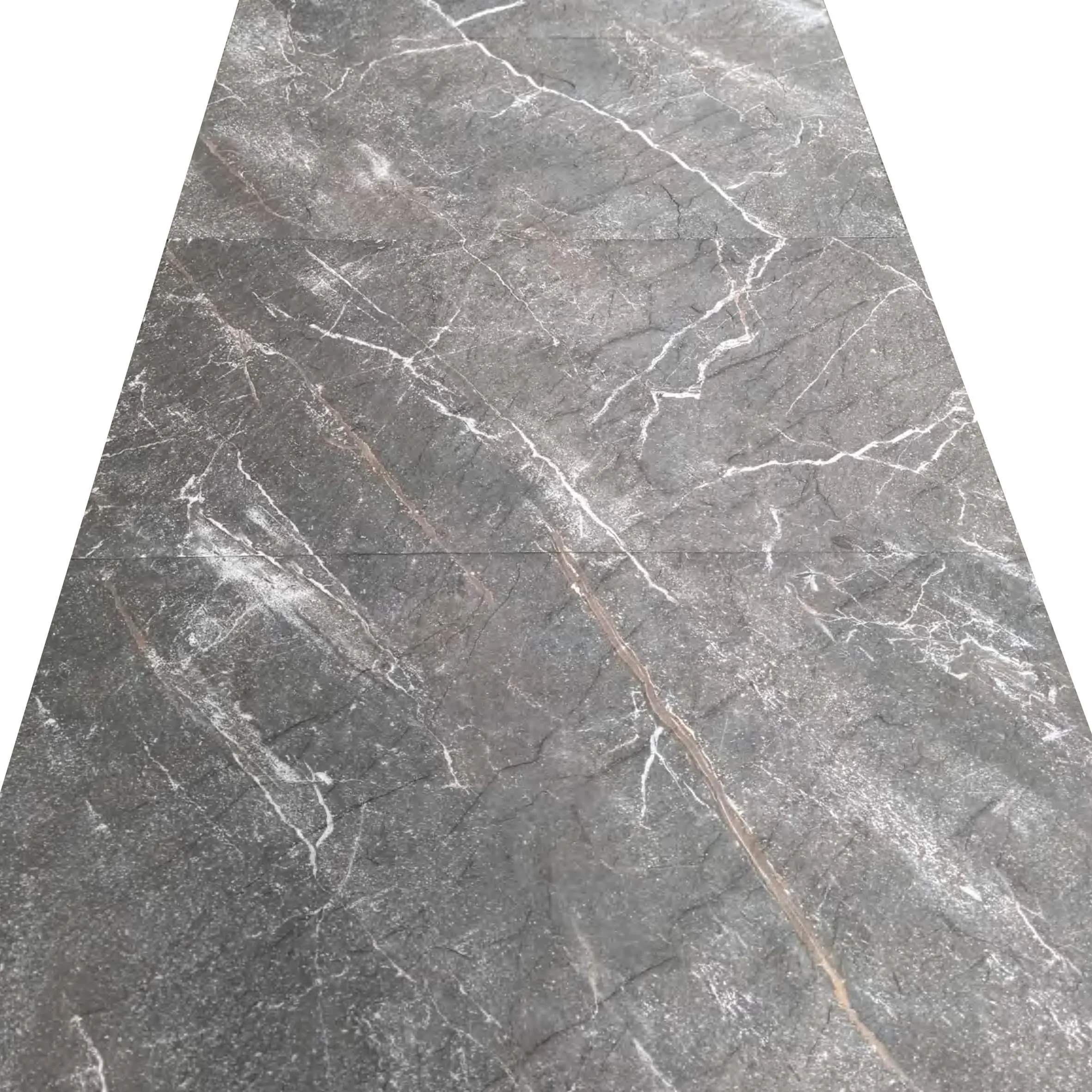
Enter MCM materials—a revolutionary class of engineered composites designed to replicate the aesthetic of natural stone while addressing its flaws. At their core, MCM products combine natural mineral aggregates (like stone powder and fibers) with high-performance polymers, creating a material that's both lightweight and incredibly durable. Unlike traditional stone, MCM is manufactured in controlled environments, ensuring consistency in color, pattern, and quality—eliminating the "lottery" of natural stone sourcing.
The benefits of MCM are transformative. First and foremost, it's lightweight —up to 80% lighter than natural stone. A 3mm-thick MCM panel weighs just 4-6kg per square meter, compared to 25-30kg for a similar-sized Slate Portoro slab. This reduces shipping costs, simplifies installation (no need for reinforced walls), and opens up new design possibilities, like cladding curved surfaces or high-rise exteriors that couldn't support heavy stone. Durability is another standout feature: MCM resists moisture, UV rays, and impact, making it suitable for both indoor and outdoor use. It won't crack, fade, or warp over time, ensuring projects retain their beauty for decades.
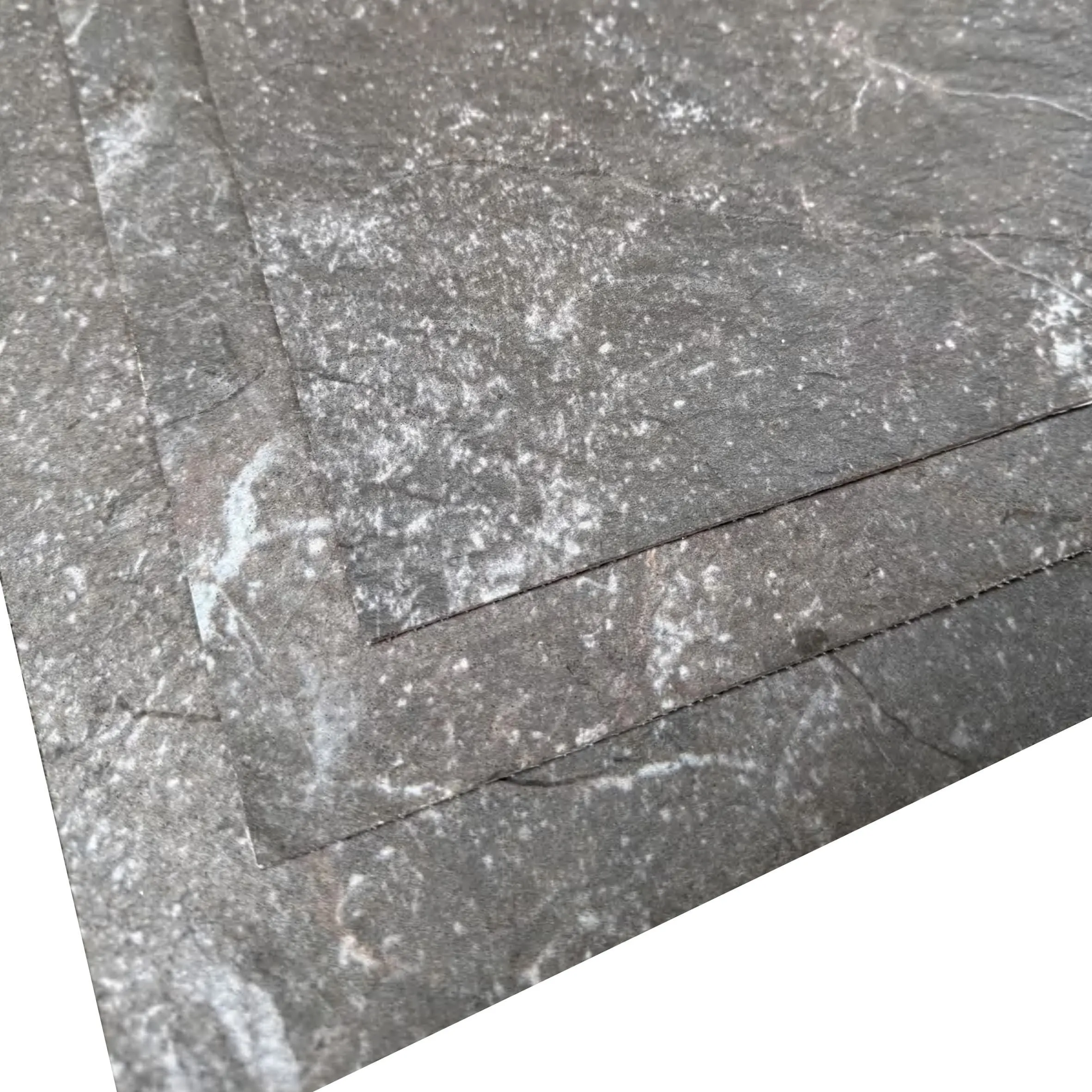
When it comes to replacing Slate Portoro, two MCM innovations stand out: MCM flexible stone and MCM big slab board series . These products don't just mimic natural stone—they enhance it, offering versatility and performance that traditional materials can't match.
MCM Flexible Stone is a game-changer for detailed or curved designs. As the name suggests, this ultra-thin material (as thin as 2mm) can bend and flex, conforming to arches, columns, and organic shapes that would be impossible with rigid Slate Portoro. Imagine a circular lobby wall with a continuous, flowing Slate Portoro-inspired finish—no seams, no cracks, just a seamless sweep of color. MCM flexible stone makes this possible. It's also ideal for intricate patterns, like custom mosaics or geometric accents, giving designers the freedom to push creative boundaries.
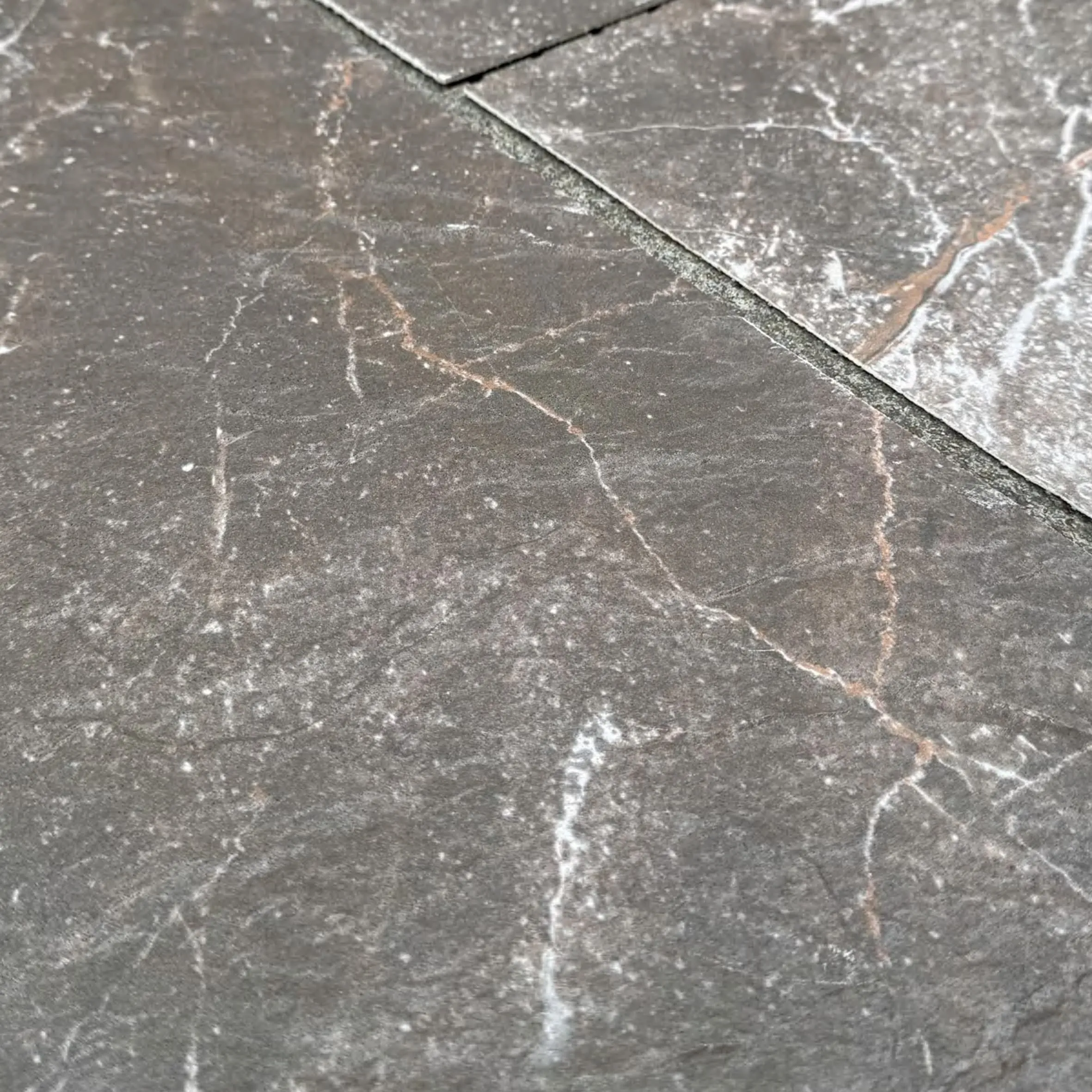
MCM Big Slab Board Series caters to the demand for large, uninterrupted surfaces. Available in sizes up to 1200x2400mm, these slabs minimize visible seams, creating the same expansive, luxurious look as full-sized natural stone slabs. For projects where a bold, monolithic aesthetic is key—like a hotel reception desk or a residential feature wall—big slab MCM delivers the "wow" factor of Slate Portoro without the hassle of sourcing oversized natural stone. What's more, these slabs are available in a range of finishes, including deep, veined patterns that closely replicate Slate Portoro's iconic look. For designers craving variety, MCM also offers unique stone-inspired options, like travertine (starry green) —a vibrant, celestial take on classic travertine that adds a modern twist to traditional designs.
| Characteristic | Natural Slate Portoro | MCM Flexible Stone / Big Slab |
|---|---|---|
| Weight (per sqm) | 25-30kg | 4-6kg |
| Installation Complexity | Requires structural reinforcement; specialized labor | Lightweight, easy to install with standard tools |
| Availability | Limited; subject to quarry depletion | Mass-produced; consistent supply |
| Customization | Fixed by natural formation; limited color/pattern options | Customizable finishes, sizes, and textures |
| Environmental Impact | High (quarrying, heavy transportation) | Low (recycled materials, reduced emissions) |
While MCM excels as a Slate Portoro alternative, its versatility extends far beyond replication. Designers can explore a universe of finishes, from industrial-chic fair-faced concrete to warm, earthy wood grains, and even metallic or iridescent effects. For example, fair-faced concrete MCM panels capture the raw, minimalist beauty of exposed concrete but with the lightweight benefits of MCM—perfect for modern commercial spaces or loft-style homes. This flexibility means MCM isn't just a substitute for rare stone; it's a design tool that encourages creativity, allowing projects to stand out with unique, on-trend aesthetics.
Applications are virtually limitless. MCM is used for exterior cladding, interior accent walls, kitchen backsplashes, furniture, and even signage. In hospitality, it's transforming hotel facades and restaurant interiors, offering durability that withstands heavy foot traffic. In residential design, it's making luxury accessible, allowing homeowners to achieve high-end stone looks on modest budgets. And because MCM is easy to cut and shape on-site, contractors can adapt panels to fit unique spaces, reducing waste and ensuring a precise fit.
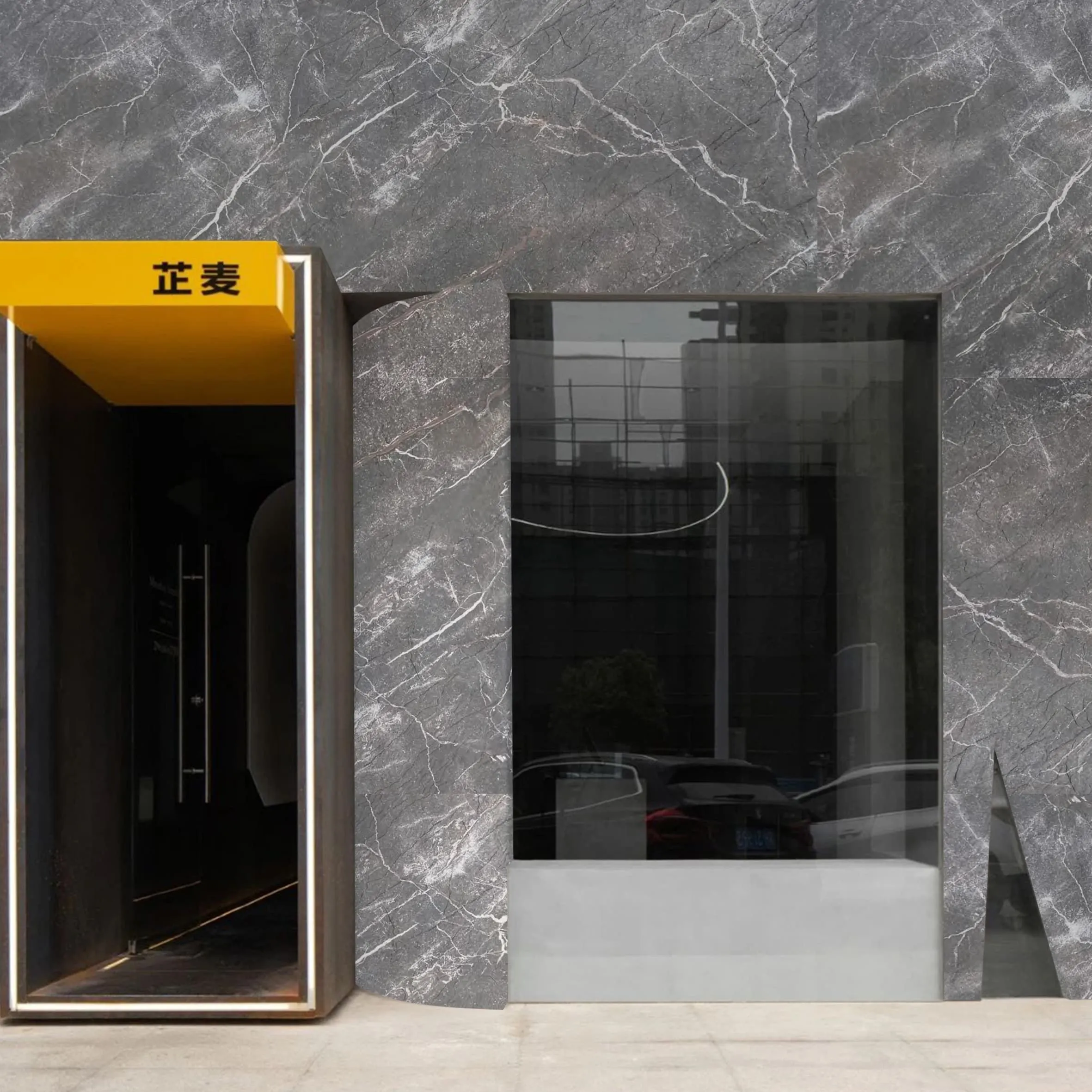
In an era where sustainability is a priority, MCM shines. Unlike natural stone quarrying, which disrupts ecosystems and depletes finite resources, MCM production uses recycled materials (like post-industrial stone dust and plastic polymers) and generates minimal waste. Many MCM manufacturers also prioritize energy-efficient production processes, further reducing their carbon footprint. For projects aiming for LEED or BREEAM certification, MCM can contribute to credits for sustainable materials and reduced environmental impact.
Economically, MCM offers significant savings. Material costs are lower than rare stones like Slate Portoro, and the reduced shipping and installation expenses add up quickly. A typical MCM project can save 30-40% on labor and logistics alone. Long-term, MCM's durability means lower maintenance costs—no need for sealing, polishing, or repairs that natural stone often requires. For designers and clients alike, this translates to beautiful, long-lasting results without breaking the bank.
Slate Portoro will always hold a special place in design history, but its scarcity doesn't have to limit creativity. MCM materials—led by innovations like MCM flexible stone and MCM big slab board series —are proving that luxury, durability, and sustainability can coexist. They offer the beauty of natural stone without the sourcing headaches, opening up a world of possibilities for architects, designers, and homeowners.
As the design industry evolves, MCM is poised to become the material of choice for projects that demand both style and practicality. Whether replicating the drama of Slate Portoro, the warmth of travertine (starry green), or the industrial edge of fair-faced concrete, MCM is more than an alternative—it's an upgrade. For those ready to move beyond the limitations of traditional stone, MCM isn't just solving sourcing issues; it's redefining what's possible in design.
Recommend Products












