
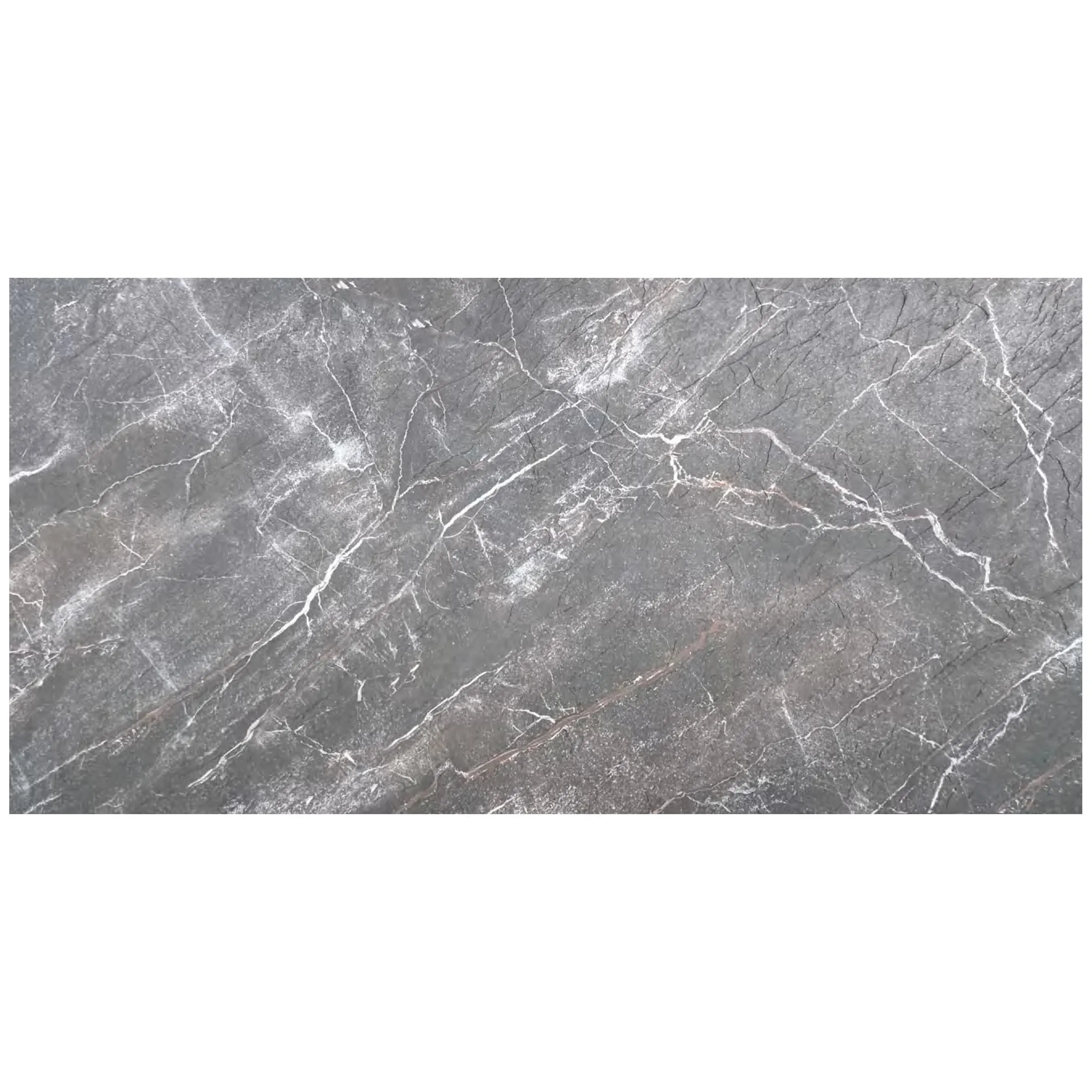
The kitchen is often called the heart of the home, but let's be honest—it's also the most scrutinized room. From the layout of the cabinets to the color of the countertops, every detail matters. And if there's one element that tends to spark the most debate (and the most excitement), it's the backsplash. It's not just a protective barrier against splatters and steam; it's the room's visual anchor, the feature that can turn a "nice" kitchen into one that makes guests stop mid-conversation and say, "Wow, this is stunning." Today, we're diving into a material that's been turning heads in design circles: Slate Portoro . But not just any Slate Portoro—we're pitting the classic natural stone against its modern counterpart: MCM (Modified Composite Material) Slate Portoro. Whether you're a homeowner embarking on a renovation or a designer hunting for the perfect finish, this deep dive will help you decide which version of this striking stone deserves a spot in your kitchen.
Before we compare, let's get to know the star of the show. Slate Portoro is a type of metamorphic rock known for its dramatic contrast: deep, almost black backgrounds swirled with veins of gold, cream, or even hints of gray. It's bold, it's luxurious, and it has a timelessness that's hard to match. Historically quarried in regions like Italy and Spain, natural Slate Portoro has been used in palaces, high-end restaurants, and luxury homes for centuries. Its name alone evokes images of grandeur—think marble floors in old European villas or opulent bathroom walls. But in recent years, a newer player has entered the ring: MCM Slate Portoro, part of the MCM flexible stone lineup. MCM, or Modified Composite Material, is a engineered product that mimics the look of natural stone but swaps some of the rigidity for flexibility, durability, and sustainability. So, how do these two stack up when it comes to your kitchen's backsplash? Let's break it down.
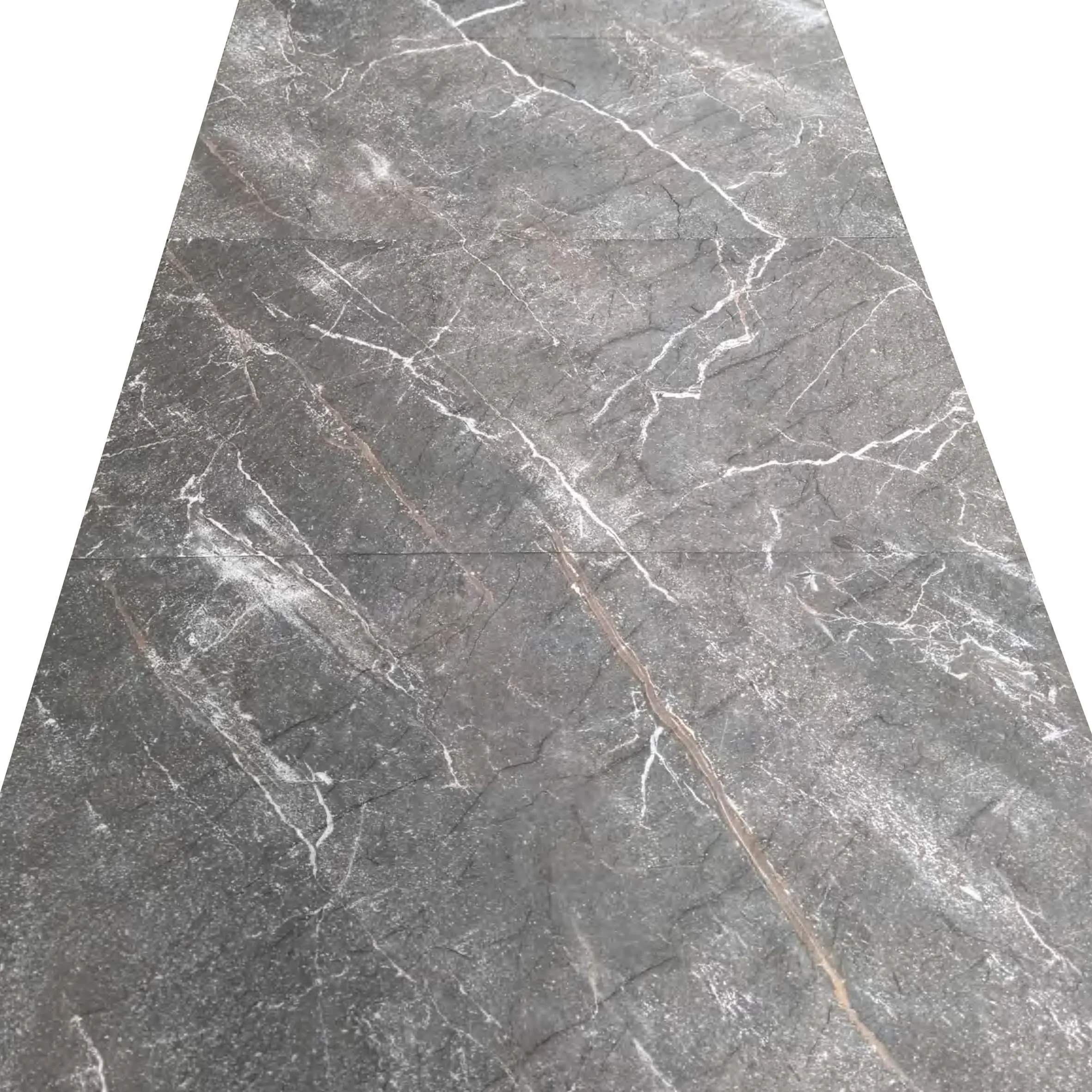
To make this decision easier, let's put them side by side. Below is a comparison of the key features that matter most when choosing a backsplash—from how it looks to how it holds up over time.
| Feature | Natural Slate Portoro | MCM Slate Portoro (Flexible Stone) |
|---|---|---|
| Aesthetics | Authentic, unique veining; slight variations in color and texture make each slab one-of-a-kind. Matte to semi-gloss finish, with a cool, earthy feel. | Precision-engineered to replicate natural veining, with consistent color and pattern across panels. Available in matte, gloss, or textured finishes (like wave panel or linear travertine textures for added depth). |
| Durability | Hard and dense, resistant to scratches and heat. However, it's porous (requires sealing) and prone to chipping if hit with heavy objects (looking at you, rogue cast-iron skillet). | Engineered with a composite core and stone veneer, making it lightweight yet strong. Resistant to chips, cracks, and stains (no sealing needed). Flexibility allows it to bend slightly without breaking—ideal for uneven walls. |
| Installation | Heavy (5-7 lbs per square foot), requiring professional installers and structural support. Cutting requires specialized tools (diamond blades) to avoid fracturing. Not ideal for DIY projects. | Lightweight (1-2 lbs per square foot), making it easier to handle and install. Can be cut with standard tools (utility knives or saws) and applied with adhesive—even suitable for confident DIYers. Works on curved surfaces or backsplashes with intricate designs. |
| Maintenance | Needs annual sealing to prevent stains (red wine, tomato sauce, and oil are public enemies). Wiping requires gentle cleaners; acidic substances (lemon juice, vinegar) can etch the surface. | Sealant-free! Wipe clean with soap and water; resistant to acids and harsh cleaners. No need to panic if you forget to wipe up that coffee spill overnight. |
| Cost | Premium price tag: $40-$80 per square foot (quarrying, transportation, and uniqueness drive up costs). Installation adds another $15-$25 per square foot. | More budget-friendly: $20-$45 per square foot (mass production and lighter materials lower costs). Installation is cheaper too ($5-$15 per square foot) due to easier handling. |
| Sustainability | Quarrying can disrupt ecosystems; transportation from overseas has a high carbon footprint. However, it's a natural, biodegradable material with a long lifespan (50+ years if maintained). | Uses recycled stone dust and minimal natural resources in production. Lightweight design reduces transportation emissions. Some brands even offer panels made from 100% recycled materials, aligning with eco-friendly home trends. |
At first glance, the table might make MCM seem like a no-brainer—but natural stone has a charm that's hard to quantify. Let's dig deeper into what makes each option special, and when you might lean one way or the other.
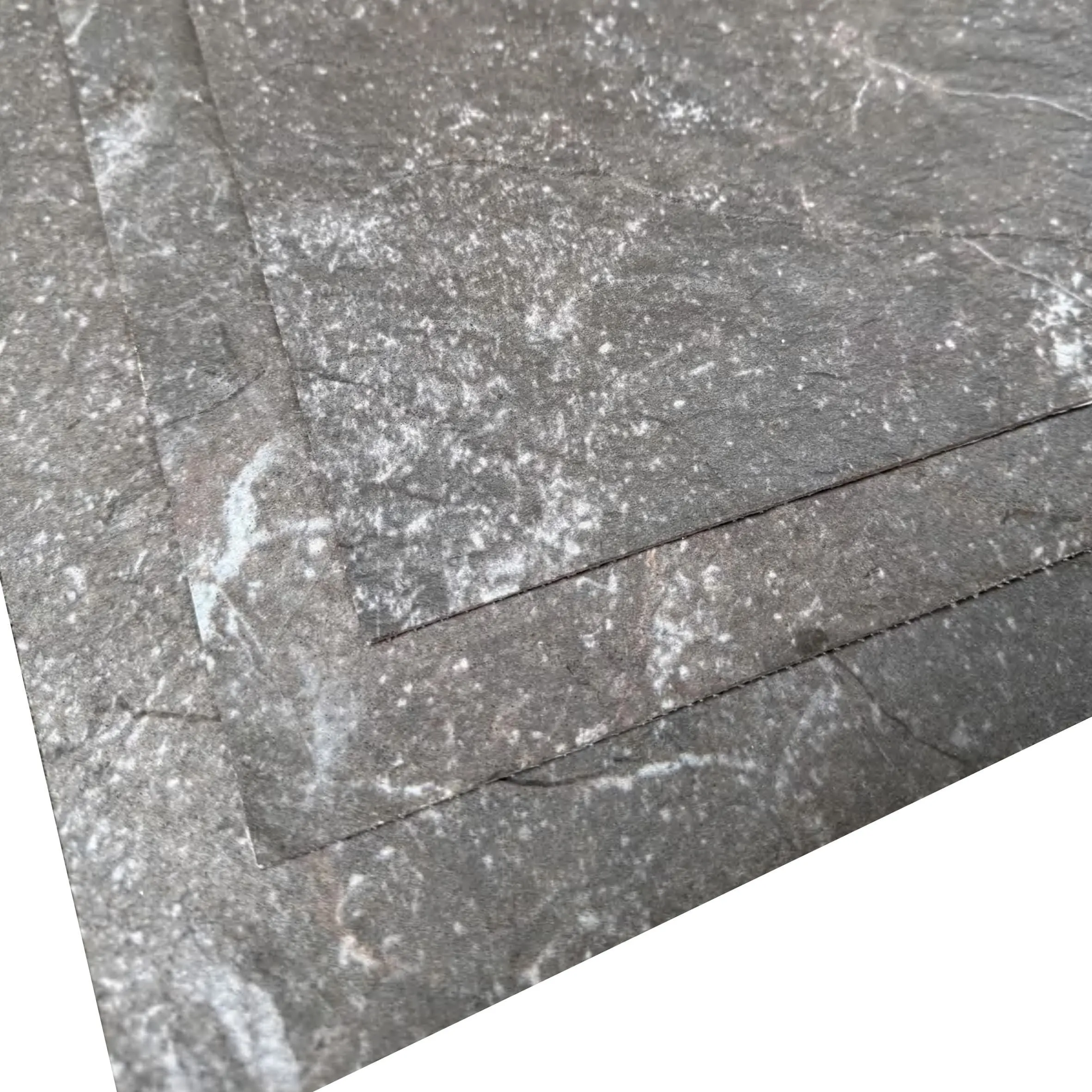
Let's talk about the elephant in the room: beauty. When you're standing in front of a natural Slate Portoro slab, there's an undeniable "wow" factor. The veins aren't just printed—they're formed over millions of years by geological processes, making each piece a unique work of art. You might notice tiny pits, fossilized fragments, or subtle color shifts that tell the stone's story. For homeowners who crave authenticity and are willing to embrace imperfection (the "character" that comes with natural materials), this is irreplaceable. Imagine a kitchen with natural Slate Portoro backsplash, paired with fair-faced concrete countertops and warm wooden cabinets. The contrast of raw, organic stone against sleek concrete creates a space that feels both grounded and sophisticated—like a modern cabin in the woods, but with a touch of old-world luxury.
MCM Slate Portoro, on the other hand, offers precision. If you're someone who loves symmetry—say, you want the veins to align perfectly across your backsplash or match the pattern of your marble veil white countertops—MCM delivers. Manufacturers use high-definition printing and molding techniques to replicate natural veining so accurately that even designers sometimes struggle to tell the difference at first glance. Plus, MCM comes in more finishes. Want a wave panel texture that catches the light as you move around the kitchen? Or a matte surface that hides fingerprints better than natural stone? MCM has you covered. It's ideal for modern or minimalist kitchens where clean lines and consistency are king. Picture this: a sleek, all-white kitchen with flat-panel cabinets, stainless steel appliances, and an MCM Slate Portoro backsplash with subtle gold veins. The uniformity of the MCM panels makes the space feel calm and intentional, while the stone's drama prevents it from feeling too sterile.
"I chose natural Slate Portoro for my kitchen because I wanted something that felt 'alive,'" says Sarah, a homeowner in Chicago who renovated her 1920s bungalow last year. "There's a small imperfection in one corner—a tiny gold vein that loops unexpectedly—and it's become my favorite part. Every time I wash dishes, I notice something new in the stone. MCM looked great in the showroom, but it felt… too perfect. My kitchen isn't perfect, and I wanted a backsplash that matched that personality."
"As a designer, I often recommend MCM to clients who love the look of stone but need practicality," adds Mike, an interior designer in Los Angeles. "I had a client with a curved kitchen island—natural stone would have required custom cutting and cost a fortune. MCM Slate Portoro bent easily around the curve, and you can't tell it's not real. Plus, her kids are constantly splattering food, and she hasn't had a single stain issue in two years."
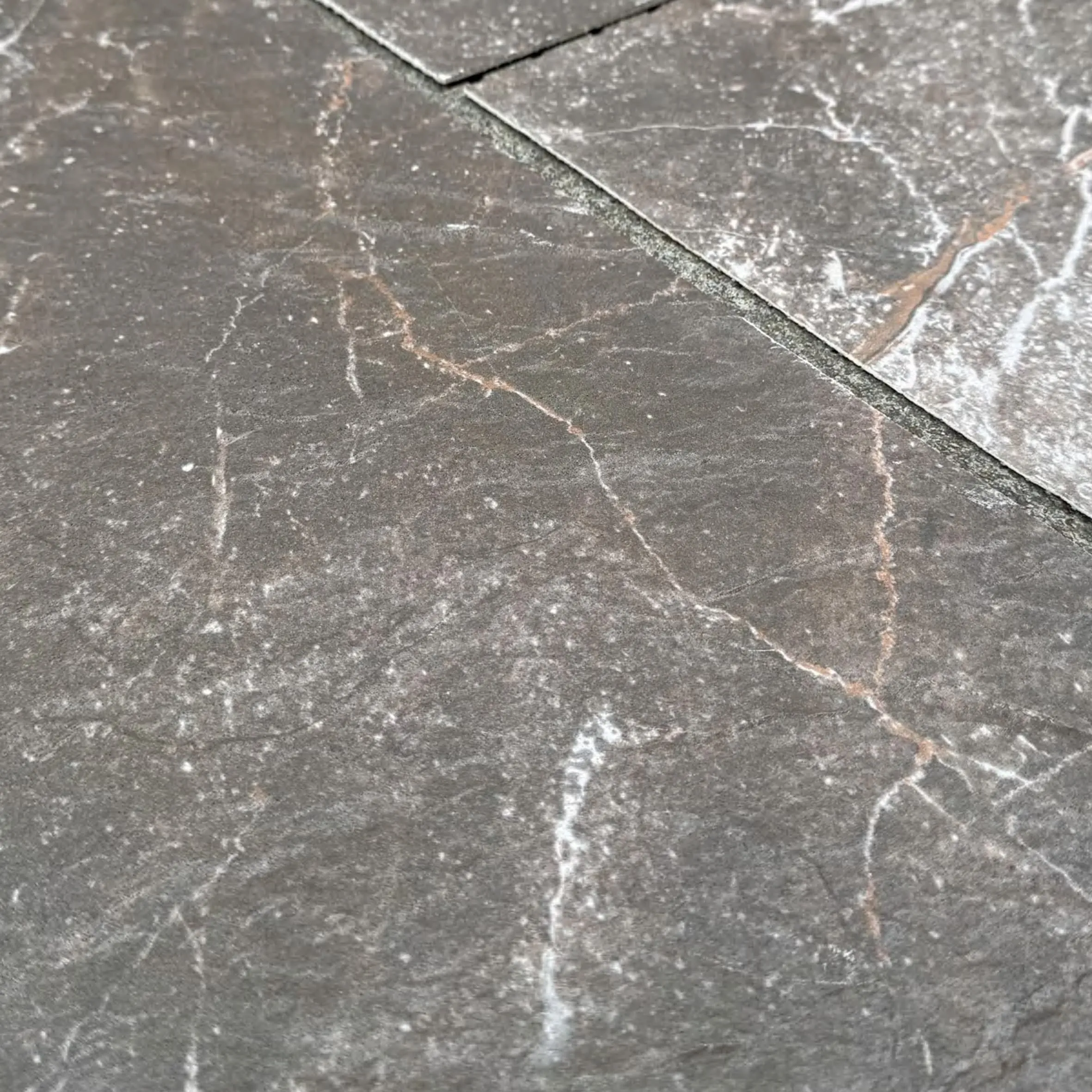
Let's be real: Kitchens are war zones. Between boiling pots, flying utensils, and the occasional culinary experiment gone wrong, your backsplash needs to be tough. Natural Slate Portoro is no pushover—it's heat-resistant (you can place a hot pan directly on it without damage) and scratch-resistant enough to handle daily use. But here's the catch: it's porous. Without sealing, liquids seep in, leaving permanent stains. I once visited a friend whose natural stone backsplash had a noticeable dark spot from a forgotten olive oil spill. "I sealed it, but I guess I missed a spot," she sighed. "Now it looks like a birthmark." And while it's hard, it's also brittle. A heavy pot lid dropped from the counter could chip a corner, and repairing natural stone is tricky—you'd need a professional to fill the chip with epoxy and color-match it, which never looks quite the same.
MCM Slate Portoro, on the other hand, is built for chaos. Its composite core is flexible, so it can absorb impacts that would shatter natural stone. I tested this once (with permission!) at a design expo: I dropped a metal water bottle onto an MCM panel from waist height, and it bounced off without a scratch. The surface is non-porous, too, thanks to a protective resin layer. I poured red wine on an MCM sample, let it sit for an hour, then wiped it up with a paper towel—no trace left. For busy families, renters, or anyone who doesn't want to stress over every spill, this is a game-changer. It's also lighter, which matters for older homes with weaker walls. Natural stone's weight can strain drywall or cause sagging over time, whereas MCM panels are light enough to be installed without reinforcing the wall first.
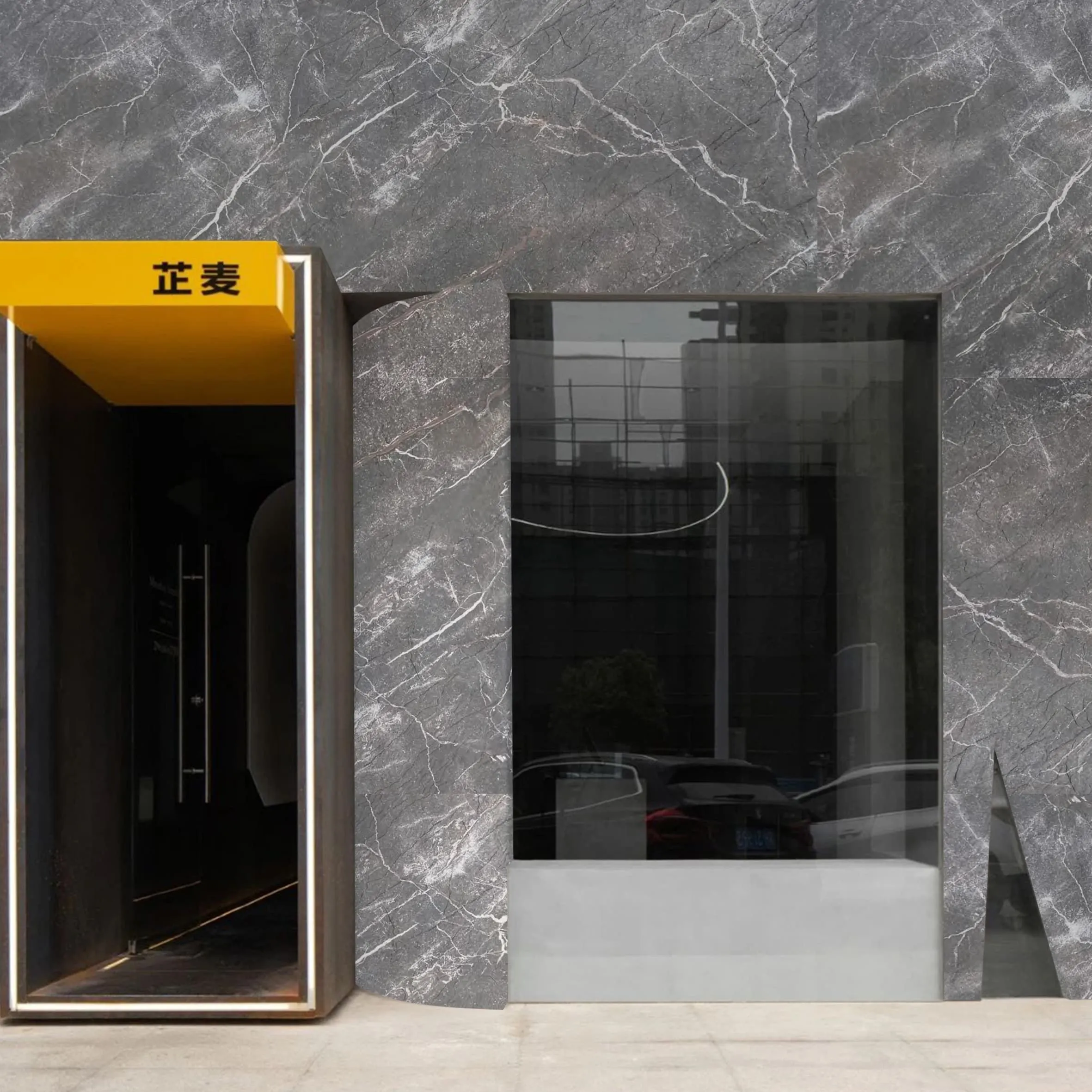
If you're a hands-on homeowner who loves a weekend project, installation is a big consideration. Natural Slate Portoro is not for the faint of heart. Each slab weighs 50-80 pounds, so you'll need a helper (or two) just to carry it. Cutting requires a wet saw with a diamond blade to avoid cracking the stone, and even then, it's easy to make a mistake that ruins the slab. Professional installers charge a premium for this work, and for good reason—one wrong cut can cost hundreds of dollars in wasted material.
MCM Slate Portoro, though? It's a DIYer's dream. The panels are lightweight (a 3x6 foot panel weighs about 10 pounds), so you can carry them solo. Cutting is as simple as scoring the back with a utility knife and snapping it—no special tools needed. Installation involves applying adhesive to the wall and pressing the panels into place, then grouting (if desired). I've seen first-time DIYers complete a small backsplash in a day. Even if you're not handy, hiring a pro for MCM installation is cheaper because it takes less time and labor. One installer I spoke to said he charges half as much for MCM jobs compared to natural stone, since he doesn't need to rent heavy equipment or spend hours cutting.
Let's talk numbers. A typical kitchen backsplash is 30-60 square feet. For natural Slate Portoro, that's $1,200-$4,800 for materials alone, plus $450-$1,500 for installation—total $1,650-$6,300. For MCM, materials are $600-$2,700, installation $150-$900—total $750-$3,600. That's a savings of up to 40%, which could fund new appliances or a fancy range hood. For many homeowners, that's a deciding factor. But if budget isn't an issue and you value authenticity above all else, natural stone's premium price might be worth it. It's an investment that can increase your home's resale value, especially in luxury markets where buyers expect high-end materials.
Still on the fence? Let's map out scenarios where natural or MCM Slate Portoro shines:
Choose Natural Slate Portoro if:
Choose MCM Slate Portoro if:
No backsplash exists in a vacuum. Whether you choose natural or MCM Slate Portoro, you'll want to pair it with other materials that enhance its beauty. For example, fair-faced concrete countertops complement Slate Portoro's drama with their understated, industrial vibe. Or, for a warmer look, marble veil white countertops add softness, letting the Slate Portoro's gold veins take center stage. If you're feeling bold, mix in MCM big slab board series panels in a coordinating color (like a neutral beige) to break up the Slate Portoro and add texture. The key is balance—Slate Portoro is a statement maker, so keep other elements simple to avoid overwhelming the space.
At the end of the day, choosing between natural and MCM Slate Portoro comes down to what matters most to you. If you crave the authenticity of natural stone and don't mind the upkeep and cost, go for it—you'll have a backsplash that's as unique as your home. If you want the look of luxury without the hassle, MCM is a smart, stylish alternative that's built for real life. Whichever you choose, Slate Portoro's bold beauty is sure to make your kitchen the heart of your home—one that's as functional as it is stunning.
So, what's it going to be? The timeless elegance of natural stone, or the modern practicality of MCM? Either way, your kitchen will thank you.
Recommend Products












