
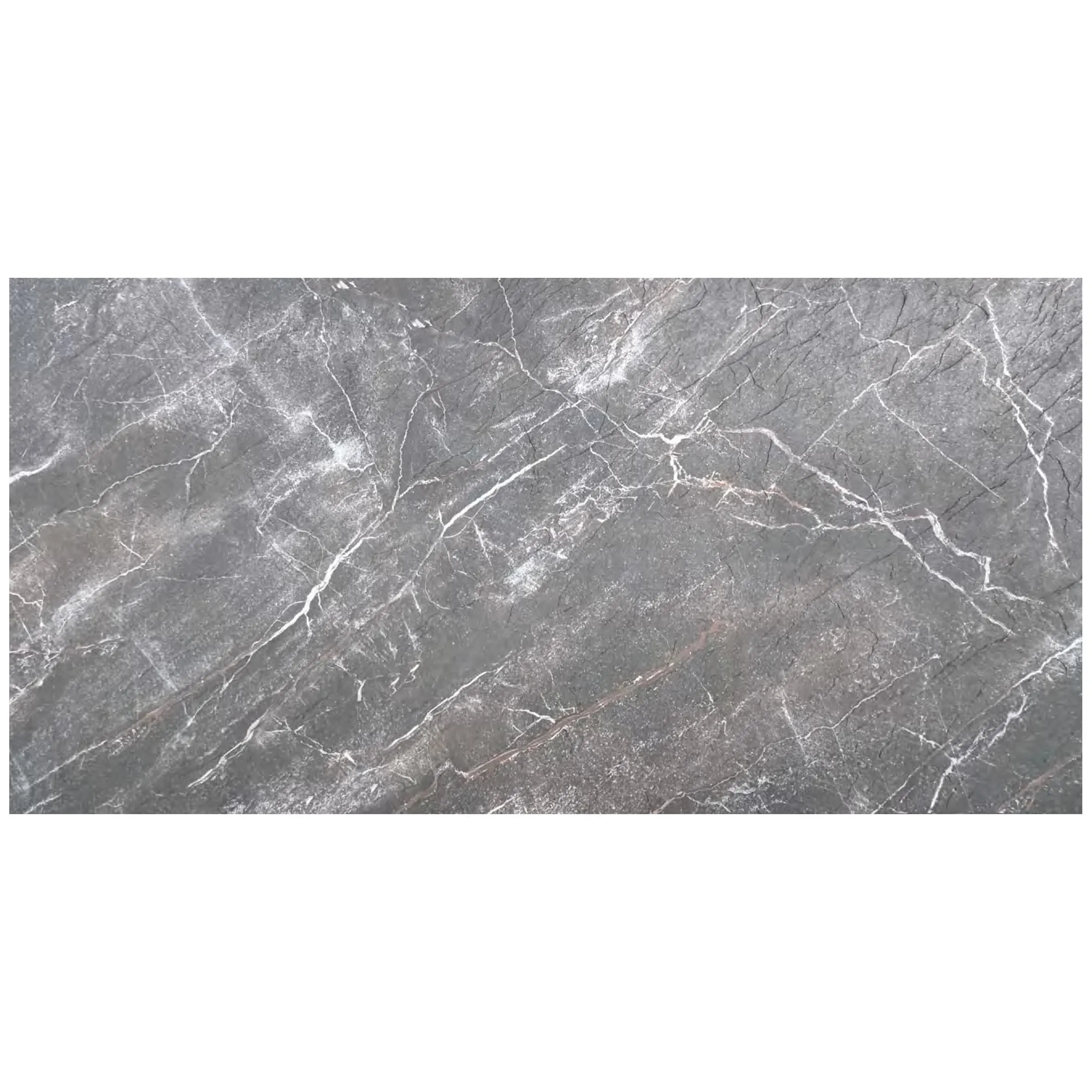
When you step into a thoughtfully designed office lobby, the first thing that often catches your eye isn't just the furniture or lighting—it's the walls. The texture, color, and material set the tone, quietly communicating the company's brand identity and values. In today's fast-paced work environment, where employee well-being and client impressions matter more than ever, the choice of building materials has evolved from a mere practicality to a strategic decision. Enter Slate Portoro, a standout in the MCM Project Board Series, and a material that's redefining how we think about office aesthetics.
Gone are the days of sterile, one-size-fits-all office walls. Modern workspaces demand materials that balance professionalism with warmth, durability with design flexibility, and sustainability with visual impact. Slate Portoro checks all these boxes, and then some. Let's dive into why this material, paired with MCM's innovative technology, is becoming a go-to choice for architects, interior designers, and business owners alike.
Before we zoom in on Slate Portoro, it's worth understanding the backbone behind it: MCM, or Modified Composite Material. MCM isn't just a single product; it's a family of solutions designed to address the limitations of traditional building materials. The MCM Flexible Stone technology, for instance, takes the natural beauty of stone and infuses it with flexibility and lightness, making it easier to install and more adaptable to diverse architectural needs. The MCM Project Board Series, which includes Slate Portoro, builds on this innovation by offering a curated range of textures and colors tailored for commercial spaces—offices included.
What sets MCM apart? Think of it as nature meets engineering. Traditional stone is heavy, brittle, and often requires extensive structural support. Wood, while warm, can warp or fade over time. Concrete, though durable, can feel cold and impersonal. MCM bridges these gaps by combining natural mineral powders with advanced polymers, resulting in materials that are lightweight (up to 80% lighter than natural stone), resistant to wear and tear, and surprisingly versatile. For offices, this means more design freedom, lower installation costs, and a longer lifespan—all without sacrificing aesthetics.
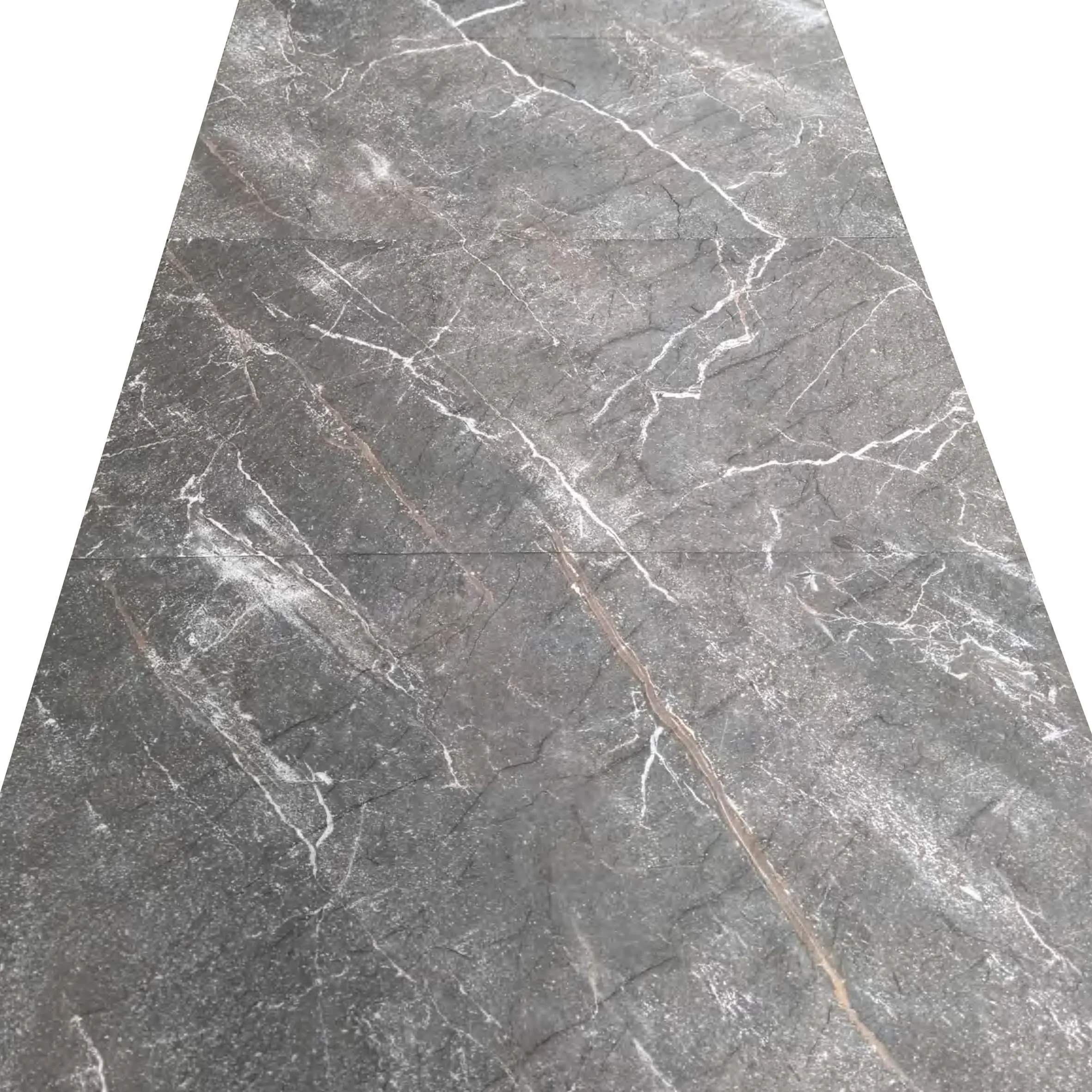
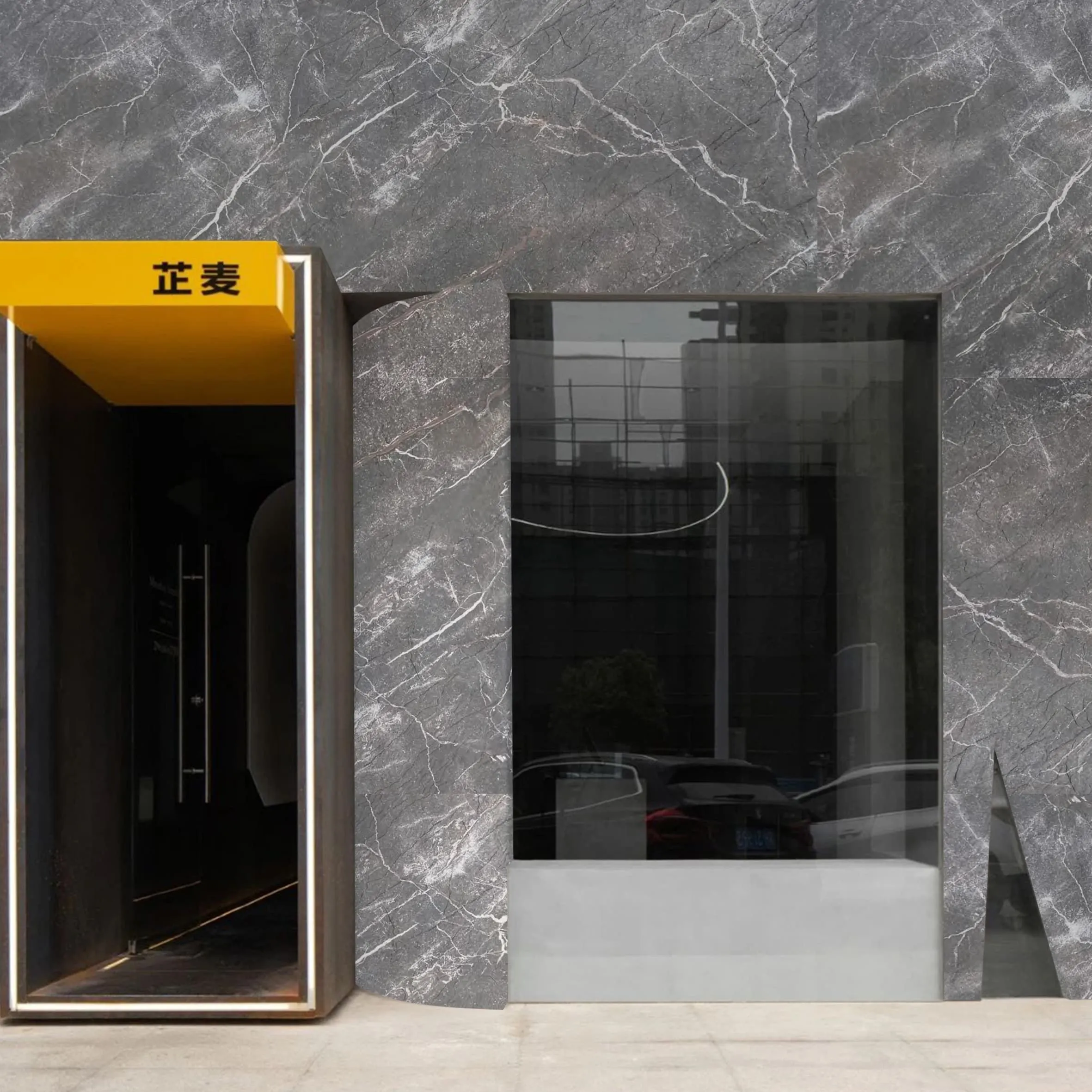
Slate Portoro isn't just a material—it's a mood. Imagine a deep, velvety gray base with subtle, irregular veins of gold and charcoal running through it, like a starry night sky compressed into stone. It's sophisticated without being intimidating, bold without overwhelming, and versatile enough to complement everything from minimalist Scandinavian designs to industrial-chic layouts. What makes it particularly suited for offices?
First, its neutral palette. Gray is a timeless color that pairs effortlessly with other hues—whether you're accenting with vibrant brand colors or keeping things monochromatic for a sleek look. The veining adds depth, preventing the walls from feeling flat or sterile. In open-plan offices, where visual interest can combat monotony, Slate Portoro's texture creates subtle focal points that draw the eye without distracting from work. In meeting rooms, it exudes a quiet confidence, setting the stage for productive discussions and memorable client presentations.
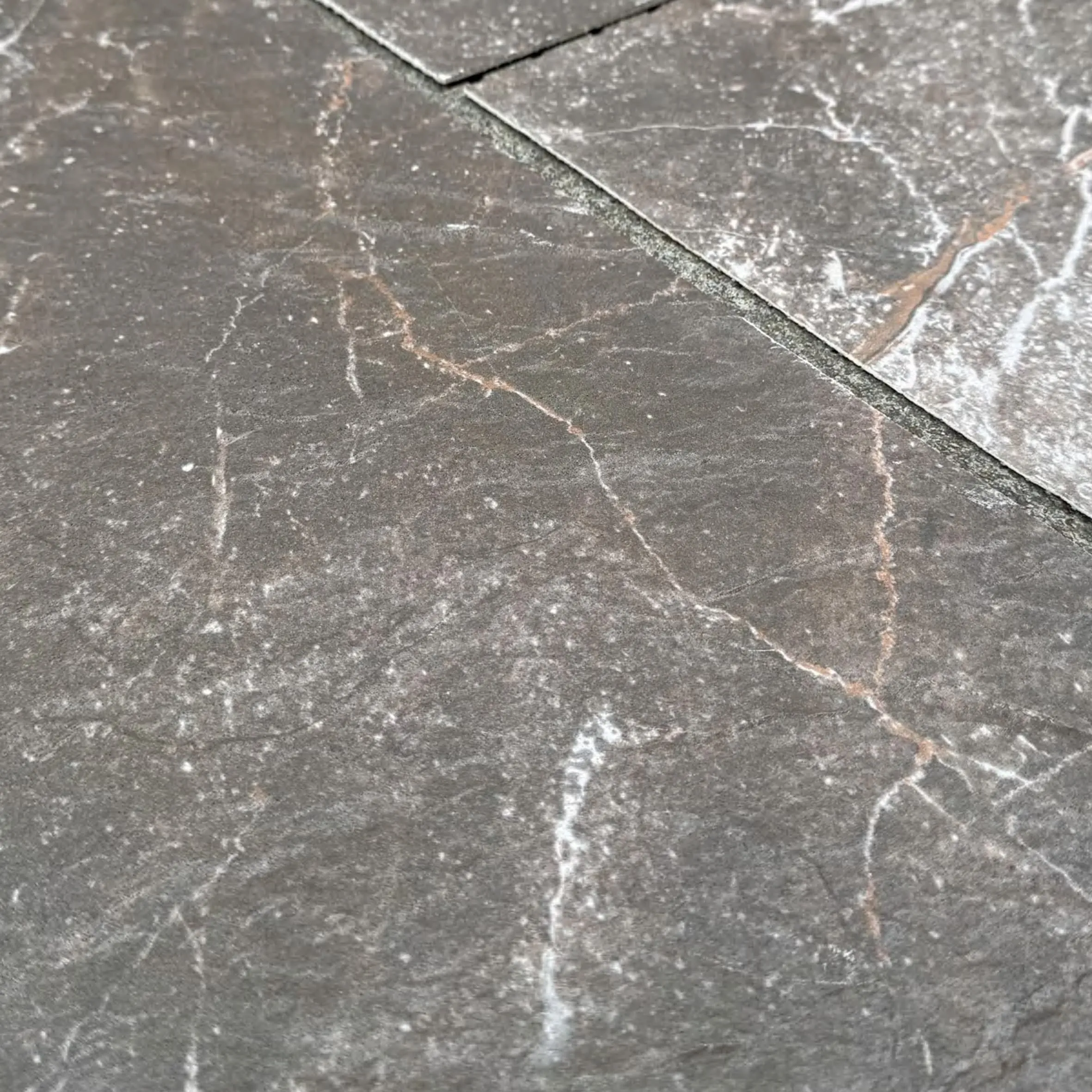
But Slate Portoro's appeal isn't just skin-deep. Thanks to MCM's manufacturing process, it retains the tactile quality of natural stone—run your hand over it, and you'll feel the gentle ridges and valleys that make it feel organic and alive. This sensory element is key in offices, where cold, smooth surfaces can leave spaces feeling impersonal. Slate Portoro adds warmth, making employees and visitors alike feel more at ease.
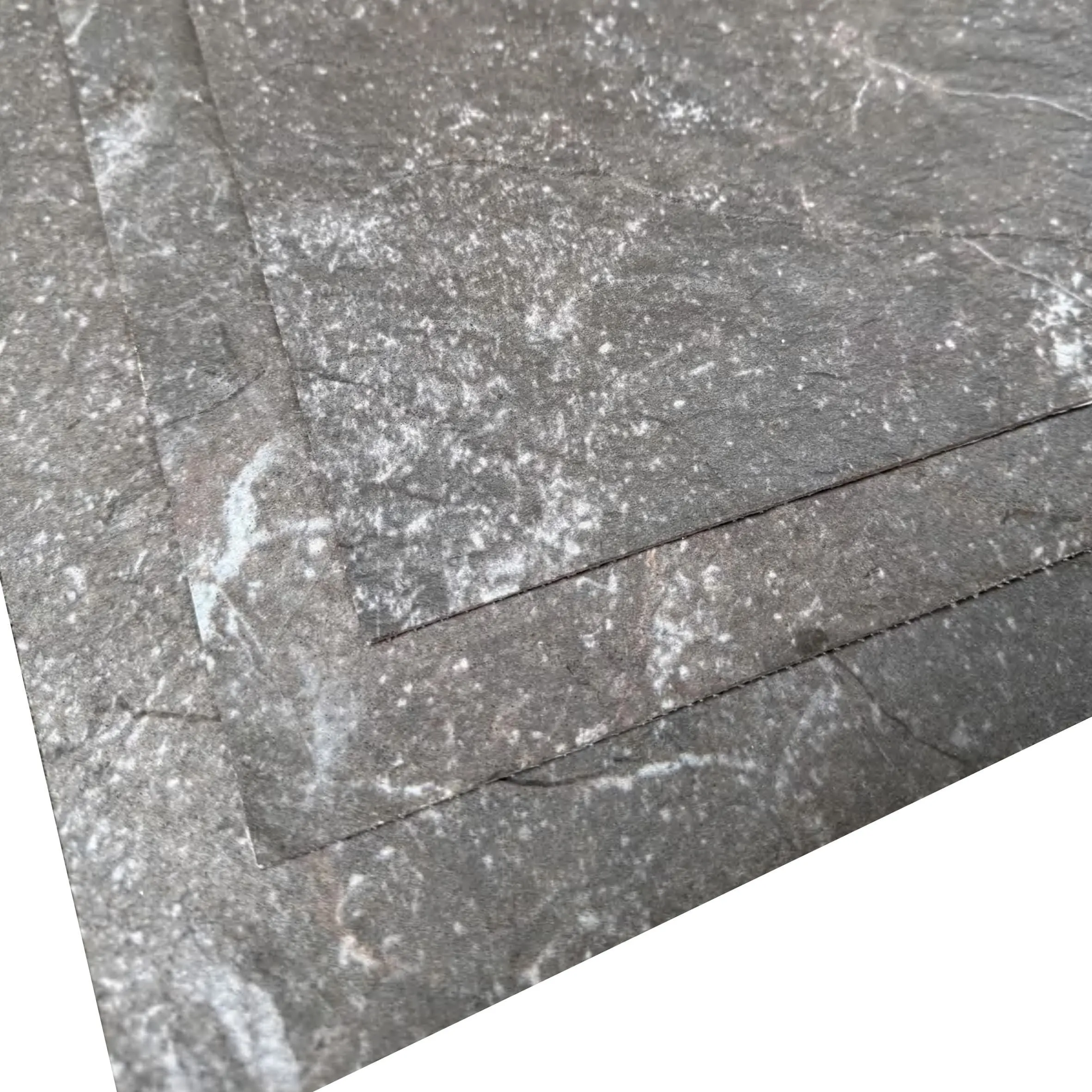
A material can look stunning, but in high-traffic office environments, it needs to keep up with the chaos. Slate Portoro, backed by MCM technology, delivers on the practical front too. Let's break down its technical advantages:
To truly appreciate Slate Portoro, it helps to compare it with other popular office wall materials. Let's put it head-to-head with two common alternatives: Fair-Faced Concrete and Wood Grain Board, both of which have their own merits but fall short in key areas.
| Material | Aesthetic Character | Durability | Installation Ease | Sustainability |
|---|---|---|---|---|
| Slate Portoro (MCM) | Deep gray with gold/charcoal veining; rich texture; balances sophistication and warmth | Highly resistant to scratches, moisture, and fading; 15+ year lifespan with minimal upkeep | Lightweight (8-12 kg/m²); can be installed with standard tools; suitable for curved/irregular surfaces | Uses recycled mineral powders; low VOC emissions; reduces natural stone extraction |
| Fair-Faced Concrete | Raw, industrial look; uniform gray; minimalist appeal | Durable but prone to staining; may require sealing; susceptible to cracks over time | Heavy (20-30 kg/m²); requires formwork and curing time; difficult to repair if damaged | High carbon footprint due to cement production; limited recycled content |
| Wood Grain Board | Warm, natural wood tones; organic texture; cozy feel | Prone to warping, scratches, and water damage; needs regular polishing/coating | Moderate weight; may require specialized tools for cutting; sensitive to humidity changes | Depends on sourcing; FSC-certified options exist but still contribute to deforestation concerns |
The table tells a clear story: Slate Portoro outperforms in versatility, durability, and sustainability, while still holding its own in aesthetics. It's the rare material that doesn't force you to choose between form and function.
In today's world, no material choice is complete without considering its environmental impact. Businesses are increasingly prioritizing sustainability not just for compliance, but because employees and clients care about it. Slate Portoro aligns with this shift, thanks to MCM's commitment to eco-friendly practices.
MCM Flexible Stone is manufactured using a high percentage of recycled mineral powders and aggregates, reducing the need for extracting raw stone from quarries. The production process also emits fewer greenhouse gases compared to traditional stone processing or concrete manufacturing. Additionally, Slate Portoro's long lifespan means less frequent replacement, cutting down on waste over time. For companies aiming for LEED certification or looking to reduce their carbon footprint, this material is a smart, forward-thinking choice.
Numbers and specs are great, but nothing illustrates a material's value like real-world examples. Let's look at two offices that swapped conventional walls for Slate Portoro—and never looked back.
Case Study 1: Tech Startup, San Francisco
A fast-growing software company wanted their new office to reflect their innovative, collaborative culture. They chose Slate Portoro for their open workspace walls, pairing it with vibrant accent furniture and large windows. The result? Employees reported feeling more focused and creative in the space, citing the "calming yet energizing" effect of the gray tones and natural texture. Clients, too, noted that the office felt "modern but approachable," a key differentiator in a competitive tech market.
Case Study 2: Law Firm, Chicago
A traditional law firm sought to update their lobby and conference rooms without losing their reputation for professionalism. Slate Portoro was the perfect middle ground: its sophisticated gray base signaled authority, while the subtle veining added warmth, softening the "stuffy" stereotype often associated with legal offices. The firm's managing partner noted, "Clients used to walk in and seem tense; now, they relax almost immediately. It's amazing how much a wall can change the energy of a room."
At the end of the day, office design is about people. It's about creating spaces where employees want to work, clients want to visit, and ideas want to flourish. Slate Portoro, as part of the MCM Project Board Series, does more than cover walls—it transforms environments. It's a material that understands the balance between looking good and working hard, between tradition and innovation, between individual style and universal appeal.
Whether you're designing a startup's first office or renovating a decades-old corporate headquarters, Slate Portoro offers something rare: a chance to make a statement without sacrificing practicality. In a world where first impressions last and employee satisfaction drives success, that's not just a material choice—it's a strategic advantage.
So, the next time you walk into an office and find yourself admiring the walls, take a closer look. Chances are, it might just be Slate Portoro—quietly elevating the space, one textured panel at a time.
Recommend Products












