
Step into any thriving retail space, and you'll quickly realize it's more than just a place to shop. It's a story—told through lighting, layout, and most importantly, materials. The floors underfoot, the walls that frame displays, the counters where transactions happen—each surface whispers something about the brand. Does it feel luxurious yet approachable? Edgy but inviting? Durable enough to handle the morning rush of coffee-seeking shoppers and the evening browse of window-shoppers alike? For modern retailers, the answer often lies in materials that blend beauty with brawn. Enter Slate Portoro, a standout in the world of MCM flexible stone, and its versatile companions—Fair-faced concrete, Wood grain board, and Rust mosaic stone. Together, they're redefining what retail spaces can be: high-traffic havens that don't just withstand the chaos, but shine because of it.
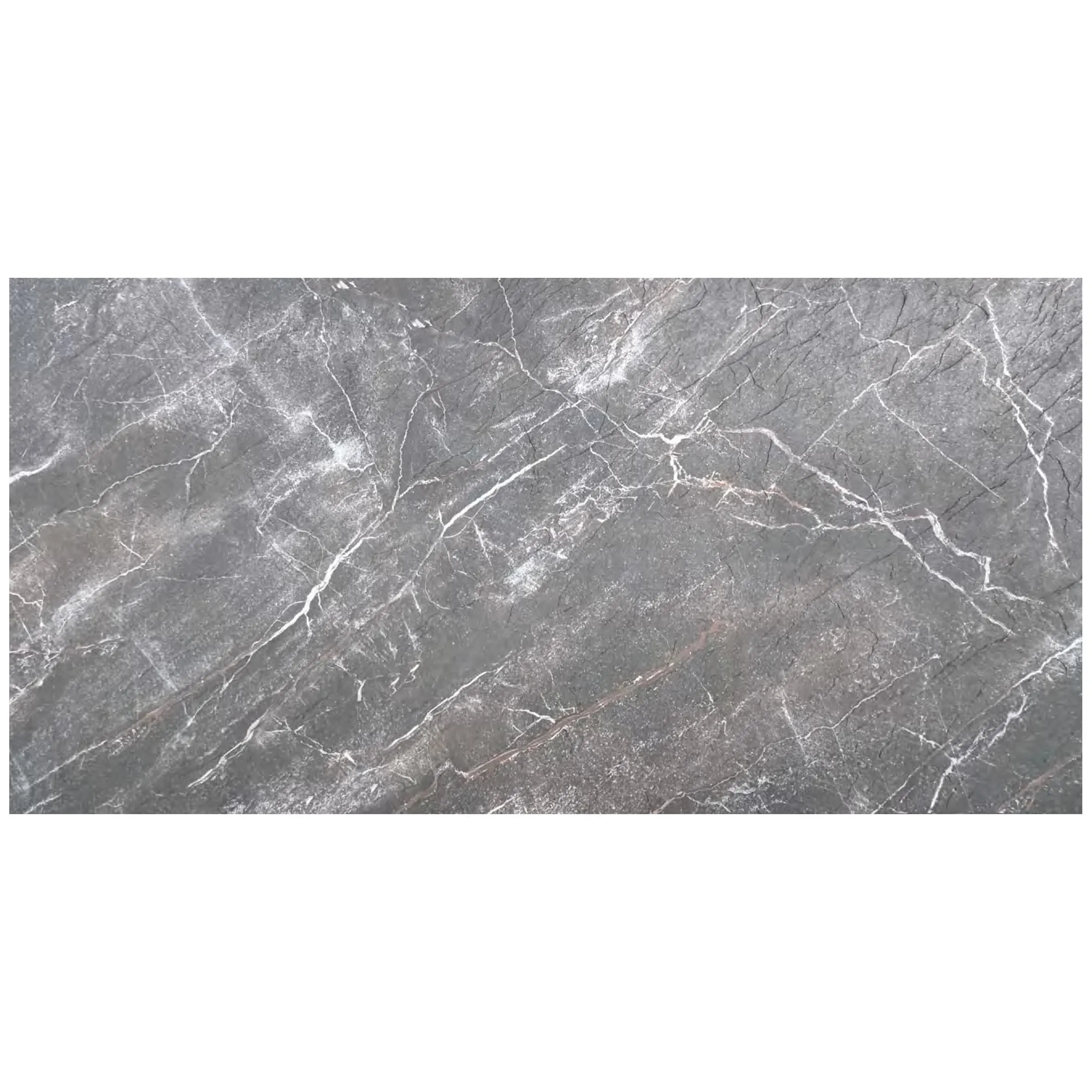
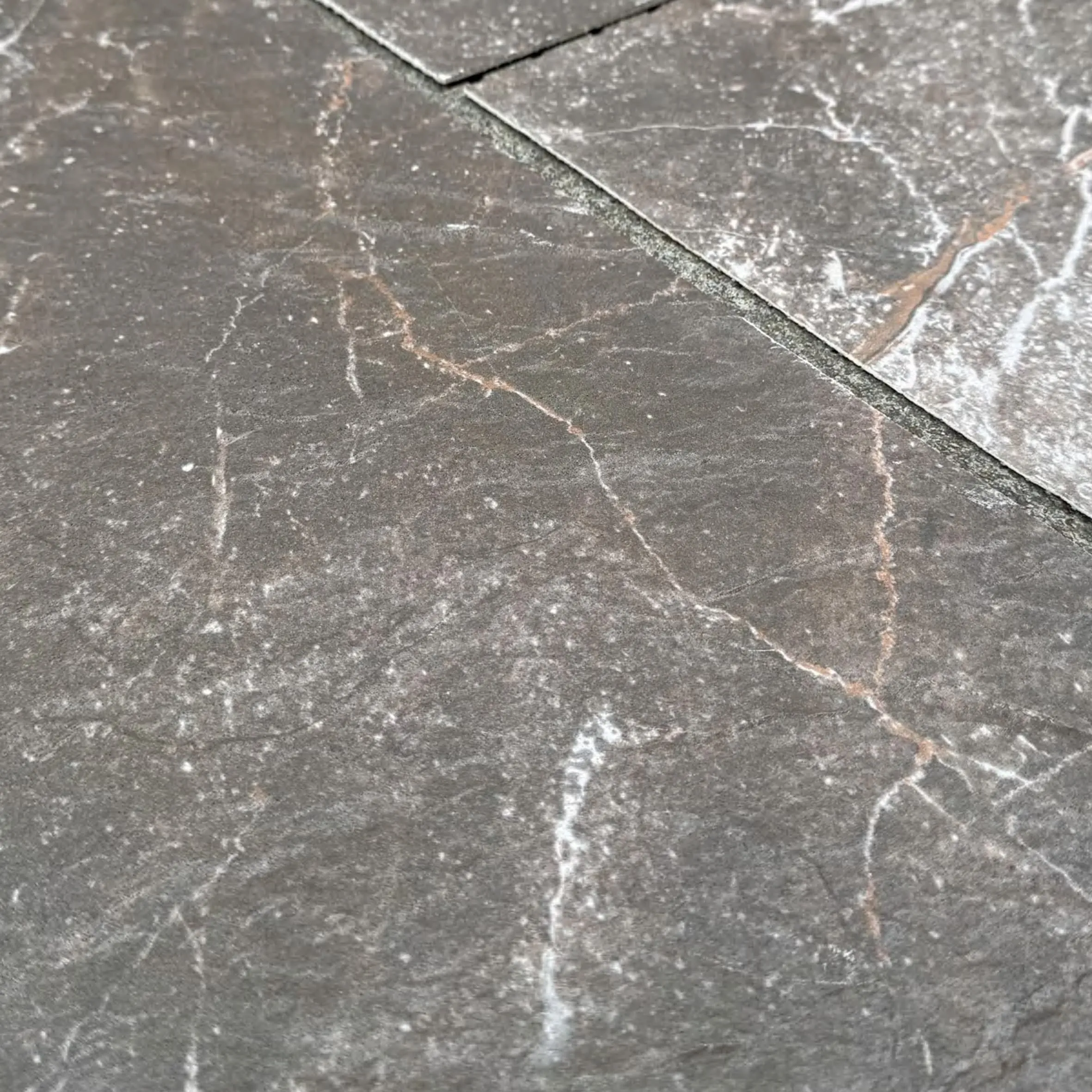
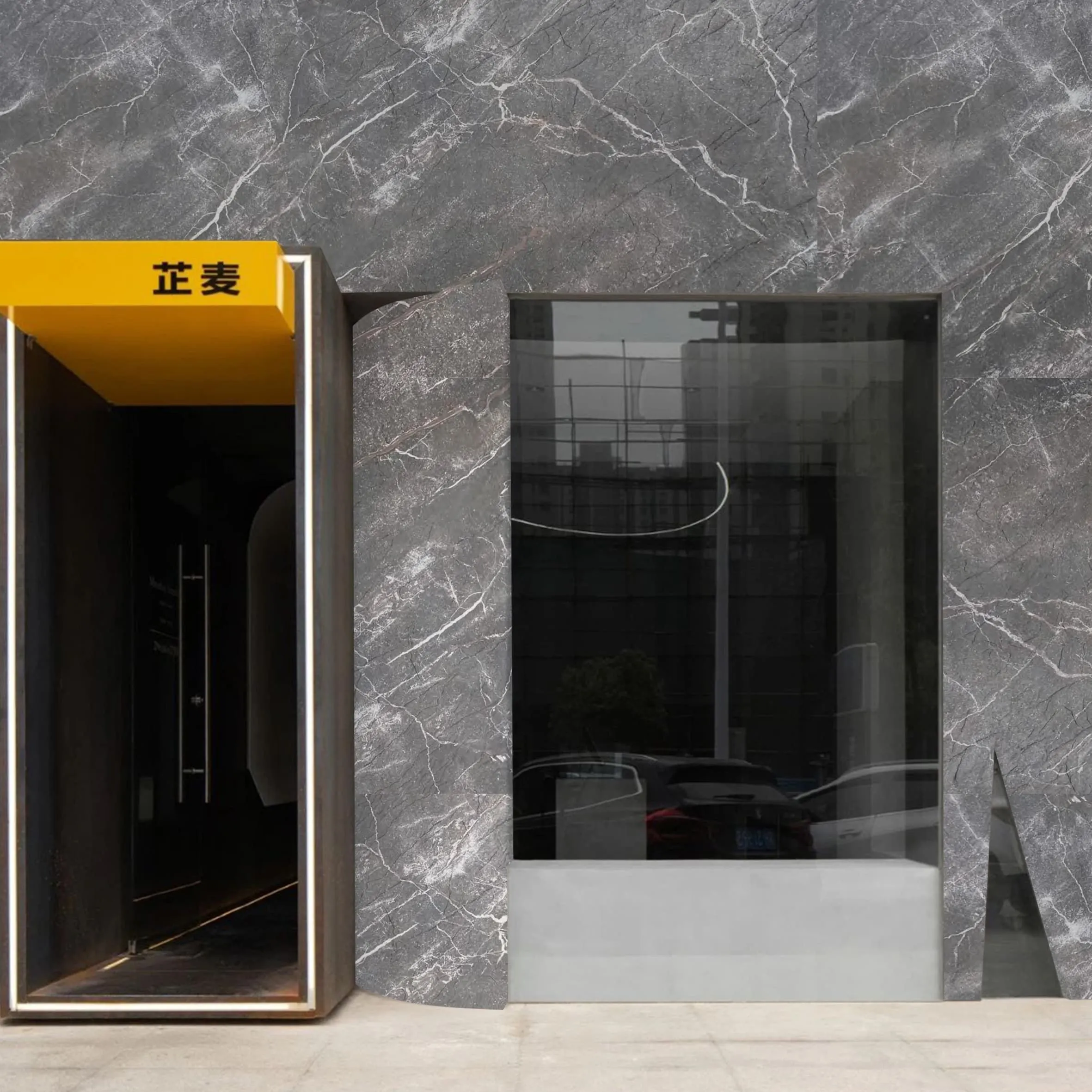
Imagine running your hand over a wall in a boutique—cool, smooth, with a depth that catches the light. That's Slate Portoro. With its deep charcoal base swirled with veins of creamy gold and subtle hints of silver, it's a material that feels both grounded and glamorous. Unlike traditional natural stone, which can be brittle and heavy, Slate Portoro is crafted from MCM flexible stone, a modified composite material that marries the look of quarried stone with the practicality modern retail demands. In a shoe store, it might line the walls behind a display of designer heels, adding a touch of sophistication without overshadowing the products. In a home goods shop, it could cover a checkout counter, where daily use by harried shoppers and spilled coffee cups is par for the course—yet it stays looking fresh, its surface resisting scratches and stains.
What makes Slate Portoro truly special, though, is its chameleon-like ability to adapt. In a minimalist space, it plays the role of a quiet hero, its neutral palette complementing clean lines and monochromatic displays. In a more eclectic store, it becomes a bold statement, pairing with vibrant textiles or neon signage to create contrast. It's the kind of material that doesn't just fill a space—it elevates it, turning ordinary corners into memorable moments. And because it's part of the MCM flexible stone family, it's lightweight enough to install on curved surfaces or overhead canopies, opening up design possibilities that rigid natural stones simply can't match.
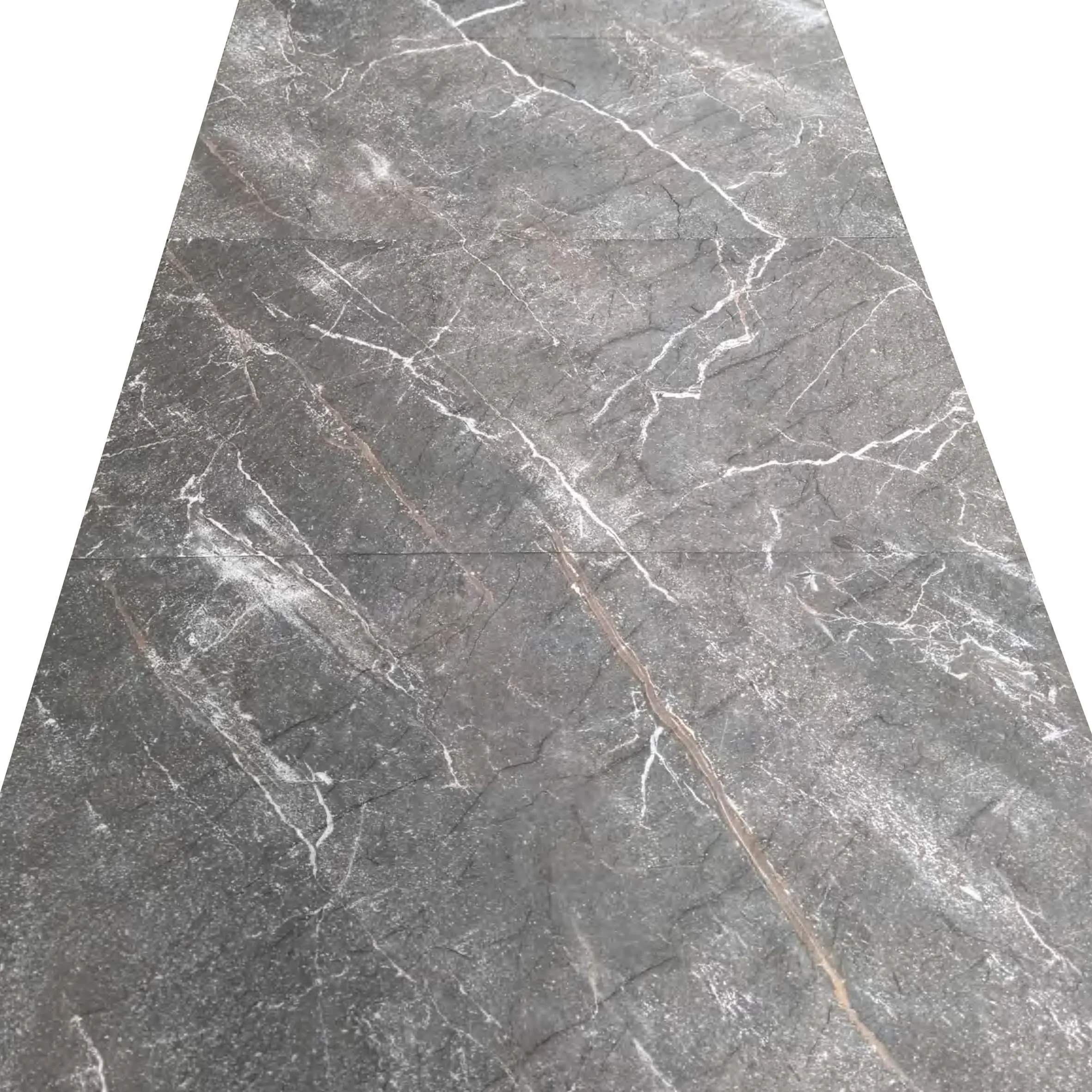
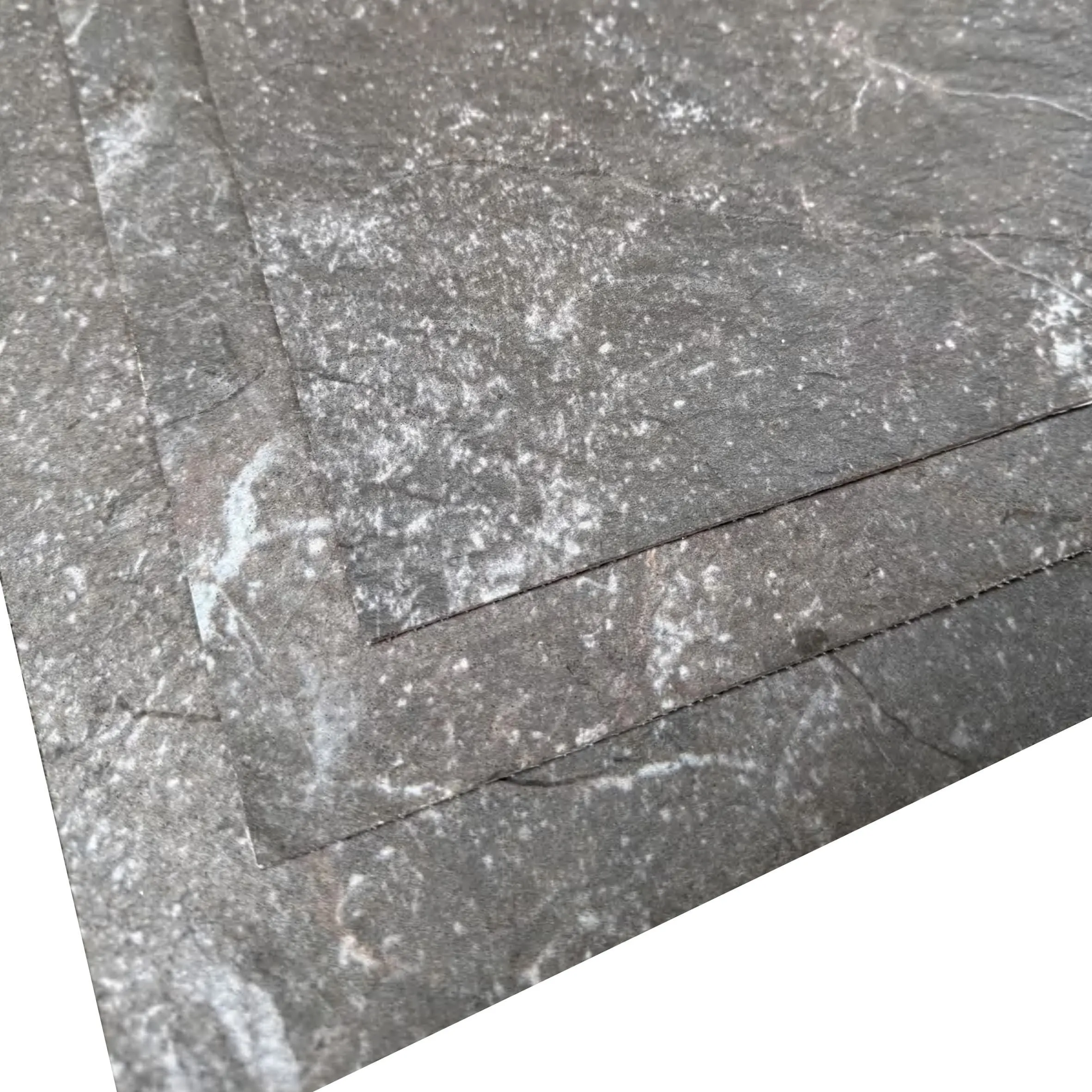
At the heart of Slate Portoro—and many other retail favorites—is MCM flexible stone. So what exactly is it? Think of it as nature's best qualities reimagined: real stone particles are mixed with a polymer binder, then formed into thin, flexible panels. The result? A material that weighs up to 80% less than natural stone, making installation a breeze (no need for reinforced walls or heavy machinery) and reducing stress on building structures. For a busy mall retailer, that means less downtime during renovations—critical when every day of closure is lost revenue. But the benefits don't stop there.
In high-traffic areas, durability is non-negotiable. MCM flexible stone laughs off the daily grind: scuffs from rolling luggage in a travel accessories store, water splashes near a café counter, even the occasional dropped shopping bag. Unlike wood, it won't warp or rot; unlike traditional concrete, it resists cracking under pressure. And when it does need a refresh? A quick wipe with a damp cloth is usually all it takes. For store owners, that translates to lower maintenance costs and a space that stays camera-ready, even during peak shopping seasons.
But perhaps the biggest win for designers is flexibility—literally. MCM panels can bend to follow curved walls, wrap around pillars, or even be cut into custom shapes. Imagine a cosmetics store with a circular display counter clad in Slate Portoro, its smooth surface reflecting the glow of product lights. Or a bookstore with a sloped ceiling lined with the same material, creating a cozy, cave-like atmosphere that invites customers to linger. With MCM flexible stone, the only limit is creativity.
Slate Portoro may be the star, but even the best stars shine brighter with a supporting cast. Let's meet its co-stars: Fair-faced concrete, Wood grain board, and Rust mosaic stone. Each brings something unique to the table, proving that MCM flexible stone isn't just a single material, but a family of possibilities.
If Slate Portoro is the elegant host, Fair-faced concrete is the laid-back friend who keeps the vibe casual. With its raw, unpolished finish and subtle gray tones, it adds an industrial edge that's perfect for brands aiming for a "cool, understated" aesthetic. In a streetwear store, it might cover the floors, paired with metal racks and graffiti-inspired art, creating a space that feels urban and authentic. But don't mistake its ruggedness for coldness—when warmed by soft lighting or paired with plush seating, Fair-faced concrete becomes surprisingly inviting. It's also a master of versatility: use it for accent walls, display shelves, or even ceiling panels. And because it's MCM-based, it avoids the heaviness of traditional concrete, making it easy to install in multi-level malls or historic buildings where structural limits are tight.
There's something inherently comforting about wood. It evokes memories of cozy cabins, family kitchens, and lazy afternoons—feelings retailers often want to tap into, especially in spaces selling home decor, apparel, or artisanal goods. Wood grain board, another MCM standout, captures that warmth without the drawbacks of real wood. Unlike solid timber, it won't warp in humid climates, scratch easily, or fade under harsh sunlight. In a boutique selling handmade jewelry, it might line the shelves, its soft oak-like texture making delicate necklaces and earrings feel more approachable. In a children's store, it could cover the walls, creating a playful, treehouse-like atmosphere that puts little ones (and their parents) at ease. The best part? It comes in a range of finishes—from light pine to rich walnut—so it can mimic any wood species, ensuring it fits seamlessly with a brand's aesthetic.
For brands that want to stand out with bold, artisanal flair, Rust mosaic stone is a showstopper. Made up of small, irregular tiles in varying shades of amber, terracotta, and deep rust, it adds texture and visual interest to any surface. Imagine a wine bar within a retail space, its backbar clad in Rust mosaic stone, the tiles catching the light and casting warm, dappled shadows. Or a boutique hotel lobby (yes, retail isn't just for stores!) where a feature wall of Rust mosaic stone greets guests, setting a mood of relaxed luxury. Because it's part of the MCM family, it's lightweight and easy to install in intricate patterns—think herringbone, chevron, or even custom logos. And while it looks delicate, it's surprisingly tough: resistant to moisture, heat, and daily wear, making it ideal for high-traffic entryways or kitchen backsplashes in café-retail hybrids.
| Material | Aesthetic Vibe | Durability (1-5) | Best For | Design Tip |
|---|---|---|---|---|
| Slate Portoro | Timeless elegance with gold/silver veining | 5 | Feature walls, countertops, high-end displays | Pair with warm lighting to highlight veining |
| Fair-faced concrete | Raw, industrial, minimalist | 5 | Floors, accent walls, urban-themed stores | Add greenery to soften its industrial edge |
| Wood grain board | Warm, homey, natural | 4 | Shelving, fitting rooms, kid-friendly spaces | Mix light and dark tones for depth |
| Rust mosaic stone | Artisanal, textured, bold | 4 | Backsplashes, entryways, focal walls | Use in small doses to avoid overwhelming |
| MCM flexible stone (base) | Customizable to match any style | 5 | All high-traffic retail areas | Combine with other MCM materials for cohesion |
Let's take a closer look at Haven & Co., a fictional but realistic home goods store in a bustling downtown area. When the owners first envisioned Haven, they wanted a space that felt "lived-in luxury"—sophisticated enough for high-end decor, but cozy enough that customers would want to linger. They also knew they needed materials that could handle 500+ daily visitors, from parents with strollers to weekend tourists. Enter MCM flexible stone.
The store's main entrance features a curved wall clad in Slate Portoro, its gold veins catching the morning sun and drawing passersby in. Inside, the checkout counter is a seamless slab of the same material, where baristas serve coffee (yes, Haven has a mini café!) and cashiers ring up purchases—no worries about water rings or scuffs. To the left, a wall of Rust mosaic stone frames a display of handcrafted pottery, the warm reds and oranges complementing the earthy tones of the ceramics. On the right, Wood grain board lines the shelves holding linen throws and candles, adding a tactile softness that invites customers to reach out and touch.
In the back, a kids' play area (a smart move to keep families shopping longer) has floors made of Fair-faced concrete, chosen for its durability and easy cleanup—spilled juice boxes wipe right off. Even the ceiling isn't left out: slats of Wood grain board run overhead, softening the industrial feel of the exposed beams. Six months in, the owners report zero major repairs, and customers often comment on how "put-together" the store feels, even during holiday rushes. "It's like the materials work with us," one owner says. "They don't fight the chaos—they embrace it."
Retail isn't just about selling products anymore—it's about selling experiences. And experiences are built on the senses: the way a space looks, feels, even smells. Slate Portoro, MCM flexible stone, Fair-faced concrete, Wood grain board, and Rust mosaic stone aren't just building materials—they're storytellers. They turn empty rooms into destinations, and first-time visitors into repeat customers. They're tough enough to handle the chaos of Black Friday, yet beautiful enough to make Instagram-worthy moments. In a world where shoppers have endless choices, the right materials don't just set a store apart—they make it unforgettable. So the next time you walk into a retail space that feels "just right," take a closer look at the walls, the floors, the counters. Chances are, you're looking at MCM flexible stone—and a brand that understands that in retail, the best stories aren't just told—they're felt.
Recommend Products












